
Winter Baby Care: 7 Essential Tips to Keep Your Newborn Healthy and Warm


Welcome to BabyCareHub, your ultimate guide to navigating the incredible journey of parenthood. Are you a first-time parent bracing for the challenges – and joys – of winter with your newborn? Then you've come to the right place. Discover essential tips for keeping your little one healthy and warm this season in our in-depth article, "Winter Newborn Care Tips", a must-read for ensuring a safe and snug winter for your precious bundle of joy. Let's dive in and prepare for those chilly months ahead!
- Protecting Your Newborn from Winter's Chill: Essential Winter Newborn Care Tips
- Safeguarding Your Baby's Skin During Winter Months: Winter Skincare for Newborns
- Feeding Your Baby in Winter: Nutrition and Hydration
- Winter Baby Sleep: Ensuring Safe and Sound Sleep
- Winter Health Concerns for Newborns: Recognizing Potential Issues
- Winter Travel Safety with Your Newborn
- Staying Healthy Yourself: Protecting Your Newborn Through Prevention
-
Frequently Asked Questions
- What are the biggest challenges of caring for a newborn in winter?
- How can I keep my newborn warm without overdressing them?
- How do I protect my newborn's skin from the harsh winter weather?
- What are the signs of hypothermia in a newborn?
- How can I prevent my newborn from getting sick during winter?
- Final Reflection: Nurturing New Life Through Winter's Embrace
- Embrace the Cozy: Nurture Your Little One This Winter!
Protecting Your Newborn from Winter's Chill: Essential Winter Newborn Care Tips
Winter brings joy and festive cheer, but for new parents, it also introduces unique challenges in caring for their precious newborns. Navigating the cold weather and ensuring your baby's health and comfort requires careful attention to detail. This comprehensive guide provides seven essential winter newborn care tips to help you keep your little one healthy, warm, and happy throughout the winter months.
We'll explore crucial aspects like maintaining the ideal room temperature, dressing your baby appropriately, and understanding the art of layering clothing to protect against the elements. Successfully implementing these tips will contribute significantly to your baby's overall well-being during the colder season, minimizing the risks associated with winter weather and ensuring a healthy start to life.
This guide focuses specifically on practical advice for first-time parents, offering actionable steps and addressing common concerns related to winter newborn care. Remember, always consult your pediatrician with any specific concerns about your baby's health.
Maintaining Optimal Room Temperature for Your Winter Baby
Maintaining a comfortable room temperature is paramount for your winter baby's well-being. A consistently warm environment helps prevent hypothermia and ensures your baby sleeps soundly and comfortably. The ideal room temperature for a newborn in winter is generally between 68-72°F (20-22°C). However, individual babies may have slightly different preferences, so observe your baby’s cues.
If they seem too cold (shivering, cold hands and feet), slightly increase the temperature. Conversely, if they appear overly warm (sweating, flushed skin), reduce the room temperature. Avoid using space heaters directly near your baby's crib as these can pose a fire hazard and create uneven heating. Instead, opt for central heating or a safe, well-maintained portable heater placed at a safe distance.
Regularly monitor the room temperature using a reliable thermometer, ensuring consistency throughout the day and night. Remember, a slightly cooler room is preferable to an overly warm one, as overheating can be just as dangerous as being too cold. Consider using a room thermometer with a hygrometer to monitor both temperature and humidity, aiming for a comfortable humidity level as well.
Dressing Your Newborn Appropriately for Winter Weather
Dressing your newborn appropriately for winter weather is crucial for preventing hypothermia and ensuring their comfort. Overdressing is as problematic as underdressing; your baby can overheat easily, leading to discomfort and potential health issues. A good rule of thumb is to dress your baby in one more layer than you would wear yourself in the same conditions. This means if you're comfortably warm in a sweater, your baby might need a onesie, a light sweater, and a sleep sack.
Avoid using heavy blankets or loose clothing in the crib, as these pose a suffocation risk. When venturing outdoors, ensure your baby is bundled up warmly, but again, avoid overdressing. Choose warm, breathable fabrics like cotton and wool.
Opt for outerwear designed for babies, such as snowsuits or bunting bags, that provide adequate protection from wind and cold. Always remember to check your baby’s temperature regularly, especially after being outdoors, to ensure they are neither too hot nor too cold. Pay close attention to their hands and feet; slightly cool extremities are normal, but cold, clammy hands and feet may indicate they are too cold.
Winter Baby Clothing Layers: The Right Approach
Layering is key to keeping your winter baby warm and comfortable. Instead of one bulky outfit, opt for several thinner layers that can be easily adjusted as needed. A typical layering system might consist of a onesie, a lightweight sweater or fleece jacket, and a warm sleep sack or swaddle. This allows for flexibility; you can remove a layer if your baby gets too warm and add one if they seem chilly.
Avoid using loose-fitting clothing that could cover your baby's face and interfere with their breathing. Natural fibers like cotton and wool are excellent choices for their breathability and warmth. Ensure all clothing is appropriately sized and comfortable, avoiding anything too tight or restrictive. Remember, the goal is to maintain a comfortable body temperature, preventing both overheating and hypothermia.
Regularly monitor your baby’s temperature and adjust their clothing accordingly. Observe their skin for signs of being too hot (sweating, flushed skin) or too cold (shivering, cold extremities). This careful layering approach allows for optimal temperature regulation and ensures your baby's comfort throughout the winter season.
Choosing the Right Winter Baby Gear: Car Seats, Strollers, and Carriers
Selecting the appropriate winter gear for your newborn is crucial for their safety and comfort during colder months. This involves careful consideration of car seats, strollers, and carriers, ensuring they provide adequate warmth and protection without compromising safety. Improperly bundled babies can overheat or become difficult to manage in a car seat.
One of the most important aspects is ensuring your car seat is compatible with a winter cover. Avoid bulky covers that interfere with the proper installation and function of the car seat's safety straps. Many manufacturers offer specific winter car seat covers designed to fit snugly without obstructing the harness. Always check your car seat's manufacturer instructions before using any additional covers or accessories. Remember, a properly installed and secured car seat is paramount to your baby's safety, regardless of the weather.
When it comes to strollers, consider purchasing one with a weather shield or investing in a separate, high-quality winter stroller cover. These covers provide an extra layer of protection against wind, snow, and rain. Look for covers that are waterproof and windproof, but also breathable to prevent overheating. Features like fleece lining can add extra warmth and comfort for your little one. It's also essential to ensure the stroller's maneuverability isn't significantly hampered by the added bulk of a winter cover. Testing the stroller with the cover in place before heading out in inclement weather is a smart precaution.
Baby carriers, particularly those worn close to your body, offer an excellent way to keep your baby warm while providing hands-free mobility. However, be mindful of layering your baby appropriately to prevent overheating. Avoid bundling them too heavily in the carrier, as this can restrict their movement and breathing. Opt for breathable fabrics and layers that can be easily adjusted depending on the temperature. Remember to always keep a close eye on your baby's body temperature while using a carrier, especially in colder weather. Regularly check their skin for signs of overheating or chilling.
Safeguarding Your Baby's Skin During Winter Months: Winter Skincare for Newborns

Winter's harsh conditions can significantly impact a newborn's delicate skin. The cold, dry air and strong winds can lead to dryness, irritation, and even chapping. Protecting your baby's skin during the winter months is crucial for their comfort and overall well-being. This section will delve into practical strategies for maintaining healthy, hydrated skin for your little one throughout the winter season. Remember, a proactive approach to winter newborn care is key to preventing skin problems.
Preventing Dry Skin and Chapped Cheeks in Winter
The most common winter skin issue for newborns is dryness. Low humidity levels rob the skin of its natural moisture, leading to flakiness, redness, and discomfort. Chapped cheeks are particularly prevalent, often appearing as cracked and sore patches. To combat this, maintaining a humidified environment indoors is essential.
Aim for a humidity level between 40-60%. You can achieve this using a cool-mist humidifier, placing bowls of water near radiators, or even hanging damp towels. Frequent bathing can exacerbate dryness, so limit baths to 2-3 times a week, using lukewarm water and gentle, fragrance-free cleansers. After bathing, gently pat (don't rub!)
your baby's skin dry and apply a moisturizer immediately while the skin is still damp to lock in hydration. Avoid harsh soaps and detergents, opting instead for hypoallergenic and fragrance-free products specifically designed for babies. Remember to dress your baby warmly but avoid overdressing, which can lead to overheating and sweating, further irritating sensitive skin. Finally, always protect exposed skin with a hat, mittens, and booties when venturing outside.
Choosing the Right Moisturizers and Lotions for Delicate Baby Skin
Selecting the right moisturizer is paramount. Avoid lotions containing fragrances, dyes, and harsh chemicals, as these can irritate your baby's sensitive skin. Look for products specifically labeled as "hypoallergenic" and "fragrance-free." Ingredients like shea butter, lanolin, and ceramides are excellent choices as they are naturally moisturizing and help repair the skin barrier. Petroleum jelly can also be effective for particularly dry or chapped areas, providing a protective barrier against further moisture loss.
Always test a small amount of any new product on a small area of your baby's skin before applying it liberally to ensure there's no allergic reaction. Monitor your baby's skin closely for any signs of irritation, such as redness, rash, or itching. If any adverse reactions occur, discontinue use immediately and consult your pediatrician. Consistency is key; apply moisturizer regularly, especially after bathing and before bedtime.
Protecting Your Baby's Skin from Harsh Winter Winds
Winter winds can be incredibly drying and irritating to delicate skin. When taking your baby outside, ensure they are adequately protected. A warm, windproof jacket or bunting is crucial, covering as much exposed skin as possible. Hats, mittens, and booties are equally important. Consider using a protective balm or ointment on exposed areas like cheeks and hands before venturing out.
This will create a barrier against the harsh elements. Keep outdoor excursions short, especially on particularly windy days. Remember, even short periods of exposure to extreme cold and wind can cause significant skin irritation. After returning indoors, remove wet or damp clothing promptly and reapply moisturizer to replenish lost hydration.
Regularly check your baby's skin for any signs of chapping or windburn. Early intervention is key to preventing more severe skin problems. By following these tips and paying close attention to your baby's skin, you can ensure they stay comfortable and healthy throughout the winter months. 👶
Feeding Your Baby in Winter: Nutrition and Hydration
Winter brings unique challenges to feeding your little one. Maintaining adequate nutrition and hydration is crucial for their immune system and overall well-being, especially during cold and flu season. This section focuses on practical strategies to ensure your baby receives the nutrients they need throughout the colder months. Remember, consistent monitoring and responsiveness to your baby's cues are key to successful winter feeding.
Maintaining Adequate Breast Milk or Formula Intake in Cold Weather
Colder weather can sometimes impact a breastfeeding mother's milk supply, or a baby's appetite. It's important to address these potential issues proactively. For breastfeeding mothers, staying well-hydrated is paramount. Increased fluid intake helps maintain milk production. Consider adding warm, comforting beverages like herbal teas (caffeine-free) to your daily routine. Sufficient rest and a balanced diet rich in nutritious foods are also essential for supporting lactation during winter.
For formula-fed babies, ensuring the formula is prepared correctly at the right temperature is crucial. Cold weather can affect the rate at which formula cools, potentially leading to under- or over-feeding. Always check the temperature of the formula before feeding your baby. Using a thermometer is recommended to prevent burns.
Here's a helpful table summarizing key considerations for maintaining adequate intake:
| Feeding Method | Key Considerations | Potential Challenges | Solutions |
|---|---|---|---|
| Breastfeeding | Hydration, nutrition, rest for the mother | Decreased milk supply due to cold weather | Increase fluid intake, eat nutritious foods, rest well |
| Formula Feeding | Correct formula preparation and temperature control | Incorrect temperature, slower cooling in cold weather | Use a thermometer, allow sufficient cooling time |
Remember, consult your pediatrician if you have any concerns about your baby's feeding habits or weight gain. Early intervention can prevent potential problems.
Signs of Dehydration in Winter Babies
Dehydration can be particularly dangerous for babies, especially during winter. Recognizing the signs early is crucial for prompt intervention. Unlike adults, babies may not always show obvious signs of thirst. Therefore, vigilant observation is essential.
Winter newborn care tips often overlook subtle dehydration signs. These can include:
- Fewer wet diapers than usual (a significant indicator).
- Dry mouth and tongue.
- Sunken eyes or fontanels (the soft spots on the baby's head).
- Lethargy or unusual sleepiness.
- Less frequent urination.
- Dry skin.
- A lack of tears when crying.
If you observe any of these signs, contact your pediatrician immediately. Prompt intervention is vital to prevent serious complications. Remember, prevention is key! Offer your baby frequent feeds and monitor their urine output carefully. Paying attention to these subtle cues is crucial for effective winter newborn care. 💧 Early detection and intervention are vital for the healthy development of your little one.
Winter Baby Sleep: Ensuring Safe and Sound Sleep

Winter brings unique challenges to baby sleep. The colder temperatures tempt parents to bundle their little ones excessively, increasing the risk of overheating and Sudden Infant Death Syndrome (SIDS). Understanding how to balance warmth and safety is crucial for ensuring your baby sleeps soundly and securely throughout the winter months. This section focuses on creating a safe and comfortable sleep environment for your winter newborn, emphasizing safe sleep practices that prioritize both warmth and the prevention of overheating. Proper winter newborn care involves careful attention to these details.
Creating a Warm and Cozy Sleep Environment for Winter Babies
Creating a warm and cozy sleep environment for your winter baby doesn't mean piling on layers of blankets. Instead, focus on regulating the room temperature and dressing your baby appropriately. A comfortable room temperature for a baby sleeping in winter is generally between 68-72°F (20-22°C). You can achieve this using a thermostat or a reliable room thermometer. Avoid using space heaters directly near your baby's crib, as these can pose a fire hazard and create uneven temperatures.
Instead of heavy blankets, opt for a lightweight sleep sack or swaddle. These provide warmth without the risk of loose bedding covering your baby's face. Choose a sleep sack with a TOG rating appropriate for the room temperature. A higher TOG rating indicates more warmth. Remember to always check your baby's skin temperature regularly to ensure they aren't too hot or too cold.
Signs of overheating include sweating, flushed skin, and rapid breathing. If you notice these signs, remove a layer of clothing or adjust the room temperature. It's better to err on the side of slightly cooler than to risk overheating. Remember, a baby who is slightly cool to the touch is generally fine; it's overheating that's dangerous. Consistent monitoring is key to effective winter newborn care.
Safe Sleep Practices for Winter: Preventing Overheating
Preventing overheating is paramount when caring for a winter baby. The combination of extra layers and a warm room can quickly lead to dangerous temperatures. Always follow safe sleep guidelines, even in winter. This means placing your baby on their back to sleep on a firm, flat surface in a crib free of loose bedding, toys, or bumpers. Avoid using soft pillows, blankets, or stuffed animals in the crib. These items increase the risk of suffocation.
Here's a helpful checklist to ensure safe sleep practices during winter:
- [x] Baby sleeps on their back
- [x] Firm, flat sleep surface
- [x] Lightweight sleep sack or swaddle (appropriate TOG rating)
- [x] Room temperature between 68-72°F (20-22°C)
- [x] No loose bedding, toys, or bumpers in the crib
- [x] Regularly check baby's skin temperature
- [x] Monitor for signs of overheating (sweating, flushed skin, rapid breathing)
Remember, a slightly cool baby is better than an overheated one. Prioritizing safe sleep practices is crucial for effective winter newborn care and contributes significantly to reducing the risk of SIDS. By following these simple guidelines, you can create a safe and warm sleep environment for your little one all winter long. Consistent monitoring and attention to detail are essential aspects of successful winter newborn care.
Winter Health Concerns for Newborns: Recognizing Potential Issues
Winter brings unique challenges for newborns, whose immune systems are still developing. Understanding potential health risks is crucial for proactive winter newborn care. The most common winter illnesses affecting newborns include respiratory infections like RSV (Respiratory Syncytial Virus), bronchiolitis, and influenza, as well as common colds. These illnesses can manifest differently in infants than in older children or adults, making early recognition vital.
Newborns are particularly vulnerable due to their underdeveloped respiratory systems and immature immune responses. Furthermore, the dry air common in winter can exacerbate existing conditions like eczema and lead to dehydration. Prolonged exposure to cold temperatures can also cause hypothermia, a dangerous drop in body temperature.
Finally, the increased indoor time during winter can lead to greater exposure to germs circulating in enclosed spaces. Careful monitoring and preventative measures are essential to mitigate these risks and ensure your baby's well-being throughout the colder months. This section will delve deeper into recognizing the symptoms and when to seek professional medical advice.
Recognizing Symptoms of Common Winter Illnesses in Babies
Recognizing the subtle signs of illness in a newborn is key to timely intervention. While a runny nose or cough might be easily identifiable in older children, newborns often display more nuanced symptoms. For instance, instead of a productive cough, a newborn with a respiratory infection might exhibit increased fussiness, difficulty breathing (indicated by rapid or labored breathing, grunting, or nasal flaring), and poor feeding.
Fever, while a common indicator of illness, can be tricky to assess in newborns. Rectal temperature is the most accurate method, and a temperature above 100.4°F (38°C) generally warrants a call to your pediatrician. Other symptoms to watch for include lethargy, decreased alertness, and unusual skin discoloration.
Remember, even seemingly minor changes in your baby's behavior or feeding patterns could signal a problem, particularly during the winter months. Keeping a detailed record of your baby’s feeding, sleeping, and bowel movements can be invaluable in identifying subtle changes. This is especially important during winter when the symptoms of various illnesses can overlap.
Below is a table summarizing common winter illnesses and their typical symptoms in newborns:
| Illness | Symptoms |
|---|---|
| RSV (Respiratory Syncytial Virus) | Runny nose, cough, wheezing, difficulty breathing, fever (sometimes) |
| Bronchiolitis | Cough, wheezing, rapid breathing, nasal flaring, difficulty feeding |
| Influenza (Flu) | Fever, cough, runny nose, body aches (less prominent in infants), lethargy |
| Common Cold | Runny nose, sneezing, cough, mild fever (sometimes), irritability |
It's crucial to remember that this is not an exhaustive list, and symptoms can vary. Always consult your pediatrician if you have any concerns about your baby's health. Early intervention is crucial in managing winter illnesses and preventing serious complications.
When to Seek Medical Attention for Your Winter Baby
While many winter illnesses in newborns resolve on their own with supportive care, knowing when to seek professional medical attention is crucial. You should contact your pediatrician immediately if your baby exhibits any of the following:
- Difficulty breathing or rapid breathing (more than 60 breaths per minute)
- Significant lethargy or unresponsive to stimulation
- High fever (rectal temperature above 100.4°F or 38°C)
- Dehydration (sunken eyes, dry mouth, decreased urination)
- Persistent vomiting or diarrhea
- Cyanosis (bluish discoloration of the skin or lips)
- Any concerning changes in your baby's feeding or behavior
Don't hesitate to contact your doctor even if you're unsure. It's always better to err on the side of caution when it comes to your newborn's health, especially during the winter months. Early detection and treatment can significantly improve your baby's prognosis and prevent potential complications. Remember that your pediatrician is your best resource for guidance and support in navigating winter newborn care. They can provide personalized advice based on your baby's individual needs and risk factors. Trust your instincts and seek professional help when needed. Your vigilance and proactive approach are essential components of effective winter newborn care.
Winter Travel Safety with Your Newborn
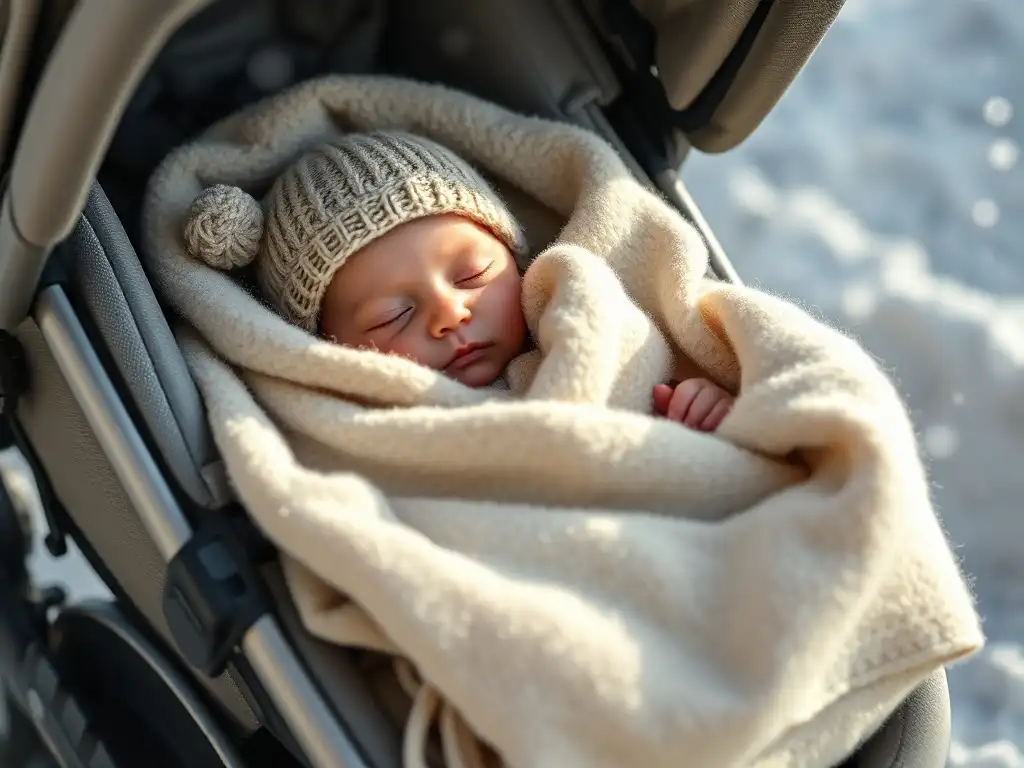
Traveling with a newborn during winter presents unique challenges. The cold weather, potential for delays, and increased risk of illness require careful planning and preparation. This section focuses on ensuring your little one's safety and comfort during winter journeys, whether it's a short trip to grandma's house or a longer vacation. Successfully navigating winter travel with a newborn hinges on proactive measures and attention to detail, ensuring a safe and enjoyable experience for both parent and child. Effective winter newborn care extends beyond the home environment.
Safe Winter Travel with a Newborn: Car Seat Safety
Car seat safety is paramount, especially during winter. Cold temperatures can affect car seat performance and your baby's comfort. Never leave your baby unattended in the car, even for a short period, as temperatures can drop rapidly, posing a serious risk of hypothermia. Ensure the car seat is properly installed and adjusted according to the manufacturer's instructions and your baby's weight and height. Consider using a car seat cover designed for winter, which provides added insulation without compromising safety. These covers often have openings for harnesses and ventilation to prevent overheating.
It's crucial to check your baby's clothing layers before securing them in the car seat. Bulky winter clothing can create extra space between your baby and the car seat harness, reducing the effectiveness of the restraint system in a collision. Dress your baby in lightweight layers under a warm blanket or sleep sack, ensuring the harness fits snugly against their body. Remember, the harness should be snug enough that you can only pinch a small amount of fabric between the harness and your baby's chest.
Additional Car Seat Safety Tips for Winter:
- Keep a blanket readily available for quick cover in case of unexpected stops.
- Regularly check the car seat for any damage or wear and tear.
- Never use a car seat that has been involved in a collision.
- Familiarize yourself with the proper techniques for installing and adjusting your car seat.
Preparing Your Baby for Winter Travel: Packing Essentials
Packing for a winter trip with a newborn requires careful consideration of both the essentials and the unexpected. A well-organized bag can significantly reduce stress and ensure your baby's comfort throughout the journey. Prioritize items that maintain warmth, soothe discomfort, and address potential emergencies. Overpacking can be cumbersome, so focus on versatile items with multiple uses.
| Item Category | Essential Items | Considerations |
|---|---|---|
| Clothing | Warm layers (onesies, sweaters, hats, mittens, booties), sleep sack, extra outfits | Choose breathable fabrics to prevent overheating. Pack extra layers for unexpected spills. |
| Feeding Supplies | Bottles, formula (if applicable), breast pump, nursing covers, bibs, burp cloths | Consider using insulated bags to keep formula at the correct temperature. |
| Diapering | Diapers, wipes, diaper rash cream, changing mat | Pack more than you think you'll need, especially for longer trips. |
| Comfort & Care | Pacifiers, toys, blankets, baby carrier or stroller | Choose lightweight, easy-to-clean items. |
| Health & Safety | First-aid kit (including thermometer, pain relief medication), hand sanitizer | Include any necessary prescription medications. |
| Other Essentials | Baby wipes, changing pad, extra bags for soiled clothes | A small portable fan can help regulate temperature. |
Remember to check the weather forecast before you leave and pack accordingly. Including extra layers and emergency supplies will help you manage any unexpected events. A well-prepared parent is a calm parent, enhancing the overall travel experience for both you and your little one. 👶 A proactive approach to winter newborn care during travel is key to a stress-free journey.
Staying Healthy Yourself: Protecting Your Newborn Through Prevention
Protecting your newborn from winter illnesses starts with you. A healthy parent is less likely to pass germs onto their vulnerable baby. This section focuses on proactive steps you can take to minimize your risk of catching and spreading common winter ailments, thus safeguarding your little one.
Maintaining Your Own Health During Cold and Flu Season
The cold and flu season poses a significant threat to newborns, who have underdeveloped immune systems. Therefore, prioritizing your own health is paramount. This involves practicing meticulous hygiene, such as frequent handwashing with soap and water for at least 20 seconds, especially after being in public spaces or before handling your baby. Avoid touching your face, particularly your eyes, nose, and mouth, to prevent the transmission of germs.
If you're feeling unwell, even with mild symptoms, practice social distancing and limit contact with your baby as much as possible. Consider wearing a mask when you are near your baby if you are feeling unwell. This simple act can significantly reduce the risk of transmission. Remember, even seemingly minor illnesses can be serious for a newborn.
Staying home when sick is not just good for you; it's crucial for your baby's well-being. Prioritize rest, proper nutrition, and hydration to bolster your immune system. Consider consulting your doctor about getting a flu shot – it's a safe and effective way to protect both yourself and your baby.
Boosting Your Immunity Naturally
Beyond preventative measures, consider naturally boosting your immune system to better fight off winter illnesses. A balanced diet rich in fruits and vegetables, particularly those high in Vitamin C (like oranges and strawberries) and Vitamin D (like fatty fish and egg yolks), is essential. Adequate sleep is also crucial for immune function. Aim for 7-8 hours of quality sleep each night.
Managing stress through techniques like meditation or yoga can also positively impact your immune system. Remember, a strong immune system is your first line of defense against winter bugs. Staying hydrated by drinking plenty of water throughout the day also supports overall health and immune function. Simple lifestyle choices can make a substantial difference in protecting both yourself and your precious newborn.
Recognizing Early Warning Signs of Illness
Early detection is key to effective management of illness. Pay close attention to your body. Symptoms such as a runny nose, sore throat, cough, fever, or body aches are all indicators that you might be coming down with something. Don't ignore these signs; seek medical advice promptly. Early intervention can often prevent more serious complications.
Remember, even seemingly minor symptoms can have significant implications for your baby's health. Early detection and prompt medical attention are crucial for your own health and for protecting your newborn from potential illness. This proactive approach contributes significantly to winter newborn care. It’s a vital part of ensuring your baby’s safety and well-being.
When to Seek Medical Attention
Knowing when to seek professional medical care is crucial. If your symptoms worsen or you experience any unusual symptoms, don't hesitate to contact your doctor. This is especially important if you have a fever lasting longer than 24-48 hours or experience difficulty breathing. Remember that prompt medical attention can prevent more serious complications, ensuring both your well-being and the safety of your newborn.
Prioritizing your health is not selfish; it's a necessary step in providing the best possible care for your baby during the winter months. Early intervention is key to effective management of illness. Your proactive approach is a significant contribution to winter newborn care.
Frequently Asked Questions
What are the biggest challenges of caring for a newborn in winter?
The biggest challenges include maintaining a safe and consistent temperature for your baby, protecting them from cold weather, and preventing illness. Dressing your baby appropriately and monitoring their temperature are crucial.
How can I keep my newborn warm without overdressing them?
Avoid overdressing by using layers of lightweight clothing. A sleep sack is ideal for warmth without blankets. Always check your baby's skin temperature to ensure they are not too hot or cold.
How do I protect my newborn's skin from the harsh winter weather?
Use a moisturizing cream or lotion to protect their delicate skin from drying winter air. Limit exposure to extreme cold and wind. Choose gentle, hypoallergenic products.
What are the signs of hypothermia in a newborn?
Signs of hypothermia include cold skin, lethargy, weak cry, and slow breathing. If you suspect hypothermia, seek immediate medical attention. Early intervention is key.
How can I prevent my newborn from getting sick during winter?
Frequent handwashing is crucial. Minimize exposure to sick people. Ensure your baby receives all recommended vaccinations. Maintain good hygiene practices around your baby.
Final Reflection: Nurturing New Life Through Winter's Embrace
The vulnerability of a newborn in the harsh winter months underscores the critical importance of proactive care. A seemingly simple act like ensuring proper warmth can be the difference between a healthy start and potential complications. This knowledge, readily available yet often overlooked, is a powerful testament to the enduring need for accessible and reliable information on winter newborn care.
The impact of seasonal changes on infant health is a profound and ongoing concern, shaping parental practices and medical advice across generations. The anxieties surrounding a winter birth are palpable, a sentiment echoed in countless parental forums and shared experiences. The first winter with a newborn is a steep learning curve, but with the right knowledge, it can be a truly magical time.
This quote encapsulates the delicate balance between apprehension and the overwhelming joy of welcoming a new life into the world, a journey made smoother by informed preparation.
Now, consider the lessons learned within this article. Take a moment to reflect on the practical steps outlined—from dressing your little one in layers to monitoring their temperature diligently. You are empowered to create a safe and nurturing environment for your newborn, regardless of the season. Embrace the challenge, trust your instincts, and remember that the warmth of your love, combined with informed care, will guide you through this precious and transformative time.
Embrace the Cozy: Nurture Your Little One This Winter!
Thank you for learning how to keep your baby healthy and happy this winter! We hope these tips empower you to navigate the colder months with confidence. Let's put that knowledge into action:
- Prioritize warmth and comfort: Create a cozy and safe haven for your baby by layering clothing and adjusting the room temperature. This is crucial for their well-being during the winter months.
- Share your experiences: Let's build a supportive community! Share your favorite winter baby care tips or challenges in the comments below. We can all learn from each other's experiences.
- Learn more: Explore our other articles on BabyCareHub for more seasonal advice and helpful resources. We're here to support you every step of the way.
What's your biggest challenge in keeping your baby warm and comfortable this winter, and how are you overcoming it?