
Water Play Toys for Babies: Fun and Safe Exploration

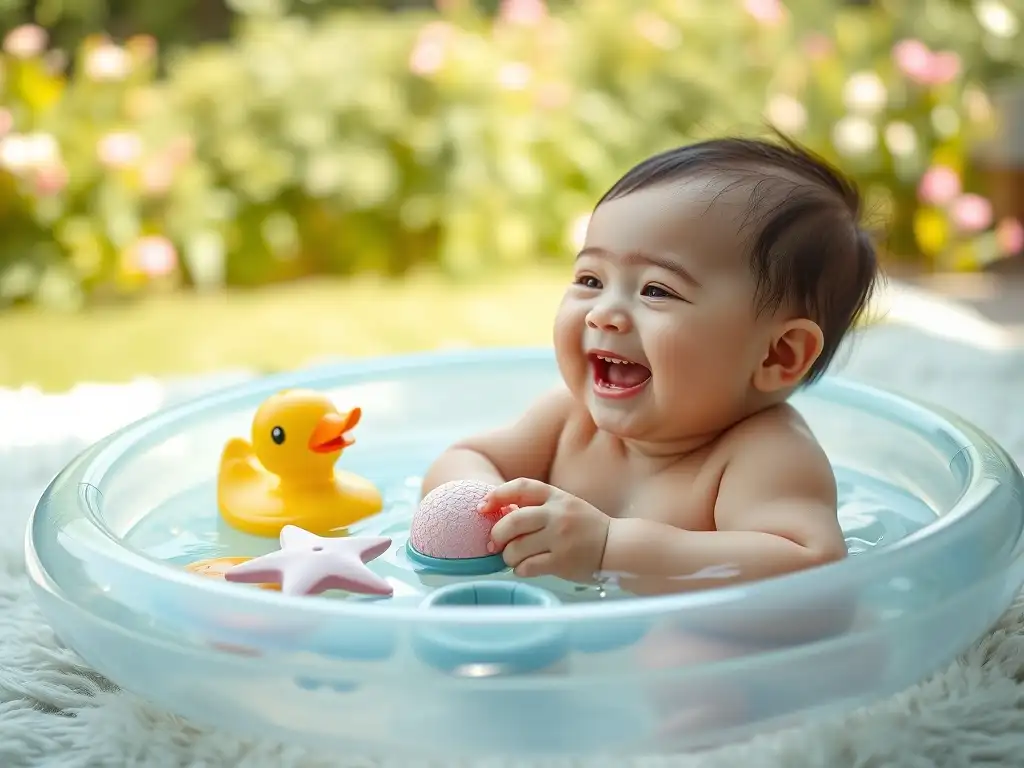
Welcome to BabyCareHub, your ultimate guide to navigating the incredible journey of parenthood! We understand that the first year is filled with both joy and countless questions. Are you ready to make bath time a splash of fun and learning? Discover our expert insights on safe baby water play toys, ensuring your little one's playtime is as enjoyable as it is secure. Dive into our comprehensive Baby Gear & Products section and unlock the secrets to a happy and healthy baby. Let's explore the world of water play together!
- Choosing Safe Baby Water Play Toys: A Parent's Guide
- Top Picks: Best Safe Baby Water Play Toys for Bath Time Fun
- Safe Baby Water Play Toys: Beyond the Bath
- Maintaining Hygiene and Safety with Water Play Toys
- Water Play and Baby's Development: Benefits and Considerations
- Creating a Safe and Engaging Water Play Environment for your Baby
- Frequently Asked Questions
- Final Reflection: The Ripple Effect of Safe Water Play
- Unleash Your Little One's Water Wonder!
Choosing Safe Baby Water Play Toys: A Parent's Guide
Water play is a fantastic way to introduce babies to sensory exploration, encourage development, and create joyful bonding moments. However, ensuring safety is paramount when selecting water toys for your little one. This comprehensive guide will walk you through choosing safe and age-appropriate water play toys, helping you navigate the market and provide your baby with a fun and secure playtime experience. We'll delve into understanding your baby's developmental stages, selecting appropriate toys, and recognizing crucial safety standards and materials to look for when purchasing bath toys.
This guide aims to equip first-time parents with the knowledge to make informed decisions, prioritizing your baby's safety and well-being while maximizing the fun of water play. Choosing the right toys can transform bath time from a chore into a cherished moment of connection and development. Let's dive in! 💦
Understanding Baby's Developmental Stages and Water Play
A baby's developmental stage significantly impacts the type of water toys that are both engaging and safe. Understanding these stages helps parents choose toys that stimulate their baby's cognitive, physical, and sensory skills appropriately.
For example, newborns (0-3 months) primarily benefit from high-contrast, visually stimulating toys that float gently on the water's surface. These might include simple floating bath toys with bright colors or patterns. Avoid toys with small parts that could detach and pose a choking hazard.
Infants (4-12 months) begin exploring more actively. Toys with different textures, sounds, and simple mechanisms (like squirting animals) can enhance their tactile and auditory development. Always supervise closely during this stage, as babies may attempt to put toys in their mouths.
Toddlers (12-24 months) will enjoy more interactive water toys, such as stackable cups, floating boats, or water-pouring activities. At this stage, the focus shifts towards fostering problem-solving skills and hand-eye coordination. Remember to always choose toys that are too large to be swallowed.
Selecting Age-Appropriate Water Toys for Infants
The age range indicated on a toy's packaging is crucial. However, even within age ranges, consider your baby's individual abilities and developmental milestones. Always prioritize toys that are large enough to prevent choking. Here's a breakdown of age-appropriate toy suggestions:
| Age Range | Suitable Toy Types | Things to Avoid |
|---|---|---|
| 0-3 Months | Floating toys with high-contrast colors, soft textures | Toys with small parts, sharp edges, or complex mechanisms |
| 4-12 Months | Squirting toys, textured bath toys, floating animals | Toys with easily detachable parts, batteries |
| 12-24 Months | Stacking cups, water-pouring toys, floating boats | Toys that are easily broken or contain small magnets |
Remember that even age-appropriate toys require constant supervision during bath time. Never leave your baby unattended in the bath, even for a moment.
Materials and Safety Standards for Baby Bath Toys
The materials used in baby bath toys are just as important as their design. Look for toys made from non-toxic, durable materials that can withstand frequent submersion and cleaning. Avoid toys made from materials that can leach harmful chemicals into the water. Check for certifications such as ASTM International (American Society for Testing and Materials) standards, indicating that the toy meets safety requirements.
Some key things to consider:
- BPA-free: Bisphenol A (BPA) is a chemical found in some plastics that can be harmful. Ensure your toys are clearly labeled as BPA-free.
- Phthalate-free: Phthalates are chemicals used to soften plastics, and some can be harmful to babies. Choose toys made without these chemicals.
- Mold and mildew resistance: Select toys that are easy to clean and dry thoroughly to prevent the growth of mold and mildew.
- Durability: Opt for sturdy toys that can handle rough play and frequent submersion in water. Avoid fragile toys that could break and create sharp edges.
Choosing safe baby water play toys is a crucial aspect of ensuring a happy and healthy bath time experience. By understanding developmental stages, selecting age-appropriate toys, and prioritizing safety standards, you can create a fun and enriching environment for your little one. Remember, constant supervision is key to preventing accidents.
Identifying Potential Hazards in Baby Water Toys
Choosing safe baby water play toys requires a keen eye for potential hazards. Manufacturers adhere to safety standards, but a thorough inspection before introducing any toy to bath time is crucial. Small parts are a primary concern. Babies are naturally curious and prone to putting everything in their mouths. Toys with detachable pieces, easily swallowed buttons, or small components that could break off pose a significant choking hazard.
Always check for any sharp edges or points that could scratch or cut delicate baby skin. Even seemingly harmless paint can be a source of concern if it contains lead or other toxic substances. Look for toys explicitly labeled as non-toxic and suitable for babies. Furthermore, consider the material itself.
Avoid toys made from materials that could absorb and retain water, creating a breeding ground for bacteria and mold. This is particularly important given the humid environment of a bathroom. Regularly inspect toys for signs of wear and tear; cracks, chips, or fading colors are indicators that the toy may be compromising safety. Discard any toy showing significant damage to prevent potential injury or illness.
Remember, proactive vigilance is key to ensuring a safe and enjoyable bath time for your little one. Regularly review and update your knowledge on baby product safety guidelines, as standards and recommendations evolve over time. Don't hesitate to replace toys that show even minor signs of deterioration. A proactive approach to toy safety provides peace of mind and contributes to a happy and healthy baby.
Prioritizing safety isn't just a precaution; it's a demonstration of love and care for your child's well-being. The seemingly small act of meticulously inspecting a bath toy can prevent a significant accident. Consider the potential consequences of overlooking even seemingly insignificant flaws. The peace of mind gained far outweighs the minimal effort required.
Top Picks: Best Safe Baby Water Play Toys for Bath Time Fun
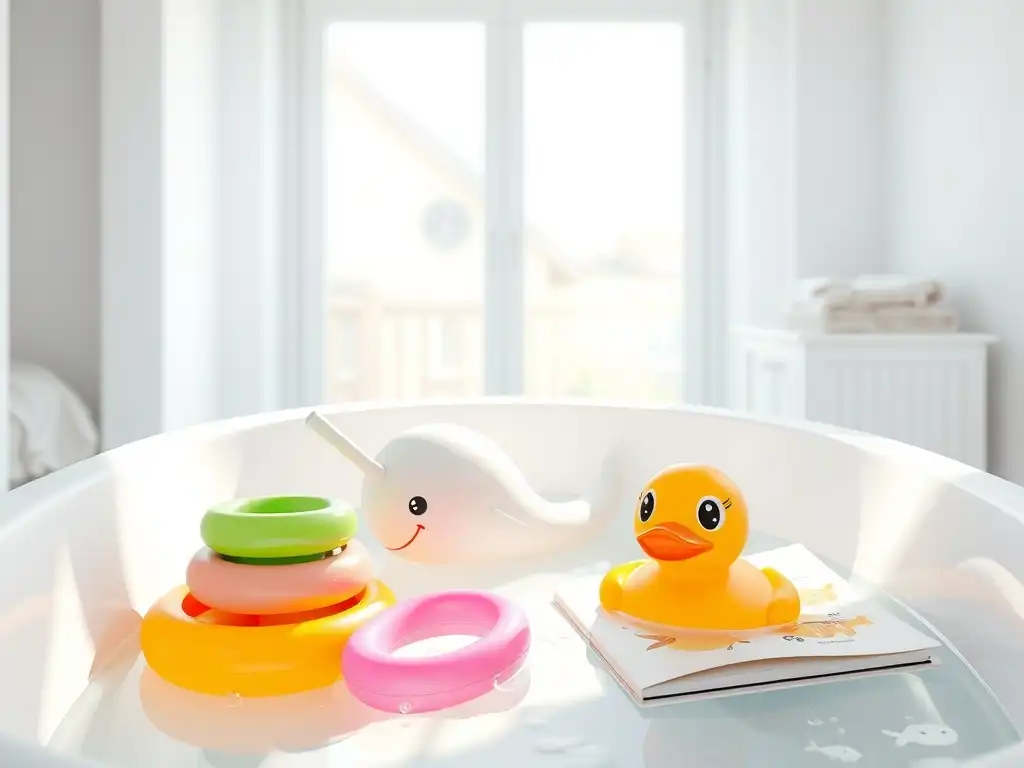
Choosing the right water toys for your little one can significantly enhance bath time, transforming it from a routine chore into a fun and educational experience. But safety is paramount. This section focuses on selecting safe baby water play toys that are not only enjoyable but also contribute to your baby's development. We'll explore some top picks categorized by the developmental benefits they offer. Remember to always supervise your baby during bath time, regardless of the toys used. Even the safest toys require adult supervision to prevent accidents.
Floating Toys for Engaging Sensory Play
Floating toys are a fantastic way to introduce your baby to the wonders of water play. The gentle bobbing and movement of these toys stimulate their senses, particularly their visual and tactile senses. Look for toys made from soft, non-toxic materials, ideally those that are brightly colored and have various textures. Avoid toys with small parts that could detach and pose a choking hazard.
Consider the size and shape of the toy. Larger toys are generally safer and easier for babies to grasp. Some excellent examples include:
- Soft rubber ducks or bath boats: These classic toys are readily available and provide familiar shapes and colors for your baby to recognize.
- Floating bath books: These are waterproof and often feature vibrant illustrations, making bath time a more engaging experience. Ensure the pages are firmly bound and cannot easily be pulled apart.
- Textured floating balls: These provide varied sensory input as your baby explores different textures. Choose balls made of a soft, non-abrasive material.
The key to selecting floating toys is to prioritize safety and sensory stimulation. Avoid toys with sharp edges or small removable parts. Opt for toys that are easy for your baby to grasp and manipulate, encouraging exploration and play. Remember, the goal is to create a fun and safe environment for your baby's sensory development.
Squirting Toys for Developing Fine Motor Skills
Squirting toys offer a unique opportunity to develop your baby's fine motor skills. The act of squeezing and releasing the water promotes hand-eye coordination and strengthens small muscles in their hands and fingers. However, careful selection is crucial. Choose toys that are made from durable, non-toxic materials and have no small parts that could come loose and create a choking hazard.
When selecting squirting toys, consider the following:
- Size and grip: The toy should be large enough for your baby to grasp comfortably, but not so large that it becomes unwieldy.
- Water flow: The water flow should be gentle and controlled, avoiding a forceful spray that could startle or irritate your baby.
- Durability: The toy should be able to withstand repeated squeezing and submersion in water without leaking or breaking.
Examples of suitable squirting toys include:
- Simple water squirting animals: These are often made from soft rubber and feature a simple mechanism for squirting water.
- Small water-filled bath toys with easy-to-squeeze bodies: These offer a gentle squirting action without being too forceful.
Remember to always supervise your baby while they are playing with squirting toys. This helps prevent accidental spills and ensures that they are using the toy correctly and safely. The focus should be on developing fine motor skills in a fun and safe environment.
Stacking and Nesting Toys for Cognitive Development
Stacking and nesting toys, while not exclusively water-based, offer significant cognitive benefits during bath time. The act of stacking and nesting cups or rings helps develop problem-solving skills, hand-eye coordination, and spatial reasoning. Choose toys made from waterproof, non-toxic materials that are easy for your baby to manipulate.
When selecting stacking and nesting toys for bath time, keep these points in mind:
| Feature | Considerations |
|---|---|
| Material | Choose waterproof, non-toxic, and durable materials. |
| Size and Shape | Select pieces that are appropriately sized for your baby's hands. |
| Number of Pieces | Start with a smaller number of pieces and gradually increase as your baby develops. |
| Design | Opt for bright colors and simple designs to capture your baby's attention. |
Examples include:
- Waterproof stacking cups: These are readily available and offer a classic stacking and nesting activity.
- Floating stacking rings: These combine the benefits of stacking with the sensory stimulation of water play.
By incorporating stacking and nesting toys into bath time, you can foster your baby's cognitive development while making bath time more enjoyable. Always supervise your baby during play to ensure their safety and encourage their learning. This contributes to a positive association with bath time and promotes their overall development.
Textured Toys for Sensory Exploration
Water play isn't just about splashing; it's a fantastic opportunity to stimulate your baby's senses. Textured bath toys are crucial for this developmental stage. Babies at this age are exploring the world through touch, and the varied textures of these toys offer a rich sensory experience. Think beyond simple smooth plastics. Look for toys with raised bumps, ridges, soft silicone parts, and even incorporated materials like natural rubber or soft, textured fabrics (ensure these are completely waterproof and safe for bath time).
The different textures stimulate nerve endings in their fingertips, promoting fine motor skill development. This tactile exploration helps them understand different sensations, improving hand-eye coordination and object manipulation skills. For example, a toy with a combination of smooth, bumpy, and ribbed surfaces offers a diverse sensory input, keeping your little one engaged and learning. Remember to always supervise your baby during bath time, even with seemingly simple toys, to ensure their safety and prevent any accidental ingestion of small parts.
Prioritize toys made from non-toxic, BPA-free materials that can withstand repeated exposure to water and soap. The goal is to make bath time a fun and enriching sensory experience, supporting your baby's healthy development. Choosing high-quality, textured toys contributes significantly to this goal. Consider the durability and ease of cleaning when selecting these toys – you want something that can withstand the rigors of frequent bath time use and is easy to keep clean and hygienic.
Safe Baby Water Play Toys: Beyond the Bath
Choosing safe baby water play toys is crucial for ensuring both fun and safety during bath time and other water play activities. This section focuses on selecting appropriate toys and understanding the safety precautions necessary to prevent accidents and promote healthy development. We'll explore options beyond the typical bath toys, considering age-appropriateness and potential hazards. Remember, supervision is paramount during any water play activity, regardless of the toy used. Prioritizing safe baby water play toys means minimizing risks and maximizing the joy of water exploration for your little one.
Water Play Outside the Tub: Safety Considerations
Water play extends beyond the bathtub! While a bath offers a controlled environment, other water play scenarios, such as paddling pools or even a supervised trip to the beach, require heightened vigilance. Here's a breakdown of crucial safety measures for water play outside the tub:
- Constant Supervision: Never leave a baby unattended near water, even for a moment. Drowning is silent and swift. Designate a responsible adult to maintain constant, focused supervision.
- Appropriate Depth: Ensure the water depth is shallow enough for the baby's age and abilities. A baby should never be submerged beyond their chest in water, even with flotation devices.
- Secure Environment: Choose a location free from hazards like sharp objects, slippery surfaces, and strong currents. For pool play, ensure proper fencing and safety gates are in place.
- Toy Selection: Opt for buoyant, soft, and non-toxic toys designed for water play. Avoid small toys that could be swallowed or pose a choking hazard. Look for toys specifically labelled as "safe for babies" or with age recommendations.
- Temperature Control: Check the water temperature before allowing your baby to enter. The water should be lukewarm and comfortable to the touch.
- Sun Protection: When playing outdoors, apply baby-safe sunscreen and provide shade to protect from the sun’s harmful rays. Remember that babies dehydrate easily.
Pool Toys for Toddlers (Suitable for older babies under supervision)
Pool toys for older babies (always under strict adult supervision) should prioritize safety and age-appropriateness. Avoid inflatable toys with small parts that could detach and become choking hazards. Instead, focus on larger, buoyant toys that are easy to grasp and manipulate.
Here are some examples of suitable pool toys:
| Toy Type | Safety Considerations | Developmental Benefits |
|---|---|---|
| Large Floating Rings | Ensure sturdy construction, check for air leaks regularly | Encourages gross motor skills, spatial awareness |
| Soft Water Balls | Choose non-toxic materials, supervise closely to prevent swallowing | Improves hand-eye coordination, sensory exploration |
| Splash Toys | Look for toys that are easy to grip and manipulate | Promotes cause-and-effect understanding, fine motor skills |
Remember that even seemingly safe pool toys can become hazardous if not used responsibly. Always inspect toys for damage before each use and discard any showing signs of wear and tear.
Beach Toys for Safe Water Fun (Suitable for older babies under supervision)
Beach toys present unique safety challenges due to the unpredictable nature of the ocean or lake. Sand toys should be large enough to prevent choking hazards. Water play at the beach must always be undertaken with extreme caution, prioritizing safety above all else.
- Shallow Water Only: Always keep your baby in very shallow water where you can easily reach them.
- Wave Awareness: Be mindful of waves and currents. Even small waves can knock over a baby.
- Sand Safety: Supervise your baby while they play in the sand to prevent them from ingesting it.
- Sun Protection: Remember that the sun's rays are stronger at the beach. Use high SPF sunscreen and provide ample shade.
- Toy Selection: Choose large, sturdy, and easily washable beach toys. Avoid small toys that could get lost in the sand.
Choosing safe baby water play toys is a significant aspect of ensuring safe and enjoyable water experiences for your little one. Remember that constant supervision is non-negotiable, and selecting toys appropriate for their age and development stage is equally crucial. By following these guidelines, you can help your baby explore the joys of water play in a safe and enriching environment. 🏖️👶
Maintaining Hygiene and Safety with Water Play Toys
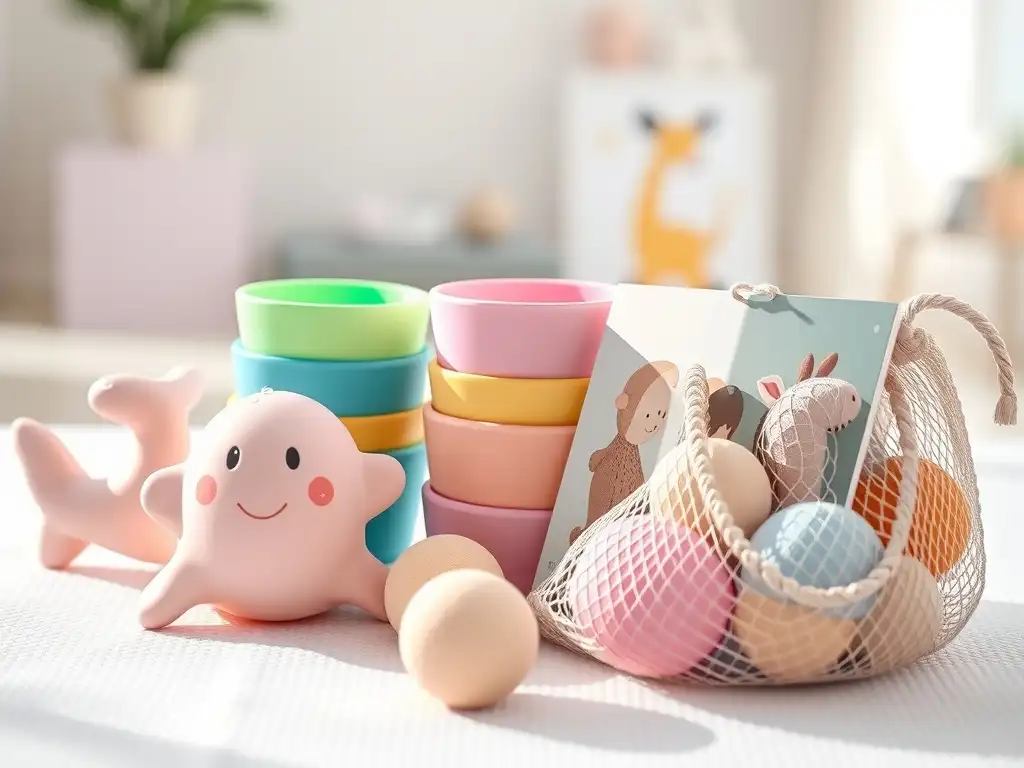
Maintaining hygiene and safety is paramount when introducing water play toys to your baby. These toys, while fun and engaging, can become breeding grounds for bacteria and mold if not properly cared for. Following a strict cleaning and storage routine is crucial for preventing infections and ensuring your baby's well-being. Remember, a proactive approach to hygiene is the best way to guarantee safe baby water play toys.
Cleaning and Disinfecting Baby Bath Toys
Regular cleaning and disinfection of baby bath toys are essential to prevent the buildup of germs. After each use, rinse the toys thoroughly with clean, running water. Remove any visible debris or residue. For a deeper clean, you can use a mild, baby-safe dish soap. Avoid harsh chemicals or abrasive cleaners, as these can damage the toys and potentially harm your baby.
Once you've rinsed off the soap, consider disinfecting the toys. You can achieve this using a solution of one part bleach to ten parts water. Submerge the toys for approximately five minutes, then rinse thoroughly again with clean water. Ensure the toys are completely dry before storing them to prevent mold growth.
Remember, thorough drying is key to preventing the growth of harmful microorganisms. You can speed up the drying process by placing the toys in a well-ventilated area or using a clean towel to pat them dry. Always supervise your baby during bath time, even with seemingly harmless toys.
Here's a helpful table summarizing the cleaning process:
| Step | Description | Frequency |
|---|---|---|
| Rinse with Water | Rinse toys thoroughly under running water to remove visible debris and residue. | After each use |
| Wash with Soap | Wash with mild, baby-safe dish soap. | 2-3 times per week |
| Disinfect | Submerge in a 1:10 bleach solution for 5 minutes, then rinse thoroughly. | Once per week |
| Dry Completely | Ensure toys are completely dry before storing. | After each cleaning |
Preventing Mold and Mildew Growth in Water Toys
Mold and mildew thrive in damp, dark environments. To prevent their growth in your baby's water toys, ensure that they are completely dry after each use. This is crucial, as excess moisture creates the perfect breeding ground for these harmful fungi. Proper ventilation is also key; avoid storing toys in airtight containers or dark, humid spaces.
Regularly inspect the toys for signs of mold or mildew. These often appear as discoloration, a musty odor, or a slimy texture. If you notice any signs of mold or mildew, discard the affected toy immediately. Do not attempt to clean or salvage a moldy toy, as it can be difficult to remove all traces of the fungus. Replacing the toy is the safest option to protect your baby's health. Consider choosing toys made of materials that are less prone to mold growth, such as hard plastics or silicone.
Remember, prevention is always better than cure. By following these guidelines, you can significantly reduce the risk of mold and mildew growth in your baby's water toys. Regular inspection and prompt action are vital in maintaining a safe and hygienic play environment for your little one.
Storing Water Toys Safely and Properly
Proper storage is just as important as cleaning and disinfecting. After the toys are completely dry, store them in a clean, dry, and well-ventilated area. Avoid storing them in closed containers or places with high humidity, as these conditions can encourage mold growth. A mesh bag or a shelf in a well-ventilated bathroom is a good choice.
Consider using labeled containers to keep track of your baby's water toys and to ensure that they are stored hygienically. For example, you could label containers with the date of last cleaning or disinfection. This system allows for easy monitoring and ensures that all toys are regularly maintained. This helps you to proactively manage the hygiene of your baby's toys and prevent the potential build-up of harmful bacteria or mold.
Always prioritize safety and hygiene when choosing and storing baby products. A clean and healthy environment contributes significantly to your baby's overall well-being. Remember, a happy, healthy baby is a priority! 👶
Water Play and Baby's Development: Benefits and Considerations
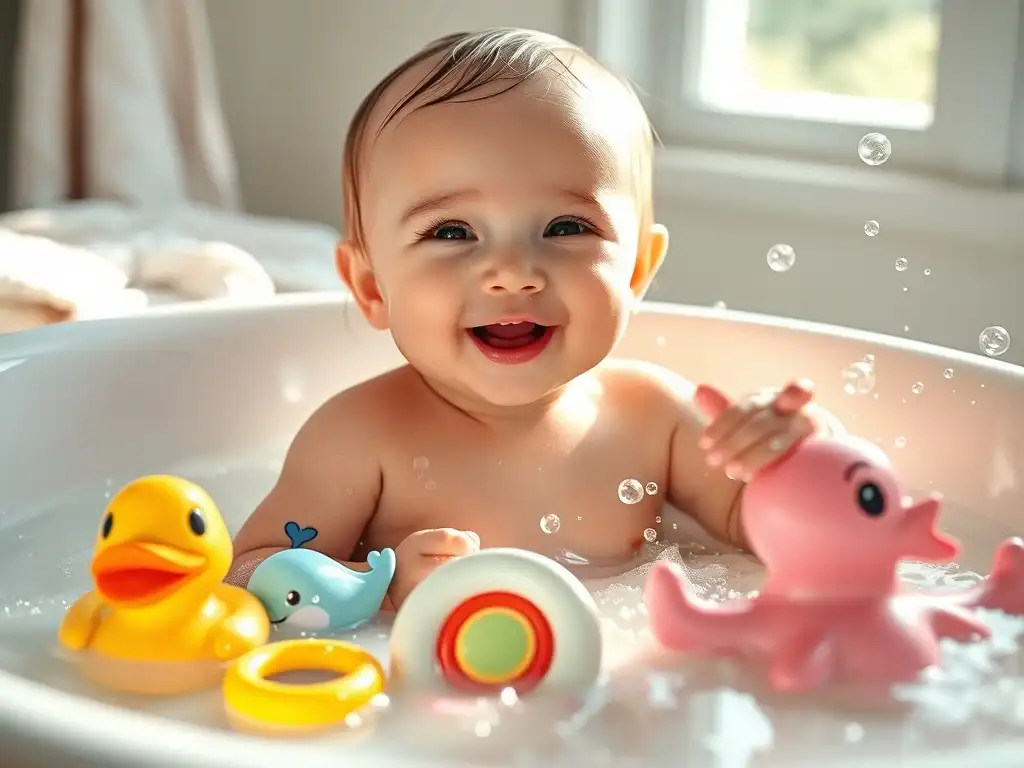
Water play offers a multitude of developmental benefits for babies, making it a valuable addition to their playtime routine. However, safety should always be the top priority. This section explores the advantages of water play while highlighting crucial safety considerations for parents. Choosing the right safe baby water play toys is paramount in ensuring a fun and enriching experience.
Promoting Sensory Development Through Water Play
Water's unique properties stimulate multiple senses simultaneously, contributing significantly to a baby's sensory development. The coolness of the water against their skin provides tactile stimulation, while the sounds of splashing and pouring engage their auditory senses. The visual appeal of floating toys and the changing water levels capture their attention, enhancing their visual perception. Furthermore, the different textures of water play toys, from smooth to bumpy, further diversify the tactile experience.
This multi-sensory engagement is crucial for brain development during infancy. Babies learn to associate different sensations with specific actions and objects, building vital neural connections. For example, a baby might learn to associate the feeling of cool water on their hand with the act of pouring, strengthening their understanding of cause and effect. This sensory exploration lays the foundation for future cognitive development and learning.
Enhancing Fine Motor Skills with Water Toys
Water play provides an ideal environment for refining fine motor skills. Activities like pouring water from one container to another, squeezing water toys, and manipulating floating objects require precise hand-eye coordination and dexterity. These actions help strengthen the small muscles in their hands and fingers, preparing them for future milestones like grasping, holding, and manipulating objects. Consider the following activities:
- Using cups and jugs of different sizes to practice pouring.
- Squeezing sponges or water-filled toys to experience different textures and resistance.
- Picking up floating toys and placing them in different locations.
The repetitive nature of these activities reinforces muscle memory and improves their hand-eye coordination. The added element of water makes the experience more engaging and less frustrating than similar dry-land activities, leading to enhanced persistence and improved skill development. The gradual progression from simple to complex tasks ensures that babies are challenged appropriately, promoting steady development of their fine motor skills. This is particularly important in the early stages of development where the refinement of these skills is crucial for future tasks, such as writing and drawing.
Fostering Cognitive Development with Interactive Water Toys
Beyond sensory and motor skill development, water play also significantly contributes to a baby's cognitive growth. Interactive water toys, designed with various features like spinning parts, lights, or sounds, stimulate cognitive functions such as problem-solving and cause-and-effect understanding. For example, a toy that makes a sound when a lever is pulled teaches the baby to associate a specific action with a specific consequence. This understanding of cause and effect is a fundamental building block of cognitive development.
Furthermore, floating toys encourage exploration and discovery. Babies learn to predict the movement of objects in water, understanding concepts such as buoyancy and displacement. These playful interactions foster curiosity, critical thinking, and problem-solving skills.
The selection of safe baby water play toys with diverse features and functionalities is crucial in maximizing this cognitive stimulation. The more engaging and interactive the toys are, the more opportunities the baby has to learn and grow. This holistic approach to water play ensures that it becomes not just a fun activity, but a valuable tool for cognitive development.
The Importance of Supervision During Water Play
Water play, while incredibly beneficial for a baby's development, necessitates unwavering adult supervision. Even in shallow water, a baby can quickly become submerged, leading to potential drowning hazards. A baby's natural reflexes aren't fully developed, and they lack the strength and coordination to rescue themselves from even seemingly minor water-related incidents. Therefore, never leave a baby unattended near water, even for a moment. This applies to bathtubs, sinks, buckets, kiddie pools – any container holding water poses a risk.
Drowning can happen silently and swiftly. A baby might not make a sound or splash, making it crucial to maintain constant, vigilant observation. Distractions, such as a ringing phone or another child, can be fatal. Designate a responsible adult whose sole focus is the baby's safety during water play. This adult should be within arm's reach at all times, able to react instantly to any potential danger.
Furthermore, consider the environment surrounding the water play area. Ensure the area is free of slippery surfaces, sharp objects, and potential tripping hazards. The floor should be non-slip, and any cords or wires should be out of reach. A safe and secure environment minimizes the risk of accidents beyond just drowning. Preparation and proactive safety measures are key to ensuring a positive and risk-free water play experience for your little one. Remember, a few moments of inattention can have devastating consequences. Prioritize safety above all else.
Creating a Safe and Engaging Water Play Environment for your Baby
Water play offers fantastic developmental benefits for babies, stimulating sensory exploration and enhancing cognitive skills. However, safety is paramount. Creating a secure environment is crucial to ensure your little one enjoys this enriching activity without risk. This section focuses on building a safe and engaging space for water play, whether in the bath or a supervised outdoor setting. We'll explore practical steps to minimize hazards and maximize the fun, covering everything from toy selection to adult supervision. Remember, a proactive approach to safety is key when it comes to safe baby water play toys and their use.
Setting up a Safe Bath Time Routine with Water Toys
Bath time is a perfect opportunity for water play. To ensure a safe and enjoyable experience, follow these steps:
- Temperature Check: Always test the water temperature with your elbow before placing your baby in the bath. The ideal temperature is between 90-100°F (32-38°C). A thermometer can provide precise measurements.
- Non-slip Mat: Place a non-slip bath mat in the tub to prevent your baby from slipping. This simple precaution significantly reduces the risk of accidents.
- Toy Selection: Opt for safe baby water play toys made of soft, durable, and non-toxic materials. Avoid toys with small parts that could detach and pose a choking hazard. Look for toys designed specifically for babies, indicating age appropriateness.
- Supervision: Never leave your baby unattended in the bath, even for a moment. Drowning can occur in seconds. Maintain constant visual contact.
- Toy Cleaning: After bath time, thoroughly clean and dry the toys to prevent mold and mildew growth. Regular cleaning is essential for hygiene and maintaining the safety of your baby's safe baby water play toys.
- Emptying the Tub: Ensure that the bath is completely emptied and dried after use to prevent accidents.
Creating a Safe Outdoor Water Play Area (for older babies under supervision)
Outdoor water play offers a different kind of sensory experience for older babies (always under close adult supervision). Creating a safe area involves careful planning and preparation:
- Shallow Water: Use a shallow container like a baby pool or a large, sturdy basin. The water level should never exceed a few inches.
- Soft Surface: Place the container on a soft surface like grass or a padded mat to cushion any falls.
- Shade: Provide shade to protect your baby from the sun’s harmful rays. Overheating is a serious risk during outdoor water play.
- Supervision: Constant and vigilant supervision is absolutely crucial. Even in shallow water, accidents can happen quickly.
- Insect Repellent: Apply a baby-safe insect repellent to protect your baby from mosquito bites and other insects.
- First-Aid Kit: Keep a well-stocked first-aid kit readily available in case of minor injuries.
Tips for Safe Water Play with Babies of Different Ages
The appropriateness of water play activities and safe baby water play toys varies considerably depending on your baby's age and developmental stage.
| Age Range | Water Play Suggestions | Safety Considerations |
|---|---|---|
| 0-3 Months | Supervised bath time with soft, floating toys. | Constant supervision, water temperature monitoring, non-slip mat. |
| 4-6 Months | Bath time with more interactive toys, splashing encouraged. | Supervise closely, avoid toys with small parts. |
| 7-12 Months | Supervised outdoor water play in a shallow container. | Constant supervision, soft surface, shade, insect repellent. |
| 12+ Months | More complex water play activities under close supervision. | Appropriate toys for age, ongoing supervision, attention to water depth and surface. |
Remember, water play should be a fun and enriching experience for your baby. Prioritizing safety ensures that this enjoyable activity contributes positively to their development. Always choose safe baby water play toys and maintain constant supervision to create a positive and safe water play experience for your little one. 🧸💦
Frequently Asked Questions
What age is appropriate for water play toys?
Generally, 6 months and older is a good starting point, but always supervise your baby closely and choose toys appropriate for their developmental stage. Avoid toys with small parts that could pose a choking hazard.
What materials are safest for baby water bath toys?
Look for toys made of non-toxic, durable materials like food-grade silicone, rubber, or BPA-free plastic. Avoid toys with sharp edges or easily breakable parts.
How do I ensure my baby's safety during water play?
Never leave your baby unsupervised, even for a moment, during bath time. Always use a non-slip bath mat and ensure the water temperature is lukewarm.
What are some fun and safe water play toys to consider?
Floating bath toys, squirting toys, and stackable cups are great options. Choose toys that encourage sensory exploration and are easy to clean.
How can I clean baby's water play toys?
After each use, wash toys thoroughly with soap and water, and allow them to air dry completely. Consider sterilizing them periodically, especially if your baby is very young.
Final Reflection: The Ripple Effect of Safe Water Play
The joy of splashing and giggling is more than just fun; it's a crucial step in a baby's development. Safe and engaging water play offers unparalleled opportunities for sensory exploration, cognitive growth, and the development of crucial motor skills. This isn't just about choosing the right toy; it's about fostering a lifelong love of water and a foundation for healthy development.
The impact of early childhood experiences, particularly those involving sensory exploration, is profound and long-lasting. Water play, when approached with safety and intention, becomes a powerful tool for learning and bonding. It's a moment of shared joy between parent and child, a time for connection and discovery. Play is the highest form of research.
– Albert Einstein. This quote perfectly encapsulates the importance of allowing children the freedom to explore and learn through play, especially in the safe and stimulating environment of water play.
Now, consider your own experiences with water as a child. What memories do you hold? What feelings do they evoke? Take this reflection as a call to action. Choose safe, engaging water toys for your little one, and create those same positive memories. Embrace the opportunity to nurture their development, foster their curiosity, and share in the simple joy of splashing and playing. Let the ripple effect of safe water play extend far beyond the bath time, shaping a future filled with wonder and exploration.
Unleash Your Little One's Water Wonder!
Thank you for exploring the world of safe and fun water play with your baby! We hope you found our tips and toy suggestions helpful in creating those precious, splash-filled moments. Now it's time to put that knowledge into practice.
- Prioritize playtime: Schedule dedicated water play sessions this week – even 15 minutes can significantly benefit your baby's sensory development and strengthen your bond.
- Share your favorite discoveries: Let other parents know which water toys your little one enjoys most! Join our BabyCareHub community forum to share your tips and recommendations.
- Experiment with different textures and temperatures: Try adding a few ice cubes to the bathwater or using toys with varying textures to explore new sensations.
Ready to create some unforgettable water play memories with your little one? What exciting water activity will you try first?