
How to Change a Diaper on a Plane: A StepbyStep Guide

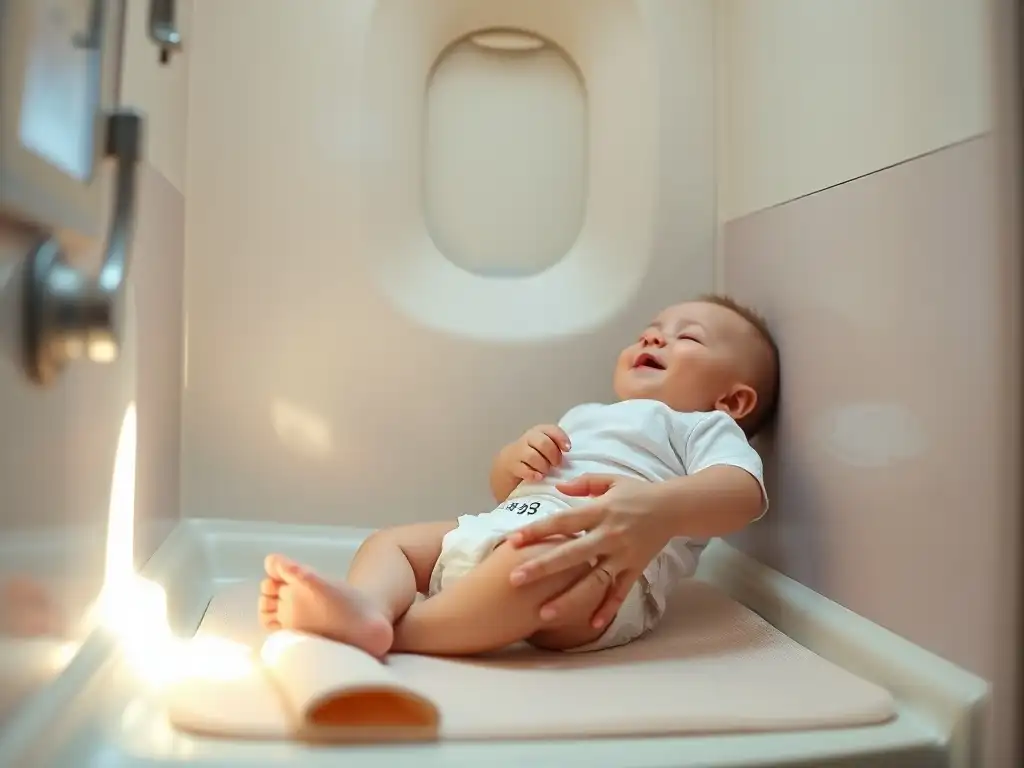
Welcome to BabyCareHub, your ultimate guide to navigating the incredible journey of parenthood! Are you ready to conquer the challenges of baby care with confidence? We're here to help, providing expert advice and practical tips on everything from feeding schedules to developmental milestones. But first, let's tackle a common travel concern: discover our step-by-step guide on how to change a diaper on a plane, ensuring a smooth and stress-free experience for both you and your little one. Dive in and explore the wealth of information we have to offer – your parenting adventure starts here!
- Preparing for the In-Flight Diaper Change: Essential Items and Strategies
-
Step-by-Step Guide: Changing a Diaper on a Plane
- Step 1: Finding the Optimal Time and Location for Diaper Change
- Step 2: Preparing the Changing Area: Utilizing the Airplane Tray Table
- Step 3: Removing the Dirty Diaper Safely and Hygienically
- Step 4: Cleaning Baby's Bottom Thoroughly and Efficiently
- Step 5: Applying Diaper Rash Cream (If Necessary)
- Step 6: Fastening the New Diaper Securely and Comfortably
- Step 7: Disposing of Waste Responsibly and Discreetly: Airplane Waste Disposal
- Post-Diaper Change Procedures: Cleaning Up and Comforting Baby
- Tips and Tricks for Seamless Airplane Diaper Changes
- Diaper Changing on a Plane: Safety Precautions
- Alternative Diaper Change Locations on the Airplane
- Troubleshooting Common Airplane Diaper Change Challenges
- Planning Ahead for Future Flights: Diaper Change Strategies
- Frequently Asked Questions
- Final Reflection: The Unexpected Altitude of Diaper Changes
- Ready for Smooth Skies and Happy Babies?
Preparing for the In-Flight Diaper Change: Essential Items and Strategies
Air travel with a baby can be stressful, but with proper planning, even the inevitable diaper change can be managed smoothly. This step-by-step guide will equip you with the knowledge and strategies to confidently handle diaper changes at 30,000 feet. Navigating a small airplane restroom with a wriggly baby requires preparation and a well-organized approach. This article focuses on making the in-flight diaper change as efficient and comfortable as possible for both you and your little one, addressing common challenges and offering practical solutions for a successful journey.
We'll cover everything from packing the perfect diaper bag to optimizing your seating arrangements for easy access. Remember, a prepared parent is a calm parent, and a calm parent makes for a smoother flight! ✈️👶
Gathering Your Diaper Changing Kit for Air Travel
Before you even think about boarding, assembling a comprehensive diaper changing kit is crucial. Forget about relying on the airline's limited supplies – you need to be prepared for any eventuality. Your kit should include:
- Diapers: Pack more than you think you'll need! Accidents happen, and having extras provides peace of mind. Aim for at least one more diaper than you anticipate needing based on your flight duration.
- Wipes: Opt for travel-sized, hypoallergenic wipes to avoid skin irritation. Consider bringing a small spray bottle of water for additional cleaning if needed.
- Diaper rash cream: A small tube of diaper rash cream can prevent discomfort and potential issues.
- Plastic bags: Essential for disposing of soiled diapers and wipes hygienically. Use heavy-duty bags to prevent leaks.
- Changing pad: A disposable or reusable changing pad provides a clean surface.
- Hand sanitizer: Essential for maintaining hygiene, especially in confined spaces.
- Baby clothes: Pack at least one extra set of clothes for your baby, in case of accidents.
- Small blanket: A small, lightweight blanket can be used as an extra layer of protection on the changing surface.
This meticulously prepared kit ensures you’re ready for any diaper emergency, minimizing stress and maximizing comfort during your flight. Remember, a well-stocked kit is your best friend when dealing with unexpected diaper changes in the air!
Choosing the Right Diaper Bag for Airplane Diaper Changes
The right diaper bag can significantly impact the ease of your in-flight diaper changes. Avoid bulky bags; instead, opt for a streamlined, lightweight bag with easy-access compartments. Consider these features:
- Multiple compartments: Separate sections for diapers, wipes, creams, and extra clothes keep everything organized and easily retrievable.
- Easy-to-clean material: Accidents happen! Choose a bag that's easy to wipe down and clean.
- Shoulder strap or backpack style: Allows for hands-free carrying, especially helpful when navigating the airplane aisle.
- Hanging hook: Some diaper bags include a hook for hanging on the airplane seat, freeing up valuable space on the tray table.
Choosing a well-designed diaper bag is an investment in a smoother, less stressful travel experience. A well-organized bag makes the entire process of handling diaper changes on a plane significantly easier.
Optimizing Your Airplane Seat for Easy Diaper Changes
Your seating arrangement significantly impacts the ease of your in-flight diaper change. Consider these strategies:
- Aisle seat: An aisle seat provides easier access to the restroom and minimizes disruption to fellow passengers.
- Tray table: Use the tray table as a changing surface (with a changing pad! ), but be aware of its limited space.
- Seatbelt extender: If your baby is older and needs to be secured, having a seatbelt extender can be helpful.
- Consider your surroundings: Before starting the change, check your surroundings for any potential hazards or obstructions.
Remember, safety and comfort are paramount. By carefully planning your seating and using the available space efficiently, you can make the diaper changing process as smooth as possible. Prioritizing your and your baby's comfort will significantly enhance your overall travel experience.
Step-by-Step Guide: Changing a Diaper on a Plane
This section provides a detailed, step-by-step guide on how to effectively and hygienically change your baby's diaper during a flight. Successfully navigating this process requires planning, preparation, and a bit of improvisation. Remember, prioritizing your baby's comfort and safety is paramount. This guide focuses on minimizing disruption and maximizing hygiene during this often-challenging task.
Step 1: Finding the Optimal Time and Location for Diaper Change
Choosing the right moment for a diaper change is crucial. Avoid changing your baby's diaper during turbulence or takeoff/landing for safety reasons. The best time is usually during periods of calm, when the seatbelt sign is off. Consider your baby's cues; a fussy baby might need a change sooner rather than later. Timing it with mealtimes or sleep cycles could also help.
Consider the location carefully. While the airplane lavatory might seem like the most obvious choice, it’s often cramped and not very sanitary. The best option is usually your own seat, leveraging the tray table. If you're traveling with a partner, one person can hold the baby while the other prepares the changing area. If traveling solo, consider using a baby carrier or wrap to keep your baby secure while you prepare. Remember to be mindful of other passengers and try to minimize any inconvenience. A quick, efficient change is key!
Step 2: Preparing the Changing Area: Utilizing the Airplane Tray Table
The airplane tray table is your primary workspace for a diaper change in the air. Before you begin, ensure the tray table is clean. Use the provided sanitizing wipes (if available) or your own pack of wipes to thoroughly clean the surface. This minimizes the risk of contamination.
Next, lay down a changing pad or a large, absorbent, waterproof liner directly onto the tray table. A large ziplock bag can even work in a pinch! This creates a barrier between your baby and the tray table's surface. Having everything within easy reach is essential.
Gather all your necessary supplies before you start: diaper, wipes, diaper rash cream (if needed), a plastic bag for the dirty diaper, and a change of clothes (just in case!). Pre-packaged wipes and diaper rash cream are highly recommended to minimize spills or messes. Remember to keep your baby secure and comfortable throughout the process. A small toy or pacifier can help keep them entertained.
Step 3: Removing the Dirty Diaper Safely and Hygienically
With your baby securely positioned and the changing area prepared, carefully remove the soiled diaper. Hold your baby's ankles gently to prevent any accidental spills. Dispose of the dirty diaper immediately and efficiently. Use the provided trash bag or a dedicated plastic bag you brought along. Securely seal the bag to prevent any odors from escaping.
Clean your baby's bottom thoroughly with baby wipes, paying close attention to any creases or folds. Apply diaper rash cream if needed. Remember to gently wipe from front to back to prevent urinary tract infections. Fasten the new diaper securely, ensuring it's not too tight or too loose. Once the diaper is changed, carefully dispose of the used wipes, and then clean the tray table with a wipe before putting it away.
Check for any spills or leaks before dressing your baby and returning them to their seat. A final quick wipe of the changing area ensures a clean environment for the next passenger and ensures a smooth, sanitary experience for you and your baby. Remember to thank any nearby passengers for their patience and understanding! ✈️👶
Step 4: Cleaning Baby's Bottom Thoroughly and Efficiently
Cleaning your baby's bottom efficiently and thoroughly on a plane requires a bit of finesse. You'll want to be mindful of the limited space and the need for speed. Start by using pre-moistened wipes, which are far more convenient than traditional cotton balls and water in this situation. Dispose of each wipe immediately in a sealed plastic bag – crucial for hygiene and to avoid any unpleasant smells.
For particularly messy situations, consider using two or even three wipes per cleaning, ensuring you wipe from front to back to prevent urinary tract infections. If you're using a reusable cloth diaper, consider bringing a small spray bottle with water to dampen the cloth wipes for easier cleaning. Remember to gently pat the area dry with a soft cloth or a clean section of the wipe before proceeding to the next step.
Don’t forget to check for any lingering traces of stool, especially in the creases of your baby’s skin. Thorough cleaning minimizes the risk of diaper rash and keeps your baby comfortable. This is especially important in the confined space of an airplane where air circulation might be less than ideal.
Step 5: Applying Diaper Rash Cream (If Necessary)
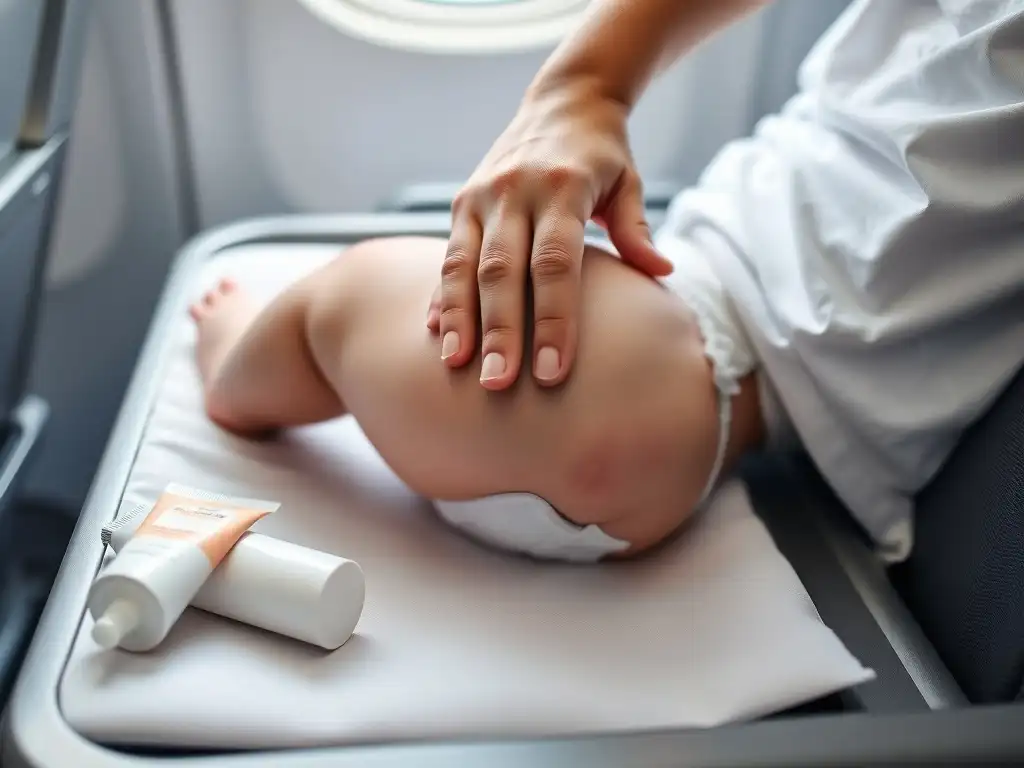
If your baby has any signs of diaper rash, now is the time to apply a diaper rash cream. Look for a cream containing zinc oxide, which acts as a protective barrier against further irritation. Apply a thin, even layer to the affected area, ensuring full coverage.
Avoid using excessive amounts of cream, as it can lead to a sticky, uncomfortable diaper. Many travel-sized options are available, making it easy to pack this essential item in your diaper bag. This step is crucial for preventing discomfort and promoting healing.
Remember to always check the ingredients of the diaper rash cream to make sure it's suitable for your baby’s skin, and avoid products with harsh chemicals or fragrances. If the rash is severe or doesn’t improve, consult your pediatrician upon landing. A little preventative care can go a long way towards keeping your little one happy and healthy, even at 30,000 feet!
Step 6: Fastening the New Diaper Securely and Comfortably
With the new diaper in place, carefully fasten the tabs, ensuring a snug but not overly tight fit. A properly fastened diaper prevents leaks and ensures your baby's comfort. Make sure the leg openings are not too tight or too loose; a good fit will help prevent leaks and chafing. If you're using a cloth diaper, ensure it's properly secured with any necessary fasteners. Check for any bunching or wrinkles, particularly around the legs and waist, to avoid discomfort. A comfortable diaper is a happy baby, which is particularly important during the potentially stressful experience of air travel. Before discarding the soiled diaper, wrap it securely in a plastic bag to control odors and maintain hygiene. A well-secured and comfortable diaper is the final touch to a successful diaper change, even at 30,000 feet above ground. This last step ensures your baby remains comfortable for the remainder of the flight.
Step 7: Disposing of Waste Responsibly and Discreetly: Airplane Waste Disposal
Changing a diaper on a plane presents unique challenges, and proper waste disposal is paramount. The confined space and shared environment necessitate a discreet and hygienic approach. Forget simply tossing the soiled diaper into the nearest trash can – airplane waste disposal requires a bit more finesse. First, ensure you have a secure, leak-proof bag for the soiled diaper. Many parents utilize zip-top bags specifically designed for this purpose. These bags offer an extra layer of protection against leaks and odors, preventing unpleasant surprises for you and your fellow passengers.
Once the diaper is securely sealed within the bag, locate the appropriate waste receptacle. Most airplanes have small trash receptacles located in the seatback pockets or near the lavatories. However, these receptacles are often quite small. You may find that the plastic bag containing the soiled diaper is too large to fit comfortably.
In this case, consider discreetly asking a flight attendant for assistance in disposing of the waste. They are accustomed to handling such requests and will be happy to help maintain a clean and hygienic environment for all passengers. Flight attendants are trained to handle biohazardous waste, so they'll know the best and safest way to dispose of the diaper. Remember, it's always better to err on the side of caution and seek assistance if needed rather than risk creating a mess or causing discomfort for others.
Beyond the immediate disposal, consider the environmental impact. While you can’t recycle on the plane, be mindful of reducing waste whenever possible. Choosing reusable diaper liners can lessen your environmental footprint over time, although they might not be the most practical option for a flight.
Ultimately, responsible disposal means ensuring the waste is contained, sealed, and properly handled according to airline procedures. This demonstrates consideration for fellow passengers and contributes to a more pleasant flight experience for everyone. Remember, a little extra care in this step makes a big difference in maintaining a clean and comfortable environment for all onboard.
Post-Diaper Change Procedures: Cleaning Up and Comforting Baby
This section focuses on the crucial steps after you've successfully changed your baby's diaper on the plane. Proper cleanup and comforting your little one are essential for a smooth and pleasant flight experience for both of you. Remember, even the most meticulously planned diaper change can have unexpected moments, so preparedness is key.
This section will equip you with the knowledge to handle any situation with confidence. We'll cover cleaning the tray table, sanitizing your hands, and soothing your baby after the diaper change, as well as strategies for handling unexpected messes. Mastering these post-diaper change procedures will significantly contribute to a successful airplane journey with your baby.
Cleaning the Tray Table and Your Hands
Airplane tray tables, while seemingly clean, see a lot of use. After a diaper change, thorough cleaning is paramount. While you might not have access to disinfecting wipes, the provided napkins or wet wipes from your diaper bag will suffice. Remember, thoroughness is essential for hygiene.
Wipe down the entire surface of the tray table, paying special attention to any areas that came into contact with the diaper or your baby's skin. The use of hand sanitizer is also crucial. Before and after handling your baby, using a generous amount of hand sanitizer is a simple yet highly effective way to minimize the spread of germs, especially in an enclosed environment like an airplane cabin.
Carry a travel-sized bottle of hand sanitizer and apply it frequently throughout your flight. Prioritize your hygiene and your baby's well-being with this simple yet critical step. This step directly contributes to preventing the spread of germs and ensuring a healthier environment for both you and your baby.
Remember: The goal isn't just to clean the tray table, but to make it safe for your baby to continue using it.
Comforting Your Baby After the Diaper Change
A diaper change can be disruptive for your baby. After completing the change, take a moment to soothe and comfort your little one. Offering a pacifier, if your baby uses one, can be incredibly effective. The familiar comfort can help to calm your baby down and restore their sense of security.
Gentle rocking or humming can also work wonders. The rhythmic motion and soothing sounds can help to distract them from any discomfort and ease them back into a peaceful state. If your baby is still fussy, consider offering a bottle or breastfeeding. The familiarity and nourishment can provide comfort and alleviate any lingering distress.
Remember, patience is key. Take your time to ensure your baby feels safe and secure before resuming other activities. A calm and comforted baby means a more peaceful flight for everyone involved. This process is key to managing your baby's emotions during a potentially stressful situation.
Dealing with Unexpected Messes: Spills and Accidents
Even with the best preparation, accidents happen. Spills and unexpected messes are a possibility during a diaper change on a plane. Being prepared for such eventualities is crucial. Always have extra wipes and a change of clothes readily available in your diaper bag. A plastic bag for soiled clothes will also help maintain hygiene and prevent accidental contamination of other items.
In case of a significant spill, politely ask a flight attendant for assistance. They are usually equipped to deal with such situations and can provide additional cleaning supplies if needed. Remember, accidents are a normal part of parenting, and being prepared and proactive will help you handle them with grace and efficiency. This approach minimizes disruption and keeps both your baby and the surrounding passengers comfortable.
Don't panic; calmly assess the situation and take the necessary steps to resolve it. This is an essential skill for any parent traveling with a baby. Think of it as a part of your "Diaper Change Airplane Stepbystep" strategy. 👶✈️
Tips and Tricks for Seamless Airplane Diaper Changes
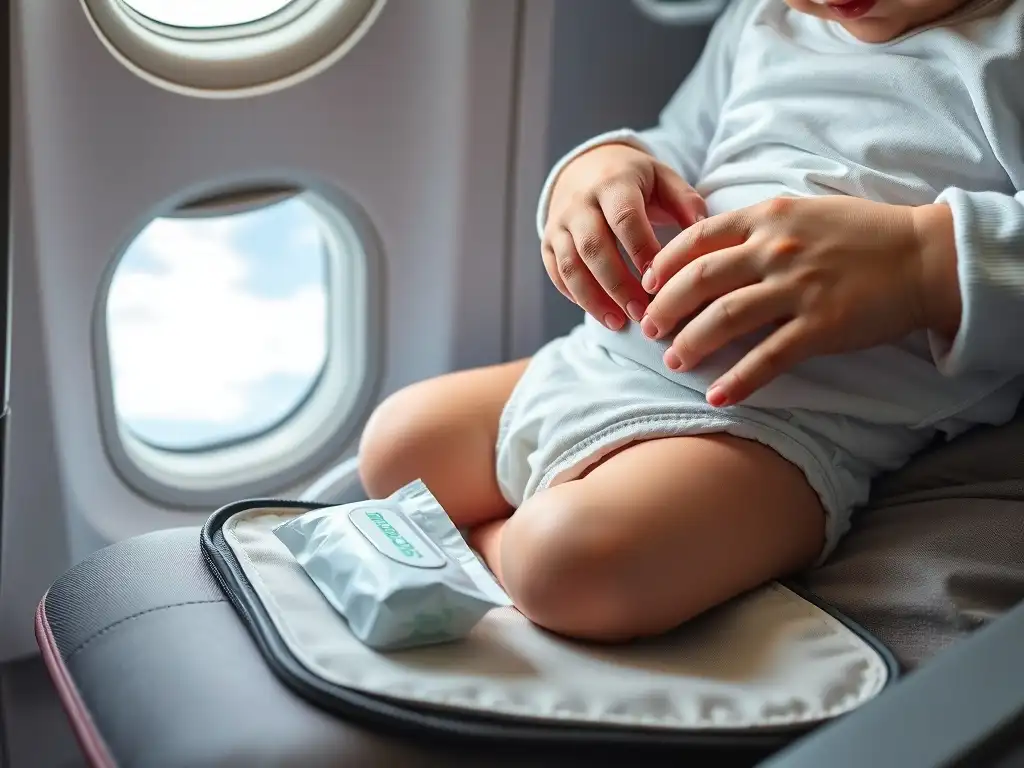
Changing a diaper on a plane presents unique challenges, but with a little preparation and the right techniques, you can make the process smoother. This section offers practical tips and tricks to navigate this situation effectively, minimizing disruption to yourself and fellow passengers. Remember, preparation is key for a successful diaper change at 30,000 feet! Proper planning can transform a potentially stressful experience into a manageable one.
Utilizing Airplane Amenities for Diaper Changes
Airplane lavatories are surprisingly well-suited for diaper changes, despite their limited space. Clever use of the amenities can significantly improve the experience. For example, the changing table, if available, is a lifesaver. Many newer aircraft are equipped with these, although it's always wise to check beforehand.
If a changing table isn't available, you can utilize the sink counter – placing a waterproof changing mat on top creates a clean and safe surface. The trash can is your friend; dispose of soiled diapers immediately and hygienically. Remember to always use a diaper bag equipped with disposal bags for easy cleanup. Also, consider bringing a small bottle of hand sanitizer for post-change hygiene.
This proactive approach ensures a sanitary and efficient diaper change, minimizing the impact on other passengers. Furthermore, remember that airplane lavatories often have a small amount of counter space that, when used effectively with a changing mat, can provide more than enough space for a diaper change. Don't underestimate the small details; they can make all the difference.
Managing Diaper Changes with Limited Space
Space is the biggest constraint when changing a diaper on a plane. Therefore, strategic packing and efficient techniques are crucial. A compact, well-organized diaper bag is essential. Pack only the necessities: diapers, wipes, rash cream, and disposal bags. Avoid bulky items to maximize space.
Consider using travel-sized versions of your baby's essentials. When changing the diaper, utilize the available surfaces effectively. If there's no changing table, a waterproof changing mat on the lavatory floor or sink counter (if clean) offers a safe and clean surface. Practice changing diapers quickly and efficiently before your flight to build confidence and speed. A quick and efficient change minimizes the time spent in the confined space.
Remember, practice makes perfect! Regularly practicing diaper changes at home will help you develop a smooth and efficient routine, making the airplane change much easier. This preparedness significantly reduces stress and improves the overall experience.
Dealing with Fussy Babies During Airplane Diaper Changes
A fussy baby can make a diaper change even more challenging. To mitigate this, try to time diaper changes during periods of relative calm, such as before or after mealtimes. Having familiar comfort items, such as a favorite blanket or toy, can help soothe your baby. If your baby is particularly sensitive to changes in pressure, try to time the diaper change to coincide with descent or ascent, when pressure changes are less dramatic.
If your baby becomes upset, try offering a pacifier or singing softly. If the fussiness persists, consider taking breaks and trying again after some calming activities. Remember to prioritize your baby's comfort and well-being, and don't hesitate to ask for assistance from a flight attendant if needed.
Remember, patience and a proactive approach are key to successfully navigating airplane diaper changes. By utilizing the tips and tricks outlined above, you can make this aspect of air travel with your little one much less stressful. A well-prepared parent is a confident parent!
Diaper Changing on a Plane: Safety Precautions
Changing a diaper on a plane presents unique challenges. The confined space, limited supplies, and potential for spills require careful planning and execution. Prioritizing safety for both your baby and fellow passengers is paramount. This section details crucial safety precautions to take before, during, and after the diaper change. Remember, a proactive approach minimizes potential issues and ensures a smoother journey.
Securing Your Baby During the Diaper Change
The most significant safety concern during an in-flight diaper change is preventing your baby from falling or rolling. Airplane lavatories are notoriously small and often lack the stability of a changing table at home. Here’s how to mitigate the risk:
- Use a sturdy surface: The lavatory's changing surface, if present, might be less stable than expected. Consider using a padded changing mat or a thick, clean towel to create a softer, more secure surface. Never leave your baby unattended, even for a second.
- Utilize a baby carrier: If possible, keep your baby secured in a carrier until the moment of the diaper change. This minimizes movement and reduces the risk of accidents. Choose a carrier that's comfortable for both you and your baby and easy to maneuver in the cramped space.
- Employ a safety strap (if available): Some airplane lavatories feature safety straps or belts designed to secure infants during diaper changes. If available, use these straps to ensure your baby's safety. If not, employ other methods as described above.
- Practice at home: Before your flight, practice changing your baby's diaper in a similarly confined space, such as a small bathroom. This helps familiarize yourself with the process and identify potential challenges before you're airborne.
Maintaining Baby's Comfort and Safety on the Airplane
Beyond the immediate diaper change, maintaining your baby's comfort and overall safety throughout the flight is crucial. Discomfort can lead to fussiness, making the diaper change process more challenging. Consider these additional safety measures:
- Pack appropriately: Bring extra diapers, wipes, diaper rash cream, and a plastic bag for soiled items. Pre-packaged wipes are ideal to avoid spills. Consider bringing a small, lightweight blanket to provide extra warmth and cushioning.
- Timing is key: Try to change your baby's diaper before takeoff and landing, or during periods of less turbulence. This minimizes the risk of accidents during potentially bumpy moments.
- Monitor your baby: Pay close attention to your baby's cues. If they seem uncomfortable or fussy, address the potential needs promptly. A timely diaper change can prevent a significant disruption.
- Be mindful of waste disposal: Airplane lavatories have limited space. Dispose of soiled diapers and wipes carefully and promptly to avoid creating an unsanitary environment. Use the provided waste receptacle and avoid blocking the facilities.
This detailed approach to diaper changing on a plane emphasizes safety and preparedness. By proactively addressing potential risks and adopting these safety measures, you can ensure a smoother and more comfortable experience for both your baby and fellow passengers. Remember, a well-planned approach significantly reduces stress and enhances the overall travel experience. ✈️👶
Alternative Diaper Change Locations on the Airplane
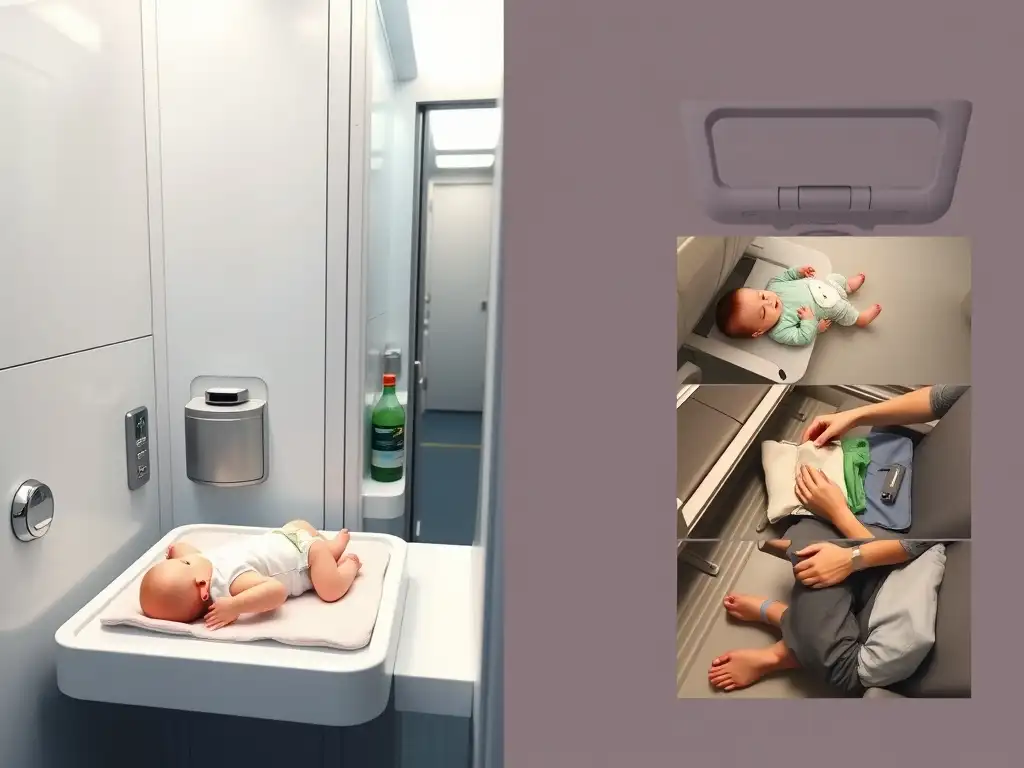
Changing a diaper on a plane presents unique challenges. While the airplane seat is the most common location, it's not always ideal. Finding alternative spots can significantly improve the experience for both you and your little one. This section explores viable alternatives and provides practical advice for navigating these situations. Remember, prioritizing hygiene and minimizing disruption to fellow passengers is key. The successful execution of an airplane diaper change hinges on preparedness and a flexible approach.
Using the Airplane Restroom (If Possible)
The airplane restroom, while small, offers a more private and contained space for diaper changes. However, its feasibility depends on several factors. First, consider the size of the restroom. Smaller restrooms on some planes might be too cramped for comfortable diaper changing. Secondly, check for available space on the changing table (if equipped). Many older planes lack changing tables entirely. Thirdly, assess your baby's temperament. If your baby is easily startled or distressed by unfamiliar environments, the restroom might exacerbate their anxiety.
Before attempting a restroom diaper change, prepare your supplies beforehand. Have everything readily accessible in a diaper bag: wipes, diapers, diaper rash cream, a trash bag, and a change of clothes for your baby (accidents happen!). Consider using a portable changing pad for extra hygiene and to create a cleaner surface. Remember to thoroughly sanitize your hands before and after the diaper change, utilizing the hand sanitizer provided on the plane. Finally, be mindful of the time; restroom usage can be limited, especially during turbulence or busy periods. A quick, efficient change is crucial.
Requesting Assistance from Flight Attendants
Flight attendants are trained to assist passengers in various situations, including diaper changes. Don't hesitate to request their help if you need it. They may be able to provide additional space or even assist directly with the diaper change, particularly if your baby is particularly active or you are struggling. They can also direct you to the most suitable location on the plane.
Remember to be polite and explain your situation clearly. Phrase your request respectfully, like: "Excuse me, I'm having some difficulty changing my baby's diaper and wondered if you might be able to offer some assistance or point me in the direction of a more suitable location." The crew are there to help ensure the comfort and safety of all passengers, and assisting with a diaper change is a part of that. Their experience with various situations might offer you valuable tips and solutions you hadn't considered. Their assistance can significantly reduce stress and improve the overall experience.
Troubleshooting Common Airplane Diaper Change Challenges
Air travel with a baby presents unique challenges, and diaper changes are no exception. The confined space, limited supplies, and potential for unexpected messes require preparation and a flexible approach. This section focuses on common problems encountered during in-flight diaper changes and offers practical solutions to ensure a smooth and comfortable experience for both you and your little one. Mastering these techniques will greatly enhance your confidence in managing diaper changes at 30,000 feet, transforming a potentially stressful situation into a manageable one. Remember, proactive planning is key to a successful airplane diaper change.
Dealing with a Blowout on a Plane
A blowout on a plane is every parent's nightmare. The confined space makes cleanup significantly more difficult. However, with the right preparation and swift action, you can minimize the disruption.
First, stay calm. Panicking will only make the situation worse. Secondly, have the right supplies readily accessible. This includes plenty of baby wipes, diaper rash cream, extra diapers (consider packing disposable diaper bags for easy disposal), and a change of clothes for your baby. Ideally, pack these items in a separate, easily accessible bag within your carry-on.
Third, act quickly. The longer the mess sits, the harder it will be to clean. Use the wipes generously, and don't hesitate to ask a flight attendant for assistance. They are often equipped with cleaning supplies and can offer support. Remember to dispose of soiled materials appropriately – most airlines provide small waste bags for this purpose.
Finally, consider using a plastic bag liner inside the diaper changing area (if available). This helps contain the mess and makes cleanup easier. While not all airplane changing tables have this feature, having a few extra plastic bags on hand will be invaluable in such a situation. Think of it as a portable, impromptu changing mat. This adds an extra layer of protection against unexpected spills or blowouts.
Managing a Diaper Rash During a Flight
The dry air in airplane cabins can exacerbate existing diaper rash or even trigger a new one. Preventing and managing diaper rash during a flight requires proactive measures.
Before the flight, ensure your baby's skin is thoroughly clean and dry. Apply a generous layer of diaper rash cream, such as zinc oxide, to create a protective barrier. Choose a cream that's hypoallergenic to minimize the risk of irritation.
During the flight, change diapers frequently, even if they don't seem particularly soiled. The pressure changes and dry air can irritate sensitive skin. Air-conditioning can also dry out your baby's skin, contributing to diaper rash. Consider using a humidifier or applying a hypoallergenic lotion to keep your baby's skin moisturized.
If a rash does develop, continue to change diapers frequently and reapply the diaper rash cream. If the rash is severe or doesn't improve, consult a pediatrician upon arrival. Remember to pack any necessary medications in your carry-on luggage.
Addressing Baby's Discomfort During a Flight
Changes in air pressure during a flight can cause discomfort for babies, often manifesting as fussiness or crying. This can be especially challenging during diaper changes.
To minimize discomfort, try feeding your baby during ascent and descent to help equalize pressure in their ears. A pacifier can also be helpful. If your baby is still fussy, try gently rocking or swaying them. A soft toy or familiar blanket can offer comfort. Remember, a calm parent can significantly reduce baby's anxiety.
If your baby's discomfort persists despite these measures, consider consulting a flight attendant for advice. They may have additional suggestions or resources available. Remember that maintaining a calm demeanor is essential in managing unexpected situations during air travel. Patience and understanding go a long way in making both the flight and the diaper changes more manageable. Pack a few familiar toys and books to keep your baby entertained and distracted during the flight. This can help reduce stress and improve the overall travel experience.
Planning Ahead for Future Flights: Diaper Change Strategies
This section focuses on proactive measures to simplify diaper changes during future air travel. Careful planning minimizes stress and ensures a smoother journey for both parent and baby. We'll cover essential packing and strategic scheduling to make diaper changes on a plane a manageable task.
Packing Essentials for Multiple Diaper Changes
Efficient diaper changing on a plane requires meticulous packing. Forget scrambling for supplies mid-flight! Here's a checklist to ensure you're prepared for any eventuality:
- Diapers: Pack significantly more diapers than you anticipate needing. Unexpected delays or messes necessitate extra supplies. Aim for at least double the expected number, factoring in potential blowouts. Consider using travel-sized diaper bags to keep things organized.
- Wipes: Choose thick, durable wipes that can handle various messes efficiently. Baby wipes are ideal, but consider packing a small bottle of hand sanitizer for quick cleanups.
- Diaper Rash Cream: Prevent diaper rash by packing a generous amount of your preferred cream. Air travel can be harsh on delicate baby skin.
- Changing Mat: A portable, waterproof changing mat is a must-have. Airplane surfaces aren't always clean, and a mat provides a hygienic space for your baby. Consider a mat that folds compactly for easy storage.
- Plastic Bags: Seal soiled diapers and wipes securely in leak-proof plastic bags to maintain hygiene and prevent odors. Multiple bags are recommended, particularly for longer flights.
- Extra Clothing: Accidents happen! Pack extra changes of clothes for your baby—and yourself!—to handle unexpected spills or blowouts.
- Baby Powder (Optional): Some parents find baby powder helpful in preventing diaper rash and absorbing excess moisture.
Scheduling Diaper Changes Around Flight Activities
Timing is key for successful in-flight diaper changes. Strategic scheduling minimizes disruptions and allows for a more relaxed experience. Here's how to approach it:
- Pre-flight Change: Always change your baby's diaper immediately before boarding the plane. This provides a fresh start and buys you some time before needing another change.
- Post-Takeoff Change: Once the seatbelt sign is off, change your baby’s diaper. This allows for a comfortable period before the next change.
- Mealtime Considerations: Consider scheduling diaper changes before or after mealtimes to avoid interrupting feeding.
- Naptime Synchronization: If possible, time diaper changes to coincide with your baby's usual nap times. A well-rested baby is a more cooperative baby.
- Anticipate Timing: Pay attention to your baby's usual diaper-changing intervals. This helps you predict when another change might be necessary and prepare accordingly. Keep a watchful eye for signs of discomfort or restlessness.
Remember, flexibility is essential. Babies don't always adhere to schedules, so be prepared to adjust your plans as needed. A calm and prepared approach makes all the difference in managing diaper changes on a plane. The key is preparation and anticipation; these strategies will help minimize stress and maximize your travel experience.
Frequently Asked Questions
What supplies do I need for a diaper change on an airplane?
You'll need baby wipes, a fresh diaper, a diaper disposal bag, and a changing mat or plastic bag to protect the airplane seat. Consider bringing a small blanket for extra protection.
Where is the best place to change a diaper on a plane?
The airplane lavatory is generally the best location. It offers some privacy and a surface to lay your baby on. If it's too small, ask a flight attendant for assistance.
What if I run out of diapers or wipes on the flight?
Most airlines will have diapers or wipes available upon request. However, it's always best to bring extra supplies to avoid any potential issues.
How do I deal with diaper rash during a long flight?
Apply a barrier cream like zinc oxide before the flight to protect against diaper rash. If a rash develops, use gentle wipes and a rash cream as needed.
What should I do with the dirty diaper after changing it on the plane?
Securely seal the dirty diaper in a diaper disposal bag and dispose of it appropriately according to the flight attendant's instructions. Usually, this involves placing it in a trash bag provided by the flight crew.
Final Reflection: The Unexpected Altitude of Diaper Changes
The seemingly mundane act of changing a diaper takes on a whole new dimension at 30,000 feet. This seemingly simple task, amplified by the constraints of air travel, becomes a surprisingly complex and often stressful experience for many parents. Successfully navigating this challenge, however, offers a unique blend of problem-solving, resourcefulness, and a touch of unexpected humor.
The experience of diaper changes on a plane, while often chaotic, highlights the resilience and adaptability of parents. It's a testament to our ability to overcome obstacles and maintain composure in less-than-ideal circumstances. This seemingly small act reflects a larger truth about parenthood: the constant need to improvise, to find solutions where none seem readily available. The most beautiful things are not associated with money; they are associated with principles: love, compassion, kindness, generosity, and integrity.
While not directly about diaper changes, this quote speaks to the underlying spirit of resourcefulness and care that parents demonstrate in these situations.
Now, consider your own experiences with unexpected challenges. Think about how you've adapted, improvised, and persevered in moments of pressure. Remember the feeling of accomplishment after successfully navigating a difficult situation, and apply that same resourcefulness to other areas of your life. The next time you face an unexpected hurdle, remember the airplane diaper change – a small victory that symbolizes the larger capacity for resilience and problem-solving within us all.
Ready for Smooth Skies and Happy Babies?
Thank you for taking the time to learn how to manage diaper changes on airplanes! We hope this guide helps you confidently handle any unexpected messes during your flight. Now, let's put that knowledge into practice:
- Master the art of the airplane diaper change: Practice your new skills at home. Consider the airplane's limited space and plan accordingly.
- Share your tips and tricks: Have a clever diaper-changing technique for air travel? Share your advice in the comments below—your experience can help other parents!
- Explore more helpful travel guides on BabyCareHub.org for a smoother journey with your little one.
What's your biggest concern about changing diapers while flying? How can we help you feel better prepared for your next trip?