
Using Music and Movement to Support Your Baby's Development

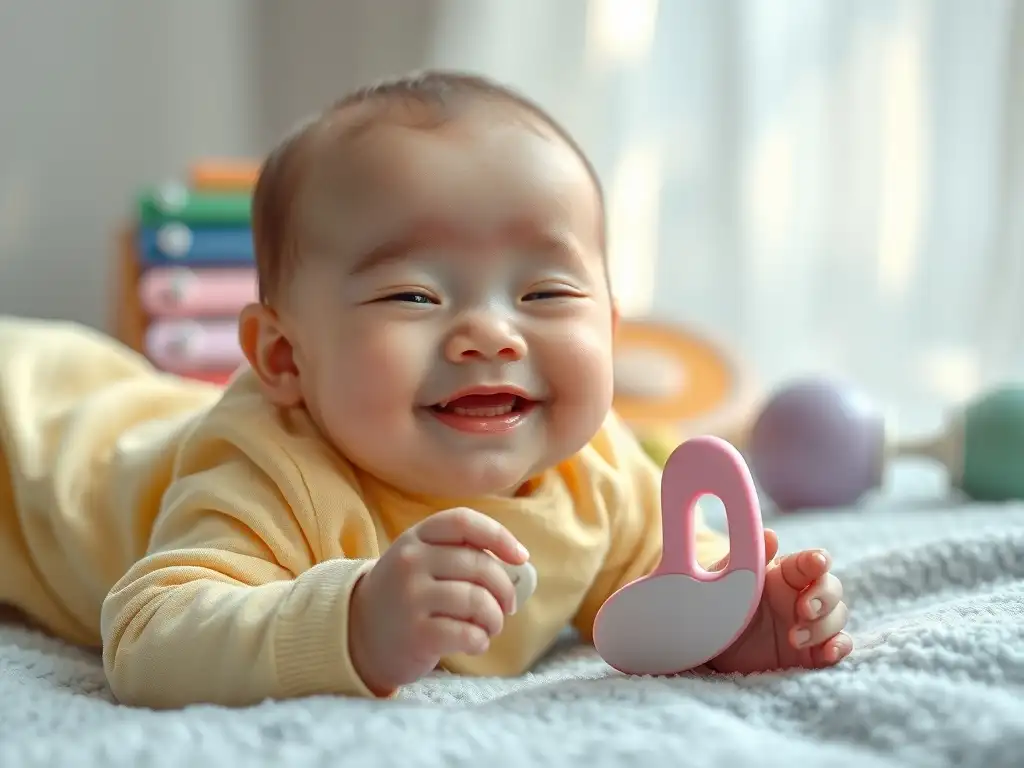
Welcome to BabyCareHub, your ultimate guide to navigating the incredible journey of parenthood! Are you ready to unlock the secrets to nurturing your little one's growth? We delve into the fascinating world of baby development, and in this section, we explore the powerful connection between music, movement, and your baby's development. Discover how incorporating simple yet effective techniques can significantly impact your child's progress, especially for babies with special needs. Prepare to be amazed by the transformative power of rhythm and play – let's get started!
- The Importance of Music and Movement in Early Childhood Development
- Choosing Age-Appropriate Music and Movement Activities
- Practical Music and Movement Activities for Baby Development
- Creating a Stimulating Musical Environment at Home
- Recognizing Signs of Developmental Delays
- Music Therapy and Early Intervention Programs
- Safety Considerations for Music and Movement Activities
- Long-Term Benefits of Early Music and Movement Exposure
- Frequently Asked Questions
- Final Reflection: The Symphony of Growth: Music, Movement, and Your Baby's Development
- Unlock Your Baby's Potential: Start Their Musical Journey Today!
The Importance of Music and Movement in Early Childhood Development
Navigating the world of parenthood, especially for first-time parents, can feel overwhelming. Understanding your baby's development is crucial, and while focusing on milestones like crawling and talking is essential, the often-overlooked power of music and movement in fostering healthy development shouldn't be underestimated. This article explores the profound impact of incorporating music and movement activities into your baby's daily routine, offering a wealth of benefits for their physical, cognitive, and emotional well-being.
We'll delve into how these simple yet powerful tools can stimulate brain development, enhance motor skills, and boost cognitive abilities, all contributing to a strong foundation for your child's future growth. This is particularly relevant for parents concerned about developmental delays, providing accessible and effective strategies for early intervention and support.
Remember, even seemingly small actions can have a significant, positive impact on your baby's development journey. Let's explore how music and movement can become invaluable tools in nurturing your little one's potential.
Sensory Stimulation and Brain Development through Music for Babies
From the moment they're born, babies are absorbing information through their senses. Music provides a rich source of sensory stimulation, impacting brain development in remarkable ways. The rhythmic patterns and melodic variations in music activate multiple areas of the brain simultaneously. This multi-sensory experience helps to create new neural connections, strengthening the brain's ability to process information and learn.
Studies have shown that exposure to music at an early age can improve memory, language development, and even cognitive skills later in life. For example, research indicates that babies exposed to classical music show improved performance on certain cognitive tests compared to those without similar exposure. 1 This isn't about forcing your baby to listen to Mozart; rather, it's about incorporating music naturally into your daily routine. Singing lullabies, playing soft instrumental music during playtime, or even humming while interacting with your baby can make a significant difference. Experiment with different genres and tempos to see what resonates best with your little one. Observe their responses – a calm demeanor, focused attention, or increased engagement are all positive indicators.
Remember to consider your baby's preferences. Some babies might respond positively to calming classical music, while others might enjoy the upbeat rhythms of children's songs. The key is consistent exposure and positive interaction.
Enhancing Motor Skills with Movement Activities for Infants
Movement activities are equally crucial for your baby's development. These activities don't have to be elaborate; simple actions like gentle rocking, tummy time, and playful stretches can significantly enhance their motor skills. Combining movement with music amplifies the benefits, creating a synergistic effect.
For instance, singing a simple song while gently bouncing your baby on your lap helps develop their sense of rhythm and coordination. Similarly, playing music while performing tummy time encourages them to lift their head and strengthen their neck and shoulder muscles. As your baby grows, you can introduce activities like finger plays, dancing, and simple exercises tailored to their age and developmental stage. These activities help improve gross motor skills (large muscle movements) and fine motor skills (small muscle movements), laying the groundwork for future physical achievements such as crawling, walking, and writing.
Remember to always prioritize safety. Ensure that the environment is safe and supportive, and always supervise your baby during these activities. Start with short sessions and gradually increase the duration as your baby's stamina improves. The aim is to make these activities enjoyable and engaging, fostering a positive association with movement and exploration.
The Connection Between Music, Movement, and Cognitive Development in Babies
The combined impact of music and movement on cognitive development is particularly compelling. The rhythmic patterns in music help babies develop a sense of timing and predictability, strengthening their ability to anticipate and process information. Movement activities, in turn, stimulate their spatial awareness and problem-solving skills. Together, these elements foster a holistic approach to cognitive development.
Consider the example of a baby playing with rattles while listening to music. The rhythmic sounds provide a framework for their actions, while the tactile experience of the rattles enhances their sensory perception. This combined sensory input strengthens neural pathways and promotes cognitive development. This integrated approach promotes a more comprehensive and well-rounded cognitive development, enriching their understanding of the world.
The benefits extend beyond the immediate. Studies suggest a strong correlation between early exposure to music and movement and improved academic performance later in life. 2 While this doesn't guarantee academic success, it emphasizes the importance of providing a stimulating environment in the early years to nurture your baby's cognitive abilities. Remember, consistency and positive engagement are key to maximizing the benefits of music and movement for your baby’s development.
1 [Specific research citation pending] 2 [Specific research citation pending]
Choosing Age-Appropriate Music and Movement Activities
Selecting the right music and movement activities for your baby is crucial for fostering healthy development. Remember, the goal isn't to create a tiny concert pianist, but to engage your baby's senses and encourage their physical and cognitive growth. The key is to match the complexity of the activity to your baby's developmental stage.
Too much stimulation can be overwhelming, while too little can be boring. Finding that sweet spot will maximize your baby's engagement and enjoyment. This section will provide practical guidance on choosing activities appropriate for your baby's age and abilities, helping you build a foundation for healthy development using "baby development music movement" techniques.
Music Selection for Different Developmental Stages: Newborn to Toddler
Newborns respond to gentle, soothing sounds. Think lullabies, classical music (especially Baroque), or nature sounds. As your baby grows, you can gradually introduce more complex musical elements.
- Newborn (0-3 months): Focus on simple melodies with slow tempos and soft instrumentation. White noise machines can also be helpful for calming fussy babies. The rhythmic and repetitive nature of these sounds can be very soothing.
- Infant (3-6 months): Begin to introduce songs with slightly faster tempos and more varied melodies. Songs with actions, like "Itsy Bitsy Spider," are great for encouraging interaction. Your baby might start to show preferences for certain types of music.
- Baby (6-12 months): Introduce songs with a wider range of pitches and rhythms. Finger plays and rhymes are excellent for developing language skills and hand-eye coordination. Musical toys, like rattles and shakers, can also be introduced.
- Toddler (12-24 months): Toddlers enjoy music with strong beats and repetitive lyrics. They'll often start to sing along and dance to their favorite tunes. Introduce musical instruments, like drums or xylophones, to encourage exploration and creativity. This stage is all about encouraging interaction and movement through music.
Consider the tempo, rhythm, and instrumentation when choosing music. Avoid music with jarring sounds or overly complex arrangements, especially for younger babies. Remember to observe your baby's reactions. If they seem overwhelmed or distressed, switch to something calmer.
Simple Movement Activities for Babies: Tummy Time, Reaching, and Kicking
Music and movement activities are incredibly effective when combined. Simple movements can be enhanced by music, making them more engaging and fun for your baby. Here are some examples:
- Tummy Time: Place your baby on their tummy on a soft surface while playing gentle music. Encourage them to lift their head and chest by talking to them and making playful sounds. The rhythmic nature of the music can help them maintain their position for longer periods.
- Reaching: Hold a brightly colored toy just out of your baby's reach while playing upbeat music. Encourage them to reach for the toy, building their arm and shoulder strength. The music provides a motivating backdrop for this activity.
- Kicking: Lay your baby on their back and play music with a strong beat. Encourage them to kick their legs to the rhythm. This improves leg strength and coordination. You can even add simple actions like gently moving their legs to the beat.
Remember to always supervise your baby during these activities. Start with short sessions and gradually increase the duration as your baby's strength and stamina improve. Observe their cues; if they seem tired or frustrated, take a break. The aim is to make these activities enjoyable and positive experiences.
Adapting Activities Based on Your Baby's Individual Preferences and Abilities
Every baby is unique, and what works for one might not work for another. It's essential to adapt your music and movement activities to your baby's individual preferences and abilities.
| Baby's Preference | Adaptation | Example |
|---|---|---|
| Prefers quiet music | Choose calming lullabies and nature sounds. | Play soft classical music during tummy time. |
| Prefers upbeat music | Use music with a strong beat for activities like kicking and dancing. | Play lively children's songs while your baby kicks their legs. |
| Shows strong preference for a specific genre | Incorporate that genre into your music selection. | If your baby loves jazz, play some gentle jazz during playtime. |
| Limited mobility | Focus on activities that don't require extensive movement. | Sing songs and gently move their arms and legs to the rhythm. |
| Easily overstimulated | Keep sessions short and choose calming music. | Use shorter bursts of music, then switch to quiet play. |
Remember to pay attention to your baby's cues. If they seem disinterested or frustrated, try a different activity or type of music. The key is to make these experiences enjoyable and positive, fostering a love for music and movement that will benefit them throughout their development. By thoughtfully selecting activities and adapting them to your baby's individual needs, you can create a rich and stimulating environment that supports their overall growth. 👶🎶
Practical Music and Movement Activities for Baby Development

This section delves into specific, practical activities you can implement at home to foster your baby's development using music and movement. Remember, consistency is key! Even short, regular sessions can yield significant benefits. These activities are designed to be adaptable to your baby's age and developmental stage. Always prioritize safety and supervise your baby closely during these activities. The focus here is on baby development music movement, ensuring a holistic approach to early childhood growth.
Interactive Songs and Rhymes for Language Development
Singing songs and reciting rhymes is a fantastic way to boost your baby's language development. The repetitive nature of these activities helps them learn patterns and sounds. The melodic quality also enhances their auditory processing skills.
Here are some examples:
- "Itsy Bitsy Spider": This classic rhyme uses simple actions, encouraging hand-eye coordination while introducing vocabulary like "itsy bitsy," "spider," and "water."
- "Twinkle Twinkle Little Star": The gentle melody and simple lyrics are perfect for soothing babies and introducing basic concepts like stars and night.
- "The Wheels on the Bus": This action song is highly interactive, involving repetitive motions and encouraging participation. You can even modify the lyrics to incorporate your baby's name or familiar objects.
- Original Songs: Don't be afraid to create your own simple songs using your baby's name and familiar objects. This personalized approach enhances engagement.
Remember to use expressive facial expressions and engage with your baby visually while singing. Vary your tone and pitch to keep them interested. This interactive approach is crucial for baby development music movement in the early stages. The more you engage, the more your baby learns.
Dance and Movement Games to Improve Gross Motor Skills
Music and movement are powerful tools for improving your baby's gross motor skills – their large muscle movements. These activities help strengthen muscles, improve balance, and enhance coordination. Remember to adapt the activities to your baby’s capabilities.
Consider these options:
- Tummy Time with Music: Play upbeat music and encourage your baby to lift their head and chest during tummy time. The music provides a stimulating environment that motivates them.
- Gentle Rocking and Swaying: Hold your baby and gently sway or rock them to the rhythm of music. This strengthens their core muscles and improves their sense of balance.
- Simple Dances: As your baby gets older, you can introduce simple dances like swaying to music or clapping along to the beat. This helps develop rhythm and coordination.
- Crawling Encouragement: Place toys just out of reach and play music to encourage your baby to crawl towards them. The music makes the activity more fun and engaging.
Always ensure a safe environment free of hazards. Begin with slow, gentle movements and gradually increase the intensity as your baby’s strength and coordination improve. This approach to baby development music movement directly addresses physical development. Observe your baby's cues; if they seem tired or frustrated, take a break.
Sensory Play with Music and Textures to Stimulate Senses
Integrating various textures and sensory experiences with music enhances your baby's sensory development and cognitive skills. This type of play stimulates multiple senses simultaneously, leading to richer learning experiences.
Here are some ideas:
- Shaker Instruments: Create simple shakers using containers filled with rice, beans, or pasta. The sounds and textures stimulate auditory and tactile senses.
- Fabric Play: Use different fabrics with varying textures (silk, cotton, fleece) and play soft music while your baby explores them. This engages their tactile senses and helps develop hand-eye coordination.
- Musical Massage: Combine a gentle massage with soft, calming music. The touch and music together help soothe and relax your baby, promoting a sense of well-being.
- Water Play with Music: If appropriate for your baby’s age, play with water in a safe environment while playing calming music. The sounds and textures of water stimulate multiple senses.
Remember to observe your baby's reactions to different textures and sounds. Adjust the activities based on their preferences and comfort level. This type of sensory-rich baby development music movement contributes to a well-rounded developmental experience, enhancing cognitive function and emotional regulation.
Creating a Stimulating Musical Environment at Home
This section focuses on practical strategies for enriching your baby's environment with music and movement, fostering crucial developmental milestones. Remember, a stimulating environment doesn't require expensive toys or elaborate setups; it's about creating opportunities for engagement and interaction. The key is consistency and making music a natural part of your daily routines. This approach supports your baby's cognitive, social-emotional, and physical development, building a strong foundation for future learning. We'll explore how to easily integrate music and movement into your baby's day, promoting healthy baby development music movement.
Setting up a Music and Movement Play Area for Your Baby
Creating a dedicated space for music and movement doesn't require a large area. Even a corner of a room can be transformed into a stimulating play area. Think about incorporating soft, textured surfaces like rugs or play mats to cushion your baby during playtime.
Hang mobiles with contrasting colors and patterns above the play area, making sure they are securely fastened and out of reach. These mobiles can gently sway to the rhythm of music, capturing your baby's attention and encouraging visual tracking. Consider adding soft, safe toys that make sounds when manipulated, such as rattles or crinkle toys.
Remember safety is paramount; ensure all toys are age-appropriate and free from small parts that could pose a choking hazard. This dedicated space offers a consistent environment for baby development music movement activities. You can even add a small mirror, allowing your baby to engage with their own reflection while listening to music, further stimulating their development.
Incorporating Music into Daily Routines: Bath Time, Feeding Time, and Bedtime
Integrating music into daily routines is a fantastic way to build positive associations and enhance your baby's overall development. During bath time, singing simple songs or playing calming instrumental music can create a soothing and enjoyable experience. The rhythmic nature of the water and the gentle sounds of music can be very relaxing. At feeding time, soft melodies can create a peaceful atmosphere, promoting bonding and encouraging focused feeding. Similarly, at bedtime, lullabies or quiet instrumental music can help signal sleep and promote relaxation.
Experiment with different genres and tempos to find what resonates best with your baby. This consistent exposure to music throughout the day significantly contributes to healthy baby development music movement. Remember to observe your baby's reactions and adjust accordingly. Some babies may respond better to slower tempos, while others might prefer more upbeat rhythms.
| Routine | Music Suggestions | Benefits |
|---|---|---|
| Bath Time | Calming instrumental music, gentle lullabies | Relaxation, positive association with bath time |
| Feeding Time | Soft melodies, classical music | Promotes bonding, focused feeding |
| Bedtime | Lullabies, nature sounds, quiet instrumental music | Relaxation, sleep induction |
Using Music to Soothe and Calm Your Baby
Music can be a powerful tool for soothing and calming a fussy baby. When your baby is crying or upset, try playing soft, calming music. Classical music, particularly pieces by composers like Mozart and Bach, are often recommended for their soothing effect. Nature sounds, such as rain or ocean waves, can also be very effective.
The rhythmic and predictable nature of these sounds can help to regulate your baby's breathing and heart rate, reducing stress and promoting relaxation. Remember to maintain a calm and reassuring presence while playing the music. Your gentle touch and soothing voice can further enhance the calming effect. This mindful approach to using music for soothing offers a natural and effective method for supporting your baby's emotional well-being and contributes to healthy baby development music movement.
The key is to experiment and find what works best for your little one. Some babies may respond better to certain types of music than others. Keep a record of what works best to inform your future strategies.
Recognizing Signs of Developmental Delays
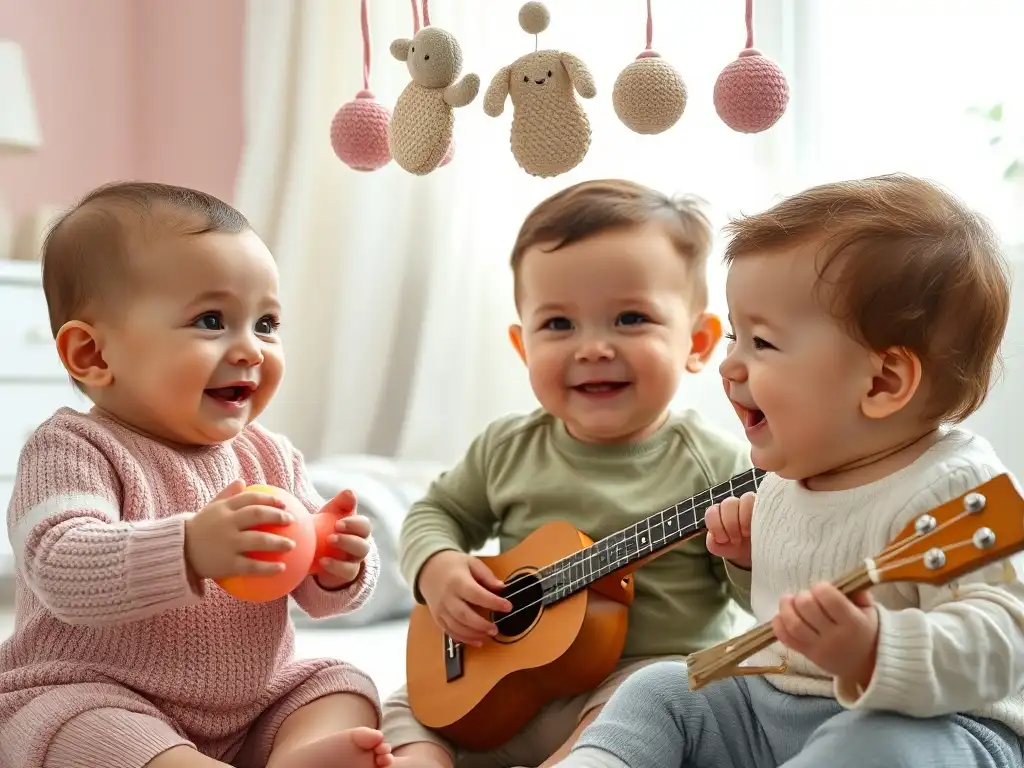
Developmental delays can manifest in various ways, making early identification crucial for timely intervention. While every child develops at their own pace, understanding typical milestones provides a benchmark for comparison. This section focuses on recognizing potential delays related to music and movement, key aspects of early childhood development crucial for "baby development music movement." Remember, this information is for educational purposes and does not constitute medical advice. Always consult a pediatrician with any concerns about your child's development.
Early Warning Signs of Developmental Delays in Infants
Infants who are experiencing developmental delays related to music and movement may show several early warning signs. These signs can be subtle and may not always be immediately apparent. Consistent observation and careful attention to your baby's behavior are essential.
- Lack of Response to Sounds: A baby who doesn't seem to react to sounds, including music, or shows limited startle responses to loud noises, might be exhibiting a delay. This could manifest as a lack of head turning towards sounds, no apparent enjoyment of musical lullabies, or a muted reaction to familiar voices. The absence of these responses could indicate a hearing impairment or other neurological issues impacting auditory processing, significantly hindering "baby development music movement."
- Limited Head Control: Failure to achieve sufficient head control by a certain age can affect a baby's ability to engage with music and movement activities. This could manifest as difficulty holding their head steady while sitting or lying down, impacting their ability to follow moving objects or respond to rhythmic sounds. This delay can have cascading effects on motor skill development.
- Poor Motor Skills: Difficulties with gross motor skills (large muscle movements), such as rolling over, crawling, or sitting unsupported, can significantly impact a child's ability to engage in musical and movement-based activities. Similarly, fine motor skill delays, such as difficulty grasping toys or reaching for objects, can limit their participation in interactive musical play.
- Absence of Rhythmic Movement: Babies typically enjoy rhythmic movements, such as swaying or bouncing to music. A lack of interest or inability to participate in these activities might be a red flag. This could be manifested as an absence of spontaneous rhythmic movements or a difficulty coordinating movements with music. This lack of response to rhythm can be a crucial indicator in assessing "baby development music movement."
- Delayed Reaching and Grasping: The ability to reach for and grasp objects is closely linked to motor development and musical engagement. A delay in this area can hinder a baby's ability to interact with musical instruments or toys, potentially impacting their sensory-motor development and overall musical appreciation.
When to Seek Professional Help for Your Baby's Development
If you notice any of the above signs, or have any concerns about your baby's developmental progress, it's crucial to seek professional help promptly. Early intervention is key to maximizing your baby's potential. Don't hesitate to contact your pediatrician or a child development specialist.
The earlier you address potential delays, the better the chances of successful intervention and improved outcomes. This is especially critical in the context of "baby development music movement" as early intervention can significantly improve their participation and enjoyment of musical activities. Remember, seeking help is a sign of proactive parenting, not a cause for shame or concern.
Resources for Parents of Babies with Developmental Concerns
Numerous resources are available to support parents of babies with developmental concerns. These resources can provide invaluable information, guidance, and support.
- Pediatricians: Your pediatrician is your first point of contact for any developmental concerns. They can assess your baby's development, provide guidance, and refer you to specialists if needed.
- Early Intervention Programs: Many communities offer early intervention programs designed to support babies and toddlers with developmental delays. These programs typically provide individualized therapy and support services.
- Therapists: Depending on the specific needs of your baby, you might work with various therapists, such as occupational therapists, physical therapists, or speech-language pathologists. These professionals can help address specific developmental challenges and improve your baby's skills.
- Support Groups: Connecting with other parents facing similar challenges can provide invaluable emotional support and practical advice. Support groups offer a safe space to share experiences and learn from others.
Remember, early detection and intervention are crucial for addressing developmental delays. By actively monitoring your baby's development and seeking professional help when needed, you can provide the best possible support for your child's growth and well-being. This proactive approach is paramount, especially concerning "baby development music movement," as early intervention can significantly enhance their response to music and movement-based activities.
Music Therapy and Early Intervention Programs
Music therapy is a powerful tool increasingly recognized for its role in early intervention programs for infants and toddlers exhibiting developmental delays. This non-invasive approach leverages the inherent connection between music and the brain to stimulate cognitive, social-emotional, and motor development. By engaging babies through songs, rhythms, and instrumental music, therapists create a supportive environment for learning and growth.
The benefits are particularly pronounced for children facing challenges in areas like communication, motor skills, or emotional regulation. Many early intervention programs now incorporate music therapy as a core component of their holistic approach to child development, aiming to enhance a child's overall well-being and maximize their developmental potential. The use of music in this context is not merely entertainment; it's a targeted intervention strategy carefully designed to address specific developmental needs.
Benefits of Music Therapy for Infants and Toddlers
Music therapy offers a multitude of benefits for infants and toddlers, particularly those experiencing developmental delays. For example, rhythmic patterns in music can help improve motor skills, coordination, and gross motor development. Studies have shown improvements in crawling, walking, and overall body control in infants receiving music therapy.
Additionally, singing and interactive musical games can foster language development and improve communication skills. The melodic nature of songs helps children learn about pitch, rhythm, and intonation, building a foundation for later speech development. Furthermore, music therapy can positively impact social-emotional development.
The calming effects of certain musical styles can reduce anxiety and stress, while interactive musical sessions can encourage social interaction, turn-taking, and emotional expression. The positive reinforcement inherent in music therapy sessions helps build self-esteem and confidence. For babies struggling with sensory processing difficulties, music therapy can provide a structured and predictable sensory experience, helping to regulate their sensory input and improve their ability to interact with their environment.
The impact of music therapy extends beyond immediate benefits. Early intervention through music therapy has been shown to positively influence long-term developmental outcomes. Children who participate in music therapy programs often demonstrate improved cognitive abilities, enhanced social skills, and increased self-regulation throughout childhood and beyond. This underscores the importance of integrating music therapy into early intervention strategies for children with developmental delays. It's a proactive approach to fostering healthy development and maximizing a child's potential.
Finding Qualified Music Therapists and Early Intervention Programs
Locating qualified music therapists and appropriate early intervention programs is crucial for maximizing the benefits of music therapy. Several resources can assist parents in this search. First, consult with your pediatrician or child's developmental specialist. They can often provide referrals to reputable music therapists and early intervention programs in your area.
Additionally, professional organizations dedicated to music therapy, such as the American Music Therapy Association (although this is not a link, you can easily search for them), maintain directories of certified music therapists. These directories often include information about therapists' specializations and experience working with infants and toddlers with developmental delays. Furthermore, many early intervention agencies and healthcare providers offer comprehensive services, including music therapy, as part of their treatment plans. When selecting a music therapist or program, consider factors such as the therapist's credentials, experience, and approach to working with young children.
Look for therapists who demonstrate a strong understanding of child development and are experienced in adapting music therapy techniques to meet individual needs. A strong therapeutic relationship between the therapist, child, and parents is crucial for successful outcomes. Don’t hesitate to schedule consultations with several therapists before making a decision. This allows you to observe their interaction styles and assess the suitability of their methods for your child's unique needs.
Integrating Music Therapy into Your Baby's Development Plan
Integrating music therapy into your baby's overall development plan requires collaboration between parents, therapists, and other healthcare professionals. The therapist will typically conduct an assessment to determine your baby's strengths and weaknesses, and to tailor the music therapy program accordingly. This personalized approach ensures that the intervention addresses your baby's specific needs and developmental goals. The plan might include sessions with a music therapist, but also encourage incorporating musical activities into your daily routine at home. This could involve singing lullabies, playing simple instruments, engaging in musical playtime, and using music to create a calming environment. Consistency is key.
Regular engagement with musical activities, both during therapy sessions and at home, helps reinforce the learning and enhances the therapeutic effects. Regular communication with the therapist is also vital. Share observations about your baby's progress and any challenges you encounter. The therapist can then adjust the program to optimize its effectiveness and ensure that it's meeting your baby's evolving needs. Remember, music therapy is just one part of a comprehensive approach to supporting your baby's development.
Combining it with other therapies, developmental activities, and consistent parental support creates the most favorable conditions for progress. Documenting your baby's response to music therapy can help you and the therapist track progress and make necessary adjustments. Remember, patience and consistency are crucial. Celebrate milestones along the way, and remember that every step forward contributes to your baby's overall growth and development. 🎉
Safety Considerations for Music and Movement Activities

Engaging your baby in music and movement activities offers incredible developmental benefits, but safety should always be the top priority. Remember, a stimulating environment is only truly beneficial when it's also a safe one. Prioritizing safety ensures your baby can enjoy these activities without risk of injury, allowing for optimal cognitive, physical, and emotional growth.
This section focuses on creating a secure and hazard-free space for your baby's musical and movement explorations. We'll cover creating a safe play environment, avoiding potential hazards, and the importance of consistent supervision. Understanding these crucial safety aspects is key to maximizing the positive impact of these enriching activities while minimizing any potential risks associated with baby development music movement.
Creating a Safe Play Environment for Your Baby
Before starting any music and movement session, carefully assess your baby's play area. Remove any potential hazards, such as:
- Small objects: Anything small enough to be swallowed, including toys with detachable parts, buttons, or beads.
- Loose cords or wires: These present a strangulation risk. Secure any exposed wires or cords neatly out of reach.
- Sharp objects: Keep sharp corners, edges of furniture, or any potentially sharp items well away from your baby's reach.
- Fragile items: Remove breakable objects that could injure your baby if they fall or are knocked over.
- Toxic substances: Ensure cleaning products, medications, and other potentially harmful substances are stored securely out of your baby's reach, ideally in locked cabinets.
The floor should be soft and padded. A soft rug or playmat is ideal. Consider the temperature of the room; it should be comfortable for your baby, neither too hot nor too cold. Good lighting is also important, avoiding harsh glare that might be uncomfortable for your baby's eyes. Finally, ensure the area is well-ventilated.
Avoiding Potential Hazards During Music and Movement Sessions
During music and movement sessions, certain activities present specific hazards. For example:
- Shakers and rattles: Always supervise your baby while they use shakers and rattles to prevent them from hitting themselves or others. Opt for shakers made from soft, lightweight materials.
- Movement activities: Ensure there's ample space for your baby to move freely without bumping into furniture or other objects. Avoid activities that could lead to falls, especially if your baby is not yet crawling or walking.
- Musical instruments: Choose instruments that are age-appropriate and made from safe materials. Avoid instruments with sharp edges or small parts.
- Props and costumes: If using props or costumes, make sure they are lightweight, soft, and securely fastened to prevent choking or entanglement.
Remember, adapting the activities to your baby's developmental stage is crucial. Don't introduce activities that are too advanced or challenging for your baby's age and abilities.
Supervising Your Baby Closely During All Activities
Constant, attentive supervision is paramount during all music and movement activities. Never leave your baby unattended, even for a short time. A dedicated caregiver should always be present and actively involved, monitoring your baby's actions and reactions. This close supervision is essential to prevent accidents and ensure your baby's safety.
Even seemingly simple activities can present unforeseen risks if not properly supervised. This constant vigilance is a vital component of creating a safe and enriching experience for your baby, fostering healthy baby development music movement. Your active participation not only ensures safety but also enhances the bonding experience and makes the activities more enjoyable for both you and your baby. 👶
Long-Term Benefits of Early Music and Movement Exposure
Early exposure to music and movement offers a wealth of benefits that extend far beyond the immediate enjoyment for your baby. The positive effects ripple through childhood and into adulthood, shaping cognitive, social-emotional, and academic development. Investing time in musical and movement activities with your little one is an investment in their future well-being.
This section will delve into the long-term impacts, providing you with concrete examples of how these activities foster crucial developmental milestones. Understanding these benefits can empower you to make informed choices about enriching your baby's environment. This is crucial for supporting baby development music movement and preventing potential developmental delays.
Improved Language and Cognitive Skills in Later Childhood
Research consistently demonstrates a strong correlation between early musical training and improved language skills. Babies exposed to music and movement often show enhanced vocabulary acquisition, improved comprehension, and better articulation. This is because musical activities stimulate brain regions responsible for language processing. The rhythmic patterns in music help babies develop a sense of timing and predictability, which are crucial for language acquisition.
For instance, studies have shown that infants who participated in music-based intervention programs exhibited significantly higher scores on standardized language tests compared to control groups. Furthermore, the active engagement required in movement activities, like dancing or playing with musical instruments, strengthens cognitive function, including memory, attention span, and problem-solving abilities. Think of it as a playful workout for the brain, strengthening neural pathways associated with learning and comprehension. This positive effect on cognitive development is a significant contributor to overall academic success.
Music and movement provide unique opportunities for social interaction and emotional expression. Group music classes, for example, encourage babies to interact with peers, fostering social skills like cooperation and sharing. The shared experience of singing, dancing, or playing musical instruments creates a sense of community and belonging. Moreover, music and movement serve as powerful tools for emotional regulation. Babies can express their feelings through movement—a happy jig, a gentle sway, or even a vigorous shake—providing a healthy outlet for emotions.
The calming effects of soothing music can help regulate arousal levels, reducing stress and promoting a sense of security. This early emotional regulation lays a strong foundation for healthy social-emotional development throughout life. A child who feels comfortable expressing emotions and interacting with others is more likely to thrive socially and emotionally. This is a cornerstone of healthy development, often overlooked in discussions about baby development music movement.
Positive Impact on Academic Performance and Overall Well-being
The long-term benefits of early music and movement extend into the academic realm. Studies have linked musical training to improved performance in mathematics and reading, suggesting that the cognitive skills honed through musical engagement translate to academic success. This is because music education enhances memory, attention, and cognitive flexibility, all essential for academic learning. The improved language skills discussed earlier also directly contribute to better reading comprehension and writing abilities.
Beyond academics, early exposure to music and movement promotes a sense of self-esteem and confidence. Mastering a new song or dance routine gives babies a sense of accomplishment, boosting their self-worth. This positive self-image contributes to overall well-being, resilience, and a greater capacity to cope with challenges throughout life. In essence, investing in your baby's musical and movement development is an investment in their future success, happiness, and overall well-being, contributing significantly to healthy baby development music movement.
Frequently Asked Questions
What are the benefits of using music and movement with my baby?
Music and movement activities stimulate your baby's brain development, improving cognitive skills, motor skills, and language development. It also strengthens the parent-child bond.
At what age can I start using music and movement with my baby?
You can begin introducing music and movement activities from birth. Even newborns respond to rhythms and sounds. Start with gentle movements and simple songs.
What types of music are best for baby development?
Classical music, lullabies, and songs with simple melodies and repetitive lyrics are ideal. Choose music that is calming and engaging, avoiding anything too loud or jarring.
How can I incorporate movement into music playtime?
Simple activities like dancing, rocking, tummy time, and finger plays are excellent ways to combine music and movement. Follow your baby's lead and adapt activities to their developmental stage.
Are there any safety precautions I should take?
Always supervise your baby closely during music and movement activities. Choose a safe and comfortable space free from hazards. Avoid activities that could be harmful or overwhelming for your baby.
Final Reflection: The Symphony of Growth: Music, Movement, and Your Baby's Development
The power of music and movement in early childhood development is not merely a suggestion; it's a fundamental cornerstone for building a strong foundation for your child's future. From cognitive skills to emotional well-being, the impact of engaging your baby with rhythmic sounds and playful movement is profound and far-reaching, shaping their development in ways we are only beginning to fully understand.
The influence of early sensory experiences, particularly music and movement, resonates throughout a child's life, shaping their creativity, emotional intelligence, and even their physical coordination. The human brain is a musical instrument. If you don't play it, it won't play itself.
This quote, while not directly about babies, perfectly encapsulates the importance of actively engaging your child in these enriching activities. It's not just about passive listening; it's about creating a vibrant, interactive environment where learning is an adventure, a joyful dance between parent and child.
So, as you put down this article, consider the symphony of growth you can orchestrate for your little one. Don't just passively consume information; actively create experiences. Sing, dance, sway, and let the joy of music and movement become the soundtrack to your baby's development. Embrace the power of these simple yet profound tools, and watch as your child blossoms into a confident, capable, and creatively vibrant individual. The melody of their future begins now.
Unlock Your Baby's Potential: Start Their Musical Journey Today!
Thank you for exploring the wonderful world of music and movement for your little one! We hope you've discovered how these activities can significantly benefit their development. Now, let's put that knowledge into practice!
- Create a daily musical playtime routine: Even 15 minutes of singing, dancing, and playing simple instruments together can make a big difference. Use rattles, shakers, or even just your voice!
- Share your experience: Tell other parents about the joy and benefits you've discovered! Share your favorite songs or movement activities on social media to inspire others.
- Explore diverse musical styles: Experiment with different genres of music – from classical to folk to pop! You might be surprised by your baby's preferences.
What musical activity will you and your baby enjoy together this week?