
Safe Sleep After Feeding: What Parents Need to Know


Welcome to BabyCareHub, your ultimate guide to navigating the incredible journey of parenthood! Are you a first-time parent feeling overwhelmed by the sheer volume of information out there? We understand. That's why we've created this comprehensive resource, packed with practical advice and expert insights. Discover the secrets to successful sleep training, starting with our crucial article on Safe Sleep Newborn Feeding Guidelines – ensuring your little one's safety and well-being from day one. Dive in and unlock the knowledge you need to confidently embrace this exciting new chapter!
- Understanding Safe Sleep Practices for Newborns After Feeding
- Safe Sleep and Feeding: Addressing Common Concerns
- Creating a Safe Sleep Environment After Feeding
- Recognizing Signs of Distress After Feeding
- Safe Sleep After Night Feedings: Practical Tips for Parents
-
Frequently Asked Questions
- How long should I wait after feeding my newborn before putting them down to sleep?
- What is the safest position for my newborn to sleep in after feeding?
- My baby seems fussy after feeding; should I put them to sleep anyway?
- Are there any foods or drinks I should avoid giving my newborn before bedtime?
- What are some safe sleep practices to follow after feeding my newborn, according to BabyCareHub?
- Final Reflection: The Enduring Legacy of Safe Sleep Practices
- Unlock Your Baby's Safe Sleep Potential
Understanding Safe Sleep Practices for Newborns After Feeding
Safe sleep for newborns is paramount, and understanding the best practices after feeding is crucial for minimizing the risk of Sudden Infant Death Syndrome (SIDS) and ensuring your baby's well-being. This guide provides essential information on safe sleep guidelines for newborns after feeding, focusing on positioning, sleep surfaces, and other vital considerations. Navigating the world of newborn care can be overwhelming, but mastering safe sleep practices is a foundational step towards building a healthy and secure environment for your little one.
This article will equip you with the knowledge and confidence to make informed decisions about your baby's sleep, helping you create a safe and nurturing sleep space. We will explore the key elements of safe sleep, focusing specifically on the period immediately after feeding, a time when extra vigilance is required. The goal is to provide clear, evidence-based advice on how to reduce the risk of SIDS and promote healthy sleep habits in your newborn.
Remember, a well-rested baby contributes to a well-rested family! 😴
Safe Sleep Guidelines for Newborns: Minimizing SIDS Risk
The American Academy of Pediatrics (AAP) recommends several key strategies to minimize the risk of SIDS. These guidelines are particularly important after feeding, as a full stomach can sometimes impact a baby's breathing. Here's what you need to know:
- Always place your baby on their back to sleep. This is the safest sleeping position for newborns and should be consistently practiced, even after feeding. Avoid placing your baby on their side or stomach.
- Use a firm sleep surface. Soft surfaces like waterbeds, sofas, or overly soft mattresses increase the risk of suffocation.
- Keep your baby's sleep area free from loose bedding. This includes blankets, pillows, bumpers, and stuffed animals. These items can obstruct your baby's breathing.
- Avoid overheating. Dress your baby in lightweight clothing appropriate for the room temperature. Overheating can increase the risk of SIDS.
- Breastfeeding is associated with a reduced risk of SIDS. If you are breastfeeding, continue to do so. The benefits extend beyond nutrition, contributing to a healthier sleep environment for your baby.
- Consider a pacifier at bedtime. Pacifier use during sleep has been linked to a reduced risk of SIDS, but only after breastfeeding is well-established.
- Share a room, but not a bed. Room sharing is recommended for at least the first six months, but always practice safe sleep practices by placing your baby in their own crib or bassinet. Never share a bed with your baby.
Following these guidelines diligently will significantly reduce the risk of SIDS and create a safer sleep environment for your newborn. Remember, consistency is key!
Positioning Your Baby for Safe Sleep Post-Feeding
After feeding your baby, gently place them on their back on a firm, flat surface. Avoid propping them up with pillows or blankets, as this can restrict their breathing and increase the risk of choking or aspiration. Tummy time is important for development, but never during sleep. Always ensure your baby is lying flat on their back. A slight incline is sometimes recommended by healthcare professionals for babies with reflux, but only if advised by your doctor. This should be achieved using a wedge specifically designed for this purpose, and not with makeshift solutions.
It's also crucial to ensure your baby's head and neck are not obstructed by clothing or bedding. Loose clothing or blankets can cover their face and impede breathing. Always ensure their face is clear and unobstructed. A simple, lightweight sleep sack is a safe and effective alternative to blankets.
The Importance of a Firm Sleep Surface for Safe Sleep
A firm sleep surface is non-negotiable for safe sleep. Soft surfaces, such as adult beds, sofas, or waterbeds, pose a significant risk of suffocation. The baby's face can become embedded in the soft material, obstructing their breathing. This risk is amplified after feeding when the baby might be more relaxed and less likely to move. A firm mattress that fits snugly within the crib is essential.
Consider the mattress itself; it should be firm and flat, without any indentations or soft spots. Avoid using overly plush or thick mattresses. Check regularly for any signs of wear and tear and replace the mattress if necessary. A firm and appropriate sleep surface is a fundamental element of safe sleep for newborns, especially after feeding. Prioritizing this aspect can significantly contribute to your baby's safety and overall well-being.
Safe Sleep and Feeding: Addressing Common Concerns

This section delves into specific concerns surrounding safe sleep practices after feeding your newborn, offering practical advice and evidence-based recommendations aligned with the latest "Safe sleep newborn feeding guidelines". Understanding these nuances is crucial for creating a secure and comfortable sleep environment for your little one. Remember, a safe sleep environment is paramount for your baby's health and well-being.
Spit-Up and Safe Sleep: What to Do
Spit-up is incredibly common in newborns, often due to their immature digestive systems. While occasional spitting up is usually harmless, excessive or forceful vomiting warrants immediate medical attention. However, minor spit-up shouldn't automatically necessitate altering your safe sleep practices. Instead, focus on these strategies:
- Positioning: Keep your baby sleeping on their back, as recommended by all leading pediatric organizations. Avoid propping them up with pillows or blankets, as this increases the risk of suffocation. A slight incline of the crib mattress (using a wedge specifically designed for babies, not improvised methods) might offer some relief from reflux, but this should only be done under the guidance of a pediatrician.
- Burping: Burp your baby thoroughly after feedings to minimize the amount of air they ingest. Different techniques work better for different babies; experiment to find what works best for yours.
- Feeding Techniques: Smaller, more frequent feedings can sometimes reduce the amount of spit-up. Consult with a lactation consultant or your pediatrician if you're concerned about your baby's feeding habits.
- Clothing: Dress your baby in lightweight clothing to prevent overheating. Overheating can exacerbate reflux symptoms.
- Observation: Monitor your baby for signs of distress or discomfort. If you notice excessive spit-up, lethargy, or difficulty breathing, consult your pediatrician immediately.
Feeding Schedules and Safe Sleep: Finding the Right Balance
Establishing a consistent feeding schedule is important for both your baby's development and your own peace of mind. However, it's equally critical to maintain safe sleep practices. Forcing a schedule can be counterproductive and lead to unnecessary stress for both you and your baby. Instead, focus on responding to your baby's hunger cues, while maintaining a safe sleep environment.
Remember, safe sleep is always the priority. Avoid falling asleep while feeding your baby, whether breastfeeding or bottle-feeding, to minimize the risk of accidental suffocation or overlaying. Always place your baby down in their crib drowsy but awake for safe sleep.
It's important to note that there's no one-size-fits-all approach to feeding schedules. Some babies feed more frequently than others. Trust your instincts and consult your pediatrician if you have concerns about your baby's feeding patterns. They can help you develop a feeding plan that meets your baby's individual needs while ensuring safe sleep practices are followed.
Dealing with Gassy Babies and Safe Sleep
Many newborns experience gas and colic, leading to fussiness and discomfort, especially after feeding. While a gassy baby might be more unsettled before sleep, this doesn't necessitate a change in your safe sleep routine. Instead, try these gentle approaches:
- Tummy Time: Supervised tummy time during the day can help strengthen your baby's abdominal muscles, potentially easing gas.
- Gentle Massage: A gentle massage of your baby's tummy can help relieve gas.
- Bicycle Legs: Gently moving your baby's legs in a bicycling motion can help release gas.
- Warm Bath: A warm bath can sometimes soothe a gassy baby.
- Positioning: While keeping your baby on their back for sleep is crucial, you can try different positions during the day to help relieve gas. Remember, never prop your baby up on pillows or other objects during sleep.
Remember, the safest place for your baby to sleep is on their back in a crib that meets current safety standards, regardless of feeding habits or gas issues. Always prioritize safe sleep practices and consult your pediatrician if you have any concerns. Following "Safe sleep newborn feeding guidelines" is critical for your baby's health and well-being. 😴
Creating a Safe Sleep Environment After Feeding
This section focuses on optimizing your baby's sleep environment post-feeding, directly addressing safe sleep newborn feeding guidelines. A safe and comfortable sleep space is crucial for your baby's well-being and development. Understanding and implementing the following practices will significantly reduce the risk of Sudden Infant Death Syndrome (SIDS) and promote healthy sleep habits.
Room Temperature and Safe Sleep: Maintaining Comfort
Maintaining the ideal room temperature is paramount for safe sleep. Overheating is a significant risk factor for SIDS, so it's crucial to avoid swaddling too tightly or overdressing your baby in a warm room. The optimal room temperature for a baby's sleep environment is generally between 68°F and 72°F (20°C and 22°C). Use a reliable thermometer to monitor the temperature regularly, especially during different seasons. You may need to adjust clothing or bedding based on the room temperature and your baby's individual needs.
Remember, a slightly cool room is safer than a warm one. Always check your baby's skin temperature to ensure they are neither too hot nor too cold. A slightly cool touch to their chest or back is ideal. Avoid using electric blankets or heating pads in your baby's crib; these pose significant safety risks.
Clothing and Safe Sleep: Dressing Your Baby Appropriately
Appropriate clothing is another key element of safe sleep after feeding. Overdressing can lead to overheating, increasing the risk of SIDS. A good rule of thumb is to dress your baby in one more layer than you would wear yourself in the same room temperature. Lightweight pajamas or a sleep sack are generally sufficient. Avoid loose clothing or blankets that could cover your baby's face and obstruct breathing. Consider the fabric of the clothing; breathable fabrics like cotton are preferred over synthetic materials that may trap heat.
Always check your baby's skin for signs of overheating or sweating. If they feel excessively warm, remove a layer of clothing. Remember to prioritize comfort and breathability to ensure a safe and restful sleep. The aim is to ensure your baby is neither too hot nor too cold. Regularly monitor their temperature to ensure they are comfortable.
Swaddling and Safe Sleep: When and How
Swaddling can be beneficial for some newborns, promoting a sense of security and reducing the startle reflex, which can lead to frequent awakenings. However, it's crucial to follow safe swaddling guidelines. Always ensure the swaddle is not too tight, allowing your baby's hips and legs to move freely. Avoid swaddling your baby once they show signs of rolling over onto their tummy – typically around 4 months old.
A tightly wrapped swaddle might restrict their movement and increase the risk of suffocation. Loose swaddles should also be avoided as these can become loose and cover the baby's face. Choose a lightweight, breathable fabric for the swaddle, and ensure it's properly fastened. Observe your baby closely after swaddling to ensure they are comfortable and able to breathe easily.
As your baby grows and develops, you may need to adjust your swaddling techniques or discontinue swaddling altogether. Prioritize your baby's safety and comfort above all else. Always follow safe sleep recommendations for your baby's age and developmental stage. Remember, once your baby shows signs of rolling over, it is time to transition away from swaddling to a sleep sack or other safe sleep garments.
Recognizing Signs of Distress After Feeding

New parents often worry about their baby's well-being, especially after feeding. Understanding how to recognize signs of distress is crucial for ensuring safe sleep. While a contented baby will typically drift off to sleep peacefully, a distressed infant may exhibit several cues that require attention. These signals are vital for determining whether a baby needs further care before being placed down for sleep.
Promptly addressing these issues contributes significantly to establishing safe sleep practices and preventing potential complications. Learning to differentiate between normal post-feeding behaviors and distress signals is a key skill for every new parent. This section will delve into specific signs to watch for, providing clarity and guidance.
Baby's Breathing and Safe Sleep: Monitoring for Irregularities
Observing your baby's breathing after feeding is a critical aspect of safe sleep. Normal breathing for a newborn is typically regular, with a rate of 30-60 breaths per minute. However, irregularities such as labored breathing, gasping, or pauses in breathing (apnea) warrant immediate attention. These can be signs of underlying respiratory issues or other medical conditions. While some slight variations are normal, persistent or significant changes should prompt a call to your pediatrician.
It's important to differentiate between normal pauses in breathing (periodic breathing) which are brief and infrequent, and true apnea, which is a longer cessation of breathing. Periodic breathing is common and usually resolves on its own. However, apnea requires immediate medical attention.
Keep a close eye on your baby's chest movements. Shallow, rapid breathing or unusual sounds like wheezing or grunting may indicate a problem. Remember, recognizing these subtle differences is key to ensuring your baby's safety. Regular monitoring, especially in the first few months, helps build confidence and allows for prompt intervention if needed. Always trust your instincts; if something feels wrong, seek medical advice immediately.
Baby's Body Temperature and Safe Sleep: Identifying Fever or Chills
Maintaining a safe and comfortable temperature is essential for your baby's sleep. A fever or chills can indicate illness and may disrupt sleep, potentially leading to unsafe sleep conditions. A normal body temperature for a baby ranges from 97.9°F to 99.5°F (36.6°C to 37.5°C). A fever above 100.4°F (38°C) requires immediate medical attention. Similarly, noticeable chills or shivering could signal a drop in body temperature, which also necessitates prompt intervention.
To check your baby's temperature, use a digital thermometer. Avoid using rectal thermometers unless specifically instructed by a healthcare professional. Pay attention to other symptoms accompanying a fever or chills, such as lethargy, irritability, or poor feeding. These additional signs can help your pediatrician assess the situation more accurately. Remember, early detection and appropriate intervention are crucial for preventing complications. Keep a record of your baby's temperature readings to help track any changes over time. This information can be invaluable in providing your doctor with a complete picture of your baby’s health.
Baby's Sleep Position and Safe Sleep: Side vs. Back
The safest sleep position for a baby is always on their back. Sleeping on their side or stomach significantly increases the risk of Sudden Infant Death Syndrome (SIDS). Avoid placing your baby to sleep on their side, as they may roll onto their stomach. Similarly, placing them on their stomach should be avoided completely, as this position can obstruct their breathing and increase the risk of suffocation.
While some babies may initially seem more comfortable on their sides, consistently placing them on their backs is crucial for their safety. The back sleeping position allows for unobstructed airflow and reduces the risk of overheating. Create a safe sleep environment by ensuring the crib is free of loose bedding, blankets, pillows, and toys. A firm mattress and a fitted sheet are all that's needed.
Remember, consistent back sleeping is a cornerstone of safe sleep practices and significantly contributes to reducing the risk of SIDS. Educate yourself and others involved in your baby's care about the importance of this crucial safety measure. The American Academy of Pediatrics strongly recommends back sleeping for all infants.
Safe Sleep After Night Feedings: Practical Tips for Parents
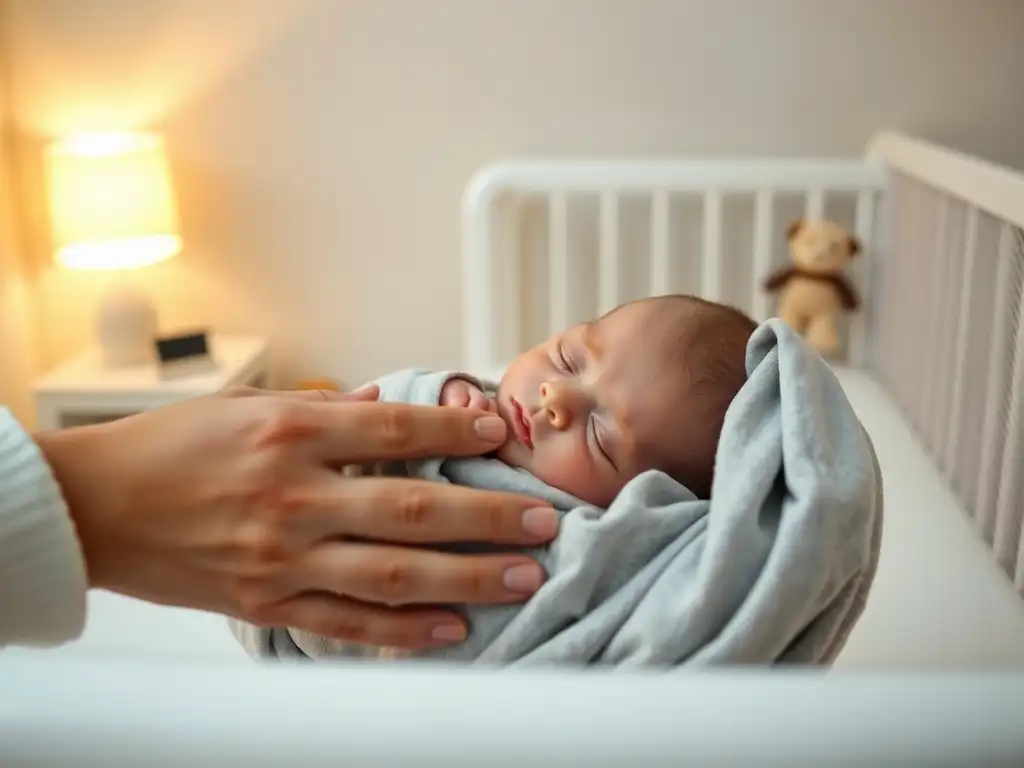
This section focuses on ensuring safe sleep practices for your newborn after night feedings, a crucial aspect of establishing healthy sleep habits and minimizing the risk of Sudden Infant Death Syndrome (SIDS). Safe sleep practices are paramount, especially after feeding, as drowsiness can increase the risk of accidental suffocation. We'll explore practical strategies to optimize your nighttime feeding routine for safe sleep. Remember, consistency and careful attention to detail are key when implementing these guidelines. Adhering to safe sleep newborn feeding guidelines is essential for your baby's well-being.
Nighttime Feeding Routine for Safe Sleep
Establishing a consistent and safe nighttime feeding routine is vital. This routine should prioritize your baby's safety above all else. Avoid distractions during feeding; focus solely on your baby. After feeding, gently burp your baby to minimize discomfort and potential spitting up.
This prevents potential choking hazards during sleep. Always place your baby on their back on a firm, flat surface, such as a crib or bassinet, for sleeping. Never place your baby on soft surfaces, such as a couch or armchair, or share a bed with your baby. This is a critical aspect of safe sleep newborn feeding guidelines.
The feeding area should also be kept clutter-free. Avoid loose blankets, pillows, toys, or bumpers in the crib. These items pose a suffocation risk, particularly for drowsy infants. Keep the room temperature comfortable, neither too hot nor too cold. Regularly check the room temperature using a thermometer to ensure optimal conditions. A slightly cool room is generally preferable. Remember, following these safe sleep guidelines contributes significantly to minimizing the risk of SIDS.
Managing Sleep Disruptions After Night Feedings
Night wakings are common, especially in the early months. However, it's crucial to manage these disruptions without compromising your baby's safe sleep. Avoid rocking or walking your baby to sleep after every feeding. While comforting, this can create sleep associations that make it difficult for your baby to self-settle. Instead, try gentle patting, shushing, or offering a pacifier. These methods help soothe your baby without creating sleep dependencies. This approach is consistent with best practices in safe sleep newborn feeding guidelines.
It's also important to recognize the signs of hunger versus other forms of discomfort. Is your baby truly hungry, or is the crying related to gas, discomfort, or a wet diaper? Addressing the underlying cause is crucial. A detailed sleep diary can help you identify patterns and pinpoint the reasons behind nighttime wakings. This data-driven approach is essential for effective intervention and establishing a consistent, safe sleep environment.
Establishing a Consistent Safe Sleep Routine
Consistency is paramount in establishing a safe and predictable sleep routine for your baby. A regular bedtime routine, including a warm bath, quiet playtime, and a feeding, can signal to your baby that it's time for sleep. This predictability helps regulate your baby's circadian rhythm, contributing to improved sleep. Remember, a consistent bedtime routine is a cornerstone of safe sleep newborn feeding guidelines.
Furthermore, consider creating a calming sleep environment. This involves minimizing noise and light. A dark, quiet room promotes better sleep. White noise machines can be helpful in masking disruptive sounds. However, always maintain a safe distance and ensure the machine is used safely according to manufacturer instructions. This consistent approach reduces stimulation and encourages healthy sleep patterns, contributing to a safe sleep environment. Remember, a consistent and safe sleep routine significantly reduces the risk of SIDS and promotes healthy sleep development for your baby. Prioritizing safe sleep practices is the cornerstone of responsible newborn care. 😴
Frequently Asked Questions
How long should I wait after feeding my newborn before putting them down to sleep?
It's recommended to keep your baby upright for at least 30 minutes after a feeding to minimize the risk of spitting up and regurgitation. This allows gravity to help digestion.
What is the safest position for my newborn to sleep in after feeding?
Always place your baby on their back to sleep, on a firm, flat surface free from loose bedding, toys, or bumpers. This is crucial for reducing the risk of SIDS.
My baby seems fussy after feeding; should I put them to sleep anyway?
No, never put a fussy or distressed baby to sleep. Try comforting techniques first, such as burping, rocking, or skin-to-skin contact. Address the underlying cause of their fussiness.
Are there any foods or drinks I should avoid giving my newborn before bedtime?
Avoid giving your newborn large feedings close to bedtime. Also, avoid sugary drinks or formula/breast milk that is overly warm, as this could upset their digestion and make them uncomfortable.
What are some safe sleep practices to follow after feeding my newborn, according to BabyCareHub?
Prioritize a firm, flat sleep surface, placing your baby on their back, and ensuring the room is well-ventilated. Avoid using loose bedding, pillows, or bumpers in the crib. Remember to always supervise your baby during awake periods.
Final Reflection: The Enduring Legacy of Safe Sleep Practices
The fight for safe sleep isn't over; it's a continuous evolution of knowledge and practice, demanding our unwavering vigilance. Every crib, every bassinet, every sleepy sigh from a newborn represents a precious life entrusted to our care. The information shared in this article underscores the critical importance of understanding and implementing safe sleep guidelines, a responsibility that extends far beyond the immediate postpartum period.
The impact of safe sleep education on reducing Sudden Infant Death Syndrome (SIDS) rates is undeniable, a testament to the power of collective knowledge and proactive parenting. Yet, the fight continues. Misinformation persists, and cultural practices sometimes clash with evidence-based recommendations. We must remain vigilant in our efforts to educate and support parents. The best gift you can give a child is a safe sleep environment.
– This simple statement encapsulates the profound responsibility we all share.
You, as a parent or caregiver, hold the power to create a safe and nurturing environment for the little ones in your life. Reflect on the information presented here; revisit the guidelines, and share this knowledge with others. Let's work together to ensure that every child has the opportunity to thrive, to grow, and to reach their full potential, soundly sleeping in a safe and secure environment. Your commitment to safe sleep practices is an investment in a brighter future for generations to come.
Unlock Your Baby's Safe Sleep Potential
Thank you for learning about safe sleep practices. We hope you found the information valuable and empowering. Now, let's put this knowledge into action for a safer, more restful night for both you and your baby.
- Prioritize a safe sleep environment: Review your baby's sleep space tonight, ensuring it meets all safe sleep guidelines. Make any necessary adjustments before bedtime. This is the most important step you can take.
- Share your knowledge: Tell a friend or family member about a key safe sleep tip you learned—you might prevent a potential accident!
- Learn more: Explore more helpful guides and articles on BabyCareHub dedicated to your baby's health and well-being.
What small change will you make tonight to improve your baby's sleep environment?