
Creating a Family Cookbook: Sharing Favorite Recipes

Welcome to BabyCareHub, your ultimate guide to navigating the exciting yet challenging world of parenthood! Are you ready to embark on a delicious journey of creating lasting family memories and nourishing your little one? Our latest article, "Baby food recipes family cookbook," dives into the heart of family mealtimes, offering a practical approach to creating a personalized cookbook filled with healthy and delectable recipes your whole family will adore. Discover the secrets to creating nutritious and exciting meals for your baby, while building cherished traditions around the dinner table. Let's get started!
- Why a Family Cookbook is Essential for New Parents
- Planning Your Family Cookbook: Baby Food Recipes and Beyond
- Compiling Baby Food Recipes for Your Cookbook
- Designing Your Family Cookbook: A Visual Guide
- Sharing Your Family Cookbook: Baby Food Recipes and Beyond
- Expanding Your Family Cookbook: Adapting Recipes as Your Baby Grows
- Frequently Asked Questions
- Final Reflection: The Enduring Legacy of Shared Meals
- Unleash Your Family's Culinary Legacy!
Why a Family Cookbook is Essential for New Parents
Navigating the world of parenthood, especially for first-time parents, can feel overwhelming. Between sleepless nights, endless diaper changes, and the constant learning curve of infant care, finding time for anything beyond the immediate needs of your newborn can seem impossible. Yet, amidst the chaos, fostering strong family bonds and creating lasting memories is crucial for both parents and baby.
This is where the power of a shared family cookbook comes into play. More than just a collection of recipes, a family cookbook becomes a living testament to your journey as a family, a repository of cherished moments, and a tool for building strong, lasting connections. This article will explore the multifaceted benefits of creating a family cookbook, focusing specifically on incorporating baby food recipes to enhance family bonding and preserve culinary traditions.
We'll delve into how this seemingly simple act can significantly contribute to a strong and happy family unit in the busy, often chaotic, post-baby world. The creation of this cookbook will be a journey in itself, a chance to build memories while simultaneously providing nutritious and delicious food for your growing child. Let's explore how this process can enrich your family life.
Preserving Family Traditions Through Baby Food Recipes
The transition to parenthood often brings a wave of nostalgia, prompting reflections on our own upbringing and family traditions. Food plays a powerful role in shaping our cultural identities and family memories. Creating a family cookbook provides a wonderful opportunity to preserve these traditions by documenting cherished recipes passed down through generations.
Imagine including your grandmother's secret apple sauce recipe, adapted for your baby's palate, alongside your mother's time-tested pureed carrot recipe. This not only ensures these culinary gems are not lost but also introduces your child to the rich heritage of your family, creating a sense of belonging and continuity. This process of adaptation also fosters creativity and problem-solving skills within the family.
For example, you might need to adjust the sweetness or consistency of a traditional recipe to suit your baby's developmental stage, prompting collaborative discussions and experimentation within the family unit. This shared experience of adapting and refining recipes further strengthens the family bond. Think of the stories and anecdotes that will accompany each recipe, adding a personal and emotional touch to your family's culinary legacy.
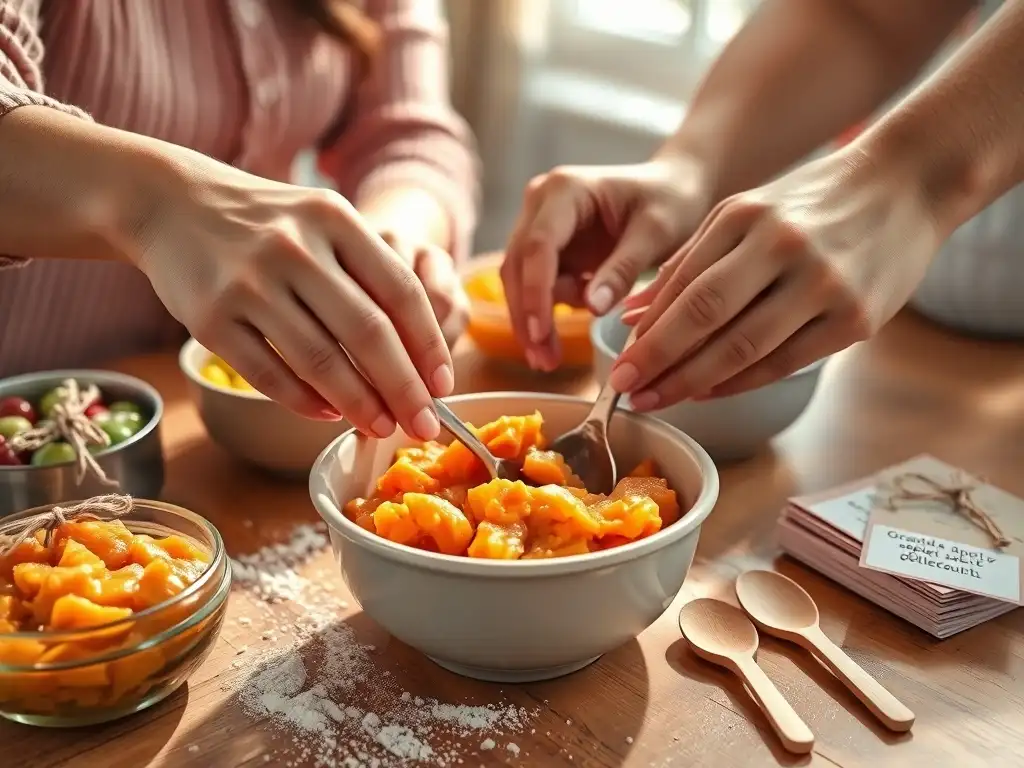
Cooking together, even with a tiny human in the mix, can be a surprisingly bonding experience. The act of preparing meals, from selecting ingredients to sharing the finished product, creates a shared sense of accomplishment and fosters communication. As your baby grows, you can involve them in age-appropriate tasks like washing vegetables (under supervision, of course!
), stirring ingredients, or even helping to set the table. These small moments of shared activity build positive associations with food and family time, creating lasting memories that will be cherished for years to come. The family cookbook becomes a visual representation of these shared experiences, documenting the evolution of your culinary journey as a family.
Photographs of the family preparing meals, alongside the recipes themselves, will serve as tangible reminders of these precious moments. This active involvement in the process, from preparation to sharing the meal, enhances the overall experience and creates a strong sense of unity within the family. Remember to capture these moments with photographs to include in your cookbook!
Building Family Bonds Through Cooking Together
Beyond the practical aspects of providing nutritious food for your baby, creating a family cookbook is a powerful tool for strengthening family bonds. The collaborative nature of the project encourages teamwork, communication, and shared responsibility. Parents can work together to research recipes, adapt existing ones, and even involve older siblings in the process.
This shared experience creates a sense of unity and purpose, particularly during the demanding first months of parenthood. The process itself is a journey of discovery, learning, and mutual support. The act of choosing recipes, writing down family stories accompanying them, and designing the cookbook itself becomes a family project, strengthening familial relationships through collaborative effort.
Consider involving extended family members, adding their recipes and stories to enrich the cookbook further and expand the sense of shared heritage. The finished product will be more than just a cookbook; it will be a cherished family heirloom, a testament to the love, laughter, and shared experiences that define your family unit. This collaborative effort is a powerful tool for building resilience and strengthening the bonds within your family.
Planning Your Family Cookbook: Baby Food Recipes and Beyond
This section focuses on the strategic planning required to create a successful and useful family cookbook, incorporating both baby food recipes and dishes for the entire family. Effective planning ensures a cohesive and enjoyable experience, resulting in a cherished heirloom for years to come. We'll cover key aspects of the process, from selecting the right format to organizing your recipes for optimal usability. Remember, this cookbook is about more than just baby food; it's about building family traditions and creating lasting memories around mealtimes.
Choosing the Right Format for Your Cookbook (Digital vs. Physical)
The choice between a digital or physical cookbook significantly impacts its usability and longevity. A physical cookbook offers a tangible, nostalgic feel, perfect for family gatherings and handwritten notes. However, it requires printing, binding, and storage. Consider the aesthetic appeal of a beautifully bound book versus the practicality of a readily updated digital version.
A digital cookbook, on the other hand, offers unparalleled flexibility. It's easily updated, shared, and backed up, minimizing the risk of loss or damage. Consider using platforms like Google Docs or specialized recipe management software which allows for easy recipe addition and modification. You could even create a PDF for easy sharing and printing.
Consider your family's preferences and tech-savviness when deciding. Perhaps a hybrid approach, combining a digital version for ease of use with a printed copy for special occasions, offers the best of both worlds. Think about which format best suits your family's lifestyle and long-term goals for preserving these recipes. For instance, a young family might prefer the convenience of a digital version, while a family with older children might appreciate a printed book they can decorate and personalize.
Gathering Recipes: Family Heirlooms and New Creations
Building your family cookbook involves more than just compiling baby food recipes; it's about capturing your culinary heritage and creating new traditions. Start by gathering family recipes passed down through generations. These heirloom recipes add a unique and sentimental touch, connecting your family to its history. Don't forget to ask older relatives for their favorite recipes and stories associated with them! This adds a layer of personal history that makes the cookbook even more valuable.
Next, incorporate new recipes that you and your family enjoy. This could include your go-to baby food purees, family-friendly meals that are easily adaptable for different ages, and even baking recipes. Remember to note any dietary restrictions or allergies within your family when selecting recipes. This ensures everyone can enjoy the dishes included in your cookbook. The goal is to create a diverse collection that caters to everyone's tastes and dietary needs. This ensures inclusivity and makes your cookbook a truly family-friendly resource.
Organizing Your Recipes: Categorizing by Meal Type, Dietary Needs, and Age Appropriateness
A well-organized cookbook is essential for easy navigation. Categorizing your recipes strategically ensures quick access to the information you need. Organize your baby food recipes by age appropriateness (e.g., 4-6 months, 6-9 months, 9-12 months) and type of food (purees, finger foods, etc.). This section could include helpful tips and advice on introducing new foods to your baby and ensuring their nutritional needs are met.
For the rest of your family recipes, categorize them by meal type (breakfast, lunch, dinner, desserts), cuisine, or dietary needs (vegetarian, vegan, gluten-free). Consider using a system of tags or keywords to further refine your search capabilities. This makes it easy to locate specific recipes quickly. For example, you could tag recipes as "quick and easy," "budget-friendly," or "holiday favorites."
A clear and consistent organizational structure will make your cookbook a truly valuable resource for your family for years to come. Consider using a color-coded system or visual cues to further enhance organization and readability. This will make finding the perfect recipe a simple and enjoyable process.
Compiling Baby Food Recipes for Your Cookbook
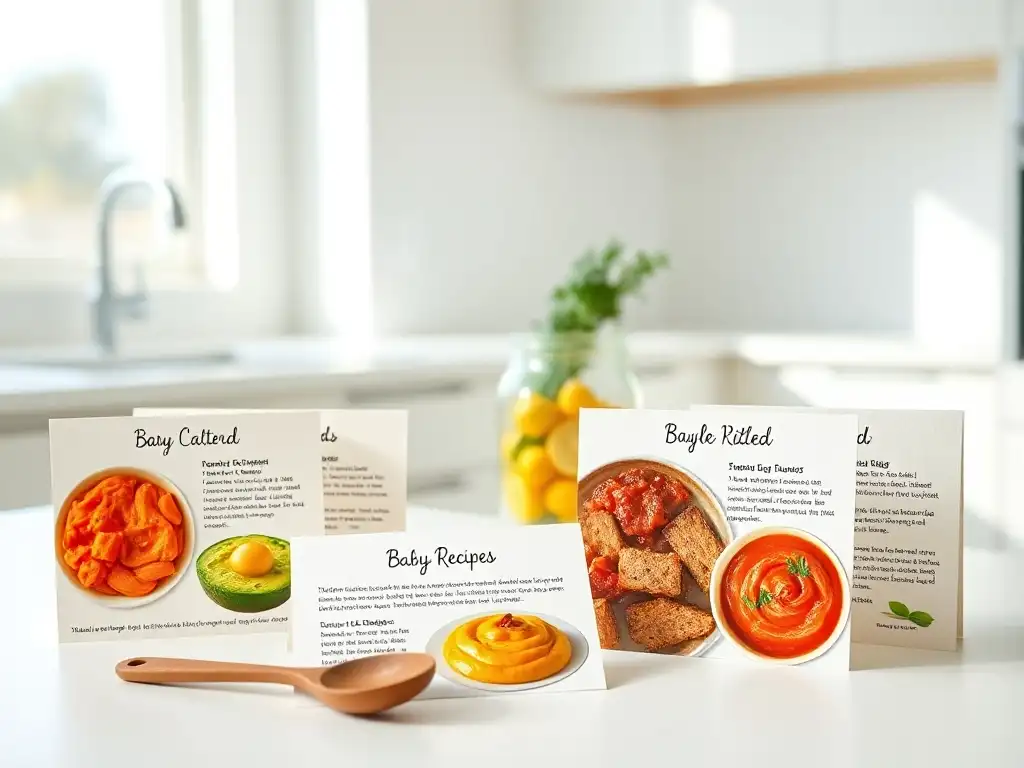
Creating a family cookbook filled with delicious and nutritious baby food recipes is a wonderful way to document your journey into parenthood and provide a lasting legacy for your family. This section focuses on the practical aspects of compiling your own personalized baby food recipe book, ensuring it's both user-friendly and a cherished keepsake. This guide will help you organize your recipes effectively, making mealtimes easier and more enjoyable.
Safe and Nutritious Baby Food Recipes: First Foods for Your Little One
Introducing solids is a significant milestone in your baby's development. Safety and nutrition are paramount during this phase. Your family cookbook should prioritize recipes that are gentle on tiny tummies and packed with essential nutrients.
Start with single-ingredient purees to identify any potential allergies. Classic first foods include sweet potato, avocado, and butternut squash. These are naturally sweet and easy to digest. Always ensure ingredients are thoroughly cooked to eliminate any harmful bacteria.
Remember to introduce new foods one at a time, waiting 2-3 days to observe for any allergic reactions. Keep a detailed record of what you feed your baby and any reactions, a valuable tool for future reference and for sharing with healthcare providers. This detailed tracking is crucial for identifying potential allergies and intolerances early on.
Here's a sample table illustrating some safe and nutritious first food options:
| Food | Nutritional Benefits | Preparation Notes | Potential Allergies |
|---|---|---|---|
| Sweet Potato | Vitamin A, Fiber | Steam or bake until soft, then puree. | Rare |
| Avocado | Healthy Fats, Potassium | Mash ripe avocado until smooth. | Rare |
| Butternut Squash | Vitamin C, Vitamin A, Fiber | Roast or steam until soft, then puree. | Rare |
| Banana | Potassium, Fiber | Mash ripe banana. | Rare |
| Peas | Protein, Vitamins K and C | Steam or boil until soft, then puree. | Moderate |
Always consult your pediatrician before introducing solids to your baby and follow their recommendations on timing and food choices. Remember, consistency is key – a well-organized cookbook will make this process much smoother.
Introducing Solids: Age-Appropriate Baby Food Recipes and Purees
As your baby grows, so do their nutritional needs and palate. Your cookbook should reflect this progression, offering age-appropriate recipes that cater to developing digestive systems and expanding taste buds. Around 6 months, you can start introducing more complex purees and textures. Remember to always prioritize safety and introduce new foods gradually.
Consider adding iron-rich foods like lentils or well-cooked beef (finely pureed). Fruits like berries (well-mashed to avoid choking hazards) can add sweetness and antioxidants. Remember to avoid adding salt or sugar to your baby's food.
This stage is about exploring different flavors and textures. You can start experimenting with combinations like:
- Sweet potato and apple puree
- Carrot and pea puree
- Chicken and vegetable puree (ensure chicken is finely shredded or pureed)
Remember to adjust the consistency of the purees based on your baby's ability to manage different textures. Start with smooth purees and gradually increase the chunkiness as your baby develops better chewing skills. Always supervise your baby while they are eating.
The following checklist can help you ensure your recipes are age-appropriate:
- [ ] Are the ingredients easy to digest?
- [ ] Are the textures appropriate for the baby's developmental stage?
- [ ] Are the portions appropriately sized?
- [ ] Have potential allergens been considered and introduced carefully?
- [ ] Is the food prepared hygienically and safely?
Toddler-Friendly Recipes: Expanding Flavor Palettes and Textures
By the time your little one reaches toddlerhood, their dietary needs and preferences continue to evolve. This is the perfect opportunity to expand their flavor palettes and introduce more complex textures. Your family cookbook should now include recipes that are not only nutritious but also appealing to your toddler's developing tastes.
Toddlers are often more adventurous eaters than babies. This is a great opportunity to introduce family-friendly meals in a modified form. Think of soft, bite-sized pieces of chicken, well-cooked pasta, or mashed sweet potatoes.
Focus on recipes that are easy to prepare and fun to eat. Finger foods are especially popular at this stage, allowing toddlers to develop their fine motor skills and independence. Think of soft, cooked vegetables, small pieces of fruit, or whole-wheat crackers.
Consider incorporating these elements into your toddler-friendly recipes:
- Variety of colors and shapes: Make mealtimes visually appealing to entice your toddler's interest.
- Familiar flavors with a twist: Introduce new ingredients gradually, combining them with familiar favorites.
- Fun presentation: Use cookie cutters to make shapes out of sandwiches or pancakes. Arrange food in creative ways to make mealtimes more enjoyable.
- Involvement in preparation: Let your toddler help with age-appropriate tasks in the kitchen, fostering a positive relationship with food.
Remember to always supervise your toddler while they are eating to prevent choking hazards. This stage is all about exploration and fun, creating positive associations with food that will last a lifetime. Your family cookbook will be a valuable resource in this exciting journey!
Designing Your Family Cookbook: A Visual Guide
Creating a family cookbook is more than just compiling recipes; it's about crafting a visual legacy for your family. The design significantly impacts the cookbook's usability and overall appeal. A well-designed cookbook becomes a cherished heirloom, passed down through generations, showcasing not just culinary skills but also the evolution of your family's tastes and traditions. Consider these key aspects when designing your "baby food recipes family cookbook":
Choosing a Design Style that Reflects Your Family's Personality
Your family cookbook's design should reflect your family's unique personality and aesthetic. Do you prefer a minimalist, modern look, or a rustic, vintage feel? Perhaps a playful, colorful design is more fitting for your vibrant family. The choice is entirely yours!
Consider these options:
- Modern Minimalist: Clean lines, simple fonts (like Helvetica or Arial), and a neutral color palette create a sophisticated and timeless feel. This style emphasizes readability and functionality.
- Rustic Charm: Think vintage textures, handwritten fonts (like Brush Script or Playfair Display), and warm earth tones. This style evokes a sense of nostalgia and homeliness.
- Playful & Colorful: Bright colors, whimsical fonts (like Comic Sans or Bubblegum Sans – use sparingly! ), and fun illustrations create a lighthearted and engaging atmosphere. This style is perfect for families with young children.
- Elegant & Classic: A more formal approach with serif fonts (like Times New Roman or Garamond), elegant flourishes, and a refined color palette (think muted blues, greens, and creams). This style offers a sense of sophistication and enduring appeal.
Remember to maintain consistency throughout your cookbook. Choose a design style and stick with it to create a cohesive and visually appealing final product. The choice of paper stock, binding, and even the type of ink can contribute to the overall aesthetic.
Incorporating Photos: Capturing Memories and Culinary Creations
High-quality photographs are essential for a visually appealing family cookbook. Pictures not only showcase your culinary creations but also capture precious memories associated with each recipe. Think of incorporating photos of family members enjoying the food, shots of the cooking process, or even pictures of the ingredients from your garden.
Here are some tips for incorporating photos effectively:
- High-Resolution Images: Use high-resolution images to ensure clarity and prevent pixelation. Avoid blurry or poorly lit photos.
- Consistent Style: Maintain a consistent photographic style throughout the cookbook. For example, use a similar background or lighting for all photos.
- Variety of Shots: Include a variety of shots—close-ups of the finished dish, wider shots showing the whole meal, and even action shots of family members preparing the food.
- Captioning: Add captions to your photos to provide context and tell a story. This adds a personal touch and makes the cookbook even more engaging.
Remember, even simple snapshots can add warmth and personality to your cookbook. Don’t be afraid to experiment and have fun with it! The imperfections will often make the cookbook more endearing.
Adding Personal Touches: Stories, Anecdotes, and Family History
Beyond the recipes and photos, personal touches truly elevate your family cookbook from a collection of recipes to a treasured family heirloom. Weaving in stories, anecdotes, and family history adds depth and meaning, transforming it into a rich tapestry of memories and traditions.
Consider incorporating:
- Family Recipes' Origins: Include the history of each recipe—where it came from, who created it, and any special stories or memories associated with it. “Grandma Rose’s famous apple pie, a recipe passed down for three generations…”
- Anecdotes & Memories: Share funny stories, heartwarming moments, or cherished memories related to the recipes. Did a particular dish mark a special occasion? Did a recipe bring the family together in a unique way? Capture these moments in writing.
- Family History & Traditions: Incorporate snippets of family history relevant to the recipes. Did your family immigrate and bring unique culinary traditions? Did a particular dish represent a significant cultural event? Share these stories to enrich the cookbook's narrative.
- Recipe Variations: Include notes on how different family members have adapted or modified the recipes over time. This highlights the evolution of your culinary traditions.
By adding these personal touches, your “baby food recipes family cookbook” will become far more than just a collection of recipes; it will become a cherished keepsake that tells the story of your family and its culinary heritage for years to come. The more personal details you add, the more meaningful and valuable it will become.
Creating a family cookbook filled with cherished recipes, including those perfect for your little one, is a wonderful way to build lasting family memories and traditions. This isn't just about preserving baby food recipes; it's about creating a legacy of culinary love that spans generations. This section will guide you through sharing your carefully compiled cookbook, ensuring your delicious creations are enjoyed by all.
We'll cover various methods, from the tangible satisfaction of a printed cookbook to the convenience of a digital version. The goal? To seamlessly integrate your family's culinary history into your daily life, fostering stronger family bonds through shared meals and cherished recipes.
Printing Your Cookbook: Options for Professional and DIY Printing
Once your baby food recipes family cookbook is complete, you'll want to choose a printing method that reflects its value. Professional printing offers a polished, high-quality result, perfect for gifting or preserving as a family heirloom. Many online printing services cater to cookbook creation, offering various sizes, paper types (consider thicker pages for durability), and binding options (spiral binding is practical for frequent use, while perfect binding offers a more elegant finish).
Consider adding a personalized cover showcasing family photos or a charming illustration. Pricing varies depending on the number of pages and chosen options; obtain quotes from several providers to compare.
Alternatively, a DIY approach can be both cost-effective and deeply personal. Using home printing, you can exercise greater control over the design and layout. However, be mindful of paper quality and ink longevity. High-quality photo paper will ensure vibrant colors and sharp text, while archival ink will prevent fading over time.
For binding, consider using a comb binding machine for a sturdy and professional-looking result, or explore creative options like stitching or even fabric covers for a unique touch. Remember to proofread carefully before printing to avoid costly mistakes. The DIY route allows for greater flexibility and personalization, making it a perfect choice for those who enjoy a hands-on approach.
In our increasingly digital world, a digital baby food recipes family cookbook offers unparalleled convenience. Platforms like Canva or Adobe InDesign allow you to create visually appealing digital cookbooks, easily shareable via email or cloud storage services. Consider incorporating interactive elements, such as hyperlinks to related resources or videos demonstrating cooking techniques. This format is ideal for families spread geographically, allowing everyone to access and contribute to the ever-growing collection of recipes.
Furthermore, digital cookbooks are easily updatable; you can add new recipes or update existing ones as your family evolves. The ease of searching and sorting digital recipes surpasses the limitations of a printed cookbook, making it a practical choice for busy families. Remember to use a high-resolution image for each recipe to ensure visual appeal.
The culmination of your efforts deserves a proper celebration! Hosting a family gathering centered around your new cookbook is a wonderful way to unveil your creation and share the joy of cooking together. Choose a selection of recipes from your cookbook – perhaps a mix of your favorite baby food recipes and family classics – and involve everyone in the preparation.
This collaborative cooking experience fosters teamwork and creates lasting memories. The event can be as simple or elaborate as you prefer; the essential element is the shared experience of creating and enjoying food together. Capture the event with photos or videos to add to your cookbook's digital version, creating a living record of your family's culinary journey.
Consider creating a family tradition of adding new recipes to the cookbook each year, ensuring it remains a dynamic and evolving testament to your family's culinary heritage. This shared experience will strengthen family bonds and instill a love of cooking and shared meals for generations to come. 🍜👨👩👧👦
Expanding Your Family Cookbook: Adapting Recipes as Your Baby Grows
Creating a family cookbook filled with baby food recipes is a wonderful way to document your culinary journey as a parent. But remember, your baby's nutritional needs change rapidly. What works at six months might not be suitable at twelve. Adapting recipes as your little one grows is crucial for their healthy development.
Adjusting Recipes for Different Stages of Development
The first foods introduced are usually purees, focusing on single ingredients to check for allergies. Think simple purees of sweet potato, avocado, or butternut squash. As your baby progresses, you can introduce more complex flavors and textures.
Here's a simple example of adapting a recipe:
Stage 1 (4-6 months): Sweet Potato Puree
- 1 medium sweet potato, peeled and cubed
- Water to cover
Boil sweet potato until tender. Blend until completely smooth.
Stage 2 (6-8 months): Sweet Potato and Apple Puree
- 1 medium sweet potato, peeled and cubed
- ½ apple, peeled, cored, and chopped
- Water to cover
Boil sweet potato and apple until tender. Blend until mostly smooth, leaving some small chunks for texture.
Stage 3 (8-12 months): Sweet Potato, Apple, and Chicken Puree
- 1 medium sweet potato, peeled and cubed
- ½ apple, peeled, cored, and chopped
- 2oz cooked chicken breast, shredded
- Water to cover
Boil sweet potato, apple, and chicken until tender. Blend until slightly chunky. You can adjust the consistency to your baby's preference.
Remember to always consult your pediatrician before introducing new foods, especially allergens like nuts, eggs, and dairy. Pay close attention to your baby's reactions and adjust accordingly. Keep a detailed record of what you feed your baby and how they react in your cookbook – this is invaluable information! 👶
Adding New Recipes and Family Favorites Over Time
As your baby grows into toddlerhood, your family cookbook should evolve to reflect their expanding palate. Don't be afraid to adapt your family's favorite recipes into kid-friendly versions. For example, a hearty lentil soup can be easily pureed for a younger child, then served chunky as they get older. Pasta with tomato sauce is another classic that can be adapted; simply adjust the sauce consistency and cut the pasta into small, manageable pieces. Remember to always prioritize simple, healthy ingredients.
Consider including sections for:
- Finger foods: Soft cooked vegetables, fruits, and small pieces of pasta.
- Simple meals: Mac and cheese, scrambled eggs, chicken nuggets (homemade, of course! ).
- Snacks: Yogurt pouches, fruit purees, and homemade muffins.
Adding photos of your little one enjoying their meals can make your cookbook even more special and heartwarming. 📸
Making it a Living Document: A Cookbook that Grows with Your Family
Your family cookbook shouldn't be a static document; it should be a living, breathing record of your family’s culinary adventures. As your children grow, involve them in the process. Let them help choose recipes, measure ingredients, and even decorate the pages with drawings. This will create lasting memories and instill a love for cooking and sharing meals together.
Think of it as a legacy, a treasured collection of recipes passed down through generations. This cookbook is more than just a compilation of baby food recipes—it's a testament to the love and care you pour into your family's well-being. It's a story told through food, a story that continues to be written every time you gather around the table. Consider adding sections for:
- Birthday recipes: Document the special cakes and treats you create for your children's birthdays.
- Holiday recipes: Capture the flavors of your family's favorite holidays.
- Family traditions: Include recipes that represent special family occasions and memories.
This ongoing process creates a beautiful family heirloom, far beyond a simple collection of baby food recipes family cookbook. The evolution of your cookbook mirrors the growth of your family, making it a truly cherished keepsake.
Frequently Asked Questions
What is the purpose of creating a family cookbook focused on baby food?
Creating a family cookbook focused on baby food allows you to document your favorite baby food recipes, ensuring consistency and ease of access as your baby grows. It also fosters a sense of family tradition and shared culinary experiences.
How do I adapt family recipes for babies?
Many family recipes can be adapted by pureeing or blending ingredients to create smooth textures appropriate for babies. Always remove bones, seeds, and potentially allergenic ingredients. Start with single-ingredient purees and gradually introduce new foods.
What are some essential ingredients for baby food recipes?
Essential ingredients include fruits, vegetables, whole grains, and lean proteins. Focus on organic and fresh ingredients whenever possible to maximize nutritional value. Avoid added salt, sugar, and honey.
How can I ensure my baby food recipes are safe?
Proper hygiene is crucial. Wash hands and surfaces thoroughly. Cook ingredients to a safe internal temperature. Store prepared food properly to prevent spoilage. Introduce new foods one at a time to monitor for allergic reactions.
Where can I find inspiration for baby food recipes?
BabyCareHub offers a wealth of baby food recipes and ideas in our comprehensive resource. You can also find inspiration in cookbooks specifically designed for baby food, online forums, and from friends and family members.
Creating a family cookbook is more than just compiling recipes; it's about weaving together the threads of love, memory, and tradition. This act of preserving culinary heritage is profoundly relevant today, in a world increasingly dominated by fast food and pre-packaged meals. The simple act of sharing a home-cooked meal, born from a cherished family recipe, offers a powerful antidote to the isolating effects of modern life.
The impact of shared meals, and the recipes that define them, extends far beyond the immediate satisfaction of a delicious dish. They become anchors in our lives, connecting us to our past and shaping our future. These recipes are not merely instructions; they are stories waiting to be told, passed down through generations, and imbued with the unique flavors of family history. Food is symbolic of love when words are inadequate.
- Alan D. Wolfelt. This quote perfectly captures the emotional power inherent in the recipes we share and the act of creating a family cookbook itself.
Now, I invite you to consider your own culinary heritage. What recipes hold special meaning for you? What stories do they tell? Take the time to gather your family's favorite recipes, not just for the delicious meals they provide, but for the lasting legacy you will create. Begin your own family cookbook today – a testament to your love, your history, and the enduring power of shared meals. The journey of creating it will be as rewarding as the meals it inspires for years to come.
Unleash Your Family's Culinary Legacy!
Thank you for exploring the joy of creating a family cookbook! You've learned how to preserve precious memories and delicious recipes for generations to come. Now it's time to put your knowledge into practice.
- Begin compiling your family's favorite recipes. Gather those handwritten cards, cherished notebooks, and even those scribbled notes on napkins – every recipe holds a story.
- Share your culinary heritage! Discuss favorite dishes with family members and document those delicious secrets. Consider interviewing older relatives to record their food stories and techniques.
- Share a photo of your most treasured family recipe on social media using #FamilyRecipes and inspire others to start their own cookbook projects!
Ready to create a lasting legacy filled with love, laughter, and the aroma of family meals? What's the first recipe you'll include?