
Babyproofing: How to Choose the Right Babyproofing Products

Welcome to BabyCareHub, your ultimate guide to navigating the incredible journey of parenthood! Are you ready to create a safe and nurturing environment for your little one? Then you've come to the right place. We understand the overwhelming feeling of bringing a new baby home, which is why we've compiled expert advice and practical resources. Discover our comprehensive Best Babyproofing Products Guide, a crucial step in ensuring your baby's safety and peace of mind. Dive in and explore the wealth of information awaiting you – your baby's well-being starts here!
- Best Babyproofing Products Guide: A Comprehensive Overview
- Top Babyproofing Products for Every Room
- Choosing the Right Babyproofing Products: A Detailed Guide
- Beyond Babyproofing: Additional Safety Tips for Crawling and Walking Babies
- Frequently Asked Questions
- Final Reflection: Securing a Future, One Babyproofed Home at a Time
- Ready to Transform Your Home into a Baby-Safe Haven?
Best Babyproofing Products Guide: A Comprehensive Overview
Navigating the world of babyproofing can feel overwhelming for first-time parents. The sheer volume of products available, coupled with the need to ensure your little one's safety, can lead to decision paralysis. This comprehensive guide aims to simplify the process, providing you with the knowledge and tools to choose the best babyproofing products for your home and your baby's specific developmental stage. We'll explore various product types, highlight key features to consider, and offer practical advice to help you create a safe and nurturing environment for your child as they explore their world.
This guide focuses on helping you select the most effective and appropriate babyproofing solutions, transforming your home into a haven where your baby can thrive and grow safely. Remember, proactive babyproofing is an investment in your child's well-being and peace of mind for the entire family. Let's get started!
Understanding Your Baby's Developmental Stage and Needs
Before diving into specific products, it's crucial to understand your baby's developmental milestones. This will inform your choices and ensure you're addressing the appropriate hazards. For example, a baby who's just starting to crawl will present different safety concerns than a toddler who's learning to walk and climb.
Here's a breakdown of developmental stages and related safety concerns:
- 0-6 Months: Focus on preventing falls from elevated surfaces (changing tables, sofas) and ensuring cords and small objects are out of reach. Suffocation hazards from loose bedding are also a primary concern.
- 6-12 Months: As babies become more mobile (crawling, pulling to stand), securing cabinets, drawers, and electrical outlets becomes paramount. Sharp corners and edges also pose a significant risk.
- 12-18 Months: With increased mobility and curiosity, toddlers begin to explore more extensively. This phase requires comprehensive babyproofing, including window guards, stair gates, and latches on potentially hazardous cabinets and appliances.
- 18 Months +: Toddlers at this age are increasingly adept at climbing and opening things. Babyproofing should focus on preventing access to dangerous areas, securing potentially harmful substances (cleaning products, medications), and addressing hazards related to increased dexterity.
Consider your baby's individual temperament and curiosity level. Some babies are more adventurous than others, requiring a more robust babyproofing strategy. Remember, there's no one-size-fits-all approach; tailoring your strategy to your child's unique needs is key. 👶
Assessing Your Home's Safety Hazards: A Room-by-Room Checklist
Creating a safe home environment requires a systematic approach. A room-by-room checklist helps you identify potential hazards and choose the appropriate babyproofing solutions.
| Room | Potential Hazards | Recommended Babyproofing Products |
|---|---|---|
| Kitchen | Cabinets, drawers, sharp corners, stove, appliances | Cabinet locks, corner guards, stove knob covers |
| Living Room | Furniture, electrical cords, fireplaces, coffee tables | Furniture straps, cord covers, fireplace screens |
| Bathroom | Toilet, medicine cabinet, cleaning supplies | Toilet locks, cabinet locks, childproof latches |
| Bedrooms | Dressers, windows, electrical outlets, cords | Drawer locks, window guards, outlet covers, cord covers |
| Stairs | Falls | Stair gates |
This checklist is a starting point; ensure you conduct a thorough assessment of your home's unique features and potential hazards. Remember to regularly review your babyproofing measures as your child develops and their abilities change. Regular checks are crucial to ensure continued safety. 🏠
Top Babyproofing Products for Every Room
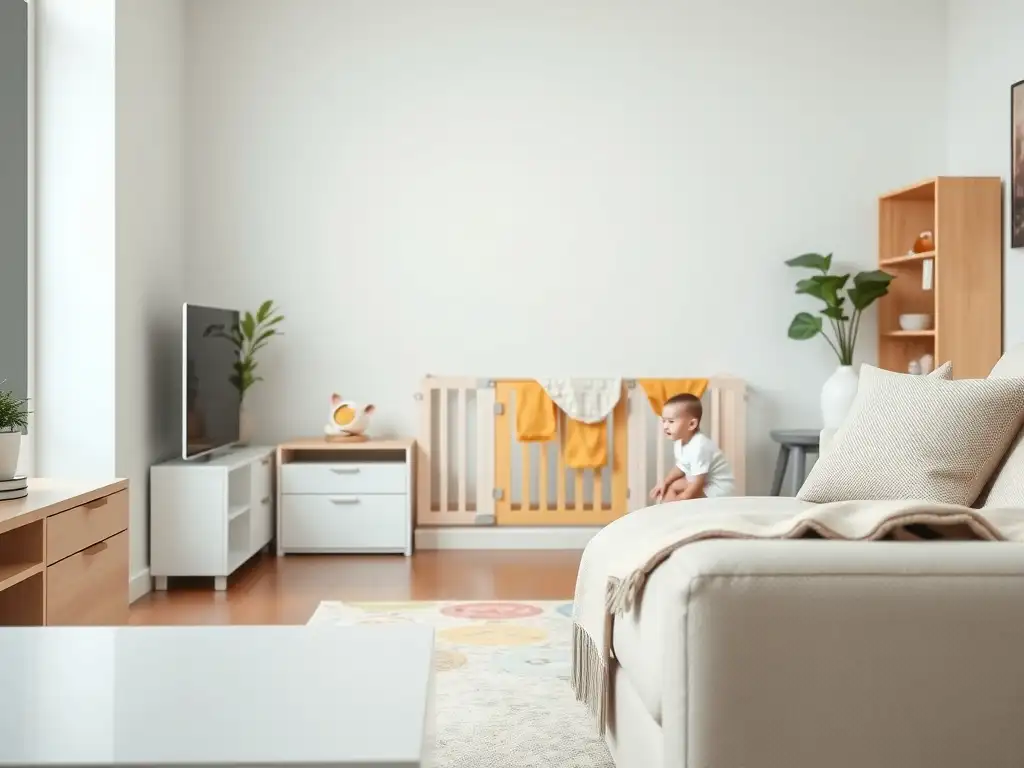
This section provides a detailed guide to selecting the best babyproofing products for your home, focusing on key areas where accidents are most likely to occur. We'll explore various options and highlight features to consider when making your purchasing decisions. Remember, choosing the right products is crucial for creating a safe and secure environment for your crawling and walking baby. This is your ultimate guide to the best babyproofing products, helping you achieve peace of mind.
Living Room Safety: Securing Furniture and Preventing Falls
The living room is often the central hub of family activity, making it a high-traffic area for your little one. Preventing falls and securing potentially hazardous furniture is paramount. This requires a multi-pronged approach, combining several babyproofing solutions.
Best Furniture Straps and Anchors for Babyproofing
Furniture straps and anchors are essential for securing tall furniture like bookshelves, dressers, and entertainment centers to the wall. This prevents tipping accidents, a leading cause of injury for babies and toddlers. When choosing straps, consider:
- Strength and Durability: Look for straps made from heavy-duty materials that can withstand significant weight and force. Check the weight capacity rating before purchasing.
- Ease of Installation: Opt for straps with clear instructions and easy-to-use hardware. Some straps require drilling into the wall, while others use adhesive mounts. Consider your wall type and your DIY skills.
- Aesthetics: While safety is paramount, you might want straps that blend seamlessly with your décor. Some are available in neutral colors or can be easily hidden behind furniture.
Choosing the right anchor type is crucial. Wall anchors should be appropriate for your wall material (drywall, brick, etc.). Always follow the manufacturer's instructions for installation.
| Feature | Ideal Furniture Strap | Less Ideal Furniture Strap |
|---|---|---|
| Strength | High weight capacity (e.g., 500 lbs or more) | Low weight capacity (less than 200 lbs) |
| Installation | Easy-to-follow instructions, minimal tools needed | Complicated installation, requires specialized tools |
| Material | Heavy-duty nylon or similar sturdy material | Thin or flimsy material |
| Adjustability | Adjustable straps to fit various furniture sizes | Fixed length, may not fit all furniture |
Preventing Access to Electrical Outlets and Cords
Electrical outlets and cords pose significant hazards to curious babies. Preventing access requires using childproof outlet covers and cord management techniques. Outlet covers should be durable, easy to install, and tamper-resistant. Consider using cord covers or wraps to keep cords out of reach and prevent strangulation hazards.
Remember to regularly check the condition of your outlet covers, replacing any that are damaged or loose. This proactive approach helps maintain a consistent level of safety.
Choosing Safe and Durable Floor Coverings
Soft, cushioned floor coverings such as rugs or mats can help protect your baby from falls. However, ensure that the flooring is non-slip and doesn't present a tripping hazard. Avoid rugs with long fringes or loose fibers that could present a choking hazard. Consider using area rugs with non-slip backing in high-traffic areas.
Kitchen Safety: Preventing Burns, Cuts, and Poisoning
The kitchen is a high-risk area for babies and toddlers. Several safety measures are crucial to prevent burns, cuts, and poisoning.
Cabinet Locks and Latches: A Comparison of Different Types
Cabinet locks and latches are crucial for preventing access to dangerous items such as cleaning supplies, sharp utensils, and potentially harmful foods. There are various types available, each with pros and cons:
- Magnetic Locks: These locks are relatively easy to install and use, but they can sometimes be opened by persistent toddlers.
- Latch Locks: These locks require a specific twisting or pressing mechanism, making them more difficult for children to open.
- Push-to-Open Latches: These are convenient for adults but require careful consideration of placement to avoid accidental opening by a child.
The best type of lock depends on your specific needs and your child's developmental stage. Consider using a combination of different types for maximum security. Always test the locks regularly to ensure they are functioning correctly.
Childproof Outlet Covers: Essential Safety Measures
As mentioned earlier, childproof outlet covers are essential in the kitchen, as they are in every room of the house. Choose covers that are durable, tamper-resistant, and easy to install. Regularly inspect the covers for damage or wear, replacing them as necessary. Consider using covers with a built-in indicator to show if they are properly installed.
Safe Storage of Cleaning Supplies and Hazardous Materials
Store all cleaning supplies, medications, and other hazardous materials out of reach and sight of your baby. Use high cabinets or locked storage containers to prevent access. Consider using childproof latches or locks on cabinets containing such items. Always read and follow the safety instructions provided on the product labels. Never leave cleaning supplies unattended. Remember, prevention is key to avoiding accidents.
Bathroom Safety: Preventing Drowning and Scalding
Preventing accidents in the bathroom is paramount for babyproofing. Water presents a significant hazard, with both drowning and scalding posing serious risks. A multi-pronged approach is necessary to mitigate these dangers. This involves securing access to the toilet, ensuring safe storage of potentially harmful substances, and preventing slips and falls.
Even seemingly minor precautions can make a significant difference in protecting your little one. Remember, a moment's inattention can lead to a lifetime of regret. Diligence and preparedness are key to a safe bathroom environment for your baby. Implementing these safety measures not only protects your child but also offers you peace of mind.
Toilet Lid Locks and Safety Latches
Toilet lid locks are essential safety devices. They prevent curious toddlers from accessing the toilet bowl, eliminating the risk of drowning. A simple yet effective solution, these locks are available in various designs, from simple latches to more complex locking mechanisms. Choosing a sturdy, reliable lock is crucial. Consider the ease of use for adults while ensuring it's difficult for a child to open.
Look for locks with strong adhesive or those that can be screwed into place for extra security. Regularly check the lock's functionality to ensure it remains effective. Investing in a high-quality toilet lid lock is a small price to pay for your baby's safety. Think of it as an insurance policy against a potentially devastating accident.
Secure Storage of Medications and Toiletries
Storing medications and toiletries safely is another critical aspect of bathroom babyproofing. Many common household items, such as cleaning products, shampoos, and medications, can be extremely harmful if ingested by a child. Utilize high, locked cabinets or drawers to keep these items out of reach. Consider using childproof locks on cabinets that are not already equipped with them.
Always read the labels carefully and follow the manufacturer's instructions for safe storage. Additionally, ensure that any medications are stored in their original containers, with child-resistant caps securely fastened. Remember, prevention is always better than cure. A few extra minutes spent on securing these items can prevent a potentially life-threatening situation.
Anti-Slip Mats for the Tub and Shower
Slips and falls in the bathroom are common occurrences, especially for young children. Anti-slip mats provide an extra layer of safety in the tub and shower, reducing the risk of injury. These mats come in various materials and designs, offering both safety and comfort. Choose a mat with strong suction cups to ensure it stays firmly in place.
Regularly inspect the mat for wear and tear, and replace it if necessary. Consider using a non-slip bath mat outside the shower as well, to prevent slips and falls while getting in and out of the tub. Prioritizing safety in the bathroom with anti-slip mats not only reduces the risk of falls but also creates a more secure environment for both parents and child.
Bedroom Safety: Creating a Safe Sleep Environment
The bedroom should be a haven of safety and tranquility for your baby. Creating a safe sleep environment is crucial for your baby's well-being and development. This involves securing the crib, protecting your baby from window falls, and preventing access to potentially hazardous items. A well-babyproofed bedroom provides peace of mind knowing your baby is safe and secure while sleeping.
Crib Safety and Mattress Securement
A safe crib is fundamental to a secure sleep environment. Ensure the crib meets current safety standards, with no gaps larger than two fingers wide between slats. The mattress should fit snugly, with no space between the mattress and crib sides. This prevents your baby from getting trapped or suffocated. Regularly check the crib for any damage or loose parts, and replace it if necessary. The crib should be placed away from curtains, blinds, and any other potential hazards. Remember, a secure crib is the cornerstone of a safe sleep environment for your little one.
Window Guards and Safety Screens
Windows pose a significant fall risk for babies and toddlers. Installing window guards or safety screens is a crucial step in babyproofing your bedroom. These devices prevent children from opening windows and falling out. Choose window guards that meet safety standards and are securely installed. Ensure that they are easy to open for adults in case of emergencies. Never rely solely on window locks, as determined children can often find ways to bypass them. Installing window guards is a simple, effective way to significantly reduce the risk of a tragic accident.
Preventing Access to Drawers and Cabinets
Drawers and cabinets in the bedroom often contain items that could be harmful to babies, such as medications, cleaning supplies, or small objects that could be choking hazards. Install childproof locks on all drawers and cabinets to prevent access to these potentially dangerous items. Securely fasten any loose knobs or handles that could be pulled off and become choking hazards.
Keep potentially dangerous items out of the bedroom altogether if possible. Remember, a well-organized and secured bedroom is a safe bedroom for your baby. By taking these simple precautions, you significantly reduce the risk of accidents and create a safe and secure environment for your child.
Choosing the Right Babyproofing Products: A Detailed Guide
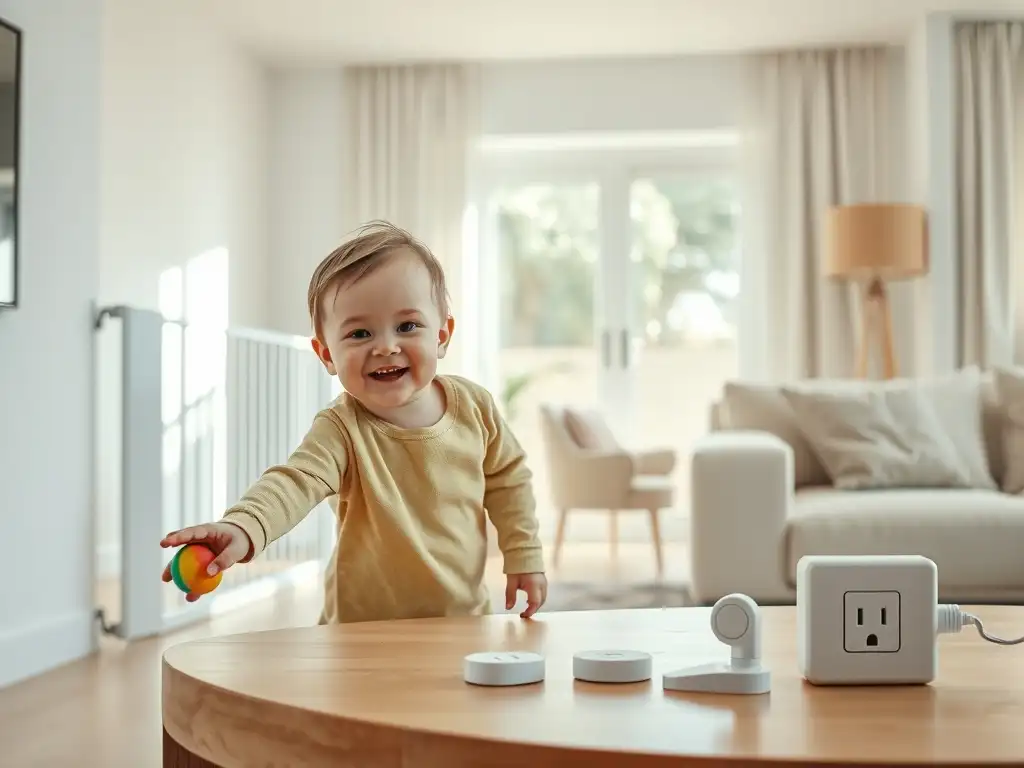
This section delves into the specifics of selecting effective and appropriate babyproofing products for your home. We'll explore crucial factors to consider beyond simply purchasing the first product you see, ensuring you create a safe and secure environment for your little one. Finding the best babyproofing products involves careful consideration of several key aspects.
Material Safety: Considering Non-Toxic and Durable Options
Choosing safe materials is paramount when babyproofing your home. Your baby will inevitably put things in their mouth, touch surfaces, and potentially even chew on certain products. Therefore, prioritizing non-toxic and durable options is crucial for their well-being.
Several factors influence material safety:
- Toxicity: Look for products explicitly labeled as non-toxic, lead-free, and free of BPA (Bisphenol A), phthalates, and other harmful chemicals. Many manufacturers now proudly display these certifications on their packaging. Avoid products with strong, artificial scents, as these can indicate the presence of volatile organic compounds (VOCs).
- Durability: Babyproofing products need to withstand considerable wear and tear. A flimsy product might break easily, rendering it ineffective and potentially dangerous. Opt for robust materials like high-quality plastics, heavy-duty metals, or strong, tightly-woven fabrics. Consider the impact resistance – will it hold up to bumps and bangs from an energetic toddler?
- Cleanability: Easy cleaning is essential. Babies are messy! Choose products that are easily wiped down or washed, preferably with mild soap and water. Materials that are porous or difficult to clean can harbor bacteria and germs.
For example, when selecting outlet covers, prioritize those made from durable, child-safe plastic that is easy to clean and doesn't contain harmful chemicals. Similarly, for corner protectors, choose those with a thick, impact-absorbing foam that is covered in a durable, washable fabric. Reading product reviews carefully can also shed light on the durability and ease of cleaning of various products.
Ease of Installation and Use: Simple Solutions for Busy Parents
Busy parents need babyproofing solutions that are quick and easy to install and use. Complicated installation processes can lead to frustration and potentially incomplete protection. Simplicity and user-friendliness are key considerations.
Here's what to look for:
- Straightforward Instructions: Clear and concise installation instructions are crucial. Avoid products with confusing or ambiguous instructions. Look for products with visual guides or videos demonstrating installation.
- Tools Required: Consider the tools required for installation. Products that require specialized tools or extensive DIY skills may be less practical for busy parents. Opt for products requiring minimal tools or those that are tool-free.
- Easy Adjustment: Some products, like child safety gates, may require adjustments as your child grows. Choose products that are easily adjustable to fit different openings and widths.
For instance, pressure-mounted gates are generally easier to install than those requiring drilling, making them a preferred option for renters or those wanting a quicker solution. Similarly, adhesive-backed corner protectors are quicker to apply than some more complex options. A well-designed product should integrate seamlessly into your home without requiring extensive modifications.
Budget-Friendly Babyproofing: Finding Affordable Yet Effective Products
Babyproofing doesn't have to break the bank. Many effective products are available at affordable prices. The key is to prioritize essential safety measures and strategically allocate your budget.
Consider these tips for budget-friendly babyproofing:
- Prioritize High-Risk Areas: Focus on babyproofing areas posing the greatest risk first, such as stairs, sharp corners, and electrical outlets. You can gradually add more products as your budget allows.
- Shop Around: Compare prices from various retailers before making a purchase. Online marketplaces and discount stores often offer competitive prices.
- Consider Multi-Purpose Products: Some products offer multiple functions, saving you money in the long run. For example, a multi-purpose safety gate can be used on stairs, doorways, and even fireplaces.
- DIY Options: For some aspects of babyproofing, simple DIY solutions can be effective and cost-saving. For example, using foam padding to protect sharp corners can be a very affordable option.
Remember, choosing the best babyproofing products is a balance between safety, ease of use, and budget. Prioritizing these key factors will help you create a safe and secure environment for your baby without unnecessary financial strain. By carefully considering material safety, ease of installation, and budget constraints, you can effectively babyproof your home and provide a secure environment for your growing child.
Reviews and Recommendations: Top-Rated Babyproofing Products
Choosing the right babyproofing products can feel overwhelming with so many options available. To help navigate this, we've compiled a list of top-rated products across various categories, based on extensive research and user reviews. Remember that the "best" product will always depend on your specific needs and home environment. Consider factors like your baby's age and developmental stage, your home's layout, and your budget when making your selections.
This isn't an exhaustive list, but it provides a solid starting point for your babyproofing journey. We've focused on products with consistently high ratings and positive user feedback, highlighting both their strengths and any potential drawbacks. Always read individual product reviews before purchasing to ensure they meet your specific requirements.
We've categorized the products to make it easier to find what you need. For instance, we'll discuss top-rated corner guards, cabinet locks, outlet covers, and more. We will also touch upon the importance of considering materials—such as non-toxic materials—when making your purchasing decisions. Your baby's safety is paramount, and selecting high-quality, durable products is crucial.
For example, one highly-rated corner protector consistently receives praise for its strong adhesive and ability to withstand even the most enthusiastic toddler. Users appreciate its ease of installation and the way it effectively protects sharp corners from bumps and bangs. However, some reviews mention that the adhesive might not be suitable for all surfaces.
Another popular product, a multi-purpose cabinet lock, is lauded for its versatility and ability to secure a wide range of cabinets and drawers. Its child-resistant design provides an extra layer of security, preventing little ones from accessing dangerous items. However, some users have reported needing to adjust the lock's tension for optimal performance, which might require some patience.
Remember to always supervise your child, even with babyproofing installed. These products are designed to mitigate risks, not eliminate them entirely. Regularly check the condition of your babyproofing products and replace them as needed. A proactive approach to babyproofing, combined with vigilant supervision, creates the safest possible environment for your little one.
The goal is to create a safe space where your child can explore and develop without unnecessary risks. Choosing the right products is only one part of the equation; responsible use and regular maintenance are just as critical. We recommend creating a checklist to track the installation and regular maintenance of your babyproofing products. This will help ensure your home remains a safe haven for your baby's growth and development.
Beyond Babyproofing: Additional Safety Tips for Crawling and Walking Babies
This section expands on the crucial topic of babyproofing, offering additional safety measures beyond simply installing gates and outlet covers. Remember, a truly safe environment is a proactive one, anticipating your baby's developmental leaps and potential hazards. This guide focuses on providing you with the best babyproofing products and practices to ensure your little one's well-being.
First Aid and Emergency Preparedness for Babies
Accidents happen, even in the most meticulously babyproofed home. Being prepared is paramount. A well-stocked first-aid kit specifically designed for babies is essential. This kit should include:
- Antiseptic wipes
- Band-aids in various sizes
- Gauze pads
- Tweezers
- Thermometer (digital is recommended)
- Children's pain reliever (always consult your pediatrician before administering any medication)
- Hydrocortisone cream (for minor rashes)
- A detailed instruction manual for administering first aid to infants.
Beyond the physical kit, consider enrolling in a baby and child CPR and first aid course. This will equip you with the knowledge and skills to handle emergencies effectively. Knowing how to react calmly and efficiently in a crisis can make all the difference. Remember to keep emergency contact numbers readily accessible, including your pediatrician, poison control, and local emergency services. Knowing where the nearest hospital is also critical.
Furthermore, consider installing smoke detectors and carbon monoxide detectors on every level of your home and testing them regularly. These are not strictly babyproofing products, but they are vital components of a safe home environment. Regularly check the expiration dates on batteries for these devices.
Creating a Safe and Stimulating Play Environment
While babyproofing focuses on preventing accidents, creating a safe and stimulating play environment actively encourages your baby's development. This involves more than just providing toys; it's about designing a space that's both engaging and secure.
Here are some key considerations:
- Floor Coverings: Soft, padded flooring is crucial, especially for crawling and walking babies. Rugs or mats can cushion falls and protect your baby from hard surfaces. Avoid rugs with loose fringes or small pieces that could be choking hazards.
- Toy Selection: Choose toys appropriate for your baby's developmental stage. Avoid toys with small parts that could be swallowed or inhaled. Look for toys that encourage exploration, sensory stimulation, and problem-solving. Always supervise playtime.
- Storage Solutions: Keep cleaning supplies, medications, and other potentially harmful items securely stored out of reach. Use childproof latches and cabinets to prevent access. Consider using high shelves or locked storage units for items that are not regularly used.
- Furniture Placement: Arrange furniture to prevent falls. Avoid placing heavy objects on shelves or tables that your baby could reach or pull down. Secure tall furniture to the walls to prevent tipping.
Remember, a safe environment is a dynamic one. As your baby grows and develops new skills, you'll need to adapt your safety measures accordingly. Regular reassessment of your home environment is crucial to ensure it remains a safe and happy space for your growing child. This proactive approach, combined with the best babyproofing products, will contribute significantly to your child's safety and well-being.
Frequently Asked Questions
What are the most essential babyproofing products?
The most essential products include outlet covers, cabinet locks, corner guards, door knob covers, and safety gates. Prioritize these based on your home's specific hazards. Remember to always supervise your child, regardless of babyproofing measures.
How do I choose the right safety gates for my home?
Consider the gate's height and width, ensuring a secure fit in your doorways and hallways. Look for gates with easy-to-use latches that are difficult for toddlers to open. Pressure-mounted gates are convenient, but hardware-mounted gates offer superior security.
What are some creative ways to babyproof without spending a fortune?
You can use inexpensive items like pool noodles to protect sharp corners, furniture straps to secure unstable items, and drawer locks from dollar stores. Prioritize the most dangerous areas first and focus on simple, effective solutions.
Where can I find reviews and comparisons of babyproofing products?
Many websites like BabyCareHub offer detailed reviews and comparisons of various babyproofing products. Read customer reviews on sites like Amazon to get a sense of the product's quality and ease of use. Consider checking independent testing organizations for safety certifications.
How often should I check my babyproofing?
Regularly check your babyproofing, ideally weekly or after any home renovations. Your child's development is rapid; what was safe a month ago might pose a hazard now. Replace worn-out or damaged products immediately to maintain optimal safety.
Final Reflection: Securing a Future, One Babyproofed Home at a Time
The relentless energy of a curious baby colliding with the potential hazards of a typical home is a universal experience, and choosing the right babyproofing products is crucial for navigating this exciting yet precarious stage. The seemingly simple act of securing cabinets or covering electrical outlets transforms into a powerful act of proactive love and protection, ensuring a safe space for a child's exploration and development.
The impact of effective babyproofing extends far beyond the immediate safety of a child. It represents a shift in societal awareness towards prioritizing child safety, fostering a culture of preventative measures, and recognizing the profound responsibility we have in creating nurturing environments. The best thing you can give your children is a safe and loving home.
This simple statement encapsulates the profound significance of babyproofing, transforming a practical task into an act of profound parental love and commitment. It's a testament to the power of small actions in creating a significant impact on a child's life and future.
Now, consider your own home. Think about the spaces where your little one, or perhaps a grandchild or a child in your care, spends their time. Take a moment to visualize those areas through the eyes of a curious child, identifying potential hazards that might be overlooked.
This article has provided a starting point, but the true work of babyproofing lies in your own diligent assessment and proactive approach. Embrace the opportunity to create a haven of safety and exploration, a space where a child can thrive, knowing that you've taken every precaution to ensure their well-being. Let this be a journey of mindful protection, securing not just a home, but a future filled with joy and possibility.
Ready to Transform Your Home into a Baby-Safe Haven?
Thank you for learning about babyproofing with us! We hope you feel confident creating a secure environment for your child. Now, let's put that knowledge into action.
- Prioritize your top safety concerns: Review the areas in your home needing the most attention. Begin babyproofing those areas immediately, focusing on the most critical hazards.
- Share your experiences: Connect with other parents in our community forum. Sharing your experiences helps others and lets you learn from their successes and challenges.
- Download our free Babyproofing Checklist: Our comprehensive checklist ensures you haven't missed any important areas. This resource provides additional guidance and reassurance.
What's the first area you're tackling today? Let's make your home the safest and happiest place for your baby!