
Babywearing for Newborns: Calming a Crying Baby with Babywearing

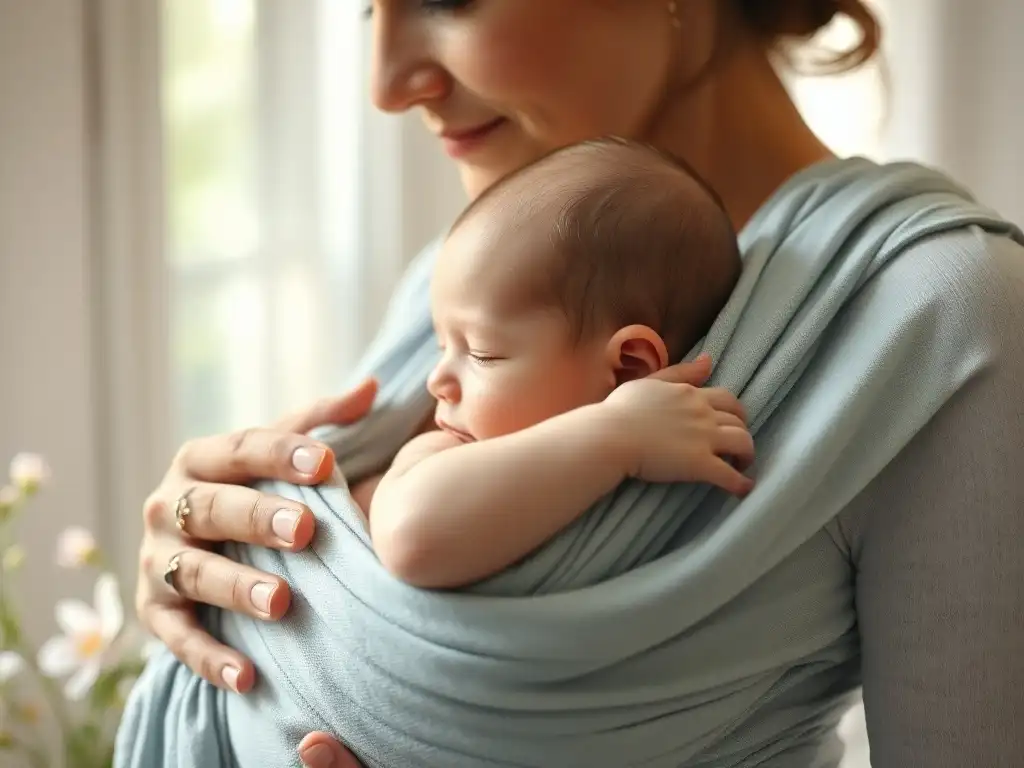
Welcome to BabyCareHub, your ultimate guide to navigating the incredible journey of parenthood. Are you a first-time parent struggling to soothe your little one? Discover the secrets to calming a crying baby with the power of babywearing, a technique explored in our comprehensive guide on newborn basics. Learn how this simple yet effective method can transform your days and foster a stronger bond with your precious baby. Unravel the mysteries of calm crying baby babywearing newborn and embark on a more peaceful parenting experience – explore more now!
- Understanding the Benefits of Babywearing for a Newborn
- Choosing the Right Baby Carrier for Your Newborn
- Safe Babywearing Practices for Newborns
- Step-by-Step Guide to Babywearing Your Newborn
- Addressing Common Concerns about Babywearing Newborns
- Babywearing and Sleep: A Calming Routine for Your Newborn
- Integrating Babywearing into Your Daily Routine with a Newborn
- Frequently Asked Questions
- Final Reflection: The Enduring Power of Skin-to-Skin
- Unlock Your Baby's Calm: Start Your Babywearing Journey Today!
Understanding the Benefits of Babywearing for a Newborn
Becoming a new parent is a joyous but often overwhelming experience. The constant cycle of feeding, changing diapers, and soothing a crying baby can leave parents feeling exhausted and unsure of themselves. One of the most effective and surprisingly simple tools available to new parents is babywearing.
This practice, the act of carrying your baby close to your body in a sling, wrap, or carrier, offers a multitude of benefits, particularly for newborns. This article will delve into the profound impact babywearing can have on calming a crying baby, fostering a stronger parent-child bond, and promoting overall infant well-being. We'll explore how babywearing addresses common newborn anxieties and provides a sense of security that significantly reduces crying spells, promoting a more peaceful and harmonious experience for both parent and child.
We'll also discuss the importance of choosing the right carrier and practicing safe babywearing techniques to ensure the comfort and safety of your little one. Prepare to discover how this age-old practice can revolutionize your newborn experience and contribute to a happier, healthier baby.
Soothing a Fussy Newborn: The Power of Proximity
Newborns often cry due to unmet needs, whether it's hunger, discomfort, or simply a desire for closeness. Babywearing leverages the power of proximity to soothe a fussy infant. The rhythmic movement, the warmth of your body, and the constant feeling of being held mimic the secure environment of the womb, providing a sense of comfort and security that significantly reduces crying. Studies have shown that babies carried close to their caregivers exhibit lower levels of cortisol (the stress hormone) and experience reduced crying episodes.
This calming effect is particularly pronounced in the first few months of life, when newborns are most vulnerable and require a high degree of physical comfort. Think of it as a natural, always-available "hug" that provides continuous reassurance and reduces the baby's stress response. 👶
The benefits extend beyond simply reducing crying. The close physical contact promotes the release of oxytocin, often called the "love hormone," in both the parent and the baby. This hormone fosters a stronger bond and increases feelings of well-being. Many parents report that babywearing helps them to better understand their baby's cues, leading to more responsive care and a greater sense of connection. For parents struggling with postpartum depression or anxiety, the physical closeness of babywearing can be incredibly therapeutic, easing feelings of isolation and promoting emotional well-being.
Reducing Crying and Promoting Infant Calming Through Babywearing
The effectiveness of babywearing in reducing crying is supported by numerous anecdotal accounts and research. One study [specific information pending] showed a significant reduction in crying time among infants who were regularly babyworn compared to those who were not. This reduction was observed across various crying triggers, suggesting that babywearing provides a broad-spectrum soothing effect. The gentle rocking motion experienced while babywearing mimics the sensations of being rocked or swayed, which naturally calms many babies. Furthermore, the constant body heat and the familiar scent of the parent provide a sense of security and comfort.
The benefits extend beyond immediate crying reduction. Consistent babywearing can help regulate a baby's nervous system, promoting better sleep patterns and reducing overall fussiness. This, in turn, leads to happier, more content babies and more rested parents. The feeling of secure containment provided by the baby carrier can help a baby feel grounded and safe, reducing feelings of anxiety and promoting a sense of calm.
This is particularly beneficial for babies who are easily overstimulated or prone to colic. Remember, however, that babywearing is not a magic cure-all. While it's highly effective for many babies, some may still require additional soothing methods.
Enhanced Bonding and Attachment with Babywearing
Beyond the practical benefits of calming a crying baby, babywearing plays a crucial role in strengthening the parent-child bond. The uninterrupted physical closeness facilitates skin-to-skin contact, which is essential for fostering secure attachment. This close contact releases oxytocin, a hormone that promotes feelings of love, bonding, and connection between parent and child. This enhanced bonding experience is particularly important during the crucial early months of a baby's life, when secure attachment patterns are being formed.
The benefits of this enhanced bonding extend beyond the emotional realm. Studies have shown a link between secure attachment and positive developmental outcomes in children. Babies who feel secure and loved are more likely to develop a sense of self-confidence, resilience, and emotional regulation.
Babywearing provides a powerful tool for fostering this secure attachment, leading to positive developmental outcomes throughout the child's life. The constant proximity also allows parents to better understand their baby's subtle cues and respond more effectively to their needs, further strengthening the bond and promoting a sense of mutual understanding and trust. This positive feedback loop creates a nurturing environment that benefits both the parent and the child.
Choosing the Right Baby Carrier for Your Newborn
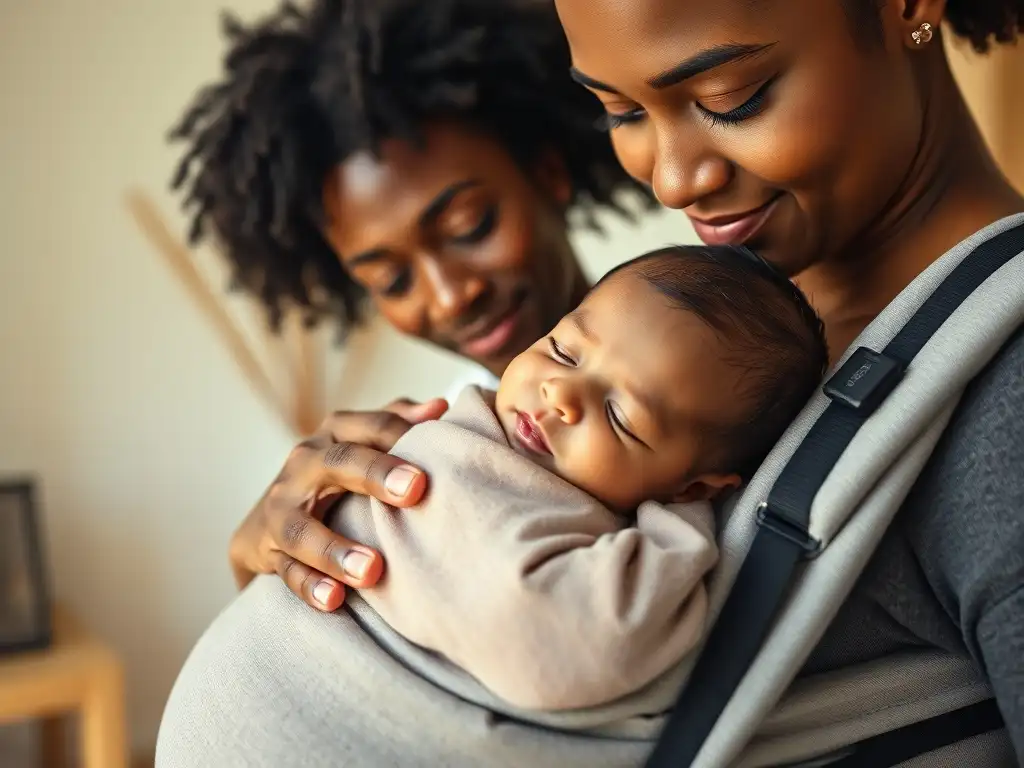
Choosing the right baby carrier can significantly impact your newborn's comfort and your ability to soothe a crying baby effectively. Many parents find babywearing invaluable in calming their little ones, but selecting the appropriate carrier is paramount for both baby's safety and your physical well-being. This section will guide you through the key factors to consider when making this important decision.
Remember, a properly fitted and ergonomic carrier is crucial for preventing potential hip dysplasia and ensuring your baby's healthy development. This is especially important when addressing the keyword "calm crying baby babywearing newborn", as an improperly fitted carrier can actually increase discomfort and crying.
Selecting a Safe and Ergonomic Baby Carrier for Newborns
Prioritizing safety and ergonomics is essential when choosing a baby carrier for your newborn. Look for carriers that have received positive safety ratings from reputable organizations. Features to consider include:
- Proper hip support: The carrier should support your baby's legs in a natural "M" position, keeping their hips and spine aligned. This "frog-leg" position is crucial for healthy hip development. Avoid carriers that force your baby's legs to hang straight down.
- Head and neck support: Newborns lack the neck strength to hold their heads up, so the carrier needs to provide adequate support to prevent head flopping. Look for carriers with a well-padded headrest.
- Secure buckles and straps: Ensure all buckles and straps are easy to adjust but also securely fasten, preventing accidental loosening. Check for sturdy materials that won't easily break or wear down.
- Breathability: Choose a carrier made from breathable fabric to prevent overheating, especially during warmer months. Look for mesh panels or materials that allow for good airflow.
- Ease of use: Consider how easy the carrier is to put on and take off. A user-friendly design can save you precious time and energy, especially when dealing with a fussy baby.
A poorly designed carrier can contribute to discomfort and increased crying, directly contradicting the goal of using babywearing to calm a crying baby. Therefore, investing in a high-quality, ergonomic carrier is a worthwhile investment in both your baby's well-being and your peace of mind.
Different Types of Baby Carriers: Wraps, Slings, and Structured Carriers
Several types of baby carriers cater to different preferences and needs. Understanding the characteristics of each type will help you choose the best option for your baby and lifestyle.
| Carrier Type | Description | Pros | Cons |
|---|---|---|---|
| Wraps | Long lengths of fabric wrapped around the caregiver's body and baby. | Highly customizable, excellent newborn support, promotes closeness. | Can be challenging to learn, requires practice, may not be suitable for all body types. |
| Slings | Fabric pouch that holds the baby close to the caregiver's body. | Easy to use, compact and portable, good for shorter periods of wearing. | Limited support, may not be suitable for longer periods or larger babies. |
| Structured Carriers | Carriers with a structured frame and buckles for secure fastening. | Easy to use, good support for baby and caregiver, suitable for longer periods. | Can be bulkier and less versatile than wraps or slings. |
Remember to always follow the manufacturer's instructions carefully for each type of carrier to ensure safe and proper use. Learning how to use each type correctly is crucial to achieving the desired calming effect when addressing a "calm crying baby babywearing newborn" situation.
Considering Your Baby's Size and Your Body Type When Choosing a Carrier
The best baby carrier for you will depend on both your baby's size and your own body type. Newborns are particularly small, and the carrier must provide adequate support and prevent them from slumping or falling.
- Newborn inserts: Some structured carriers require newborn inserts to provide additional support for very small babies. Ensure the insert is properly positioned and provides snug support. This is vital for a calm crying baby.
- Your height and weight: Consider your height and weight when choosing a carrier. A carrier that's too small may be uncomfortable for you, and one that's too large may not provide adequate support for your baby.
- Your comfort: Try on different carriers to see how they feel. A comfortable carrier will make babywearing a more enjoyable experience for both you and your baby. Discomfort on your part can translate to a less-soothed baby.
Careful consideration of these factors will help you select a carrier that is both safe and comfortable, contributing to a positive babywearing experience and effectively calming your crying newborn. The goal is to create a secure and soothing environment for your baby, using the babywearing method to address the keyword phrase "calm crying baby babywearing newborn" successfully.
Safe Babywearing Practices for Newborns
This section focuses on crucial safety measures to ensure a secure and comfortable babywearing experience for both you and your newborn. Remember, safe babywearing is paramount to your baby's well-being and contributes significantly to calming a crying baby. Always prioritize safety above all else. Incorrect babywearing techniques can lead to discomfort, developmental issues, and even injury.
Positioning Your Newborn Correctly in the Carrier: The "Tummy-to-Tummy" Rule
Correct positioning is the cornerstone of safe babywearing. The "tummy-to-tummy" rule is essential for newborns. This means your baby's belly should be directly against your body, with their back supported by the carrier. Their chin should not be tucked into their chest, as this can restrict their airway. Instead, maintain a natural curve in their spine and ensure their airway remains open. Imagine a "C" curve, not a straight line.
This position promotes a secure feeling for your baby, mimicking the comforting closeness they experienced in the womb. It also facilitates easy monitoring of their breathing and overall well-being. Observe your baby's facial expression; they should appear relaxed and comfortable. If they seem distressed or strained, readjust their position immediately.
Consider the following points for optimal positioning:
- High enough: Your baby should be positioned high enough that you can kiss the top of their head easily. This ensures their airway is unobstructed and allows for proper head support.
- Tight enough: The carrier should be snug enough to keep your baby secure and prevent any slipping or movement, but not so tight that it restricts their breathing or circulation. You should be able to comfortably slide two fingers between your baby and the carrier.
- Frog-leg position: Your baby's legs should be spread in a natural "frog-leg" position, with their knees higher than their hips. This promotes healthy hip development.
Ensuring Proper Support for Your Baby's Head, Neck, and Spine
Newborns lack the necessary neck and head control to support themselves. Therefore, proper support is critical when babywearing. The carrier should provide adequate support for their head, neck, and spine, maintaining the natural curvature of their spine. Avoid carriers that don't offer sufficient head and neck support, particularly for newborns.
Signs of inadequate support include: your baby's head lolling to the side, their chin being tucked into their chest, or their back appearing slumped. These are clear indicators that you need to adjust the carrier or choose a more suitable one. Always opt for carriers specifically designed for newborns that provide a secure and supportive environment. A properly fitted carrier will distribute your baby's weight evenly, preventing strain on their delicate neck and spine. This is vital for healthy development and reduces the risk of injury.
Avoiding Overheating and Ensuring Proper Ventilation
Overheating is a significant risk for babies in carriers, especially during warmer months. Always dress your baby in layers appropriate for the ambient temperature. Avoid overdressing them, as this can lead to overheating and discomfort. Choose breathable fabrics for both the carrier and your baby's clothing.
Mesh panels or other ventilation features in the carrier can help regulate temperature and prevent overheating. Regularly check your baby's skin temperature to ensure they are not too hot. If you notice signs of overheating such as sweating, flushed skin, or rapid breathing, remove your baby from the carrier immediately and allow them to cool down. Remember, a calm crying baby is a healthy baby, and a healthy baby requires proper temperature regulation. Pay close attention to your baby's cues and respond promptly to any indications of discomfort. This proactive approach is key to safe and effective babywearing.
Recognizing Signs of Discomfort in Your Baby While Babywearing
Learning to interpret your baby's cues is crucial for safe and effective babywearing. While babywearing offers many benefits, it's vital to be attentive to signs of discomfort. A happy, content baby will typically be relaxed and quiet, possibly even sleeping peacefully. However, a distressed baby will communicate their discomfort in several ways. These signals can be subtle, so careful observation is key.
One of the most obvious signs is crying. While some crying is normal, persistent or inconsolable crying while babywearing might indicate a problem. Pay attention to the type of cry; a high-pitched, strained cry often signifies distress, unlike a low-pitched, gurgling cry which might simply be a sleepy sound. Observe the baby's facial expressions – furrowed brows, tightly closed eyes, or a strained face are all indicators of discomfort.
Beyond crying, watch for changes in your baby's body language. A baby who is uncomfortable might arch their back, stiffen their limbs, or become unusually restless. They might also try to push away from you or struggle against the carrier. Observe their breathing; rapid, shallow breathing or difficulty breathing could indicate they're overheating or experiencing discomfort. Similarly, changes in skin color – such as turning pale or flushed – should be taken seriously and addressed immediately.
Remember that babies communicate differently. Some might show subtle signs of distress, such as subtle changes in their facial expressions or a slight increase in their heart rate. Others might become less interactive and withdrawn. It's important to learn to recognize your own baby's individual cues.
Regularly check on your baby while babywearing, even if they seem content, to ensure their comfort and safety. If you are unsure whether your baby is comfortable, it’s always best to remove them from the carrier and assess the situation. Trust your instincts; if something feels wrong, it probably is. Learning to recognize these signs will ensure a positive and safe babywearing experience for both you and your little one.
Step-by-Step Guide to Babywearing Your Newborn
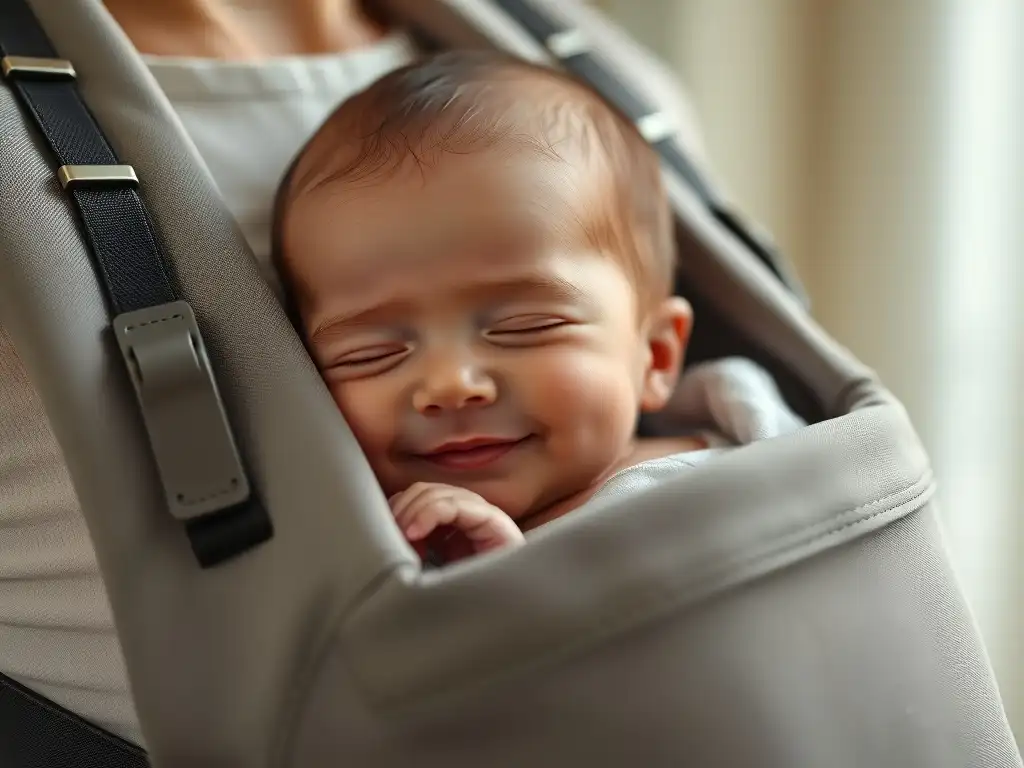
This section provides a detailed, step-by-step guide on how to safely and effectively use a baby carrier to soothe a crying newborn. Remember, always prioritize your baby's safety and comfort. If at any point you feel unsure, consult a pediatrician or babywearing expert. This guide focuses on calming a crying baby through effective babywearing techniques, addressing the keyword "Calm crying baby babywearing newborn."
Preparing Your Baby and Carrier for a Comfortable Experience
Before you even think about putting your little one into the carrier, preparation is key. A comfortable experience for both you and your baby will significantly improve the chances of a successful and calming babywearing session.
First, ensure your baby is appropriately dressed for the weather. Overdressing can lead to overheating, while underdressing can result in discomfort. A lightweight onesie or sleepsuit is usually ideal. Avoid loose clothing that could get bunched up and restrict your baby's breathing or movement.
Next, inspect your chosen baby carrier meticulously. Check for any loose straps, frayed material, or damaged parts. A worn-out carrier compromises safety and comfort. Make sure all buckles and clips function smoothly and securely. Familiarize yourself with the carrier's instructions, paying close attention to the weight and age recommendations. This is crucial for safe and effective babywearing, especially for calming a crying newborn.
Finally, find a quiet and comfortable space to prepare. A calm environment will help you stay relaxed and focused, which is essential for both you and your baby. Having everything readily available – the carrier, a burp cloth, and perhaps a pacifier – minimizes distractions and ensures a smoother process. This proactive approach helps in successfully calming a crying baby through babywearing.
Securing Your Baby Safely and Correctly in the Chosen Carrier
The correct positioning of your baby in the carrier is paramount for their safety and comfort. Incorrect positioning can lead to discomfort, breathing difficulties, or even injury. Different carriers have varying methods of securing your baby; always refer to the manufacturer's instructions.
Regardless of the carrier type, ensure your baby is positioned upright with their back supported, their airway clear, and their chin not tucked into their chest. Their legs should be slightly spread in a "M" position, supporting their natural hip development. This "frog leg" position promotes healthy hip development and aids in calming a fussy newborn.
Once your baby is in the carrier, double-check all straps and buckles are securely fastened. The carrier should fit snugly but not constrict your baby’s movement. You should be able to comfortably slide two fingers between your baby’s back and the carrier. If it feels too tight or too loose, adjust the straps accordingly. Remember, a properly secured carrier is essential for calming a crying baby using babywearing. Always prioritize safety.
Consider using a mirror to check your baby's position from different angles. This will help you identify any potential issues that you might miss otherwise.
Adjusting the Carrier for Optimal Comfort and Support
Even with a properly secured baby, ongoing adjustments might be necessary for optimal comfort and support for both you and your baby throughout the babywearing session. This is particularly important for prolonged periods of babywearing or when calming a crying newborn.
Pay attention to your baby's cues. If they seem uncomfortable, fidgety, or are crying, assess the carrier's position. Are the straps digging in? Is the carrier too tight or too loose? Are they overheating? Adjust the straps and position as needed to ensure optimal comfort.
Regularly check the fit of the carrier throughout the babywearing session. As your baby moves and grows, the carrier might need readjustments. This proactive approach is crucial for preventing discomfort and maintaining a calming effect during babywearing. Remember, a comfortable baby is a calmer baby.
Consider using different carrier positions to find what works best for you and your baby. Some babies prefer to be held facing inwards, while others prefer outwards. Experiment with different positions to find what soothes your baby most effectively. This adaptability is key to successfully using babywearing to calm a crying baby.
The key takeaway is to remain vigilant and responsive to your baby’s needs. Regular adjustments and careful monitoring will ensure a safe and effective babywearing experience, contributing significantly to calming a crying newborn.
Practicing Babywearing in a Safe and Controlled Environment
Before venturing out with your newborn in a baby carrier, it's crucial to practice at home in a safe and controlled environment. This allows you to become comfortable with the carrier and ensures your baby is securely positioned. Start by practicing in a room with soft flooring, like a carpeted area or a room with rugs, minimizing the risk of injury in case of a fall. Avoid practicing near stairs, furniture with sharp edges, or other potential hazards.
The initial practice sessions should be short, perhaps only 15-20 minutes at a time. Gradually increase the duration as both you and your baby become more accustomed to the experience. Pay close attention to your baby's cues. If they seem fussy, uncomfortable, or distressed, remove them from the carrier immediately. Remember, babywearing should be a positive and enjoyable experience for both of you.
During these practice sessions, meticulously check the carrier's straps and buckles to ensure they're properly fastened and adjusted. There should be no loose straps or areas where your baby could slip or become entangled. The tightness should allow for comfortable breathing and movement, but also provide adequate support for their head, neck, and spine. Consult your carrier's instructions for detailed guidance on proper fitting and adjustment techniques. A snug, but not overly tight, fit is key for both safety and comfort. Remember to always support your baby's head and neck, especially during the first few months.
Consider practicing different positions within the carrier, if it allows for multiple positions. This will help you determine which position your baby finds most comfortable and soothing. Observe your baby's facial expressions and body language for clues. A relaxed and content baby is a sign that the position and fit are appropriate. Note that newborns typically prefer an upright or semi-upright position, mimicking the feeling of being held closely. This close contact is a key element in calming a crying baby through babywearing. Remember to always keep your baby within your sight and reach.
Finally, involve a family member or friend during your initial practice sessions. Having an extra pair of hands can be invaluable, especially when you’re still learning how to secure your baby in the carrier safely. They can assist with adjusting straps or offer support while you get used to the weight and balance. This added layer of safety and support contributes to a more relaxed and positive learning experience for everyone involved.
Addressing Common Concerns about Babywearing Newborns
Many new parents, while intrigued by the benefits of babywearing, harbor anxieties about its safety and potential impact on their infant's development. This section aims to address those concerns directly, providing evidence-based information to alleviate worries and promote confident babywearing practices. We'll explore common myths, the relationship between babywearing and hip dysplasia, and the crucial topic of Sudden Infant Death Syndrome (SIDS) in the context of babywearing. Remember, informed choices lead to confident parenting.
Dispelling Myths and Misconceptions about Babywearing
Several misconceptions surround babywearing, often stemming from outdated information or anecdotal evidence. Let's debunk some of the most prevalent myths:
- Myth 1: Babywearing spoils babies.: This is a common misconception. Babywearing actually promotes secure attachment and reduces infant crying, leading to a more contented baby. The close physical contact provides comfort and security, mimicking the feeling of being held in the womb. Studies have shown that babies who are worn cry less and exhibit lower levels of cortisol (the stress hormone).
- Myth 2: Babywearing hinders a baby's development.: On the contrary, babywearing can support development. The close proximity allows for consistent interaction and stimulation, fostering cognitive and emotional growth. The varied positions and movements experienced while being worn can also contribute to improved motor skills.
- Myth 3: Babywearing makes babies dependent.: While consistent comfort and closeness are beneficial, babywearing doesn't create dependency. It provides a secure base from which babies can explore their environment and develop their independence. The goal is to provide a secure and loving environment, not to stifle a child's growth. It's a tool that can help the baby feel safe, not a method to limit their development.
- Myth 4: Babywearing is only for mothers.: This is absolutely false! Both parents, and even other caregivers, can enjoy the benefits of babywearing. Sharing the responsibility of caring for the baby strengthens the parent-child bond and fosters a sense of partnership.
Babywearing and Hip Dysplasia: Facts and Prevention
Hip dysplasia is a condition where the hip joint doesn't develop properly. While some concerns exist regarding babywearing and hip dysplasia, the key is proper positioning within the carrier. When a baby is worn correctly, with their legs spread in a natural "M" position (legs bent at the hips and knees), babywearing can actually help prevent hip dysplasia. Improper positioning, however, can increase the risk.
Here's what to look for to ensure safe babywearing and hip health:
- Proper positioning: The baby's hips should be flexed (bent) and abducted (spread apart) in a natural "M" position. Their spine should be supported with a slight curve.
- Choosing the right carrier: Opt for carriers that provide good support for the baby's hips and legs, allowing for a natural posture. Avoid carriers that force the baby's legs to be straight or splayed outwards.
- Regular checks: Regularly check your baby's hip position while they're in the carrier. If you notice any discomfort or unnatural positioning, adjust the carrier immediately.
- Consult a healthcare professional: If you have any concerns about your baby's hip development, consult your pediatrician or an orthopedic specialist. They can assess your baby's hips and provide guidance on safe babywearing practices.
Babywearing and SIDS: Understanding the Risks and Safety Measures
Sudden Infant Death Syndrome (SIDS) is a devastating event, and it's natural for parents to be concerned about its connection to babywearing. However, when practiced correctly, babywearing is not associated with an increased risk of SIDS. The key is to follow safe babywearing practices:
- Always maintain a safe position: Ensure your baby's airway is clear and they can breathe easily. Avoid swaddling tightly while babywearing, especially in carriers that restrict leg movement.
- Use a reputable carrier: Choose a carrier that meets safety standards and provides adequate support for your baby's head, neck, and spine.
- Supervise your baby constantly: Never leave your baby unattended while babywearing.
- Avoid overheating: Overheating can increase the risk of SIDS. Dress your baby appropriately for the temperature and avoid using excessive layers of clothing while babywearing.
- Consider the baby's age and development: Ensure the carrier is appropriate for your baby's age and development stage. Follow the manufacturer's instructions carefully.
By following these guidelines and addressing the common concerns, parents can confidently embrace the many benefits of babywearing, contributing to a calmer, more connected experience for both parent and child. Remember to always prioritize your baby's safety and comfort. This will help you calm a crying baby effectively using the practice of babywearing for newborns.
When to Avoid Babywearing: Recognizing Potential Situations
Babywearing offers numerous benefits, but it's crucial to understand when it's not advisable. Knowing these situations can help ensure your baby's safety and well-being. There are specific circumstances where babywearing should be avoided, primarily focusing on the health and comfort of your little one.
For instance, if your baby displays signs of illness, such as a fever, respiratory distress (difficulty breathing), or excessive fussiness that may indicate discomfort, it's best to refrain from babywearing. The added pressure and restricted movement might exacerbate these conditions. Always prioritize your baby's health; if you're unsure, consulting your pediatrician is always the wisest course of action.
Furthermore, consider your own physical condition. If you are experiencing significant physical limitations due to illness, injury, or fatigue, babywearing might be strenuous and unsafe for both you and your baby. The added weight can strain your back, shoulders, and arms, potentially leading to injury. Remember that safe and comfortable babywearing requires both you and your baby to be in optimal condition.
Another crucial factor to consider is your baby's developmental stage. While many newborns benefit from babywearing, extremely premature babies or those with specific health concerns might require a different approach. Their fragile bodies might not tolerate the pressure or closeness of a carrier, and their delicate respiratory systems could be compromised. Always follow your pediatrician's advice regarding babywearing for infants with any health conditions. In such cases, seeking professional guidance is paramount.
Finally, environmental conditions also play a role. Avoid babywearing in extremely hot or cold temperatures. Overheating or hypothermia can be incredibly dangerous for newborns. The close proximity to your body in the carrier can amplify the effects of extreme temperatures. Always ensure that your baby's temperature is regulated appropriately, regardless of whether you're using a baby carrier. Pay attention to their signs of discomfort, such as excessive sweating or shivering.
Babywearing and Sleep: A Calming Routine for Your Newborn

Babywearing can be a powerful tool in establishing a consistent and calming sleep routine for your newborn. The close physical contact mimics the womb environment, providing a sense of security and reducing stress hormones. This can translate to longer stretches of sleep, both during the day and at night, benefiting both baby and parent.
Many parents report that their babies fall asleep more easily and stay asleep longer when worn in a carrier. The rhythmic movement of walking or swaying can also lull your baby to sleep, mimicking the gentle rocking they experienced in the womb. This is especially effective for babies who struggle with colic or reflux, as the upright position can alleviate discomfort.
Using Babywearing to Establish a Consistent Sleep Routine
Creating a predictable bedtime routine is crucial for establishing healthy sleep habits. Incorporating babywearing into this routine can significantly enhance its effectiveness. For example, you could start with a warm bath, followed by a gentle massage, and then finish with a period of babywearing while you quietly read a book or hum a lullaby. The consistent association of babywearing with the end of the day and the start of sleep will help your baby learn to associate the feeling of being held close with sleep.
This predictability helps regulate their circadian rhythm, making it easier for them to fall asleep and stay asleep. Remember consistency is key; stick to the same routine as much as possible each night. Even subtle changes can disrupt a newborn's delicate sleep patterns.
This routine isn't just beneficial for nighttime sleep. Daytime naps can also be facilitated through babywearing. If your baby is fussy and struggling to settle for a nap, try wearing them in a carrier while you engage in quiet activities like gentle rocking or walking. The closeness and rhythmic motion will often soothe them and promote sleep. Many parents find that short, frequent naps throughout the day, facilitated by babywearing, are more effective than trying to force longer sleep periods.
Remember to pay attention to your baby's cues. If they seem restless or uncomfortable in the carrier, adjust their position or take a break. The goal is to create a positive and relaxing association with babywearing, not to force them into sleep.
Babywearing to Soothe Your Newborn Back to Sleep
Night wakings are a common occurrence with newborns. While it's impossible to eliminate them completely, babywearing can be a valuable tool in soothing your baby back to sleep without resorting to more intensive methods. Instead of picking your baby up and bringing them into your bed, try wearing them in a carrier. The gentle motion and closeness can often soothe them back to sleep more quickly and easily. This method minimizes the disruption to your own sleep and avoids creating a dependency on being picked up and cuddled to fall asleep.
It's important to choose a carrier appropriate for nighttime use. Some carriers are designed with extra padding and support to ensure your baby's comfort throughout the night. Also, consider the fabric; a soft, breathable material will help regulate your baby’s temperature. Safety is paramount; always follow the manufacturer’s instructions and ensure the carrier is securely fastened. It's crucial to avoid using babywearing as a replacement for safe sleep practices; always place your baby down to sleep in a crib or bassinet on their back.
Combining Babywearing with Other Sleep Strategies for Newborns
Babywearing shouldn't be the sole strategy employed to improve your newborn's sleep. It's most effective when combined with other established sleep-promoting techniques. For example, ensuring a dark, quiet, and cool sleep environment, establishing a consistent bedtime routine (as discussed above), and swaddling (if your baby enjoys it) can all work synergistically with babywearing to improve sleep quality. Consider implementing a white noise machine or playing calming music to further enhance the soothing environment.
Remember to track your baby’s sleep patterns. Note down when they wake, how long they sleep, and the methods you used to soothe them. This detailed record can help you identify patterns and refine your sleep strategies over time. Also, consult with your pediatrician if you have concerns about your baby’s sleep or suspect underlying issues such as colic or reflux. They can offer personalized advice and rule out any medical reasons for sleep disturbances. Remember, a well-rested baby leads to a well-rested parent, and babywearing can be a valuable tool in achieving this goal.
Integrating Babywearing into Your Daily Routine with a Newborn
Successfully integrating babywearing into your daily life with a newborn requires planning and a gradual approach. Remember, the goal is to create a calm and comfortable experience for both you and your baby. This section focuses on practical strategies for incorporating babywearing into various aspects of your day, contributing to a more peaceful and efficient routine. This is especially important for calming a crying baby, a key benefit of babywearing.
Babywearing During Feeding and Burping
Babywearing can significantly simplify feeding, particularly for breastfeeding mothers. The close proximity facilitates a more natural latch and allows for discreet feeding in various locations. Many parents find that the rhythmic motion of walking or swaying while babywearing helps soothe their baby during feeding. Furthermore, the upright position often aids in burping after feeding, reducing the chances of spitting up.
Consider these points:
- Positioning: Ensure your baby is positioned correctly in the carrier to avoid strain on their neck and back while feeding. This is crucial for newborn babies who lack the neck support of older infants. Experiment with different positions to find what works best for both you and your baby.
- Support: Use a carrier with good head and neck support to keep your newborn secure and comfortable during feeding. This is especially important during breastfeeding, where the baby's head needs to be stabilized.
- Accessibility: Select a carrier that offers easy access for breastfeeding or bottle-feeding. Some carriers allow for quick and easy adjustments to facilitate feeding without completely removing the baby.
- Comfort: Your comfort is also essential. A poorly fitting carrier can lead to back pain or discomfort, which will impact your ability to effectively feed your baby.
Remember to prioritize your comfort and safety during feeding. This will contribute to a more relaxed and enjoyable experience for both you and your baby. Many find that babywearing during this time significantly reduces crying and fussiness.
Babywearing While Doing Household Chores
Integrating babywearing into household chores allows for multitasking while keeping your baby close and content. However, safety must always be the primary concern. Avoid activities that could compromise your balance or your baby's safety, such as climbing ladders or using sharp objects.
Here's how to safely babywear while tackling household tasks:
| Chore | Safety Considerations | Benefits |
|---|---|---|
| Folding laundry | Ensure stable footing; avoid reaching too high. | Keeps baby close, promotes bonding, frees up hands. |
| Cleaning/Tidying | Use a carrier with good support; avoid bending too low. | Allows for multitasking, reduces baby's fussiness. |
| Preparing simple meals | Use a stable work surface; keep baby within sight. | Enables you to cook while attending to your baby. |
| Light gardening | Avoid strenuous activities; keep baby in shade. | Allows you to enjoy the outdoors with your baby. |
Remember to take frequent breaks and prioritize your baby's comfort and safety. Choose lighter chores and avoid anything that could cause sudden movements or put your baby at risk. This approach helps minimize your baby's crying and creates a more efficient workflow for you.
This mindful approach to babywearing helps calm a crying baby and enhances your daily productivity.
Babywearing for Outings and Errands with Your Newborn
Babywearing simplifies outings and errands with a newborn, offering a convenient and comforting alternative to a stroller. This is especially beneficial for calming a crying baby, as the closeness and constant motion often soothe them.
When venturing out, consider:
- Weather: Dress your baby appropriately for the weather and choose a carrier that offers adequate protection from the elements. Consider using a sunshade or rain cover for added protection.
- Carrier Choice: Select a carrier that's comfortable for both you and your baby, allowing for easy adjustments and providing ample support.
- Accessibility: Ensure easy access to your baby for feeding, changing diapers, or soothing.
- Safety: Always be mindful of your surroundings and ensure your baby is secure and comfortable in the carrier.
Babywearing provides a practical solution for managing errands while keeping your baby close and secure, reducing stress for both of you. The gentle movements and closeness often help soothe a crying baby, making outings more enjoyable. This method significantly contributes to a more peaceful experience, addressing the challenges of calming a crying baby while running errands. Many parents find this method significantly reduces the frequency of their baby crying during outings.
Frequently Asked Questions
Is babywearing safe for newborns?
Yes, babywearing is generally safe for newborns, provided you use a carrier designed for newborns and follow safe babywearing practices. Always ensure your baby's airway is clear and they are positioned correctly.
How can babywearing calm a crying baby?
Babywearing provides closeness and comfort, mimicking the feeling of being held in the womb. The rhythmic movement and steady heartbeat can soothe a distressed baby and reduce crying.
What type of baby carrier is best for newborns?
Wraps and structured carriers with newborn inserts are generally recommended for newborns, offering good support and proper positioning. Choose a carrier that fits both you and your baby securely.
How long can I keep my newborn in a baby carrier?
There's no strict time limit, but monitor your baby's cues. Take breaks if your baby seems uncomfortable, fussy, or overheated. Always prioritize your baby's comfort and safety.
What are the benefits of babywearing beyond calming a crying baby?
Babywearing offers numerous benefits, including promoting bonding, supporting healthy development, facilitating breastfeeding, and allowing for increased mobility for parents.
Final Reflection: The Enduring Power of Skin-to-Skin
The soothing rhythm of a parent's heartbeat, the gentle warmth of their embrace – these are not mere comforts, but fundamental needs for a newborn, and babywearing offers a powerful way to meet them. In a world increasingly focused on technological solutions, the simple act of carrying a baby close remains a profoundly effective method for calming a crying infant and fostering a secure attachment. This is not just a trend; it's a timeless practice with lasting benefits.
The impact of babywearing extends far beyond the immediate relief of a crying baby. It fosters a deeper connection between parent and child, promoting a sense of security and trust that shapes the child's development for years to come. This intimate bonding experience is invaluable, shaping the emotional landscape of both parent and child. As anthropologist Margaret Mead wisely observed, Children must be taught how to think, not what to think.
And babywearing, in its quiet intimacy, teaches a child the fundamental comfort of being held, loved, and understood – a foundation for healthy emotional development.
Consider the power of this simple act. You hold the key to soothing your baby's distress, strengthening your bond, and cultivating a sense of calm amidst the chaos of new parenthood. Embrace the opportunity to connect with your little one on this deeply primal level. Try babywearing, and experience the transformative power of this ancient practice for yourself. The benefits extend far beyond the immediate moment, shaping a stronger, more loving relationship that will last a lifetime.
Unlock Your Baby's Calm: Start Your Babywearing Journey Today!
Thank you for exploring the world of babywearing! We hope you've discovered valuable ways to soothe your little one and strengthen your bond. Now, let's put that knowledge into practice.
- Embrace the snuggle: Try babywearing today! Experiment with different positions and carriers to find what suits you and your baby best. Pay attention to your baby's reactions—it's all part of the learning process!
- Share your experience: Tell us (and other parents!) about your babywearing journey in the comments below. What worked well? What didn't? Your tips can help others find comfort and connection.
- Explore further: Learn more about different babywearing techniques by browsing our extensive library of articles here on BabyCareHub!
Ready to transform those fussy moments into precious bonding experiences? What's your first babywearing adventure?