
What Causes Constipation in Babies? A Comprehensive Look at the Root Causes


Welcome to BabyCareHub, your ultimate guide to navigating the wonderful, yet sometimes challenging, world of parenthood. Are you facing the worry of baby constipation? We understand. This common concern often leaves new parents feeling overwhelmed, but understanding the causes is the first step towards finding effective solutions. Dive into our comprehensive article, "What Causes Constipation in Babies? A Comprehensive Look at the Root Causes," and discover the answers you need to confidently care for your little one. Let's explore the path to a happier, healthier baby together!
- Understanding Baby Constipation: Defining the Problem and its Symptoms
- Common Causes of Constipation in Babies: A Detailed Overview
- Less Common Causes of Constipation in Babies
- When to Seek Professional Medical Advice for Baby Constipation
- Natural Remedies and Home Treatments for Baby Constipation (Consult your pediatrician first)
- Preventing Constipation in Babies: Proactive Measures for Healthy Digestion
- Baby Constipation Causes Explained: Summary and Key Takeaways
- Frequently Asked Questions
- Final Reflection: Understanding Baby Constipation: A Journey Towards Relief
- Unleash Your Baby's Happy Tummy: Take Action Today!
Understanding Baby Constipation: Defining the Problem and its Symptoms
Constipation in babies is a common concern for new parents, often causing worry and discomfort for both the baby and the caregiver. This comprehensive guide will delve into the root causes of baby constipation, helping you understand why it happens and how to identify it. Successfully navigating this issue requires a clear understanding of what constitutes constipation in infants, differentiating it from normal variations in bowel habits.
We'll explore the tell-tale signs, from infrequent bowel movements to the discomfort associated with passing hard stools. By the end of this article, you'll be better equipped to recognize constipation in your baby and seek appropriate support if needed. This understanding is crucial for ensuring your little one's health and well-being, addressing this common digestive issue effectively, and promoting a healthy gut microbiome from the start.
Remember, seeking professional advice from your pediatrician is always recommended if you have any concerns about your baby's bowel movements. Let's get started with a closer look at the key symptoms.
Recognizing the Signs: Infrequent Bowel Movements in Infants
One of the primary indicators of constipation in babies is a noticeable decrease in the frequency of bowel movements. While every baby is different, and bowel habits vary considerably, a significant change from your baby's established pattern should raise concern. For example, a baby who typically poops several times a day might suddenly go several days without a bowel movement. The number of bowel movements alone isn't the only determining factor; the consistency of the stool is equally important.
A sudden shift from soft, easy-to-pass stools to harder, pellet-like ones is a critical sign. It's important to remember that breastfed babies often have more frequent and softer stools compared to formula-fed babies. Keeping a detailed record of your baby’s bowel movements—frequency, consistency, and any associated symptoms—can be invaluable when discussing this with your pediatrician. 👶
Hard Stools and Difficulty Passing Stool: Key Indicators of Constipation
Beyond infrequent bowel movements, the consistency of your baby's stool is a critical indicator of constipation. Hard, dry stools, sometimes described as pellet-like or resembling rabbit droppings, are a strong sign that your baby is constipated. These stools are difficult for the baby to pass, leading to straining, crying, and visible discomfort. The baby may push and grunt excessively during bowel movements, turning red in the face.
You might also notice that the stool is unusually large and difficult to expel. This difficulty in passing stool is often accompanied by abdominal bloating and firmness, further indicating constipation. Observing these physical signs, in conjunction with infrequent bowel movements, is crucial for accurate diagnosis.
Other Symptoms of Constipation in Babies: Additional Signs of Discomfort
While infrequent bowel movements and hard stools are the most prominent symptoms, other signs may accompany baby constipation. These additional indicators can help you paint a more complete picture of your baby's condition. For instance, babies experiencing constipation might exhibit irritability, fussiness, and excessive crying, especially around the time they are trying to have a bowel movement. Some babies might display a loss of appetite or decreased feeding interest. In more severe cases, you may observe vomiting or blood in the stool (which warrants immediate medical attention).
Abdominal bloating and distension are also common, making the baby's tummy feel firm and hard to the touch. Remember, the presence of any of these additional symptoms, combined with infrequent bowel movements and hard stools, strongly points towards constipation. Always consult your pediatrician to rule out any underlying medical conditions. 🩺
Common Causes of Constipation in Babies: A Detailed Overview
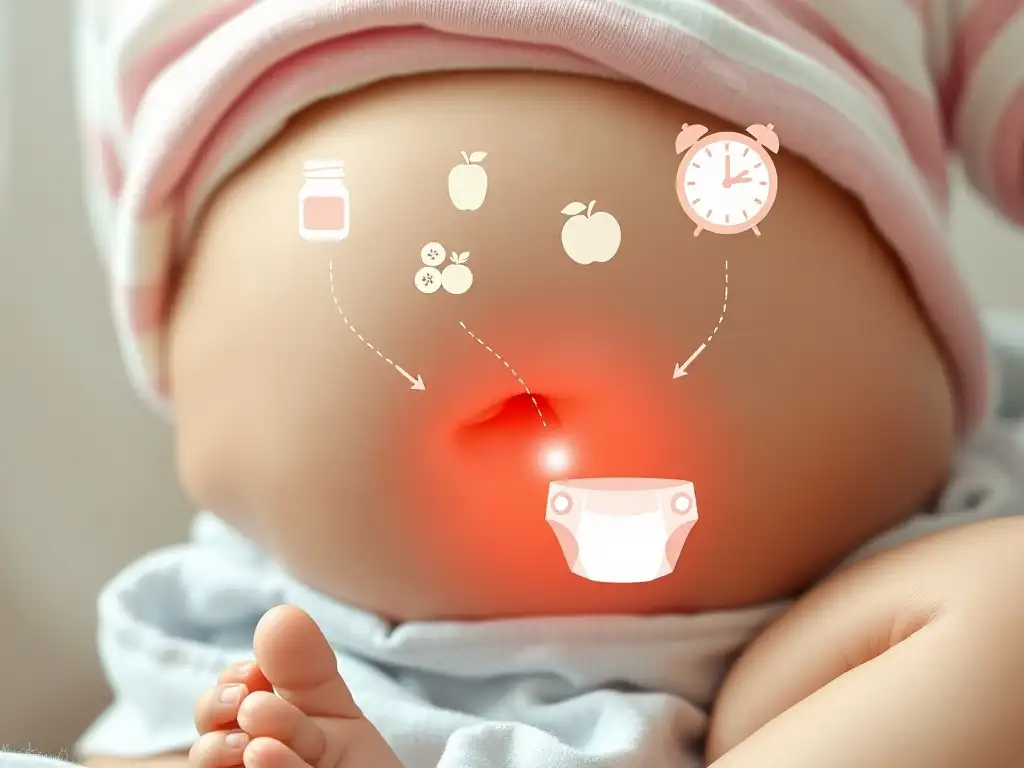
This section delves into the common reasons behind constipation in infants, providing parents with a clearer understanding of this prevalent issue. We'll explore various contributing factors, offering practical insights and potential solutions. Remember, always consult your pediatrician if your baby's constipation persists or you have any concerns. This information is for educational purposes and should not replace professional medical advice.
Dietary Factors: Breastfeeding, Formula Feeding, and the Introduction of Solids
Dietary habits play a significant role in a baby's bowel movements. The type of milk, the frequency of feeding, and the introduction of solid foods can all influence stool consistency and frequency. Let's explore these factors in detail.
Breastfed Babies and Constipation: Addressing Potential Issues
While breast milk is generally considered ideal for infants, some breastfed babies can still experience constipation. This is often due to insufficient fluid intake (even though the baby is getting fluid from the milk) or a lack of fiber in the mother's diet, which can affect the baby's stool. Symptoms might include infrequent bowel movements (less than three per week), hard stools, and straining during bowel movements.
Increasing the mother's fluid intake and ensuring a balanced diet rich in fruits and vegetables can help alleviate this. In some cases, a change in the mother's diet might be necessary. It's crucial to note that breastfed babies' stools can vary significantly in consistency, and infrequent but soft bowel movements are not necessarily indicative of constipation.
Formula-Fed Babies and Constipation: Identifying and Addressing Causes
Formula-fed babies are more prone to constipation than breastfed babies. The type of formula, the concentration, and the amount given can all affect stool consistency. Some formulas are known to be more constipating than others. Concentrated formula, for instance, can lead to harder stools. Symptoms of constipation in formula-fed babies are similar to those in breastfed babies: infrequent, hard stools, and straining. Switching to a different formula, adjusting the concentration (as directed by the pediatrician), or increasing the amount of water offered can often resolve the problem. Always consult your pediatrician before making any changes to your baby's formula.
Introducing Solids and Constipation: A Gradual Approach
The introduction of solid foods is a crucial developmental milestone, but it can also be a trigger for constipation in some babies. Starting solids too early or introducing high-fiber foods too quickly can sometimes lead to digestive upset and constipation. A gradual approach is recommended, introducing one new food at a time and monitoring your baby's response. Foods like rice cereal are often introduced first, but these are relatively low in fiber.
Gradually incorporate fruits and vegetables rich in fiber, such as prunes, pears, and sweet potatoes, to promote regular bowel movements. Always introduce new foods one at a time to identify any potential allergens or sensitivities. Remember to offer plenty of water alongside solid foods.
Dehydration as a Contributing Factor to Baby Constipation
Dehydration is a significant contributor to constipation in babies. Insufficient fluid intake leads to harder, drier stools, making them difficult to pass. Signs of dehydration include dry mouth, fewer wet diapers than usual, sunken eyes, and decreased urination. Ensuring adequate hydration is crucial for preventing and treating constipation.
Offering water alongside formula or breast milk, especially during warmer months or if the baby is unwell, is essential. If you suspect your baby is dehydrated, consult your pediatrician immediately. This is a serious condition that requires prompt medical attention. 💧 Recognizing the signs of dehydration is crucial for early intervention and preventing complications.
Medical Conditions Contributing to Constipation in Infants: Underlying Medical Issues
Infants can experience constipation due to various underlying medical conditions. These conditions often require professional diagnosis and treatment, highlighting the importance of seeking medical advice if your baby's constipation persists or is accompanied by other symptoms. Understanding these potential causes allows parents to advocate for their little ones and ensure they receive appropriate care. Early detection and intervention are crucial for managing these conditions effectively and preventing complications. Remember, this information is for educational purposes and should not replace professional medical advice. Always consult your pediatrician or healthcare provider for any concerns regarding your baby's health.
It's important to note that while many cases of infant constipation are benign and easily resolved, some underlying medical issues can contribute significantly. These issues can range from relatively common conditions to rarer ones, and the symptoms can vary widely. Therefore, paying close attention to your baby's bowel movements, overall health, and any accompanying symptoms is vital. Changes in appetite, lethargy, vomiting, and abdominal distension should all prompt a visit to your doctor.
Underlying Medical Issues Requiring Professional Attention
Several medical conditions can directly contribute to constipation in babies. These often require specialized medical attention and may necessitate further investigation to determine the underlying cause and appropriate treatment strategy. Early diagnosis and management are essential to prevent potential complications and ensure the baby's well-being.
- Hirschsprung's disease: This is a relatively rare condition where there is a lack of nerve cells in parts of the large intestine. This absence of nerve cells prevents the proper movement of stool through the intestines, leading to severe constipation. Symptoms can include a distended abdomen, failure to pass meconium (a baby's first stool) within 48 hours of birth, and vomiting. Diagnosis often involves a rectal biopsy.
- Hypothyroidism: An underactive thyroid gland can slow down many bodily functions, including bowel movements. This can manifest as constipation in infants, along with other symptoms like lethargy, poor feeding, and jaundice. A simple blood test can diagnose hypothyroidism.
- Cystic fibrosis: This genetic disorder affects multiple organs, including the digestive system. Thick, sticky mucus can obstruct the intestines, leading to severe constipation. Other symptoms include persistent cough, recurrent lung infections, and salty-tasting skin.
- Spina bifida: This birth defect affects the spinal cord and can impact nerve function, potentially leading to constipation. Other symptoms depend on the severity of the condition and may include weakness or paralysis in the legs, bladder or bowel control issues, and hydrocephalus (fluid buildup in the brain).
- Anal stenosis: A narrowing of the anal opening can make bowel movements difficult and painful, resulting in constipation. This can be diagnosed through a physical examination. Treatment may involve surgical correction in severe cases.
These are just a few examples; other conditions can also contribute to constipation. If your baby experiences persistent or severe constipation, accompanied by other symptoms, seeking immediate medical attention is crucial for accurate diagnosis and appropriate management. The earlier these conditions are identified, the sooner effective treatment can begin, minimizing potential long-term effects on your baby's health. Remember, early intervention is key.
Less Common Causes of Constipation in Babies
While dietary factors and dehydration are the most frequent culprits behind baby constipation, several less common causes can also contribute to this uncomfortable condition. Understanding these less frequent possibilities is crucial for accurate diagnosis and effective treatment. This section delves into some of these less prevalent, yet important, factors contributing to baby constipation. Remember, always consult your pediatrician if you suspect your baby is constipated. Early intervention is key to ensuring your little one's comfort and well-being.
Medication Side Effects and Constipation
Certain medications, even those prescribed for seemingly unrelated conditions, can have constipation as a side effect in infants. This is often due to the medication's impact on the digestive system, slowing down bowel movements or altering the consistency of stool. For example, some iron supplements, frequently given to babies to prevent or treat anemia, are known to cause harder, less frequent stools. Similarly, certain pain relievers or anti-diarrheal medications can also contribute to constipation as an unintended consequence.
It's crucial to carefully review any medication your baby is taking and discuss any potential side effects, including constipation, with your pediatrician. They can help assess whether the medication is necessary, adjust the dosage, or explore alternative treatment options if constipation becomes a significant problem. Accurate record-keeping of your baby's medication and bowel movements can be invaluable in identifying medication-related constipation.
Note: Always follow your pediatrician's instructions carefully when administering any medication to your baby. Never adjust dosages or stop medication without consulting your doctor.
Neurological Conditions and Bowel Dysfunction in Infants
In some cases, neurological conditions can impact bowel function, leading to constipation in infants. These conditions can affect the nerves and muscles responsible for coordinating bowel movements, resulting in difficulty passing stool. While rare, conditions such as cerebral palsy or spinal cord abnormalities can interfere with the normal processes of digestion and elimination. The symptoms can vary widely depending on the specific neurological condition and its severity.
Early identification of neurological involvement is crucial for targeted intervention. A thorough neurological examination by a pediatrician or specialist may be necessary to determine if a neurological condition is contributing to your baby's constipation. Early diagnosis and appropriate management of the underlying neurological condition can often improve bowel function and alleviate constipation. This underscores the importance of seeking professional medical advice when dealing with persistent or severe constipation in infants.
Hirschsprung's Disease and other Rare Conditions
Hirschsprung's disease is a relatively rare congenital condition affecting the large intestine. It occurs when certain nerve cells are missing from a portion of the colon, causing the affected area to fail to relax and allow stool to pass. This results in severe constipation, often present from birth or shortly thereafter. Symptoms can range from failure to pass meconium (a baby's first stool) to severe abdominal distension and vomiting.
Other rare conditions that can cause constipation in babies include cystic fibrosis and hypothyroidism. Cystic fibrosis affects multiple organ systems, including the digestive system, leading to thick, sticky mucus that can obstruct the intestines. Hypothyroidism, a condition involving an underactive thyroid gland, can also cause constipation due to its impact on metabolic processes.
Diagnosis of these rare conditions often requires specialized testing and evaluation by pediatric gastroenterologists or other specialists. Early detection and appropriate management are essential to address the underlying condition and alleviate constipation. If your baby experiences severe or persistent constipation, despite dietary and lifestyle modifications, it is crucial to seek professional medical advice to rule out these less common but potentially serious causes. Early intervention is vital for optimal outcomes.
When to Seek Professional Medical Advice for Baby Constipation

Addressing baby constipation requires a nuanced approach. While some instances are easily managed at home, others necessitate immediate medical intervention. Understanding the difference is crucial for ensuring your baby's well-being. This section helps you determine when to contact your pediatrician or seek emergency care. Remember, this information is for guidance only and does not replace professional medical advice. Always consult your doctor with any concerns about your baby's health.
Distinguishing Between Normal Variations and Serious Issues
Infrequent bowel movements don't automatically equate to constipation. Newborn babies, especially those breastfed, can go several days without a bowel movement without necessarily experiencing discomfort. However, hard, dry stools that are difficult to pass are a clear indicator of constipation. Other symptoms to watch for include:
- Straining: Your baby visibly strains and pushes during bowel movements, turning red in the face.
- Crying and Fussiness: Excessive crying or fussiness, especially during bowel movements, suggests discomfort.
- Abdominal Bloating: A swollen or distended abdomen can be a sign of impacted stool.
- Vomiting: Vomiting, especially in conjunction with other symptoms, warrants immediate attention.
- Changes in Appetite: A significant decrease in appetite can accompany constipation.
- Lethargy: Unusual lethargy or sleepiness could indicate a more serious underlying issue.
It's important to monitor your baby's overall behavior. While a single hard stool might not be cause for alarm, a pattern of hard stools accompanied by any of the above symptoms should prompt a call to your pediatrician. They can assess your baby's individual situation and provide tailored advice. Remember to keep a detailed record of your baby's bowel movements, including frequency, consistency, and any associated symptoms. This information is invaluable when discussing your concerns with your doctor. This detailed record aids in the accurate diagnosis of baby constipation causes explained.
Emergency Situations Requiring Immediate Medical Attention
In certain instances, baby constipation requires immediate medical attention. These situations often indicate a more serious underlying problem that needs prompt treatment. Seek emergency medical care if your baby exhibits:
- Severe Abdominal Pain: Intense, persistent abdominal pain accompanied by inconsolable crying.
- Bloody Stools: The presence of blood in your baby's stool requires immediate investigation.
- Fever: A high fever alongside constipation could signal a serious infection.
- Dehydration: Signs of dehydration, such as sunken eyes, dry mouth, decreased urination, and lethargy, are serious and need urgent medical attention. Dehydration can be a significant complication of severe constipation.
- Inability to Pass Stool: If your baby has been unable to pass a stool for an extended period (several days) and is showing signs of distress, immediate medical help is crucial.
Don't hesitate to contact emergency services if you are concerned about your baby's health. Early intervention is key when dealing with potentially life-threatening conditions. Remember, it's always better to err on the side of caution when it comes to your baby's well-being. Prompt medical attention can significantly improve the outcome and prevent complications associated with severe constipation in babies. Understanding these crucial distinctions helps in effectively managing baby constipation causes explained and ensuring your little one receives the best possible care.
Natural Remedies and Home Treatments for Baby Constipation (Consult your pediatrician first)
Before exploring natural remedies, it's crucial to reiterate: Always consult your pediatrician before trying any home treatment for your baby's constipation. What works for one baby might not be suitable for another, and underlying medical conditions could be masked. This section offers information for educational purposes only and does not constitute medical advice.
Hydration Strategies for Relieving Constipation in Infants
Dehydration is a common contributor to baby constipation. Ensuring adequate hydration is a cornerstone of managing this issue. For infants under six months, breast milk or formula remains the primary source of hydration. However, you can subtly increase fluid intake, especially if your baby is exclusively breastfed and showing signs of constipation.
For breastfed babies exhibiting constipation, consider increasing the frequency of breastfeeding sessions. Breast milk is naturally hydrating and can help soften stools. If your baby is formula-fed, ensure you are preparing the formula according to the manufacturer's instructions. Over-concentrating the formula can worsen constipation.
For babies older than six months who are starting solids, offering water between feedings can help. Start with small amounts (a few teaspoons at a time) and observe your baby's response. Avoid giving juice, as it can be high in sugar and can actually worsen constipation in some cases. Pureed fruits and vegetables, such as pears and prunes, are better choices for added hydration and fiber.
Remember, the key is to monitor your baby's hydration status. Signs of dehydration include fewer wet diapers than usual, dry mouth, sunken eyes, and lethargy. If you suspect dehydration, consult your pediatrician immediately. This is paramount to ensuring your baby's health and well-being.
Dietary Adjustments to Promote Regular Bowel Movements
Dietary changes can significantly impact a baby's bowel movements. The type and amount of food introduced can influence stool consistency and frequency. This section focuses on dietary adjustments for babies who have already started solids. Remember, these suggestions are complementary to, and not a replacement for, medical advice.
- Fiber-Rich Foods: Introduce foods rich in fiber gradually. Good options include:
- Pureed prunes: Prunes are naturally high in sorbitol, a sugar alcohol that acts as a natural laxative.
- Pureed pears: Pears also contain sorbitol and contribute to softer stools.
- Sweet potatoes: These are a good source of fiber and easily digestible.
- Avocado: A creamy fruit that offers healthy fats and fiber.
- Avoid Constipating Foods: Certain foods are known to be constipating for babies. These should be introduced with caution and in moderation, or avoided entirely if your baby is already experiencing constipation. Examples include:
- Rice cereal: This can be very binding for some babies.
- Bananas (in large quantities): While nutritious, bananas can be constipating if consumed excessively.
- Dairy (in some cases): Some babies are sensitive to dairy and experience constipation as a result. Consult your pediatrician if you suspect a dairy sensitivity.
Remember to introduce new foods one at a time to monitor your baby's response. Keep a food diary to track which foods might be contributing to constipation. This detailed record can be invaluable when discussing your baby's condition with your pediatrician. A systematic approach to introducing solids, coupled with careful observation, will help you identify potential dietary triggers and manage your baby's bowel movements effectively. Always prioritize a balanced and nutritious diet suitable for your baby's developmental stage. 👶
Preventing Constipation in Babies: Proactive Measures for Healthy Digestion

Preventing constipation in your little one is crucial for their overall well-being. While some babies are naturally prone to occasional constipation, proactive measures can significantly reduce the risk and promote healthy digestion. Understanding the root causes of baby constipation, as explained in the previous sections, is the first step. However, actively implementing preventative strategies is equally important for long-term digestive health.
This section focuses on establishing healthy habits from the very beginning, ensuring your baby’s digestive system thrives. This proactive approach will help you navigate potential constipation issues efficiently and effectively. Remember, early intervention is key when it comes to managing baby constipation.
Establishing Healthy Feeding Habits from the Start
The foundation of healthy digestion begins with proper feeding. For breastfed babies, ensuring a consistent and ample supply of breast milk is paramount. Breast milk is naturally designed to promote regular bowel movements. If your baby seems constipated despite breastfeeding, consult a healthcare professional to rule out any underlying issues. They can assess your baby's latch and feeding techniques to ensure optimal milk transfer. For formula-fed babies, the type of formula can impact bowel movements. Some formulas are known to be more constipating than others. Working closely with your pediatrician to select an appropriate formula is vital.
Introducing solid foods should be done gradually and carefully, paying close attention to your baby's reactions. Start with easily digestible foods like pureed fruits and vegetables, gradually introducing new options one at a time. Observe your baby's bowel movements and note any changes. High-fiber foods, such as pureed prunes, pears, and sweet potatoes, can help prevent constipation as they are introduced. Always consult your pediatrician before introducing solids to your baby. Remember, a gradual and mindful approach is key to establishing healthy eating habits that promote regular bowel movements.
Maintaining Adequate Hydration
Hydration plays a vital role in preventing constipation in babies. For breastfed babies, sufficient breast milk intake typically provides enough hydration. However, in hot weather or if your baby has diarrhea or is ill, you may need to offer extra fluids. For formula-fed babies, ensuring they receive the correct amount of formula is crucial.
Additionally, you can offer small amounts of plain water, especially during warmer months or if your baby seems dehydrated. Always consult your pediatrician regarding the appropriate amount of water for your baby's age and weight. Remember, dehydration can significantly worsen constipation, making hydration a critical aspect of prevention. 💦
Signs of dehydration in babies include dry mouth, fewer wet diapers than usual, sunken eyes, and lethargy. If you notice any of these signs, consult your doctor immediately. Proper hydration is a simple yet effective strategy in preventing and managing constipation. The right balance of fluids is essential for keeping things moving smoothly within your baby's digestive system.
Promoting Regular Physical Activity for Babies
Believe it or not, physical activity can also aid in preventing constipation! While babies may not engage in vigorous exercise, gentle movement stimulates their digestive system. Tummy time, for example, helps strengthen abdominal muscles, which can aid in bowel movements. Regular gentle massage of the baby's tummy can also help stimulate bowel function. Even simple activities like changing positions frequently during playtime can help.
Remember, regular, gentle movement is essential for overall development and can contribute to a healthy digestive system. 👶 Think of it as a gentle form of exercise for their insides! While not a direct cure for constipation, regular physical activity contributes to a healthier and more regular digestive system. This preventative approach, combined with healthy feeding and hydration, forms a holistic strategy for preventing constipation.
Baby Constipation Causes Explained: Summary and Key Takeaways
This section summarizes the key causes of constipation in babies, emphasizing the importance of careful observation and seeking professional advice when necessary. Understanding the root cause is crucial for effective treatment and preventing future occurrences. Remember, this information is for educational purposes and should not replace professional medical advice. Always consult your pediatrician or healthcare provider if you have concerns about your baby's bowel movements.
Recap of Common and Less Common Causes
Constipation in babies, often defined as infrequent or difficult bowel movements, stems from a variety of factors. Let's break down common and less common causes:
Common Causes:
- Dietary Factors: A diet lacking sufficient fiber is a primary culprit. Breastfed babies may experience constipation if the mother's diet lacks fiber-rich foods. Formula-fed babies might be constipated due to the type of formula used or insufficient water intake. Introducing solids too early or too quickly can also contribute. The type of formula itself can be a significant factor. For example, some formulas are known to be more constipating than others, depending on their ingredient composition.
- Dehydration: Insufficient fluid intake is a major factor. Babies who aren't getting enough fluids, whether breast milk, formula, or water (after six months), are at increased risk of constipation. This is especially true in hot climates or during periods of illness. Even slight dehydration can significantly impact bowel regularity.
- Transitioning to Solid Foods: Introducing solid foods too early or too rapidly can disrupt a baby's digestive system, leading to constipation. The digestive system needs time to adjust to new foods and their fiber content. A gradual and mindful introduction is recommended.
- Lack of Physical Activity: While less directly linked than diet and hydration, limited movement can contribute to constipation. Regular tummy time and gentle exercise can help stimulate bowel movements.
Less Common Causes:
- Underlying Medical Conditions: In some cases, constipation can be a symptom of an underlying medical condition, such as hypothyroidism, Hirschsprung's disease (a congenital condition affecting the large intestine), or cystic fibrosis. These conditions require specialized medical attention.
- Medications: Certain medications, such as those containing iron or opioids, can cause constipation as a side effect. Always discuss any medications your baby is taking with your pediatrician.
- Anal Fissures: These small tears in the anus can make bowel movements painful and lead to babies withholding stools, worsening constipation.
- Cow's Milk Protein Allergy: In some infants, a cow's milk protein allergy can manifest as constipation and other digestive issues. This is more common in formula-fed babies but can also affect breastfed babies if the mother consumes dairy products.
| Cause Category | Specific Cause | Symptoms | Treatment/Prevention |
|---|---|---|---|
| Dietary Factors | Low Fiber Intake | Hard, dry stools; infrequent bowel movements | Increase fiber in mother's diet (breastfed); switch formula (formula-fed); introduce fiber-rich solids appropriately |
| Hydration | Dehydration | Dry mouth, fewer wet diapers, sunken eyes | Increase fluid intake (breast milk, formula, water) |
| Transitioning to Solids | Too Rapid Introduction | Irritability, gas, constipation | Gradual introduction of new foods |
| Medical Conditions | Hirschsprung's Disease | Severe constipation, abdominal distension | Medical intervention |
Emphasizing the Importance of Parental Observation and Medical Consultation
Careful observation of your baby's bowel movements is crucial. Note the frequency, consistency (hard, soft, watery), and ease of passage. Changes in bowel habits, such as a sudden decrease in frequency or difficult passage, should prompt a call to your pediatrician. Don't hesitate to seek medical advice if your baby exhibits signs of constipation, especially if accompanied by other symptoms like lethargy, vomiting, or abdominal pain. Early intervention is key in managing and treating constipation effectively.
Early detection of underlying medical issues is vital. Remember, your pediatrician is your best resource for addressing your baby's specific needs and concerns. Trust your instincts; if something seems amiss, seek professional help immediately. The peace of mind gained from a doctor's assessment is invaluable.
Frequently Asked Questions
What are the common causes of constipation in babies?
Baby constipation can stem from several factors, including diet (lack of fiber or insufficient fluids), formula type, introduction of solids, or medical conditions. Dehydration is also a significant factor.
How can I tell if my baby is constipated?
Signs include infrequent bowel movements, hard or dry stools, straining during bowel movements, and fussiness or crying. If your baby seems uncomfortable, consult your pediatrician.
What are some home remedies for baby constipation?
Gentle remedies include increasing your baby's fluid intake, offering prune juice (in moderation), and ensuring a fiber-rich diet if they're on solids. Always consult your pediatrician before trying any home remedies.
When should I seek medical attention for my baby's constipation?
Seek immediate medical advice if your baby shows signs of severe abdominal pain, vomiting, or if constipation persists for more than a week, or is accompanied by blood in the stool.
Can formula choice contribute to baby constipation?
Yes, certain formula types can be more constipating than others. Switching formulas might be necessary, but always consult your pediatrician before making any changes to your baby's feeding routine.
Final Reflection: Understanding Baby Constipation: A Journey Towards Relief
The struggle with baby constipation is far more common than many parents realize, impacting not only the infant's comfort but also the peace of mind of the entire family. This pervasive issue deserves a comprehensive understanding, moving beyond simple remedies to address the root causes and empower parents with knowledge. Understanding the underlying mechanisms—from dietary factors to underlying medical conditions—is crucial for effective and compassionate care.
The impact of constipation on a baby's well-being, and the subsequent stress on parents, is profoundly significant. It's more than just discomfort; it can affect feeding patterns, sleep, and overall development. The emotional toll on caregivers is often overlooked, yet equally important. The most important thing a parent can do is to be informed and to advocate for their child's health.
This quote underscores the power of knowledge in navigating the challenges of infant health, and understanding the causes of constipation is a crucial first step in this advocacy.
Now, armed with a deeper understanding of the various factors contributing to baby constipation, I urge you to reflect on your own experiences and observations. Don't hesitate to seek professional guidance if you suspect your little one is struggling. Remember, proactive care and informed decision-making are the keys to ensuring your baby's comfort and well-being. Take this knowledge, empower yourself, and embark on a journey towards a healthier, happier baby.
Unleash Your Baby's Happy Tummy: Take Action Today!
Thank you for learning more about infant constipation. We hope this article has provided valuable insights and eased your concerns. Now, let's put this knowledge into practice.
- Prioritize gentle tummy massage: Regular massage can help your baby relieve discomfort and encourage regular bowel movements. This simple technique can make a significant difference in their comfort and digestive health.
- Connect with other parents: Share your experiences and learn from others in our supportive BabyCareHub community forum. Building a network with fellow parents can be incredibly helpful during this time.
- Download our free guide: "Top 10 Tips for Happy Baby Digestion" is packed with practical advice and easy-to-follow steps to promote healthy digestion in your little one.
What steps will you take today to support your baby's digestive health?