
Why Is My Baby Crying? A StepbyStep Guide to Decoding Different Cry Sounds


Welcome to BabyCareHub, your ultimate guide to navigating the exciting yet challenging world of parenthood! Are you puzzled by your little one's cries? Understanding the meaning behind different baby crying sounds is crucial for providing the best care. Discover how to decipher those tiny cries and unlock the secrets to soothing your baby in our comprehensive step-by-step guide on " Why Is My Baby Crying? A StepbyStep Guide to Decoding Different Cry Sounds," found within our Newborn Basics section. Prepare to gain invaluable insights and build a stronger bond with your precious baby!
- Understanding Your Baby's Cry: A Key to Effective Communication
- Step 1: Identifying the Basic Cry Types
- Step 2: Analyzing the Context of the Cry
- Step 3: Responding to Different Baby Crying Sounds Meaning
- Step 4: When to Seek Professional Help
- Beyond the Basics: Advanced Techniques for Understanding Baby Crying Sounds Meaning
- Frequently Asked Questions
- Final Reflection: Understanding the Unspoken Language of Infants
- Unlock Your Baby's Language: Decode Those Cries Today!
Understanding Your Baby's Cry: A Key to Effective Communication
Becoming a parent is a joyous journey filled with countless moments of wonder and, inevitably, moments of uncertainty. One of the most common challenges first-time parents face is deciphering their baby's cries. A seemingly simple wail can actually communicate a surprisingly complex range of needs and emotions.
This comprehensive guide delves into the fascinating world of infant communication, helping you understand the different sounds your baby makes and how to respond effectively. Learning to interpret your baby's cries is not just about soothing them; it's about building a strong, responsive parent-child bond based on mutual understanding and trust. This article will equip you with the knowledge and tools to decode your baby's cries, transforming seemingly frustrating moments into opportunities for connection and growth.
We'll explore different types of cries, common causes, and practical steps to address your little one's needs, ultimately fostering a calmer and more harmonious environment for both you and your baby. Understanding your baby's "baby crying sounds meaning" is the first step towards confident and effective parenting.
The Importance of Recognizing Baby Crying Sounds Meaning
Understanding the nuances of your baby's cries is crucial for their well-being and your peace of mind. A baby's cry is their primary means of communication, conveying everything from hunger and discomfort to tiredness and needing a diaper change. Ignoring the subtleties of these cries can lead to unnecessary frustration for both you and your baby.
Recognizing the meaning behind different cries allows you to respond appropriately and promptly, reducing your baby's distress and strengthening your bond. Early identification of underlying issues, such as colic or illness, is also facilitated by understanding the unique characteristics of their cries. This improved responsiveness fosters a secure attachment and helps your baby develop a sense of trust and security.
Moreover, recognizing the different cries can help you anticipate your baby's needs before they escalate into inconsolable crying. This proactive approach reduces overall crying time and promotes a more positive and relaxed atmosphere in your home.
Consider this scenario: a high-pitched, insistent cry might indicate intense hunger or pain, whereas a low-pitched, whimpering cry might suggest tiredness or mild discomfort. Learning to differentiate between these cries is essential for providing effective and timely care. Remember, every baby is unique, and their cries might vary slightly.
However, understanding the general patterns and common causes of different cry types is a valuable skill for every parent. This knowledge empowers you to become a more confident and responsive caregiver. Learning to interpret your baby's cries is a journey of discovery, building a deeper understanding of your baby’s individual communication style.
Deciphering the Language of Infant Cries: More Than Just Tears
Infant cries are far more complex than simple expressions of distress. They are multifaceted signals that convey a wealth of information. While there isn't a universally accepted "dictionary" of baby cries, observing patterns and associating them with your baby's behavior and circumstances allows you to build a personalized understanding.
For example, a short, sharp cry might signal a sudden discomfort, like a pinprick or a sudden change in temperature. A long, drawn-out cry, on the other hand, often indicates deeper distress, such as prolonged hunger or significant discomfort. The intensity of the cry, the rhythm, and the pitch all play important roles in deciphering the message.
Furthermore, consider the context. Is your baby crying right after a feeding? This might suggest discomfort related to gas or reflux. Are they crying after a long period of play? This might simply indicate tiredness. By paying close attention to the timing and circumstances surrounding the cry, you can gain valuable clues about its underlying cause. Observing your baby's body language alongside their cries can also provide further insights.
Are they clenching their fists? Are they arching their back? These non-verbal cues often accompany specific types of cries and offer additional information about the source of their distress. Keep a baby journal to record different cries and their associated circumstances. This will create a valuable resource for understanding your baby's unique communication style over time. This personalized approach, built on observation and record-keeping, will significantly enhance your ability to interpret your baby's cries and provide the best possible care.
Step 1: Identifying the Basic Cry Types
Understanding your baby's cries is a crucial skill for any new parent. While it may seem like a confusing mix of wails and whimpers at first, learning to decipher these sounds can significantly reduce stress and improve your baby's well-being. This step focuses on recognizing three fundamental cry types: hunger, pain, and tiredness. Mastering these will give you a strong foundation for interpreting your baby's communication.
Remember, consistent observation and practice are key to becoming fluent in "baby language." This section will provide you with the tools to decode those early cries and respond effectively. The ability to understand your baby's baby crying sounds meaning is a cornerstone of successful parenting.
The Hunger Cry: Recognizing the Signs of a Hungry Baby
The hunger cry is often one of the easiest to identify, especially as your baby gets older and develops more predictable feeding patterns. Initially, it might be a low-pitched, rhythmic cry, almost like a gentle whine. As hunger intensifies, the cry becomes more insistent and forceful. Think of it as a gradual crescendo.
Here are some key characteristics of a hunger cry:
- Sound: Starts softly, gradually increasing in intensity and volume. It's often rhythmic and somewhat repetitive.
- Body Language: Your baby might be sucking on their fists or lips, rooting (turning their head and opening their mouth as if searching for a nipple), and exhibiting increased activity.
- Timing: Typically occurs around the usual feeding times, becoming more frequent and intense as the interval between feedings lengthens.
A helpful tip is to observe your baby's behavior before the crying starts. Are they becoming restless? Are they starting to fuss or make sucking motions? These early cues can help you anticipate their needs and prevent a full-blown cry. Understanding these subtle pre-cry signals is a valuable skill in preventing prolonged crying spells. This proactive approach is a significant part of understanding the baby crying sounds meaning.
The Pain Cry: Differentiating Between Discomfort and Serious Pain
A pain cry is markedly different from a hunger cry. It's usually a sudden, high-pitched, and intense wail, often accompanied by arched back, clenched fists, and drawn-up legs. The intensity and abruptness are key differentiators.
Here's a comparison table to help you distinguish between discomfort and serious pain:
| Feature | Discomfort Cry | Serious Pain Cry |
|---|---|---|
| Sound | Whining, slightly higher-pitched than hunger | High-pitched, piercing, intense wail |
| Intensity | Moderate | Very intense, unrelenting |
| Body Language | Mild fussiness, slight arching of the back | Arched back, clenched fists, drawn-up legs |
| Duration | Relatively short, intermittent | Prolonged, continuous |
| Other Signs | May be easily soothed | May be inconsolable, requires immediate attention |
If your baby exhibits signs of serious pain, such as a high-pitched cry lasting for an extended period, inconsolability, fever, or other concerning symptoms, it’s crucial to seek immediate medical attention. Do not hesitate to contact your pediatrician or a healthcare professional. Understanding the nuances of a pain cry is essential for the safety and well-being of your baby. Remember, it’s always better to err on the side of caution.
The Tired Cry: Identifying Signs of Sleepiness in Your Baby
A tired cry is often characterized by a whiny, somewhat subdued sound, unlike the forceful cries of hunger or pain. Your baby might rub their eyes, yawn frequently, and show decreased activity levels. They might seem irritable and fussy, even before the cry itself begins.
Here are some additional clues that indicate tiredness:
- Sound: A slightly whiny, less intense cry compared to hunger or pain cries.
- Body Language: Rubbing eyes, yawning, decreased activity, pulling at ears.
- Timing: Often occurs towards the end of the day or after periods of extended wakefulness.
It's important to differentiate between a tired cry and a hunger cry, as both can sometimes sound similar. However, the accompanying body language is a key indicator. A tired baby will often show signs of exhaustion, like eye rubbing and yawning, which are less prevalent in a hungry baby. Recognizing the subtle baby crying sounds meaning related to tiredness is crucial for establishing healthy sleep patterns for both you and your baby. Consistent sleep routines can significantly improve your baby's overall well-being and reduce the frequency of tired cries.
The Gas Cry: Recognizing Colic and Digestive Discomfort
The gas cry is often characterized by a high-pitched, intense wail that may be punctuated by periods of strained silence. Unlike a hunger cry, which tends to be more rhythmic and drawn out, a gas cry is often more abrupt and forceful. Babies experiencing gas often arch their backs, pull their legs up towards their stomachs, and may clench their fists. This posture is a direct result of the discomfort caused by trapped gas or digestive issues.
The intensity of the cry can vary greatly depending on the severity of the gas pains. Some babies may cry for short bursts, while others may cry inconsolably for extended periods. It's crucial to remember that colic, a condition characterized by excessive crying in otherwise healthy babies, often manifests with this type of cry.
Differentiating between gas pain and other types of discomfort can be tricky for new parents. A key indicator of gas is the baby's body language. The arched back, drawn-up legs, and clenched fists are very telling signs. Furthermore, the timing of the cry can offer clues. Gas pains often occur after feeding or during periods of increased activity. While burping can sometimes alleviate gas, it’s not always a guaranteed solution.
Some babies may require additional measures like gentle tummy massage or bicycle kicks to help relieve the pressure. Remember, patience and persistence are key; it’s important to remain calm and comforting while addressing your baby’s distress. If you suspect colic or persistent gas problems, consulting your pediatrician is essential. They can rule out any underlying medical conditions and offer guidance on managing your baby's digestive discomfort. Early intervention can make a significant difference in alleviating your baby's suffering and improving their overall comfort.
This type of cry is often accompanied by facial expressions of discomfort, such as furrowed brows and strained facial muscles. Observing these subtle cues along with the cry itself can help parents more accurately identify the cause of their baby's distress. Remember, every baby is different, and what works for one baby might not work for another. Experiment with different techniques to find what soothes your little one best. Staying attentive to your baby's cues and responding promptly is vital in addressing their needs and providing reassurance.
Step 2: Analyzing the Context of the Cry

Understanding the why behind your baby's cries requires more than just listening to the sound itself. Context is key to deciphering the message your little one is trying to convey. This involves considering several factors that can significantly influence the type and intensity of their cry. Successfully interpreting baby crying sounds meaning requires careful observation and a holistic approach. Let's delve into some crucial contextual elements.
Environmental Factors Affecting Baby Crying Sounds
The environment plays a surprisingly significant role in influencing a baby's cry. A seemingly innocuous change in surroundings can trigger distress. For example, a sudden loud noise, a change in temperature, or even a bright light can cause a baby to cry. Think about the following scenarios:
- Temperature: A baby who is too hot or too cold will often cry differently than a baby who is comfortable. A high-pitched, frantic cry might indicate overheating, while a whimper or low-pitched cry could signal they're feeling chilly. Monitoring the room's temperature and your baby's clothing is crucial.
- Noise Levels: Babies are sensitive to noise. A consistently loud environment, such as a bustling household or construction work nearby, can lead to increased fussiness and crying, even if the baby appears otherwise content. Providing a quieter, calmer space can dramatically reduce crying.
- Lighting: Harsh or overly bright lighting can be stimulating and upsetting for some babies. Soft, dimmed lighting is often more soothing. Consider adjusting the lighting in your baby's room to create a more peaceful atmosphere.
- Hunger: While this is a common cause of crying, the type of cry often changes as hunger progresses. A mild whimper might indicate early hunger, while a more insistent, demanding cry signals that hunger has become more intense.
Consider keeping a journal to note environmental factors present when your baby cries. This can help identify patterns and potential triggers. Over time, you'll gain a better understanding of how their environment influences their crying. This detailed observation is crucial in learning the meaning behind your baby's cries and addressing the underlying cause effectively.
Time of Day and Baby's Routine: Clues to Cry Interpretation
The time of day often offers valuable insights into the reason for your baby's cry. Babies often have predictable patterns in their behavior, including their crying habits. Analyzing these patterns can be extremely helpful.
- Feeding Schedule: Crying around feeding times is often a clear indicator of hunger. Establishing a regular feeding schedule and paying attention to your baby's cues can help prevent hunger-related cries.
- Sleep Cycles: Babies cry when they're tired, but also when they're overtired. Overtiredness can manifest as frantic crying, making it difficult to soothe them. Understanding your baby's sleep patterns will help you anticipate potential crying periods related to sleep.
- Growth Spurts: Babies often experience periods of increased fussiness and crying during growth spurts. These periods can be more challenging, but knowing they are temporary can provide reassurance. These times often involve increased feeding and clinginess.
- Evening Fussiness: Many babies experience "evening fussiness," a period of increased crying and irritability towards the end of the day. This is a common phenomenon and usually resolves as the baby gets older.
Understanding your baby's daily routine and noting any recurring patterns in their crying can significantly improve your ability to interpret their cries and respond appropriately. Keep a detailed log of your baby's activities and crying episodes to identify any correlations.
Baby's Body Language: Observing Non-Verbal Cues
While the sound of your baby's cry is important, their body language provides equally valuable information. Observing their non-verbal cues can significantly enhance your understanding of what they're trying to communicate.
- Facial Expressions: A furrowed brow, clenched fists, or a strained facial expression often indicates discomfort or pain. A relaxed face, on the other hand, might suggest contentment or simply being alert.
- Body Posture: A baby arching their back might indicate gas or discomfort. A stiff, rigid posture could signal pain. Observe the overall tension or relaxation in their body.
- Hand and Leg Movements: Restless leg movements or clenched fists might indicate discomfort or frustration. A baby who's rubbing their eyes might be tired.
- Breathing Patterns: Rapid, shallow breathing can indicate distress or discomfort, whereas calm, regular breathing suggests contentment.
Combining these non-verbal cues with the sound of the cry creates a richer and more accurate picture of your baby's needs. Paying close attention to their entire demeanor, not just their cry, will significantly improve your ability to provide the appropriate response and comfort. Remember, understanding your baby's communication is a skill that develops over time with careful observation and practice. The more you pay attention, the better you'll become at deciphering their unique "language."
Step 3: Responding to Different Baby Crying Sounds Meaning
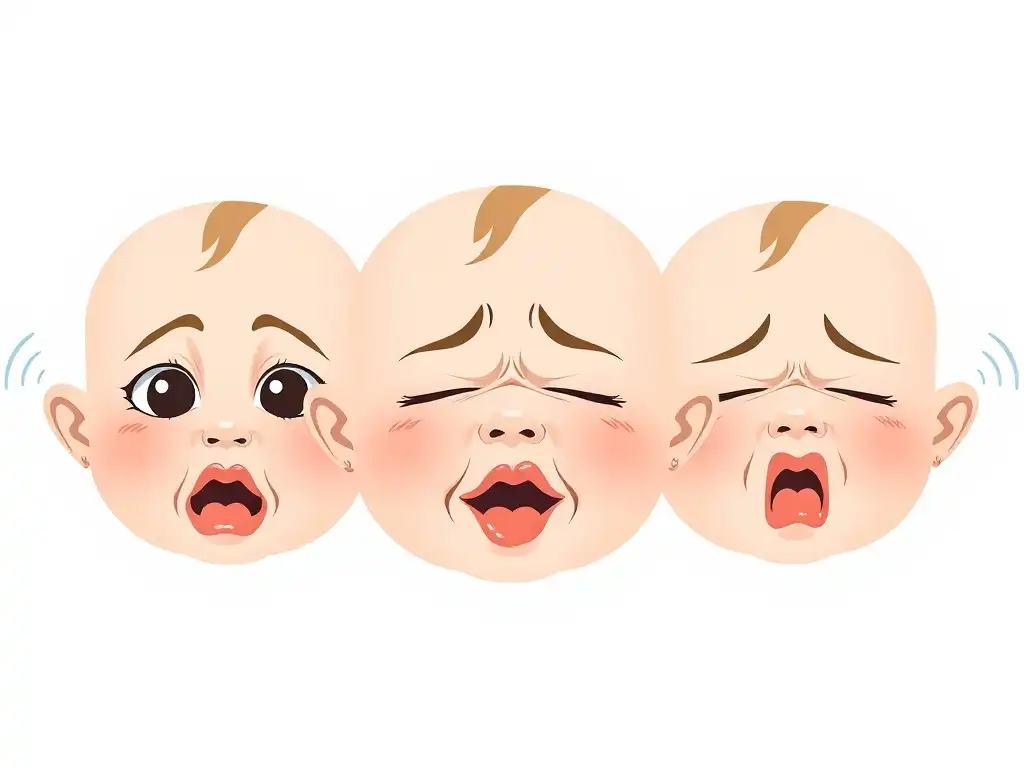
Understanding your baby's cries is a crucial skill for new parents. While a simple cry might indicate hunger, a more intense or prolonged cry could signal discomfort, pain, or another underlying issue. Learning to differentiate these sounds is key to providing appropriate and timely care. This section focuses on interpreting common cries and offering effective responses.
Mastering the art of deciphering your baby's cries can significantly reduce parental stress and improve your baby's overall well-being. Remember, consistency and patience are vital in this process. The more you interact with your baby, the better you'll become at recognizing their individual cues.
Soothing a Hungry Baby: Feeding Techniques and Strategies
A hungry baby's cry often starts subtly, perhaps with a whimper or a slight fussiness. It then intensifies and becomes more insistent as hunger pangs increase. The cry is usually rhythmic and relatively high-pitched. Recognizing these early hunger cues is crucial for preventing excessive crying and ensuring your baby receives timely nourishment.
Here are some effective feeding techniques and strategies:
- Burping frequently: Air trapped in your baby's stomach can cause discomfort and lead to crying. Burp your baby during and after feeding to alleviate this.
- Proper latch: Ensure your baby has a proper latch during breastfeeding or bottle-feeding to prevent nipple confusion and ensure effective feeding.
- Different feeding positions: Experiment with different positions to see what works best for both you and your baby. This might help with gas or discomfort.
- Pacifier use: A pacifier can soothe a hungry baby, especially if feeding is not immediately available. However, avoid overuse as it can interfere with breastfeeding.
- Observe feeding cues: Pay attention to subtle cues like rooting (turning the head and opening the mouth), sucking motions, and hand-to-mouth movements. These are early signs of hunger.
| Feeding Method | Advantages | Disadvantages | Considerations |
|---|---|---|---|
| Breastfeeding | Builds immunity, bonding benefits | Requires frequent feedings, challenging for some mothers | Ensure proper latch, maintain milk supply |
| Bottle-feeding | Convenient, allows for sharing feeding responsibilities | Can lead to nipple confusion, potential for overfeeding | Choose appropriate formula, sterilize bottles |
Remember, a hungry baby will often calm down almost immediately after feeding. If the crying persists after feeding, it's important to consider other potential causes.
Comforting a Baby in Pain: First Aid and Medical Advice
A baby crying in pain often exhibits a different type of cry than a hungry or tired baby. The cry is usually more intense, higher-pitched, and accompanied by other signs such as facial contortions, clenched fists, and arched back. It's crucial to act swiftly and effectively in these situations.
- Identifying the source of pain: Try to determine the source of your baby's pain. Is it a diaper rash, gas, or something more serious? Carefully examine your baby for any signs of injury or illness.
- First Aid Measures: For minor injuries like small cuts or scrapes, clean the area with mild soap and water and apply a thin layer of antibiotic ointment.
- Gas Relief: Gentle tummy massage or bicycling the baby's legs can sometimes help relieve gas pain.
- When to seek medical attention: If your baby's cry is accompanied by a fever, lethargy, vomiting, diarrhea, or any other concerning symptoms, seek medical attention immediately. Don't hesitate to contact your pediatrician or a healthcare professional. Trust your instincts; if something feels wrong, it's always best to err on the side of caution.
Important Note: This section provides general advice only. Always consult a medical professional for diagnosis and treatment of any health concerns.
Helping a Tired Baby Sleep: Establishing Healthy Sleep Habits
A tired baby's cry is often characterized by a drowsy, whining sound. They might rub their eyes, yawn frequently, and become increasingly fussy as their tiredness builds. Establishing healthy sleep habits from an early age is essential for both the baby's and the parents' well-being.
- Creating a consistent bedtime routine: A predictable bedtime routine signals to your baby that it's time to sleep. This could include a warm bath, a story, or a lullaby.
- Creating a conducive sleep environment: Ensure your baby's room is dark, quiet, and cool. A comfortable sleep sack or swaddle can also help.
- Responding to your baby's cues: Learn to recognize your baby's sleepy cues and put them down for a nap or bedtime before they become overly tired and fussy.
- Safe sleep practices: Always place your baby on their back to sleep on a firm, flat surface. Avoid using loose bedding or pillows.
Additional Tips for Soothing a Tired Baby
White noise, gentle rocking, or a pacifier can sometimes help a tired baby fall asleep. However, it's important to gradually wean them off these sleep aids to promote independent sleep.
By understanding the nuances of your baby’s cries and implementing these strategies, you can effectively address their needs and foster a stronger bond. Remember, every baby is unique, and what works for one might not work for another. Patience, observation, and a willingness to adapt are key to navigating this journey. Don't hesitate to seek support from other parents, family members, or healthcare professionals. You are not alone! 😴
Relieving Gas Pains: Effective Remedies and Techniques
Gas pains are a common source of infant crying, often characterized by arching of the back, drawing up of the legs, and a high-pitched cry. These cries are frequently accompanied by visible discomfort and restlessness. Infants' digestive systems are still developing, making them more susceptible to gas buildup. The good news is that several effective remedies and techniques can help soothe your little one and alleviate their discomfort.
One of the most effective techniques is the bicycle exercise. Gently move your baby's legs in a cycling motion, bringing their knees towards their chest and then extending them. This helps to massage the abdomen and stimulate gas expulsion. Remember to support your baby's head and neck throughout this process. You can repeat this exercise several times, pausing as needed. Often, you'll see immediate relief.
Another simple yet highly effective method is gentle tummy massage. Using a warm, gentle touch, massage your baby's tummy in a clockwise direction. This can help move gas through the digestive system. Use a light touch and avoid applying pressure. Many parents find that this calming routine not only relieves gas but also helps soothe their baby.
Warm baths can also provide significant comfort. The warmth helps to relax the abdominal muscles, easing the pressure from gas buildup. Ensure the water temperature is comfortably warm, not hot, and always supervise your baby closely during bath time. Adding a few drops of lavender essential oil (after checking for allergies, of course!) to the bath can further enhance the relaxing effect.
Dietary changes for breastfeeding mothers can also play a crucial role. Certain foods, such as dairy products, beans, and cruciferous vegetables, can contribute to gas production in babies. Eliminating or reducing these foods from your diet may significantly decrease your baby's gas problems. Keeping a food diary can be beneficial in identifying potential triggers.
Finally, remember that burping is essential, both during and after feedings. Frequent burping can help release trapped air and prevent gas buildup. Experiment with different burping positions to find what works best for your baby. Sometimes, a change in position can make all the difference. If gas pains persist despite trying these remedies, consult your pediatrician to rule out any underlying issues. They can offer further guidance and support. Remember, patience and consistency are key when dealing with infant gas.
Step 4: When to Seek Professional Help

This section focuses on discerning when a baby's crying warrants professional medical attention, differentiating between typical infant fussiness and potentially serious underlying conditions. Understanding the nuances of baby crying sounds meaning is crucial for responsible parenting, but knowing your limits is equally important. Ignoring potential warning signs can have serious consequences, so learning to recognize them is a vital skill for new parents.
Distinguishing Between Normal Crying and Serious Issues
It's normal for babies to cry; it's their primary way of communicating needs. However, the type of cry, its intensity, and the accompanying symptoms can indicate something more serious. Normal crying often involves a rhythmic pattern, punctuated by pauses for breaths. The baby might cry for a specific reason like hunger, discomfort, or tiredness, and this usually responds to soothing measures.
On the other hand, a high-pitched, shrill cry that's prolonged and inconsolable can be a warning sign. Other red flags include:
- Lethargy: Unusual sleepiness or unresponsiveness.
- Fever: A temperature above 100.4°F (38°C) rectally.
- Vomiting or Diarrhea: Excessive vomiting or watery diarrhea.
- Difficulty Breathing: Rapid, shallow breathing; grunting; flaring nostrils.
- Changes in Skin Color: Pale, bluish, or mottled skin.
- Bulging Fontanelle: The soft spot on the baby's head bulging outward.
- Seizures: Uncontrolled shaking or jerking movements.
- Refusal to Feed: Persistent unwillingness to nurse or take a bottle.
A simple checklist can help you assess the situation:
| Symptom | Normal Crying | Concerning |
|---|---|---|
| Cry Sound | Rhythmic, with pauses | High-pitched, shrill, continuous, strained |
| Responsiveness to Soothing | Responds to feeding, burping, cuddling | Unresponsive to soothing attempts |
| Activity Level | Normal activity between crying episodes | Lethargy, unusual sleepiness, inactivity |
| Feeding | Eats normally | Refusal to feed, poor feeding |
| Bowel Movements | Normal bowel movements | Diarrhea, constipation |
| Temperature | Normal temperature | Fever (above 100.4°F or 38°C rectally) |
| Breathing | Normal breathing | Difficulty breathing, rapid breathing, grunting |
Remember, this table is for guidance only. Always err on the side of caution.
Knowing When to Contact Your Pediatrician or Healthcare Provider
If you're unsure whether your baby's crying warrants immediate medical attention, it's always best to err on the side of caution and contact your pediatrician or healthcare provider. Even if the crying seems "normal," but you have concerns, don't hesitate to reach out. They can offer valuable advice and reassurance. Consider contacting them if:
- Your baby's crying pattern changes significantly.
- Your baby is inconsolable for extended periods.
- You notice any of the concerning symptoms listed above, even if mild.
- You're feeling overwhelmed and unsure how to handle the situation. Seeking support is crucial for both you and your baby's well-being.
Early intervention is key to addressing potential health issues. Don't wait for the situation to worsen. Your pediatrician is there to provide guidance and support.
Emergency Situations Requiring Immediate Medical Attention
Certain situations require immediate medical attention. Dial emergency services immediately if your baby:
- Stops breathing or has difficulty breathing.
- Experiences a seizure.
- Has a high fever accompanied by lethargy or other concerning symptoms.
- Is unresponsive or limp.
- Shows signs of significant dehydration.
- Is injured severely.
In these emergency situations, every second counts. Don't delay seeking immediate medical help. The well-being of your baby is paramount. Knowing the signs of a true emergency and acting swiftly can make a significant difference. Remember, you are not alone; there are resources available to help you navigate these challenging situations. Trust your instincts, and seek help when needed. The peace of mind gained from knowing you've done everything possible for your baby is invaluable.
Beyond the Basics: Advanced Techniques for Understanding Baby Crying Sounds Meaning
This section delves deeper into deciphering your baby's cries, moving beyond simple hunger or discomfort interpretations. Understanding the nuances of infant communication requires observation, pattern recognition, and a touch of intuition. Successfully navigating this complex landscape will significantly improve your ability to respond effectively to your baby's needs, strengthening your bond and fostering a sense of security. Mastering these advanced techniques will empower you to become a more confident and attuned parent.
Tracking Baby's Crying Patterns: Identifying Trends and Triggers
Effectively understanding your baby's crying requires more than just listening to the sound; it necessitates tracking and analyzing crying patterns. Keep a baby cry journal! Note down the time of day, duration of the cry, the type of cry (high-pitched, low-pitched, etc. ), and any potential triggers you observe. This could include feeding times, diaper changes, sleep cycles, or even environmental factors such as noise levels or temperature changes.
For example, a baby who cries intensely around the same time each evening might be experiencing a predictable period of fussiness related to tiredness or overstimulation. Conversely, a sudden change in crying patterns could indicate a new discomfort or illness. By meticulously recording these details, you'll begin to identify recurring trends and predictable triggers. This systematic approach allows you to anticipate potential crying episodes and proactively address your baby's needs before they escalate into prolonged periods of distress. This proactive approach is essential for managing your baby's wellbeing and preventing unnecessary stress for both parent and child.
Consider using a simple table to track your observations:
| Date | Time | Cry Type | Duration (min) | Possible Trigger | Notes |
|---|---|---|---|---|---|
| Oct 26, 2023 | 6:00 PM | High-pitched | 20 | Tiredness | Fussy after playtime, rubbed eyes. |
| Oct 26, 2023 | 10:00 PM | Low-pitched | 10 | Hunger | Immediately calmed after feeding. |
| Oct 27, 2023 | 2:00 AM | Short, sharp | 5 | Gas | Passed gas after being burped. |
The more data you collect, the clearer the patterns will become, leading to a more profound understanding of your baby's individual communication style. Remember, consistency is key to successfully interpreting your baby's unique crying language.
Parental Intuition and Experience: Learning to Recognize Your Baby's Unique Cues
While tracking patterns is valuable, parental intuition plays a crucial role. As you spend more time with your baby, you'll develop an innate ability to recognize subtle cues beyond the obvious cries. This includes noticing slight changes in facial expressions, body language, and even the rhythm of their breathing. These subtle indicators can often precede a full-blown cry, giving you a head start in addressing their needs.
For instance, you might notice your baby becoming increasingly restless before a feeding, exhibiting subtle signs like sucking on their hands or turning their head towards your breast or bottle. Recognizing these early warning signs allows for timely intervention, potentially preventing a lengthy crying episode altogether. This enhanced awareness comes with experience, highlighting the importance of consistent engagement and attentive observation. Trust your instincts; your growing understanding of your baby's individual communication style will become increasingly reliable over time. This intuitive approach complements the data-driven pattern analysis, forming a comprehensive strategy for understanding your baby's needs.
Building a Strong Parent-Child Bond Through Effective Communication
Effective communication is paramount in fostering a strong parent-child bond. Successfully decoding your baby's cries is not merely about problem-solving; it's about building a secure and loving relationship. Responding promptly and sensitively to your baby's needs communicates that they are loved, understood, and valued. This consistent responsiveness fosters trust and security, laying the foundation for a healthy attachment.
Remember, even if you don't immediately pinpoint the cause of the cry, offering comfort and reassurance is essential. Holding your baby close, speaking in soothing tones, and providing gentle rocking or patting can all significantly reduce distress. These acts of physical and emotional comfort are as important as identifying the root cause of the cry.
They strengthen the bond between parent and child, building a foundation of mutual trust and understanding. This nurturing approach is crucial for your baby's emotional development and your own sense of parental confidence. The process of understanding your baby's cries is a journey of mutual learning and growth, strengthening the unique bond you share.
Frequently Asked Questions
What are the different types of baby crying sounds?
Babies don't just cry; their cries vary. They can express hunger, discomfort, tiredness, or pain with distinct sounds. Learning to differentiate these is key to responding effectively.
How can I tell if my baby is crying because they are hungry?
A hungry cry is often rhythmic and characterized by a build-up of intensity. It may start softly and become more insistent. Consider offering a feed if you suspect hunger.
My baby is crying inconsolably. What should I do?
If your baby is crying inconsolably, try soothing techniques like swaddling, rocking, or skin-to-skin contact. If the crying persists, consult your pediatrician to rule out any underlying medical issues.
What does a high-pitched, sharp cry usually signify?
A high-pitched, sharp cry can indicate pain or discomfort. Check for obvious causes like a soiled diaper, a scratch, or an uncomfortable temperature. Seek medical attention if you're concerned.
When should I worry about my baby's crying?
You should seek medical advice if the crying is excessive, unresponsive to soothing, or accompanied by other symptoms like fever, lethargy, or vomiting. Trust your instincts and don't hesitate to contact your doctor.
Final Reflection: Understanding the Unspoken Language of Infants
The ability to decipher a baby's cry is not just a parental skill; it's a crucial element of building a secure and loving bond. Understanding the nuances of infant cries can significantly reduce parental stress and improve the overall well-being of both parent and child, leading to a more harmonious and responsive relationship. This knowledge empowers parents to provide timely and appropriate care, fostering a stronger connection from the very beginning.
The journey of parenthood is often fraught with uncertainty, and the seemingly endless stream of baby cries can be particularly overwhelming. Learning to interpret these cries, however, transforms this challenge into an opportunity for deeper understanding and connection. It's a process of learning a new language, one expressed not through words, but through subtle variations in pitch, rhythm, and intensity. The language of a baby is a cry, but the language of a parent is love.
This simple statement encapsulates the profound impact of responsive parenting, built upon the foundation of understanding the baby's communication.
Now, consider the cries you've heard, the patterns you've noticed, and the ways you've responded. Reflect on how this newfound knowledge can inform your interactions with your little one, or with the infants in your life. Take a moment to appreciate the intricate communication happening between parent and child, a silent dialogue built on love, patience, and the ever-evolving understanding of a baby's needs. Embrace this journey of learning and connection, for it is in these quiet moments of understanding that the strongest bonds are formed.
Unlock Your Baby's Language: Decode Those Cries Today!
Thank you for taking the time to learn more about understanding your baby's cries! We hope this guide has provided valuable tools to navigate those precious (and sometimes challenging!) moments. Now, let's put that knowledge into practice:
- Understand different cries: Download our comprehensive guide on BabyCareHub.org to confidently decipher your baby's needs and respond effectively, strengthening your bond. The guide provides detailed explanations and examples of various cries.
- Share your experiences: Connect with other parents in our BabyCareHub community forum to exchange tips and tricks for understanding baby cries. Learning from each other's experiences is invaluable.
- Practice with our interactive cry simulator: Sharpen your skills with our fun, educational simulator. It's a great way to practice identifying different cries and build your confidence in responding appropriately.
What's the first cry you'll confidently decode using these new skills? We'd love to hear about it in the comments below!