
Baby Water Safety and Allergies: What to Watch Out For

Welcome to BabyCareHub, your ultimate guide to navigating the incredible journey of parenthood. Are you ready to confidently tackle the challenges and joys of raising your little one? We understand that the first year is filled with questions, and we’re here to provide clear, concise answers. Discover crucial information on everything from establishing healthy sleep routines to understanding potential baby water safety allergies – a topic explored in detail in our comprehensive Health & Safety section. Dive in and unlock the secrets to a smoother, more confident parenting experience.
-
Understanding Baby Water Safety Risks and Allergies
- Drowning Prevention: A Parent's Guide to Safe Bathing Practices
- Pool Safety for Infants and Toddlers: Avoiding Accidents Near Water
- Identifying Allergic Reactions in Babies Near Water: Recognizing the Signs
- Common Water-Related Allergens: List of common allergens
- First Aid for Water-Related Allergic Reactions in Babies
- Baby Swimming Safety and Allergies
- Water Safety and Allergies at Home
- Seeking Professional Advice: Pediatricians and Allergists
- Creating a Safe Water Environment for Your Baby
- Frequently Asked Questions
- Final Reflection: A Ripple of Protection: Ensuring Safe Splashes for Little Ones
- Dive Deeper into Safe Splash Time!
Understanding Baby Water Safety Risks and Allergies
Navigating the world of parenthood presents countless joys, but also significant responsibilities, especially when it comes to your baby's health and safety. This article focuses on two crucial areas often overlooked by new parents: baby water safety and the potential for allergic reactions near water. We'll explore practical strategies for preventing accidents and recognizing the signs of allergic reactions, empowering you to create a safe and healthy environment for your little one.
Understanding these risks is a critical step in ensuring your baby thrives, and this comprehensive guide will provide you with the knowledge and confidence to proactively address potential hazards. The information provided here is designed to supplement, not replace, professional medical advice. Always consult with your pediatrician or other qualified healthcare professional for any concerns regarding your baby's health.
Drowning Prevention: A Parent's Guide to Safe Bathing Practices
Drowning is a silent killer, and even a few inches of water can pose a significant risk to infants and toddlers. Never leave your baby unattended in the bath, even for a second. Consider using a non-slip bath mat to prevent slips and falls. Always keep bath toys and other items out of reach to avoid creating distractions.
The temperature of the bath water should be carefully checked – ideally, between 98.6°F (37°C) and 100°F (38°C) – to prevent burns. Before draining the bath, always ensure the plug is securely in place. After the bath, thoroughly dry your baby's skin, paying special attention to skin folds to prevent diaper rash. Remember, constant supervision is key!
A few seconds of inattention could have devastating consequences. Practice makes perfect – establish a consistent routine for bath time to minimize distractions and maximize safety. Consider using a baby bath support for extra security, especially with newborns.
Pool Safety for Infants and Toddlers: Avoiding Accidents Near Water
Pools present a significant drowning risk for young children. Even shallow water can be deadly. Always supervise children closely around pools, never leaving them unattended, even for a moment. Install a four-sided fence around your pool, with self-closing and self-latching gates that are out of a child's reach. Pool alarms can provide an extra layer of security, alerting you to any unauthorized access. Teach older siblings about pool safety and the importance of supervising younger children.
Consider taking a CPR course to be prepared for emergencies. If you have a pool, ensure it's properly maintained and free of any hazards. Regularly check for debris or damaged equipment. Remember: "Pool safety is not a game, it's a life-saver." The consequences of negligence can be irreversible. Always prioritize safety over convenience.
Identifying Allergic Reactions in Babies Near Water: Recognizing the Signs
While less common, some babies may experience allergic reactions to substances found in water, such as chlorine or other chemicals used in pools or spas. These reactions can manifest in various ways, including skin rashes, hives, itching, redness, swelling, or difficulty breathing. If you suspect your baby has an allergic reaction near water, remove them from the source immediately and seek medical attention.
Keep a detailed record of any symptoms experienced and the circumstances under which they occurred. This information will be valuable for your pediatrician in diagnosing and treating the allergy. Early detection and intervention are crucial in managing allergic reactions.
Remember to always communicate with your pediatrician about any health concerns, including potential allergies. They can advise you on preventive measures and appropriate treatment plans, ensuring your baby's safety and well-being. Preventing exposure is the best method of mitigating allergic reactions – be aware of your baby’s environment and carefully observe them for any signs of discomfort.
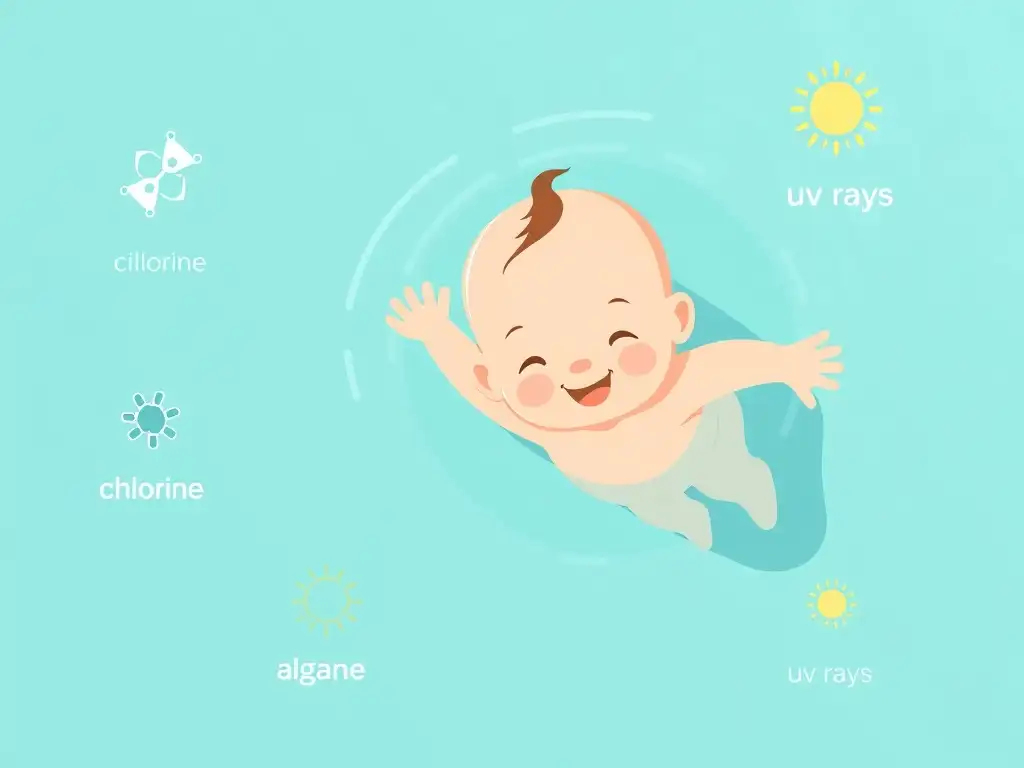
Exposure to water itself rarely causes allergic reactions in babies. However, substances found in or around water can trigger allergic responses. These allergens can be present in swimming pools, lakes, oceans, and even bathwater. Understanding these potential triggers is crucial for proactive baby water safety.
One significant concern is chlorine, a common disinfectant in swimming pools. Chlorine can irritate sensitive skin and cause allergic reactions in susceptible babies, manifesting as rashes, redness, or itching. The severity varies greatly depending on the baby's individual sensitivity and the concentration of chlorine. Some babies may only experience mild discomfort, while others might develop a more significant reaction requiring medical attention. It’s important to note that even seemingly well-maintained pools can contain chlorine levels that trigger allergic reactions in some infants.
Another potential allergen is pollen, which can be present in the air and settle in water. Babies, especially those with existing pollen allergies, may experience intensified symptoms when exposed to water containing pollen. This is particularly relevant for outdoor water activities like swimming in lakes or oceans. The concentration of pollen varies greatly depending on location, season, and weather conditions.
Certain algae and microorganisms found in natural bodies of water can also trigger allergic reactions. These reactions can manifest as skin rashes, hives, or even more severe symptoms, depending on the specific organism and the baby's sensitivity. It's essential to avoid swimming in water that appears visibly contaminated or has an unusual odor.
Finally, certain chemicals used in water treatment or found in recreational areas can also cause allergic reactions. These chemicals can vary widely and may not always be clearly identified. Always prioritize clean and well-maintained water sources for your baby's safety. Regularly check for advisories issued by local health authorities regarding water quality.
Responding quickly and appropriately to water-related allergic reactions in babies is critical. Early intervention can significantly reduce discomfort and prevent more severe complications. Knowing the signs of an allergic reaction is the first step. These can include:
- Skin rashes: Redness, itching, hives, or swelling of the skin.
- Respiratory symptoms: Wheezing, coughing, difficulty breathing.
- Gastrointestinal issues: Nausea, vomiting, diarrhea.
- Swelling: Swelling of the face, lips, tongue, or throat (anaphylaxis – a severe, life-threatening allergic reaction).
If you suspect your baby is experiencing a water-related allergic reaction, follow these steps:
- Remove the allergen: Immediately remove your baby from the water or the source of the allergen. If it’s a swimming pool, gently and quickly take your baby out.
- Rinse thoroughly: Gently rinse your baby's skin with clean, lukewarm water to remove any remaining allergens. Avoid harsh scrubbing.
- Administer antihistamine (if applicable): If your baby has a history of allergies and you have a pediatrician-approved antihistamine, administer the appropriate dose as directed. Always consult your pediatrician before giving any medication to your baby.
- Monitor vital signs: Keep a close eye on your baby's breathing, heart rate, and overall condition.
- Seek medical attention: If the reaction is severe (difficulty breathing, swelling of the face or throat, loss of consciousness), or if symptoms don't improve after rinsing and administering antihistamines, seek immediate medical attention. Do not hesitate to call emergency services.
Remember, prevention is key. By understanding common water-related allergens and taking appropriate precautions, you can significantly reduce the risk of allergic reactions in your baby. Always prioritize clean water sources and be aware of potential allergens in the environment. Consistent monitoring and prompt action are crucial in ensuring your baby's safety and well-being. 👶💦
Baby Swimming Safety and Allergies
This section focuses on the intersection of baby swimming safety and allergies, providing practical advice for parents concerned about their child's well-being in and around water. We'll delve into safe swimming practices, appropriate gear choices, and managing potential allergic reactions. Remember, always consult your pediatrician before introducing your baby to swimming, especially if they have known allergies.
Safe Swimming Practices for Babies with Allergies
Introducing your baby to water is an exciting milestone, but extra precautions are necessary if your little one has allergies. The risk of allergic reactions can be heightened by exposure to various environmental factors found near water, such as pollen, certain plants, or even chemicals in pool water.
First and foremost, constant supervision is paramount. Never leave your baby unattended near water, even for a second. This applies to bathtubs, pools, lakes, or any body of water. A dedicated adult should always be within arm's reach.
Secondly, consider the environment. Avoid swimming in areas with high pollen counts or known allergens. If your baby has a known allergy to chlorine, consider swimming in a chlorine-free pool or a natural body of water, but always check the water quality beforehand. Natural bodies of water present different risks, including potential exposure to bacteria, algae, and other irritants. Careful consideration should be given to these risks.
Finally, keep a close eye on your baby's skin. After swimming, thoroughly rinse your baby's skin with fresh water to remove any chlorine, pollen, or other irritants. Look for signs of allergic reactions such as rashes, hives, itching, swelling, or difficulty breathing. If you notice any of these symptoms, remove your baby from the water immediately and seek medical attention.
Choosing the Right Swimming Gear for Allergic Babies
The right swimming gear can significantly enhance your baby's safety and comfort while mitigating potential allergic reactions. Selecting hypoallergenic materials is crucial.
When choosing a swimsuit, opt for soft, breathable fabrics made from natural fibers like cotton or hypoallergenic synthetics. Avoid rough textures or materials that may irritate sensitive skin. Similarly, avoid brightly colored swimsuits, as some dyes can trigger allergic reactions.
For sun protection, choose a broad-spectrum, hypoallergenic sunscreen with a high SPF. Apply it liberally and reapply frequently, especially after swimming. Consider a rash guard or swim shirt for added sun protection and to minimize direct skin contact with water. Remember to check the ingredients for any potential allergens.
Finally, consider using hypoallergenic swim diapers. These are designed to prevent leaks and contain irritants, minimizing the risk of skin irritation. Regularly change the diaper to keep your baby clean and comfortable.
Managing Allergic Reactions During and After Swimming
Being prepared for a potential allergic reaction is vital. Having a comprehensive plan in place can make all the difference.
Before heading to the pool or beach, pack an emergency kit. This should include your baby's prescribed allergy medication (e.g., epinephrine auto-injector), antihistamines, and a detailed allergy action plan from your pediatrician. Also include a first-aid kit with items such as antiseptic wipes and bandages.
During swimming, monitor your baby closely for any signs of an allergic reaction. These can include hives, itching, swelling, difficulty breathing, or a sudden drop in blood pressure. If you suspect an allergic reaction, immediately remove your baby from the water and administer their prescribed medication as directed by your doctor. Seek immediate medical attention if the reaction is severe or doesn't improve.
After swimming, thoroughly rinse your baby's skin with fresh water and apply a hypoallergenic moisturizer to help soothe and protect the skin. Continue to monitor for any signs of allergic reactions and contact your pediatrician if you have any concerns. Remember, prevention and preparedness are key to ensuring a safe and enjoyable swimming experience for your allergic baby. Always prioritize your baby's safety and health.
Preventing Cross-Contamination of Allergens in Swimming Pools
Preventing cross-contamination of allergens in swimming pools is crucial for babies and toddlers with allergies. While chlorine in pools helps disinfect the water, it doesn't eliminate all allergens. Traces of allergens, like pollen, pet dander, or food particles, can persist and cause reactions in sensitive individuals. Therefore, meticulous hygiene practices are essential.
One significant step is to ensure your baby is thoroughly rinsed before entering the pool. This helps remove any allergens present on their skin from lotions, powders, or even airborne particles that may have settled. Furthermore, consider the timing of your pool visit. Pollen counts are typically higher during certain times of the day and year, so swimming during low-pollen periods might reduce exposure. Consult your local pollen forecast for optimal planning.
The choice of swimwear also matters. Opt for swimwear made from materials that are easily washed and dried to prevent allergen build-up. Avoid fabrics that trap moisture, as this can create a breeding ground for allergens. After swimming, immediately change your baby into clean, dry clothes to prevent prolonged skin contact with wet swimwear, which might still contain residual allergens.
It's also important to be mindful of what you bring poolside. Avoid bringing foods known to trigger your baby's allergies, as even small particles can become airborne and contaminate the pool environment. Similarly, keep pets away from the pool area to minimize the risk of pet dander contamination. Regularly cleaning pool toys and other items your baby uses around the pool can also help prevent allergen buildup.
Finally, remember to thoroughly wash your hands before and after handling your baby, especially after touching anything that might be contaminated with allergens. This simple act significantly reduces the risk of transferring allergens to your baby's skin. If your baby exhibits any signs of an allergic reaction after swimming, such as rashes, itching, or difficulty breathing, seek medical attention immediately. Proactive measures and careful attention to hygiene can significantly minimize the risks associated with allergen exposure in swimming pools.
Water Safety and Allergies at Home
This section focuses on mitigating water safety risks and potential allergic reactions in your home environment, specifically during bath time. We'll explore practical steps to ensure your baby's safety and well-being while minimizing exposure to allergens. Remember, always consult your pediatrician for personalized advice regarding your baby's specific allergies and sensitivities. This information is for educational purposes only and should not replace professional medical guidance.
Bath Time Safety for Babies with Allergies
Bath time is a crucial part of your baby's routine, offering a chance for hygiene and bonding. However, for babies with allergies, it presents unique challenges. The key is to minimize exposure to potential irritants and allergens. This includes carefully selecting bath products, ensuring the water temperature is correct, and maintaining a clean bathing environment.
The temperature of the bathwater is paramount. Too hot can scald, while too cold can lead to discomfort and chilling. Always test the water with your elbow or wrist before placing your baby in the tub—it should feel lukewarm, not hot. A thermometer specifically designed for baby baths can provide an extra layer of precision.
Furthermore, consider the frequency of baths. Daily bathing isn't always necessary, especially for babies with sensitive skin. Over-bathing can strip the skin of its natural oils, leading to dryness and irritation, exacerbating existing allergies. Two to three times a week might suffice for most infants, unless otherwise advised by your pediatrician. For babies with eczema or other skin conditions, even less frequent bathing might be recommended.
Preventing Allergic Reactions During Bath Time
Preventing allergic reactions during bath time requires careful attention to detail and proactive measures. The most common culprits are bath products containing fragrances, dyes, and harsh chemicals. Opt for fragrance-free, hypoallergenic baby wash and shampoo. Look for products specifically labeled as "hypoallergenic" or "for sensitive skin." These formulations typically contain fewer potential irritants.
Common Bath Product Allergens to Avoid:
- Fragrances (artificial and natural)
- Dyes
- Parabens
- Sulfates (SLS and SLES)
- Formaldehyde
- Certain essential oils (e.g., lavender, tea tree)
Always perform a patch test before using a new product on your baby's entire body. Apply a small amount to a less sensitive area, like the inner arm, and wait 24 hours to observe any reaction. If redness, swelling, or itching occurs, discontinue use immediately. Remember to thoroughly rinse your baby's skin after washing to remove any residual product.
Safe Use of Baby Products in the Bath
The selection and use of baby products during bath time are vital for preventing allergic reactions. Read labels carefully, paying close attention to ingredient lists. Choose products specifically formulated for babies with sensitive skin or those prone to allergies. The simpler the ingredient list, the better.
| Product Type | Safety Considerations | Allergen Concerns |
|---|---|---|
| Baby Wash/Shampoo | Choose fragrance-free, hypoallergenic options. Perform a patch test before first use. | Fragrances, dyes, sulfates, parabens |
| Baby Lotion/Cream | Apply sparingly, focusing on dry areas. Avoid application to irritated or broken skin. | Fragrances, dyes, preservatives |
| Baby Oil | Use sparingly; excess oil can clog pores. Choose mineral oil-based options for sensitive skin. | Fragrances, additives |
Beyond products, consider the cleanliness of your bath equipment. Thoroughly clean the bathtub and any bath toys regularly to eliminate potential sources of allergens and bacteria. Mold and mildew can be significant irritants for babies with sensitive skin. Regular cleaning and drying of the bathtub will help to prevent these issues. Remember to always supervise your baby closely during bath time, even for a moment. Drowning is a serious risk, even in shallow water. A few seconds of inattention can have devastating consequences. Prioritize safety above all else.
Cleaning and Maintaining Baby's Bath Area
Maintaining a clean and hygienic bath area is crucial for preventing infections and allergies in your baby. A thorough cleaning routine should be established from the very first bath. This isn't just about preventing the spread of germs; it also helps to minimize the risk of allergic reactions triggered by residue from soaps, shampoos, or cleaning products.
Firstly, before each bath, ensure the bathtub or basin is thoroughly rinsed with clean water. This removes any lingering soap scum or previous bath products which could irritate your baby's sensitive skin. Pay particular attention to crevices and corners where residue tends to accumulate. A simple spray bottle filled with water can be helpful for this pre-bath rinse.
After each bath, the cleaning process becomes more involved. Use a mild, baby-friendly cleaner specifically designed for bathroom surfaces. Avoid harsh chemicals, bleach, and strong fragrances, as these can trigger allergic reactions or irritate your baby's respiratory system. Many natural cleaning solutions, such as diluted white vinegar or baking soda paste, are effective and gentle alternatives.
Thoroughly rinse the tub or basin after cleaning to remove all traces of the cleaning agent. This is exceptionally important to prevent any accidental contact with your baby's skin during subsequent baths. Leave the area to air dry completely, as standing water can breed bacteria and mold, contributing to a less hygienic environment and increasing the risk of allergies.
Finally, consider the surrounding environment. Regularly clean the floor around the bath area to prevent the buildup of moisture and mildew, which can also contribute to allergies and respiratory problems. A clean, dry environment is key to safeguarding your baby's health. Regularly check for any signs of mold or mildew and address them promptly using appropriate cleaning methods. Remember, prevention is always better than cure when it comes to maintaining a safe and healthy bath environment for your little one. 👶🧼
Seeking Professional Advice: Pediatricians and Allergists
Navigating the world of baby care, especially concerning water safety and allergies, can feel overwhelming for first-time parents. Seeking professional guidance is crucial for ensuring your little one's well-being. This section focuses on how to access and utilize the expertise of pediatricians and allergists to create a safe and healthy environment for your baby. Remember, proactive measures are key to preventing accidents and managing potential allergic reactions. Early intervention is often the most effective approach to addressing both water safety concerns and allergic sensitivities.
When to Consult a Pediatrician Regarding Water Safety and Allergies
Your pediatrician is your primary point of contact for all your baby's health concerns, including those related to water safety and allergies. Don't hesitate to schedule an appointment if you have any concerns, no matter how small they seem. Here are some specific scenarios where consulting your pediatrician is highly recommended:
- Near-drowning incidents: Even if your baby doesn't appear seriously injured after a near-drowning experience, immediate medical attention is vital. There can be unseen internal damage.
- Suspected allergic reactions: Any signs of an allergic reaction, such as skin rashes, breathing difficulties, swelling, or vomiting after exposure to a potential allergen (like certain soaps or pool chemicals), require immediate medical evaluation.
- Questions about water safety: If you're unsure about safe bathing practices, pool safety, or other water-related safety measures, your pediatrician can provide guidance tailored to your baby's age and development.
- Pre-existing conditions: If your baby has any pre-existing health conditions, such as eczema or asthma, discussing water safety precautions and potential allergen exposure with your pediatrician is paramount. These conditions can increase vulnerability.
- Concerns about bath products: Many baby bath products contain potential irritants. Consult your pediatrician if you notice any adverse reactions to specific bath products or soaps.
Remember, proactive communication with your pediatrician is essential. Don't wait for a problem to develop before seeking guidance. Regular checkups offer an opportunity to address concerns and receive personalized advice.
Finding a Qualified Allergist for Your Baby
If your baby shows signs of allergies, finding a board-certified allergist is crucial. Allergists specialize in diagnosing and managing allergic conditions. They can perform allergy tests to pinpoint specific allergens and develop a personalized treatment plan. Here's how to find a qualified allergist:
- Referral from your pediatrician: Your pediatrician can often refer you to a reputable allergist in your area. This is often the easiest and most effective approach.
- Online search: Use online directories to locate allergists in your area. Check reviews and credentials to ensure you choose a qualified professional.
- Hospital allergy clinics: Many hospitals have dedicated allergy clinics staffed by experienced allergists.
- Ask for recommendations: Talk to other parents and seek recommendations for allergists with experience treating infants and young children.
Finding the right allergist can make a significant difference in managing your baby's allergies. An experienced allergist can provide accurate diagnoses, create effective treatment plans, and offer valuable guidance on allergen avoidance strategies. This contributes significantly to your baby's overall health and well-being. Early intervention with an allergist can help minimize the impact of allergies on your child's life.
Developing a Personalized Safety Plan with Medical Professionals
Collaborating with your pediatrician and allergist is key to developing a comprehensive safety plan for your baby. This plan should address both water safety and allergy management. Here are some key elements to include:
| Element | Description | Actionable Steps |
|---|---|---|
| Water Safety Measures | Strategies to prevent drowning and other water-related accidents. | Install safety gates around pools, never leave baby unattended near water, enroll in infant swim lessons (when appropriate). |
| Allergen Identification | Pinpointing specific allergens that trigger reactions in your baby. | Work with the allergist to conduct allergy testing and identify potential triggers (foods, environmental elements, etc. ). |
| Allergy Management Plan | Detailed steps to take in case of an allergic reaction, including medication administration and emergency contact info. | Create a written plan outlining steps to take during a reaction, including dosages of prescribed medication and emergency contacts. |
| Regular Check-ups | Routine visits to monitor your baby's health and address any emerging concerns. | Schedule regular checkups with the pediatrician and allergist as recommended. |
| Education and Training | Learning about water safety and allergy management techniques. | Attend workshops, read relevant literature, and actively engage in discussions with medical professionals. |
This personalized approach ensures that your baby receives the best possible care, minimizing risks and maximizing their safety and well-being. Remember, proactive planning is your best defense against accidents and allergic reactions. Regular communication with your medical team will allow for adjustments to your plan as your baby grows and develops. 👶
Creating a Safe Water Environment for Your Baby
This section focuses on proactive measures to minimize water-related risks for your baby, encompassing both indoor and outdoor environments. Remember, even small amounts of water can pose a significant hazard to infants and toddlers. Prevention is key when it comes to baby water safety and allergies.
Baby-proofing Your Home for Water Safety
Baby-proofing your home against water hazards requires a multifaceted approach. It's not just about preventing drowning; it's about mitigating the risk of scalding, slips, and falls near water sources. Here’s a checklist:
- Bathroom Safety: Install childproof latches on all bathroom cabinets containing cleaning supplies and medications. Never leave your baby unattended near the bathtub, even for a moment. Consider using a non-slip bath mat and a faucet cover to prevent burns. Keep the toilet lid closed and consider a toilet lid lock.
- Kitchen Safety: Keep hot water temperatures below 120°F (49°C) to prevent scalding. This can often be adjusted at your water heater. Store cleaning products and other potentially harmful substances out of reach. Be vigilant about spills, immediately wiping up any liquid on the floor.
- Other Areas: Empty buckets and containers immediately after use. Never leave filled containers, such as vases or pet bowls, unattended. Secure any water features like decorative fountains. Teach older siblings about water safety and the importance of never leaving a baby unsupervised near water.
The key is consistent vigilance. Regularly check for potential hazards and adjust your safety measures as your baby grows and becomes more mobile. Regular safety checks are crucial for preventing accidents related to baby water safety and allergies.
Securing Pools and Other Water Features
If you have a pool, spa, or other water features on your property, ensuring their safety is paramount. Even shallow water can be dangerous for babies and toddlers.
- Pool Fencing: Install a four-sided fence at least four feet high around your pool, with a self-closing and self-latching gate. This is a critical step in preventing accidental access. Regularly check the gate mechanism to ensure it's functioning correctly.
- Pool Alarms: Consider installing a pool alarm that sounds when someone enters the water. These alarms can provide an extra layer of security.
- Spa Covers: Always use a securely fastened cover on your spa or hot tub when not in use. This prevents accidental falls and drowning.
- Other Water Features: Similarly, secure any other water features, such as ponds or decorative fountains, with appropriate barriers or covers. Remember, even a small pond can be a serious hazard for a curious baby.
Remember, diligent supervision is always necessary, even with safety measures in place. No amount of safety equipment can completely replace constant adult supervision. This is particularly important when addressing baby water safety and allergies, as reactions can occur near water.
Educating Caregivers About Baby Water Safety and Allergies
Educating everyone who cares for your baby about water safety is crucial. This includes family members, babysitters, and anyone else who might be responsible for your baby's care.
- CPR Training: Learning infant CPR is essential. Knowing how to respond in an emergency can significantly improve the outcome of a water-related incident.
- Water Safety Awareness: Discuss water safety procedures with all caregivers, emphasizing the importance of constant supervision near any water source, no matter how shallow.
- Allergy Awareness: If your baby has allergies, make sure all caregivers are aware of the allergens and any potential reactions near water, such as eczema flare-ups from chlorine or other irritants. Have an action plan ready in case of an allergic reaction.
- Emergency Contact Information: Ensure all caregivers have readily accessible emergency contact information, including your phone number, the address, and the number of your pediatrician or local emergency services.
By proactively educating caregivers and implementing robust safety measures, you can significantly reduce the risk of water-related accidents and allergic reactions, contributing to a safer environment for your baby. This holistic approach to baby water safety and allergies is vital for peace of mind.
Frequently Asked Questions
What are common water safety concerns for babies?
Babies can drown in very shallow water; even a few inches. Constant supervision is crucial, and never leave a baby unattended near water, even for a second. Enroll in infant swimming lessons to help familiarize them with water.
How can I prevent my baby from developing allergies?
There's no guaranteed way to prevent allergies, but breastfeeding for at least six months can reduce the risk. Introduce potential allergens one at a time, starting around six months, and monitor for reactions. Consult your pediatrician for personalized guidance.
Symptoms can include diarrhea, vomiting, and fever. If your baby shows any signs of illness after swimming, contact your doctor immediately. Proper hygiene after swimming is vital to prevent infections.
While not directly caused by water, skin irritations from chlorine or other chemicals in pools can occur. Certain allergens in the water environment can also trigger reactions in sensitive babies. Use gentle, hypoallergenic cleansers.
How do I know if my baby has an allergy to something in the water?
Look for signs like rashes, hives, or swelling after water exposure. If you suspect an allergy, keep a detailed record of symptoms and exposures. Consult your pediatrician or an allergist for diagnosis and treatment.
Final Reflection: A Ripple of Protection: Ensuring Safe Splashes for Little Ones
The innocent joy of a baby splashing in water is a cherished moment, but it's crucial to remember that even seemingly harmless activities can pose significant risks. Ignoring water safety precautions and potential allergic reactions can have devastating consequences, highlighting the urgent need for informed and proactive parenting.
The pervasive nature of allergies in our modern world, coupled with the inherent dangers of water for young children, creates a complex landscape of parental responsibility. We must remain vigilant, educating ourselves and others on the signs and symptoms of both water-related hazards and allergic reactions. The best way to predict the future is to create it,
and by arming ourselves with knowledge, we can create a safer future for our children. This isn't just about avoiding accidents; it's about fostering a culture of awareness and preparedness that extends beyond the immediate family, influencing how we approach water safety and allergy management in our communities.
Now, consider your own approach to water safety and allergy awareness. Are you equipped to handle potential emergencies? Do you know the signs of a serious allergic reaction? Take a moment to review the information presented in this article, and actively seek out additional resources to further your understanding. Your vigilance is not just a precaution; it's an act of love, ensuring your little one's safety and fostering their healthy development. Let's make every splash a safe and joyful experience.
Dive Deeper into Safe Splash Time!
Thank you for learning about water safety and allergies for your child! We hope this information helps you create a fun and secure environment. Now, let's put this knowledge into action:
- Prioritize a CPR and Water Safety Course: This is crucial for ensuring your child's safety around water. Enroll in a course today – your peace of mind is invaluable.
- Prepare your child's water safety kit: Ensure you have all the necessary equipment, including a properly fitted life vest for boating, sunscreen, and readily-available first aid supplies.
- Share this vital information: Spread awareness by sharing this article with other parents and caregivers – you could save a life!
What water safety measure will you implement today to keep your child safe and happy?