
Gentle Sleep Training: Demystifying Common Sleep Training Myths


Welcome to BabyCareHub, your ultimate guide to navigating the beautiful, yet sometimes bewildering, world of parenthood. Are you ready to unravel the mysteries surrounding your little one's sleep? We're diving headfirst into the often-confusing realm of gentle newborn sleep training, debunking common myths and empowering you with practical, evidence-based strategies.
Discover the truth behind popular sleep training methods and learn how to create a peaceful and restorative sleep environment for both you and your baby. Let's embark on this journey together—read on to explore the surprising realities of gentle newborn sleep training myths and unlock the secrets to sweeter dreams!
- Understanding Gentle Sleep Training Methods for Newborns
- Debunking Common Myths about Gentle Newborn Sleep Training
- Practical Tips for Gentle Newborn Sleep Training Success
- When to Seek Professional Help for Sleep Issues in Newborns
- Long-Term Benefits of Gentle Sleep Training
-
Frequently Asked Questions
- What is gentle sleep training, and how does it differ from other methods?
- Is it true that gentle sleep training doesn't work?
- My baby is still waking frequently after gentle sleep training; what should I do?
- Does gentle sleep training mean ignoring my baby's cries completely?
- When is the best time to start gentle sleep training?
- Final Reflection: Nurturing Sleep, Nurturing Growth
- Unlock Your Baby's Sleep Potential Now!
Understanding Gentle Sleep Training Methods for Newborns
Gentle newborn sleep training is a holistic approach focused on establishing healthy sleep habits in infants without resorting to methods that might be perceived as harsh or overly controlling. This approach prioritizes the baby's emotional well-being and fosters a secure attachment between parent and child, while simultaneously guiding them towards independent sleep. Unlike methods that involve letting a baby cry it out, gentle sleep training emphasizes responsiveness and gradual independence.
This article will delve into common misconceptions surrounding gentle sleep training, clarifying the key principles and highlighting how it differs from other methods. Understanding these nuances is crucial for new parents seeking to establish healthy sleep patterns for their newborns while nurturing their emotional development. We'll explore the benefits of this approach and debunk some prevalent myths that often deter parents from embracing this nurturing path towards better sleep for both baby and parent.
What is Gentle Sleep Training? A Definition and Approach
Gentle sleep training, at its core, focuses on teaching your baby to self-soothe and fall asleep independently, but in a way that respects their needs and emotional state. This isn't about ignoring your baby's cries; instead, it involves responding to their cues and providing comfort and reassurance while gradually reducing the level of intervention needed to help them fall asleep. The goal is to create a positive association with sleep, building confidence and independence.
This approach often involves establishing a consistent bedtime routine, creating a conducive sleep environment, and using techniques such as feeding to sleep (gradually weaned), rocking or cuddling to calm, and offering comfort objects like a favorite stuffed animal. The emphasis is on nurturing and supportive guidance rather than strict, regimented schedules.
Remember, every baby is unique, and finding the right approach requires patience, observation, and flexibility. The process might involve trial and error to find what works best for your little one.
Key Principles of Gentle Sleep Training for Babies
Several core principles underpin effective gentle sleep training. These include:
- Responsiveness: Paying close attention to your baby's cues, such as fussing, crying, or stretching. Responding promptly helps build trust and security.
- Consistency: Establishing a predictable bedtime routine and sticking to it as much as possible helps regulate your baby's internal clock and promotes better sleep.
- Positive Reinforcement: Rewarding positive sleep behaviors, such as staying in their crib longer without fussing, through praise and cuddles.
- Gradual Weaning: Slowly reducing reliance on sleep aids such as rocking or feeding to sleep. This prevents sudden disruptions to your baby's sleep patterns.
- Creating a Conducive Sleep Environment: Ensuring a dark, quiet, and cool room with comfortable bedding.
Following these principles helps create a positive and supportive environment for your baby to learn healthy sleep habits. It's crucial to remember that this is a journey, not a race, and progress will vary from baby to baby. Patience and understanding are key ingredients for success. Furthermore, monitoring your baby's developmental milestones and adjusting your approach as needed is essential. This might involve consulting a pediatrician or sleep consultant for personalized guidance.
Differentiating Gentle Sleep Training from Other Methods
Gentle sleep training stands in stark contrast to methods that prioritize letting a baby cry it out (CIO). While CIO advocates for allowing the baby to self-soothe by crying uninterrupted, gentle sleep training focuses on providing comfort and reassurance while gradually promoting independence. This difference is fundamental. Gentle methods prioritize the parent-child bond and aim to build a trusting relationship, while CIO methods prioritize establishing a sleep schedule with minimal parental intervention, sometimes leading to increased stress for both the baby and the parent.
The choice of method is personal and should be informed by your family values and your baby's temperament. Understanding the differences allows you to make an informed decision that aligns with your parenting philosophy and meets your baby's unique needs. Remember that expert consultation can provide invaluable support in choosing the right sleep training approach.
Debunking Common Myths about Gentle Newborn Sleep Training

Gentle sleep training is a popular approach for establishing healthy sleep habits in infants, focusing on gradual changes and parental responsiveness. However, several misconceptions surround this method, leading parents to hesitate or abandon it prematurely. Let's dispel some common myths and reveal the truth behind gentle newborn sleep training.
Myth 1: Gentle Sleep Training Takes Too Long
Many parents believe that gentle sleep training is a lengthy process, stretching over weeks or even months. This misconception stems from a comparison with more intensive methods, which often prioritize rapid results. While gentle sleep training requires patience and consistency, the timeline isn't necessarily longer. The key is to understand that progress, not immediate perfection, is the goal.
Small, incremental changes are introduced gradually, allowing the baby time to adjust and reducing the potential for stress and setbacks. For instance, extending wake windows by 15 minutes every few days, rather than abruptly increasing them, promotes a smoother transition. This measured approach minimizes disruption to the baby's routine and reduces the likelihood of regression. While it might not yield instant results like cry-it-out methods, the long-term benefits – a well-rested baby and a less stressed parent – are significant.
The focus shifts from speed to sustainable, healthy sleep habits. Studies on gentle sleep training methods show that consistent application over a few weeks often yields positive results, comparable to other methods in terms of overall sleep improvement. The perceived length is often subjective and influenced by parental expectations.
Myth 2: My Baby Will Cry It Out With Gentle Methods
A common fear associated with gentle sleep training is that the baby will still cry excessively. This is a misunderstanding of the core principles of gentle methods. The aim isn't to eliminate crying altogether—some level of fussiness is normal, especially during the transition phase. However, unlike cry-it-out methods, gentle techniques prioritize responding to the baby's needs, offering comfort and reassurance.
Techniques like the Ferber method or the pick-up-put-down method involve checking on the baby at increasing intervals, providing comfort without fully picking them up. This approach teaches the baby self-soothing skills while ensuring they don't feel abandoned. The amount of crying is significantly less compared to methods that advocate for letting the baby cry it out. The goal is to gradually reduce parental intervention, not eliminate it entirely.
The emphasis is on building trust and security, creating a positive association with sleep. This approach leads to less crying in the long run and fosters a stronger parent-child bond. The data shows that babies in gentle sleep training programs cry less cumulatively than those in extinction-based methods.
Myth 3: Gentle Sleep Training Doesn't Work for All Babies
Some parents believe that gentle sleep training is ineffective for certain babies, perhaps those with specific temperaments or health conditions. While individual needs vary, the premise that gentle methods are universally ineffective is inaccurate. The success of gentle sleep training often depends on consistent application and adaptation to the individual baby's cues.
A flexible approach is essential. What works for one baby might not work for another. Parents should be prepared to adjust their strategies based on the baby's responses. For instance, a baby who is particularly sensitive might benefit from more frequent check-ins or a slower pace of change. Factors such as medical conditions, developmental delays, or underlying anxieties should be addressed before initiating any sleep training program.
Consulting a pediatrician or a sleep consultant can provide personalized guidance. The myth of universal ineffectiveness stems from a lack of understanding of adaptability within the gentle sleep training framework. With careful observation, patience, and appropriate adjustments, gentle sleep training can be effective for a wide range of babies. The key is personalization and responsiveness.
Myth 4: You'll Spoil Your Baby With Gentle Sleep Training
Many parents worry that responding to their baby's cries during gentle sleep training will "spoil" them. This is a common misconception. In reality, responding to your baby's needs, especially in their early months, helps build a secure attachment. A securely attached baby feels safe and understood, which can actually contribute to better sleep in the long run.
Think of it this way: a consistently met need is less likely to become a demanding cry for attention. Ignoring a baby's cries, on the other hand, can lead to feelings of insecurity and anxiety, potentially making sleep difficulties worse. Gentle sleep training focuses on teaching your baby self-soothing techniques while providing comfort and reassurance. This approach fosters independence without sacrificing the crucial bond between parent and child.
It's about teaching, not ignoring. A spoiled child is often associated with demanding behavior stemming from unmet needs, not from consistent, loving care and responsiveness. In short, responding to your baby's cues is not spoiling; it's nurturing. The goal of gentle sleep training is to support your baby's development into a confident and well-adjusted individual, not to create a demanding child.
Myth 5: Gentle Sleep Training Requires Strict Schedules
While establishing a consistent bedtime routine is beneficial for all babies, gentle sleep training doesn't necessitate rigid, minute-by-minute schedules. The focus is on creating a predictable and calming environment that signals to your baby it's time to sleep. This can involve a warm bath, a gentle massage, reading a book, singing lullabies, or any other soothing activity that works for your family. Flexibility is key, especially with newborns and young infants whose sleep cycles are still developing.
Life happens – unexpected events and slight variations in bedtime are perfectly acceptable within the framework of gentle sleep training. The emphasis should be on creating a soothing and consistent pre-sleep routine, not forcing your baby into a strict timetable. For example, some nights your baby might fall asleep more quickly than others; this is normal, and doesn't mean your sleep training is failing.
The goal isn't robotic adherence to a schedule, but rather establishing healthy sleep habits through responsive and loving care. Rigid schedules can create unnecessary stress for both parents and babies, potentially hindering sleep improvement rather than facilitating it. A gentle approach prioritizes responsiveness and adaptability, leading to a more peaceful transition to independent sleep.
Practical Tips for Gentle Newborn Sleep Training Success
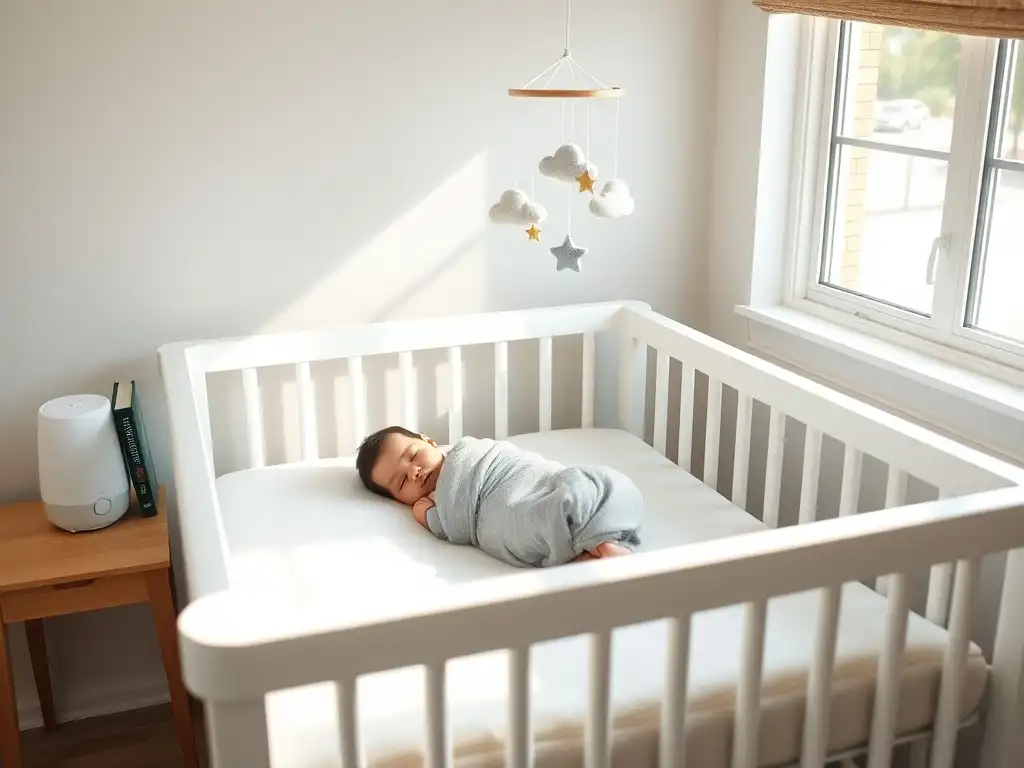
This section dives into practical strategies for successfully implementing gentle newborn sleep training. Remember, gentle sleep training prioritizes your baby's emotional well-being and focuses on gradual changes rather than strict schedules. Patience and consistency are key! We'll explore how to create a supportive sleep environment and understand your baby's sleep cues to optimize their sleep patterns. Understanding and addressing common misconceptions surrounding gentle newborn sleep training is crucial for a positive experience for both parent and child. This is essential for avoiding the pitfalls often associated with more forceful methods.
Establishing a Consistent Bedtime Routine for Your Newborn
A predictable bedtime routine is a cornerstone of gentle sleep training. It signals to your baby that it's time to wind down and prepare for sleep. This routine shouldn't be overly long, especially for newborns, but should include calming activities that consistently occur in the same order each night.
Consider these elements for a successful routine:
- Warm bath: A warm bath can be incredibly soothing before bed. The water temperature should be lukewarm, not hot.
- Massage: Gentle massage can help relax your baby's muscles and promote a sense of calm. Use a gentle lotion specifically designed for babies.
- Quiet playtime: Engage in quiet, low-key play, avoiding anything overly stimulating.
- Storytime: Reading a short, calming book can be a wonderful way to bond and prepare for sleep.
- Nursing or bottle feeding: For many babies, feeding is a crucial part of the bedtime routine.
- Singing lullabies: Soft singing or humming can be very soothing.
Remember to keep the lighting dim and the environment quiet during the routine. Consistency is crucial; stick to the same routine every night to help establish a predictable sleep-wake cycle. The length of the routine will vary based on your baby's age and temperament. For newborns, a shorter routine of 30-45 minutes is usually sufficient.
Creating a Soothing Sleep Environment for Your Baby
The environment in which your baby sleeps plays a significant role in their sleep quality. A dark, quiet, and cool room is ideal. Consider these factors:
- Darkness: Use blackout curtains or blinds to minimize light exposure. A dimly lit nightlight can be helpful for nighttime feedings or diaper changes, but avoid bright lights.
- Quiet: Keep the room as quiet as possible. Use white noise machines or fans to mask disruptive noises. White noise can be particularly helpful for newborns who are sensitive to sounds.
- Temperature: Maintain a comfortable room temperature. The ideal temperature is usually around 68-72°F (20-22°C).
- Safe sleep space: Ensure your baby's sleep space is safe and secure, adhering to safe sleep guidelines. This means a firm mattress, fitted sheet, and no loose blankets or pillows.
- Swaddling: Swaddling can be helpful for some newborns, providing a sense of security and preventing the startle reflex. However, always follow safe swaddling guidelines.
Creating a consistent and calming sleep environment helps your baby associate their crib or bassinet with sleep, making it easier for them to fall asleep and stay asleep. Experiment to find what works best for your baby, but consistency is key.
Recognizing and Responding to Your Baby's Sleep Cues
Newborns communicate their sleepiness in various ways. Learning to recognize these cues is crucial for gentle sleep training. Early recognition and response allow you to put your baby down drowsy but awake, promoting independent sleep.
Some common sleep cues include:
- Rubbing eyes: This is a classic sign of tiredness.
- Yawning: Yawning is a clear indicator of sleepiness.
- Fussiness or irritability: A baby who is overtired may become fussy and irritable.
- Pulling at ears: Some babies pull at their ears when tired.
- Quieter than usual: A sudden decrease in activity levels can also signal sleepiness.
Responding promptly to these cues is important to avoid overtiredness, which can lead to difficulties falling asleep and longer periods of wakefulness. This is a crucial aspect of gentle newborn sleep training, focusing on responsiveness rather than letting your baby "cry it out." By carefully observing and responding to your baby's cues, you can establish healthy sleep habits from the start.
Handling Night Wakings With Gentle Techniques
Night wakings are a common occurrence for newborns and young infants. The key to gentle sleep training is to respond to your baby's needs without reinforcing unwanted behaviors. Instead of immediately picking up your baby and feeding them at every stir, try implementing a graduated response. For example, you might start by offering a soothing pat or shushing sound from the doorway. If your baby continues to cry, you can gradually increase your level of interaction, offering more comfort if necessary. However, the goal is to teach your baby to self-soothe and fall back asleep independently.
This process takes patience and consistency. Remember, responding immediately to every cry might seem like the quickest solution, but it can inadvertently create a cycle of dependence, making it harder to establish healthy sleep habits in the long run. Observe your baby's cues; sometimes a diaper change or a burp is all that's needed to settle them. Keep a sleep diary to track patterns and identify any potential triggers for night wakings. This can help you tailor your approach and better understand your baby’s needs.
For example, you might notice a correlation between later evening feedings and increased night wakings. By adjusting the timing or amount of the last feeding, you may be able to reduce nighttime disturbances. Remember, consistency is key! Sticking to your chosen method, even when it’s challenging, will yield better results in the long run. Gentle sleep training isn't about ignoring your baby; it's about providing support and guidance to help them learn to sleep independently.
Adjusting Your Approach Based on Your Baby's Age and Development
A crucial aspect of gentle newborn sleep training is adapting your techniques to your baby's developmental stage. What works for a two-month-old might not be effective for a six-month-old. Newborns, for instance, have shorter sleep cycles and require more frequent feeding. Trying to extend their sleep periods too early can be both ineffective and stressful for both parent and child. As your baby grows, their sleep patterns will change. Around four months, many babies begin to consolidate their nighttime sleep and require fewer night feedings.
This is a great time to gradually reduce nighttime feedings, while always prioritizing your baby's health and well-being. Between six and twelve months, babies may start to develop separation anxiety and become more aware of their surroundings. This might lead to increased night wakings. During this phase, you might find comfort-based techniques like patting or shushing, combined with consistent bedtime routines, to be more effective. Remember to always prioritize safety. Ensure your baby's crib is safe and meets all safety standards.
Never leave your baby unattended on any raised surface, such as a changing table or bed. Regular check-ups with your pediatrician are crucial to monitor your baby's development and rule out any underlying health issues that might be affecting their sleep. Consulting a sleep consultant or lactation specialist can also be incredibly beneficial, especially if you encounter unexpected challenges or need personalized guidance. They can provide tailored advice based on your baby's unique needs and your family's circumstances. Adaptability and patience are key; be prepared to adjust your strategy as your baby grows and develops. Remember, every baby is unique, and what works for one might not work for another.
When to Seek Professional Help for Sleep Issues in Newborns

Addressing newborn sleep challenges can be daunting for first-time parents. While gentle sleep training methods are often effective, some situations require professional intervention. Knowing when to seek help is crucial for ensuring your baby's well-being and your own sanity.
This section will outline key indicators that suggest it's time to consult a pediatrician or sleep consultant specializing in infant sleep. Remember, seeking professional guidance doesn't signify failure; it's a proactive step towards resolving complex sleep issues and promoting healthy sleep habits for your little one. This is particularly important when considering gentle newborn sleep training myths and separating fact from fiction.
Recognizing Signs of Underlying Sleep Problems
Many seemingly simple sleep problems might mask underlying medical conditions. It's vital to distinguish between typical newborn sleep patterns and those requiring medical attention. Persistent sleep disturbances, coupled with other symptoms, could point towards an undiagnosed issue.
For example, a baby consistently waking every hour, despite consistent feeding and comforting attempts, might be experiencing silent reflux or an undiagnosed allergy causing discomfort. Excessive crying, particularly inconsolable crying for extended periods, warrants immediate medical assessment. Similarly, difficulty breathing during sleep, unusual breathing patterns (apnea), or changes in skin color could indicate respiratory problems or other serious conditions.
Here's a table summarizing potential warning signs:
| Symptom | Possible Underlying Issue(s) | Action to Take |
|---|---|---|
| Frequent, inconsolable crying | Colic, reflux, allergies, ear infection, developmental issues | Consult your pediatrician immediately. |
| Difficulty breathing | Respiratory infection, asthma, congenital heart defects | Seek immediate medical attention. |
| Pale or bluish skin during sleep | Heart problems, respiratory distress | Call emergency services or go to the nearest ER. |
| Excessive sleepiness | Neurological conditions, infections | Consult your pediatrician. |
| Failure to thrive (poor weight gain) | Gastrointestinal issues, metabolic disorders, feeding difficulties | Seek immediate medical attention and nutritional advice. |
Remember, this is not an exhaustive list. Any concerns about your baby's sleep or overall well-being should always prompt a discussion with your pediatrician. Don't hesitate to reach out – early intervention can make a significant difference. Navigating gentle newborn sleep training myths effectively requires a clear understanding of when professional help is necessary.
Finding a Qualified Sleep Consultant or Pediatrician
If you've exhausted gentle sleep training techniques and suspect an underlying issue or simply need expert guidance, seeking professional help is the next logical step. Finding a qualified sleep consultant or pediatrician with experience in infant sleep is essential.
When choosing a sleep consultant, look for someone certified or with extensive experience working with newborns and infants. They should employ evidence-based methods and prioritize a gentle and supportive approach, aligning with the principles of gentle newborn sleep training. Avoid consultants who promote methods that could be harmful or neglectful.
Choosing a pediatrician is simpler; your existing pediatrician is usually a great starting point. However, if you feel your pediatrician isn't adequately addressing your concerns, seeking a second opinion from a specialist in pediatric sleep medicine is advisable. A thorough medical examination can rule out any underlying medical conditions affecting your baby's sleep. Remember, a collaborative approach between parents, pediatrician, and potentially a sleep consultant often yields the best results when addressing complex sleep issues, especially when considering the often-misunderstood aspects of gentle newborn sleep training myths.
Long-Term Benefits of Gentle Sleep Training
Gentle sleep training, unlike some more forceful methods, focuses on establishing healthy sleep habits that benefit both the baby and the parents in the long run. It's not just about getting your baby to sleep through the night; it's about building a foundation for restful sleep for years to come. This approach prioritizes the baby's emotional security and well-being, leading to a more positive and sustainable sleep solution for everyone involved. The benefits extend far beyond the immediate relief of sleepless nights.
Improved Sleep for Baby and Parents
The most immediate benefit of gentle sleep training is, of course, improved sleep for both baby and parents. Consistent, predictable sleep routines help regulate a baby's circadian rhythm, leading to longer stretches of sleep at night. This isn't about forcing a baby to sleep independently at a certain age, but rather about guiding them towards self-soothing techniques and establishing a calming bedtime routine. The result? A better-rested baby, who is happier and more alert during the day, and parents who are less exhausted and better equipped to handle the demands of parenthood.
Data suggests that parents who utilize gentle sleep training methods report significantly less sleep deprivation than those using methods that involve letting a baby cry it out. [Specific data on parental sleep quality improvements pending]. This improved sleep quality translates to reduced stress levels, improved mood, and enhanced cognitive function for parents, creating a more positive and harmonious family dynamic. The benefits extend beyond simply getting more hours of sleep; it's about the quality of that sleep and its impact on overall well-being.
Positive Impact on Baby's Emotional Well-being
Gentle sleep training prioritizes the baby's emotional security. Unlike methods that involve leaving a baby to cry for extended periods, gentle techniques focus on providing comfort and reassurance while guiding the baby towards independent sleep. This approach fosters a sense of security and trust, strengthening the parent-child bond. A securely attached baby is more likely to feel comfortable and safe, leading to better emotional regulation and reduced anxiety.
A key aspect of gentle sleep training is responding to a baby's cues. This sensitive responsiveness helps the baby learn that their needs are met and that they are loved and cared for, creating a foundation of trust. This positive emotional connection is crucial for healthy development and contributes to a more secure and confident child in the long term. [Specific studies on the correlation between gentle sleep training and secure attachment pending]. The emphasis is not on silencing the baby, but on understanding and responding to their needs in a way that promotes self-soothing and healthy sleep habits.
Fostering Healthy Sleep Habits for the Future
Gentle sleep training lays the groundwork for healthy sleep habits throughout childhood and beyond. By teaching babies self-soothing techniques and establishing consistent routines, parents are equipping them with skills that will benefit them for years to come. These habits can help prevent future sleep problems and promote better overall health and well-being.
A well-established bedtime routine, incorporating calming activities like a warm bath and a bedtime story, signals to the baby that it's time to wind down and prepare for sleep. This consistency creates a sense of predictability and security, which is crucial for healthy sleep. Furthermore, teaching self-soothing techniques, such as using a comfort object or gentle rocking, empowers the baby to manage their sleep independently, reducing reliance on parental intervention.
This ability to self-soothe is a valuable life skill that extends far beyond the realm of sleep. The long-term benefits of gentle sleep training include improved sleep quality, better emotional regulation, and the development of healthy sleep habits that will support the child's overall well-being for years to come. This holistic approach to sleep training provides a lasting gift to both the child and the family.
Frequently Asked Questions
What is gentle sleep training, and how does it differ from other methods?
Gentle sleep training focuses on gradual changes and positive reinforcement, helping your baby learn to self-soothe and fall asleep independently without crying excessively. Unlike stricter methods, it prioritizes building healthy sleep associations and responding to your baby's needs.
Is it true that gentle sleep training doesn't work?
This is a myth. Gentle sleep training is highly effective for many babies. The key is to find the right approach that suits your baby's temperament and needs. Consistency and patience are crucial for success.
My baby is still waking frequently after gentle sleep training; what should I do?
It's important to remember that every baby is different, and progress isn't always linear. Review your approach, ensure consistency, and consider seeking advice from a pediatrician or sleep consultant if needed. Adjustments may be necessary.
Does gentle sleep training mean ignoring my baby's cries completely?
No, gentle sleep training involves responding to your baby's needs, but gradually increasing the time between responses. This teaches self-soothing while still providing comfort and reassurance. Ignoring cries completely is not a gentle approach.
When is the best time to start gentle sleep training?
There's no single "right" time, but many parents find success between 4 and 6 months old when babies are developmentally ready. However, it’s crucial to consider your baby's individual cues and readiness. Consult your pediatrician if you have concerns.
Final Reflection: Nurturing Sleep, Nurturing Growth
Gentle sleep training isn't just about getting a baby to sleep; it's about fostering a healthy, secure attachment that benefits both parent and child for years to come. The myths surrounding sleep training often overshadow the crucial role of responsive parenting in establishing healthy sleep habits. This isn't about forcing compliance, but about understanding your baby's needs and guiding them towards independent sleep in a way that respects their emotional development.
The impact of sleep training, whether gentle or otherwise, extends far beyond the crib. It shapes the parent-child bond, influencing the child's sense of security and their ability to self-soothe. Sleep is the golden chain that ties health and our bodies together.
– Thomas Dekker. This quote highlights the profound connection between sleep, physical well-being, and overall development, emphasizing the importance of approaching sleep training with sensitivity and understanding. The methods we choose today will resonate in the relationships we build tomorrow.
You now have the tools to navigate the often-confusing world of sleep training. Consider the information presented, reflect on your own parenting journey, and choose the approach that best aligns with your family's values and your baby's unique temperament. Remember, there's no one-size-fits-all solution, and seeking support from professionals is always an option. Embrace the journey, celebrate the small victories, and trust in your ability to nurture your child towards healthy sleep habits and a secure, loving bond.
Unlock Your Baby's Sleep Potential Now!
Thank you for learning about gentle sleep training! We hope you feel confident and empowered to approach bedtime with your little one. Ready to put your knowledge into practice?
- Start with one small change this week: Focus on a single gentle technique, such as establishing a consistent bedtime routine or practicing controlled comforting. Small steps lead to significant improvements!
- Share your successes and challenges: Join our BabyCareHub community forum to connect with other parents, share your experiences, and receive support. Learning from each other is invaluable!
- Experiment with calming sounds: Try different soothing sounds or lullabies to discover what works best for your baby. A new sensory experience can sometimes make all the difference!
What small step will you take tonight to improve your baby's sleep and benefit your entire family?