
Anchoring Furniture: A StepbyStep Guide for Baby's Safety

Welcome to BabyCareHub, your ultimate guide to navigating the incredible journey of parenthood! Are you ready to create a safe and nurturing haven for your little one? Then you've come to the right place.
We understand the anxieties that come with welcoming a newborn, which is why we offer comprehensive, step-by-step advice on every aspect of baby care. Discover how to build a secure environment for your baby, starting with our essential Baby Proofing Furniture Safety Guide – a crucial step in ensuring your child's well-being. Let's explore together how to make your home a safe space for your precious baby to thrive.
- Baby Proofing Furniture Safety Guide: Introduction
- Assessing Your Home for Potential Hazards: Furniture Safety Checklist
-
Step-by-Step Guide to Anchoring Furniture for Baby Safety
- Gathering the Necessary Tools and Materials: Anchors, Screws, Drill
- Choosing the Right Anchors for Different Furniture Types
- Step 1: Preparing the Wall for Anchoring
- Step 2: Securing the Anchors to the Wall
- Step 3: Attaching the Furniture to the Anchors
- Step 4: Testing the Stability of the Anchored Furniture
- Anchoring Specific Furniture Types: A Detailed Guide
- Additional Tips for Baby Proofing Furniture Safety
- Frequently Asked Questions
- Final Reflection: Securing Little Ones, Securing Peace of Mind
- Secure Your Child's World: Anchor and Relax!
Baby Proofing Furniture Safety Guide: Introduction
Navigating the world of parenthood for the first time can feel overwhelming, especially when it comes to ensuring your little one's safety. One often-overlooked aspect of baby-proofing is securing furniture. This comprehensive guide, designed to help you create a safer home environment for your baby, will walk you through a step-by-step process of anchoring furniture to prevent tipping accidents, a leading cause of injuries in infants and toddlers. We'll cover the risks associated with unsecured furniture, explain why anchoring is crucial, and provide practical, actionable steps to secure your home, addressing the most common furniture hazards.
This guide serves as an essential component of your overall baby proofing strategy, contributing significantly to your child's safety and peace of mind. Remember, a few simple steps can make a world of difference in protecting your precious little one. Let's dive in!
Understanding the Risks of Unsecured Furniture
Unsecured furniture poses a significant threat to babies and toddlers. Their natural curiosity and developing motor skills often lead them to climb, pull, and hang on to furniture. A seemingly stable piece of furniture, like a bookcase or dresser, can easily topple over if not properly secured, resulting in serious injuries such as head trauma, broken bones, or even death. The weight of a child pulling on a drawer or shelf can create enough leverage to cause a dresser to tip, trapping the child underneath.
This is particularly dangerous as a child may be unable to free themselves. The consequences of such accidents can be devastating, both physically and emotionally. Many parents are unaware of the risk, believing their furniture is sturdy enough. However, even heavy, seemingly stable furniture can tip if subjected to sufficient force.
This is why proactive baby-proofing is so critical. Consider these statistics: [Specific statistics on furniture-related injuries in babies pending]. The numbers underscore the urgent need for preventative measures.
Why Anchoring Furniture is Crucial for Baby's Safety
Anchoring furniture is not merely a suggestion; it's a vital safety precaution. By securing furniture to the wall, you drastically reduce the risk of tipping accidents. This simple act significantly minimizes the chance of your baby being injured or trapped under a falling piece of furniture. The peace of mind that comes with knowing your furniture is secure is invaluable.
Investing time and effort in anchoring furniture is an investment in your child's safety and well-being. It's a proactive approach that prevents potentially catastrophic accidents, allowing you to focus on enjoying the precious moments of parenthood without the constant worry of potential hazards. Moreover, anchoring furniture is a relatively inexpensive and straightforward process.
The cost of the necessary hardware is minimal compared to the potential medical expenses and emotional distress associated with a furniture-related injury. Think of it as a small price to pay for significant peace of mind and your baby's safety. Prioritizing furniture anchoring is a key step in creating a truly safe and nurturing environment for your child.
Assessing Your Home for Potential Hazards: Furniture Safety Checklist
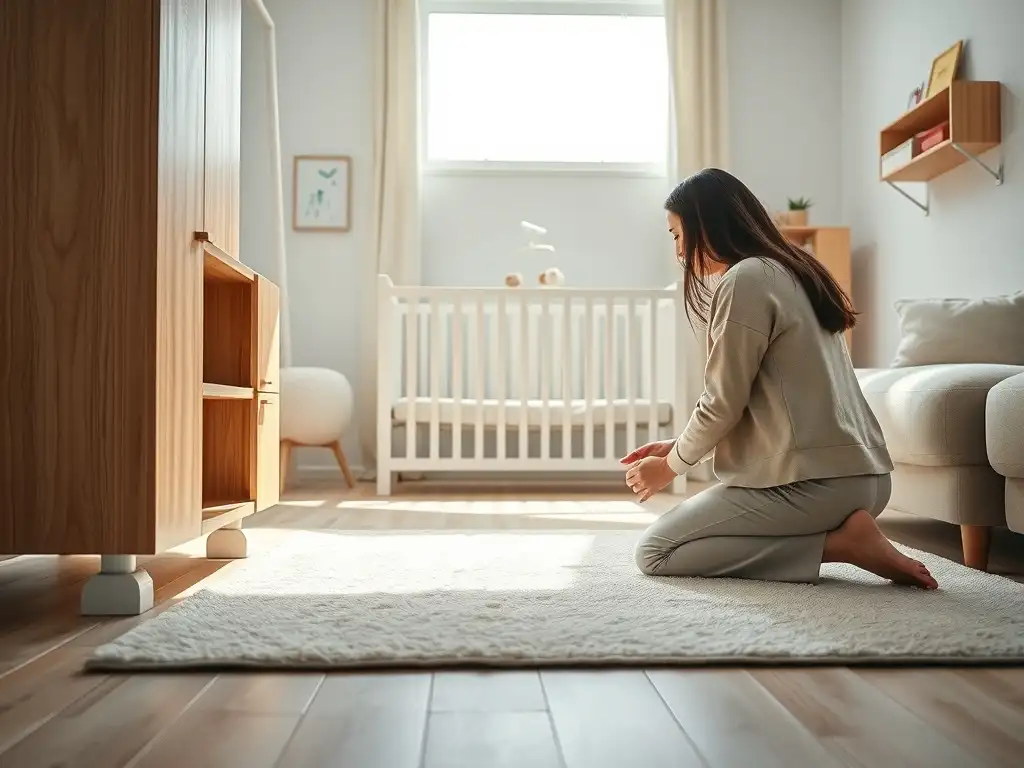
This section focuses on performing a thorough assessment of your home environment to identify potential furniture-related hazards for your baby. A proactive approach to baby proofing is crucial in preventing falls and injuries. This checklist will guide you through a systematic inspection, helping you prioritize areas needing immediate attention. Remember, even seemingly stable furniture can pose a risk to a curious, mobile baby. This "Baby proofing furniture safety guide" emphasizes a preventative strategy.
Identifying Unstable Furniture Pieces
The first step in securing your home is identifying furniture pieces that are inherently unstable or easily tipped. This includes items that wobble, rock, or lack sufficient support. Look for:
- Wobbling legs: Check the legs of chairs, tables, and other freestanding furniture. Gently try to rock them. If they move even slightly, they need to be secured.
- Insufficient base: Furniture with a narrow base or top-heavy design is more prone to tipping. Bookcases, dressers, and tall, narrow cabinets are prime examples.
- Overloaded shelves: Overstuffed shelves can shift the center of gravity, making furniture less stable. Ensure shelves are evenly loaded and not overloaded.
- Damaged components: Look for broken or weakened legs, screws, or joints. These can compromise the structural integrity of the furniture.
Consider using a level to check if furniture is perfectly balanced. A slight lean can significantly increase the risk of tipping. Remember, a seemingly minor wobble can be enough for a child to pull themselves up and cause the piece to topple. Preventing this requires careful attention to detail and proactive securing. This is a crucial element of a comprehensive baby proofing furniture safety guide.
Prioritizing High-Risk Furniture: Dressers, Bookcases, and TVs
Certain furniture pieces present a significantly higher risk of tipping and injury due to their height, weight, and the temptation they pose to climbing babies. These require immediate attention and robust securing methods.
- Dressers: Dressers are particularly dangerous because they are often tall and heavy, and their drawers provide enticing handholds for climbing. A falling dresser can cause serious injury or even death. Anchor them to the wall using appropriate hardware.
- Bookcases: Similarly, bookcases, especially those filled with heavy books, pose a significant threat. The weight distribution and the numerous shelves offer ample opportunity for a child to climb and cause a topple. These should be secured to the wall using strong brackets.
- Televisions: Flat-screen TVs are lighter than older models, but they still pose a risk, especially when mounted on stands or placed on top of other furniture. Consider using anti-tip straps or placing them on low, sturdy furniture.
| Furniture Type | Risk Level | Securing Method | Additional Considerations |
|---|---|---|---|
| Dresser | High | Wall anchors, anti-tip straps | Distribute weight evenly, avoid overloading drawers |
| Bookcase | High | Wall anchors, sturdy brackets | Secure shelves, avoid overloading |
| Television | Medium-High | Anti-tip straps, low, sturdy furniture | Consider wall mounting for extra security |
| Chairs | Low-Medium | Rubber stoppers, wall anchors (if necessary) | Ensure stability, avoid placing near edges |
This detailed checklist, combined with the practical securing methods outlined, forms a comprehensive baby proofing furniture safety guide, helping you create a safer environment for your little one. Remember, vigilance and proactive measures are key in preventing accidents. 👶
Step-by-Step Guide to Anchoring Furniture for Baby Safety
This section provides a detailed, step-by-step guide on how to securely anchor furniture to prevent tipping accidents, a crucial aspect of baby proofing your home and ensuring your little one's safety. Following these instructions will significantly reduce the risk of injury from falling furniture. This guide focuses on providing a comprehensive "baby proofing furniture safety guide".
Gathering the Necessary Tools and Materials: Anchors, Screws, Drill
Before you begin, it's crucial to gather all the necessary tools and materials. Improper tools can lead to ineffective anchoring or even damage to your walls and furniture. The specific tools and materials will depend slightly on the type of furniture and wall construction, but generally you'll need:
- A sturdy drill: A cordless drill with adjustable speed settings is ideal for precision and control. Avoid using a hammer drill unless you're working with very hard surfaces.
- Appropriate anchors: The type of anchor depends heavily on your wall type (drywall, plaster, brick, etc.) and the weight of the furniture. We'll discuss anchor selection in more detail in the next section. Consider purchasing a variety pack to accommodate different situations.
- Screws: Make sure the screws are compatible with your chosen anchors and strong enough to support the weight of the furniture. Longer screws generally offer better stability.
- Measuring tape: Accurate measurements are essential for proper placement of anchors and screws.
- Pencil: To mark the drill locations on the wall.
- Stud finder: This tool will help you locate wall studs, providing the most secure anchoring points. Using studs significantly increases the holding power.
- Level: Ensure your furniture is anchored straight and level to prevent uneven stress.
- Safety glasses: Protect your eyes from flying debris during drilling.
Choosing the Right Anchors for Different Furniture Types
Selecting the correct anchors is paramount for effective furniture anchoring. Using the wrong anchors could lead to furniture tipping, potentially causing serious injury to your baby. Here's a brief overview; consult your hardware store for specific recommendations based on your wall type and furniture weight:
| Wall Type | Furniture Type | Recommended Anchor Type | Notes |
|---|---|---|---|
| Drywall | Lightweight (bookshelf) | Toggle bolts, drywall anchors | Toggle bolts are best for hollow walls, while drywall anchors are suitable for lighter items. |
| Drywall | Heavy (dresser, TV stand) | Heavy-duty drywall anchors, wall studs | Wall studs offer the strongest anchoring point. |
| Plaster | Any | Plaster anchors, wall plugs | Plaster walls require specialized anchors to avoid cracking. |
| Brick/Concrete | Any | Masonry anchors, concrete screws | Masonry anchors are designed for solid surfaces. |
Remember to always check the weight capacity of the anchor before using it. It's better to err on the side of caution and use a heavier-duty anchor than risk a failure. Consider the potential force a child might exert on the furniture – pulling, climbing, etc. 🧸
Step 1: Preparing the Wall for Anchoring
Before you start drilling, carefully prepare the wall to ensure a secure and safe anchoring process. This involves identifying the best location and marking the drill points:
- Locate wall studs: Use a stud finder to locate wall studs. Anchoring to studs provides the most secure hold. Mark their location with a pencil. If studs aren't available near the furniture's intended location, you'll need to use heavy-duty anchors designed for drywall or other wall materials.
- Measure and mark: Carefully measure and mark the precise location for the anchors on the wall, ensuring they align correctly with the pre-drilled holes (or intended screw locations) on the back of the furniture. Use a level to ensure accurate placement and prevent the furniture from being anchored at an angle.
- Check for obstructions: Before drilling, double-check that there are no electrical wires, pipes, or other obstructions behind the wall in the marked areas. This is crucial to avoid damage and potential hazards. Using a stud finder helps, but additional caution is always recommended.
- Pre-drill pilot holes (if necessary): Depending on the type of wall and anchor, you may need to pre-drill pilot holes to prevent cracking or splitting the wall. Consult the instructions for your chosen anchors for guidance. This step significantly reduces the risk of damaging the wall.
Remember, patience and precision are key to successfully anchoring your furniture and ensuring the safety of your little one. If you are unsure about any step, it's always best to seek professional assistance.
Step 2: Securing the Anchors to the Wall
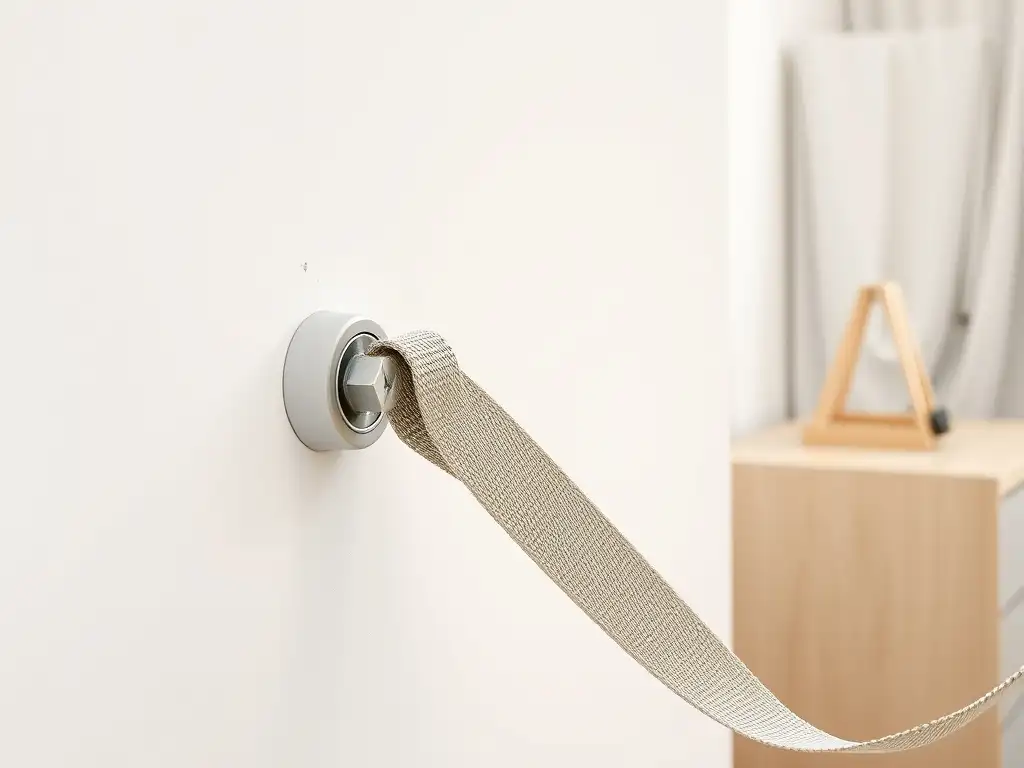
Once you've located the wall studs, it's time to securely fasten the anchors. This is a crucial step in ensuring the safety and effectiveness of your furniture anchoring system. The type of anchor you'll use will depend on your wall type (drywall, plaster, brick, etc.) and the weight of the furniture. Always consult the instructions provided with your chosen anchors.
For drywall, toggle bolts are generally recommended for heavier pieces of furniture, offering superior holding power compared to standard drywall anchors. For brick or concrete walls, masonry anchors are the appropriate choice. Remember to use a drill bit that is slightly smaller than the diameter of your anchor to avoid damaging the wall. Before inserting the anchor, it’s a good practice to use a stud finder to double-check you're drilling into the stud. This will provide the strongest and most secure hold.
After drilling the pilot hole, carefully insert the anchor, following the manufacturer's instructions precisely. If using toggle bolts, you'll need to expand the wings of the toggle bolt behind the wall to secure it. Tighten the anchor firmly, ensuring it's flush against the wall and won't easily wiggle. Using a level to check the anchor's position before attaching the furniture is a wise precautionary step.
Step 3: Attaching the Furniture to the Anchors
Now that your anchors are firmly secured to the wall, you can connect them to your furniture. Again, carefully refer to the instructions that came with your furniture anchoring kit. Many kits provide straps or brackets designed to work with specific furniture types. These straps often have adjustable lengths, allowing you to customize the fit. If you're using straps, ensure they are snugly fastened around the furniture's back or sides, avoiding any loose or dangling parts that a baby could grab.
The straps should be taut but not overly tight to prevent damage to the furniture. For some furniture, you might need to pre-drill pilot holes to attach the brackets or straps securely. Always use the appropriate screws or bolts to avoid stripping the wood or damaging the furniture. Take your time and double-check your work at each step.
A poorly installed anchor or strap can compromise the entire system's effectiveness, leaving your baby vulnerable to injury. Remember, patience and precision are key in this process. A well-secured piece of furniture will offer years of safety for your little one. Consider taking photos or videos of each step in the process to ensure you have a record of how the anchors and furniture are connected.
Step 4: Testing the Stability of the Anchored Furniture
Once everything is attached, the final step is to thoroughly test the stability of your anchored furniture. This is a critical step to ensure that your efforts have been successful and that your furniture is truly secure. Gently try to tip or pull the furniture. Apply a significant amount of force – more than a child would likely exert – to simulate a real-world scenario.
If the furniture moves or shows any signs of instability, you'll need to re-evaluate your work and rectify any issues. This might involve tightening the anchors, adjusting the straps, or even using stronger anchors. It's better to take the time to ensure everything is perfectly secure than to risk your baby's safety. This rigorous testing is paramount.
It’s not enough to just visually inspect the work; a hands-on test is necessary to guarantee the furniture's stability. Remember, a child's curiosity and playful attempts to climb can exert surprising force. By thoroughly testing the furniture, you'll gain confidence in its ability to withstand a child's attempts to move it, providing a safer environment for your baby. Regularly check the stability of the anchored furniture, especially after moving or rearranging the furniture.
Anchoring Specific Furniture Types: A Detailed Guide
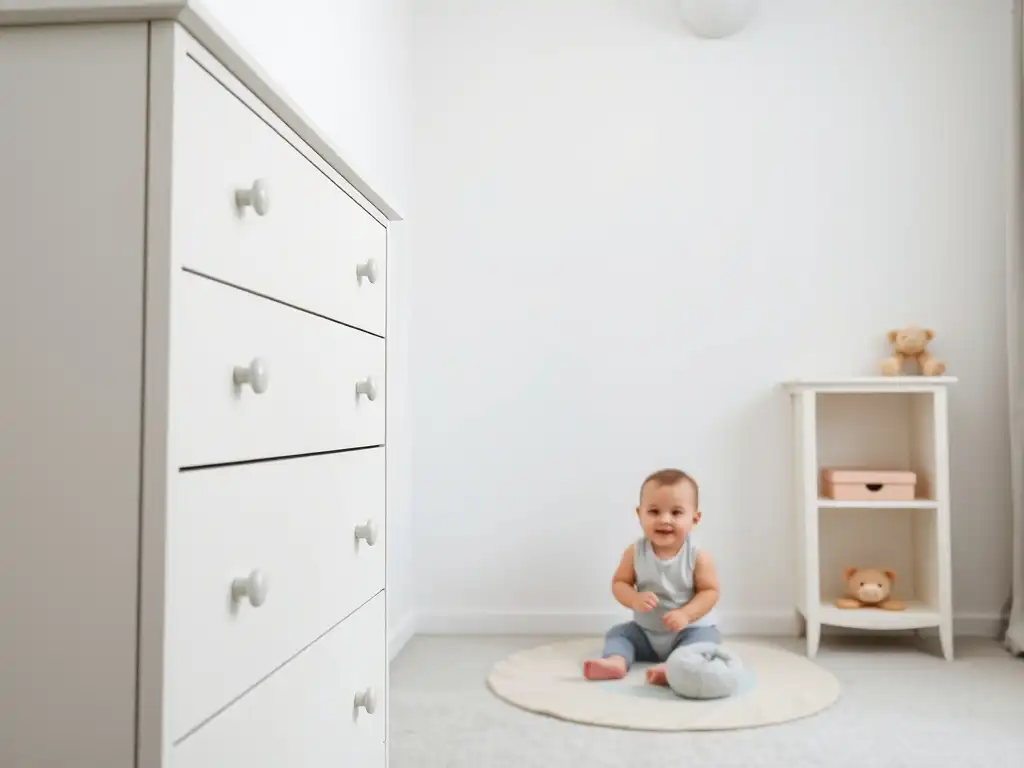
This section delves into the practical application of anchoring various furniture pieces commonly found in a baby's environment. We'll provide detailed, step-by-step instructions for securing dressers, bookcases, and televisions, crucial steps in creating a safe haven for your little one. Remember, even seemingly sturdy furniture can topple, causing serious injury. Proactive baby proofing is key to preventing falls and ensuring your baby's safety. This guide focuses on practical, effective baby proofing furniture safety methods.
Anchoring Dressers: Preventing Tip-Overs
Dressers are a significant hazard, especially in nurseries. Their height and weight distribution make them prone to tipping if not properly secured. The weight of a child climbing or pulling on drawers can easily overcome an unsecured dresser. To prevent this, use anti-tip straps or brackets specifically designed for furniture.
Here's a step-by-step guide:
- Identify Anchoring Points: Locate the wall studs behind the dresser. Use a stud finder to ensure accurate placement. This is crucial for a strong and secure connection. Poor placement can compromise the effectiveness of the anti-tip device.
- Attach the Anti-Tip Bracket: Most anti-tip brackets consist of two parts: one that attaches to the back of the dresser and another that screws into the wall stud. Carefully follow the manufacturer's instructions. Ensure the bracket is securely fastened to both the dresser and the wall.
- Test the Security: After installation, gently try to tip the dresser. A properly anchored dresser should resist tipping significantly. If it moves easily, re-check the bracket's attachment points. It's better to be overly cautious than to risk a potential accident.
- Regular Inspections: Periodically check the anti-tip bracket to ensure it remains securely fastened. Over time, the screws can loosen, diminishing the effectiveness of the safety measure. Regular checks are an important aspect of ongoing baby proofing.
Remember, using the correct anti-tip brackets designed for furniture weight is paramount. Using inadequate hardware can result in ineffective anchoring. Always prioritize safety and follow manufacturer instructions precisely. This is especially important for heavier dressers or those with multiple drawers.
Anchoring Bookcases: Ensuring Stability
Bookcases, particularly taller ones, present a similar tipping hazard to dressers. The weight of books and other items, combined with a child's tendency to climb, can easily lead to a fall. Similar to dressers, anchoring is essential to prevent accidents.
Here's how to secure your bookcases:
- Wall Anchors are Key: Use heavy-duty wall anchors, not just screws, to firmly attach the bookcase to the wall studs. This provides much stronger support compared to simple screws. The weight of the bookcase and its contents requires robust anchoring.
- Consider the Weight: The weight of the bookcase and its contents are crucial factors in selecting the appropriate anchors. Heavier bookcases necessitate sturdier anchors for sufficient support.
- Multiple Anchors: For taller bookcases, multiple anchors are recommended, ideally at both the top and bottom. This distributes the weight and enhances stability. This is a critical preventative measure against tipping.
- Inspect Regularly: Like with dressers, regular inspections are necessary to ensure the anchors remain secure. Over time, the anchors can loosen, reducing the effectiveness of the anchoring system. Regular inspections are a vital component of ongoing baby proofing.
Anchoring Televisions: Preventing Falls
Televisions, especially larger, older models, are surprisingly heavy and can easily topple over, causing serious injury. Modern flat-screen televisions are lighter but can still cause injury if they fall. Therefore, securing televisions is crucial for baby proofing.
Here are some ways to anchor your television:
- Use a TV Strap or Anti-Tip Bracket: These devices are designed to secure the television to a wall or furniture, preventing it from tipping over. They are usually quite simple to install, following manufacturer instructions is crucial.
- Proper Placement: Place the television on a stable, sturdy surface that is not easily knocked over. Avoid placing it on high shelves or unstable furniture. This is a simple yet highly effective preventative measure.
- Cable Management: Keep television cables neatly organized and out of reach to prevent tripping hazards and avoid children pulling on cables, which could dislodge the TV.
- Consider the Weight and Size: Larger and heavier televisions require stronger mounting hardware. Always choose hardware rated for the weight of your specific television model. This is a crucial element of safe baby proofing.
Remember, these are general guidelines. Always consult the manufacturer's instructions for your specific furniture and anchoring hardware. Prioritizing your baby's safety is paramount, and proper anchoring is a vital step in creating a safe environment. Regular inspections and proactive baby proofing are crucial for ongoing safety.
Anchoring Tall or Heavy Furniture: Extra Safety Measures
Tall or heavy furniture, such as bookcases, dressers, and entertainment centers, present a significantly higher risk of tipping than smaller, lighter pieces. A child climbing on or pulling themselves up on these items can easily cause them to topple, resulting in serious injury. Therefore, anchoring these pieces requires extra care and attention to detail. Simply using straps might not be sufficient; you may need to combine several anchoring methods for optimal safety.
One crucial step is to assess the furniture's weight and stability. Heavier pieces require stronger anchors and potentially more than one anchor point. Consider the material the furniture is made of; some materials are more prone to damage from anchoring methods than others. For example, a delicate antique dresser may require a more gentle anchoring technique than a sturdy, modern bookcase. Always check the manufacturer's instructions for any recommendations on safe anchoring practices specific to the furniture's design.
Beyond using wall anchors and straps, consider additional safety measures. For example, placing heavy objects like books or weights at the bottom of shelves can lower the center of gravity, making the unit more stable. This preventative measure works in conjunction with anchoring and reduces the likelihood of tipping even if the anchor fails. However, it is crucial to understand that this is not a replacement for proper anchoring; it serves as an added layer of protection.
Furthermore, regular inspections are key. Check the anchors and the furniture's stability periodically to ensure everything remains secure. Children grow and their behavior changes, so what was safe six months ago might not be safe now. Regular checks allow you to address any potential issues before they lead to accidents.
Consider a yearly inspection and additional checks after any significant rearrangements of the furniture or the room itself. This proactive approach is vital in maintaining a safe environment for your baby. Remember, proactive baby proofing is the best baby proofing. Don't wait for an accident to happen; anticipate potential risks and take steps to mitigate them.
Additional Tips for Baby Proofing Furniture Safety
This section delves into supplementary strategies to bolster your baby's furniture safety, going beyond the basic anchoring techniques. Remember, a proactive and multi-faceted approach is crucial for maximizing your little one's safety. A thorough understanding of these tips, in conjunction with proper anchoring, significantly reduces the risk of falls and associated injuries. This reinforces the core message of our "Baby proofing furniture safety guide".
Regular Inspections and Maintenance
Regular inspection is paramount to ensuring the continued effectiveness of your baby proofing measures. Think of it as preventative maintenance for your child's safety. This isn't just about checking the anchors; it's a holistic assessment of the furniture's stability and condition.
Consider these points:
- Anchor Check: Weekly inspections of all anchored furniture are recommended. Check for any loosening, damage to the anchors themselves, or signs of stress on the wall or furniture. Tighten any loose screws or bolts immediately. Replace damaged anchors without delay.
- Furniture Condition: Look for any signs of wear and tear on the furniture itself. Cracks, loose joints, or instability can compromise safety, even with anchors in place. Consider replacing damaged furniture.
- Baby's Development: As your baby grows and becomes more mobile, their interaction with furniture changes. Regularly reassess the potential hazards and adjust your safety measures accordingly. For instance, a once-safe dresser might become a climbing hazard as your child develops stronger motor skills.
Imagine this scenario: You anchored your bookshelf six months ago, and now, you discover a loose screw. Had you not performed a regular inspection, the bookshelf could have fallen, potentially causing injury. This highlights the importance of proactive maintenance, a vital component of any comprehensive "baby proofing furniture safety guide".
Choosing Safe Furniture for Your Baby's Room
Selecting inherently safe furniture is a crucial proactive measure, complementing the anchoring process. While anchoring is vital, choosing furniture designed with safety in mind reduces the likelihood of accidents in the first place.
Here's what to look for:
- Sturdy Construction: Opt for furniture made from solid, heavy materials that are less likely to tip over easily. Avoid lightweight or flimsy pieces.
- Low Center of Gravity: Furniture with a low center of gravity is inherently more stable. This is particularly important for tall pieces like bookcases or dressers.
- Rounded Edges and Corners: Sharp edges and corners pose a significant risk of injury. Choose furniture with rounded edges to minimize the potential for cuts and bruises.
- Anti-Tip Devices: Some furniture manufacturers incorporate anti-tip devices directly into their designs. These features add an extra layer of safety, working in conjunction with wall anchors.
For example, a solid wood dresser with rounded edges and built-in anti-tip features is far safer than a lightweight particleboard dresser with sharp corners, even if both are anchored. This proactive approach, detailed in this "baby proofing furniture safety guide", minimizes risks before they arise.
Educating Other Caregivers about Furniture Safety
Ensuring everyone who cares for your baby understands and adheres to your furniture safety measures is critical. Consistency is key to preventing accidents. This is often overlooked, but it's a crucial part of a comprehensive "baby proofing furniture safety guide".
Consider these strategies:
- Clear Communication: Clearly explain your safety measures to all caregivers, including grandparents, babysitters, and other family members. Provide a visual guide or checklist if necessary.
- Demonstrations: Show caregivers how to properly check the anchors and identify potential hazards. Hands-on training ensures everyone understands the importance of these measures.
- Regular Reminders: Periodically remind caregivers about the importance of furniture safety, especially if there are changes in your baby's development or the furniture arrangement.
- Teamwork: Fostering a culture of shared responsibility for your baby's safety promotes consistent adherence to safety protocols.
A clear, concise communication plan, combined with practical demonstrations, ensures that everyone who cares for your child understands and actively participates in maintaining a safe environment. This collaborative approach is essential for effective baby proofing, as highlighted in this "baby proofing furniture safety guide". Remember, a team effort is the strongest defense against accidents.
Frequently Asked Questions
What is the biggest risk associated with unanchored furniture?
Unanchored furniture poses a significant risk of tip-overs, which can cause serious injuries or even death to your baby. Heavy items like dressers and bookcases are particularly dangerous.
How do I properly anchor furniture to the wall?
Use wall anchors specifically designed for furniture and appropriate for your wall type. Follow the manufacturer's instructions carefully, ensuring a secure connection between the furniture and the wall.
What types of furniture need to be anchored?
Any furniture that could tip over and injure your baby should be anchored, including dressers, bookcases, televisions, and armoires. Prioritize pieces within your baby's reach.
Are there any specific tools I'll need for anchoring furniture?
You'll typically need a stud finder to locate wall studs for the most secure anchoring, a drill, appropriate screws and wall anchors, and a level to ensure proper placement.
Where can I find more information on baby proofing and furniture safety?
Visit the BabyCareHub website for a comprehensive guide on baby proofing, including detailed instructions and additional tips on creating a safe environment for your baby. We offer a step-by-step guide on furniture safety.
Final Reflection: Securing Little Ones, Securing Peace of Mind
The seemingly simple act of anchoring furniture is, in reality, a powerful statement about prioritizing a child's safety. A seemingly small detail, a wobbly bookshelf or an unstable dresser, can become a devastating hazard in the blink of an eye. This guide has highlighted the crucial steps involved in securing furniture, transforming potential dangers into safe havens for our little ones.
The impact of childproofing extends far beyond the physical safety of our homes; it reflects a profound shift in societal awareness regarding child safety. We've moved beyond simply hoping for the best, embracing a proactive approach that prioritizes prevention. This change is vital, and its ripple effects are felt in countless homes. The best way to find yourself is to lose yourself in the service of others.
– Mahatma Gandhi. This quote, while seemingly unrelated, speaks to the selfless act of securing our children's environment, prioritizing their well-being above all else. It's a testament to the love and dedication parents invest in creating a safe and nurturing space for their children to thrive.
Now, consider your own home. Take a moment to walk through each room, critically assessing the stability of your furniture. Is everything anchored securely? Are there potential hazards you may have overlooked? This isn't just about following a checklist; it's about cultivating a mindful approach to safety, ensuring that your home is a sanctuary where your child can explore, learn, and grow without the constant threat of preventable accidents. Make the commitment today to create a safer environment for your child – your peace of mind is worth it.
Secure Your Child's World: Anchor and Relax!
Thank you for learning about securing your furniture – a crucial step in creating a safe home for your child. We hope you feel confident in protecting your little one from furniture tipping hazards. Ready to get started?
- Prioritize securing heavy furniture: Begin with dressers, bookcases, and televisions – the pieces most likely to cause injury if they fall. This is the most important step for child safety.
- Create a visual checklist: Take a photo of each secured piece to track your progress and ensure everything remains safe. Share this with family members or caregivers.
- Join our BabyCareHub community and share your safety tips! What creative solutions did you use?
Have you considered securing other potentially hazardous items in your home, beyond furniture? Let's discuss in the comments below!