
Tummy Time Essentials: How to Start Safely and Make it Fun

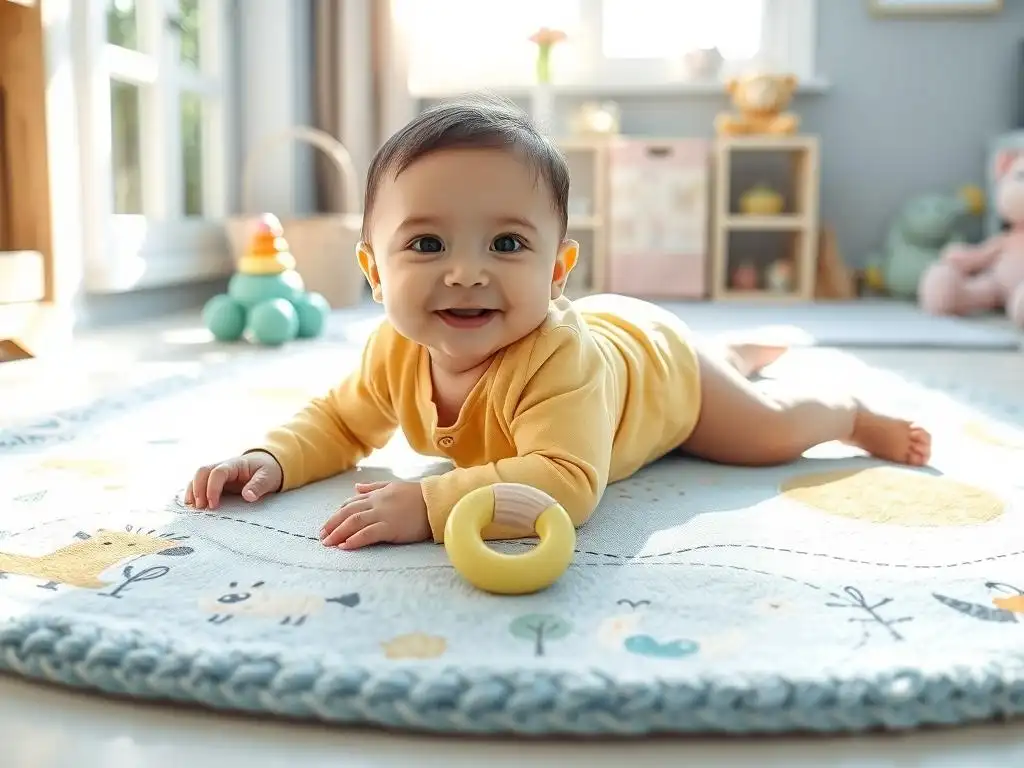
Welcome to BabyCareHub, your ultimate guide to navigating the incredible journey of parenthood! Are you a first-time parent feeling overwhelmed by the demands of newborn care? We understand. That's why we've created this comprehensive resource, packed with expert advice and practical tips to help you thrive. Discover the secrets to successful safe baby tummy time – crucial for your little one's development – and much more. Dive in and unlock the confidence you need to embrace every precious moment!
- Understanding the Importance of Tummy Time for Baby Development
- Safe Baby Tummy Time Tips: Getting Started
- How to Make Tummy Time Fun and Engaging for Your Baby
- Recognizing When Your Baby is Ready for Tummy Time
- Addressing Common Concerns and Challenges During Tummy Time
- Tummy Time Variations and Alternatives
- Building a Routine for Effective Tummy Time
- Frequently Asked Questions
- Final Reflection: The Enduring Power of Tummy Time
- Unleash Your Baby's Potential: Start Tummy Time Today!
Understanding the Importance of Tummy Time for Baby Development
Tummy time is more than just a cute activity; it's a crucial element in your baby's healthy development. This comprehensive guide will equip first-time parents with the knowledge and confidence to incorporate safe and enjoyable tummy time into their baby's daily routine. We'll explore the numerous benefits, from strengthening muscles and preventing flat head syndrome to stimulating cognitive development and sensory exploration. Mastering safe tummy time practices is paramount for ensuring your little one thrives physically and mentally.
This article focuses on providing practical, evidence-based "Safe baby tummy time tips" to help you navigate this important developmental milestone with ease and confidence. We'll cover everything from ideal positions and durations to fun activities that make tummy time a positive experience for both you and your baby. Remember, consistency and a playful approach are key to making tummy time a success. Let's dive in!
Benefits of Safe Baby Tummy Time: Motor Skill Development
Safe tummy time plays a vital role in your baby's motor skill development. Spending time on their tummy helps strengthen crucial muscles in their neck, shoulders, arms, and back. These muscles are essential for achieving developmental milestones such as lifting their head, pushing themselves up, crawling, and eventually walking. Think of tummy time as their very first gym workout!
Even short, frequent sessions can make a significant difference. As your baby gains strength, you'll notice them holding their head up for longer periods, pushing up onto their forearms, and eventually rocking back and forth. This progression is a testament to the effectiveness of tummy time in building core strength and improving overall body control. Remember to always supervise your baby closely during tummy time, ensuring they are on a safe, flat surface.
Safe Baby Tummy Time: Cognitive Development and Sensory Stimulation
Beyond physical development, tummy time significantly contributes to your baby's cognitive development and sensory stimulation. While on their tummy, babies are exposed to a wider range of visual stimuli, encouraging them to track objects, focus their gaze, and explore their surroundings. This enhanced visual exploration helps develop their visual perception and hand-eye coordination. Furthermore, the experience of different textures and surfaces during tummy time stimulates their sense of touch.
The varied sensations help refine their tactile perception and develop their understanding of their own bodies and the world around them. Providing engaging toys and interesting objects within their reach during tummy time can further enhance their cognitive and sensory experiences, making it a fun and enriching activity. This stimulation is crucial for brain development and overall cognitive growth.
Preventing Flat Head Syndrome (Plagiocephaly) with Tummy Time
Flat head syndrome, or plagiocephaly, is a condition where the back or side of a baby's head becomes flattened. While this can sometimes be due to underlying medical conditions, it's often associated with spending too much time lying on their back. Safe tummy time is a highly effective preventative measure. By encouraging your baby to spend time on their tummy, you distribute the pressure on their head, promoting symmetrical head growth and reducing the risk of plagiocephaly.
Remember to always supervise your baby during tummy time and avoid placing them on soft surfaces. A firm, flat surface is ideal to ensure proper head support and prevent any potential risks. The American Academy of Pediatrics recommends tummy time as a key strategy for preventing flat head syndrome. Regular and appropriately supervised tummy time sessions are a simple yet highly effective way to support your baby's healthy head shape development.
Safe Baby Tummy Time Tips: Getting Started

This section focuses on initiating safe and effective tummy time for your little one. Remember, tummy time is crucial for your baby's development, helping strengthen muscles, improve coordination, and prevent flat head syndrome (positional plagiocephaly). However, safety is paramount. These tips will help you navigate this important milestone confidently.
Choosing the Right Time and Place for Tummy Time
The best time for tummy time is when your baby is alert, awake, and happy. Avoid scheduling tummy time immediately after feeding or when your baby is tired or fussy. A grumpy baby isn't going to enjoy tummy time, and forcing it can create negative associations. Aim for shorter sessions initially, perhaps 2-3 minutes, gradually increasing the duration as your baby's tolerance grows. Remember to always supervise your baby closely during tummy time.
Consider the location carefully. A clean, soft, and spacious surface is ideal. A playmat on the floor in a well-lit room is a good choice. Avoid surfaces that are too soft or too hard. A carpeted floor is generally suitable, but always check for any potential hazards like loose threads or small objects. Avoid placing your baby on elevated surfaces, even if they seem secure. A flat surface on the floor minimizes the risk of falls. Lastly, be mindful of distractions. A quiet environment helps your baby focus on the activity.
Creating a Safe and Comfortable Tummy Time Environment
Creating a stimulating and engaging environment is key to making tummy time enjoyable for your baby. Use colorful toys, rattles, or textured materials to capture their attention and encourage them to lift their head and chest. You can also place a mirror in front of your baby to provide visual stimulation. Remember to keep all toys out of reach to avoid choking hazards.
Consider the temperature of the room. A comfortable room temperature prevents your baby from getting too hot or cold. Ensure good airflow to prevent overheating. Never leave your baby unattended during tummy time, even for a moment. The risk of suffocation or injury is always present. Your constant supervision is crucial. Use a baby monitor if you need to briefly step away for a necessary task, but never leave the room entirely.
Ideal Surface and Positioning for Safe Baby Tummy Time
The surface for tummy time should be firm yet soft enough to cushion your baby's head and body. A playmat designed for babies is ideal; they often have padded surfaces and are easy to clean. Avoid using blankets or pillows, as these pose a suffocation risk. A clean, firm carpet is also acceptable, but ensure there are no loose threads or small objects that could be a choking hazard.
Positioning your baby is also important. Always place your baby on their tummy with their face turned to the side, allowing them to breathe freely. Avoid placing any pressure on your baby's chest or abdomen. Keep your baby within your line of sight at all times. Observe your baby's reactions carefully.
If they seem distressed or uncomfortable, shorten the session or take a break. Remember, the goal is to make tummy time a positive experience, not a stressful one. Regular tummy time sessions, even short ones, contribute significantly to your baby’s development. Be patient, and celebrate those small milestones! 👶
How to Make Tummy Time Fun and Engaging for Your Baby
Tummy time is crucial for your baby's development, but it doesn't have to be a chore! Transforming tummy time from a necessary activity into a fun and engaging experience is key to ensuring your little one enjoys it and reaps the developmental benefits. Remember, the goal is to make it a positive association, encouraging healthy physical development while building a strong bond between you and your baby. Focusing on safe baby tummy time tips will help you achieve just that.
Interactive Toys and Activities for Tummy Time
Introducing interactive toys and activities can significantly boost your baby's engagement during tummy time. Instead of simply placing your baby on their tummy, consider these options:
- High-contrast toys: Newborns respond well to high-contrast visuals. Think black and white patterns, bold colors, or simple shapes. These stimulate their developing vision.
- Textured toys: Toys with different textures like soft fabrics, crinkly materials, or smooth surfaces offer tactile exploration, enhancing sensory development.
- Mirrors: A baby-safe mirror can be fascinating for infants, allowing them to explore their own reflections and engage in self-discovery. Just make sure it's securely placed and unbreakable.
- Rattles and musical toys: Sounds are another powerful tool. Rattles and musical toys can capture their attention and encourage head lifting and turning.
- Interactive play mats: These mats often feature arches with hanging toys, providing visual and tactile stimulation. Choose mats with soft, padded surfaces for safety.
Remember to rotate toys regularly to keep things fresh and stimulating. Avoid toys with small parts that could pose a choking hazard. Always supervise your baby during tummy time, ensuring their safety is the top priority.
Engaging Your Baby During Tummy Time Sessions
The key to successful tummy time lies in making it interactive and engaging. Here are some tips to keep your baby happy and motivated:
- Talk, sing, and make faces: Babies love interaction! Talk to your baby, sing songs, and make funny faces to keep them entertained and encourage them to lift their head and engage with you.
- Play peek-a-boo: This classic game is perfect for tummy time. It encourages head turning and strengthens neck muscles.
- Use different positions: Vary the position of your baby slightly. You can place them on your lap or across your legs, providing support and varying the visual stimulation.
- Short, frequent sessions: Instead of one long session, opt for several shorter sessions throughout the day. This prevents fatigue and frustration. Start with just a minute or two, gradually increasing the duration as your baby gets stronger.
- Positive reinforcement: Praise and encourage your baby's efforts, even small ones. A positive and playful approach will make tummy time a more enjoyable experience for both of you. Celebrate their successes with smiles and gentle words.
Remember to adjust your approach based on your baby's cues. If they seem tired or frustrated, take a break and try again later.
Signs Your Baby Needs a Break from Tummy Time
Even though tummy time is beneficial, it's crucial to recognize when your baby needs a break. These are some key indicators:
- Crying or fussing: If your baby is consistently crying or showing signs of distress, it's time to stop. Forced tummy time can be detrimental.
- Turning their head away: If your baby persistently turns their head away from you or the toys, they might be indicating they've had enough.
- Straining or arching their back: This could indicate they are tired or uncomfortable.
- Becoming red in the face: Excessive redness can be a sign of exertion or discomfort.
- Loss of interest: If your baby loses interest in the toys or activities, consider ending the session.
Always prioritize your baby's comfort and well-being. Remember, safe baby tummy time tips emphasize responsiveness to your baby's cues. A happy baby is a developing baby! By being attentive and understanding, you can ensure that tummy time remains a positive and beneficial experience.
Recognizing When Your Baby is Ready for Tummy Time

Safe baby tummy time is crucial for development, but starting too early can be detrimental. Knowing when your little one is ready is paramount. This section focuses on identifying the key developmental milestones and behavioral cues that signal your baby's readiness for tummy time. Ignoring these signals can lead to frustration for both you and your baby, potentially hindering the positive impact of this important activity. Remember, every baby develops at their own pace, so patience is key.
Developmental Milestones Indicating Readiness for Tummy Time
Before introducing tummy time, ensure your baby has reached certain developmental milestones. These milestones indicate they possess the necessary neck and head control crucial for safe tummy time. For instance, many babies begin showing signs of readiness around 2-3 months old, but some might be ready earlier or later. Here's a breakdown of key indicators:
- Head Control: Your baby should be able to lift and hold their head steadily when lying on their back. This is a strong indicator of neck strength. If they can consistently lift their head and turn it from side to side, they're likely showing readiness.
- Pushing Up: Observe if your baby attempts to push themselves up onto their forearms or hands when lying on their tummy. This indicates developing upper body strength.
- Weight Bearing: Check if your baby can briefly bear weight on their forearms during short periods of tummy time. This signifies developing muscle strength and coordination.
It's important to note that these milestones are interconnected. A baby who can lift their head well will often exhibit the other signs of readiness more easily. However, the absence of all these milestones doesn't necessarily mean your baby isn't ready. Observing your baby's cues, as discussed in the following section, is equally vital.
Observing Your Baby's Cues During Tummy Time
Even after reaching developmental milestones, always monitor your baby's cues during tummy time. Their nonverbal communication is critical in determining their comfort level and tolerance. Pay close attention to:
- Positive Engagement: Look for signs of enjoyment. Does your baby seem content, actively looking around, and even kicking their legs? These are excellent signs they're enjoying the experience. A happy, alert baby is a sign of a successful tummy time session.
- Signs of Discomfort: If your baby arches their back excessively, cries persistently, or turns their face away repeatedly, these are clear signals to stop tummy time immediately. Forcing a distressed baby to participate will only lead to negative associations. Remember, the goal is to make it a positive experience.
- Breathing: Always ensure your baby is breathing easily and comfortably. Any signs of labored breathing or struggling to breathe warrant immediate cessation of tummy time.
Remember, short, frequent sessions are preferable to one long session. Start with a minute or two and gradually increase the duration as your baby's tolerance increases. Always supervise your baby closely during tummy time.
Adjusting Tummy Time Based on Your Baby's Reactions
Tummy time should be a positive, enjoyable experience. It's crucial to adjust the duration and approach based on your baby's reactions. Remember, consistency is key, but flexibility is just as important.
- Short and Sweet: If your baby shows signs of discomfort after just a few seconds, don't push it. Try again later in the day or the next day for a shorter period. Gradual increases in duration are essential.
- Change of Scenery: If your baby seems bored or disinterested, try changing the environment. A different surface, a toy, or a change in location might re-engage them. Variety keeps things interesting and helps maintain a positive association with tummy time.
- Support and Positioning: Use rolled-up towels or blankets to provide support for your baby's chest and torso, helping them maintain a comfortable position without straining. This can be particularly helpful in the early stages when neck and back muscles are still developing.
By carefully observing your baby's cues and adjusting tummy time sessions accordingly, you can ensure that this vital developmental activity remains a fun and beneficial experience for your little one. Remember, safety and your baby's comfort are always the top priorities when implementing "safe baby tummy time tips".
Addressing Common Concerns and Challenges During Tummy Time
New parents often encounter hurdles when introducing tummy time. Understanding these challenges and implementing effective strategies is key to making tummy time a positive experience for both baby and caregiver. This section addresses some common concerns and offers practical solutions for a smoother tummy time journey. Remember, consistency and patience are vital in helping your baby adjust to this crucial developmental activity. Safe baby tummy time tips are all about creating a positive, supportive environment.
Dealing with Fussiness and Crying During Tummy Time
It's perfectly normal for babies to initially fuss or cry during tummy time. They're not used to this position and may find it uncomfortable or frustrating. The key is to remain calm and supportive, understanding that this is a learning process for your little one. Here are some helpful strategies:
- Keep sessions short and sweet: Start with very brief sessions (30 seconds to 1 minute) and gradually increase the duration as your baby tolerates it. Think of it as building up their tolerance, just like with any new activity.
- Offer distractions: Engaging toys, colourful mobiles, or even your own face can distract your baby and make tummy time more enjoyable. Try using high-contrast toys or patterns, as babies are often drawn to these.
- Provide comfort and support: Soft blankets or pillows can offer a supportive surface and provide a sense of security. Ensure the surface is firm and flat to prevent suffocation. However, never leave your baby unattended during tummy time.
- Vary the position: Try placing your baby on their tummy across your lap or on an incline, allowing for better neck support and reducing strain. Experiment to find what works best for your baby.
- Recognize hunger or discomfort: Fussiness could also be due to hunger, a dirty diaper, or other discomfort. Address these needs before resuming tummy time. A full tummy and a clean diaper can make a world of difference.
Remember, a little crying during tummy time is expected. The goal is to gradually increase the duration and make it a positive experience, not to eliminate crying completely.
Managing a Baby's Resistance to Tummy Time
Some babies actively resist tummy time, arching their backs or turning their heads away. This resistance can be frustrating for parents, but it's important to remain patient and persistent. Here's how to address this:
- Make it playful: Incorporate songs, rhymes, and playful interactions to make tummy time more fun and engaging. Try making silly faces or blowing raspberries on their tummy.
- Positive reinforcement: Praise and encourage your baby throughout the session, even for short periods of successful tummy time. Positive reinforcement can help build positive associations with the activity.
- Adjust the environment: A comfortable and stimulating environment can make a difference. Consider the lighting, temperature, and noise levels. A quiet, dimly lit room might be more soothing for some babies.
- Try different times of day: Some babies are more alert and receptive to tummy time at certain times of the day. Experiment to find the optimal time when your baby is most awake and alert.
- Consult a pediatrician: If your baby consistently resists tummy time or shows signs of discomfort, consult your pediatrician to rule out any underlying medical issues. Early intervention can address any potential problems.
When to Consult a Healthcare Professional Regarding Tummy Time
While tummy time is generally safe and beneficial, there are certain situations where you should consult your pediatrician or healthcare provider:
- Persistent refusal or distress: If your baby consistently cries, screams, or shows extreme distress during tummy time, despite your best efforts to make it enjoyable, it's important to consult your healthcare provider.
- Breathing difficulties: If you notice any signs of breathing difficulties, such as labored breathing, bluish discoloration of the skin (cyanosis), or unusual grunting, seek immediate medical attention. These are serious signs that require immediate medical assessment.
- Muscle weakness or asymmetry: If you observe any muscle weakness, uneven head shape, or asymmetry in your baby’s movements, consult a healthcare professional. These could indicate underlying conditions that need evaluation.
- Concerns about development: If you have any concerns about your baby's overall development or progress, discuss them with your pediatrician. Early detection of developmental delays is crucial for timely intervention.
Remember, your pediatrician is a valuable resource in addressing any concerns about your baby's health and development. Don't hesitate to reach out if you have any questions or doubts about tummy time or your baby's well-being. Safe baby tummy time tips always include seeking professional advice when needed.
Tummy Time Variations and Alternatives

This section explores different approaches to tummy time, catering to various developmental stages and needs. Remember, always supervise your baby closely during tummy time, regardless of the method used. These variations offer ways to maximize the benefits of tummy time while prioritizing your baby's safety and comfort. Safe baby tummy time tips are crucial for healthy development.
Supported Tummy Time for Newborns
Newborns, especially those with limited neck control, benefit greatly from supported tummy time. This involves gently supporting your baby's chest and neck while they're on their tummy. This allows them to experience the benefits of tummy time without the strain or discomfort of unsupported positioning.
Several techniques facilitate supported tummy time:
- Using your hands: Gently cup your baby's chest and chin, providing support while they explore their surroundings. This allows for close interaction and immediate response to any signs of discomfort. Always ensure your support is firm yet gentle.
- Positioning on your lap: Lay your baby on their tummy across your lap, using your hands to support their chest and neck. This provides a comfortable and secure position, allowing you to adjust support as needed. You can gently rock back and forth to provide a calming sensation.
- Using a rolled-up blanket: Place a rolled-up blanket or soft towel under your baby's chest to provide gentle elevation and support. This helps to alleviate pressure on their neck and allows them to lift their head more easily. Adjust the height of the blanket according to your baby's needs and comfort.
Remember, short, frequent sessions (2-3 minutes) are ideal for newborns. Observe your baby's cues – if they seem distressed, stop immediately and try again later. Consistent, gentle support during tummy time is key to fostering a positive experience and promoting healthy development. Prioritizing safe baby tummy time tips is paramount for your little one's well-being.
Side-Lying Tummy Time Positions
Side-lying tummy time offers a gentler alternative to traditional tummy time, especially for babies who are still developing their neck and head control. Positioning your baby on their side reduces the pressure on their neck and allows them to engage their muscles gradually.
Here's how to safely perform side-lying tummy time:
- Alternating sides: To prevent muscle imbalances, alternate between the left and right sides. This ensures even muscle development and prevents any potential strain on one side of the body.
- Providing support: Use a rolled-up blanket or towel to support your baby's back and side, ensuring they remain comfortably positioned. This prevents rolling and provides a sense of security.
- Monitoring for discomfort: Observe your baby closely for signs of discomfort or distress, such as crying or straining. Adjust their position or stop the activity if needed. Short, frequent sessions are recommended, gradually increasing the duration as your baby's strength and comfort improve. Consistent application of safe baby tummy time tips is crucial.
Alternatives to Traditional Tummy Time for Babies with Neck Weakness
Some babies may exhibit neck weakness or other conditions requiring modified tummy time approaches. Always consult your pediatrician before implementing any alternative methods. They can assess your baby's specific needs and recommend appropriate strategies.
Here are some alternative activities that can help strengthen neck and upper body muscles:
- Prone positioning on your chest: Lay your baby on their tummy across your chest, providing gentle support and allowing them to lift their head. This provides close contact and reassurance.
- Supported back arches: Gently support your baby's tummy and legs while lying them on their back. This allows them to lift their head and arch their back, strengthening their muscles. Ensure your support is firm and gentle.
- Playtime on a comfortable surface: Place your baby on a soft, flat surface and engage them with toys or activities that encourage them to lift their head and turn their body. This provides stimulation and encourages muscle development.
Remember, consistency is key. Even short periods of these activities can significantly contribute to your baby's development. Always prioritize safe baby tummy time tips and prioritize your baby's comfort and safety. Regular monitoring and communication with your pediatrician are vital. Remember to celebrate your baby's milestones and enjoy this special bonding time.
Building a Routine for Effective Tummy Time
Establishing a consistent tummy time routine is crucial for maximizing its benefits and ensuring your baby enjoys the experience. Remember, consistency is key to success when it comes to integrating tummy time into your baby's daily schedule. Don't get discouraged if your little one doesn't initially take to it; patience and persistence will pay off.
Creating a Consistent Tummy Time Schedule
A well-structured schedule can significantly improve the effectiveness of tummy time. Instead of sporadic sessions, aim for short, frequent sessions throughout the day. For newborns, start with just a minute or two at a time, gradually increasing the duration as your baby's strength and tolerance improve. For example:
| Time of Day | Duration (Minutes) | Notes |
|---|---|---|
| Morning (after nap) | 2-3 | Focus on playful interaction and observation. |
| Mid-morning | 2-3 | Incorporate toys or singing. |
| Afternoon (after nap) | 3-5 | Try different surfaces. |
| Late Afternoon | 2-3 | Keep it short and sweet. |
Remember to always supervise your baby during tummy time. Never leave them unattended, even for a moment. A consistent schedule helps your baby anticipate tummy time and reduces potential fussiness. Observe your baby's cues; if they seem tired or frustrated, shorten the session or try again later. This adaptable approach ensures a positive experience for both you and your baby. Consider using a timer to help maintain consistency and avoid exceeding your baby's tolerance.
Integrating Tummy Time into Your Daily Baby Routine
Seamlessly weaving tummy time into your baby's daily routine is essential for making it a regular and enjoyable part of their day. Don't treat it as a separate activity, but rather integrate it into your existing schedule. For instance, you could incorporate tummy time immediately after a diaper change or while you're preparing a bottle. This minimizes disruption to your daily flow and makes it a natural part of your baby's day.
Think of creative ways to integrate tummy time into other activities. For example, you could place your baby on their tummy during playtime, allowing them to reach for toys or interact with you while in this position. This not only strengthens their neck and back muscles but also encourages engagement and development. You might even find that tummy time becomes a bonding experience, strengthening your connection with your baby. Remember, the goal is to make tummy time a positive and engaging experience, rather than a chore.
Tracking Your Baby's Progress During Tummy Time
Monitoring your baby's progress during tummy time sessions is crucial to ensure they're developing appropriately and to adjust your approach as needed. Keep a simple log to track the duration of each session, your baby's reactions (happy, frustrated, tired), and any developmental milestones achieved. This helps you identify patterns and make informed decisions about future sessions. For example, you could note when your baby starts lifting their head, pushing up onto their forearms, or even attempting to crawl.
You can use a simple notebook or a dedicated baby development app to record this information. This detailed record will be invaluable when discussing your baby's progress with your pediatrician. Note any changes in behavior or physical capabilities. Does your baby seem to tire more easily? Are they showing signs of increased strength and coordination?
This information will help you assess the effectiveness of your tummy time routine and make any necessary adjustments. Remember, every baby develops at their own pace, so don't compare your baby's progress to others. Focus on celebrating their individual achievements and adapting your approach to meet their specific needs. This personalized approach will ensure a positive and successful tummy time experience for your little one.
Frequently Asked Questions
How long should my baby do tummy time?
Start with short sessions of 2-3 minutes, gradually increasing as your baby gets stronger. Never leave your baby unattended during tummy time. Aim for several short sessions throughout the day.
When should I start tummy time with my newborn?
You can begin tummy time as early as a few days after birth, even for just a minute or two at a time. Always supervise your baby closely.
What if my baby cries during tummy time?
It's perfectly normal for babies to cry during tummy time. Try distracting your baby with toys, songs, or talking. If they seem very upset, shorten the session.
What is the best surface for tummy time?
A clean, firm, and flat surface such as a playmat or carpet is ideal. Avoid soft surfaces like beds or couches, as these pose a suffocation risk.
Are there any signs that my baby is ready to stop tummy time?
If your baby becomes overtired, fussy, or seems distressed, it's time to end the session. Always prioritize your baby's comfort and well-being.
Final Reflection: The Enduring Power of Tummy Time
Safe tummy time isn't just a fleeting trend; it's a foundational element of healthy infant development, impacting everything from motor skills to cognitive growth. The benefits extend far beyond simply strengthening neck and back muscles; they lay the groundwork for a lifetime of confident exploration and physical prowess. This seemingly simple activity holds immense power in shaping a child's future.
The impact of tummy time extends beyond the immediate physical benefits; it's a crucial component of parent-child bonding and early interaction. The joy on a baby's face as they successfully lift their head, the shared smiles and giggles during playtime – these moments are invaluable and create lasting memories. As the saying goes, The best things in life are the people we love, the places we've been, and the memories we've made along the way.
This sentiment perfectly captures the essence of tummy time; it's not just about physical development, but about building a strong foundation for a loving and enriching relationship.
So, as you embark on this journey of nurturing your little one, remember the importance of incorporating safe and engaging tummy time into their daily routine. Don't just see it as an exercise; see it as an opportunity to connect, to learn, and to build a strong and healthy future together. Embrace the giggles, the struggles, and the triumphs; for within those moments lies the magic of early childhood development. Make tummy time a cherished ritual, and watch your baby blossom into a confident and capable individual.
Unleash Your Baby's Potential: Start Tummy Time Today!
Thank you for learning about the importance of tummy time! We hope you feel confident and excited to support your baby's development. Ready to put your knowledge into practice?
- Start with short, playful sessions: Begin with two to three minutes, gradually increasing the duration as your baby enjoys it. Make it fun with colorful toys and engaging sounds!
- Share your experiences: Let's build a supportive community – share your tummy time successes and challenges in the comments below!
- Keep it interesting: Try different surfaces or positions (always ensuring safety!) to keep tummy time engaging for both you and your baby.
What new tummy time activity will you try with your baby today?