
Grasping and Exploring: Toys That Encourage Fine Motor Skill Development

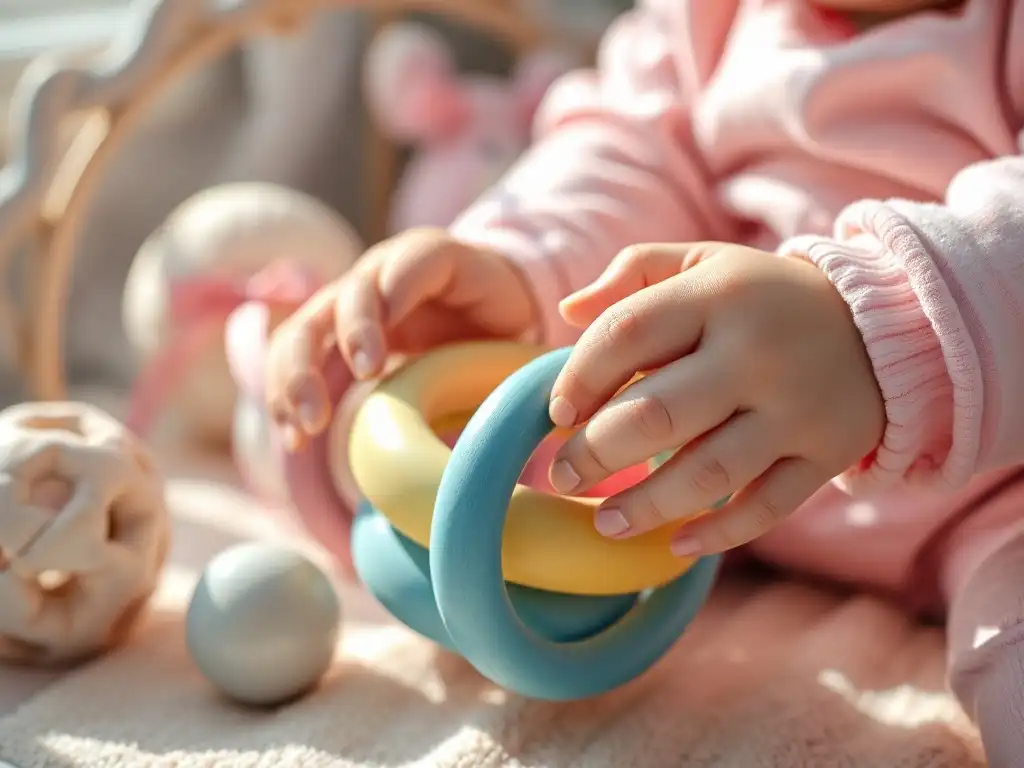
Welcome to BabyCareHub, your ultimate guide to navigating the incredible journey of parenthood! Are you ready to unlock your baby's potential? We're here to provide expert advice and support every step of the way. Discover how the right baby toys can significantly impact your little one's development, starting with their crucial fine motor skills. Dive into our insightful article, "Grasping and Exploring: Toys That Encourage Fine Motor Skill Development," and learn how to foster your baby's growth through play. Let's embark on this exciting adventure together!
- Understanding Fine Motor Skills in Babies: A Developmental Milestone
- Best Baby Toys for Fine Motor Skills Development: Age 0-3 Months
- Best Baby Toys for Fine Motor Skills Development: Age 3-6 Months
- Best Baby Toys for Fine Motor Skills Development: Age 6-9 Months
- Best Baby Toys for Fine Motor Skills Development: Age 9-12 Months
- Choosing the Right Toys: A Parent's Guide
- Activities to Complement Toy Play: Enhancing Fine Motor Skills
- Signs Your Baby Needs More Stimulation: Recognizing the Need for Additional Support
- Frequently Asked Questions about Fine Motor Skill Development
- Frequently Asked Questions
- Final Reflection: The Enduring Power of Play in Shaping Little Hands
- Unleash Your Child's Inner Artist: Boost Fine Motor Skills Today!
Understanding Fine Motor Skills in Babies: A Developmental Milestone
Fine motor skills are the small movements your baby makes using their hands and fingers. These seemingly small actions are actually incredibly important developmental milestones, laying the foundation for future skills like writing, drawing, and even using utensils. This article explores the crucial role of toys in fostering these skills during your baby's first year, focusing on how strategically chosen playthings can significantly impact their development and prepare them for a future filled with creative expression and dexterity.
We'll delve into the key stages of fine motor skill development, highlighting age-appropriate toys that encourage grasping, reaching, and manipulating objects. Understanding your baby's developmental progress in this area is key to providing them with the best possible support and opportunities for growth.
This guide will equip you with the knowledge to choose toys that not only entertain but also actively contribute to your baby's physical and cognitive development, maximizing their potential in the crucial early years. Learning about baby toys for fine motor skills is a key part of being a prepared and informed parent.
The Importance of Fine Motor Skill Development in Early Childhood
The development of fine motor skills is not just about the ability to hold a crayon or build a tower of blocks; it's a cornerstone of overall development. Strong fine motor skills are intricately linked to cognitive development, problem-solving abilities, and even social-emotional growth. For example, the focus and concentration required to manipulate small objects directly contribute to a child's attention span and ability to complete tasks. The satisfaction derived from successfully completing a fine motor task, such as fitting a shape into a sorter, boosts self-esteem and confidence.
Furthermore, engaging in activities that require fine motor control often involves social interaction, either with caregivers or peers, fostering communication and social skills. Early intervention and stimulation in this area can have a significant positive impact on a child's future academic and life success. Think of it as building a strong foundation for future learning and independence. 👶
Key Stages of Fine Motor Skill Development (0-12 Months)
Fine motor skill development unfolds gradually during a baby's first year, progressing through distinct stages. Understanding these stages allows parents to select appropriate toys that challenge and stimulate their child at each developmental level.
| Age Range | Typical Fine Motor Skill Development | Recommended Toy Types |
|---|---|---|
| 0-3 Months | Reflexive movements; grasping reflex; batting at objects. | High-contrast mobiles; soft, textured toys; rattles |
| 3-6 Months | Reaching and grasping; bringing objects to mouth; shaking toys. | Teethers; grasping toys; soft blocks; stacking cups |
| 6-9 Months | Transferring objects from hand to hand; raking objects; banging. | Shape sorters (simple); stacking rings; textured balls; rattles |
| 9-12 Months | Pincer grasp (using thumb and forefinger); pointing; exploring. | Finger puppets; building blocks; crayons; simple puzzles |
This table provides a general guideline; every baby develops at their own pace. Remember to always supervise your baby during playtime.
Recognizing Signs of Delayed Fine Motor Skill Development
While every child develops at their own pace, it's important to be aware of potential delays. If your baby is significantly behind the typical milestones outlined above, it's crucial to consult with your pediatrician. Some signs that might indicate a delay include:
- Lack of reaching or grasping for objects by 6 months.
- Inability to transfer objects between hands by 9 months.
- Difficulty with the pincer grasp (using thumb and forefinger) by 12 months.
- Persistent difficulty with self-feeding.
- Limited exploration of objects through touch and manipulation.
Early intervention is key to addressing any potential developmental concerns. Your pediatrician can assess your baby's development and recommend appropriate support and resources if needed. Remember, seeking professional guidance is a sign of responsible parenting, ensuring your little one receives the best possible care and support.
Best Baby Toys for Fine Motor Skills Development: Age 0-3 Months
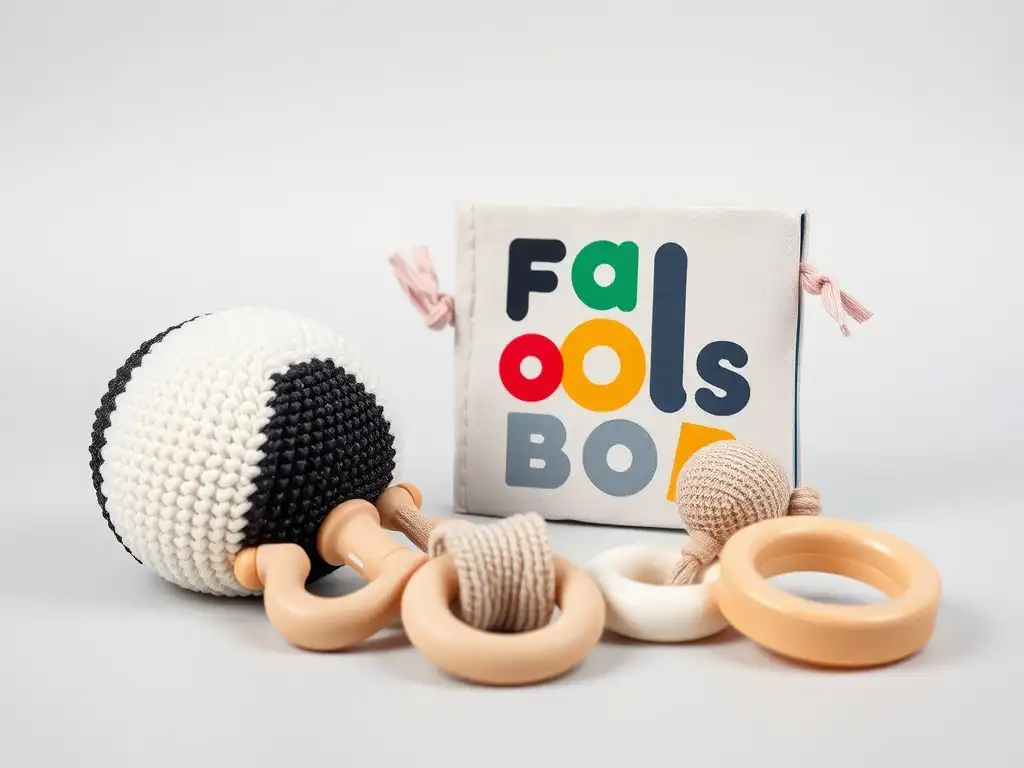
This section focuses on selecting appropriate toys to stimulate fine motor skill development in babies aged 0-3 months. During this period, babies are primarily focused on developing their sensory perception and building the foundational strength needed for more complex motor skills later on. Choosing toys that engage their senses and encourage reaching and grasping, even in a rudimentary way, is crucial for early development. We'll explore several categories of toys ideal for this age group, focusing on those that promote "baby toys fine motor skills" development.
Sensory Toys for Newborns: Engaging the Senses
Newborns explore the world through their senses. Toys designed to stimulate these senses—sight, touch, hearing—indirectly contribute to the development of fine motor skills by encouraging reaching, grasping, and manipulating objects. The act of batting at a hanging toy, for instance, strengthens hand-eye coordination and lays the groundwork for more precise movements later on.
Soft textured balls (example: Infantino Sensory Ball)
Soft balls with varied textures provide tactile stimulation, encouraging your baby to grasp and explore different surfaces. The Infantino Sensory Ball, for example, features various textures like crinkle fabric, soft plush, and smooth plastic, all safe for newborns. This variety of textures helps them develop their sense of touch and strengthens their grip. Observe your baby's reaction; they might squeeze, bat, or even try to bring the ball to their mouth, all positive steps in developing their fine motor skills and sensory awareness. Remember to always supervise your baby during playtime.
Crinkle books (example: Lamaze Freddie the Firefly)
Crinkle books offer both auditory and tactile stimulation. The crinkling sound engages their hearing, while the different textures of the fabric stimulate their sense of touch. Lamaze Freddie the Firefly, a popular choice, combines soft fabrics with crinkling elements and bright colors, making it visually appealing as well. The act of manipulating the pages, even if it's just batting at them, promotes hand-eye coordination and strengthens their muscles. The bright colors and contrasting patterns also aid in visual development.
High-contrast mobiles (example: Tiny Love Gymini Activity Gym)
High-contrast mobiles, such as the Tiny Love Gymini Activity Gym, are particularly beneficial for newborns. The stark black and white, or high-contrast color patterns, are easier for newborns to focus on and track with their eyes. As they begin to follow the moving objects, they're developing their visual tracking skills, which are crucial for hand-eye coordination.
While not directly manipulating the mobile, the act of focusing and tracking strengthens the muscles involved in eye movement and lays the groundwork for future fine motor skill development. The Gymini also often features additional elements that encourage reaching and grasping as the baby grows.
This section provided examples of how to select toys that cater to the development of "baby toys fine motor skills" in the crucial 0-3 month age range. Remember that supervision is key during playtime and that the focus should always be on safety and enjoyment. Further exploration of age-appropriate toys will be covered in subsequent sections.
Best Baby Toys for Fine Motor Skills Development: Age 3-6 Months
This section focuses on toys specifically designed to boost fine motor skills in babies aged 3 to 6 months. At this stage, babies are transitioning from reflexive movements to more intentional actions. Selecting appropriate toys that encourage reaching, grasping, and manipulating objects is crucial for their development. This age range is a critical window for developing hand-eye coordination and dexterity, laying the foundation for future complex motor skills. Choosing the right toys can significantly impact your baby's progress in mastering these essential skills. Remember, always supervise your baby during playtime.
Reaching and Grasping: Encouraging Object Manipulation
This crucial developmental stage sees babies actively trying to reach for and grasp objects. Providing toys with varying textures, shapes, and sizes helps them refine their hand-eye coordination and strengthen their grip. The focus here is on simple, engaging toys that are easy for little hands to manipulate. The goal is to encourage repeated attempts at reaching, grasping, and bringing objects to their mouths (a natural exploration method for babies). The more opportunities they have to practice, the faster their fine motor skills will develop. Remember to rotate toys to keep your baby stimulated and engaged.
Rattles with varying textures (example: Manhattan Toy Winkel Rattle)
Rattles are classic baby toys, but selecting those with interesting textures adds another layer of sensory stimulation. The Manhattan Toy Winkel Rattle, for example, offers a variety of textures and shapes to explore, encouraging babies to grasp and shake the rattle, developing hand strength and coordination. Look for rattles with different materials, such as wood, silicone, or soft cloth, to provide a diverse tactile experience. The different weights and sizes also help babies develop a sense of proprioception—awareness of their body's position in space.
This is key to developing more refined motor control. Consider rattles with contrasting colors to stimulate visual development as well. 🎉
Teethers with different shapes and sizes (example: Sophie the Giraffe)
Teethers are essential for soothing sore gums during teething, but they also serve as excellent tools for fine motor skill development. The iconic Sophie the Giraffe teether, with its various textured surfaces and irregular shape, encourages babies to grasp and manipulate it in different ways. Different sizes and shapes provide varied challenges, promoting dexterity and grip strength. Remember to always check the safety of any teether, ensuring it's made from non-toxic materials and is appropriately sized to prevent choking hazards. The act of chewing and exploring the teether also provides oral sensory input, which is beneficial for overall development.
Soft blocks with easy-to-grasp handles (example: Melissa & Doug Soft Blocks)
Soft blocks are a fantastic way to encourage grasping and stacking. The Melissa & Doug Soft Blocks, for instance, are designed with easy-to-grasp handles, making them perfect for little hands. These blocks are typically lightweight and safe, making them ideal for exploring different grasping techniques. The act of stacking (even if it's just one on top of another) helps babies develop hand-eye coordination, spatial reasoning, and problem-solving skills.
Soft blocks are also great for building hand strength and improving dexterity. The soft material also minimizes the risk of injury during play, making them a safe and fun option for your baby's exploration. 🧸
This section provides a starting point for selecting baby toys fine motor skills development. Remember to always prioritize safety and supervise your baby during playtime. Continuous engagement with these types of toys will significantly contribute to your little one's overall development.
Best Baby Toys for Fine Motor Skills Development: Age 6-9 Months
This section focuses on selecting the best baby toys to promote fine motor skill development in babies aged 6 to 9 months. At this age, babies are transitioning from reaching and grasping to more refined movements, laying the groundwork for future dexterity. Choosing appropriate toys can significantly impact their progress. We'll explore toys that specifically target this crucial developmental stage, categorized by the skills they hone, ensuring your baby receives optimal stimulation for their growing abilities. Remember, always supervise your baby during playtime.
Pincer Grasp Development: Refining Dexterity
The pincer grasp, using the thumb and index finger to pick up small objects, is a major milestone in fine motor skill development. Around 6-9 months, babies begin mastering this crucial skill, which is fundamental for self-feeding, writing, and many other everyday tasks later in life. Selecting toys that encourage this development is key.
Stacking cups or rings (example: Green Toys Stacking Cups)
Stacking cups or rings are fantastic for developing the pincer grasp. The act of picking up each individual piece and placing it on top of another requires precise finger movements. The varying sizes and weights also provide sensory input and help babies understand spatial relationships. Choosing cups made of durable, safe materials like Green Toys Stacking Cups ensures longevity and safety.
The bright colors are also visually stimulating, keeping babies engaged. Observe how your baby's grip strengthens over time as they become more proficient at stacking and unstacking. This simple activity translates into significant advancements in their hand-eye coordination and dexterity.
Finger puppets (example: Melissa & Doug Finger Puppets)
Finger puppets offer a fun and engaging way to enhance pincer grasp development. The small size of the puppets necessitates a precise grip, strengthening the muscles in the fingers and thumb. Moreover, the interactive nature of finger puppets—making them "talk" or act out simple stories—adds an element of play and imaginative engagement, making the learning experience more enjoyable.
Melissa & Doug Finger Puppets, for instance, are known for their high quality and engaging designs. The diverse characters and textures further stimulate sensory development, making playtime more enriching and educational. Note the improvement in your baby's control and precision as they manipulate the puppets with increasing ease.
Board books with interactive elements (example: Dear Zoo)
Board books with interactive elements, like flaps, textures, or pull tabs, are excellent for developing the pincer grasp while stimulating cognitive development. The act of lifting flaps or pulling tabs requires a refined pincer grasp, strengthening the muscles involved. Furthermore, the interactive nature of these books keeps babies engaged and encourages exploration. A classic example is "Dear Zoo," which features multiple flaps to lift, revealing different animals.
The varied textures and engaging storyline make it a perfect choice for this age group. This type of toy integrates fine motor skill development with language skills and storytelling, making learning a holistic and enjoyable process. Observe how your baby's focus and concentration improve as they interact with the book, demonstrating the positive impact on both fine motor skills and cognitive development.
This section provides a detailed overview of toys ideal for promoting fine motor skills in 6-9 month old babies. Remember that consistent play and interaction are crucial for optimal development. Always supervise your baby during playtime and choose toys that are age-appropriate and safe. Observe your baby's progress and adapt the activities to their individual needs and abilities. The journey of fine motor skill development is unique to each child, and celebrating their milestones is key to fostering a positive learning experience.
Best Baby Toys for Fine Motor Skills Development: Age 9-12 Months
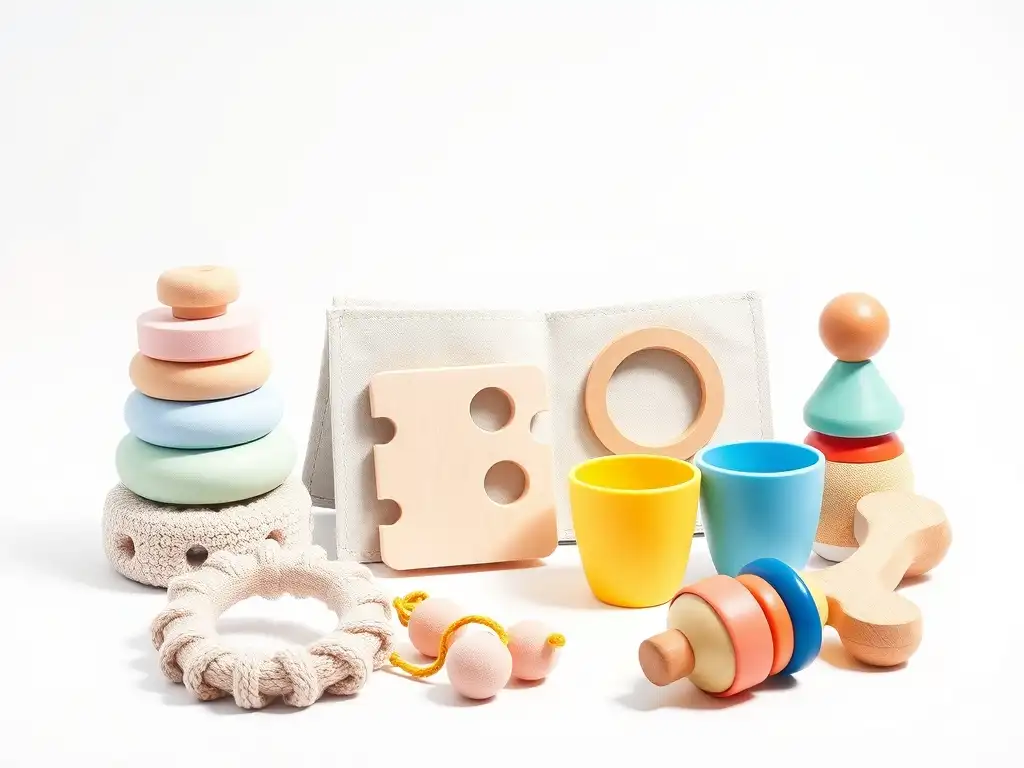
This section focuses on toys specifically designed to enhance fine motor skills in babies aged 9-12 months. At this stage, babies are becoming increasingly adept at manipulating objects, demonstrating improved hand-eye coordination and developing a stronger pincer grasp. Choosing the right toys can significantly contribute to this crucial developmental leap.
Selecting toys that encourage fine motor skill development at this age is vital for preparing your little one for future milestones like writing and using utensils. Remember, the best toys are engaging, safe, and tailored to your baby's individual abilities and interests. Let's explore some excellent options for stimulating fine motor skill development in your 9-12 month old.
Developing Hand-Eye Coordination and Precision
This age range sees a significant improvement in hand-eye coordination. Babies are no longer just batting at objects; they're actively reaching, grasping, and manipulating them with increasing precision. This is the perfect time to introduce toys that challenge their developing skills and encourage further refinement. Focusing on toys that require precise movements helps build the neural pathways necessary for future complex tasks. The key is to provide a variety of textures, shapes, and sizes to keep your baby stimulated and engaged.
Shape sorters (example: Melissa & Doug Shape Sorter)
Shape sorters are classic toys that offer a fantastic way to build hand-eye coordination and problem-solving skills. The act of identifying the correct shape and maneuvering it into the corresponding slot requires a high degree of precision and dexterity. Babies learn to match shapes, improve their hand-eye coordination, and develop spatial reasoning. The Melissa & Doug Shape Sorter, for example, is known for its sturdy construction and brightly colored, easy-to-grasp shapes.
The satisfaction of successfully completing the task provides positive reinforcement, encouraging further exploration and play. Look for shape sorters with varied textures; some with knobs, others smooth, to further enhance sensory stimulation. This multi-sensory approach helps babies learn through different modalities. 👶
Building blocks (example: Mega Bloks First Builders)
Large, chunky building blocks, like those in the Mega Bloks First Builders line, are ideal for developing fine motor skills in this age group. These blocks are easy for little hands to grasp and manipulate, allowing babies to explore stacking, building, and knocking down towers. This activity strengthens their grip, improves hand-eye coordination, and fosters creativity. The process of placing one block on top of another requires careful hand movements and precise placement, directly contributing to fine motor skill development.
Furthermore, building blocks encourage problem-solving skills as babies experiment with different structures and designs. The sense of accomplishment they feel when they successfully build a tower is incredibly rewarding. Choose blocks that are large enough to prevent choking hazards and are made of durable, non-toxic materials.
Crayons and large chunky crayons (example: Crayola Washable Crayons)
Introducing large, chunky crayons, such as Crayola Washable Crayons, allows babies to explore the creative world of drawing and coloring. The act of gripping the crayon and making marks on paper strengthens their fingers and improves hand-eye coordination. While the resulting artwork might not be masterpieces, the process itself is invaluable for fine motor skill development. The tactile experience of the crayon against the paper provides sensory input, and the vibrant colors add visual stimulation.
Washable crayons are a practical choice, minimizing the stress of accidental marks on walls or furniture. This stage is less about creating perfect drawings and more about developing the fundamental skills needed for future artistic expression. This activity also helps to build hand strength and control, laying the foundation for more complex writing skills later on.
Remember that consistent play and engagement are key. Even short, regular playtime sessions with these types of toys can significantly contribute to your baby's fine motor skill development. Observe your baby's progress and adjust the complexity of the toys accordingly. Always prioritize safety and supervise your baby during playtime.
Choosing the Right Toys: A Parent's Guide
This section focuses on selecting toys that effectively stimulate fine motor skill development in babies, aligning with their developmental stages and ensuring safety. We'll explore various toy types, consider safety precautions, and discuss budget-friendly alternatives. Remember, the goal is to provide engaging experiences that encourage your baby's natural curiosity and dexterity. Choosing the right toys can significantly impact a baby's progress in mastering crucial fine motor skills, paving the way for future milestones like writing and using utensils.
Considering Safety: Choosing Non-Toxic and Durable Toys
Safety is paramount when selecting baby toys fine motor skills. Always prioritize toys made from non-toxic materials. Look for labels indicating compliance with safety standards such as those set by organizations like the ASTM International (American Society for Testing and Materials). Avoid toys with small parts that could pose a choking hazard, especially for babies under three years old. Durability is another key factor; opt for robust toys that can withstand enthusiastic handling and repeated drops. Consider the following:
- Material: Choose toys made from natural materials like wood, or high-quality plastics free from BPA, phthalates, and lead.
- Construction: Inspect toys carefully for loose parts, sharp edges, or small pieces that could detach. Strong stitching and secure fastenings are essential for soft toys.
- Size: Ensure toys are appropriately sized for your baby's age and developmental stage, preventing choking hazards.
- Supervision: Even with the safest toys, constant supervision is crucial, especially during playtime.
Remember, a scratched or slightly damaged toy doesn't necessarily mean it's unsafe, but significant damage could indicate a potential hazard. Regularly inspect toys for wear and tear and discard any showing signs of significant damage. Choosing safe toys is an investment in your baby's well-being and peace of mind.
Budget-Friendly Options for Fine Motor Skill Development
Developing fine motor skills doesn't require expensive toys. Many household items can be repurposed into engaging and stimulating playthings. Here are some budget-friendly ideas to enhance your baby's dexterity:
| Item | Activity | Developmental Benefit | Cost |
|---|---|---|---|
| Cardboard boxes | Stacking, tearing, drawing | Hand-eye coordination, problem-solving | Free |
| Wooden spoons/spatulas | Scooping, banging, exploring textures | Grip strength, sensory exploration | Minimal |
| Fabric scraps/washcloths | Stuffing, tying, texture exploration | Fine motor control, tactile development | Minimal |
| Empty containers (plastic bottles, etc.) | Filling and emptying, stacking, nesting | Hand-eye coordination, spatial reasoning | Free |
| Dried pasta/beans | Pouring, scooping, sensory exploration | Hand-eye coordination, fine motor control | Minimal |
Remember to always supervise your baby during playtime with repurposed items to ensure their safety. Simple, everyday objects can be just as effective as expensive toys in fostering fine motor skill development. Creativity is key!
Creating a Stimulating Play Environment at Home
Creating a safe and engaging play environment at home is crucial for encouraging fine motor skill development. This involves more than just providing toys; it's about designing a space that stimulates exploration and learning. Consider these elements:
- Floor space: Ensure ample floor space for your baby to crawl, reach, and explore freely. A soft, padded surface is also essential for safety.
- Texture variety: Introduce different textures through play mats, blankets, and toys. This stimulates tactile exploration and sensory development.
- Accessible toys: Keep toys within your baby's reach, making them easily accessible for independent play. Rotate toys regularly to maintain interest.
- Vertical play: Consider hanging toys or mobiles to encourage reaching and grasping.
- Organization: Keep the play area organized and clutter-free to avoid overwhelming your baby and ensure safety.
By creating a stimulating and safe play environment, you can significantly enhance your baby's engagement with toys and activities that promote fine motor skills. Remember, interaction and engagement are key to maximizing the learning potential of playtime. Observe your baby's interests and adjust the environment accordingly to foster their development. This thoughtful approach to playtime will contribute significantly to your baby's overall development and learning journey. 🎉
Activities to Complement Toy Play: Enhancing Fine Motor Skills
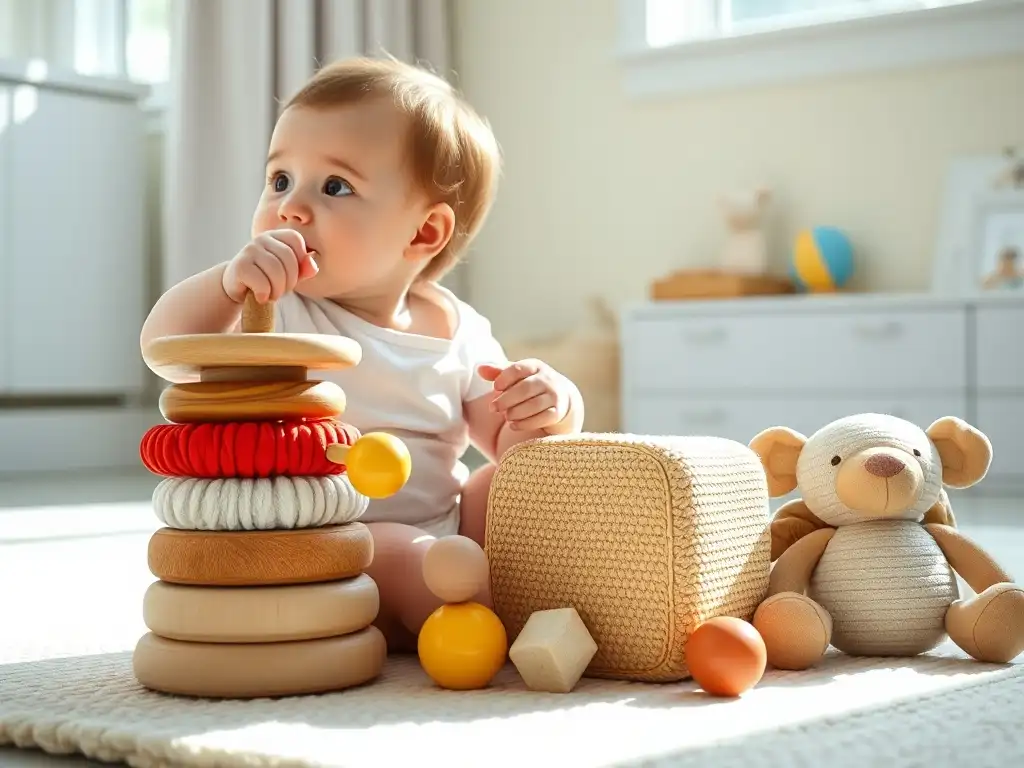
This section explores activities that, when combined with age-appropriate toys, significantly boost your baby's fine motor skill development. Remember, consistent engagement is key; short, frequent sessions are more effective than infrequent, lengthy ones. The goal is to make learning fun and engaging for your little one! We'll focus on activities that build upon the skills stimulated by the toys discussed earlier, targeting specific aspects of hand-eye coordination, dexterity, and manipulation. This holistic approach ensures a well-rounded development of fine motor skills in your baby. Think of it as maximizing the impact of your baby toys for fine motor skills.
Simple Exercises for Hand and Finger Strength
Strengthening those tiny hands and fingers is crucial for grasping and manipulating objects. Here are some simple exercises you can incorporate into your daily routine:
- Finger Plays: Traditional finger plays like "Itsy Bitsy Spider" or "Pat-a-Cake" are not just fun; they actively engage your baby's fingers and hands, improving dexterity and coordination. The repetitive movements strengthen small muscles and improve hand-eye coordination. Try singing these songs while gently moving your baby's fingers along with the rhythm. You can even make up your own finger plays!
- Hand Massage: Gently massaging your baby's hands and fingers stimulates blood flow and strengthens muscles. Use gentle circular motions on their palms and individual finger stretches. This relaxing activity also fosters bonding and strengthens your connection with your baby.
- Object Transfer: Start with large, soft objects like textured balls or soft blocks. Encourage your baby to transfer these objects from one hand to the other. Gradually introduce smaller objects as their grip improves. This exercise trains their hand-eye coordination and improves their ability to control their movements.
Interactive Playtime with Your Baby: Building Bonds Through Play
Beyond the structured exercises, remember that playtime itself is a powerful tool for fine motor skill development. The most effective way to encourage these skills is through interactive play. This isn't just about giving your baby toys; it's about actively engaging with them during playtime. This strengthens the parent-child bond and creates positive associations with learning.
- Imitation Games: Babies love to mimic actions. Make faces, clap your hands, wave goodbye – and encourage your baby to copy you. This is fantastic for developing hand-eye coordination and building their understanding of cause and effect. The playful interaction also strengthens the parent-child bond.
- Sensory Exploration: Engage your baby's senses. Offer them various textures to touch (soft fabrics, rough wood, smooth plastic), sounds to listen to (rattles, musical toys), and shapes to explore. This multi-sensory approach makes learning more engaging and helps them connect different sensory inputs with motor actions.
- Reading Together: Reading aloud isn't just about language development; it also fosters fine motor skills. Point to pictures in the book, encouraging your baby to reach out and touch them. This helps develop hand-eye coordination and improves their ability to follow instructions. The shared experience also strengthens your bond and creates positive associations with learning.
Remember, the key is to make it fun! Your enthusiasm will be contagious, encouraging your baby to explore and learn. By combining strategic toy selection with these interactive activities, you'll significantly enhance your baby's fine motor skill development, laying a solid foundation for future learning and self-sufficiency. Remember to adjust the complexity of the activities to your baby's developmental stage and always supervise playtime closely.
Signs Your Baby Needs More Stimulation: Recognizing the Need for Additional Support
Babies develop at their own pace, but recognizing potential delays in fine motor skill development is crucial for early intervention. While every baby is unique, certain signs might indicate your little one needs extra stimulation to enhance their grasping and exploring abilities. These aren't necessarily cause for alarm, but rather prompts to observe more closely and potentially seek professional guidance. Understanding these signs helps parents proactively support their baby's development and ensure they're on track to reach their milestones. Remember, early intervention is key!
When to Consult a Pediatrician or Developmental Specialist
Observing your baby's development is a continuous process. While some developmental delays are subtle, others are more pronounced. It's essential to know when to seek professional help. Consulting a pediatrician or developmental specialist is recommended if your baby exhibits several of the following signs consistently after reaching a certain age (age ranges are approximate and vary based on individual factors):
- Persistent lack of interest in grasping objects: If your six-month-old shows little to no interest in reaching for or grasping toys, even after repeated attempts to engage them, it warrants attention. This could indicate a potential delay in their fine motor skill development.
- Difficulty transferring objects from one hand to another: By nine months, most babies can transfer objects from one hand to the other. If your baby consistently struggles with this simple task, it might signify a need for further evaluation.
- Inability to use a pincer grasp: The pincer grasp, using the thumb and index finger to pick up small objects, typically develops around nine to twelve months. A persistent inability to use this grasp could indicate a delay that requires professional assessment.
- Limited exploration of textures and shapes: Babies naturally explore their environment through touch. If your baby consistently avoids touching or exploring different textures and shapes, it could suggest a sensory processing issue or a need for more sensory stimulation.
- Significant delay in reaching developmental milestones: While developmental milestones offer a general guideline, significant delays compared to average ranges necessitate a consultation with a healthcare professional. This should be viewed in conjunction with the other signs listed above. For example, a 12-month-old who cannot sit unsupported or consistently avoids reaching for toys would need further assessment.
| Milestone | Approximate Age Range | Potential Indication of Delay |
|---|---|---|
| Reaching for objects | 3-4 months | Persistent lack of interest |
| Grasping objects firmly | 4-6 months | Weak or inconsistent grasp |
| Transferring objects between hands | 7-9 months | Difficulty transferring items |
| Pincer grasp | 9-12 months | Inability to use pincer grasp |
Remember, this information is for educational purposes only and does not constitute medical advice. Always consult with your pediatrician or a qualified developmental specialist for personalized guidance regarding your baby's development. Early intervention can make a significant difference in addressing any potential challenges and supporting your baby's optimal growth and development. Early intervention is key to ensuring your baby reaches their full potential. Don't hesitate to seek professional help if you have any concerns. 👶
Frequently Asked Questions about Fine Motor Skill Development
This section addresses common concerns parents have regarding their baby's fine motor skill development, providing reassurance and guidance. Understanding typical milestones and recognizing potential delays are crucial for supporting your little one's growth. Remember, every child develops at their own pace, but seeking professional advice when needed is always a wise choice. This information helps you navigate the world of baby toys fine motor skills development.
How can I tell if my baby is developing fine motor skills appropriately?
Tracking your baby's progress in fine motor skills involves observing several key milestones. These milestones are not strict timelines but rather indicators of typical development. Don't worry if your baby doesn't hit every mark precisely on schedule.
Early milestones (0-6 months) focus on reaching, grasping, and bringing objects to their mouth. You should see your baby:
- Reaching for objects with their hands.
- Grasping rattles or toys, initially with a clumsy grasp, then a more refined pincer grasp (using thumb and forefinger).
- Bringing hands to their mouth.
- Beginning to bat at hanging toys.
Later milestones (6-12 months) involve more precise movements and manipulation of objects. Look for signs like:
- Passing objects from one hand to the other.
- Raking objects with their fingers (scooping up small items).
- Using a pincer grasp to pick up small objects like cheerios.
- Showing interest in stacking blocks (even if only a few).
- Beginning to scribble with crayons or markers.
The development of baby toys fine motor skills is a gradual process. Charting these developmental milestones can be helpful, but remember consistency and engagement are key. Regular playtime with age-appropriate toys designed to stimulate fine motor skills will significantly contribute to your baby's progress.
What if my baby seems behind in their fine motor skill development?
If you have concerns about your baby's fine motor skill development, it's crucial to consult with your pediatrician or a child development specialist. They can assess your baby's progress and identify any potential delays. While some babies develop at a slightly slower pace than others, significant delays might indicate underlying issues requiring intervention.
Several factors can influence a baby's fine motor development, including:
- Premature birth: Premature babies often require additional time to catch up on developmental milestones.
- Underlying medical conditions: Certain medical conditions can affect fine motor skills.
- Lack of stimulation: Insufficient exposure to age-appropriate toys and activities can hinder development.
Early intervention is key. If a delay is identified, your pediatrician might recommend therapies such as occupational therapy to help your baby catch up. The focus will be on providing tailored activities and exercises to strengthen their fine motor skills. Remember, early intervention often leads to significant improvements. Don't hesitate to seek professional help; it's a sign of proactive parenting.
Are there any risks associated with delayed fine motor skill development?
While many children with delayed fine motor skills catch up without intervention, significant delays can sometimes be associated with certain challenges. It is important to understand that correlation does not equal causation, and many factors contribute to developmental progress. However, it's vital to address any concerns promptly.
Potential long-term challenges potentially associated with significant and persistent delays in fine motor skills may include:
- Difficulties with writing and drawing: This can impact academic performance.
- Challenges with self-care tasks: Difficulty with dressing, eating, and hygiene.
- Reduced hand-eye coordination: This can affect participation in various activities.
It is crucial to emphasize that early intervention significantly reduces the likelihood of these potential long-term challenges. Regular check-ups with your pediatrician and seeking professional help when needed are vital steps in ensuring your baby's optimal development. Remember, proactive parenting is the best way to support your child's growth and address any concerns promptly. Focusing on enriching your baby's environment with engaging toys and activities specifically designed to promote fine motor skill development is a crucial part of this process.
Frequently Asked Questions
What are fine motor skills?
Fine motor skills involve the smaller muscles of the hands and fingers, crucial for tasks like grasping, holding, and manipulating objects. Developing these skills is essential for a baby's overall development.
How can toys help develop fine motor skills?
Toys designed to encourage grasping, reaching, and manipulating objects directly support fine motor skill development. Examples include rattles, stacking blocks, and textured balls.
At what age should I start introducing fine motor skill toys?
You can start introducing age-appropriate toys focusing on fine motor skills from a very young age, even from a few months old. Always supervise your baby during playtime.
What are some good examples of fine motor skill toys for babies?
Soft blocks, rattles with different textures, and teethers are excellent choices for younger babies. As they grow, consider stacking cups, shape sorters, and simple puzzles.
Are there any safety concerns when choosing fine motor skill toys?
Always ensure toys are age-appropriate, made from safe materials, and free of small parts that could pose a choking hazard. Always supervise your baby during playtime.
Final Reflection: The Enduring Power of Play in Shaping Little Hands
The development of fine motor skills in early childhood is not merely about dexterity; it's the foundation upon which a child's future learning and independence are built. Understanding this crucial developmental stage and providing the right tools—the right toys—is paramount to fostering a child's potential. We've explored a range of options, from simple stacking cups to intricate puzzles, highlighting the importance of engaging play in this process.
The impact of thoughtfully chosen toys extends far beyond the immediate act of play. It shapes a child's cognitive development, problem-solving abilities, and even their self-esteem. The joy of mastering a new skill, whether it's threading beads or fitting shapes into a puzzle, is invaluable. As Maria Montessori wisely observed, Play is the work of the child.
This simple statement encapsulates the profound significance of play in a child's holistic development, emphasizing its role not as mere entertainment, but as a crucial element in their journey of growth and learning.
Consider the toys you choose for the young children in your life. Are they stimulating their little hands and minds? Take a moment to reflect on the power you hold in shaping their future by providing enriching play experiences. Don't underestimate the seemingly simple act of offering a child a well-designed toy; it's an investment in their future, a contribution to their potential, and a chance to witness the magic of learning unfold.
Unleash Your Child's Inner Artist: Boost Fine Motor Skills Today!
We're thrilled you're exploring ways to develop your child's fine motor skills! We hope you found our insights on the role of play in enhancing dexterity and creativity helpful. Now, let's put that knowledge into practice.
- Prioritize playtime: Dedicate at least 15 minutes daily to focused playtime with engaging toys that encourage fine motor skill development. Puzzles, building blocks, and even simple playdough are excellent choices.
- Create a sensory-rich experience: Engage your child with a sensory bin filled with rice, beans, and small toys. This provides a fun and stimulating way to build essential skills.
- Share your successes: Connect with other parents on our BabyCareHub forums and share your child's favorite activities! Let's build a supportive community dedicated to nurturing early childhood development.
What creative activity will you and your child enjoy today?