
Babyproofing: How to Babyproof Your Home Like a Pro

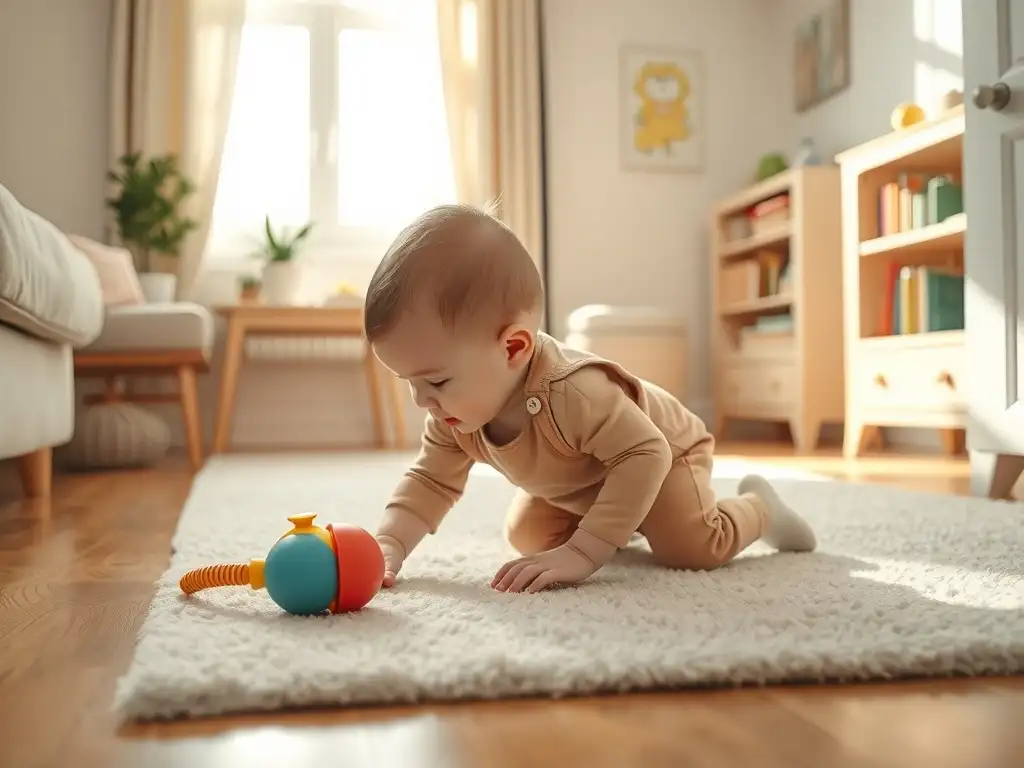
Welcome to BabyCareHub, your ultimate guide to navigating the incredible journey of parenthood! Are you a first-time parent feeling overwhelmed by the task of babyproofing your home? We understand. That's why we've created this comprehensive resource, packed with expert advice and practical tips to help you create a safe and nurturing environment for your little one. Discover how to effectively babyproof your home and unlock peace of mind, allowing you to cherish every precious moment. Let's dive in and explore the essential steps to ensuring your baby's safety and well-being.
- Babyproofing Your Home for First-Time Parents: A Step-by-Step Guide
-
Essential Babyproofing Tools and Equipment for First-Time Parents
- Choosing the Right Baby Gates: Types, Installation, and Safety Features
- Outlet Covers and Electrical Cord Management: Protecting Your Little One from Electrical Hazards
- Cabinet Locks and Latches: Keeping Dangerous Substances Out of Reach
- Corner and Edge Protectors: Cushioning Sharp Edges and Preventing Injuries
-
Step-by-Step Babyproofing Process: A Practical Approach for New Parents
- Step 1: Crawl Around at Baby's Eye Level
- Step 2: Secure Furniture and Heavy Objects
- Step 3: Protect Electrical Outlets and Cords
- Step 4: Cover Sharp Corners and Edges
- Step 5: Install Baby Gates and Barriers
- Step 6: Secure Toxic Substances and Cleaning Supplies
- Step 7: Childproof Windows and Balconies
- Step 8: Remove Small Objects and Choking Hazards
- Maintaining a Safe Home Environment for Your Baby: Ongoing Babyproofing Tips
- Babyproofing on a Budget: Affordable Solutions for First-Time Parents
- Frequently Asked Questions
- Final Reflection: Securing a Future, One Babyproofed Home at a Time
- Transform Your Home into a Baby-Safe Haven!
Babyproofing Your Home for First-Time Parents: A Step-by-Step Guide
Navigating the world of parenthood for the first time is an exciting yet daunting journey. Among the many joys and challenges, ensuring your baby's safety is paramount. This comprehensive guide focuses specifically on babyproofing your home, a crucial step in safeguarding your little one as they begin to crawl and walk. We'll provide a practical, step-by-step approach to babyproofing, addressing common hazards and offering actionable solutions tailored to first-time parents. This guide will help you transform your home into a safe haven for your precious baby, allowing you to relax and enjoy this special time knowing your little explorer is protected. We'll cover everything from securing cabinets and anchoring furniture to choosing safe toys and installing window guards, empowering you to confidently babyproof your home and create a secure environment for your growing child. Remember, babyproofing is an ongoing process, so regular checks and adjustments are key. Let's get started!
Assessing Your Home's Hazards: Identifying Risks for Crawling and Walking Babies
Before you begin purchasing safety gadgets, take a thorough tour of your home from your baby's perspective. Get down on your hands and knees to see the world from their level. This will help you identify potential hazards you might otherwise miss. Look for anything that could be a choking hazard (small objects, loose buttons, etc. ), sharp edges or corners, accessible electrical outlets, unsecured furniture, and potential climbing hazards.
Consider these key areas:
- Low-lying objects: Anything within reach could be ingested or used as a climbing aid.
- Electrical cords: These pose a significant strangulation and shock hazard.
- Toxic substances: Cleaning products, medications, and cosmetics should be stored securely out of reach.
- Windows and balconies: These require robust safety measures to prevent falls.
- Sharp corners and edges: Padding or corner guards can mitigate injuries.
Remember to create a checklist to track your progress and ensure you don't miss any crucial areas. A systematic approach is crucial for thorough babyproofing. A visual inspection, combined with a written checklist, will help you create a truly safe environment for your baby. Don't forget to involve your partner or other family members in this process; multiple perspectives are always beneficial.
Prioritizing Babyproofing Areas: Kitchen, Living Room, and Nursery Safety
Babyproofing is not a one-size-fits-all process. Prioritizing key areas based on your baby's developmental stage and your home's layout is essential. For crawling and walking babies, the kitchen, living room, and nursery are the most crucial areas to focus on. Let's explore each area in detail:
Kitchen Safety for Babies: Securing Cabinets, Appliances, and Cleaning Supplies
The kitchen is a minefield of potential dangers for curious babies. Here’s a breakdown of essential safety measures:
- Cabinet locks: Install childproof latches on all lower cabinets to prevent access to dangerous items like cleaning supplies, sharp knives, and breakables. Consider using magnetic or push-button locks for ease of use for adults while remaining secure for babies.
- Appliance safety: Secure cords for appliances like toasters and kettles to prevent pulling and potential burns or electrocution. Consider using cord covers or tucking them away neatly.
- Stovetop safety: Turn pot handles inward to prevent spills and burns. Consider using a stovetop cover when not in use.
- Cleaning supplies: Store all cleaning products, detergents, and other chemicals in high, locked cabinets, well out of reach.
Living Room Safety Checklist: Furniture Anchoring, Electrical Outlets, and Sharp Corners
The living room is often the center of family activity, making it crucial to babyproof it effectively:
- Furniture anchoring: Secure heavy furniture like bookshelves, dressers, and entertainment centers to the wall using appropriate anchoring straps or brackets. This prevents tipping accidents, which can be extremely dangerous for babies.
- Electrical outlet covers: Install safety plugs in all unused electrical outlets to prevent shock hazards. Consider using outlet covers that are difficult for little fingers to remove.
- Sharp corners and edges: Use corner and edge protectors to cushion sharp edges on coffee tables, end tables, and other furniture. These are especially important for crawling babies.
- Fireplace safety: If you have a fireplace, install a sturdy screen to prevent burns and keep embers out of reach.
Nursery Safety Measures: Crib Safety, Window Guards, and Toy Selection
The nursery should be a sanctuary of safety for your baby. Here are some critical considerations:
- Crib safety: Ensure your crib meets current safety standards and that the mattress fits snugly. Remove any loose blankets, pillows, or toys from the crib to prevent suffocation.
- Window guards: Install window guards or safety locks on all windows to prevent falls. These are crucial, especially in upper-floor rooms.
- Toy selection: Choose age-appropriate toys that are safe and durable. Avoid toys with small parts that could pose a choking hazard. Regularly inspect toys for damage and discard any that are broken or worn.
Remember, consistent vigilance and proactive safety measures are key to protecting your baby. Regularly reassess your babyproofing efforts as your child grows and develops new abilities. By following these steps, you can create a safe and nurturing environment for your little one to thrive.
Essential Babyproofing Tools and Equipment for First-Time Parents
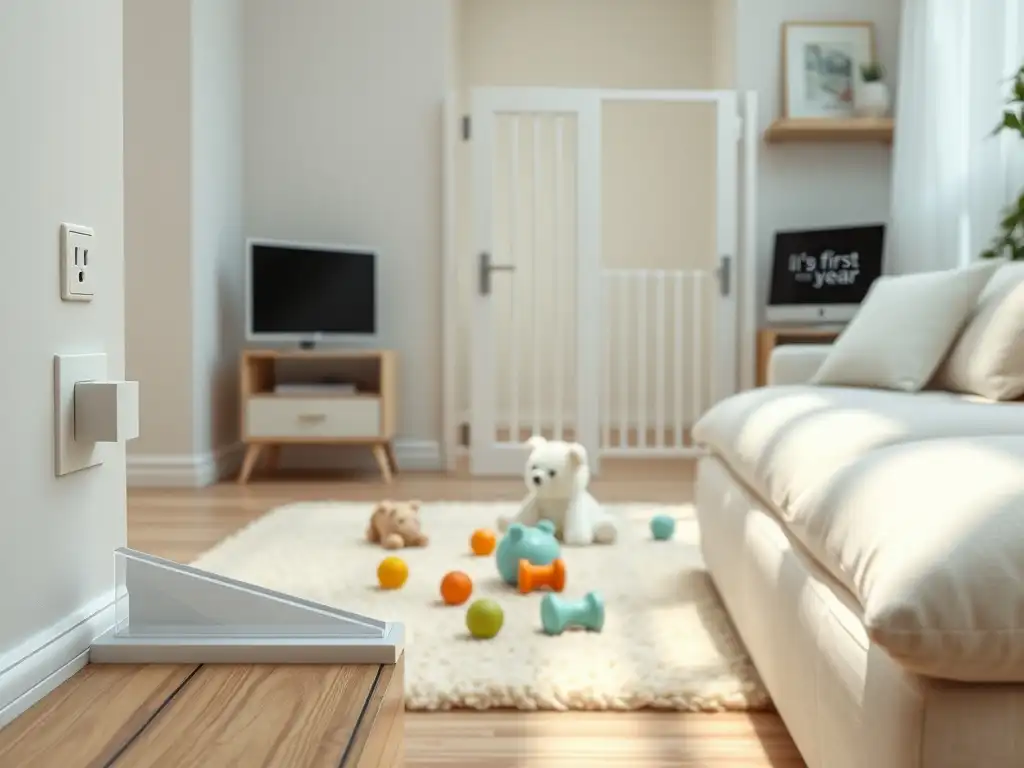
This section focuses on the must-have tools and equipment for first-time parents embarking on the babyproofing journey. Successfully babyproofing your home for a crawling or walking baby requires a strategic approach and the right tools. Investing in quality products ensures the safety and well-being of your little one while making the process considerably easier. Remember, proactive babyproofing is key to preventing accidents and creating a safe haven for your child. This is especially crucial for first-time parents who might be navigating this process for the first time.
Choosing the Right Baby Gates: Types, Installation, and Safety Features
Selecting the appropriate baby gate is paramount. Different types cater to various needs and home layouts. Consider these factors:
- Pressure-mounted gates: These are easy to install and require no drilling, perfect for renters or those wanting a temporary solution. However, they might not be as secure as other options, especially with strong, active toddlers. Ensure a firm fit against the wall to maximize safety.
- Hardware-mounted gates: Offering superior security, these gates require drilling into the door frame or wall. They're ideal for high-traffic areas and provide robust protection. Always follow the manufacturer's instructions carefully during installation.
- Retractible gates: These are space-saving options, ideal for doorways or wide openings. They retract neatly when not in use, but ensure the mechanism is functioning correctly and the gate is fully extended when in use.
- Decorative gates: These gates offer a blend of safety and style, integrating seamlessly into your home's décor. However, prioritize functionality and safety features over aesthetics.
Safety Features to Look For:
| Feature | Importance |
|---|---|
| Auto-close latch | Prevents accidental opening by your child. |
| Double-locking mechanism | Adds an extra layer of security. |
| Wide base | Provides increased stability and prevents tipping. |
| Easy installation instructions | Clear and concise instructions are crucial for proper installation and safety. |
Remember to regularly check the gate's functionality and replace it if it shows signs of wear and tear. A damaged gate compromises the safety of your child. Prioritize safety above all else when selecting a baby gate. Proper installation is crucial; improper installation can negate the safety benefits of even the most robust gate.
Outlet Covers and Electrical Cord Management: Protecting Your Little One from Electrical Hazards
Electrical hazards pose a significant threat to curious babies. Outlet covers are an absolute necessity, preventing access to live electrical outlets. Choose covers that are difficult for little fingers to remove, ideally with a childproof locking mechanism. Consider using multiple types of outlet covers depending on the type of outlet.
Beyond outlet covers, effective electrical cord management is crucial. Untangled cords are less likely to be pulled or chewed on. Use cord covers or wraps to secure cords along walls or baseboards. Keep cords out of reach, especially those connected to appliances that could be easily tipped over. Tuck cords away neatly behind furniture where possible. Remember, preventing access to electrical hazards is essential for preventing shocks and burns. Regularly inspect cords for fraying or damage, replacing any damaged cords immediately. This proactive approach minimizes the risk of electrical hazards for your baby.
Cabinet Locks and Latches: Keeping Dangerous Substances Out of Reach
Cabinets and drawers often contain dangerous substances like cleaning products, medications, and sharp objects. Installing cabinet locks and latches is crucial to keep these items out of your baby's reach. There are various types available:
- Magnetic locks: These are relatively easy to install and use magnets to secure cabinets.
- Push-button locks: These require a specific sequence of actions to open, making them difficult for toddlers to operate.
- Childproof latches: These latches provide a strong and reliable barrier to keep cabinets closed.
When choosing locks, consider the type of cabinets and drawers you have. Some locks are better suited for certain types of hardware. Consider purchasing a variety of locks to address different cabinet types. For example, you might need different locks for upper and lower cabinets, as well as drawers.
Remember to test each lock thoroughly to ensure it's securely fastened and difficult for your child to open. Regularly check the locks for proper functionality and replace them if they become damaged or show signs of wear. This is a crucial step in creating a safe environment for your baby, protecting them from potential poisoning or injuries. Prioritize safety and choose locks that offer reliable protection.
Corner and Edge Protectors: Cushioning Sharp Edges and Preventing Injuries
Corner and edge protectors are essential babyproofing tools for first-time parents. These soft, often foam or silicone, coverings are designed to cushion sharp corners and edges on furniture, tables, and other household items. They significantly reduce the risk of bumps, bruises, and more serious injuries from falls or collisions.
Babies, especially as they begin to crawl and pull themselves up, are prone to bumping into furniture, and these protectors offer a critical layer of safety. The effectiveness of these protectors relies heavily on proper installation. Many come with adhesive strips designed for easy application to various surfaces, but it's crucial to ensure a firm and secure fit to prevent them from becoming dislodged and posing a choking hazard.
Regularly check the adhesive and the condition of the protectors themselves for any signs of wear and tear; replace them as needed to maintain optimal safety. Choosing protectors made from non-toxic, baby-safe materials is paramount. Look for products that are clearly labeled as BPA-free and free from other harmful chemicals.
A variety of corner and edge protectors are available, each with its own design and features. Some are designed to fit specific corner angles, while others are more versatile and can be adapted to different shapes. Some are thicker and offer more substantial cushioning than others, providing increased protection for particularly sharp corners.
Consider the height and weight of your baby, as well as the sharpness of the corners and edges in your home, when selecting the appropriate protectors. For example, a coffee table with particularly sharp corners might require thicker protectors than the edges of a low bookshelf. Remember, when babyproofing for first-time parents, thoroughness and attention to detail are key.
Don't underestimate the importance of these seemingly small but highly effective safety measures. Investing in high-quality corner and edge protectors is a small price to pay for the peace of mind they provide. The prevention of even minor injuries can be invaluable during those early months of parenthood.
Step-by-Step Babyproofing Process: A Practical Approach for New Parents
This section provides a practical, step-by-step guide to babyproofing your home, specifically tailored for first-time parents navigating the exciting, yet sometimes daunting, world of raising a crawling or walking baby. Remember, babyproofing is an ongoing process, adapting as your little one grows and develops new skills. The goal is to create a safe and stimulating environment where your baby can explore and learn without facing unnecessary risks.
This process focuses on proactive measures to minimize hazards, rather than simply reacting to accidents. Thorough babyproofing can significantly reduce the risk of injuries, offering peace of mind for you and a safe space for your child.
Step 1: Crawl Around at Baby's Eye Level
Before you even begin purchasing safety products, get down on your hands and knees. See the world from your baby's perspective. This simple act is incredibly effective in identifying potential hazards you might otherwise overlook. A seemingly harmless object at adult eye level could be a tempting toy or a dangerous obstacle for a crawling infant.
What to look for:
- Low-hanging cords: Electrical cords, curtain cords, and blinds cords pose a significant strangulation risk. These are often easily accessible to little ones.
- Small objects: Anything small enough to fit inside a toilet paper roll presents a choking hazard. This includes buttons, coins, beads, and even small toys.
- Sharp corners and edges: Coffee tables, furniture legs, and countertops can inflict serious injuries.
- Unstable furniture: Dressers, bookshelves, and other tall furniture can easily topple over if a child climbs on them. This is a major concern for curious toddlers.
- Accessible cleaning supplies: Keep all cleaning products, medications, and other potentially harmful substances locked away securely, out of reach and sight. Consider using childproof locks on cabinets and drawers.
Remember to prioritize areas where your baby spends the most time, such as the living room, kitchen, and bedroom. A systematic approach, room by room, makes the process less overwhelming.
Step 2: Secure Furniture and Heavy Objects
Securing furniture and heavy objects is crucial in preventing tip-overs, a leading cause of injuries in young children. This step involves more than just pushing furniture against the wall; it requires actively anchoring it to prevent accidents.
Methods for securing furniture:
- Wall straps and anchors: These are inexpensive and readily available, providing a strong connection between furniture and the wall. They are particularly important for dressers, bookcases, and tall storage units.
- Furniture anchors: These are designed to secure furniture to the wall studs, offering superior stability compared to wall straps.
- Anti-tip devices: Specifically designed for televisions and other electronics, these prevent them from tipping over, protecting your baby from falling screens.
Prioritize securing:
- Televisions: These are heavy and can cause serious injury if they fall.
- Bookcases and shelves: These often contain items that could injure a child if the bookcase tips.
- Tall furniture: Dressers and wardrobes are particularly dangerous due to their height and weight.
Consider using corner protectors to mitigate injuries from sharp edges on furniture. A simple, yet effective, solution.
Step 3: Protect Electrical Outlets and Cords
Electrical outlets and cords present significant hazards to curious babies. Children can easily stick fingers, small objects, or even metal utensils into outlets, resulting in electric shocks. Cords, similarly, pose strangulation risks.
Safety measures:
- Outlet covers: These are inexpensive plastic covers that fit snugly over electrical outlets, preventing access. They are essential for every outlet within reach of your baby.
- Cord management: Use cord covers or ties to secure cords against walls, preventing tripping and strangulation hazards. Tuck away excess cord lengths.
- Surge protectors: These devices can help protect against power surges, preventing damage to electronics and potential fire hazards.
- Extension cord safety: Avoid using extension cords whenever possible, as they can create tripping hazards. If you must use them, ensure they are properly secured and out of reach.
Regularly inspect cords and outlets for damage. Replace any damaged cords immediately to prevent electrical hazards. Remember, proactive measures are key to ensuring a safe environment for your baby. This is a crucial step in babyproofing your home for first-time parents, reducing the risk of electrical accidents.
Step 4: Cover Sharp Corners and Edges
Sharp corners and edges represent a significant hazard for crawling and walking babies, who are prone to bumping into furniture and other objects. Protecting these areas is crucial for preventing injuries. Several effective methods exist to mitigate this risk. Corner guards, made of soft, pliable materials like foam or silicone, are readily available and easily applied to the corners of tables, desks, and other furniture.
These guards provide a cushion, significantly reducing the impact of a collision. For more permanent solutions, consider rounded edge protectors, which are often adhesive and can be applied to sharp edges on furniture. These are particularly useful for items that might be difficult to cover with traditional corner guards. Remember to choose corner and edge protectors that are non-toxic and durable, ensuring they can withstand the wear and tear of a curious baby.
Regularly inspect these protectors for any signs of damage or wear and replace them as needed to maintain their effectiveness. A proactive approach to corner and edge protection is vital in creating a safe environment for your little one, minimizing the risk of painful bumps and bruises. Furthermore, consider the placement of furniture; rearranging your living space to minimize the presence of sharp edges in high-traffic areas can also significantly reduce the risk of accidents.
Step 5: Install Baby Gates and Barriers
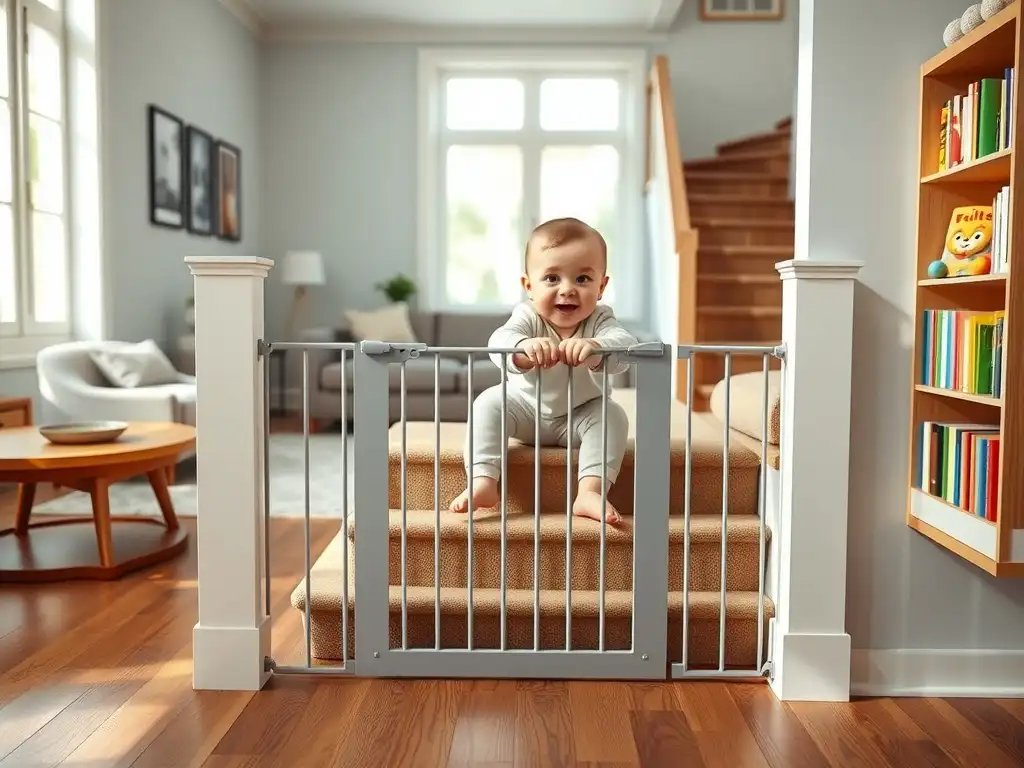
Baby gates are essential for restricting access to hazardous areas within your home, particularly staircases, kitchens, and bathrooms. Choosing the right gate is crucial. Pressure-mounted gates are convenient for quick installation and removal, ideal for renters or those who frequently rearrange furniture. However, they can be less secure than hardware-mounted gates, which are affixed directly to the wall or door frame.
Hardware-mounted gates provide a more robust barrier, offering superior safety and peace of mind. When installing any gate, ensure it's securely fastened and meets all safety standards. Always check the gate's height and width to ensure it's appropriately sized for your staircase or doorway, leaving no gaps for your baby to squeeze through. Beyond traditional gates, consider using barriers to restrict access to specific areas.
For example, a barrier can be used to block off a fireplace or a room containing hazardous items. Remember to regularly inspect all gates and barriers for any signs of damage or wear and tear. A well-maintained gate and barrier system is a vital component of a comprehensive babyproofing strategy for first-time parents. It’s also crucial to teach older children how to use the gates safely, ensuring they understand the importance of keeping them closed.
Step 6: Secure Toxic Substances and Cleaning Supplies
Toxic substances and cleaning supplies pose a significant threat to babies, who are naturally curious and prone to putting objects in their mouths. Safe storage is paramount to preventing accidental ingestion. The most effective method is to keep all cleaning products and hazardous materials locked away in a high cabinet, preferably one that requires a key or a child-resistant lock. Never leave these items within reach of your baby, even for a moment. Consider using childproof latches on all cabinets and drawers containing potentially dangerous substances.
These latches add an extra layer of security, making it more difficult for a curious toddler to access these items. Furthermore, ensure that all cleaning products are stored in their original containers with clear labeling. Avoid transferring them to unmarked bottles or containers, which could lead to confusion and accidental ingestion. A comprehensive approach to securing toxic substances requires vigilance and proactive measures.
Regularly check that all cabinets and drawers are securely locked and that all cleaning supplies remain safely out of reach. Educate yourself on the potential dangers of common household products and learn how to respond appropriately in case of accidental exposure. Remember, prevention is always better than cure when it comes to protecting your baby from toxic substances. This step is crucial in the babyproofing process for first-time parents who are navigating the complexities of a safe home environment.
Step 7: Childproof Windows and Balconies
Windows and balconies present significant dangers to curious toddlers. Falls are a leading cause of injury in young children, so securing these access points is paramount for first-time parents babyproofing their homes. Window guards are an essential investment. These aren't the flimsy plastic window locks often found in hardware stores; instead, opt for strong, sturdy metal guards that are professionally installed or follow the manufacturer's instructions meticulously.
These guards should be firmly anchored to the window frame and impossible for a child to open or dislodge. Regularly inspect them to ensure they remain securely fastened. Remember, even seemingly secure windows require vigilance. Never leave a child unattended near an open window, regardless of the presence of a guard.
For balconies, the approach is similar but often more complex. Balcony railings should be checked for gaps. If the spacing between the bars is wide enough for a child to slip through, consider installing a secondary barrier, such as a mesh net or additional railing. These added safety measures significantly reduce the risk of falls. Furthermore, ensure that any furniture near the balcony is securely positioned and cannot be easily used to climb onto the railing.
This proactive approach, focusing on both structural security and environmental control, will create a safer environment for your little one. Remember, a thorough assessment of your balcony's safety features is crucial before your baby begins to crawl and explore. Consult with a professional if you have any doubts about the security of your balcony. Their expertise can provide peace of mind and ensure your child's safety.
Step 8: Remove Small Objects and Choking Hazards
This step is crucial in babyproofing your home for first-time parents, as it directly addresses the ever-present threat of choking hazards. A baby's natural curiosity leads them to explore their environment by putting everything in their mouths. This means that many seemingly innocuous items can pose a serious choking risk. Begin by meticulously scanning every room in your house. Pay close attention to areas where small items are commonly found, such as:
- Living Room: Remove small toys with detachable parts, coins, buttons, batteries (especially button batteries! ), and anything else that could easily fit into a child's mouth.
- Kitchen: Keep all cleaning supplies, medications, and food items (especially nuts, popcorn, and small candies) out of reach and stored securely in cabinets with childproof locks. Consider using drawer latches to prevent curious little hands from accessing potentially dangerous items.
- Bathroom: Securely store toiletries and medications in high cabinets with childproof locks. Remember that even seemingly harmless items like cotton balls can present a choking hazard.
- Bedrooms: Remove small decorative items from nightstands and dressers. Ensure that cords from blinds, curtains, and electronics are either out of reach or secured to prevent strangulation.
Remember that choking hazards are not limited to small objects. Certain foods, like grapes, hot dogs, and hard candies, should be cut into smaller, manageable pieces to minimize the risk. Regularly check your child's play area and remove any potentially hazardous items. This proactive approach, coupled with constant supervision, significantly reduces the risk of choking incidents. If a choking incident does occur, remember to immediately contact emergency services. Knowing the signs and symptoms of choking and having a plan of action in place can be lifesaving. 👶
Maintaining a Safe Home Environment for Your Baby: Ongoing Babyproofing Tips
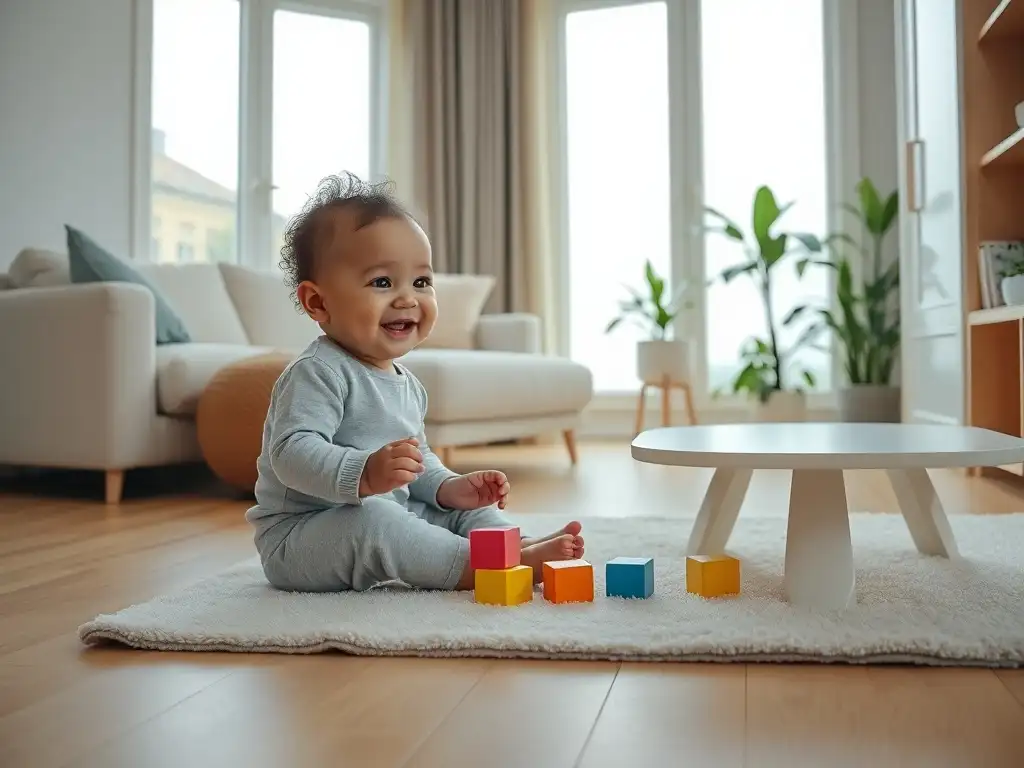
Babyproofing isn't a one-time event; it's an ongoing process that adapts to your baby's ever-changing abilities. As your little one grows from crawling to cruising and eventually walking, new hazards emerge. Maintaining a safe home environment requires vigilance and consistent adjustments to your babyproofing strategies. This section focuses on the long-term aspects of securing your home for your precious cargo, ensuring their safety as they explore their world. Remember, proactive babyproofing for first-time parents is key to peace of mind.
Regular Inspections and Adjustments: Adapting to Your Baby's Development
Regular inspections are crucial for maintaining a safe home environment for your baby. Think of it as a "babyproofing audit." Schedule regular checks – perhaps monthly, or even more frequently during developmental leaps – to assess your home's safety from your baby's perspective. Consider these key areas:
- Furniture: As your baby grows taller, previously unreachable areas become accessible. Check the stability of dressers, bookshelves, and other furniture. Ensure they are securely anchored to the wall to prevent tipping. A single tipped dresser can be devastating.
- Electrical Outlets: While you may have initially covered outlets, check for any that have become loose or damaged. Young children are naturally curious and might try to insert objects into them.
- Cabinets and Drawers: Childproof locks can become less effective over time. Check that they are still securely fastened and functioning correctly. Consider replacing them if necessary.
- Stairs: Gates need to be properly installed and secured. Ensure that there are no gaps or spaces where a baby could squeeze through.
- Toxic Substances: Regularly review the placement of cleaning products, medications, and other potentially harmful substances. Keep them well out of reach, ideally in locked cabinets.
Consider creating a checklist to track your inspections. This will ensure you don't overlook any critical areas. Remember, even minor adjustments can make a significant difference in preventing accidents. A proactive approach to babyproofing, tailored to your baby's development, is paramount. The peace of mind this provides is invaluable.
Teaching Your Child About Safety: Educating Your Little One
While babyproofing secures your home, educating your child about safety is equally important. This is a long-term strategy that fosters independence and safe habits as they grow. Here are some approaches:
- Positive Reinforcement: Praise your child when they demonstrate safe behaviors, such as avoiding touching electrical outlets or staying away from stairs without supervision. Positive reinforcement is far more effective than punishment.
- Simple Explanations: Use age-appropriate language to explain potential dangers. For example, "Hot!" when approaching a stove or "Sharp!" when handling knives.
- Modeling Safe Behavior: Children learn by observing. Always demonstrate safe practices yourself, such as properly using stairs or carefully handling sharp objects.
- Interactive Games: Turn safety lessons into fun games. For instance, you can play "find the danger" and have your child identify potential hazards in a room.
- Age-Appropriate Rules: Establish simple rules and consistently enforce them. For example, "No touching the stove" or "Hold my hand when crossing the street."
Teaching your child about safety is an investment in their future. It empowers them to make safe choices and reduces the reliance on solely physical babyproofing measures. This holistic approach to safety, combining physical barriers with education, provides a comprehensive strategy for first-time parents looking to babyproof their home effectively. Remember, consistent reinforcement and patience are key to success. It's a journey, not a race. 🧸
Babyproofing on a Budget: Affordable Solutions for First-Time Parents
Babyproofing your home doesn't require breaking the bank. Many effective safety measures can be implemented using readily available materials and a little creativity. First-time parents often face financial constraints, so prioritizing cost-effective solutions is crucial. This section focuses on practical, affordable strategies to babyproof your home without compromising your child's safety. Remember, even small changes can make a significant difference in minimizing hazards for your crawling and walking baby. This approach to babyproofing for first-time parents is not only economical but also environmentally friendly, reducing waste by repurposing existing items.
DIY Babyproofing Ideas: Cost-Effective Ways to Enhance Your Home's Safety
Creating your own babyproofing solutions can be surprisingly effective and significantly cheaper than buying commercial products. For instance, instead of purchasing expensive cabinet locks, consider using simple Velcro straps. These are readily available at most craft stores or online and are incredibly versatile. Simply wrap the strap around the cabinet handle and adhere the Velcro to the adjacent cabinet surface. This provides a strong, secure closure that's easy for adults to open but impossible for little hands to manage.
Another ingenious DIY solution involves using pool noodles. These inexpensive foam tubes can be cut to size and strategically placed along sharp corners of furniture or walls to cushion potential bumps and falls. Their soft, pliable nature makes them ideal for protecting your baby from injuries.
Here's a table summarizing some DIY babyproofing ideas and their estimated costs:
| DIY Solution | Materials Needed | Estimated Cost | Effectiveness |
|---|---|---|---|
| Velcro Cabinet Locks | Velcro straps | $5 - $10 | High |
| Corner Protectors | Pool noodles, fabric scraps | $3 - $5 | Medium-High |
| Outlet Covers | Cardboard, tape | Less than $1 | Medium |
| Drawer Locks | Rubber bands, twist ties | Negligible | Low-Medium |
Remember to always supervise your baby, even with babyproofing in place. No system is foolproof.
Repurposing Household Items: Creative and Economical Babyproofing Solutions
Repurposing existing household items is a fantastic way to babyproof your home affordably and creatively. Instead of buying expensive drawer locks, consider using rubber bands or twist ties. While not as strong as commercial locks, they can deter a curious baby from opening drawers containing potentially hazardous items. This is particularly effective for lower drawers that don't contain cleaning supplies or sharp objects.
Old towels or blankets can be repurposed as soft barriers to block access to dangerous areas, such as stairs or electrical outlets. They are a soft and readily available alternative to more expensive commercial barriers, offering a simple and effective solution.
Consider using empty plastic bottles filled with rice or beans as makeshift rattles. This is not only a cost-effective way to provide entertainment for your baby, but it also helps to reuse plastic that might otherwise end up in landfill. This provides a safe and engaging toy, diverting attention from potentially dangerous items. The satisfying sound of the rattling rice or beans can also be soothing for your baby. Just ensure the lids are secured tightly to prevent choking hazards.
By embracing creativity and resourcefulness, first-time parents can effectively babyproof their homes without incurring significant expenses. Remember that safety is paramount, and even small steps towards a safer environment for your baby are worthwhile. Combining DIY solutions with repurposed items provides a comprehensive and budget-friendly approach to babyproofing your home. This approach helps ensure a safe and stimulating environment for your little one without straining your finances.
Frequently Asked Questions
What are the most important areas to babyproof first?
Focus on high-traffic areas like the living room and kitchen. Secure potential hazards such as electrical outlets, sharp corners, and anything that could be pulled down or tipped over. Prioritize areas where your baby spends the most time.
How do I babyproof cabinets and drawers?
Use childproof locks or latches on cabinets containing cleaning supplies, medications, and other dangerous items. For drawers, consider straps or locks that prevent them from opening completely. Always check regularly to ensure they remain effective.
What about electrical outlets and cords?
Cover electrical outlets with safety plugs. Secure cords to the wall or out of reach using cord covers or ties. Teach older siblings about the dangers of electrical hazards and to keep their hands and toys away from the cords and outlets.
At what age should I start babyproofing?
Start babyproofing as soon as your baby is mobile, even if they are crawling. It's better to be proactive and prevent accidents than to react to them. This is usually around 6 months, but you can start earlier by securing fragile items.
What are some common babyproofing mistakes first-time parents make?
A common mistake is underestimating a baby's abilities. Babies are surprisingly agile! Another is forgetting about seemingly harmless items, like small toys or loose buttons which are choking hazards. Always think from your baby's perspective.
Final Reflection: Securing a Future, One Babyproofed Home at a Time
Creating a safe haven for your little one is not just about ticking boxes on a checklist; it's about building a foundation of security and peace of mind that will last a lifetime. The journey of babyproofing your home, as detailed in this article, is a testament to the profound love and dedication parents have for their children. It's a proactive step that transforms a house into a truly nurturing environment.
The impact of a thoughtfully babyproofed home extends far beyond the toddler years. It fosters a sense of trust and security in the child, allowing them to explore and learn within safe boundaries. The most important thing a father can do for his children is to love their mother.
This quote, while focusing on parental relationships, highlights the importance of creating a secure and loving environment – a babyproofed home is a crucial element of that. The ripple effect of this careful preparation resonates through childhood and beyond, shaping a child's sense of self and their relationship with their surroundings.
Now, consider your own home. Take a moment to reflect on the spaces your child inhabits, and identify areas that could benefit from a fresh look through the lens of safety. Don't be afraid to revisit the steps outlined in this article, adapting them to your unique circumstances. Remember, every precaution you take is an investment in your child's future, a testament to your unwavering love and commitment to their well-being. Embrace the journey of creating a safe and nurturing home, and watch as your child thrives within its protective embrace.
Transform Your Home into a Baby-Safe Haven!
Thank you for learning how to effectively babyproof your home! You've gained valuable knowledge to create a safer environment for your little one. Ready to put your new skills to the test?
- Prioritize the most significant hazards: Systematically assess each room, identifying the three biggest risks to your baby's safety. Addressing these first will provide an immediate sense of accomplishment.
- Share your experiences: Join our BabyCareHub community forum and share your successes and challenges. Let's learn from each other!
- Make it a family project: Involve older siblings in the babyproofing process. This teaches them responsibility and builds excitement for the baby's arrival.
What's the first babyproofing task you're most excited to tackle?