
10 Delicious Finger Foods for BabyLed Weaning Beginners

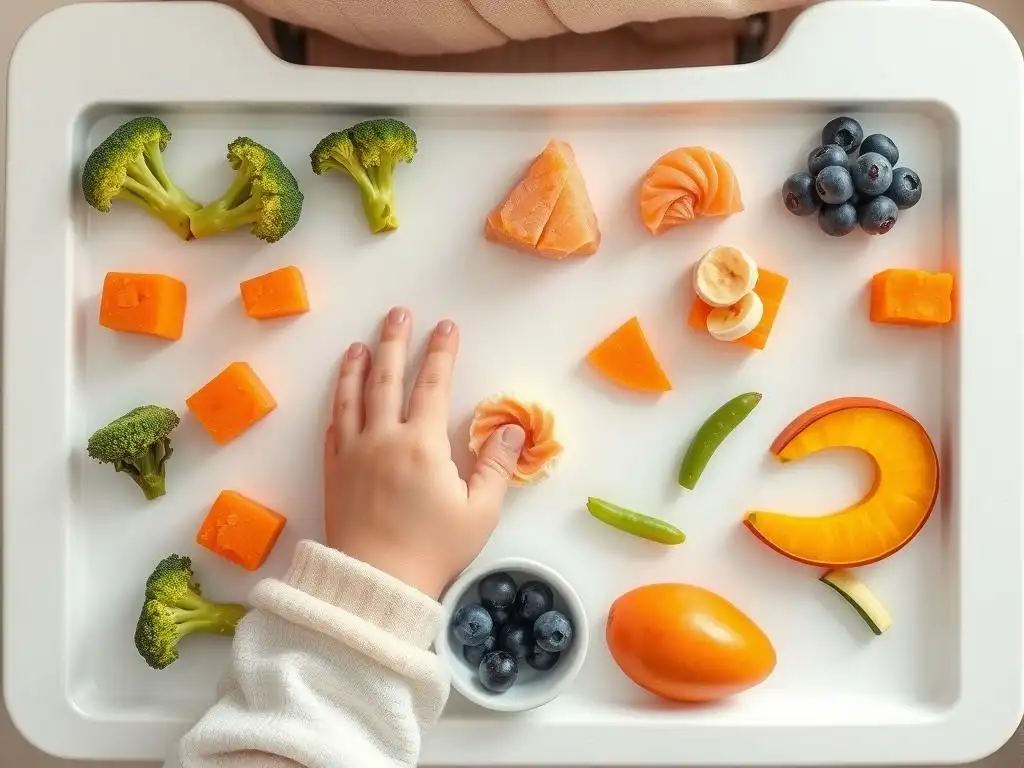
Welcome to BabyCareHub, your ultimate guide to navigating the exciting (and sometimes overwhelming!) world of parenthood. We understand that becoming a first-time parent brings a whirlwind of questions, and we're here to provide the step-by-step support you need. Are you ready to embark on the Baby Led Weaning journey? Discover 10 delicious and nutritious first foods perfect for your little one's exploration in our latest article on Baby Led Weaning First Foods—and unlock the secrets to a smooth and enjoyable feeding experience. Let's get started!
- Introducing Baby-Led Weaning: First Foods for Little Ones
-
Top 10 Baby-Led Weaning First Foods: Soft & Easy to Manage
- 1. Steamed Carrot Sticks: A Classic BLW Staple
- 2. Avocado Slices: Creamy and Nutrient-Rich
- 3. Soft Cooked Sweet Potato Fries: Naturally Sweet and Satisfying
- 4. Banana Fingers: Easy to Grip and Naturally Sweet
- 5. Steamed Green Beans: Tender and Packed with Vitamins
- 6. Cooked Broccoli Florets: A Great Source of Fiber
- 7. Soft Cooked Peas: Small and Easy to Pick Up
- 8. Scrambled Eggs (Well-Cooked): A Protein Powerhouse
- 9. Plain Cooked Chicken Breast (Shredded): Lean Protein Source
- 10. Ripe Mango Chunks: Sweet and Tropical Treat
- Preparing Baby-Led Weaning First Foods: Safety Tips and Techniques
- Monitoring Your Baby's Progress During Baby-Led Weaning
- Frequently Asked Questions
- Final Reflection: Nourishing the Journey of Baby-Led Weaning
- Unlock Your Little One's Culinary Journey!
Introducing Baby-Led Weaning: First Foods for Little Ones
Embarking on the exciting journey of parenthood often brings a plethora of questions, especially when it comes to your little one's nutrition. Baby-led weaning (BLW) is a popular approach that allows babies to self-feed soft, easily manageable foods from around six months of age, skipping the purees and directly transitioning to finger foods. This method empowers your baby to explore textures, tastes, and develop their self-feeding skills.
This article presents 10 delicious and safe finger food options perfect for babies starting their BLW adventure, helping you navigate this crucial stage of your baby's development. We'll explore the benefits of BLW, discuss crucial safety considerations, and provide you with a ranked list of delectable first foods to introduce your baby to the wonderful world of flavors.
Remember to always consult with your pediatrician before starting any new dietary regimen for your baby. This guide aims to provide information and support, not substitute professional medical advice.
Understanding the Benefits of Baby-Led Weaning
Baby-led weaning offers a multitude of advantages for both babies and parents. For babies, it fosters a sense of independence and control over their eating habits, encouraging self-regulation of food intake. The process of exploring different textures and tastes helps develop their oral motor skills and hand-eye coordination.
Furthermore, research suggests that BLW may contribute to a reduced risk of picky eating later in childhood, as babies are actively involved in the selection and consumption of their food from the very beginning. For parents, BLW can be a less time-consuming approach compared to preparing purees, as many of the suggested foods require minimal preparation.
It also promotes family mealtimes, as babies can participate in the same meals as the rest of the family, fostering a sense of connection and shared experience. The entire process can feel more natural and intuitive, allowing parents to focus on the joy of watching their baby discover new flavors and textures.
Safe Food Choices for Baby-Led Weaning: Avoiding Choking Hazards
Safety is paramount when introducing solid foods to your baby. Choosing the right foods and preparing them correctly is crucial to minimize the risk of choking. Foods should be soft enough to easily mash with the gums, and cut into long, thin sticks or small, manageable pieces to prevent large chunks from obstructing the airway. Avoid round, hard, or sticky foods that can pose a significant choking hazard.
Always supervise your baby while they are eating and remain alert to any signs of distress. Some foods are inherently safer than others; for example, well-cooked, soft vegetables like steamed carrots or sweet potatoes are excellent choices, while raw or undercooked foods should be strictly avoided. It's essential to understand the texture and consistency of each food before offering it to your baby. Here's a table summarizing safe and unsafe food choices for BLW beginners:
| Safe Food Choices | Unsafe Food Choices |
|---|---|
| Steamed carrots, sweet potatoes | Hard candies, nuts, popcorn |
| Soft cooked green beans | Grapes (whole), cherry tomatoes |
| Avocado slices | Raw carrots, celery |
| Banana slices (well-ripe) | Hot dogs, sausages |
| Cooked pasta (well-cooked) | Raw meat, fish |
| Soft cooked chicken (shredded) | Peanut butter (high risk for allergy) |
| Well-cooked broccoli florets | Honey (under 1 year old) |
Remember, this is not an exhaustive list, and always consult with your pediatrician or a registered dietitian for personalized guidance. The successful introduction of solid foods requires careful planning, observation, and a proactive approach to ensure your baby's safety and well-being. The following section will delve into specific food recommendations tailored to BLW beginners.
Top 10 Baby-Led Weaning First Foods: Soft & Easy to Manage
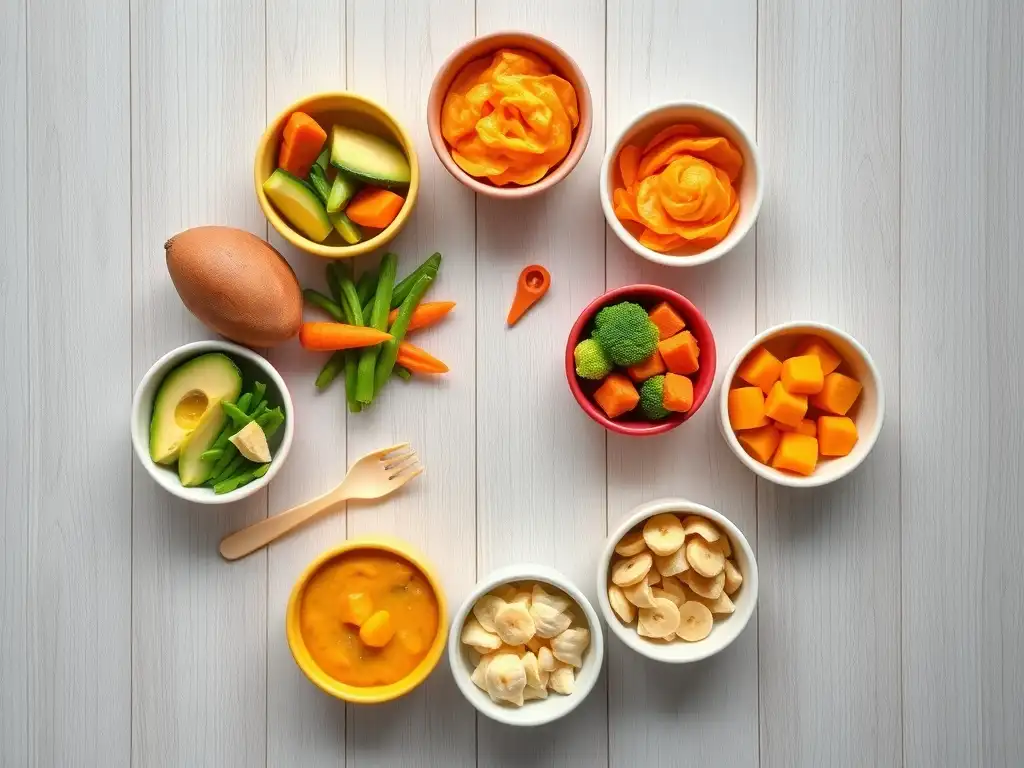
This section delves into the top ten soft and easily manageable finger foods ideal for initiating baby-led weaning (BLW). Remember, always supervise your baby closely during mealtimes and introduce new foods one at a time to monitor for any allergic reactions. These foods are selected for their ease of gripping, soft texture, and nutritional value, making them perfect for little ones just starting their self-feeding journey. Choosing the right baby led weaning first foods is crucial for a positive experience.
1. Steamed Carrot Sticks: A Classic BLW Staple
Steamed carrot sticks are a classic and highly recommended first food for baby-led weaning. Carrots are naturally sweet, packed with Vitamin A, and offer a good source of fiber. Steaming them until tender ensures they're easy for your baby to gum and manage. To prepare, simply peel and cut carrots into long, thin sticks (approximately 2-3 inches long and ¼ inch thick). Avoid cutting them too small, as this could pose a choking hazard.
Steaming is preferred over boiling as it retains more nutrients. You can easily check doneness by piercing a stick with a fork; it should be easily penetrable. Remember to always supervise your baby while they are eating. The soft texture makes them ideal for babies beginning their baby led weaning journey.
2. Avocado Slices: Creamy and Nutrient-Rich
Avocados are a nutritional powerhouse, rich in healthy fats, fiber, and potassium. Their creamy texture makes them incredibly easy for babies to mash and self-feed. Simply cut a ripe avocado in half, remove the pit, and slice into manageable pieces. The slices should be thick enough to be easily gripped but not so large that they pose a choking risk.
Avoid overly ripe avocados, as they can be too mushy. For babies just starting BLW, consider slightly mashing the avocado to make it even easier to manage. Avocado's smooth texture makes it a perfect choice for baby led weaning first foods. This is a great option for babies who may be hesitant to try other vegetables.
3. Soft Cooked Sweet Potato Fries: Naturally Sweet and Satisfying
Sweet potatoes are a naturally sweet and nutritious option, rich in Vitamin A and fiber. Cut sweet potatoes into thin, fry-like shapes. Bake or steam until very soft. The fries should be easily pierced with a fork. Avoid making them too crispy, as this could be difficult for babies to manage.
Their natural sweetness makes them appealing to many babies, and the soft texture ensures easy handling. Baking or roasting can make them slightly crispy on the outside, but be sure to test for softness. This is a deliciously nutritious addition to your baby's baby led weaning first foods repertoire. Remember to cut them into appropriately sized pieces to minimize choking hazards.
This section provides a solid foundation for introducing your baby to the exciting world of self-feeding. Remember to always prioritize safety and monitor your baby closely during mealtimes. Enjoy this wonderful milestone in your baby's development! These suggestions offer a diverse range of textures and flavors to help your baby explore and enjoy their first solid foods as they progress through baby led weaning.
4. Banana Fingers: Easy to Grip and Naturally Sweet
Bananas are a classic first food for baby-led weaning for a reason! Their soft texture makes them incredibly easy for little ones to grasp and gum. The natural sweetness appeals to most babies' palates, encouraging them to explore this new way of eating. Furthermore, bananas are packed with potassium, which is essential for healthy growth and development.
When introducing bananas, ensure they are ripe but firm enough to hold their shape. Overly ripe bananas can be mushy and difficult for babies to manage. Cut the banana into manageable, finger-sized pieces—think short, thick sticks rather than long, thin ones, to minimize choking hazards. Always supervise your baby closely during mealtimes.
Remember to start with small portions and observe your baby for any allergic reactions. A great tip is to offer a variety of foods alongside the banana to encourage a diverse diet from the outset. For example, a small piece of avocado alongside a banana finger can introduce different textures and flavors.
5. Steamed Green Beans: Tender and Packed with Vitamins
Steamed green beans offer a fantastic source of vitamins and fiber, crucial for a baby's developing digestive system. The key is to steam them until they are incredibly tender. Overly crisp green beans can be difficult for babies to manage and may pose a choking risk. Aim for a texture that easily mashes between your fingers.
You can achieve this by steaming the beans for around 8-10 minutes, depending on their thickness. After steaming, allow them to cool slightly before offering them to your baby. Cut the beans into small, manageable pieces—approximately 1-2 inches long. Avoid overly long pieces, as these can present a choking hazard.
It's also important to watch for any signs of allergies, such as rash or digestive upset. Remember, introducing new foods one at a time allows you to easily identify any potential reactions. Green beans are a great option to introduce alongside other soft, easily digestible foods like sweet potato or avocado. The variety in color and texture can stimulate your baby's interest in exploring different tastes and textures.
6. Cooked Broccoli Florets: A Great Source of Fiber
Broccoli florets are another excellent source of fiber and essential vitamins for growing babies. However, the preparation is key to ensuring safety and palatability. Steaming or lightly boiling the broccoli until it's very tender is crucial. Avoid overcooking, which can lead to mushy florets that lose their nutritional value. The goal is to achieve a texture that easily breaks apart when gently pressed.
Aim for a cooking time of around 5-7 minutes, depending on the size of the florets. Once cooked, allow the broccoli to cool before offering it to your baby. Cut the florets into small, bite-sized pieces to minimize choking risks. Always supervise your baby during mealtimes and be aware of potential choking hazards.
Broccoli's slightly stronger flavor might not appeal to all babies initially, so be patient and offer it alongside more familiar and sweeter options. You can also try mixing cooked broccoli with other vegetables to create a more appealing and nutritious combination. Remember, introducing a variety of foods is essential for a balanced and healthy diet. Always consult your pediatrician before introducing new foods to your baby's diet, especially if there is a family history of allergies.
7. Soft Cooked Peas: Small and Easy to Pick Up
Peas are a fantastic choice for baby-led weaning because of their small size and soft texture when cooked properly. Babies can easily grasp them with their little fingers, promoting self-feeding and hand-eye coordination. The vibrant green color is also visually appealing, making them more likely to entice even the pickiest eaters. To prepare them, simply steam or boil fresh or frozen peas until tender but not mushy.
Avoid overcooking, as this can diminish their nutritional value and make them less appealing. Remember to always supervise your baby while they are eating to prevent choking hazards. Start with a small amount and observe your baby's reaction before offering more.
You can also incorporate cooked peas into other dishes like purees or baby-led weaning friendly stews for added nutrition and flavor. The natural sweetness of peas makes them a gentle introduction to solid foods for many babies. Consider serving them alongside other soft foods for a well-rounded and nutritious meal.
8. Scrambled Eggs (Well-Cooked): A Protein Powerhouse
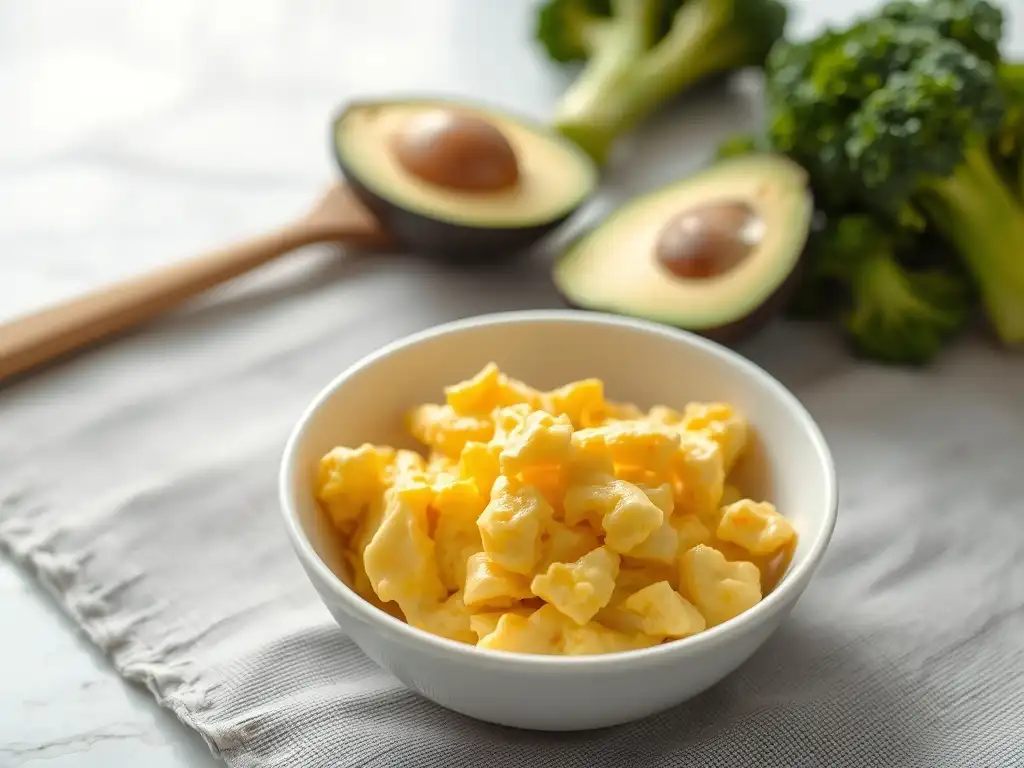
Eggs are an excellent source of protein and essential nutrients for growing babies. However, it's crucial to cook them thoroughly to eliminate any potential risk of salmonella. Scrambled eggs are a popular choice for baby-led weaning because their texture is easily adaptable. For babies just starting solids, cook the eggs until they are very well-done and slightly dry to minimize choking hazards.
You can then mash them slightly with a fork to make them even easier to manage. Avoid adding salt, pepper, or other seasonings until your baby is older and their palate has developed. The richness of eggs provides a good source of choline, which is vital for brain development. Introduce eggs gradually, starting with a small portion and monitoring your baby for any allergic reactions.
Remember to always supervise your baby during mealtimes. A safe and effective way to serve them is to cut the scrambled egg into small, manageable pieces. The yellow color is also appealing to babies and the mild flavor is generally well-accepted.
9. Plain Cooked Chicken Breast (Shredded): Lean Protein Source
Chicken breast is a lean protein source that’s easy to digest and packed with essential nutrients for your baby's growth. For baby-led weaning, it’s best cooked until very tender and then shredded into small, manageable pieces. This ensures that your baby can easily pick it up and gum it without the risk of choking. Avoid using any added seasonings like salt, pepper, or herbs until your baby is older.
The plain flavor allows your baby to experience the natural taste of the chicken. Overcooked chicken can become dry, so ensure it retains some moisture for easier chewing. You can steam, bake, or poach the chicken breast, avoiding frying methods which can add unnecessary fat. Always supervise your baby during mealtimes and introduce chicken gradually, observing for any allergic reactions.
Chicken is a valuable source of iron and zinc, both essential for healthy development. Consider combining shredded chicken with other soft vegetables like sweet potato or carrots for a complete and nutritious meal. Remember to remove any visible bones or cartilage before serving.
10. Ripe Mango Chunks: Sweet and Tropical Treat
Mangoes offer a fantastic introduction to baby-led weaning due to their naturally sweet flavor and soft, easily-mashable texture when ripe. Choosing a fully ripe mango is crucial; the softer the fruit, the easier it will be for your little one to manage. Avoid mangoes that are hard or have bruises, as these can be difficult to chew and potentially pose a choking hazard.
To prepare ripe mango chunks for your baby, simply peel the mango and cut it into small, manageable sticks or cubes. Aim for sizes that are roughly the size of your baby's pinky finger, ensuring they are long enough to grasp but not so large that they present a choking risk. Always supervise your baby while they are eating, and ensure they are sitting upright.
The sweetness of mango can be a great way to introduce new flavors to your baby's palate. Many babies readily accept the taste of mango, making it a good starting point for exploring diverse fruits and vegetables. Remember to introduce one new food at a time, waiting a few days to observe for any allergic reactions before introducing another. Keep an eye out for any signs of discomfort, such as rash, swelling, or digestive upset.
If you notice any of these, consult your pediatrician immediately. The nutritional benefits of mango are also noteworthy, offering vitamins A and C, as well as fiber, contributing to your baby's overall health and development. Remember that even though mango is soft, always supervise your little one while they are enjoying this delicious and nutritious treat. This careful approach ensures a safe and enjoyable baby-led weaning experience.
Preparing Baby-Led Weaning First Foods: Safety Tips and Techniques
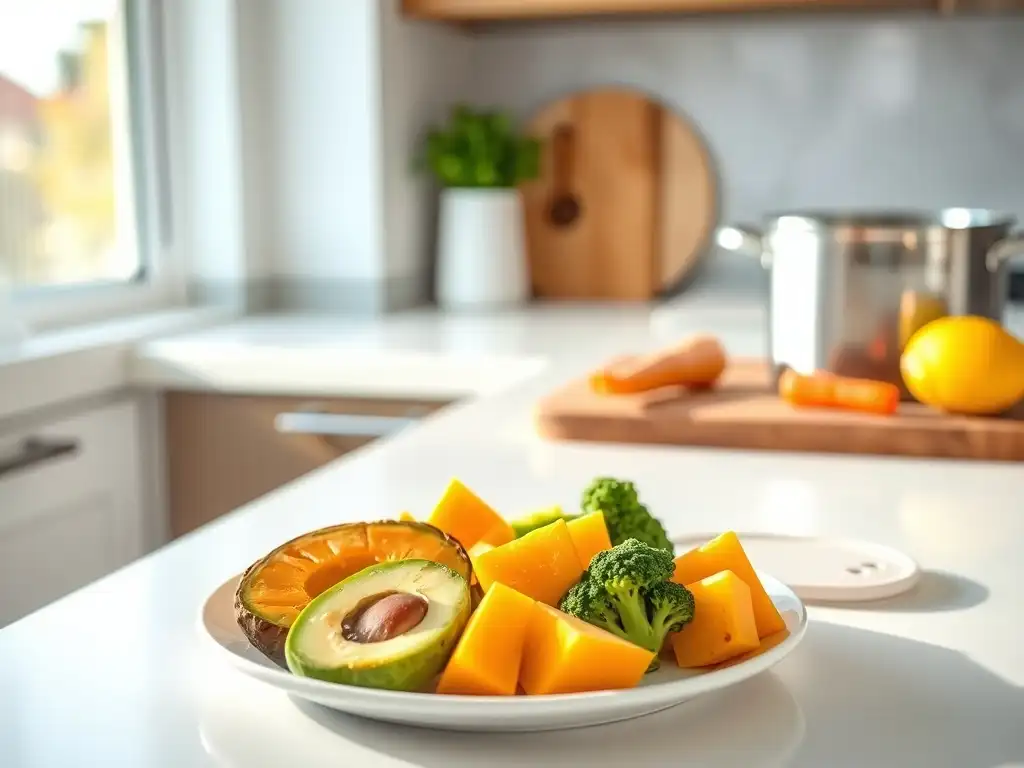
This section focuses on crucial safety measures and techniques when preparing first foods for baby-led weaning (BLW). Remember, introducing solids is a significant milestone, and prioritizing safety is paramount. We'll explore cooking methods, safe cutting practices, and proper food storage and reheating to ensure your baby's well-being.
Cooking Methods for Baby-Led Weaning
Choosing the right cooking method is key to ensuring your baby's first foods are both nutritious and safe. Steaming, boiling, and baking are generally preferred over frying, as frying can add excess fat and potentially create choking hazards.
Steaming preserves nutrients and creates a soft texture ideal for babies just beginning their BLW journey. For example, steaming broccoli florets until tender-crisp ensures easy gumming and minimizes the risk of choking. Boiling is another gentle method, suitable for softer vegetables like carrots and sweet potatoes. Remember to always cook until thoroughly soft to reduce choking risks. Baking, on the other hand, can create slightly firmer textures, perfect for foods like sweet potato fries or soft baked chicken pieces. Always ensure the food is cooked through and easily mashed with a fork before serving.
Here's a quick comparison table summarizing the benefits of each method:
| Cooking Method | Benefits | Suitable Foods | Safety Considerations |
|---|---|---|---|
| Steaming | Preserves nutrients, soft texture | Broccoli, carrots, green beans | Ensure food is cooked through, not mushy. |
| Boiling | Simple, gentle, easy cleanup | Carrots, sweet potatoes, peas | Monitor cooking time to avoid overcooking and mushiness. |
| Baking | Creates firmer textures, less watery | Sweet potato fries, chicken pieces | Ensure food is cooked through and easily breaks apart. |
Remember to always supervise your baby during mealtimes and introduce new foods one at a time to monitor for any allergic reactions.
Cutting and Slicing Foods Safely for Babies
The size and shape of the food you offer are critical in preventing choking. Always cut food into long, thin sticks or small, manageable pieces. Avoid anything round or spherical that could get lodged in the throat. Think of the size of your baby’s pinky finger as a guideline for the thickness of finger foods.
- Avoid: Round foods like grapes (cut them lengthwise into quarters), cherry tomatoes (cut them in half), and hard, whole foods.
- Prefer: Soft cooked vegetables cut into sticks, small pieces of well-cooked meat, or soft fruit pieces.
Here are some examples of safe cutting techniques for popular BLW foods:
- Avocado: Cut into thin, manageable slices or sticks.
- Banana: Cut into short, thick sticks or slices.
- Broccoli: Cut into small florets or thin sticks.
- Chicken: Cook thoroughly and shred or cut into small, bite-sized pieces.
Always check the food for any hard pieces before offering it to your baby. A good rule of thumb is that if you can't easily mash it with your gums, it's probably too hard for your baby.
Storage and Reheating Guidelines for Baby Food
Proper storage and reheating of baby food is essential to prevent bacterial growth and maintain nutritional value.
Leftovers should be stored in airtight containers in the refrigerator within two hours of cooking and consumed within 24 hours. Never refreeze previously frozen food.
When reheating, always ensure the food is heated thoroughly to a steaming temperature. You can do this in a microwave, ensuring the food is heated evenly to prevent hot spots, or by gently warming it in a saucepan on the stovetop. Always check the temperature before serving by testing a small amount on your wrist. Avoid reheating food more than once.
Remember, food safety is crucial in baby-led weaning. Following these guidelines will help you ensure your baby enjoys delicious and safe first foods! Always consult your pediatrician if you have any concerns or questions about introducing solid foods to your baby.
Monitoring Your Baby's Progress During Baby-Led Weaning
Baby-led weaning (BLW) is a fantastic journey, but it's crucial to monitor your little one's progress carefully. This isn't just about checking if they're eating; it's about observing their responses to different textures, identifying potential allergies, and ensuring they're getting the nutrients they need. Consistent monitoring helps you adapt your approach and make informed decisions about introducing new foods. Remember, every baby is unique, and their pace will vary.
Recognizing Signs of Readiness for New Foods
Introducing new foods requires careful observation of your baby's developmental milestones. Before introducing a new food, ensure your baby exhibits several key readiness signs. These aren't rigid rules, but rather helpful guidelines.
- Sitting upright unsupported: This is crucial for safe self-feeding. Your baby needs good head and neck control to prevent choking.
- Showing interest in food: Does your baby reach for your food or watch you eat with fascination? This indicates an interest in exploring new tastes and textures.
- Good gumming and chewing ability: Even without teeth, babies can gum and mash food. Observe their ability to manage soft, easily-mashable foods.
- Absence of gag reflex: While a gag reflex is normal and protective, an overly sensitive gag reflex might indicate a need to wait before introducing solid foods. Consult your pediatrician if you have concerns.
- Reaching for and grasping objects: This demonstrates developing fine motor skills necessary for picking up and handling food.
Remember, observing these signs helps you determine the ideal time to progress with different food textures. Introducing foods too early could lead to frustration and potential choking hazards. Patience and observation are key!
Addressing Potential Challenges During BLW
Baby-led weaning, while empowering, can present some challenges. Being prepared for potential issues allows for a smoother transition. Here's a look at common problems and how to address them:
- Choking: This is a natural fear for parents. However, the risk is often overestimated. Offer appropriately sized and soft foods, supervise closely, and teach your baby to self-regulate their intake. Learn the difference between gagging (a normal reflex) and choking (a true airway blockage).
- Messy eating: BLW is inherently messy! Embrace the chaos. Use a bib, protect your furniture, and focus on the positive aspects of self-feeding.
- Food refusal: Babies may refuse certain foods, and that's okay. Offer a variety of foods repeatedly; persistence is key. Don't force your baby to eat anything.
- Nutritional concerns: Ensure your baby is still getting enough breast milk or formula. BLW is a complement, not a replacement, to their primary source of nutrition. Introduce iron-rich foods early.
- Allergies: Start with single-ingredient foods to easily identify potential allergic reactions. Watch for symptoms like rash, vomiting, or diarrhea. Consult your pediatrician immediately if you suspect an allergy.
| Challenge | Solution |
|---|---|
| Choking | Offer appropriately sized and soft foods; supervise closely; learn Heimlich maneuver basics. |
| Messy eating | Use a bib, protect surfaces, embrace the mess! |
| Food refusal | Offer variety repeatedly; don't force feeding. |
| Nutritional concerns | Ensure adequate breast milk/formula; introduce iron-rich foods. |
| Allergies | Introduce single-ingredient foods; monitor for reactions; consult pediatrician. |
Remember, the journey of baby-led weaning is about more than just nutrition; it's about fostering your baby's independence and confidence. By carefully monitoring their progress and addressing potential challenges proactively, you can create a positive and successful BLW experience. 👶
Frequently Asked Questions
What is Baby-Led Weaning (BLW)?
Baby-Led Weaning (BLW) is a method where babies are offered soft, easily-managed finger foods from around six months old, skipping purees altogether. It allows babies to self-feed and explore different textures.
When should I start Baby-Led Weaning?
You can begin BLW when your baby shows signs of readiness, such as sitting unsupported, showing interest in food, and having good head and neck control. This is typically around six months of age.
What are some good first foods for Baby-Led Weaning?
Excellent first foods include soft cooked vegetables like carrots and sweet potato, ripe avocado, and well-cooked pasta. Always supervise your baby closely while they are eating.
How do I prepare food for Baby-Led Weaning?
Foods should be soft enough to gum and mash, avoiding any choking hazards. Cut food into long, thin sticks or small, manageable pieces. Steam, bake, or boil foods until tender.
What if my baby doesn't seem interested in Baby-Led Weaning?
Some babies take time to adjust to BLW. Don't force it. Keep offering a variety of appealing foods, and consult your pediatrician if you have concerns about your baby's feeding.
Final Reflection: Nourishing the Journey of Baby-Led Weaning
The transition to solid foods is a monumental milestone in a baby's life, and choosing the right first foods can significantly impact their nutritional development and overall eating experience. This journey, often filled with anxieties and excitement for parents, can be navigated with confidence and joy by understanding the principles of baby-led weaning and selecting appropriate, delicious options. The ten finger foods highlighted in this article offer a starting point, a springboard for exploration and discovery.
The impact of baby-led weaning extends far beyond the immediate act of feeding. It fosters a positive relationship with food, encouraging self-regulation and a healthy appreciation for diverse flavors and textures. Weaning should be a happy, relaxed time for both parent and baby. It's about building a positive relationship with food.
This sentiment, often echoed by experienced parents and pediatricians, underscores the importance of a mindful approach, prioritizing the child's autonomy and enjoyment. The choices we make in those early months profoundly shape their future eating habits and overall well-being.
Now, consider your own approach to feeding your little one (or those you care for). What resonates most with you from this exploration of baby-led weaning? Don't be afraid to experiment, to adapt these suggestions to your baby's unique preferences and developmental stage. Embrace the messy, joyful chaos of this phase, and remember that every tiny bite is a step towards a lifetime of healthy eating habits. The journey is as important as the destination, so savor each moment and celebrate the milestones along the way.
Unlock Your Little One's Culinary Journey!
Thank you for exploring delicious and safe finger food options for your baby's weaning journey! We hope you found inspiration for exciting new tastes. Now it's time to put those ideas into practice!
- Prioritize your baby's favorites: Make a large batch of their favorite finger food recipe – and watch their face light up!
- Experiment with textures: Introduce a new texture this week, building on previous successes. You could try slightly larger pieces of food, or a different vegetable.
- Share your experiences: Join our BabyCareHub community on social media and share your baby's weaning adventures – we'd love to see what they're enjoying!
What delicious new foods will you and your little one discover next?