
The Role of Baby Sleep Trackers in Establishing a Routine


Welcome to BabyCareHub, your ultimate guide to navigating the exciting yet challenging world of parenthood! Are you ready to unlock the secrets to a more peaceful night's sleep for both you and your little one? Our Baby sleep tracker routine guide dives deep into the practical application of technology to establish consistent and healthy sleep patterns for your baby. Discover how simple tracking can transform your approach to bedtime and unlock a world of improved rest for the whole family. Let's embark on this journey together – explore the power of sleep tracking now!
- Understanding the Importance of a Consistent Sleep Schedule for Infants
- Introducing Baby Sleep Trackers: Tools for Monitoring and Improvement
- Types of Baby Sleep Trackers: Apps vs. Wearable Devices
- Key Features to Look for in a Baby Sleep Tracker: Accuracy, Data Analysis, and User-Friendliness
- Choosing the Right Tracker Based on Your Baby's Age and Needs
-
Using a Baby Sleep Tracker to Establish a Consistent Sleep Routine: A Step-by-Step Guide
- Step 1: Setting Realistic Sleep Goals Based on Your Baby's Age
- Step 2: Tracking Sleep Patterns to Identify Trends and Challenges
- Step 3: Analyzing Data to Identify Optimal Sleep Times and Patterns
- Step 4: Adjusting Bedtime and Nap Schedules Based on Data Analysis
- Step 5: Utilizing Tracker Features to Enhance Sleep Hygiene: Sounds, Light, etc.
- Step 6: Monitoring Progress and Making Adjustments as Needed
- Interpreting Data from Your Baby Sleep Tracker: Avoiding Misinterpretations
- Beyond Tracking: Creating a Holistic Sleep Environment for Your Baby
- Baby Sleep Tracker Routine Guide: Long-Term Benefits and Considerations
-
Frequently Asked Questions
- What is a baby sleep tracker, and how does it help establish a routine?
- Are all baby sleep trackers created equal? What should I look for?
- How do I use a sleep tracker to create a consistent sleep schedule for my baby?
- My baby doesn't seem to follow a predictable sleep pattern. Is a sleep tracker still helpful?
- Are there any downsides to using a baby sleep tracker?
- Final Reflection: The Lullaby of Routine: Sleep Trackers and the Evolving Family
- Unlock Your Baby's Sleep Potential!
Understanding the Importance of a Consistent Sleep Schedule for Infants
Establishing a consistent sleep schedule for your infant is crucial for their healthy development and your family's well-being. A predictable sleep-wake cycle contributes significantly to a baby's physical, cognitive, and emotional growth. This article serves as your comprehensive guide to leveraging baby sleep trackers to create and maintain a beneficial sleep routine for your little one.
We'll explore the numerous advantages of a regular sleep schedule, how sleep impacts your baby's mood and overall health, and how to identify early signs of a developing sleep routine. Understanding these aspects will empower you to make informed decisions about your baby's sleep, leading to happier, healthier days for everyone. This guide focuses on using baby sleep trackers to help you optimize your baby's sleep and create a routine that works for your family.
We'll cover everything from choosing the right tracker to interpreting the data and making adjustments as needed. Let's dive into the world of baby sleep and how technology can help you navigate this important phase of parenthood.
Benefits of a Regular Sleep Routine for Baby's Development
A regular sleep routine offers numerous benefits for your baby's development. Consistent sleep patterns contribute to healthy brain development, influencing cognitive functions like memory, learning, and problem-solving. Adequate sleep also strengthens the immune system, making your baby less susceptible to illness. Furthermore, regular sleep promotes healthy growth and development, impacting physical milestones such as weight gain and motor skill acquisition.
Studies have shown a strong correlation between sufficient sleep and improved cognitive performance in infants. For example, babies who sleep consistently often demonstrate better attention spans and improved learning abilities later in childhood. This is because sleep allows the brain to consolidate memories and process information acquired throughout the day. 😴
The benefits extend beyond cognitive development. Regular sleep contributes to the healthy development of the endocrine system, regulating hormone production essential for growth and overall well-being. It also plays a crucial role in the development of the nervous system, impacting the baby's ability to regulate emotions and respond to stimuli effectively. A well-established sleep routine, therefore, sets the stage for a healthy foundation for your baby's future development.
Impact of Sleep on Baby's Mood and Overall Well-being
The connection between sleep and mood in babies is undeniable. Sufficient and consistent sleep leads to a happier, more content baby. When well-rested, infants are generally more alert, engaged, and responsive to their environment. Conversely, sleep deprivation can lead to irritability, fussiness, and increased crying. This can be incredibly challenging for parents, leading to increased stress and potentially impacting the parent-child bond. A consistently well-rested baby is more likely to be cooperative during feeding, diaper changes, and playtime. This positive feedback loop creates a more harmonious and enjoyable experience for both the baby and the caregivers.
Moreover, sleep impacts a baby's overall well-being. It allows their bodies to repair and regenerate, strengthening their immune system and boosting their resilience against illness. Adequate sleep is also crucial for healthy digestion and metabolism, contributing to optimal growth and development. Tracking your baby's sleep can help you identify patterns and address any sleep disruptions promptly, leading to improved mood and overall well-being for your little one. Addressing sleep problems early can prevent potential long-term issues and promote a positive and healthy start for your baby.
Recognizing Sleep Patterns: Early Signs of a Developing Routine
Observing your baby's sleep patterns is crucial in establishing a routine. Early signs of a developing routine might include more predictable nap times, longer stretches of nighttime sleep, and a more consistent wake-up time. You might notice your baby becoming drowsy at roughly the same time each day, indicating a natural sleep rhythm. These subtle cues are valuable in identifying your baby's individual sleep preferences and building a routine around their natural circadian rhythm. Pay close attention to your baby's hunger cues, activity levels, and signs of tiredness, such as rubbing their eyes or becoming quieter.
Using a baby sleep tracker can significantly aid in recognizing these patterns. The data collected by the tracker provides a clear picture of your baby's sleep cycles, including sleep duration, wake-up times, and the number of naps. This information helps you identify any inconsistencies or disruptions in the sleep pattern and allows you to make informed decisions about adjusting the routine accordingly.
Remember, consistency is key, and the ability to observe and understand your baby's sleep patterns is the first step towards creating a successful and effective sleep routine. By paying close attention to these early signs and utilizing the insights provided by a sleep tracker, you can lay the groundwork for a healthier, happier future for both you and your baby.
Introducing Baby Sleep Trackers: Tools for Monitoring and Improvement
Establishing a consistent sleep routine for your baby is crucial for their development and your well-being. The process, however, can be challenging, filled with guesswork and inconsistent sleep patterns. This is where baby sleep trackers become invaluable tools.
These devices and apps offer a data-driven approach to understanding your baby's sleep, helping you identify patterns, address sleep problems, and ultimately create a more effective sleep routine. By objectively monitoring sleep duration, sleep cycles, and wake-up times, parents gain insights that were previously unavailable, moving beyond subjective observations to a more informed approach to sleep training. The ultimate goal is not just to track sleep, but to use that data to improve it, leading to better sleep for both baby and parent.
This improved understanding contributes significantly to a more peaceful and predictable environment for the entire family, fostering healthier routines and reducing parental stress associated with inconsistent sleep schedules. The data provided empowers parents to make informed decisions, leading to more effective interventions and a more positive sleep experience.
Types of Baby Sleep Trackers: Apps vs. Wearable Devices
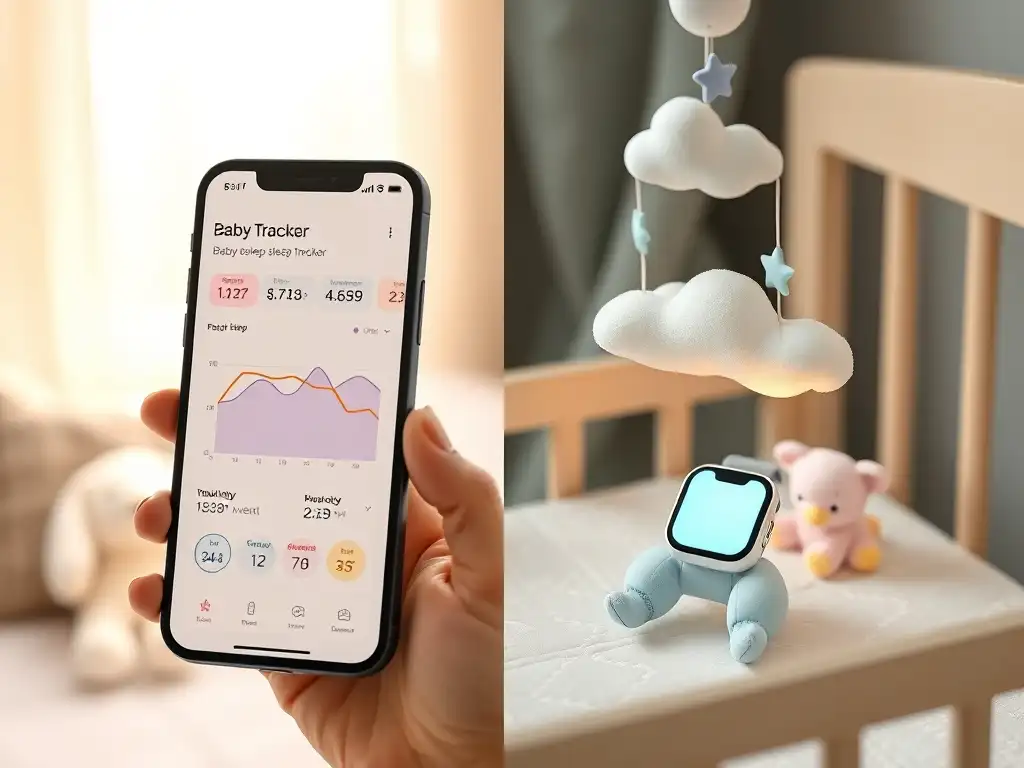
Choosing the right baby sleep tracker involves understanding the different types available. The market primarily offers two main categories: apps and wearable devices.
Types of Baby Sleep Trackers: Apps vs. Wearable Devices
- Smartphone Apps: These apps typically rely on sound detection to monitor your baby's sleep. They analyze audio patterns to distinguish between sleeping and waking states. While convenient and readily accessible, their accuracy can be affected by background noise. Some advanced apps may incorporate additional features like sleep cycle tracking and sleep analysis reports, providing insights into sleep quality. However, the reliance on sound alone may lead to inaccuracies, especially in noisy environments.
- Wearable Devices: These devices, often in the form of smart sleep monitors or bands, are worn by the baby (usually on the wrist or ankle). They utilize sensors to track movement, heart rate, and even breathing patterns. This provides more precise data compared to sound-based apps, offering a more comprehensive picture of your baby's sleep. While generally more accurate, wearable devices require careful placement and may not be suitable for all babies, particularly those who are very active sleepers or tend to remove the device. Additionally, the cost is typically higher than that of apps.
| Feature | Smartphone App | Wearable Device |
|---|---|---|
| Method | Sound detection | Movement, heart rate, breathing sensors |
| Accuracy | Lower, affected by background noise | Higher, more precise data |
| Cost | Generally lower | Generally higher |
| Convenience | High, readily accessible | Moderate, requires device placement and charging |
| Additional Data | Limited, some offer sleep cycle analysis | More comprehensive, including heart rate, breathing |
Choosing between an app and a wearable device depends largely on your priorities and budget. If convenience and affordability are paramount, an app might suffice. However, for greater accuracy and more comprehensive data, a wearable device is a better investment. Consider your baby's age and sleep patterns when making your decision.
Key Features to Look for in a Baby Sleep Tracker: Accuracy, Data Analysis, and User-Friendliness
Selecting a baby sleep tracker requires careful consideration of several key features. These features will directly impact the usefulness and reliability of the data collected, and ultimately, your ability to establish a successful sleep routine.
Key Features to Look for in a Baby Sleep Tracker: Accuracy, Data Analysis, and User-Friendliness
Accuracy is paramount. A tracker that frequently misinterprets sleep and wake periods is practically useless. Look for trackers with proven accuracy rates and positive user reviews that emphasize the reliability of their data. The ability to export the data is also crucial. This allows you to share data with your pediatrician or other healthcare professionals for a more informed assessment.
Data analysis tools are equally important. A simple display of sleep duration isn't sufficient; you need a tracker that provides insights into sleep cycles, sleep quality, and potential disruptions. Clear, easy-to-understand charts and graphs are essential for visualizing this data effectively. Look for features like sleep cycle identification (light sleep, deep sleep, REM sleep), wake-up frequency, and total sleep time. Some trackers even offer personalized recommendations based on the data collected.
Finally, user-friendliness is key. The interface should be intuitive and easy to navigate, even when you're sleep-deprived. Consider factors like ease of setup, clarity of data presentation, and the availability of helpful tutorials or customer support. A complicated tracker, regardless of its features, will likely be abandoned. Choose a tracker that seamlessly integrates into your daily routine and provides a stress-free user experience.
Choosing the Right Tracker Based on Your Baby's Age and Needs
The ideal baby sleep tracker will vary depending on your baby's age and developmental stage.
Choosing the Right Tracker Based on Your Baby's Age and Needs
For newborns (0-3 months), a sound-based app might be sufficient, as their sleep patterns are often less predictable. However, as your baby grows and their sleep becomes more established, a wearable device offering more detailed data may become more beneficial. Wearable devices typically offer better accuracy in tracking sleep cycles and identifying sleep disruptions.
However, it's crucial to ensure that any wearable device is safe and appropriately sized for your baby's age and size. Always prioritize safety and follow the manufacturer's instructions carefully. Consider factors like the material of the device, the adjustability of the straps, and the overall design to ensure it is comfortable and secure for your child.
Before purchasing any tracker, consult your pediatrician to discuss whether a sleep tracker is appropriate for your baby's specific needs and health condition. Some babies may have conditions that could make the use of a sleep tracker less suitable or require specific adaptations. Remember, the goal is to improve your baby's sleep, not to add unnecessary stress or complications.
Using a Baby Sleep Tracker to Establish a Consistent Sleep Routine: A Step-by-Step Guide
This section provides a practical, step-by-step guide on leveraging baby sleep trackers to cultivate a consistent sleep routine for your little one. Remember, consistency is key to establishing healthy sleep habits, and a sleep tracker can be an invaluable tool in this process. This guide focuses on using data-driven insights to optimize your baby's sleep, leading to improved rest for both parent and child. We will cover setting realistic expectations, analyzing sleep patterns, and ultimately, establishing a personalized sleep schedule.
Step 1: Setting Realistic Sleep Goals Based on Your Baby's Age
Establishing realistic sleep goals is paramount. Expecting a newborn to sleep through the night is often unrealistic and can lead to unnecessary stress. Instead, focus on age-appropriate sleep expectations. Understanding your baby's developmental stage directly influences the goals you set.
The following table provides a general guideline for expected sleep duration, keeping in mind that individual variations are significant:
| Age Range | Approximate Total Daily Sleep (hours) | Approximate Nighttime Sleep (hours) | Notes |
|---|---|---|---|
| Newborn (0-3 months) | 14-17 | 8-10 | Frequent wakings are normal. Focus on establishing a consistent bedtime routine. |
| 4-11 months | 12-15 | 9-12 | Longer stretches of nighttime sleep are typically achieved. |
| 12-18 months | 11-14 | 10-12 | Naps may transition to one longer nap. |
Remember, these are averages. Some babies may naturally sleep more or less. The key is to track your baby's individual sleep patterns and adjust your expectations accordingly. Don't compare your baby's sleep to others; focus on your baby's unique needs. A consistent bedtime routine, regardless of total sleep time, is more important than hitting specific hourly targets. Using a baby sleep tracker helps you track your baby's actual sleep, providing a personalized baseline.
Step 2: Tracking Sleep Patterns to Identify Trends and Challenges
Once you've chosen a baby sleep tracker (app or device), consistently log your baby's sleep data. This includes bedtime, wake-up times, nap times, and any disruptions throughout the night. Pay close attention to details like feeding times, diaper changes, and any other activities surrounding sleep. This detailed information is crucial for identifying patterns and potential challenges.
For example, a sleep tracker might reveal a consistent early morning waking at 5:00 AM, which could indicate an early bedtime is needed. Alternatively, it might highlight frequent nighttime wakings around a specific time, suggesting a potential hunger issue or discomfort. Detailed data empowers you to address these issues proactively. The more data you collect, the clearer the trends will become.
This data-driven approach is far more effective than relying on guesswork or anecdotal evidence. The goal is to identify recurring patterns – both positive and negative – to inform your adjustments to the sleep routine. This is where the "baby sleep tracker routine guide" aspect becomes truly powerful.
Step 3: Analyzing Data to Identify Optimal Sleep Times and Patterns
Analyzing the data collected by your sleep tracker is the crucial final step. Look for patterns and trends. Are there consistent periods of wakefulness? Do certain activities before bed seem to impact sleep quality? Does your baby sleep longer after longer naps? The answers to these questions inform adjustments to your baby's sleep schedule.
For instance, if the data reveals that your baby consistently sleeps longer after a longer afternoon nap, you might adjust the nap schedule to maximize nighttime sleep. Conversely, if the data shows frequent night wakings after a late bedtime, you'll know to adjust bedtime earlier. Remember, the goal isn't to force a rigid schedule but to optimize your baby's sleep based on their individual needs and preferences.
The sleep tracker provides the evidence-based information to guide your decisions. This iterative process of tracking, analyzing, and adjusting is essential for long-term success in establishing a consistent and healthy sleep routine for your baby. Consistent use of a baby sleep tracker, coupled with careful analysis, will empower you to create a personalized sleep plan that works best for your unique little one.
Step 4: Adjusting Bedtime and Nap Schedules Based on Data Analysis
Once you've collected a week or two of sleep data, it's time to analyze the information provided by your baby sleep tracker. Look for patterns in your baby's sleep cycles. Are there specific times when they consistently wake up? Do they seem to have longer sleep stretches at certain points in the day? This data is crucial.
For example, if the tracker consistently shows your baby waking up at 5:00 AM regardless of bedtime, you might need to consider adjusting bedtime slightly earlier to allow for a longer final sleep cycle. Conversely, if they consistently sleep through until 7:00 AM after a 7:00 PM bedtime, you might be able to gradually shift bedtime later by 15-minute increments to align with their natural sleep rhythms. Remember, small adjustments are key. Avoid making drastic changes, as this can disrupt your baby's sleep more than it helps.
Consider your baby’s age and developmental stage when making adjustments. A newborn's sleep patterns are vastly different from those of a six-month-old, requiring a more nuanced approach to schedule adjustments. A consistent, gradual approach is more effective than abrupt changes. Keep detailed notes alongside the tracker data – this will help you spot trends more easily and make informed decisions about adjustments to the sleep schedule.
Step 5: Utilizing Tracker Features to Enhance Sleep Hygiene: Sounds, Light, etc.
Many baby sleep trackers offer additional features designed to improve sleep hygiene. These features can significantly contribute to establishing a consistent sleep routine. Explore the capabilities of your chosen tracker. Does it offer white noise options? Many trackers include pre-loaded soundscapes designed to soothe your baby and mask disruptive noises.
Experiment with different sounds to find what works best for your little one. Similarly, some trackers incorporate features to control the lighting in your baby's room. Gradually dimming the lights in the evening can signal to your baby that it's time to wind down for sleep. Conversely, a gentle increase in light in the morning can help them wake up more naturally. Remember, the goal is to create a consistent and predictable sleep environment.
Features such as sleep-cycle tracking can help parents understand when their baby enters light or deep sleep, allowing for more thoughtful interventions, such as minimizing disturbances during deep sleep cycles. This data-driven approach can lead to more restful nights for both the baby and the parents. However, always prioritize your child’s safety. Ensure that any lighting or sound features are used responsibly and don't pose a safety risk.
Step 6: Monitoring Progress and Making Adjustments as Needed
Establishing a consistent sleep routine is an iterative process. It's unlikely that you'll find the perfect schedule immediately. Regularly review the data from your baby sleep tracker. Are the adjustments you've made resulting in longer sleep stretches? Is your baby waking up less frequently during the night?
If not, don't be discouraged. Analyze the data carefully, and make small, incremental adjustments. Consider consulting with your pediatrician if you're struggling to establish a consistent sleep routine. They can offer valuable advice based on your baby's individual needs and developmental stage. Remember, every baby is different, and what works for one may not work for another.
The key is to remain flexible, patient, and persistent. The data your tracker provides is a powerful tool, but it's only one piece of the puzzle. Combine the insights from your tracker with your own observations and intuition to create a sleep routine that works best for your family. This continuous monitoring and adjustment process is crucial for long-term success in establishing a consistent and healthy sleep pattern for your baby. This data-driven approach, combined with patience and flexibility, will help you navigate this crucial stage of your baby's development.
Interpreting Data from Your Baby Sleep Tracker: Avoiding Misinterpretations
Understanding the data provided by your baby sleep tracker is crucial for effectively establishing a consistent sleep routine. However, it's vital to remember that these trackers are tools, not oracles. They offer valuable insights, but shouldn't be interpreted blindly.
Accurate interpretation requires understanding infant sleep patterns and the limitations of the technology itself. This section will guide you through common pitfalls and how to avoid misinterpreting the information provided by your chosen baby sleep tracker. Mastering this will significantly improve your ability to use the tracker to establish a helpful sleep routine for your baby, a key element of the "Baby sleep tracker routine guide".
Understanding Sleep Cycles and Stages in Infants
Infant sleep differs significantly from adult sleep. Newborns, for instance, cycle through sleep stages much more frequently and have shorter sleep cycles overall. A typical adult sleep cycle lasts around 90 minutes, progressing through various stages, including light sleep, deep sleep, and REM sleep. Infants, however, may cycle through these stages in 45-60 minute intervals. A baby sleep tracker might show periods of lighter sleep interspersed with periods of deeper sleep, which is perfectly normal. Don't be alarmed by frequent shifts; this is a natural part of infant sleep development.
For example, a tracker might show several short periods of "light sleep" followed by a longer period of "deep sleep" within a single hour. This doesn't necessarily indicate a sleep problem. Instead, it reflects the typical fragmented nature of infant sleep. Understanding this normal variation is key to avoiding unnecessary anxiety. Accurate tracking helps you recognize these patterns and understand what constitutes typical sleep behavior for your baby's age. This understanding is fundamental to creating a truly effective "Baby sleep tracker routine guide."
Differentiating Between Actual Sleep and Periods of Restlessness
Baby sleep trackers often measure movement. While reduced movement usually indicates sleep, periods of restlessness or quiet alertness can sometimes be misidentified as sleep. A baby might be lying still, but not actually asleep. This is particularly true for younger infants. They might be in a drowsy state, half-awake, or simply lying quietly, which the tracker might interpret as sleep.
Consider this scenario: Your tracker shows your baby as "asleep" for 30 minutes, but you observe subtle movements, facial expressions, or even quiet whimpers. This might indicate a period of quiet alertness or drowsiness, not true, restful sleep. Always corroborate tracker data with your own observations. Combining technological data with your own intimate understanding of your baby's behavior is the best approach. This holistic view is far more valuable than relying solely on a "Baby sleep tracker routine guide" and its data.
Recognizing False Positives and Negative Readings
No technology is perfect, and baby sleep trackers are no exception. They can produce false positives (indicating sleep when the baby is awake) or false negatives (showing wakefulness when the baby is asleep). Factors like sensor placement, baby’s position, and even the type of clothing worn can influence the accuracy of the readings.
For instance, a loose sensor might register movement as wakefulness, leading to a false negative. Conversely, a baby’s vigorous movements during a light sleep phase might be mistaken for being fully awake, resulting in a false positive. Regularly check the sensor placement and consider experimenting with different positions to optimize accuracy. Remember, your baby’s actual behavior should always be the ultimate guide, supplementing any "Baby sleep tracker routine guide" you are using. Consistent monitoring and careful observation are essential for maximizing the benefits of using a sleep tracker.
Beyond Tracking: Creating a Holistic Sleep Environment for Your Baby
A baby sleep tracker can be a valuable tool, providing data to inform your understanding of your baby's sleep patterns. However, a successful sleep routine isn't solely reliant on technology. A holistic approach, encompassing environmental factors and consistent routines, is crucial for establishing healthy sleep habits in your little one. Think of the sleep tracker as a helpful assistant, not the sole architect of your baby's sleep schedule.
Effective sleep training involves optimizing your baby's sleep environment and creating predictable, calming bedtime rituals. This synergistic approach – technological monitoring combined with thoughtful environmental adjustments and consistent routines – will yield the best results. Remember, the goal is not just to track sleep, but to improve it.
Optimizing the Baby's Sleep Environment for Better Rest: Temperature, Darkness, Sound
Creating an optimal sleep environment is paramount for a well-rested baby. This involves carefully considering the temperature, lighting, and sound levels in the nursery. A comfortable temperature is key; studies suggest an ideal room temperature between 68-72°F (20-22°C) is best for infants. 1 Too hot, and your baby might overheat and become uncomfortable; too cold, and they may shiver and wake up. A thermometer placed in the baby's room helps ensure consistency.
Darkness is another crucial element. Melatonin, the hormone regulating sleep, is produced in response to darkness. A dark room minimizes light stimulation, promoting melatonin release and facilitating sleep onset. Blackout curtains or blinds can significantly reduce light intrusion. Consider using a nightlight with a low, soft glow, if absolutely necessary, rather than a bright lamp.
Noise levels also impact sleep quality. While complete silence isn't always achievable (and might even be undesirable, as some babies prefer some background noise), minimizing disruptive sounds is beneficial. A white noise machine can mask sudden loud noises or create a consistent, soothing soundscape. Experiment with different white noise sounds (ocean waves, fan noise, etc.) to find what works best for your baby. Remember to keep the volume at a low level, avoiding sounds that are too intense.
Establishing Consistent Bedtime Rituals to Signal Sleep
Consistent bedtime rituals are essential for signaling to your baby that it's time to sleep. These rituals should be calming and predictable, creating a sense of security and routine. A typical bedtime routine might include a warm bath, a gentle massage, putting on pajamas, reading a book, singing a lullaby, and finally, placing your baby in their crib while they're still awake but drowsy. The specific activities within the routine are less important than the consistency of the routine itself.
The duration of the bedtime ritual should be tailored to your baby's age and individual needs. For newborns, a shorter, simpler routine might suffice, whereas older infants may benefit from a slightly longer, more involved ritual. The key is to establish a predictable sequence of events that your baby can anticipate and associate with sleep. Avoid screen time before bed, as the blue light emitted from screens can interfere with melatonin production.
| Routine Element | Description | Duration (Example) |
|---|---|---|
| Warm Bath | Relaxing bath with mild, fragrance-free soap | 10-15 minutes |
| Massage | Gentle massage using baby lotion | 5-10 minutes |
| Pajamas & Diaper Change | Getting ready for bed | 5 minutes |
| Book & Lullaby | Calming story or song | 10-15 minutes |
| Bedtime Cuddle | Snuggle time before placing baby in crib | 5 minutes |
Addressing Common Sleep Disruptions: Night Wakings, Early Risings
Night wakings and early risings are common challenges for parents. While a sleep tracker can help identify patterns, addressing these disruptions requires a multifaceted approach. Night wakings often stem from hunger, discomfort (a wet diaper, being too hot or cold), or simply needing reassurance. For hunger, ensure your baby is adequately fed before bedtime. For discomfort, check for wet diapers or adjust the room temperature. For reassurance, a gentle pat or shushing might suffice. Responding consistently but calmly to night wakings helps teach your baby to self-soothe.
Early risings, on the other hand, may be due to a too-early bedtime, insufficient daytime sleep, or an inconsistent sleep schedule. Adjusting the bedtime slightly later, ensuring adequate daytime sleep, and maintaining a consistent wake-up time can help regulate your baby's circadian rhythm. Remember, patience and consistency are crucial. Avoid reinforcing early waking by immediately picking up your baby or engaging with them.
Instead, try offering comfort from the crib’s side, and gradually increase the time before responding. A gradual approach to sleep training is key, and data from your sleep tracker can inform your strategies, helping you identify trends and adjust your approach as needed. Remember, every baby is unique, and what works for one may not work for another.
1 [Specific study reference pending]
Baby Sleep Tracker Routine Guide: Long-Term Benefits and Considerations
This section delves into the long-term advantages of using baby sleep trackers to establish a consistent sleep routine and explores important considerations for parents embarking on this journey. Successfully implementing a sleep routine using a baby sleep tracker offers numerous benefits extending far beyond the immediate relief of improved sleep for the baby and parents. A well-established sleep routine contributes significantly to a child's overall development and well-being.
Maintaining Consistency and Adapting to Changing Sleep Patterns
Maintaining a consistent sleep schedule is crucial for establishing healthy sleep habits in infants. However, infants, particularly newborns, are constantly evolving, and their sleep patterns change frequently. A baby sleep tracker can help parents navigate these transitions smoothly. For instance, a tracker can highlight subtle shifts in sleep duration, wake windows, and sleep cycles. This data allows parents to proactively adjust the routine as the baby grows, preventing sleep disruptions and maintaining a sense of predictability for the child.
One common challenge is the 4-month sleep regression. Many parents find their previously well-established sleep routine disrupted during this period. A sleep tracker can help parents identify the specific changes in the baby's sleep patterns during this phase, such as shorter sleep cycles or increased night wakings. By tracking these changes, parents can make informed decisions about adjusting bedtimes, nap times, and feeding schedules, minimizing the impact of the regression. They can also observe if other factors, such as teething or illness, are contributing to sleep disturbances.
Another example is the transition to a single nap. As babies grow older, they naturally transition from two naps to one. This can be a challenging period for both the baby and the parents. A sleep tracker can provide valuable data that helps parents understand the baby's readiness for this transition and make the shift as smoothly as possible. By carefully observing the baby's sleep patterns, parents can identify the optimal time for the transition, avoiding unnecessary stress and ensuring a gentle adjustment.
The Role of Parental Consistency in Sleep Training
While a baby sleep tracker provides invaluable data, its effectiveness hinges on parental consistency. The tracker is a tool; it's the parent's consistent application of the insights gained from the tracker that truly shapes the baby's sleep habits. Inconsistency in bedtime routines, nap times, or sleep environments can negate the benefits of using a tracker and lead to sleep disruptions.
Consider this: A parent diligently tracks their baby's sleep using a tracker and identifies an optimal bedtime. However, if they inconsistently allow the baby to stay up later on some nights or change the bedtime significantly, the tracker's data becomes less relevant, and the baby's sleep patterns remain erratic. The key is to use the data provided by the tracker to inform decisions about the baby's sleep schedule and then stick to that schedule as consistently as possible.
Furthermore, parental consistency extends beyond just the schedule. Consistent sleep environments, such as a dark, quiet, and cool room, are also crucial. Using a sleep tracker to monitor the baby's sleep in these consistent environments will yield more accurate and reliable data. This approach helps reinforce positive sleep associations for the baby, creating a calm and predictable sleep environment that promotes restful sleep.
When to Seek Professional Advice Regarding Infant Sleep
Even with diligent tracking and consistent routines, some infants may experience persistent sleep problems. While a baby sleep tracker can be a valuable tool, it's not a substitute for professional advice. Parents should seek professional help from a pediatrician or a certified sleep consultant if they encounter persistent challenges such as:
- Excessive crying or fussiness at bedtime: If the baby cries inconsolably for extended periods before falling asleep, despite consistent efforts.
- Frequent night wakings: If the baby wakes up multiple times a night, and these wakings are not easily soothed.
- Daytime sleepiness or irritability: If the baby is excessively sleepy during the day or shows signs of significant irritability.
- Concerns about developmental delays: If there are concerns about the baby's developmental milestones, sleep patterns can sometimes be indicative of underlying issues.
It's important to remember that every baby is unique, and what works for one may not work for another. Using a baby sleep tracker in conjunction with professional guidance can empower parents to make informed decisions and optimize their baby's sleep, leading to healthier and happier outcomes for the entire family. Seeking professional help early on can prevent prolonged sleep issues and ensure the baby's well-being. Remember, a healthy sleep routine is a cornerstone of healthy development. 😴
Frequently Asked Questions
What is a baby sleep tracker, and how does it help establish a routine?
A baby sleep tracker is an app or device that monitors your baby's sleep patterns, providing valuable data on sleep duration, wake windows, and sleep cycles. This data helps you identify consistent sleep patterns and create a personalized sleep routine tailored to your baby's needs.
Are all baby sleep trackers created equal? What should I look for?
No, baby sleep trackers vary in features and functionality. Look for trackers that offer detailed sleep analysis, easy-to-understand reports, and features like feeding and diaper change logging for a holistic view. Consider user reviews before purchasing.
How do I use a sleep tracker to create a consistent sleep schedule for my baby?
Start by tracking your baby's sleep for a week or two to establish a baseline. Then, use the data to identify consistent sleep and wake periods. Gradually adjust your baby's bedtime and nap times based on the identified patterns, always prioritizing safe sleep practices.
My baby doesn't seem to follow a predictable sleep pattern. Is a sleep tracker still helpful?
Yes! Even with unpredictable sleep patterns, a sleep tracker can help you identify underlying issues and spot trends you might otherwise miss. It can also help you track the effectiveness of any changes you make to your baby's routine.
Are there any downsides to using a baby sleep tracker?
While helpful, over-reliance on trackers can lead to anxiety if you rigidly adhere to the data. Remember that every baby is different; the tracker is a tool, not a rigid rulebook. Prioritize your intuition and your baby's cues.
Final Reflection: The Lullaby of Routine: Sleep Trackers and the Evolving Family
The quest for a consistent sleep schedule for our little ones is a universal parental experience, and the rise of baby sleep trackers reflects this deeply felt need. These devices offer more than just data; they provide a framework for understanding the intricate dance of sleep patterns, offering parents a pathway to establishing routines that benefit both baby and caregiver.
The impact of sleep trackers extends beyond the individual family. They represent a shift in how we approach childcare, moving from instinct and guesswork towards a more data-driven, personalized approach. This change, while potentially controversial, reflects a broader societal trend towards quantifying and optimizing various aspects of life. The best thing for a child is a parent who is well-rested.
This simple truth underscores the importance of finding strategies, like utilizing sleep trackers, that support parental well-being, ultimately creating a more harmonious family environment.
Consider the information presented in this guide. Reflect on your own experiences with sleep routines, and consider how a sleep tracker might help you navigate the challenges and joys of parenthood. Don't be afraid to experiment, to find what works best for your unique family dynamic. Embrace the data, but remember that the most valuable asset is the love and connection you share with your child. The journey to a well-rested family is a personal one, and this guide is simply a tool to help you on your path.
Unlock Your Baby's Sleep Potential!
Thank you for learning about how baby sleep trackers can create a peaceful bedtime routine. You've discovered how technology can support healthier sleep habits for your child. Now, let's put that knowledge into action!
- Focus on one sleep improvement: Identify your biggest sleep challenge—for example, inconsistent naps or a late bedtime—and address it using the strategies in this article. This targeted approach will be most effective.
- Experiment with different tracking methods: Try various sleep tracking apps or methods to find what best suits your family. Even a simple notebook can be surprisingly helpful!
- Share your experiences: Join our BabyCareHub community forum and connect with other parents. Share your experiences, tips, and challenges to build a supportive network and learn from each other.
Ready to create more restful nights for you and your baby? What's your first step towards better sleep for your little one?