
Baby Proofing Your Home: A StepbyStep Guide

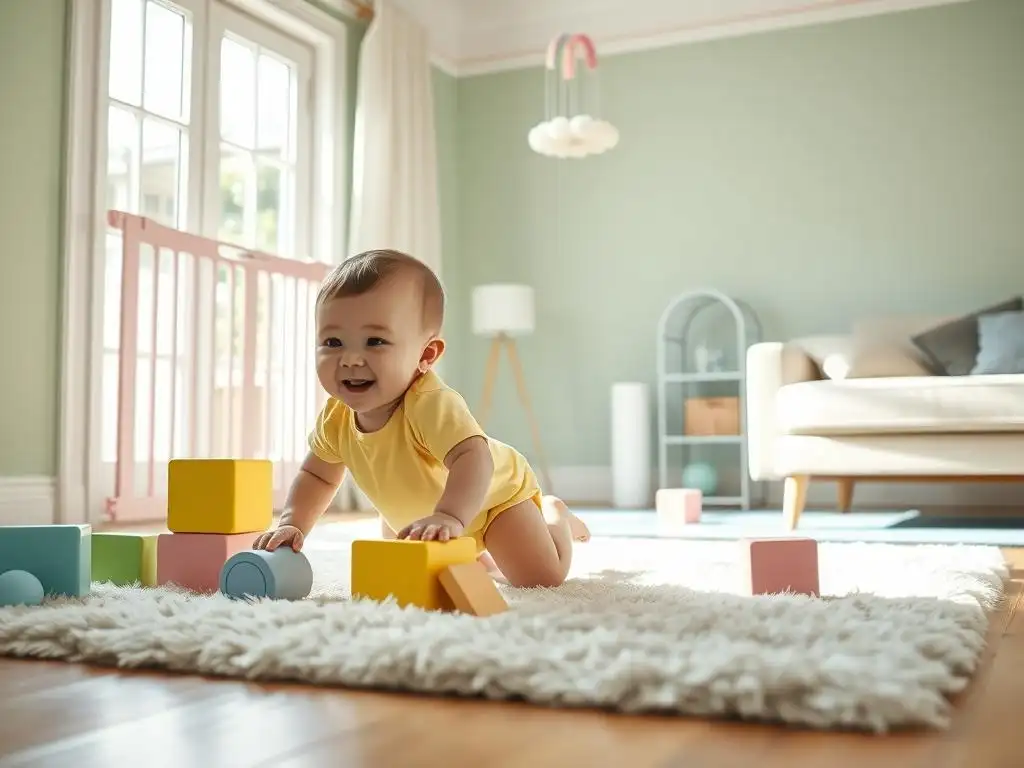
Welcome to BabyCareHub, your ultimate guide to navigating the incredible journey of parenthood! Are you ready to create a safe and nurturing haven for your little one? Then you've come to the right place. We understand the anxieties that come with welcoming a new baby, which is why we've developed this comprehensive resource. Discover our step-by-step guide on baby-proofing your home, ensuring your child's safety and peace of mind. Learn how to transform your house into a secure environment, one crucial step at a time. Let's embark on this journey together!
Creating a Safe Haven: A Room-by-Room Checklist

Becoming a parent is a joyous journey filled with incredible moments. However, it also brings significant responsibilities, particularly ensuring your baby's safety. This comprehensive step-by-step guide focuses on baby-proofing your home, transforming it into a secure environment where your little one can explore and grow without unnecessary risks. We'll cover crucial areas, offering practical advice and actionable steps to minimize potential hazards, transforming your home into a safe haven for your precious child.
This guide is designed to complement existing first aid knowledge, ensuring you're prepared for any situation. Remember, proactive baby-proofing is the first step towards peace of mind and a happy, healthy baby. This guide is essential reading for any parent wanting to create a secure and stimulating environment for their child, aligning with the principles of safe baby development and emergency preparedness. Let's begin building a safer home for your baby!
Living Room Safety: Preventing Falls and Choking Hazards
The living room, often the heart of the home, presents numerous potential hazards for babies. Falls from furniture are a common concern. To mitigate this risk, anchor tall furniture like bookshelves and TV units to the walls using appropriate safety straps. Consider using furniture anchors that are specifically designed for baby proofing, as these are often more robust and secure. Remove any loose rugs or mats that could cause tripping. Coffee tables should ideally be replaced with low-profile alternatives or covered with a padded protector.
Furthermore, choking hazards abound in the living room. Small objects like buttons, coins, and toys with detachable parts should be stored out of reach, preferably in high cabinets with child-proof locks. Electrical cords should be concealed, taped down, or covered with cord protectors to prevent entanglement and electrocution.
Ensure all electrical outlets are covered with safety plugs. Regularly inspect the room for any new potential hazards, as babies are constantly developing new skills and exploring their environment in new ways. Remember to keep cleaning products and other potentially harmful substances locked away in high cabinets, well out of your baby's reach.
Kitchen Precautions: Securing Dangerous Substances and Appliances
The kitchen is arguably the most hazardous room in the house for a baby. The presence of sharp objects, hot surfaces, and dangerous cleaning products necessitates a rigorous approach to baby-proofing. Install cabinet locks on all lower cabinets to prevent access to cleaning supplies, knives, and other potentially harmful items. Keep all hot drinks and food away from the edges of counters and tables. Use stovetop guards to prevent burns from touching hot burners, and turn pot handles inwards to reduce the risk of spills and burns.
Appliances should be secured. For example, the refrigerator should have its door secured to prevent unexpected opening and potential crushing. Consider using safety latches on the oven and dishwasher to prevent access to these potentially dangerous appliances. Remember to keep all cleaning products and other potentially harmful substances locked away in high cabinets, well out of your baby's reach. Regularly check for any loose items or potential hazards that could cause injury to your child. A safe kitchen is a crucial part of a safe home.
Nursery Nirvana: A Safe Space for Sleep and Play
The nursery, while intended to be a safe haven, still requires careful attention to detail. Choose a crib that meets current safety standards, ensuring it's sturdy and free from any loose parts. Ensure the mattress fits snugly, leaving no gaps where your baby could become trapped. Remove all loose bedding, bumpers, and toys from the crib to prevent suffocation. Install window guards to prevent falls and securely fasten blinds and curtains to avoid strangulation.
Consider using soft, padded floor mats to cushion falls during playtime. Secure any wall-mounted shelves or furniture to prevent them from tipping over. Remember, the nursery should be a space that is both comforting and safe for your baby. Regularly inspect the room for any potential hazards, ensuring it remains a safe and nurturing environment. This meticulous approach will contribute to a peaceful and safe sleep environment for your little one.
Bathroom Basics: Preventing Drowning and Scalding
The bathroom is another high-risk area. The most significant danger is drowning in the bathtub. Never leave your baby unattended in the bath, even for a moment. Use a non-slip bath mat and always ensure the water temperature is lukewarm, checking it with your elbow before placing your baby in the bath. Keep all toiletries, medications, and cleaning products out of reach, locked away securely in high cabinets. Install childproof latches on medicine cabinets and toilet lids to prevent accidental ingestion of harmful substances.
Sharp objects like razors and scissors should be stored in locked cabinets. Ensure electrical appliances are kept away from water sources and are unplugged when not in use. Consider installing a faucet cover to prevent scalding. Regularly inspect the bathroom for any potential hazards and address them promptly. A safe and secure bathroom is paramount for your baby's well-being. Remember that prevention is key in minimizing bathroom related accidents.
Frequently Asked Questions
What is the first step in baby-proofing my home?
Start with a room-by-room assessment, focusing on areas where your baby spends the most time. Prioritize hazards like electrical outlets, sharp corners, and potentially toxic substances. Then, tackle those hazards one by one.
How do I baby-proof my kitchen safely?
Secure cabinets with childproof latches, store cleaning supplies and potentially harmful items out of reach (ideally in locked cabinets), and cover sharp corners on countertops and appliances. Install stove knob covers to prevent accidental burns.
What are some essential baby-proofing items I should buy?
Consider purchasing corner guards, cabinet locks, outlet covers, door knob covers, and safety gates. These are fundamental to creating a safer environment for your baby to explore.
At what age should I start baby-proofing?
You should begin baby-proofing your home as soon as your baby starts to crawl and become mobile, typically around 6 months old. However, proactive measures can be taken even earlier.
How can I make baby-proofing fun and engaging for my baby?
Focus on making the home safe and stimulating. Use baby-proofing as an opportunity to introduce age-appropriate toys and activities in safe areas. Involve your baby in the process to make it a learning experience.
Final Reflection: Securing a Future, One Step at a Time
The seemingly simple act of baby-proofing a home is, in reality, a profound act of love and preparation. It's a testament to the unwavering dedication parents have to ensuring the safety and well-being of their most precious cargo. This dedication extends far beyond simply installing cabinet locks; it represents a commitment to creating a nurturing and secure environment where a child can thrive and explore.
The impact of a thoughtfully baby-proofed home extends far beyond the immediate years of infancy. It fosters a sense of security and trust, laying the foundation for a child's future independence and exploration. This process of careful consideration and proactive safety measures teaches us the importance of anticipating potential risks and mitigating them before they arise – a valuable lesson applicable far beyond the realm of child-rearing. The best way to find yourself is to lose yourself in the service of others.
– Mahatma Gandhi. This quote, while seemingly unrelated, speaks to the selfless act of creating a safe haven for a child, a self-discovery journey in itself.
Now, consider your own home. Take a moment to reflect on the spaces your child explores, and the potential hazards that may exist. Don't just passively read this guide; actively engage with it. Walk through your home with fresh eyes, identifying potential dangers and implementing the solutions outlined within. Remember, creating a safe and secure environment for your child is an ongoing process, a journey of continuous learning and adaptation. Embrace this journey, and watch as your home transforms into a haven of love, safety, and endless possibilities for your little one.
Unleash Your Inner Superhero: Secure Your Little One's World!
Thank you for taking the time to learn how to childproof your home! We hope this guide has empowered you to create a safe and nurturing environment for your child. Now, let's put that knowledge into practice.
- Prioritize the most hazardous areas: Reassess your home, focusing on the high-risk areas identified in the guide. Address these immediately for greater peace of mind.
- Share your progress (and any questions!): Join our supportive online community and share photos of your childproofing successes (or challenges!). Let's help each other create safe and enjoyable homes.
- Get creative with solutions: Think outside the box! Have you discovered an innovative solution to a particularly tricky area? Share your clever ideas in the comments below—your tip could be invaluable to another parent!
What's one small step you can take today to make your home even safer for your baby?