
Baby Eye and Ear Care: Building Confidence as a FirstTime Parent

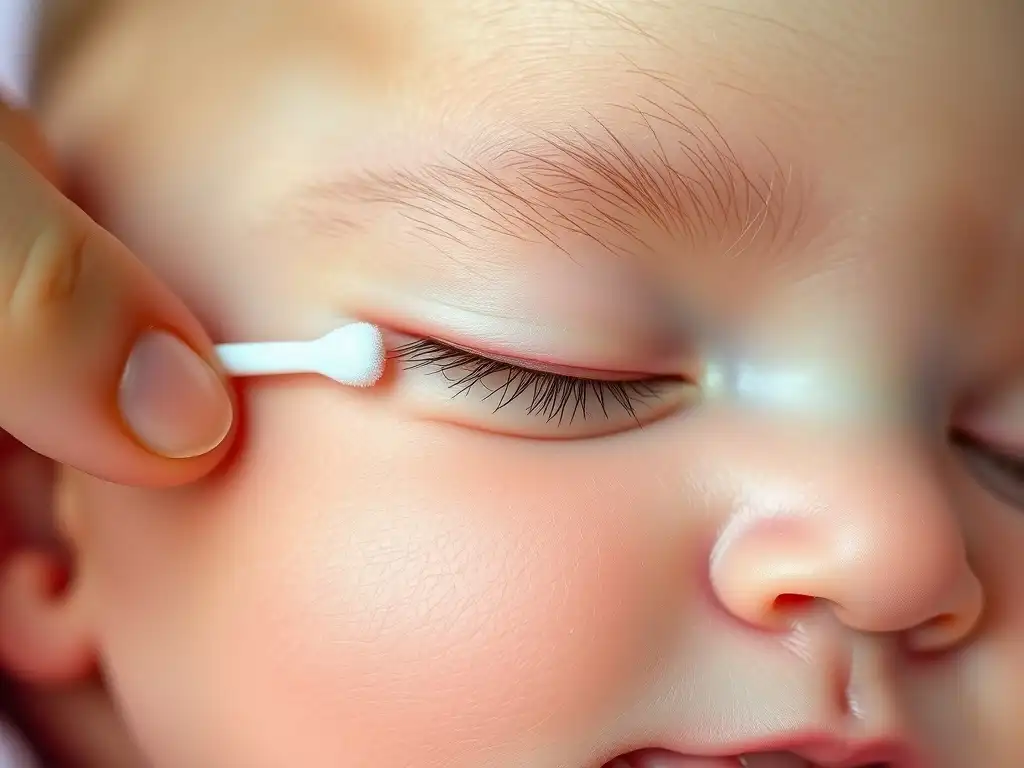
Welcome to BabyCareHub, your ultimate guide to navigating the incredible journey of parenthood! Are you a first-time parent feeling overwhelmed by the sheer volume of information out there? We understand. That's why we've created this comprehensive resource, packed with practical, step-by-step advice to help you confidently care for your little one. Discover essential newborn eye ear care tips and much more within our "Health & Safety" section – because a well-informed parent is a confident parent. Let's embark on this exciting adventure together!
- Understanding Newborn Eye and Ear Development
- Newborn Eye Care: Essential Tips and Techniques
- Newborn Ear Care: Safe Cleaning Practices
- When to Consult a Pediatrician for Eye and Ear Concerns
- Building Confidence in Newborn Eye and Ear Care
- Frequently Asked Questions about Newborn Eye and Ear Care (FAQ)
- Frequently Asked Questions
- Final Reflection: Nurturing Tiny Lives, Building Lasting Bonds
- Unlock Your Baby's World: Start Their Journey to Healthy Hearing & Vision
Understanding Newborn Eye and Ear Development
Becoming a first-time parent is an incredible journey filled with joy, wonder, and—let's be honest—a whole lot of questions! Navigating the world of newborn care can feel overwhelming, and ensuring your little one's health and well-being is understandably a top priority. This article focuses on a crucial aspect of newborn care: understanding and caring for your baby's eyes and ears.
We'll explore typical newborn eye and ear characteristics, common issues to watch out for, and provide practical tips to build your confidence in caring for these delicate senses. Mastering newborn eye and ear care is a significant step in your parenting journey, empowering you to confidently address any concerns and provide your baby with the best possible start.
This guide provides essential information for navigating newborn eye and ear care, equipping you with the knowledge to address potential issues and promote your baby's healthy development. Remember, while this information is helpful, always consult your pediatrician for any concerns about your baby's health.
Normal Newborn Eye Appearance: What to Expect
Many first-time parents are surprised by the appearance of their newborn's eyes. It's perfectly normal for newborns to have a variety of eye characteristics in the first few weeks and months of life. Here's what you can expect:
- Eye Color: Newborn eye color is often not indicative of their adult eye color. Many babies are born with blue or gray eyes, which can change significantly over the first few months. The true color usually develops between 6 and 12 months of age.
- Eye Discharge: A small amount of clear or slightly whitish discharge is common in newborns. This is often due to the remnants of amniotic fluid. However, thick, yellow, or green discharge warrants a call to your pediatrician.
- Eyelid Swelling: Mild eyelid swelling can also occur, particularly in the first few days after birth. This usually resolves on its own.
- Crossed Eyes (Strabismus): Occasional crossing of the eyes is normal in newborns, as their eye muscles are still developing. However, consistent or persistent crossing should be evaluated by a pediatrician.
Remember, consistent monitoring is key. If you notice any unusual changes or persistent issues, it's always best to seek professional medical advice. Early detection and intervention are crucial for optimal outcomes.
Common Newborn Eye Issues: Recognizing Early Signs of Problems
While many eye variations are normal, some issues require medical attention. Being aware of potential problems allows for prompt action. Here are a few common newborn eye problems:
- Blocked Tear Ducts: This is a very common issue where the tear duct is blocked, leading to tearing and sometimes a sticky discharge. Gentle massage can often help, but persistent issues need professional assessment.
- Conjunctivitis (Pink Eye): Inflammation of the conjunctiva (the membrane covering the white part of the eye) can manifest as redness, swelling, and discharge. Bacterial or viral infections can cause this, requiring appropriate treatment.
- Eye Infections: Serious eye infections are rare but require immediate medical attention. Signs can include severe redness, swelling, pus-like discharge, and light sensitivity.
It's crucial to understand that early intervention is paramount when it comes to newborn eye health. Don't hesitate to contact your pediatrician if you have any concerns whatsoever. A simple check-up can provide peace of mind and ensure your baby's eye health is properly managed.
Understanding Newborn Ear Anatomy and Function
A newborn's ears are incredibly delicate and require careful attention. Understanding their basic anatomy and function helps in recognizing potential problems.
- Ear Shape and Position: Newborn ears are often soft and pliable, and their position may seem slightly low-set compared to older children. This is usually normal.
- Ear Infections (Otitis Media): Ear infections are common in infants and young children. Signs can include irritability, pulling at the ears, fever, and fluid drainage.
- Hearing Loss: While uncommon, hearing loss can occur in newborns. Newborn hearing screenings are routinely performed to detect any potential problems early on.
Understanding the normal variations and potential issues related to your newborn's eyes and ears empowers you to provide the best possible care. Remember, consistent observation and prompt medical attention when needed are essential components of responsible newborn care. This proactive approach will significantly contribute to your baby's overall health and well-being. 👶
Normal Newborn Ear Appearance: What's Considered Typical
A newborn's ears are often a source of fascination and sometimes, worry, for new parents. Understanding what constitutes a normal ear appearance can ease anxieties and help you identify when professional attention might be needed. A healthy newborn's ears will generally be firm and positioned appropriately on the sides of the head. They should be roughly symmetrical, meaning they are positioned similarly on both sides of the head, and their size and shape will vary slightly from baby to baby. There shouldn't be any significant discharge or unusual redness present.
The earlobe should be soft and pliable, and the outer ear (pinna) should be relatively smooth. Some babies may have slightly folded or creased ears immediately after birth, which is perfectly normal and usually resolves itself within a few days or weeks. However, persistent unusual creases or deformities warrant a check-up with a pediatrician. Remember, every baby is unique, and minor variations in ear shape and size are perfectly acceptable. The key is to look for any abnormalities that might indicate an underlying condition.
For example, if one ear is significantly lower than the other, or if there's any unusual swelling or discoloration, it's vital to seek medical advice promptly. Early detection is crucial in addressing any potential issues and ensuring your baby's healthy development. Don't hesitate to contact your pediatrician or healthcare provider if you have any concerns whatsoever about your baby's ear appearance or health. They can provide reassurance and address any queries you might have. Trust your instincts—if something seems off, it's always better to err on the side of caution.
Newborn Eye Care: Essential Tips and Techniques
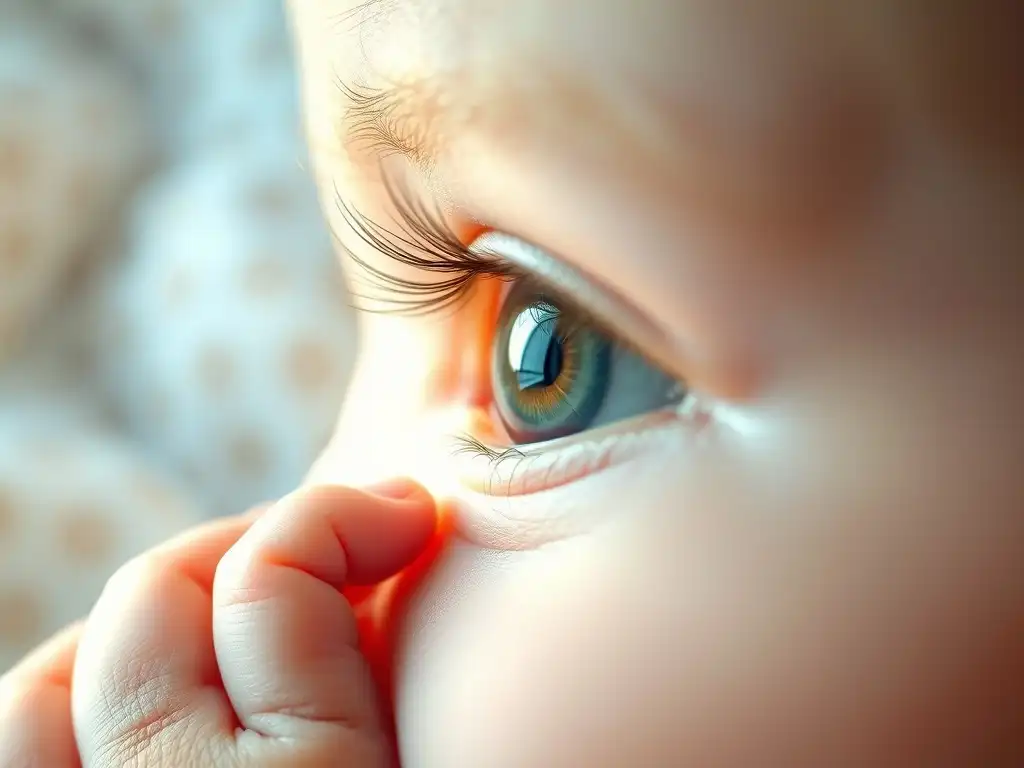
Newborn eye care is a crucial aspect of ensuring your baby's overall health and well-being. Many first-time parents feel anxious about this, but with the right knowledge and gentle approach, caring for your baby's eyes can be straightforward. This section provides essential tips and techniques to build your confidence and ensure your little one's ocular health. Remember, consistent, gentle care is key to preventing potential issues. This guide focuses on practical, everyday newborn eye ear care tips.
Cleaning Newborn Eyes: Gentle Methods and Products
Cleaning your newborn's eyes should be a gentle and routine process. Avoid harsh chemicals and opt for soft, clean materials. The best approach is often the simplest.
- What you'll need: A soft, clean washcloth and warm, boiled water (cooled to lukewarm). Sterile water is also a safe option. Avoid using cotton balls, as fibers can get stuck.
- The cleaning process: Dampen the washcloth with warm water. Gently wipe each eye from the inner corner (closest to the nose) outwards. Use a clean section of the cloth for each eye to prevent cross-contamination. This prevents the spread of any potential infection. Repeat this process once or twice daily, or as needed if you notice any discharge.
- Products to avoid: Avoid using soap, harsh chemicals, or any products not specifically designed for newborn eye care. These can irritate the delicate skin around the eyes. Always prioritize gentle, natural cleaning solutions.
- Frequency: Daily cleaning is usually sufficient for healthy newborns. However, increase the frequency if you notice any unusual discharge or crusting.
Addressing Eye Discharge and Crusting in Newborns
Occasional eye discharge or crusting is relatively common in newborns, often due to the remnants of birth fluids or blocked tear ducts. However, it's important to monitor this carefully.
While minor discharge is usually harmless and resolves on its own within a few weeks, excessive or persistent discharge, particularly if it's yellow or green, warrants immediate medical attention. This could indicate a more serious infection.
- Monitoring: Pay attention to the color and consistency of the discharge. Clear or slightly whitish discharge is usually benign. Yellowish, greenish, or thick discharge requires professional assessment. Also, observe your baby for any signs of discomfort like rubbing their eyes excessively or appearing irritable.
- Home care (for minor discharge): If the discharge is minimal and clear or whitish, continue with the gentle cleaning method described above. Warm compresses applied gently to the affected eye can help loosen any crusting.
- When to seek medical advice: Contact your pediatrician immediately if you notice:
- Thick, yellow, or green discharge.
- Swelling around the eye.
- Redness or inflammation of the eye or surrounding skin.
- Your baby seems unusually irritable or uncomfortable.
- The discharge persists for more than a few weeks.
Dealing with Newborn Eye Infections: When to Seek Medical Advice
Newborn eye infections, while relatively uncommon with proper hygiene, can be serious if left untreated. Early detection and prompt medical attention are crucial. Bacterial or viral infections can cause significant discomfort and potentially lead to complications if not addressed appropriately.
It's vital to remember that self-treating a newborn eye infection is highly discouraged. Always consult your pediatrician or other healthcare professional for diagnosis and treatment. They can accurately assess the situation and prescribe the appropriate medication, if needed, ensuring your baby receives the best possible care. This is one of the most important newborn eye ear care tips to remember.
- Signs of infection: Beyond the discharge characteristics mentioned above, other signs of infection include:
- Significant swelling of the eyelid(s).
- Redness and inflammation extending beyond the eye itself.
- Increased tearing.
- Sensitivity to light (photophobia).
- Treatment: Treatment will depend on the type of infection identified by your doctor. This may involve antibiotic eye drops or ointment. Strictly follow your doctor's instructions for administering any medication.
- Prevention: Maintain good hygiene practices, such as washing your hands thoroughly before handling your baby. Avoid touching your baby's eyes unnecessarily. These preventative measures are essential for minimizing the risk of infection.
Remember, proactive monitoring and prompt medical attention when necessary are key components of responsible newborn eye care. These newborn eye ear care tips empower you to confidently care for your baby's delicate eyes. 👶
Protecting Newborn Eyes from Sunlight and Irritants
Newborns have incredibly sensitive eyes, and protecting them from harmful elements is crucial for their healthy development. Sunlight, in particular, can be damaging. While it's essential for vitamin D production, prolonged exposure can lead to photokeratitis, a painful sunburn of the cornea. This is especially true for babies with lighter-colored eyes, whose irises offer less natural protection.
Therefore, shielding your baby's eyes from direct sunlight is paramount, especially during peak sun hours (typically 10 am to 4 pm). This doesn't mean keeping them in complete darkness; rather, it's about using appropriate protection like lightweight, breathable hats with brims that shade their faces. Alternatively, you can use a stroller cover with a built-in sunshade or strategically position your stroller to avoid direct sunlight. Remember, even on cloudy days, a significant amount of UV radiation can still reach your baby's eyes.
Beyond sunlight, everyday irritants can also affect your baby's delicate eyes. Dust, pollen, smoke, and even certain cleaning products can cause irritation and inflammation. Maintaining a clean and dust-free environment in your home is key to minimizing these risks. Regularly cleaning surfaces, vacuuming carpets, and using hypoallergenic cleaning products are simple yet effective steps.
If you live in an area with high pollen counts, consider using an air purifier, especially in your baby's room. Furthermore, pay close attention to the products you use on your baby's skin. Harsh soaps, lotions, and shampoos can sometimes get into their eyes, leading to irritation. Always opt for gentle, fragrance-free, and tear-free products specifically designed for newborns.
If you notice any redness, swelling, or excessive tearing, consult your pediatrician immediately. Early intervention is crucial in preventing more serious eye problems. Prompt action could save your baby from potential discomfort and long-term complications. Remember, a proactive approach to environmental protection is the best way to ensure your newborn's eye health.
Newborn Ear Care: Safe Cleaning Practices
Newborn ear care is a crucial aspect of maintaining your baby's overall health and well-being. Many first-time parents feel apprehensive about cleaning their baby's ears, fearing they might cause harm. However, with the right knowledge and gentle techniques, ear cleaning can be straightforward and safe. This section provides practical tips and guidance on proper newborn ear care, focusing on safe cleaning practices to prevent infections and discomfort. Remember, the key is gentle and minimal intervention. Over-cleaning can be more harmful than helpful.
Cleaning Newborn Ears: What's Safe and What to Avoid
The most important thing to remember is that you generally shouldn't clean your baby's inner ear. The ear canal naturally cleans itself. Attempting to clean deep inside with cotton swabs or other implements can push earwax further in, potentially causing impaction or damaging the delicate eardrum. This can lead to hearing problems or infections.
Instead, focus on cleaning the outer ear. This involves gently wiping the visible area around the opening of the ear with a soft, damp cloth. You can use a warm, wet washcloth to gently wipe away any visible dirt or dried milk. Avoid using cotton swabs, Q-tips, or any sharp objects.
Here's a step-by-step guide:
- Warm the washcloth: Use lukewarm water to dampen the cloth. Avoid hot water, which can scald your baby's sensitive skin.
- Gently wipe: Wipe the outer ear and the area around the ear opening with the damp cloth. Use gentle circular motions.
- Dry thoroughly: After cleaning, gently pat the area dry with a clean, soft towel. Make sure the ear is completely dry to prevent the growth of bacteria or fungi.
What to Avoid:
- Cotton swabs: These are a common cause of earwax impaction and can easily damage the eardrum. Avoid them completely.
- Sharp objects: Never use anything sharp or pointed to clean your baby's ears.
- Ear candles: These are unsafe and ineffective, and should never be used.
- Over-cleaning: Less is more. Only clean the visible outer ear as needed.
Addressing Earwax Buildup in Newborns: When Intervention is Needed
While most newborns don't require intervention for earwax buildup, sometimes excessive wax can accumulate and cause problems. Earwax, or cerumen, is a natural substance that protects the ear canal. However, excessive buildup can lead to temporary hearing loss or discomfort. In most cases, the earwax will eventually work its way out naturally.
However, if you notice a significant buildup or your baby shows signs of discomfort (such as pulling at their ear, irritability, or decreased responsiveness to sounds), consult your pediatrician. They can safely remove excess earwax using specialized techniques such as irrigation or suction. Never attempt to remove excessive earwax at home.
Recognizing Signs of Ear Infection in Babies
Ear infections, or otitis media, are common in babies and young children. It's crucial to recognize the signs early to seek prompt medical attention. While only a doctor can diagnose an ear infection, some common symptoms to watch out for include:
- Pulling or tugging at the ear: This is often a significant indicator of ear pain.
- Fever: A high temperature often accompanies ear infections.
- Irritability and fussiness: Babies with ear infections are often more cranky and difficult to soothe.
- Fluid draining from the ear: This can be a sign of a more serious infection.
- Difficulty sleeping: Ear pain can make it hard for your baby to sleep comfortably.
- Loss of appetite: Discomfort and pain can affect your baby's feeding habits.
- Hearing problems: A baby with an ear infection may not respond to sounds as readily as usual.
If you suspect your baby has an ear infection, contact your pediatrician immediately. Early diagnosis and treatment can prevent complications and ensure your baby's comfort and well-being. Remember, early intervention is key when dealing with newborn eye and ear care issues. Regular checkups with your pediatrician are also crucial for monitoring your baby's overall health and addressing any concerns promptly. 👶
Preventing Ear Infections in Newborns: Hygiene and Safety
Ear infections are a common concern for parents of newborns, but many can be prevented with proper hygiene and safety practices. The delicate nature of a newborn's ears makes them particularly susceptible to infection. Understanding how to clean your baby's ears correctly and avoiding certain practices can significantly reduce the risk.
One of the most crucial aspects of preventing ear infections is avoiding the use of cotton swabs or other objects to clean the inside of the ear canal. This practice can push earwax further into the canal, potentially impacting hearing and increasing the risk of infection. Earwax, or cerumen, actually plays a protective role by trapping dirt and bacteria. The body naturally removes excess earwax. If you notice a significant buildup of earwax, consult your pediatrician; they may recommend safe and effective methods for removal.
Maintaining good hygiene around your baby is also key. Frequent handwashing, especially before handling your baby, is paramount. Newborns are incredibly vulnerable to germs, and preventing the spread of bacteria and viruses helps protect their delicate ears. Similarly, keeping your baby's surroundings clean, free from dust and allergens, can minimize the risk of infection.
Another important consideration is ensuring your baby's immunizations are up to date. Vaccinations provide crucial protection against various illnesses, some of which can lead to ear infections as a complication. Always follow your pediatrician's recommendations regarding your baby's immunization schedule.
Finally, be mindful of your baby's overall health. A healthy immune system is the best defense against infections. Providing adequate nutrition, ensuring sufficient rest, and minimizing exposure to sick individuals are all important steps in bolstering your baby's immune response and reducing the likelihood of ear infections. Addressing any underlying health conditions promptly is also crucial. A weakened immune system can make your baby more susceptible to infections. Regular check-ups with your pediatrician are essential for monitoring your baby's overall health and addressing any concerns promptly. Remember, early intervention is key to managing any health issues effectively.
When to Consult a Pediatrician for Eye and Ear Concerns
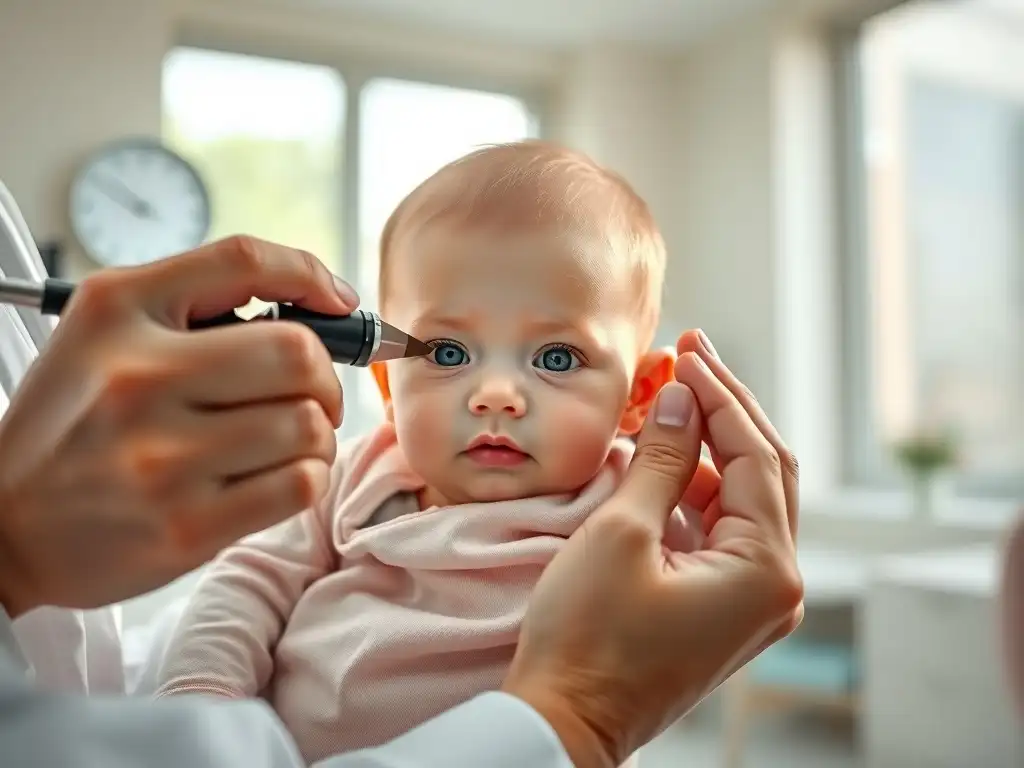
Newborn eye and ear care can feel overwhelming for first-time parents. Knowing when to seek professional help is crucial for your baby's well-being. While many minor issues resolve on their own, certain signs warrant immediate medical attention. This section provides a clear guide to help you discern between minor concerns and situations requiring a pediatrician's expertise. Remember, early intervention is key when it comes to your baby's delicate sensory organs. This information aims to equip you with the knowledge to confidently navigate newborn eye and ear care challenges, providing you with valuable newborn eye ear care tips.
Urgent Newborn Eye Problems Requiring Immediate Medical Attention
Some eye problems in newborns require immediate medical attention. These include:
- Excessive tearing or discharge (purulent): A thick, yellowish-green discharge from one or both eyes, accompanied by significant swelling of the eyelids, is a serious sign and suggests a potential bacterial infection. Delaying treatment can lead to complications. This is a critical component of newborn eye ear care tips.
- Eyelid swelling and redness: Significant swelling and redness around the eyes, particularly if accompanied by fever or lethargy, might indicate a more severe infection or other underlying condition.
- Cloudy or white pupils: This can be a sign of cataracts or other serious eye conditions that need immediate diagnosis and potential intervention. A pediatrician can perform a thorough examination to determine the underlying cause.
- Sensitivity to light (photophobia): If your baby consistently avoids bright light, it could indicate an eye problem requiring medical attention.
- Straining or crossed eyes (strabismus): While some minor misalignment is normal in newborns, persistent or significant strabismus should be evaluated by a pediatrician or ophthalmologist. This is particularly crucial for the long-term visual development of your child.
It is vital to remember that even seemingly minor issues can escalate quickly. Don't hesitate to contact your pediatrician if you have any concerns, even if they seem insignificant. Early detection and treatment are essential for preventing long-term complications. Your pediatrician will be able to assess the situation and provide appropriate guidance, offering the best possible newborn eye ear care.
Signs of Ear Infection in Babies: Seeking Professional Help
Ear infections (otitis media) are common in babies and young children. Recognizing the signs is crucial for timely intervention. While some babies may not show obvious symptoms, others exhibit clear indicators of discomfort. Here are some key signs to watch for:
- Pulling or tugging at the ears: This is a classic sign of ear pain and often indicates an ear infection.
- Irritability and fussiness: Babies with ear infections are often more irritable and fussy than usual, especially when lying down.
- Fever: A fever, sometimes high, frequently accompanies ear infections.
- Fluid draining from the ear: This might be clear, yellow, or even bloody, indicating a possible ruptured eardrum. This is a serious sign and requires immediate medical attention.
- Loss of appetite: Babies with ear infections may lose their appetite due to discomfort and pain.
- Difficulty sleeping: Pain from an ear infection can significantly disrupt a baby’s sleep.
- Hearing difficulties: You might notice your baby not responding to sounds as readily as usual.
Remember, these symptoms can overlap with other illnesses. It's essential to consult your pediatrician for an accurate diagnosis and appropriate treatment. Self-treating an ear infection can be dangerous and delay necessary care. Prompt medical attention is crucial for managing ear infections effectively and preventing potential long-term hearing problems. This is a vital aspect of newborn eye ear care tips.
Understanding Referral Processes for Specialized Care
If your pediatrician identifies a condition requiring specialized care, they will likely refer you to an ophthalmologist (for eye concerns) or an otolaryngologist (ENT specialist, for ear concerns). This referral process typically involves:
- A detailed referral letter: Your pediatrician will provide a letter outlining your baby's symptoms, diagnosis, and any relevant test results. This letter facilitates efficient communication between healthcare providers.
- Scheduling an appointment: The pediatrician's office will assist you in scheduling an appointment with the specialist.
- Medical records transfer: Your baby’s medical records will be transferred to the specialist's office to ensure a comprehensive understanding of their medical history.
- Follow-up appointments: After the specialist's examination, you will likely have follow-up appointments to monitor your baby's progress and ensure effective treatment.
Understanding this referral process can help alleviate anxiety and ensure smooth transitions between healthcare providers. Remember, seeking specialized care when necessary is a crucial aspect of providing your baby with the best possible healthcare. This is an important consideration in your overall newborn eye ear care plan.
Building a Strong Relationship with Your Pediatrician for Ongoing Support
Building a strong and trusting relationship with your pediatrician is crucial for your baby's well-being, especially when it comes to addressing eye and ear concerns. Regular check-ups are essential, not only for vaccinations and overall development monitoring but also for proactive identification of potential issues. These visits provide opportunities to ask questions, voice concerns, and receive personalized advice tailored to your baby's unique needs. Remember, no question is too small – your pediatrician is there to guide you.
Effective communication is key. Before each appointment, jot down your questions and observations. This will help you stay focused during the consultation and ensure you don't forget anything important. Pay attention to your pediatrician's explanations and don't hesitate to ask for clarification if something is unclear. Understanding the reasoning behind their recommendations empowers you to make informed decisions for your child's health.
Beyond scheduled appointments, don't hesitate to contact your pediatrician's office if you have any concerns between visits. Many offices offer phone consultations or email access for non-urgent matters. This proactive approach allows for early intervention, potentially preventing minor issues from escalating into more significant problems. For example, if you notice a sudden change in your baby's eye discharge or persistent ear tugging, contacting your pediatrician promptly is vital. Early detection can often lead to quicker and more effective treatment.
Consider your pediatrician a valuable partner in your baby's healthcare journey. Their expertise and support are invaluable, especially during the initial months of parenthood when navigating your baby's health can feel overwhelming. By fostering open communication and actively participating in your baby's care, you'll build a strong foundation for their long-term health and well-being.
This proactive approach, combined with regular check-ups and prompt communication, ensures that any eye or ear concerns are addressed swiftly and effectively, contributing to your peace of mind as a new parent. Remember, seeking professional guidance is a sign of responsible parenting, not a sign of weakness.
Building Confidence in Newborn Eye and Ear Care
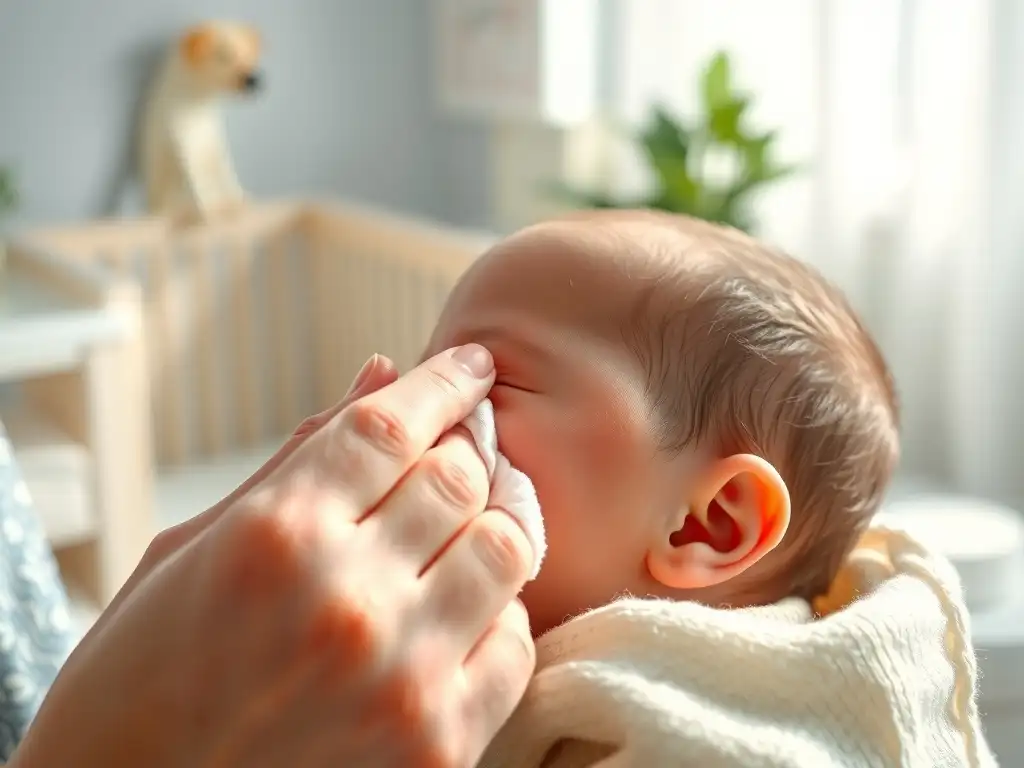
Becoming a parent is a joyous but often daunting experience. Navigating the intricacies of newborn care can feel overwhelming, especially when it comes to delicate areas like your baby's eyes and ears. This section focuses on building your confidence in caring for these sensitive areas, providing you with practical tips and information to alleviate anxieties and empower you as a first-time parent. Remember, seeking professional medical advice is always recommended if you have any concerns. This guide aims to supplement, not replace, professional medical care.
Developing a Routine for Daily Eye and Ear Care
Establishing a consistent daily routine for your baby's eye and ear care is crucial. This routine not only helps maintain hygiene but also allows you to become familiar with your baby's normal appearance, making it easier to spot any potential issues early on. A simple routine can significantly reduce parental anxiety associated with monitoring your baby's health.
Here's a suggested routine:
- Eye Care: Gently wipe any discharge from the inner corner of your baby's eye outwards using a clean, damp cotton ball or soft cloth. Use a separate cotton ball or section of the cloth for each eye to prevent cross-contamination. Avoid harsh rubbing. If discharge persists or is accompanied by redness or swelling, consult your pediatrician. 💧
- Ear Care: The outer ear can be gently cleaned with a damp cloth. Never insert cotton swabs or other objects into your baby's ear canal. This can cause damage to the eardrum and lead to infection. Focus on cleaning the visible areas of the outer ear. 👂
Frequency: Aim to perform this cleaning routine once or twice a day, or as needed. Over-cleaning can irritate the delicate skin around the eyes and ears.
Products: Use plain warm water or a mild, baby-specific cleanser. Avoid harsh soaps or chemicals.
Tracking Your Baby's Eye and Ear Development: Monitoring for Changes
Regularly observing your baby's eyes and ears is key to early detection of any potential problems. This proactive approach allows for timely intervention and reduces the likelihood of complications. Knowing what to look for and when to seek professional help is essential for confident newborn eye and ear care.
Here’s what to look for:
| Feature | Normal | Concerning Signs | Action |
|---|---|---|---|
| Eyes | Clear, bright, responsive to light | Redness, swelling, excessive discharge, cloudy appearance, crossed eyes (strabismus) | Consult your pediatrician immediately. |
| Ears | Pink, clean outer ear; no discharge | Redness, swelling, discharge, persistent crying, pulling at the ear | Consult your pediatrician immediately. |
Remember, early detection is crucial. Even subtle changes warrant a call to your pediatrician. Don't hesitate to seek professional medical advice if you have any concerns whatsoever. This proactive approach will build your confidence and ensure your baby receives the best possible care.
Addressing Parental Anxiety and Concerns Regarding Baby's Health
It's perfectly normal to experience anxiety as a new parent. The responsibility of caring for a newborn can be overwhelming, and concerns about your baby's health are understandable. However, understanding the typical developmental milestones and knowing when to seek help can significantly alleviate this anxiety.
The most important thing is to trust your instincts. If something feels wrong, it’s always best to err on the side of caution and contact your pediatrician.
Many resources are available to support you, including your pediatrician, family, friends, and online communities. Don't hesitate to reach out for help and support. Remember, you are not alone in this journey. Open communication with healthcare professionals and support networks can significantly reduce parental anxiety and empower you to confidently care for your baby's eyes and ears. Seeking help is a sign of strength, not weakness. 💖
Resources and Support for New Parents: Online and Offline Options
Navigating the world of newborn care can feel overwhelming, especially when it comes to the delicate areas like your baby's eyes and ears. Fortunately, numerous resources are available to provide support and guidance, helping first-time parents build confidence and address any concerns. These resources range from online platforms offering expert advice and peer support to offline options such as pediatrician visits and parent support groups.
One significant source of information is online communities and forums dedicated to parenting. These platforms often feature experienced parents sharing their insights and experiences, offering practical tips and emotional support. Many parents find solace in connecting with others facing similar challenges, fostering a sense of community and reducing feelings of isolation. Remember to always critically evaluate the information found online and cross-reference it with advice from trusted medical professionals.
Beyond online communities, websites and apps dedicated to baby care provide a wealth of information on various aspects of newborn health, including eye and ear care. These resources often feature articles written by pediatricians and other healthcare professionals, offering evidence-based advice on topics such as cleaning your baby's eyes, recognizing signs of infection, and understanding normal ear development. Look for reputable websites and apps that cite their sources and adhere to established medical guidelines.
Offline support is equally crucial. Regular visits to your pediatrician are essential for monitoring your baby's overall health, including their eye and ear development. Pediatricians can address any concerns you may have, perform necessary examinations, and provide personalized guidance based on your baby's individual needs. They can also detect potential problems early, enabling timely intervention and improving outcomes.
Furthermore, consider joining local parent support groups or attending parenting classes. These groups provide opportunities to connect with other parents, share experiences, and learn from one another. The collective wisdom and shared support within these groups can be invaluable, helping new parents navigate the challenges of newborn care with greater confidence and reduced stress. These groups can also offer a safe space to ask questions and voice concerns without judgment. The social interaction alone can significantly boost a new parent's confidence and well-being.
Remember that seeking help is a sign of strength, not weakness. Utilizing the available resources – both online and offline – empowers new parents to provide the best possible care for their newborns, fostering a healthy and happy start to life. Don't hesitate to reach out for support when needed; your peace of mind is crucial for both you and your baby.
Frequently Asked Questions about Newborn Eye and Ear Care (FAQ)
This section addresses common concerns first-time parents have regarding their newborn's delicate eye and ear health. We'll explore safe cleaning practices and identify potential warning signs requiring professional medical attention. Remember, this information is for educational purposes and should not replace the advice of your pediatrician. Always consult your doctor with any concerns about your baby's health.
How often should I clean my baby's eyes?
Cleaning your baby's eyes is crucial for preventing infections and keeping them comfortable. However, over-cleaning can be just as harmful. A good rule of thumb is to clean your baby's eyes once or twice a day, or more frequently if there's noticeable discharge. Focus on gentle cleansing rather than aggressive scrubbing.
Many newborns experience some eye discharge, especially in the first few weeks of life. This is often due to the remnants of amniotic fluid. However, a significant increase in discharge, particularly if it's thick, yellow-green, or accompanied by swelling or redness, warrants immediate medical attention. This could indicate an infection requiring treatment. Always observe your baby's eyes carefully and don't hesitate to seek professional advice if you have any doubts. Regular, gentle cleaning helps prevent these issues, but early detection is key.
What kind of cleaning solution is safe for my baby's eyes?
Never use harsh chemicals or soaps to clean your baby's eyes. The delicate skin around their eyes is highly sensitive. The safest and most effective method is using a clean, damp cotton ball or soft washcloth. Simply wipe gently from the inner corner of the eye (closest to the nose) outwards to prevent spreading any potential infection.
Using plain, boiled and cooled water is generally recommended. Avoid using tap water as it may contain impurities that could irritate your baby's eyes. If your baby has particularly stubborn discharge, you can briefly soak the cotton ball or washcloth in the cooled boiled water, but ensure it's only damp, not soaking wet. Remember, gentleness is key! Rough handling can damage the delicate skin around the eyes. Always prioritize a soft touch.
What are the signs of a baby ear infection?
Recognizing the signs of a baby ear infection is vital for timely treatment. While babies can't verbally express their discomfort, several telltale signs can indicate a problem. These include:
- Pulling or tugging at the ear: This is often a primary indicator that something is bothering your baby's ear.
- Crying excessively or inconsolably: Persistent crying, especially after feeding, can be a sign of ear pain.
- Fever: A high temperature often accompanies ear infections.
- Difficulty sleeping: Ear pain can disrupt your baby's sleep patterns.
- Fluid draining from the ear: This is a more serious sign and requires immediate medical attention.
- Loss of appetite: Discomfort from an ear infection can decrease your baby's desire to eat.
- Irritability or fussiness: A baby experiencing ear pain might be unusually irritable or fussy.
It's important to note that not all of these symptoms will necessarily be present in every case. However, if you notice several of these signs, particularly the combination of crying, fussiness, and fever, you should consult your pediatrician immediately. Early diagnosis and treatment of ear infections are crucial to prevent complications. Remember, a quick visit to the doctor can provide peace of mind and ensure your baby's health. Don't hesitate to seek medical advice if you have any concerns. 👶
How can I prevent ear infections in my baby?
Preventing ear infections in babies requires a multi-pronged approach focusing on hygiene, breastfeeding, and overall health. While you can't completely eliminate the risk, proactive measures significantly reduce the chances of your little one experiencing this painful condition.
One of the most crucial steps is maintaining good hygiene. Regularly cleaning your baby's ears is essential, but remember to only clean the outer ear. Avoid using cotton swabs or other objects to probe inside the ear canal, as this can push dirt and bacteria further in, increasing the risk of infection. A soft, damp cloth is sufficient to gently wipe away any visible dirt or debris. Over-cleaning can irritate the delicate skin and lead to problems.
Breastfeeding offers significant protection against ear infections. Studies show that babies who are breastfed have a lower incidence of ear infections compared to formula-fed babies. Breast milk contains antibodies that help bolster the baby's immune system and protect against various infections, including those affecting the ears. If breastfeeding isn't possible, ensure your baby is receiving a nutritionally complete formula.
Another key aspect is managing your baby's exposure to sick individuals. Infections often spread through close contact, so minimize your baby's exposure to anyone who is ill, especially those with respiratory infections like colds or the flu. These infections can easily spread to the ears. Consider limiting visits from unwell individuals and practicing good hand hygiene within the household. Wash your hands thoroughly before handling your baby.
Vaccinations play a crucial role in preventing ear infections. The pneumococcal vaccine is highly effective in preventing certain types of bacterial infections, including those that can lead to ear infections. Ensure your baby is up-to-date with their recommended vaccinations, as discussed with your pediatrician. These vaccinations provide a significant layer of protection against many common childhood illnesses that can contribute to ear infections.
Finally, prompt attention to any signs of an ear infection is vital. If you notice your baby pulling at their ears, exhibiting unusual fussiness or crying, experiencing fever, or showing signs of fluid drainage from the ears, seek immediate medical attention. Early intervention is key to effective treatment and prevents the infection from worsening. Don't hesitate to contact your pediatrician if you have any concerns about your baby's ear health. Early detection and appropriate treatment can significantly reduce the severity and duration of the infection.
Frequently Asked Questions
What are the common newborn eye problems?
Newborns can experience blocked tear ducts, leading to crusty eyes. Pink eye (conjunctivitis) is also possible, but requires medical attention. Always consult your pediatrician if you have concerns.
How do I clean my baby's eyes?
Use a clean, damp washcloth to gently wipe from the inner corner to the outer corner of the eye. Use a separate section of the cloth for each eye to prevent infection. Avoid harsh rubbing.
What should I look for in my baby's ears?
Check for any unusual discharge, redness, or swelling. Avoid using cotton swabs inside the ear canal, as this can damage the eardrum. If you notice anything concerning, see a doctor.
Are there any specific ear cleaning methods for newborns?
Simply wipe the outer ear with a damp cloth. Never insert anything into the ear canal. The ear naturally cleans itself. Focus on keeping the outer ear clean and dry.
When should I seek professional help for my baby's eyes or ears?
Seek immediate medical attention if you notice excessive discharge, significant redness, swelling, or persistent crying related to the eyes or ears. Don't hesitate to contact your pediatrician with any concerns.
Final Reflection: Nurturing Tiny Lives, Building Lasting Bonds
The delicate care of a newborn's eyes and ears is far more than a checklist of tasks; it's a profound act of love and responsibility, directly impacting a child's development and future well-being. These seemingly small details—a gentle wipe, a watchful eye for infection—lay the foundation for a healthy and thriving life, shaping the parent-child bond from its earliest moments. The confidence gained through understanding these crucial aspects of newborn care is invaluable, transforming anxieties into empowered action.
The journey of parenthood is a constant learning process, and the seemingly simple act of caring for a newborn's sensory organs holds a deeper significance than many realize. It's a testament to the incredible vulnerability and resilience of new life, a reminder of our role as protectors and guides. The most important thing a father can do for his children is to love their mother.
This quote, while traditionally focused on the parental unit, speaks to the overarching theme of nurturing and care that extends to every aspect of a child's development, starting with the most basic needs.
Now, as you embark on this incredible adventure, remember the power you hold in your hands. Take a moment to reflect on the information presented, not just as a set of instructions, but as a pathway to building a stronger, more confident relationship with your little one. Embrace the challenges, celebrate the small victories, and cherish the profound connection you are forging through the gentle touch of care. Your attentiveness to these details will not only ensure your baby's health but will also cultivate a bond of trust and love that will last a lifetime.
Unlock Your Baby's World: Start Their Journey to Healthy Hearing & Vision
Thank you for taking the time to learn about caring for your baby's precious senses! We hope this guide has given you the confidence to navigate this important aspect of early childhood development. Now, let's put that knowledge into action.
- Schedule a comprehensive eye and ear exam with your pediatrician or an ophthalmologist/audiologist. Early detection of any potential issues is crucial.
- Share this article with other expectant or new parents – helping them feel prepared can make a world of difference!
- Consider creating a personalized baby health tracker to monitor developmental milestones and record any observations related to your little one's sight and hearing. This can be particularly helpful during the first few months.
What will you do today to support your baby's optimal hearing and vision health?