
Newborn Vaccination Timeline: A StepbyStep Guide for FirstTime Parents


Welcome to BabyCareHub, your ultimate guide to navigating the incredible journey of parenthood! Are you a first-time parent feeling overwhelmed by the sheer volume of information on newborn care? We understand. That's why we've created this comprehensive resource, packed with practical advice and expert insights. Discover the crucial details of your baby's health, starting with our essential guide on the Newborn vaccination schedule parents need to know. Unlock the secrets to a healthier, happier baby – let's begin!
- Understanding Your Baby's First Vaccination Schedule: A Guide for New Parents
- The First Two Months: Key Vaccinations and Their Timing
- The Second Month: Expanding Your Baby's Immunization Coverage
- Two to Six Months: Core Vaccines for Infant Protection
- Six to Eighteen Months: Continued Immunization for Strong Immunity
- Twelve to Eighteen Months: Completing the Vaccination Series
- Tracking Your Baby's Vaccination Progress: Tips for Parents
- Addressing Common Parental Concerns Regarding Newborn Vaccinations
- Resources for Parents: Finding Reliable Information on Infant Immunizations
- Frequently Asked Questions
- Final Reflection: Protecting Our Future, One Vaccination at a Time
- Ready to Chart Your Baby's Healthy Journey?
Understanding Your Baby's First Vaccination Schedule: A Guide for New Parents
Becoming a parent is a joyous journey filled with exciting milestones and, inevitably, some anxieties. Navigating the world of newborn care can feel overwhelming, and understanding your baby's vaccination schedule is a crucial aspect of ensuring their healthy development. This comprehensive guide provides a step-by-step overview of the recommended newborn vaccination timeline, addressing common concerns and preparing you for your baby's first vaccination appointments.
We'll dispel common myths surrounding infant immunizations and equip you with the knowledge to make informed decisions about your little one's health. This guide is designed to empower first-time parents like you to confidently navigate this important phase of your baby's life, helping you prioritize their well-being and contribute to building a strong and healthy immune system. Remember, proactive vaccination is one of the most effective ways to protect your child from preventable diseases.
The Importance of Timely Newborn Vaccinations
Timely vaccinations are crucial for protecting your newborn from a range of potentially serious and even life-threatening diseases. These diseases, once commonplace, can now be largely prevented thanks to the effectiveness of vaccines. Delaying or skipping vaccinations significantly increases your baby's risk of contracting these illnesses.
The benefits of timely vaccination extend beyond individual protection. By ensuring high vaccination rates within the community, we contribute to herd immunity, protecting those who cannot be vaccinated due to medical reasons. This collective protection safeguards the most vulnerable members of our society.
Here's a breakdown of why timely vaccinations are so vital:
- Prevention of Serious Illnesses: Vaccines prevent diseases like measles, mumps, rubella (MMR), polio, diphtheria, tetanus, pertussis (whooping cough), haemophilus influenzae type b (Hib), and others. These diseases can cause severe complications, hospitalization, and even death, especially in infants.
- Reduced Hospitalizations and Medical Costs: Vaccinations significantly reduce the need for hospitalizations and associated medical costs, saving both your family and the healthcare system substantial resources.
- Long-Term Health Benefits: Protecting your child from these diseases early on contributes to their long-term health and well-being, reducing the risk of long-term complications and disabilities associated with these infections.
- Peace of Mind: Knowing your child is protected from preventable diseases provides invaluable peace of mind for parents, allowing you to focus on enjoying this precious time with your newborn.
Common Misconceptions about Infant Immunizations
Despite the overwhelming scientific evidence supporting vaccination, several misconceptions persist. Addressing these concerns is critical for making informed decisions about your baby's health.
| Misconception | Reality |
|---|---|
| Vaccines cause autism. | Extensive research has consistently refuted any link between vaccines and autism. This claim has been debunked by numerous scientific studies. |
| Vaccines overload the immune system. | The human immune system is remarkably robust and capable of handling multiple vaccines simultaneously. |
| Natural immunity is better than vaccine-acquired immunity. | While some immunity can be acquired naturally through infection, vaccine-acquired immunity is safer and more predictable, avoiding the risks of infection. |
| Vaccines contain harmful substances. | Vaccines undergo rigorous testing and are made with highly purified components to minimize risks. Any potential side effects are far outweighed by benefits. |
It's crucial to rely on credible sources of information, such as your pediatrician or the CDC, when making decisions about your baby's health. Don't hesitate to ask questions and address any concerns you may have.
What to Expect During Your Baby's First Vaccination Appointment
Your baby's first vaccination appointment is a significant milestone. Understanding what to expect can alleviate anxiety and make the experience smoother for both you and your baby.
The appointment will typically involve:
- A brief physical examination: The doctor will assess your baby's overall health and development.
- Administration of the vaccines: The vaccines will be administered by injection, usually in the thigh.
- Discussion of potential side effects: Your doctor will explain potential side effects, such as mild fever, redness, or soreness at the injection site. These are generally mild and temporary.
- Scheduling follow-up appointments: You will schedule follow-up appointments for subsequent vaccinations.
Remember to bring your baby's health insurance card and any relevant medical records. Don't hesitate to ask your doctor any questions you may have about the vaccination process or potential side effects. Your pediatrician is your best resource for information and support during this important time. Preparing a list of questions beforehand can ensure that all your concerns are addressed. Bringing a comfort item for your baby, like a favorite blanket or toy, can also help soothe them during the appointment.
The First Two Months: Key Vaccinations and Their Timing
This section focuses on the crucial vaccinations your newborn will likely receive within their first two months of life. Understanding the timing and purpose of these vaccinations is vital for ensuring your baby's health and well-being. We'll delve into specifics, addressing common parental concerns and providing a clear, step-by-step understanding of the process. Remember, this information is for educational purposes and should not replace consultation with your pediatrician. Always discuss your baby's individual vaccination plan with your healthcare provider.
They can assess your child's specific needs and advise on the best course of action. This guide helps you understand the typical schedule, empowering you to engage in informed discussions with your doctor. The goal is to equip you with the knowledge needed to navigate this crucial aspect of newborn care. The keywords "newborn vaccination schedule parents" are crucial for understanding this process.
Hepatitis B Vaccine: Protecting Your Newborn from Hepatitis B
Hepatitis B is a serious liver infection caused by the hepatitis B virus (HBV). This virus can be transmitted from mother to child during birth, or through contact with infected blood or bodily fluids. The Hepatitis B vaccine is highly effective in preventing this infection. It works by introducing a weakened or inactive form of the virus into your baby's system, prompting their immune system to build antibodies against HBV.
This means that if your baby is ever exposed to the virus in the future, their body will be prepared to fight it off, significantly reducing the risk of infection. The vaccine is generally well-tolerated by newborns, with minimal side effects. This first vaccination is a crucial step in protecting your little one from a potentially life-threatening disease. The importance of this early protection cannot be overstated for newborn vaccination schedule parents.
Recommended Timing for Hepatitis B Vaccine Administration
The recommended timing for the first dose of the Hepatitis B vaccine is typically within 12 hours of birth. This early administration is particularly important for babies born to mothers who are infected with HBV. However, if this first dose is missed, it can be administered later within the first few months of life. The exact timing will be determined by your pediatrician, taking into account your baby's overall health and any other factors that may influence the vaccination schedule.
Following the initial dose, a series of additional shots are usually given to ensure long-lasting immunity. The specific schedule for subsequent doses may vary slightly depending on the vaccine used and your doctor's recommendations. Understanding this timing is key for responsible newborn vaccination schedule parents. The schedule is designed to provide optimal protection at the most vulnerable stages of your baby's development.
What to Expect After the Hepatitis B Vaccination
After the Hepatitis B vaccination, you might observe some mild side effects at the injection site. These typically include redness, swelling, or tenderness. These side effects are usually temporary and resolve within a few days. Less common side effects may include fever, irritability, or loss of appetite. If your baby experiences any severe or concerning symptoms after the vaccination, such as high fever, persistent crying, or difficulty breathing, contact your doctor immediately.
However, remember that the benefits of the Hepatitis B vaccine far outweigh the risks of potential mild side effects. It is a safe and effective way to protect your baby from a serious and potentially life-altering illness. Knowing what to expect can help ease parental anxieties surrounding the newborn vaccination schedule for parents. Open communication with your pediatrician is crucial to address any concerns and ensure a smooth vaccination process.
The Second Month: Expanding Your Baby's Immunization Coverage

This section focuses on the crucial vaccinations your baby will likely receive during their second month of life. Remember to always consult your pediatrician for personalized advice tailored to your baby's individual health needs and any potential contraindications. This information is for educational purposes and should not replace professional medical guidance. The recommended newborn vaccination schedule parents should follow is crucial for protecting their little ones.
Rotavirus Vaccine: Prevention of Rotavirus Infection
Rotavirus is a common cause of severe diarrhea and vomiting in infants and young children. The rotavirus vaccine significantly reduces the risk of infection and its associated complications, such as dehydration. The vaccine works by introducing a weakened form of the rotavirus to your baby's immune system, prompting it to develop antibodies for protection. This is a key component of a comprehensive newborn vaccination schedule parents should understand.
The effectiveness of the vaccine is substantial, reducing the incidence of severe rotavirus disease by a significant percentage. Studies show a considerable decrease in hospitalizations and doctor visits related to rotavirus in vaccinated infants. This preventative measure is a vital part of keeping your baby healthy during their early months. Protecting your child from this highly contagious virus is a top priority for many parents.
Timing and Administration of the Rotavirus Vaccine
The rotavirus vaccine is typically administered orally, usually in two or three doses depending on the specific vaccine brand used. The first dose is generally given between 2 and 4 months of age, with subsequent doses administered according to the manufacturer's recommendations and your pediatrician's guidance. It's crucial to adhere to the recommended schedule for optimal protection. Missing doses can significantly reduce the vaccine's effectiveness.
The timing of the rotavirus vaccination is carefully planned to coincide with the period when infants are most vulnerable to rotavirus infection. This is part of a broader strategy to protect babies during their first year of life, a period of significant growth and immune system development. Maintaining a consistent vaccination schedule is essential for building robust immunity. Remember to keep detailed records of your baby's vaccination appointments.
Potential Side Effects and Management
Like all vaccines, the rotavirus vaccine can cause some mild side effects. These are usually temporary and resolve on their own. Common side effects include fussiness, irritability, mild fever, vomiting, and diarrhea. These symptoms are generally mild and indicate that the baby's immune system is responding to the vaccine.
Severe side effects are rare. However, it's crucial to monitor your baby for any unusual symptoms and contact your pediatrician immediately if you have any concerns. Knowing what to expect and how to manage potential side effects can ease parental anxieties. Having a clear understanding of the possible side effects and a plan for managing them is a key part of responsible parenthood and proactive healthcare.
The benefits of vaccination far outweigh the risks of mild side effects. Remember, protecting your baby from rotavirus infection is a significant step in ensuring their overall health and well-being. A well-informed parent is a better advocate for their child's health. 👶
Two to Six Months: Core Vaccines for Infant Protection
This period marks a crucial phase in your baby's development, where their immune system is still maturing. Therefore, receiving the core vaccines during this timeframe is vital for safeguarding their health. Understanding the specific vaccines administered and their purpose will empower you to make informed decisions about your child's well-being. This section delves into the details of the key vaccines recommended for infants between two and six months old, addressing common parental concerns and providing clarity on the vaccination schedule. Effective newborn vaccination schedule planning requires a proactive approach from parents.
Diphtheria, Tetanus, and Pertussis (DTaP) Vaccine: Comprehensive Protection
The DTaP vaccine is a combined vaccine protecting against three serious bacterial infections: diphtheria, tetanus, and pertussis (whooping cough). Diphtheria can cause a thick coating in the back of the throat, leading to breathing problems. Tetanus, or lockjaw, causes painful muscle spasms and can be fatal. Pertussis, or whooping cough, is highly contagious and can lead to severe coughing fits, especially dangerous for infants.
The DTaP vaccine is usually administered in a series of five shots: two, four, six, 15-18 months, and four to six years old. Each shot provides increasing protection against these diseases. Minor side effects, such as redness, swelling, or soreness at the injection site, are common and typically resolve within a few days. More severe reactions are rare but should be reported to your pediatrician immediately. Early and complete vaccination significantly reduces the risk of contracting these potentially life-threatening illnesses. This is a cornerstone of a robust newborn vaccination schedule.
Haemophilus influenzae type b (Hib) Vaccine: Preventing Serious Infections
Haemophilus influenzae type b (Hib) bacteria can cause several serious infections, including meningitis (infection of the membranes surrounding the brain and spinal cord), pneumonia (lung infection), epiglottitis (infection of the epiglottis, a flap of tissue at the base of the tongue), and septic arthritis (joint infection). These infections can be life-threatening, especially in young children.
The Hib vaccine is highly effective in preventing these infections. It's typically given as part of the routine infant immunization schedule, usually with the DTaP vaccine. Similar to the DTaP vaccine, the Hib vaccine is administered in a series of shots, providing robust and lasting protection. Parents should be aware that while rare, some children may experience mild side effects like fever, fussiness, or loss of appetite after receiving the Hib vaccine.
These side effects are generally manageable with over-the-counter medications and rest. The benefits of the Hib vaccine far outweigh the potential risks. Remember, a complete Hib vaccination is crucial for a comprehensive newborn vaccination schedule.
Pneumococcal Conjugate Vaccine (PCV13): Safeguarding Against Pneumococcal Disease
Pneumococcal disease is caused by Streptococcus pneumoniae bacteria. These bacteria can cause a range of illnesses, including pneumonia, meningitis, bacteremia (blood infection), and ear infections (otitis media). Pneumococcal disease can be particularly severe in infants and young children, leading to hospitalization or even death in some cases.
The PCV13 vaccine protects against 13 different types of pneumococcal bacteria. Administered as part of the routine childhood immunization schedule, it's usually given concurrently with other vaccines. Like the others, it's a series of shots, providing long-term protection. Parents should be aware of the possibility of mild side effects such as fever, irritability, or pain at the injection site. However, these are typically temporary and easily managed. The PCV13 vaccine is a crucial component in the comprehensive protection offered by the recommended newborn vaccination schedule for parents. It significantly reduces the risk of serious pneumococcal infections.
Remember to consult your pediatrician for personalized advice regarding your baby's vaccination schedule. They can answer your questions, address your concerns, and provide the best possible care for your child. A proactive and informed approach to newborn vaccination is a cornerstone of responsible parenthood. 👶
Polio Vaccine: Eradicating Polio Risk
The polio vaccine is a crucial component of the two-to-six-month vaccination schedule, offering protection against poliomyelitis, a debilitating and potentially fatal disease. Polio, caused by the poliovirus, can lead to paralysis and even death, particularly in unvaccinated infants. The vaccine works by introducing a weakened or inactivated form of the virus to the infant's immune system, prompting the body to develop antibodies that fight off the virus if exposed in the future. This process is known as active immunity.
There are two main types of polio vaccines: the inactivated poliovirus vaccine (IPV) and the oral poliovirus vaccine (OPV). The IPV is administered as an injection and contains killed poliovirus. The OPV, while offering herd immunity benefits due to its ability to spread through fecal-oral transmission, is less commonly used in many developed countries due to the extremely rare risk of vaccine-associated paralytic poliomyelitis (VAPP). The specific type of polio vaccine used varies based on regional recommendations and public health guidelines. Parents should consult their pediatrician to determine which vaccine is best for their child.
The effectiveness of the polio vaccine is exceptionally high. Large-scale vaccination programs have dramatically reduced the incidence of polio globally, with many regions declaring themselves polio-free. However, until polio is completely eradicated worldwide, vaccination remains essential to protect infants from this devastating disease. Even in areas with low polio prevalence, vaccination is crucial to prevent outbreaks and maintain herd immunity, protecting those who cannot be vaccinated for medical reasons.
Regular follow-up appointments with the pediatrician are vital to ensure the child receives all necessary doses of the polio vaccine according to the recommended schedule. Skipping doses significantly weakens the protection provided by the vaccine. Therefore, consistent adherence to the vaccination schedule is paramount for ensuring the child's long-term health and well-being.
Remember to discuss any concerns or questions about the polio vaccine with your healthcare provider. They can provide personalized advice based on your child’s individual health history and needs. Informed decisions about vaccination are key to ensuring your child's safety and health.
Six to Eighteen Months: Continued Immunization for Strong Immunity
This phase of your baby's life is crucial for building a robust immune system. Between six and eighteen months, several key vaccinations are administered, reinforcing the protection started in the earlier months and adding new defenses against prevalent childhood illnesses. Understanding the schedule and potential side effects is paramount for informed decision-making as a parent.
Remember to always consult your pediatrician for personalized advice tailored to your baby's health history and any potential allergies or pre-existing conditions. This schedule is a general guideline and may vary slightly based on your location and healthcare provider's recommendations. The goal remains consistent: to protect your little one from potentially serious diseases.
Second Dose of DTaP, Hib, and PCV13: Reinforcing Protection
The second doses of Diphtheria, Tetanus, and Pertussis (DTaP), Haemophilus influenzae type b (Hib), and Pneumococcal Conjugate (PCV13) vaccines are typically administered around six months of age. These are booster shots designed to strengthen the immunity provided by the initial doses. These vaccines protect against potentially life-threatening bacterial infections.
The DTaP vaccine protects against diphtheria, tetanus (lockjaw), and pertussis (whooping cough). Whooping cough, in particular, can be extremely dangerous for infants, leading to severe complications.
Hib vaccine prevents bacterial meningitis, pneumonia, and other serious infections caused by Haemophilus influenzae type b bacteria. Before the widespread use of this vaccine, Hib was a leading cause of bacterial meningitis in young children.
PCV13 protects against 13 strains of Streptococcus pneumoniae, a bacteria responsible for pneumonia, ear infections, and meningitis. These infections can lead to serious complications, especially in infants.
| Vaccine | Protects Against | Typical Administration Age (Months) |
|---|---|---|
| DTaP | Diphtheria, Tetanus, Pertussis | 6, 12, 15-18 |
| Hib | Haemophilus influenzae type b infections | 6, 12, 15-18 |
| PCV13 | 13 strains of Streptococcus pneumoniae | 6, 12, 15-18 |
Common side effects following these vaccinations might include mild fever, soreness at the injection site, and fussiness. These symptoms usually subside within a few days. However, always monitor your baby closely and contact your pediatrician immediately if you observe any concerning symptoms, such as a high fever, persistent crying, or difficulty breathing. Early intervention is key to addressing any potential complications. Remember, the benefits of these vaccines significantly outweigh the risks of potential side effects.
Measles, Mumps, and Rubella (MMR) Vaccine: Combating Childhood Illnesses
The MMR vaccine is typically given between 6 and 12 months of age, although some schedules may recommend the first dose slightly later. This is a combined vaccine protecting against three highly contagious viral diseases: measles, mumps, and rubella. These diseases, while preventable, can have severe consequences for infants and young children. Measles, for instance, can lead to pneumonia and encephalitis (brain swelling). Mumps can cause meningitis and swelling of the testicles in boys. Rubella, especially during pregnancy, poses a severe risk to a developing fetus.
The MMR vaccine is highly effective in preventing these diseases, and its widespread use has drastically reduced their incidence globally. Protecting your child with this vaccine is a crucial step towards safeguarding their health and contributing to community immunity. The benefits of the MMR vaccine far outweigh any potential risks.
While rare, side effects from the MMR vaccine may include a mild fever, rash, and swelling at the injection site. These are typically temporary and resolve on their own. Serious side effects are extremely uncommon.
Varicella (Chickenpox) Vaccine: Preventing Chickenpox Infection
The varicella vaccine protects against chickenpox, a highly contagious viral infection. While many adults view chickenpox as a relatively mild childhood illness, for infants, it can be significantly more serious, leading to potentially severe complications, including bacterial skin infections and pneumonia. The vaccine significantly reduces the risk of contracting chickenpox and minimizes the severity of the illness if infection does occur.
The varicella vaccine is usually administered between 6 and 12 months, often concurrently with other vaccines. The vaccination schedule may vary depending on your location and healthcare provider's recommendations. As with other vaccines, mild side effects like a low-grade fever and soreness at the injection site are possible, but serious adverse effects are rare. Always discuss any concerns with your pediatrician. Remember, proactive vaccination is a crucial component of your child's health and well-being. Prioritizing vaccination is an act of love and responsibility towards your child's future health. 👶💉
Twelve to Eighteen Months: Completing the Vaccination Series
This period marks a crucial phase in your baby's vaccination journey, building upon the foundation laid in the earlier months. Several important vaccines are administered or receive booster shots during this timeframe to ensure comprehensive protection against various diseases. Understanding this schedule is vital for parents seeking to safeguard their child's health.
Consistent vaccination at this stage significantly reduces the risk of contracting preventable illnesses. Remember to always consult your pediatrician for personalized advice and to address any specific concerns you may have regarding your baby's health and the vaccination schedule. Accurate record-keeping is paramount; maintain a detailed log of your baby's vaccinations.
Additional Doses & Booster Shots: Ensuring Long-Term Protection
Many vaccines require multiple doses to achieve optimal immunity. This is because the initial dose primes the immune system, while subsequent doses strengthen and prolong the protection. For example, the DTaP (diphtheria, tetanus, and acellular pertussis) vaccine, typically started earlier, often receives a booster shot between 12 and 18 months.
This booster significantly enhances protection against these potentially dangerous diseases. Similarly, the Hib (Haemophilus influenzae type b) vaccine, which protects against severe bacterial infections, might require an additional dose within this age range, depending on the specific vaccination schedule followed. The MMR (measles, mumps, and rubella) vaccine, usually administered in two doses, may have its second dose fall within this period.
These booster shots are crucial for maintaining a high level of immunity, safeguarding your child against these illnesses throughout their childhood and beyond. Failing to administer these boosters could leave your child vulnerable to preventable diseases, leading to potential health complications. Therefore, adhering strictly to the recommended schedule is vital.
Hepatitis A Vaccine: Protection Against Hepatitis A Virus
The Hepatitis A vaccine is typically administered in two doses, with the second dose given six to twelve months after the first. Depending on your pediatrician's recommendations and your baby's specific vaccination schedule, the second dose might fall within the 12-18 month window. Hepatitis A is a liver infection caused by the hepatitis A virus, which can be spread through contaminated food or water or close contact with an infected person. The vaccine provides robust protection against this potentially serious illness.
While symptoms can range from mild to severe, in some cases, Hepatitis A can lead to long-term liver damage. Vaccination is a highly effective preventative measure, ensuring your baby's protection against this viral infection. Remember to discuss any concerns about potential side effects with your healthcare provider; they can provide you with accurate information and address your worries.
The benefits of vaccination far outweigh any potential risks. This vaccine is a crucial component of your baby's overall vaccination plan, contributing to their overall health and well-being. Early and complete vaccination is key to protecting your child from this preventable disease.
Tracking Your Baby's Vaccination Progress: Tips for Parents
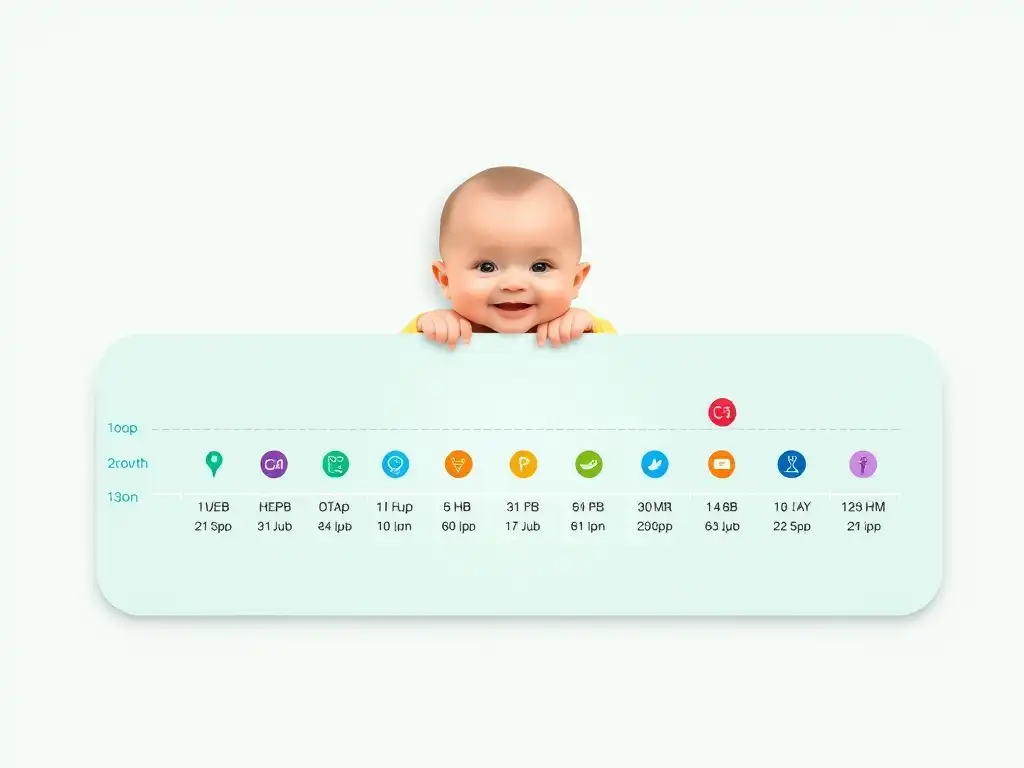
Tracking your baby's vaccination progress is crucial for ensuring their health and well-being. A proactive approach not only protects your little one but also provides peace of mind. Many parents find it helpful to utilize various methods to stay organized and informed.
Maintaining Vaccination Records: Importance of Accurate Documentation
Accurate documentation is paramount. Losing track of your baby's vaccination schedule can lead to delays, potentially exposing your child to preventable diseases. Consider these methods for maintaining comprehensive records:
- Vaccination Card: The physical card provided by your pediatrician is the primary record. Keep it in a safe, accessible place, perhaps in a designated baby binder or file. Consider taking a photograph of it as a backup. Don't forget to update it after each visit!
- Digital Record Keeping: Many parents utilize digital tools to supplement their physical card. Apps designed for baby health tracking often include vaccination schedulers, allowing you to input dates and receive reminders. Some electronic health record (EHR) systems also allow parents access to their child's vaccination information. However, always confirm with your pediatrician about data security and access.
- Creating a Spreadsheet: For a highly organized approach, create a simple spreadsheet detailing each vaccine administered, including the date, the type of vaccine, and any reactions observed. This allows for easy tracking and analysis.
| Vaccine | Date Administered | Reaction Notes |
|---|---|---|
| HepB | October 26, 2023 | No significant reaction observed. |
| RV (Rotavirus) | November 15, 2023 | Mild fussiness for a few hours. |
| DTaP, Hib, IPV, PCV13 | December 10, 2023 | Slight redness at injection site; resolved quickly. |
Remember, consistent record-keeping is key to ensuring your baby receives all necessary vaccinations on time. 👶 A well-maintained record empowers you to be an active participant in your child’s healthcare journey. This meticulous approach helps you avoid gaps in protection and ensures your child receives optimal immunity.
Communicating with Your Pediatrician: Addressing Concerns and Questions
Open communication with your pediatrician is essential. Don't hesitate to voice any concerns or questions you may have regarding your baby's vaccination schedule. Clear and consistent communication ensures that you're both on the same page regarding your child's health.
- Proactive Scheduling: Schedule regular checkups to ensure your baby remains on track with their vaccinations. These appointments provide opportunities to discuss any concerns or questions you might have.
- Addressing Reactions: Some babies experience mild reactions after vaccination, such as fever or soreness at the injection site. However, severe reactions are rare. Always inform your pediatrician about any unusual symptoms your baby experiences following a vaccination. Their guidance is crucial in determining the best course of action.
- Vaccine Hesitancy: If you have concerns or hesitations about vaccinations, discuss them openly and honestly with your pediatrician. They can provide evidence-based information to address your concerns and help you make informed decisions about your baby's health. Remember, your pediatrician is a valuable resource in navigating the world of newborn vaccination schedules. Don't hesitate to ask questions; clear communication is the foundation of a healthy and thriving baby. This proactive approach contributes significantly to your child's overall well-being.
Addressing Common Parental Concerns Regarding Newborn Vaccinations
Newborn vaccination schedules can be daunting for first-time parents. The sheer volume of information, coupled with natural anxieties about their baby's health, often leads to many questions and concerns. This section aims to address some of the most common anxieties parents express regarding newborn vaccinations. Understanding these concerns is crucial for empowering parents to make informed decisions about their child's healthcare.
The goal is not to dismiss anxieties but to provide evidence-based reassurance and clarify misconceptions surrounding the newborn vaccination schedule. Many parents worry about the safety and potential side effects of vaccines, as well as grapple with vaccine hesitancy, fueled by misinformation. Let's explore these issues in detail.
Vaccine Safety and Side Effects: Understanding Potential Reactions
Vaccine safety is a top priority for healthcare professionals and regulatory bodies. Rigorous testing and monitoring systems are in place to ensure vaccines are both safe and effective. While vaccines are remarkably safe, like any medical intervention, they can cause side effects. These are usually mild and temporary, such as soreness at the injection site, low-grade fever, fussiness, or mild rash. These reactions typically resolve within a few days.
More serious side effects are extremely rare. For example, serious allergic reactions are estimated to occur in approximately 1 in a million doses of certain vaccines. Healthcare providers are trained to recognize and manage these rare events. Parents should be aware of the potential side effects, but it is important to weigh them against the significant benefits of vaccination in protecting their child from potentially life-threatening diseases.
The following table summarizes common side effects, their frequency, and management strategies:
| Side Effect | Frequency | Management |
|---|---|---|
| Injection Site Soreness | Very Common | Cold compress, gentle massage |
| Low-Grade Fever | Common | Acetaminophen (as directed by pediatrician) |
| Fussiness/Irritability | Common | Comforting measures, extra cuddles |
| Mild Rash | Less Common | Observation, contacting pediatrician if severe |
| Serious Allergic Reaction | Extremely Rare | Immediate medical attention |
It's crucial to remember that the discomfort associated with minor side effects is far outweighed by the protection provided against serious diseases like polio, measles, mumps, rubella, diphtheria, tetanus, and whooping cough. These diseases, once common, can cause significant illness, disability, or even death.
Dealing with Vaccine Hesitancy: Evidence-Based Information for Informed Decisions
Vaccine hesitancy, a delay in acceptance or refusal of vaccines despite the availability of vaccination services, is a complex issue influenced by various factors, including misinformation, fear of side effects, and distrust in healthcare systems. Overcoming vaccine hesitancy requires a multifaceted approach based on trust, education, and open communication. Parents need access to accurate, evidence-based information presented in a clear and understandable way. This includes understanding the scientific basis of vaccine development, efficacy rates, and the long-term benefits of vaccination.
Addressing concerns about vaccine safety requires providing factual data about the rigorous testing and monitoring processes involved. Highlighting the rarity of serious side effects and emphasizing the far greater risks associated with contracting the diseases vaccines prevent is also vital. Open dialogue with healthcare providers is crucial. Parents should feel comfortable asking questions and voicing concerns without fear of judgment. Building trust with healthcare professionals is paramount in overcoming vaccine hesitancy.
Furthermore, understanding the broader societal impact of vaccination is essential. Herd immunity, achieved when a significant portion of the population is vaccinated, protects vulnerable individuals who cannot be vaccinated due to medical reasons. This collective protection is undermined when vaccination rates decline.
By understanding the importance of herd immunity and the potential consequences of vaccine hesitancy for the entire community, parents can make more informed decisions that benefit not only their child but also the wider population. Engaging with credible sources of information, such as the CDC and WHO, can help dispel misinformation and promote evidence-based decision-making. Ultimately, making informed decisions about vaccination is a vital aspect of responsible parenthood, ensuring the health and well-being of your child and the community.
Resources for Parents: Finding Reliable Information on Infant Immunizations
Navigating the world of newborn vaccinations can feel overwhelming for first-time parents. The sheer volume of information available, coupled with the natural anxieties surrounding your baby's health, makes finding reliable sources crucial. This section provides guidance on where to locate accurate and up-to-date information on infant immunization schedules, ensuring you're well-equipped to make informed decisions for your child's well-being. Remember, always consult your pediatrician for personalized advice tailored to your baby's specific needs and health history. This information is for general knowledge and shouldn't replace professional medical guidance.
Recommended Websites and Organizations: Accessing Credible Vaccination Information
Finding reliable information on newborn vaccination schedules is paramount for parents. Relying on credible sources ensures you're making decisions based on evidence-based research and expert recommendations. Below are some trusted resources you can utilize to supplement your discussions with your pediatrician:
- Your Pediatrician's Office: This is your primary source of information. Your pediatrician will provide a personalized vaccination schedule tailored to your baby's health and any specific needs. Don't hesitate to ask questions; they're there to guide you.
- The Centers for Disease Control and Prevention (CDC): The CDC website offers comprehensive information on recommended vaccination schedules, vaccine safety, and answers to frequently asked questions. They provide detailed information on each vaccine, including potential side effects and benefits, presented in a clear and accessible manner. They are a gold standard for vaccine information.
- The World Health Organization (WHO): The WHO provides global perspectives on vaccination, including information on vaccine availability and recommended schedules in various regions. This is particularly useful for families who have traveled internationally or are considering international travel with their baby.
- Your State or Local Health Department: These departments often have specific resources and programs related to vaccinations, including information on vaccine availability in your area and assistance programs for families who may need financial support. They can provide crucial local context.
- Reputable Medical Journals and Publications: While not always easily accessible to the general public, peer-reviewed medical journals offer the most in-depth scientific information on vaccines. However, understanding the complex terminology might require some medical background.
The table below summarizes key features of these resources:
| Resource | Strengths | Weaknesses | Accessibility |
|---|---|---|---|
| Pediatrician's Office | Personalized advice, considers individual health history, direct communication | Limited availability of appointments, potential for bias (though minimal) | High |
| CDC | Comprehensive, evidence-based information, readily accessible | Can be overwhelming due to volume of information | Very High |
| WHO | Global perspective, information on international vaccine availability | May not always reflect specific local recommendations | High |
| State/Local Health Department | Local resources and programs, information on local vaccine availability | Information may vary by state/locality | Moderate |
| Medical Journals/Publications | In-depth scientific information | Complex terminology, may require medical background to fully understand | Low |
Remember, consistent and accurate information is key to making informed decisions about your baby's health. By utilizing these resources and maintaining open communication with your pediatrician, you can confidently navigate the newborn vaccination schedule and ensure your baby receives the best possible protection. 👶 Always prioritize reliable sources and discuss any concerns with your healthcare provider.
Frequently Asked Questions
What is the recommended newborn vaccination schedule?
The recommended schedule varies slightly by country, but generally includes hepatitis B at birth, followed by DTaP, Hib, PCV13, IPV, and RV at 2, 4, and 6 months. Booster shots are given later. Consult your pediatrician for the specific schedule in your area.
Are vaccines safe for my newborn baby?
Yes, extensive research supports the safety and efficacy of vaccines. The benefits of protecting your baby from serious diseases far outweigh any potential risks. Discuss any concerns with your doctor.
What if I miss a vaccination appointment?
Contact your pediatrician immediately. They can advise you on catching up on the missed vaccines and adjust the schedule accordingly. Don't delay getting your baby vaccinated.
What are the potential side effects of newborn vaccines?
Common side effects are mild and include pain, redness, or swelling at the injection site, and sometimes fever. Serious side effects are extremely rare. Your doctor can discuss potential side effects in detail.
My baby has a medical condition. Can they still receive vaccinations?
Many babies with medical conditions can still be vaccinated. Discuss your baby's specific health concerns with your pediatrician to determine the best vaccination plan. They can assess risks and benefits tailored to your child's needs.
Final Reflection: Protecting Our Future, One Vaccination at a Time
The timely and accurate vaccination of newborns remains a cornerstone of public health, a critical shield against preventable diseases that continue to threaten vulnerable populations worldwide. The seemingly simple act of administering a vaccine represents a profound commitment to the well-being of our children and the collective health of our communities. This commitment, however, requires informed decision-making, and this guide has aimed to provide parents with the knowledge and clarity to navigate the newborn vaccination schedule with confidence.
The impact of vaccination programs extends far beyond the individual child; it shapes the very fabric of our society. By drastically reducing the incidence of once-common and devastating illnesses, we've created a safer and healthier environment for everyone. This progress, however, is not guaranteed. Maintaining high vaccination rates requires ongoing education and community engagement. As Dr. Anthony Fauci has stated, Vaccines are one of the greatest achievements in public health history. They have saved millions of lives and continue to protect us from preventable diseases.
This quote underscores the ongoing importance of understanding and embracing vaccination schedules.
Now, consider your own journey as a parent. Armed with the information provided in this guide, you are empowered to make informed decisions about your child's health. Take a moment to reflect on the significance of this responsibility. Discuss the vaccination schedule with your pediatrician, ask questions, and actively participate in protecting your child and contributing to a healthier future for all. The health of your child, and the health of our communities, depends on it.
Ready to Chart Your Baby's Healthy Journey?
Thank you for learning about your newborn's vaccination schedule! We hope this guide has given you the confidence to navigate this important milestone. Now, let's put that knowledge into action.
- Schedule your baby's first vaccination appointment today. Early and proactive care is crucial for your baby's health.
- Share this helpful guide with other expectant or new parents. Supporting each other makes this journey easier and more rewarding.
- Join the BabyCareHub community forum to connect with other parents and ask questions. You're not alone!
What's one small step you can take today to ensure a smooth and stress-free vaccination experience for your baby?