
Making the Switch to Vegetarian Baby Food: A Guide

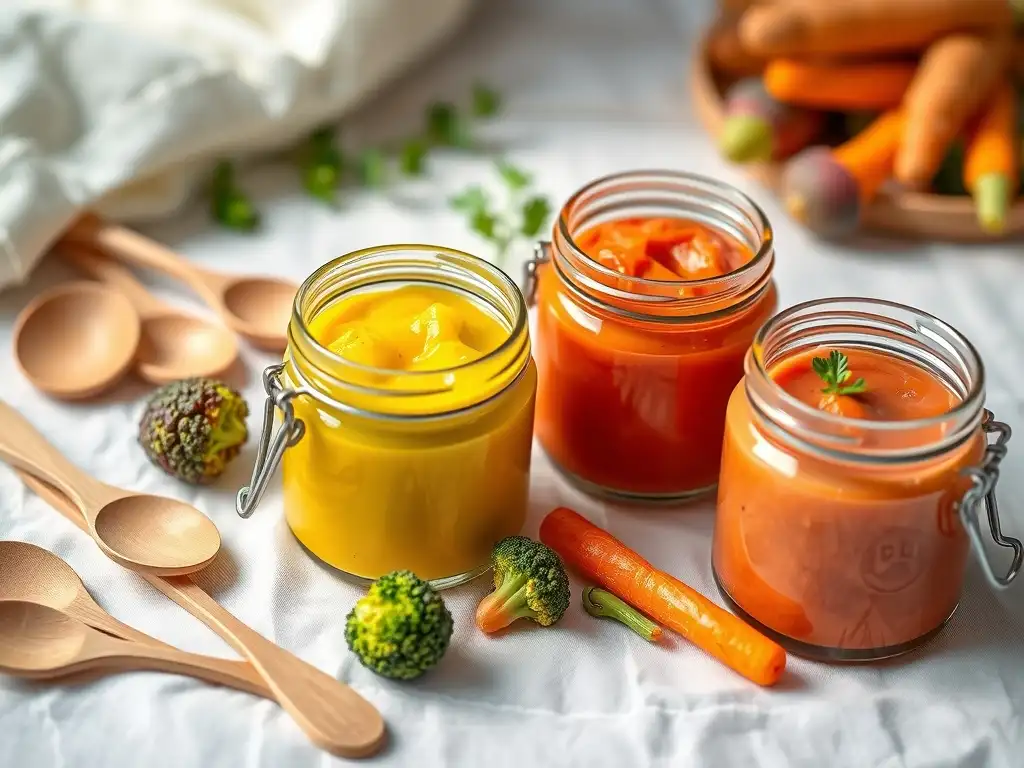
Welcome to BabyCareHub, your ultimate guide to navigating the incredible journey of parenthood! Are you ready to embark on a delicious and nutritious adventure with your little one? Then discover the secrets to creating wholesome and flavorful meals with our vegetarian baby food recipes. We'll take you step-by-step through the process, ensuring your baby receives the best possible start. Dive in and unlock a world of healthy eating for your growing child—your adventure starts now!
- Understanding the Nutritional Needs of Vegetarian Babies
- Introducing Vegetarian Baby Food: A Step-by-Step Guide
- Delicious and Nutritious Vegetarian Baby Food Recipes
- Tips and Tricks for Making Vegetarian Baby Food at Home
- Addressing Common Concerns about Vegetarian Baby Food
- Transitioning to Finger Foods: Vegetarian Options for Self-Feeding
- Resources and Further Reading: Vegetarian Baby Food Information
-
Frequently Asked Questions
- What are the nutritional benefits of a vegetarian baby food diet?
- How can I ensure my vegetarian baby gets enough iron?
- What are some easy vegetarian baby food recipes for beginners?
- Are there any nutrients I need to be particularly mindful of when feeding my baby a vegetarian diet?
- When can I introduce solids to my vegetarian baby?
- Final Reflection: Nourishing Little Bodies, Nurturing a Brighter Future
- Unleash Your Little One's Veggie Power!
Understanding the Nutritional Needs of Vegetarian Babies
Introducing your little one to solid foods is a significant milestone, filled with excitement and perhaps a touch of apprehension. For vegetarian parents, this journey presents a unique opportunity to nurture their child's health with a plant-based diet, rich in fruits, vegetables, and legumes. However, careful planning is crucial to ensure your baby receives all the essential nutrients for optimal growth and development.
This comprehensive guide will navigate you through the process of making the switch to vegetarian baby food, addressing common concerns and providing practical advice to create a balanced and nutritious diet for your little vegetarian. We'll delve into essential nutrients, dietary planning, and comparisons to ensure you feel confident and prepared in providing your baby with the best possible start. This guide focuses on providing delicious and nutritious vegetarian baby food recipes, ensuring your baby thrives on a plant-based diet.
Essential Nutrients for Vegetarian Infants: Iron, Vitamin B12, and More
Vegetarian diets, when well-planned, can provide all the nutrients a baby needs. However, some nutrients require extra attention. Iron, for instance, is crucial for healthy blood and brain development. While iron is present in plant-based foods like spinach and lentils, it's less readily absorbed by the body than the heme iron found in meat. Therefore, it's vital to incorporate iron-rich foods strategically and potentially supplement with your pediatrician’s guidance.
Similarly, vitamin B12 is another key nutrient often lacking in vegetarian diets. B12 is essential for nerve function and red blood cell formation. Since B12 is primarily found in animal products, supplementation or fortified foods are usually necessary for vegetarian babies. Your pediatrician can help you determine the right approach for your child.
Other essential nutrients to consider include:
- Calcium: Crucial for bone development. Good sources include fortified plant milks, tofu, and leafy greens.
- Zinc: Important for immune function and growth. Good sources include legumes, nuts (in appropriate forms and quantities for babies), and seeds.
- Vitamin D: Essential for calcium absorption and bone health. Often requires supplementation, especially for babies with limited sun exposure.
This careful attention to these key nutrients ensures your baby receives the complete nutritional profile necessary for healthy growth, even on a vegetarian diet. Remember to consult with your pediatrician to create a personalized plan that addresses your baby's specific needs and development.
Planning a Balanced Vegetarian Diet for Your Baby
Introducing solids should be a gradual process, starting with single-ingredient purees and progressing to more complex combinations as your baby develops. A balanced vegetarian diet for your baby should include a variety of:
- Fruits: Applesauce, bananas, pears, berries (mashed or pureed)
- Vegetables: Sweet potatoes, carrots, peas, green beans (steamed and pureed)
- Legumes: Lentils, chickpeas (well-cooked and pureed)
- Grains: Oatmeal (iron-fortified), brown rice cereal
- Healthy Fats: Avocado (mashed), flaxseed oil (in moderation, after consulting your pediatrician)
Remember to introduce new foods one at a time, waiting 2-3 days to observe for any allergic reactions. Keep in mind that textures and flavors should also gradually increase in complexity as your baby gets older. This approach will help your baby develop a wide range of tastes and preferences while ensuring adequate nutrition. The transition to solids should be a fun and exciting experience for both you and your baby! Remember to always consult your pediatrician for personalized dietary advice.
Comparing Vegetarian and Non-Vegetarian Baby Food Nutrition
While both vegetarian and non-vegetarian diets can provide adequate nutrition, there are key differences to consider. Non-vegetarian diets often provide readily bioavailable forms of iron and vitamin B12, while vegetarian diets require more careful planning and may necessitate supplementation.
| Nutrient | Non-Vegetarian Sources | Vegetarian Sources | Notes |
|---|---|---|---|
| Iron | Meat, poultry, fish | Lentils, spinach, fortified cereals | Heme iron (non-vegetarian) is more readily absorbed. |
| Vitamin B12 | Meat, poultry, fish, dairy products | Fortified foods, supplements | Supplementation is often necessary for vegetarian babies. |
| Protein | Meat, poultry, fish, dairy products | Legumes, tofu, quinoa, nuts (in age-appropriate forms) | Protein sources need to be varied to ensure a complete amino acid profile. |
| Calcium | Dairy products | Fortified plant milks, tofu, leafy greens | Ensuring adequate calcium intake is crucial for bone development. |
Ultimately, a well-planned vegetarian diet can provide all the nutrients your baby needs. With careful attention to detail and regular consultations with your pediatrician, you can confidently provide your child with a healthy and delicious start to life. Remember, the key is variety and careful planning to ensure your baby receives all the essential nutrients for healthy growth and development.
Introducing Vegetarian Baby Food: A Step-by-Step Guide
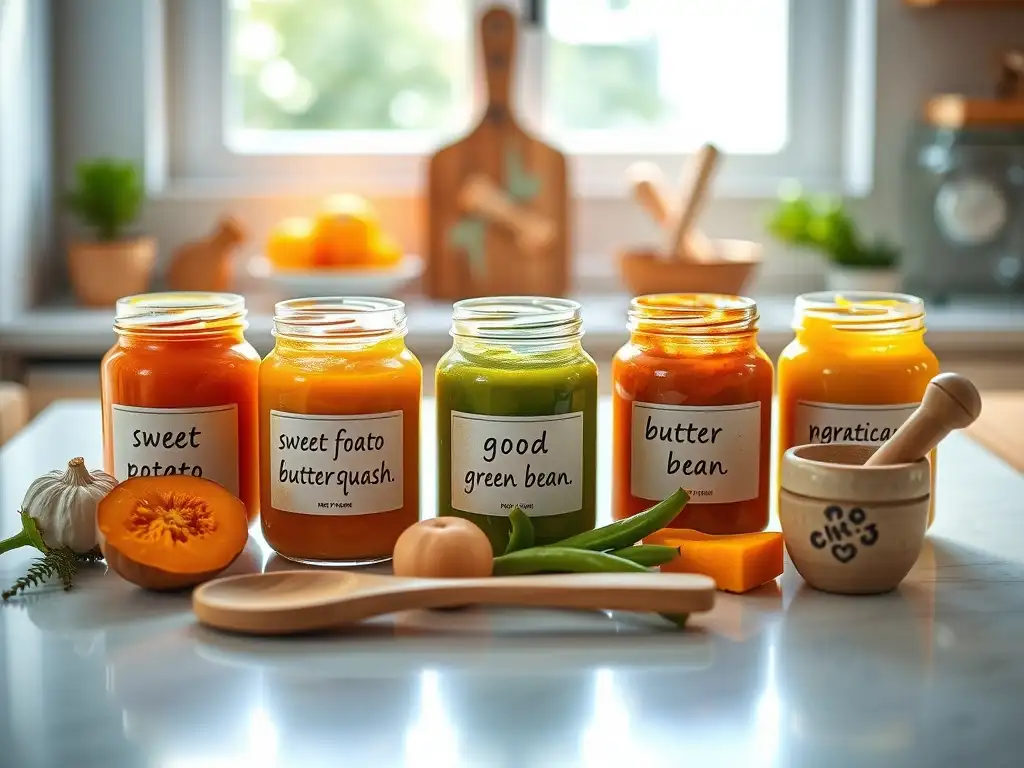
This section provides a detailed guide on introducing your baby to a delicious and nutritious vegetarian diet. We'll cover the optimal timing for starting solids, simple puree recipes to begin with, and how to gradually expand your baby's palate and introduce different textures. Remember, always consult your pediatrician before making significant changes to your baby's diet. This information is for educational purposes and should not replace professional medical advice.
Starting Solids: The Right Time and How to Introduce Purees
Introducing solids is a significant milestone in your baby's development. The recommended time to start is generally around 6 months of age, but this can vary slightly depending on your baby's individual development and readiness. Look for cues such as good head control, the ability to sit upright with support, and showing interest in food. Your baby should also be able to push food out of their mouth with their tongue if they don't like it (extrusion reflex diminishing).
Before starting solids, ensure your baby is exclusively breastfed or formula-fed. Introducing solids should be a gradual process, supplementing rather than replacing their primary source of nutrition. Begin with single-ingredient purees to easily identify potential allergies. Start with small amounts, a teaspoon or two at first, increasing gradually as your baby gets used to it. Observe for any allergic reactions, such as rash, vomiting, or diarrhea. If you notice any adverse reactions, stop immediately and consult your pediatrician.
Here's a simple schedule you might follow:
- Week 1: Introduce one new vegetable puree (e.g., sweet potato) for 2-3 days.
- Week 2: Introduce another new vegetable puree (e.g., carrots) for 2-3 days.
- Week 3: Introduce a third new vegetable puree (e.g., butternut squash) for 2-3 days.
- Continue this pattern, introducing one new vegetable at a time, allowing a few days in between to observe for any reactions.
First Vegetarian Purees: Simple Recipes for Beginners
These simple recipes are perfect for starting your baby on their vegetarian journey. Remember to always cook vegetables thoroughly until soft before pureeing. You can use a blender, food processor, or even a fork to achieve a smooth consistency. Avoid adding salt, sugar, or honey to your baby's food.
| Vegetable | Preparation | Notes |
|---|---|---|
| Sweet Potato | Steam or bake until soft, then puree. | Naturally sweet and easy to digest. |
| Carrots | Steam or boil until soft, then puree. | A good source of Vitamin A. |
| Butternut Squash | Roast or steam until soft, then puree. | Creamy and flavorful. |
| Avocado | Mash with a fork. | Rich in healthy fats. Introduce this after other vegetables. |
| Green Beans | Steam until soft, then puree or mash. | A good source of fiber. |
Remember to always check the temperature before feeding your baby. Start with a small amount and increase as your baby gets used to it. The consistency should be smooth and easily swallowed. Always supervise your baby while they are eating.
Gradually Introducing New Vegetables and Textures
Once your baby has mastered a few basic purees, it's time to gradually expand their culinary horizons! Introduce new vegetables one at a time, monitoring for any allergic reactions. You can also start to introduce different textures, moving from smooth purees to slightly chunkier purees and eventually to soft, mashed vegetables. This helps your baby develop their chewing skills.
Here are some ideas for expanding your baby's vegetarian food repertoire:
- New Vegetables: Explore a variety of vegetables like peas, broccoli, zucchini, spinach (ensure it's well-cooked to reduce oxalates), and lentils. Consider seasonal vegetables for optimal nutrient content.
- Texture Progression: After smooth purees, try slightly chunky purees by leaving some small pieces of vegetables in the puree. Then, progress to mashed vegetables.
- Combining Vegetables: Once your baby is comfortable with single-ingredient purees, you can start combining different vegetables to create more complex and flavorful combinations. For example, a sweet potato and carrot puree or a butternut squash and green bean puree. This also helps introduce a variety of nutrients.
- Introducing Legumes: Well-cooked lentils and beans (mashed or pureed) are excellent sources of protein and fiber, crucial for a vegetarian diet. Start with small amounts to assess tolerance.
Remember to always prioritize safety and introduce new foods slowly and carefully. Enjoy this exciting journey of culinary exploration with your little one! 🎉 Remember to consult your pediatrician for personalized guidance on introducing vegetarian baby food and addressing any concerns.
Managing Potential Allergic Reactions to Vegetarian Foods
Introducing vegetarian foods to your baby's diet offers numerous benefits, but it's crucial to be aware of potential allergic reactions. While vegetarian diets are generally associated with lower allergy risks compared to diets including dairy and eggs, some common vegetarian ingredients can still trigger reactions. Soy, peanuts, tree nuts, and sesame seeds are frequent culprits, even among vegetarian babies. Careful introduction is paramount.
The most common allergic reactions manifest as skin rashes (eczema), digestive issues (vomiting, diarrhea, or constipation), and respiratory problems (wheezing or difficulty breathing). Less common, but more serious, reactions include anaphylaxis, a life-threatening condition requiring immediate medical attention. Recognizing the symptoms is crucial for swift intervention.
Always introduce new foods one at a time, waiting 2-3 days before introducing another. This allows you to monitor your baby's reaction and identify any potential allergens. Start with small portions, gradually increasing the quantity as tolerated. Keep a detailed food diary, noting the date, the food introduced, and any subsequent symptoms your baby experiences. This diary will be invaluable if you suspect an allergy.
If you suspect an allergic reaction, consult your pediatrician immediately. They can perform allergy tests to confirm the allergen and recommend appropriate management strategies. This might involve avoiding the offending food entirely, or managing the allergy with medication or other strategies. Remember, early intervention is key to managing food allergies effectively.
Don't hesitate to seek professional guidance; your pediatrician is your best resource in navigating this aspect of your baby's dietary journey. Early identification and management of allergies can significantly improve your baby's health and well-being. Many resources are available to help you learn more about recognizing and managing potential allergic reactions in babies following a vegetarian diet, including online guides and support groups dedicated to pediatric allergy management.
Delicious and Nutritious Vegetarian Baby Food Recipes
This section provides you with three simple, yet nutritious, vegetarian baby food recipes perfect for introducing your little one to a world of delicious and healthy flavors. Remember to always consult your pediatrician before introducing new foods to your baby's diet, and start with small portions to check for any allergic reactions. These recipes are designed for babies who are starting solids, typically around 6 months old, but always follow your pediatrician's guidance.
Finding the right balance of nutrients is crucial for your baby's growth and development, and these vegetarian options provide a great way to do so. We'll focus on simple recipes using readily available ingredients, making the transition to vegetarian baby food easy and enjoyable. These recipes are designed to be easily adaptable; feel free to adjust the consistency based on your baby's developmental stage.
Simple Sweet Potato and Carrot Puree Recipe
This classic combination is packed with vitamins and is naturally sweet, making it a perfect first food for many babies. Sweet potatoes are an excellent source of Vitamin A and fiber, while carrots provide beta-carotene, which the body converts to Vitamin A. This puree is incredibly simple to make and requires minimal ingredients.
The recipe yields approximately 1 cup of puree.
Ingredients:
- 1 medium sweet potato, peeled and cubed
- 1 medium carrot, peeled and cubed
- 1/2 cup water or breast milk
Instructions:
- Steam or boil the sweet potato and carrot until tender (approximately 15-20 minutes). You can test for doneness with a fork; it should pierce easily.
- Drain the vegetables well.
- Add the cooked vegetables and water (or breast milk) to a blender or food processor.
- Blend until completely smooth. You may need to add a little more liquid to achieve the desired consistency.
- Taste and adjust for sweetness if needed (though it should be naturally sweet).
- Serve immediately or store in airtight containers in the refrigerator for up to 3 days or freeze for longer storage. Remember to always allow the puree to cool completely before serving to your baby.
This simple puree is a great starting point for your baby's vegetarian journey. It's easy to digest and provides essential nutrients for healthy growth. Remember to always supervise your baby while they are eating. 👶
Creamy Avocado and Spinach Puree Recipe
This recipe offers a delightful creamy texture and a boost of iron and healthy fats. Avocados are rich in healthy monounsaturated fats, essential for brain development, while spinach provides iron and other vital nutrients. The combination creates a vibrant green puree that's surprisingly palatable for babies.
The recipe yields approximately 1/2 cup of puree.
Ingredients:
- 1 ripe avocado, pitted and peeled
- 1 cup fresh spinach, washed and stemmed
- 2 tablespoons breast milk or water (adjust as needed for consistency)
Instructions:
- Steam the spinach until wilted (about 3-5 minutes).
- Blend the steamed spinach, avocado, and breast milk (or water) in a blender or food processor until completely smooth and creamy.
- Taste and adjust for consistency, adding more liquid if needed.
- Serve immediately or store in an airtight container in the refrigerator for up to 2 days. Freezing is not recommended for this recipe due to the avocado's texture changing upon thawing.
This puree is a fantastic source of healthy fats and iron, crucial for your baby's development. The creamy texture is appealing to many babies, making it a great option for introducing new flavors.
Lentil and Vegetable Stew Recipe for Babies
This recipe provides a hearty and nutritious meal packed with protein and fiber. Lentils are an excellent source of plant-based protein, while the added vegetables contribute a variety of vitamins and minerals. This stew is a more complex recipe, ideal once your baby has become accustomed to simpler purees. It’s a great way to introduce a wider range of flavors and textures.
This recipe yields approximately 1.5 cups of stew.
Ingredients:
- 1/2 cup red lentils, rinsed
- 1/2 cup chopped carrots
- 1/4 cup chopped zucchini
- 1/4 cup chopped sweet potato
- 1 cup vegetable broth (low sodium)
Instructions:
- Combine all ingredients in a small saucepan.
- Bring to a boil, then reduce heat and simmer for 20-25 minutes, or until lentils are tender.
- Allow the stew to cool slightly, then blend using an immersion blender or carefully transfer to a regular blender until smooth. If using a regular blender, vent the lid to prevent pressure buildup.
- Taste and adjust seasoning if needed (though it should be naturally flavorful).
- Serve warm or cool. Store leftovers in an airtight container in the refrigerator for up to 3 days.
This lentil and vegetable stew is a fantastic source of protein and fiber, contributing to your baby's overall health and development. Remember to always check the temperature before serving to your baby. Enjoy exploring the world of vegetarian baby food! 🎉
Vegetarian Baby Food Recipes Using Quinoa and Quinoa and Brown Rice
Quinoa and brown rice are excellent bases for nutritious and delicious vegetarian baby food recipes. Both are complete proteins, meaning they contain all nine essential amino acids, crucial for your baby's growth and development. They are also rich in fiber, which aids digestion, and offer a good source of iron and other essential minerals. The mild flavors of quinoa and brown rice make them incredibly versatile, easily adaptable to a wide range of tastes as your baby's palate develops.
One simple and popular recipe involves cooking quinoa and brown rice together in a ratio of 1:1. After cooking, you can puree the mixture until smooth, creating a creamy base for your baby's first foray into solids. This can be served plain or mixed with pureed vegetables like sweet potato, butternut squash, or carrots for added nutrients and flavor. Remember to always introduce new foods one at a time and monitor for any allergic reactions.
For slightly older babies, you can experiment with more complex textures. Instead of pureeing the quinoa and brown rice completely, you can leave some texture to help your baby develop their chewing skills. You can also add finely chopped vegetables or fruits, such as peas, green beans, or finely grated apple, to introduce a variety of flavors and textures.
Consider incorporating herbs and spices in moderation as your baby gets older. A tiny pinch of cinnamon or nutmeg can add warmth and complexity to the flavor profile without being overpowering. Always err on the side of caution, starting with minimal amounts and gradually increasing as your baby becomes accustomed to new tastes. Remember to always consult your pediatrician before introducing new foods, especially spices, into your baby's diet.
Remember to always ensure the quinoa and brown rice are thoroughly cooked before serving to your baby. Properly cooked grains are easier to digest and reduce the risk of choking hazards. You can store leftover purees in airtight containers in the refrigerator for up to three days or freeze them for longer storage. Always allow the food to cool completely before feeding your baby.
Enjoy experimenting with these versatile grains to create a variety of healthy and delicious meals for your little one! These simple recipes provide a fantastic foundation for building a healthy and varied vegetarian diet for your baby. The versatility of quinoa and brown rice ensures that you'll have many options to explore as your baby grows and their tastes evolve.
Tips and Tricks for Making Vegetarian Baby Food at Home
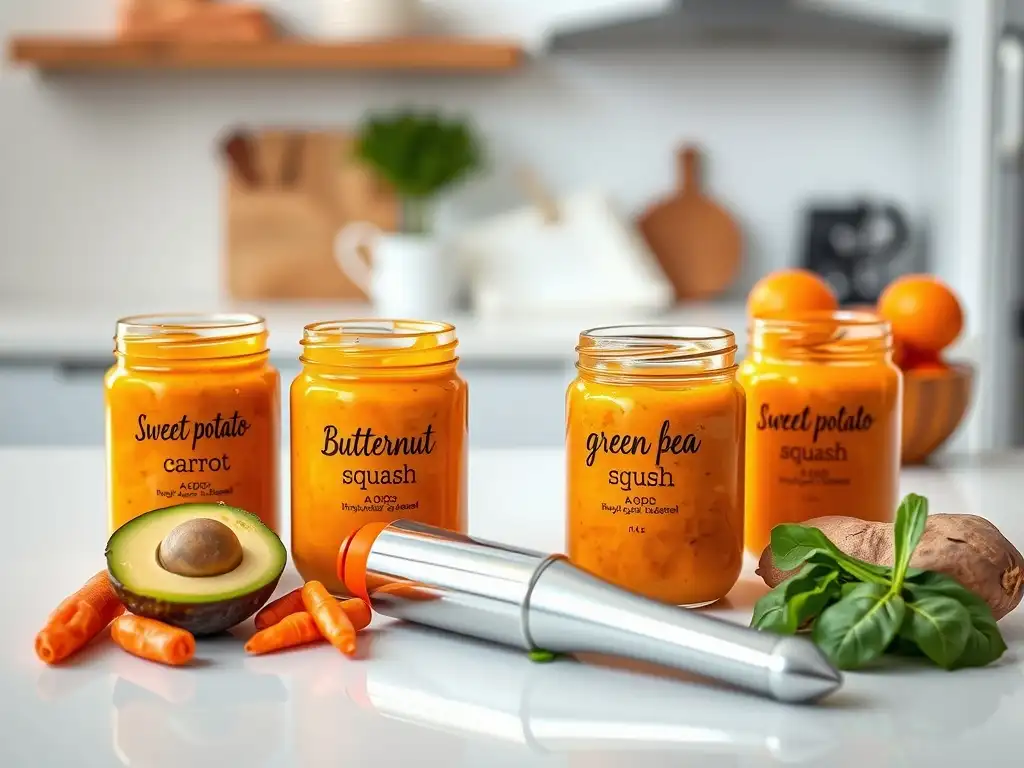
This section offers practical advice and clever techniques to simplify the process of preparing delicious and nutritious vegetarian baby food at home. Making your own baby food allows for complete control over ingredients, ensuring your little one receives the best possible nutrition tailored to their specific needs and dietary preferences. Remember, consistency is key, especially in the early stages of introducing solids.
Choosing the Right Ingredients for Your Baby's Vegetarian Diet
Selecting the right ingredients is paramount when crafting vegetarian baby food. Prioritize organic produce whenever possible to minimize exposure to pesticides. Introduce single ingredients one at a time, waiting 2-3 days to observe for any allergic reactions before introducing a new food. This allows you to easily identify potential allergens.
Here's a helpful table outlining suitable ingredients and their nutritional benefits:
| Ingredient | Nutritional Benefits | Stage of Introduction | Notes |
|---|---|---|---|
| Sweet Potato | Rich in Vitamin A, fiber | 4-6 months | Cook until very soft and easily mashed. |
| Avocado | Healthy fats, potassium | 4-6 months | Creamy texture, naturally rich in nutrients. |
| Green Beans | Vitamins K and C, fiber | 6-8 months | Steam or boil until tender. |
| Lentils | Protein, iron, fiber | 6-8 months | Cook until very soft, puree for smooth texture. |
| Butternut Squash | Vitamin A, fiber | 6-8 months | Roast for enhanced sweetness and flavor. |
Remember to avoid adding salt, sugar, or honey to your baby's food, as their kidneys and digestive systems are still developing. Always consult your pediatrician before introducing new foods, especially if your baby has a history of allergies. A diverse range of vegetables, legumes, and fruits will ensure your baby receives a wide array of vitamins and minerals.
Safe Food Handling and Storage Practices for Baby Food
Maintaining the highest standards of hygiene is crucial when preparing baby food. Thorough handwashing before handling ingredients is essential. Use clean cutting boards and utensils, and ensure all surfaces are sanitized. Cook ingredients thoroughly to eliminate harmful bacteria. Avoid cross-contamination by separating raw and cooked foods.
Proper storage is equally important. Store leftover homemade baby food in airtight containers in the refrigerator for up to 24 hours. Freezing is an excellent method for preserving larger batches. Portion the food into ice cube trays or small freezer-safe containers for easy thawing and use. Always thaw frozen baby food in the refrigerator overnight and discard any leftover food after warming.
Never refreeze thawed baby food. Pay close attention to signs of spoilage, such as unusual smells or changes in texture or color. Discard any food showing signs of spoilage immediately. Following these guidelines will guarantee your baby's safety and reduce the risk of foodborne illnesses.
Making Vegetarian Baby Food in Bulk and Freezing for Later Use
Preparing vegetarian baby food in bulk and freezing it for later use is a time-saving strategy for busy parents. This method allows you to prepare multiple batches of different purees and store them for convenient use over several weeks. Batch cooking is particularly efficient when using seasonal produce.
To maximize efficiency:
- Preparation: Wash, peel, and chop your chosen vegetables and/or fruits. Consider steaming, boiling, or roasting, depending on the ingredients. Puree the cooked ingredients using a blender or food processor until you achieve a smooth, appropriate consistency for your baby's developmental stage.
- Portioning: Portion the purees into ice cube trays or small, freezer-safe containers. This makes it easy to thaw and serve individual portions as needed. Label each container with the contents and the date of preparation.
- Freezing: Place the filled ice cube trays or containers in the freezer. Once frozen solid, you can transfer the cubes to freezer bags for longer-term storage. This saves space and prevents freezer burn.
- Thawing: When ready to use, thaw the desired portion in the refrigerator overnight. Never microwave thawed baby food, as this can create hot spots that could burn your baby's mouth. Always check the temperature before serving.
This approach ensures you always have a supply of healthy and nutritious vegetarian baby food readily available, saving you valuable time and effort. Remember to always follow safe food handling and storage practices, even when dealing with frozen baby food. Freezing allows you to take advantage of seasonal produce and prepare a variety of meals in advance.
Creative Ways to Make Vegetarian Baby Food Appealing
Introducing new flavors and textures is key to a successful transition to vegetarian baby food. Babies, much like adults, can be picky eaters! Therefore, creativity is your best friend. Don't be afraid to experiment with different combinations to find what your little one enjoys. Remember, the goal is to make healthy eating a positive experience.
One effective strategy is to incorporate vibrant colors. Think bright orange sweet potatoes, deep green spinach, or the rich purple of beetroot. These visually appealing options can pique your baby's interest and encourage them to try new foods. You can even arrange the purees in fun shapes using cookie cutters or simply by creating swirls on the plate.
Texture plays a significant role as well. While initially, smooth purees are ideal, gradually introduce lumps and chunks as your baby develops their chewing skills. This can be achieved by slightly mashing ingredients instead of fully pureeing them, or by adding finely chopped vegetables or soft fruits. This variation helps stimulate their oral motor skills and prepares them for a wider range of textures in the future. Consider adding a touch of creaminess using full-fat coconut milk or avocado to enhance the mouthfeel of purees, especially for those with a tendency towards a thinner consistency.
Another trick is to cleverly combine flavors. Instead of serving plain sweet potato puree, try mixing it with a small amount of apple or pear for a subtle sweetness. Similarly, pairing mildly bitter vegetables like spinach with something naturally sweeter, such as carrot, can make them more palatable.
Experiment with herbs and spices (in very small quantities, of course, always checking for potential allergies beforehand) to add depth and complexity to the flavors. A tiny pinch of cinnamon in a pumpkin puree, for example, can make it surprisingly appealing. Remember to always start with minimal amounts of any new ingredient and observe your baby's reaction.
Remember, consistency is crucial. Offer a variety of vegetarian baby food options regularly, even if your baby initially rejects a particular food. Persistence is key. Don't be discouraged if your little one doesn't take to a new flavor immediately; keep introducing it in different ways and combinations. With patience and creativity, you can cultivate healthy eating habits from the very beginning. 🎉
Addressing Common Concerns about Vegetarian Baby Food
Many parents-to-be, especially first-timers, harbor anxieties about transitioning their little ones to a vegetarian diet. Concerns regarding nutritional completeness are completely understandable, and this section aims to alleviate those worries by addressing common questions and providing evidence-based reassurance. We will explore how to ensure your vegetarian baby receives all the essential nutrients for healthy growth and development. Finding the right balance of vegetarian baby food recipes is key, and this guide will help you navigate that journey with confidence.
Ensuring Adequate Protein Intake on a Vegetarian Diet
Protein is crucial for a baby's growth and development. While animal products are often associated with high protein content, a well-planned vegetarian diet can easily meet a baby's protein needs. Legumes (lentils, beans, chickpeas), tofu, quinoa, and various nuts and seeds are excellent sources of plant-based protein.
For example, a single cup of cooked lentils provides approximately 18 grams of protein – a significant contribution to a baby's daily requirement. Combining different plant-based protein sources throughout the day ensures a complete amino acid profile, mirroring the benefits of animal proteins. Remember to introduce these foods gradually, one at a time, monitoring for any allergic reactions. Careful meal planning, incorporating a variety of these protein-rich foods, is key to successful vegetarian baby feeding. Don't hesitate to consult a pediatrician or registered dietitian for personalized dietary advice tailored to your baby's specific needs and developmental stage.
Meeting Iron Requirements in Vegetarian Babies
Iron deficiency is a potential concern in vegetarian babies. However, with careful planning, this can be easily avoided. Iron from plant-based sources (non-heme iron) is less readily absorbed than iron from animal sources (heme iron), but this can be improved by pairing iron-rich foods with vitamin C-rich foods. For instance, serving spinach (iron-rich) with bell peppers (vitamin C-rich) significantly enhances iron absorption.
Here's a table illustrating some excellent vegetarian sources of iron:
| Food | Iron Content (mg/serving) | Vitamin C Content (mg/serving) |
|---|---|---|
| Cooked Lentils (1 cup) | 6.6 | 10 |
| Spinach (1 cup cooked) | 3.2 | 11 |
| Tofu (1/2 cup) | 3.0 | 0 |
| Fortified Cereals (1 serving) | Varies greatly – check packaging | Varies greatly – check packaging |
Remember that iron needs vary depending on the baby's age and developmental stage. Always consult your pediatrician for specific recommendations and to monitor your baby's iron levels through regular blood tests. Iron-fortified cereals can also be a valuable addition to a vegetarian baby's diet.
Supplementing Vitamin B12 and Other Essential Nutrients
Vitamin B12 is primarily found in animal products, making supplementation often necessary for vegetarian babies. Breastfed babies of vegetarian mothers may also require supplementation. Your pediatrician can assess your baby's B12 levels and recommend an appropriate supplement if needed. This is often administered as drops or a syrup.
Other nutrients to consider, though often readily available in a diverse vegetarian diet, include:
- Zinc: Found in legumes, nuts, and seeds.
- Calcium: Present in leafy green vegetables, tofu, and fortified plant milks.
- Omega-3 fatty acids: Can be obtained from flaxseeds, chia seeds, and algae-based supplements.
Always prioritize a varied diet rich in fruits, vegetables, whole grains, and legumes to minimize the risk of nutritional deficiencies. Regular check-ups with your pediatrician are vital to monitor your baby's growth and development and address any specific nutritional concerns. Remember that creating a healthy and balanced vegetarian diet for your baby is achievable with careful planning and professional guidance.
Addressing Concerns from Family and Friends about Vegetarian Baby Food
Introducing your baby to a vegetarian diet can sometimes be met with skepticism or even resistance from family and friends. Many well-meaning individuals may express concerns about whether your baby is getting enough protein, iron, or other essential nutrients. These concerns often stem from misconceptions about vegetarian diets and a lack of understanding of the nutritional needs of infants. It's crucial to have open and informative conversations to alleviate their anxieties.
One effective approach is to share your research and knowledge about balanced vegetarian nutrition for babies. Highlight the abundance of nutrient-rich vegetarian options available, such as lentils, beans, tofu, and fortified cereals. Explain how you're carefully planning your baby's meals to ensure they receive a complete range of essential vitamins and minerals. You might even share some of your favorite vegetarian baby food recipes to demonstrate the delicious and nutritious meals your baby enjoys.
Remember, you are the expert on your baby's needs. While respecting their opinions, it's important to confidently communicate your informed choices. Consider providing them with reliable resources, such as articles from reputable pediatric organizations or websites specializing in vegetarian nutrition for infants.
This will not only address their concerns but also educate them about the benefits of a well-planned vegetarian diet for babies. A collaborative approach, focusing on education and reassurance, can help bridge the gap and foster a supportive environment for your parenting journey. It's also important to remember that you are not obligated to justify your choices; you are making the best decision for your child based on your research.
Ultimately, your confidence and the visible health and well-being of your baby will be the most convincing arguments. Regular check-ups with your pediatrician will provide reassurance and further validate your dietary choices. Remember to document your baby's growth and development, which can be shared with concerned family and friends to illustrate the success of your chosen approach.
Transitioning to Finger Foods: Vegetarian Options for Self-Feeding
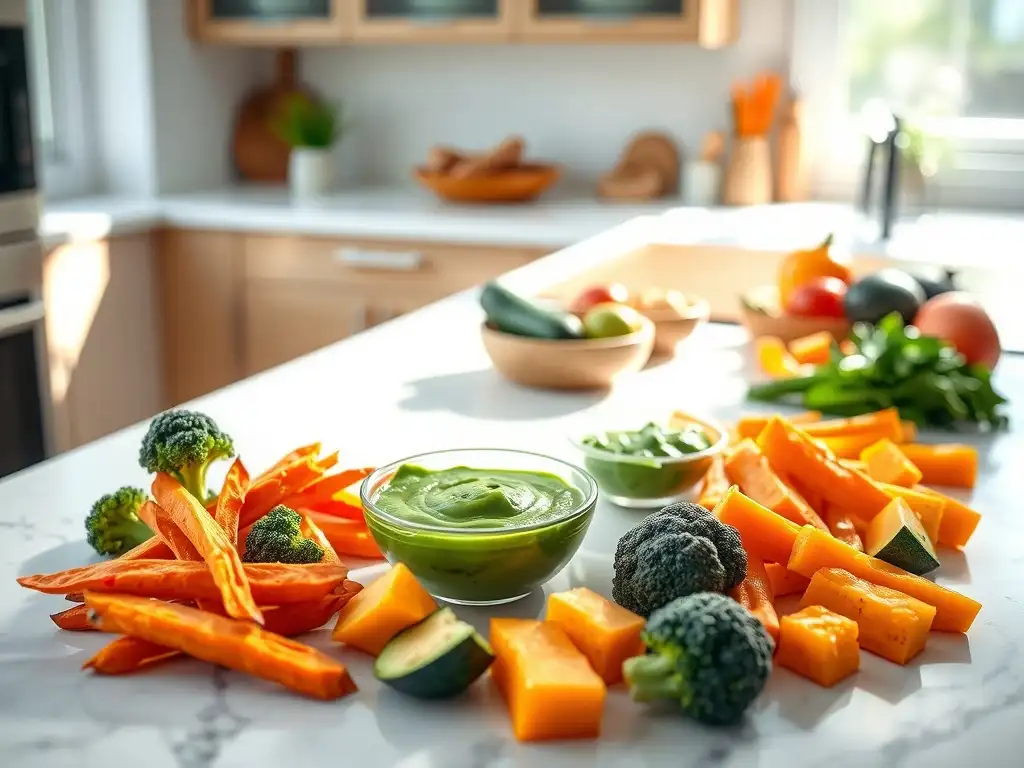
This section focuses on the exciting milestone of introducing finger foods to your vegetarian baby. Successfully navigating this stage requires careful consideration of texture, safety, and nutritional value. Remember, the goal is to foster independence and healthy eating habits while ensuring your little one's safety.
We'll explore safe and nutritious vegetarian options, discuss the importance of texture variation, and offer tips to encourage self-feeding. This is a crucial step in your baby's development, making mealtimes more engaging and setting the foundation for a lifetime of healthy eating. Finding the right balance of nutrition and fun is key to making this transition a success.
Safe and Healthy Vegetarian Finger Foods for Babies
Choosing the right finger foods is paramount. Prioritize soft, easily manageable pieces to minimize choking hazards. Here are some excellent vegetarian options, categorized for clarity:
Fruits:
- Soft cooked or steamed pears, apples, bananas, and avocado slices (ensure they're large enough to avoid choking).
- Steamed or baked sweet potatoes, cut into small, manageable sticks.
- Berries (blueberries, raspberries, strawberries) – always supervise closely due to their small size. Consider mashing them slightly for easier handling initially.
Vegetables:
- Soft cooked green beans, carrots, and peas. Steaming helps retain nutrients and softens the texture.
- Small pieces of cooked broccoli or cauliflower florets.
- Zucchini or squash sticks, steamed until tender.
Other Options:
- Soft tofu cubes, lightly steamed or pan-fried.
- Well-cooked pasta (small shapes like ditalini or mini shells).
- Plain whole-wheat crackers (ensure they're soft and easily dissolvable).
- Plain, unsweetened yogurt (full-fat is best for nutritional content).
Remember to always supervise your baby during mealtimes and be aware of potential choking hazards. Cut food into appropriately sized pieces and avoid hard or sticky foods until your baby has developed better chewing skills. Introducing variety is key to ensuring your baby receives a wide range of nutrients. Always check the temperature of the food before offering it to your baby.
Introducing Different Textures and Shapes of Vegetarian Finger Foods
Varying textures and shapes helps stimulate your baby's sensory development and encourages exploration. Start with soft, easily mashed foods and gradually introduce firmer textures as your baby's chewing skills improve. Consider these progression ideas:
- Stage 1 (4-6 months): Pureed or very soft mashed foods.
- Stage 2 (6-8 months): Soft cooked vegetables and fruits, well-mashed.
- Stage 3 (8-10 months): Introduce slightly firmer textures – soft cooked but still easily manageable pieces.
- Stage 4 (10+ months): Offer a wider variety of textures and shapes, including small pieces of cooked meat substitutes (like lentils or beans), if age-appropriate.
Experiment with different shapes – sticks, cubes, small pieces – to keep meals interesting. You can also use cookie cutters to make fun shapes out of soft vegetables like sweet potatoes. The goal is to make mealtime a fun and engaging experience, encouraging your baby to explore different flavors and textures. Don't be discouraged if your baby initially rejects a new food – it may take multiple tries before they accept it. Patience and persistence are key!
Tips for Encouraging Self-Feeding with Vegetarian Foods
Encouraging self-feeding is a crucial aspect of your baby's development. Here are some practical tips to make the process smooth and enjoyable:
- Create a comfortable and safe environment: Use a high chair with a tray to contain the mess.
- Offer a variety of foods: Present several options to allow your baby to choose what they prefer.
- Be patient and supportive: Don't get discouraged if your baby makes a mess. It's all part of the learning process.
- Positive reinforcement: Praise and encourage your baby's efforts, even if they only manage a few bites.
- Lead by example: Let your baby see you enjoying healthy vegetarian meals.
- Make it fun: Use colorful plates and bowls, and sing songs or tell stories during mealtimes. Consider using fun-shaped cookie cutters to create interesting shapes from soft vegetables.
- Don't force your baby to eat: If your baby isn't hungry, don't push them to eat. Respect their cues.
- Monitor for allergies: Introduce new foods one at a time to monitor for any allergic reactions.
Remember that every baby develops at their own pace. Some babies may take to self-feeding more quickly than others. The key is to remain patient, encouraging, and supportive throughout the process. By providing a variety of healthy vegetarian options and creating a positive mealtime experience, you can help your baby develop healthy eating habits for life. 🥕🥦🥑
Resources and Further Reading: Vegetarian Baby Food Information
This section provides valuable resources to help you navigate the world of vegetarian baby food, supplementing the information provided in this guide. We understand that transitioning to a vegetarian diet for your baby can raise questions and concerns, and having access to reliable information is crucial. This section aims to equip you with the tools and support you need to make informed decisions about your baby's nutrition.
Recommended Books and Websites on Vegetarian Baby Food
Choosing the right resources is paramount when planning your baby's vegetarian diet. Many books and websites offer comprehensive guidance, recipes, and nutritional information specifically tailored to vegetarian babies. It's important to select sources that are credible, up-to-date, and align with current nutritional recommendations for infants.
Here's what to look for when selecting resources:
- Registered Dietitian or Nutritionist Approval: Look for books or websites that have been reviewed or endorsed by registered dietitians or nutritionists specializing in infant and child nutrition. This ensures the information is accurate and safe.
- Age-Appropriate Recipes: Ensure the recipes are designed for the specific age of your baby, starting with purees and gradually progressing to more textured foods as your baby develops. Pay close attention to choking hazards.
- Nutrient Density: Focus on resources that emphasize nutrient-dense vegetarian options to ensure your baby is getting all the essential vitamins and minerals they need. This might involve strategies like iron fortification or careful food combining.
- Variety and Flavor: A diverse range of vegetarian baby food recipes will help prevent picky eating habits and ensure your baby receives a wide spectrum of nutrients.
Finding the perfect resource might involve some exploration. Remember that a combination of sources can provide a well-rounded perspective. Look for resources that offer practical tips and address common concerns about vegetarian baby feeding. Don't hesitate to seek professional advice if you have any doubts or specific questions.
Finding Support and Advice from Other Vegetarian Parents
Connecting with other parents who share your lifestyle choices can be invaluable. Sharing experiences, exchanging recipes, and receiving emotional support can significantly ease the transition to vegetarian baby food.
Several online communities and forums cater specifically to vegetarian and vegan parents. These platforms offer a safe space to ask questions, share concerns, and find encouragement. You can learn about:
- Recipe Sharing: Discover new and exciting vegetarian baby food recipes from other parents. This can help you diversify your baby's diet and avoid mealtime boredom.
- Troubleshooting: Get advice on common challenges, such as picky eating or dealing with nutrient deficiencies. Other parents can offer practical solutions and share their experiences.
- Emotional Support: Raising a vegetarian baby can sometimes feel isolating. Connecting with other parents provides a sense of community and shared understanding. Knowing you're not alone can make a world of difference.
Remember to always double-check any advice you receive online with your pediatrician or a registered dietitian to ensure it aligns with your baby's individual needs and health status. The combination of reliable resources and the support of a like-minded community can significantly enhance your journey in providing healthy and delicious vegetarian baby food. 🥗👶
Frequently Asked Questions
What are the nutritional benefits of a vegetarian baby food diet?
A vegetarian diet can provide your baby with essential nutrients like iron, zinc, and vitamin C from sources like lentils, spinach, and sweet potatoes. It can also promote healthy gut bacteria and reduce the risk of certain chronic diseases later in life. Remember to ensure a balanced diet.
How can I ensure my vegetarian baby gets enough iron?
Iron is crucial for development; iron-rich foods like lentils, spinach, and fortified cereals are key. Combining iron-rich foods with vitamin C-rich foods (like oranges or bell peppers) enhances absorption. Consult your pediatrician to monitor iron levels.
What are some easy vegetarian baby food recipes for beginners?
Simple purees are a great starting point. Try sweet potato puree, avocado puree, or carrot and pea puree. You can find many easy recipes online, including on BabyCareHub, specifically tailored to your baby's age and developmental stage.
Are there any nutrients I need to be particularly mindful of when feeding my baby a vegetarian diet?
Vitamin B12 and omega-3 fatty acids can be harder to obtain on a vegetarian diet. Supplementation might be necessary; consult your pediatrician or a registered dietitian to determine the best course of action for your baby.
When can I introduce solids to my vegetarian baby?
Generally, you can start introducing solids around 6 months of age, but always consult your pediatrician. Begin with single-ingredient purees and gradually introduce new foods, watching for any allergic reactions. Pay close attention to your baby's cues and adjust accordingly.
Final Reflection: Nourishing Little Bodies, Nurturing a Brighter Future
The shift towards plant-based diets is gaining significant momentum, and introducing vegetarian options to your baby's meals is a powerful step towards a healthier, more sustainable future. This isn't just a trend; it's a conscious choice reflecting a growing awareness of the environmental and ethical implications of our food choices, and the profound impact these choices have on our children's well-being. We've explored the nutritional benefits, practical considerations, and delicious recipe ideas for creating vibrant and nutritious vegetarian baby food, empowering parents to make informed decisions.
The journey of introducing vegetarian baby food is more than just feeding; it's about shaping a generation's relationship with food and the planet. It's about fostering a love for diverse flavors and textures, while simultaneously contributing to a more compassionate and environmentally responsible world. As we navigate this evolving landscape of dietary choices, the importance of mindful eating becomes increasingly clear. We don't inherit the earth from our ancestors, we borrow it from our children.
This quote encapsulates the responsibility we bear in shaping a healthier future for generations to come, starting with the food we provide our little ones.
Consider the possibilities. Imagine a future where plant-based eating is the norm, not the exception, where children grow up with a deep appreciation for the bounty of nature and the power of their food choices. You, as a parent, hold the key to unlocking this future. Embrace the adventure of creating delicious and nutritious vegetarian meals for your baby; explore new flavors, experiment with textures, and watch your little one thrive. The journey is rewarding, and the impact is far-reaching. Let's nurture a brighter future, one delicious, plant-powered meal at a time.
Unleash Your Little One's Veggie Power!
Thank you for exploring the wonderful world of vegetarian baby food with us! You've gained valuable knowledge to nourish your little one with delicious and healthy plant-based meals. Ready to put this knowledge into practice?
- Introduce one new vegetable puree this week: Choose a recipe from this article or create your own. Even small steps make a big difference!
- Share your baby's veggie adventures: Post a picture of your little one enjoying their new meal on social media using #BabyCareHubVeggies – we'd love to see it!
- Explore our extensive recipe collection on the BabyCareHub website for more vegetarian baby food inspiration.
What exciting new vegetable will you introduce to your baby's palate next?