
Baby Eye and Ear Care: The LongTerm Benefits

Welcome to BabyCareHub, your ultimate guide to navigating the incredible journey of parenthood! Are you ready to unlock the secrets to happy, healthy babyhood? We understand the anxieties that come with caring for a newborn, which is why we've created this comprehensive resource. Learn the essential Baby eye ear care tips that will safeguard your little one's delicate senses and lay the foundation for a lifetime of healthy development. Dive in and discover how simple steps can make a world of difference—your baby's well-being is just a click away!
- Understanding Newborn Eye and Ear Development
- Essential Baby Eye Care Tips for Parents
- Crucial Baby Ear Care Practices
- Long-Term Benefits of Proper Baby Eye and Ear Care
- Baby Eye and Ear Care Products: A Parent's Guide
- Seeking Professional Advice: Pediatricians and Specialists
- Frequently Asked Questions
- Final Reflection: The Enduring Gift of Healthy Senses
- Unlock Your Baby's World: Nurture Healthy Hearing and Vision
Understanding Newborn Eye and Ear Development
The journey into parenthood is filled with wonder and, inevitably, a healthy dose of apprehension. Among the many concerns new parents grapple with, the health and well-being of their baby's delicate senses—sight and hearing—often rank high. This article provides a comprehensive guide to baby eye and ear care, focusing on early detection of potential problems and highlighting long-term benefits of proactive care. We'll delve into the developmental milestones of your baby's auditory and visual systems, equipping you with the knowledge to identify potential issues and take appropriate action.
Understanding the nuances of newborn eye and ear development is crucial for ensuring your little one's optimal sensory experiences and overall development. By addressing "baby eye ear care tips" early on, you're investing in your child's future, fostering a world of rich sensory exploration and healthy growth. Let's explore the key aspects of caring for your baby's precious eyes and ears.
Early Signs of Eye and Ear Problems in Infants
Recognizing early signs of potential eye and ear problems in infants is paramount. While many newborns exhibit temporary conditions that resolve naturally, some issues require immediate attention. Early intervention significantly improves the chances of a positive outcome. Here's a breakdown of potential warning signs:
- Eyes:
- Constant watering or discharge (pus-like) from one or both eyes.
- Redness, swelling, or crusting around the eyes.
- Sensitivity to light (photophobia).
- Straining or crossing of the eyes.
- Appearing to have difficulty focusing or tracking objects.
- White pupils (leukocoria), which can be a sign of a serious condition.
- Ears:
- Constant discharge from the ear.
- Redness or swelling around the ear.
- Frequent ear infections.
- Lack of response to sounds or noises.
- Turning head less often towards sounds.
- Difficulty balancing.
It is crucial to remember that this list is not exhaustive, and some conditions may present differently in each infant. If you have any concerns about your baby's eyes or ears, it's essential to consult a pediatrician or pediatric ophthalmologist immediately. Early detection and treatment are key to minimizing long-term consequences. Don't hesitate to seek professional advice; your peace of mind and your baby's health are invaluable. Remember, a proactive approach to baby eye and ear care is an investment in their future well-being.
Common Newborn Eye Conditions: Prevention and Treatment
Several common eye conditions can affect newborns. Understanding these conditions, their prevention, and treatment strategies is vital for parents.
- Conjunctivitis (Pink Eye): This is a common infection causing redness, swelling, and discharge. Good hygiene, including frequent handwashing, can help prevent its spread. Treatment typically involves antibiotic eye drops or ointment prescribed by a doctor.
- Blocked Tear Ducts: These are often temporary and resolve on their own. Gentle massage of the tear duct area can help.
- Crossed Eyes (Strabismus): This condition, where the eyes don't align properly, can sometimes require treatment such as eyeglasses or surgery. Early detection is crucial for optimal treatment outcomes.
Regular check-ups with your pediatrician or a pediatric ophthalmologist are essential for monitoring your baby's eye health and detecting any potential problems early. Prevention often involves maintaining good hygiene and seeking prompt medical attention when needed. Remember, early intervention is key to successful management of common newborn eye conditions. Early and consistent care will help avoid serious complications in later life.
Newborn Hearing Development: What to Expect
Newborn hearing development is a fascinating process. While babies are born with the ability to hear, their auditory system continues to mature rapidly in the first few months of life. Understanding this developmental trajectory helps parents identify potential hearing problems.
- Early Milestones: Newborns respond to loud noises with the Moro reflex (startle reflex). By around 3 months, they should start to turn their heads towards sounds. By 6 months, they should be able to localize sounds more accurately.
- Hearing Screening: Newborns routinely undergo hearing screenings to detect any hearing loss early. Early identification is crucial for intervention, such as hearing aids or cochlear implants.
- Promoting Hearing Health: Creating a stimulating auditory environment helps enhance hearing development. Talking, singing, and reading to your baby are excellent ways to do this. Avoid exposing your baby to excessively loud noises.
Consistent monitoring and early intervention are crucial for optimal hearing development. If you have any concerns about your baby's hearing, consult your pediatrician or an audiologist immediately. Early detection and appropriate interventions can significantly improve a baby’s quality of life and overall development. Regular check-ups and a stimulating auditory environment are key to supporting healthy hearing development in your child.
Identifying Potential Hearing Issues in Babies
Early identification of hearing problems in babies is crucial for their long-term development. Many parents might not realize that subtle signs can indicate a hearing impairment. It's important to understand these potential indicators to seek timely professional help. Delayed or absent response to sounds is a major red flag. While all babies develop at their own pace, a significant lack of response to loud noises or even familiar voices, such as parents' voices, warrants attention. This could manifest as a lack of turning their head towards sounds, or a general lack of startle reflex to sudden noises.
Another key sign to watch for is the absence of babbling by around 6-8 months of age. Most babies begin experimenting with sounds and babbling during this period. The absence of this milestone might indicate a hearing difficulty hindering their ability to process and replicate sounds. It's essential to remember that consistent babbling isn't a guarantee of perfect hearing, but its absence could be a significant warning sign.
Furthermore, observing your baby's reactions to your speech is vital. Do they seem to understand you when you speak to them? Do they respond to their name? While babies might not understand complex instructions, a consistent lack of reaction to simple verbal cues, especially those paired with gestures, could point towards a hearing problem. This includes a lack of engagement during interactive games or activities involving sounds.
Beyond behavioral signs, certain medical factors can increase the risk of hearing impairment. Premature birth, low birth weight, family history of hearing loss, and exposure to infections during pregnancy or after birth are all critical factors to consider. Parents should inform their pediatrician about these risk factors for regular monitoring and appropriate screenings. Remember, early intervention is key. If you have any concerns about your baby's hearing, don't hesitate to consult with an audiologist or your pediatrician.
They can conduct thorough tests to assess your baby's hearing and recommend appropriate interventions if necessary. Early diagnosis and intervention can significantly improve the outcome for your child. Don't dismiss subtle signs; they may be the key to early detection of a potential hearing issue. Regular check-ups and open communication with healthcare professionals are paramount in ensuring your baby's healthy development.
Essential Baby Eye Care Tips for Parents
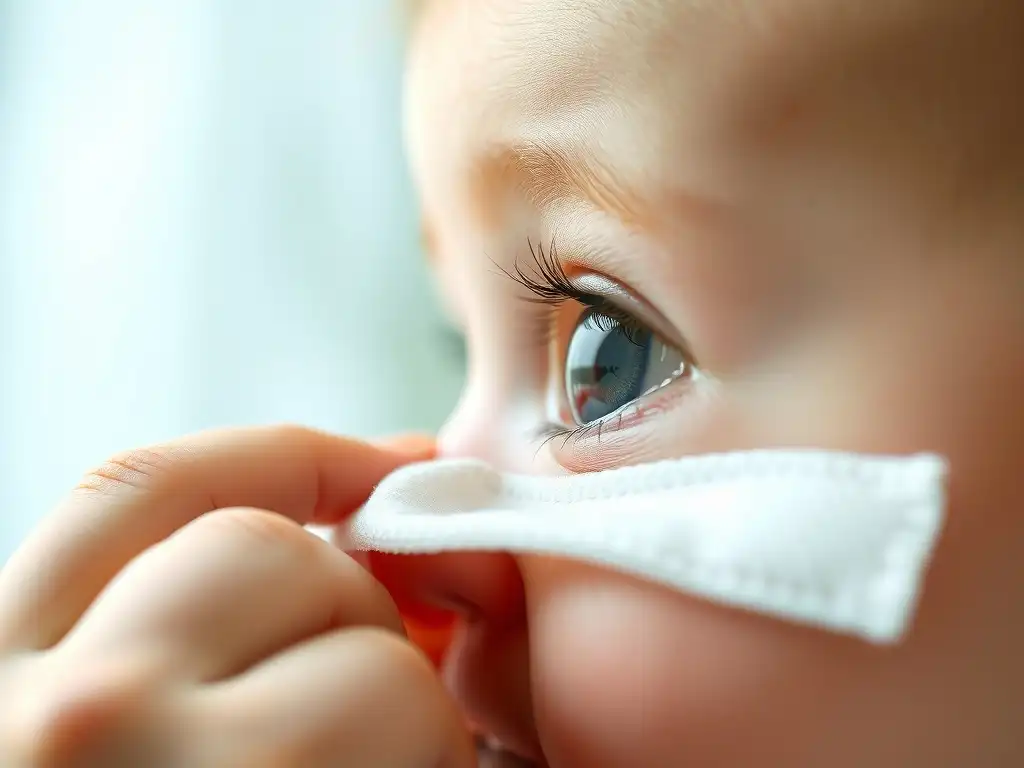
This section focuses on providing practical and effective advice for maintaining your baby's ocular health. Regular eye care is crucial for preventing infections and ensuring healthy visual development in your little one. Remember, early intervention is key when it comes to potential eye problems. These tips will empower you to confidently care for your baby's precious eyes and contribute to their long-term eye health. We'll cover cleaning techniques, recognizing infection symptoms, and protecting those delicate eyes from environmental hazards. Consistent application of these baby eye ear care tips will contribute significantly to your baby's well-being.
Cleaning Your Baby's Eyes: Safe and Effective Methods
Cleaning your baby's eyes might seem daunting, but with the right technique, it's straightforward and essential for preventing infections. Avoid using harsh chemicals or abrasive materials; gentleness is paramount. The goal is to remove any crusty discharge or debris gently without causing irritation.
Here's a step-by-step guide:
- Gather your supplies: You'll need a soft, clean washcloth and warm, boiled (and cooled) water. Avoid tap water, as it may contain irritants.
- Prepare the washcloth: Dampen the washcloth with the warm water and wring it out thoroughly to ensure it's not soaking wet. It should be comfortably damp, not dripping.
- Gentle wiping: Using a fresh section of the washcloth for each wipe, gently wipe from the inner corner of the eye (closest to the nose) outwards. This prevents spreading any potential infection. Repeat for both eyes.
- Frequency: Clean your baby's eyes as needed, typically once or twice a day, or more often if there's noticeable discharge.
- Observe: Pay close attention to any unusual discharge, redness, or swelling. These could indicate an infection and warrant immediate medical attention.
Remember, always prioritize gentleness. If you encounter resistance or your baby seems distressed, stop and try again later. Consistent, gentle cleaning is far more effective than forceful attempts. These simple baby eye ear care tips can make a big difference in maintaining your baby's eye health.
Dealing with Baby Eye Infections: Recognizing Symptoms and Seeking Help
Baby eye infections, while common, require prompt attention. Early detection and appropriate treatment can prevent complications and ensure your baby's comfort. Recognizing the signs is crucial.
Common symptoms include:
- Yellowish or greenish discharge: This is a key indicator of infection. The discharge might be sticky or crusty, forming a film over the eyelids.
- Redness and swelling: The whites of the eyes (sclera) may appear red and inflamed. The eyelids might also be swollen and puffy.
- Excessive tearing: More tears than usual, often accompanied by other symptoms, suggest a problem.
- Fussiness and irritability: Your baby may be more fussy or irritable than usual due to the discomfort.
What to do if you suspect an infection:
- Consult a pediatrician: Do not attempt to self-treat. A pediatrician can accurately diagnose the infection and prescribe the appropriate medication, such as antibiotic eye drops or ointment.
- Avoid sharing towels and washcloths: To prevent the spread of infection, use separate, clean cloths for each eye and wash them thoroughly after each use.
- Follow the pediatrician's instructions carefully: Complete the prescribed course of medication, even if the symptoms improve before the medication is finished. This is essential to prevent recurrence.
Ignoring these symptoms could lead to complications, emphasizing the importance of seeking professional help promptly. This is a crucial aspect of responsible baby eye ear care tips.
Protecting Your Baby's Eyes from Sun and Irritants
Protecting your baby's eyes from harmful UV rays and environmental irritants is vital for long-term eye health. Their delicate eyes are more susceptible to damage than adult eyes.
Here's how to safeguard your baby's vision:
- Sunglasses: Use sunglasses with UV protection for your baby when outdoors, especially during peak sun hours. Choose sunglasses specifically designed for babies, with larger lenses and flexible frames to ensure a comfortable and secure fit.
- Hats: A wide-brimmed hat provides additional shade and protection from the sun.
- Avoid smoke and irritants: Keep your baby away from smoky environments and areas with strong odors or irritants. Air pollution can also negatively affect your baby's eyes.
- Regular eye exams: Schedule regular check-ups with your pediatrician or an ophthalmologist, starting ideally within the first year of life. Early detection of any vision problems is crucial for effective intervention.
These preventative measures, along with the other baby eye ear care tips discussed, contribute significantly to your baby's overall eye health and well-being. Remember, proactive care is the best way to ensure healthy vision for your child. Taking these precautions demonstrates your commitment to their long-term health and happiness.
When to Consult a Pediatrician About Your Baby's Eyes
Knowing when to seek professional medical attention for your baby's eyes is crucial for their long-term visual health. While many minor eye issues resolve on their own, certain symptoms warrant immediate consultation with a pediatrician or ophthalmologist specializing in pediatric eye care. Early detection and intervention are key to preventing potential vision problems.
One of the most important signs to watch for is any discharge from your baby's eyes. A small amount of clear mucus might be normal, but thick, yellow, or green discharge, often accompanied by crusting around the eyelids, could indicate an infection like conjunctivitis (pink eye). This requires prompt medical attention to prevent complications and ensure effective treatment. Don't hesitate to contact your pediatrician if you notice this symptom. Treatment might involve antibiotic eye drops or ointment.
Another cause for concern is eyelid swelling. While minor swelling can sometimes be due to allergies or irritation, significant or persistent swelling warrants a visit to the doctor. This could be a sign of an underlying infection or other serious condition. Similarly, redness in the white part of the eye (sclera) that persists or worsens, beyond a mild, temporary redness, needs evaluation.
Furthermore, if you notice your baby squinting excessively, rubbing their eyes frequently, or exhibiting sensitivity to light, these could be signs of a refractive error like nearsightedness (myopia), farsightedness (hyperopia), or astigmatism. While these conditions are common, early detection allows for timely correction with glasses or other appropriate interventions, preventing potential strain and ensuring optimal visual development. A comprehensive eye exam by a pediatric ophthalmologist can determine the precise nature of the issue and recommend suitable corrective measures.
Finally, any abnormalities in your baby's eye appearance, such as crossed eyes (strabismus), unequal pupil sizes (anisocoria), or a cloudy appearance to the lens (cataracts), require immediate attention from a specialist. These conditions can significantly impact your baby's vision and may necessitate immediate treatment to prevent permanent visual impairment. Remember, early intervention is key to ensuring the best possible outcome. Don't delay seeking professional help if you have any concerns about your baby's eye health.
Your pediatrician can provide guidance and refer you to a pediatric ophthalmologist if necessary. Regular checkups are also important; many pediatricians recommend an eye exam around six months of age, even if you haven't noticed any obvious problems. This proactive approach helps ensure your baby's eyes are developing normally and allows for early detection of any potential issues.
Crucial Baby Ear Care Practices
This section focuses on essential ear care practices for infants, emphasizing safe cleaning techniques and preventative measures against common ear infections. Understanding these practices contributes significantly to your baby's overall health and well-being, making this a vital aspect of your "baby eye ear care tips" arsenal. Regular, gentle care can prevent serious issues down the line.
Cleaning Baby's Ears Safely and Effectively
Cleaning your baby's ears requires a gentle touch and the right approach. Contrary to popular belief, you shouldn't insert cotton swabs or other objects deep into the ear canal. This can push earwax further in, potentially causing impaction and even damage to the eardrum. Earwax, or cerumen, actually serves a protective function, trapping dirt and bacteria.
Instead, focus on cleaning the outer ear. Use a soft, damp washcloth to gently wipe around the outer opening of the ear during bath time. If you notice any excessive buildup of visible earwax, consult your pediatrician. They may suggest a safe and effective method for removal, or it might simply be a matter of waiting for it to naturally work its way out.
Remember, less is more when it comes to cleaning your baby's ears. Over-cleaning can irritate the delicate skin and potentially lead to infection. Always prioritize gentle handling and avoid forceful actions. This approach ensures both safety and effectiveness in your baby ear care routine.
Preventing Ear Infections in Babies: Hygiene and Prevention Strategies
Ear infections, or otitis media, are common in infants and young children. Proactive measures significantly reduce the risk. Good hygiene practices are paramount. Frequent handwashing, especially after changing diapers and before handling your baby, is crucial in preventing the spread of germs.
Furthermore, breastfeeding, if possible, offers significant protection against ear infections. Breast milk contains antibodies that strengthen your baby's immune system. While not a guaranteed preventative measure, it contributes significantly to overall health and disease resistance. Additionally, keeping your baby away from individuals who are sick helps minimize exposure to viruses and bacteria that could lead to ear infections.
This includes avoiding crowded places, especially during cold and flu season. Vaccination against common illnesses like influenza also plays a vital role in bolstering your baby's immunity and reducing the chances of developing an ear infection. Remember, proactive hygiene and preventative measures are key components in your baby eye ear care tips and overall health plan.
Recognizing Symptoms of Ear Infections in Infants
Early detection is crucial in managing ear infections effectively. While a pediatrician's diagnosis is necessary, being aware of common symptoms can help you seek timely medical attention. Signs of an ear infection can include:
- Pulling or tugging at the ear: This is often a clear indicator of discomfort.
- Irritability or fussiness: Infants may become more cranky and difficult to soothe.
- Fever: A high temperature often accompanies an ear infection.
- Fluid draining from the ear: This indicates a more serious infection.
- Difficulty sleeping: Pain and discomfort can disrupt your baby's sleep patterns.
- Loss of appetite: Infants may eat less than usual due to discomfort.
- Hearing problems: Your baby may seem less responsive to sounds.
If you notice any of these symptoms, contact your pediatrician immediately. Early intervention is key to preventing complications and ensuring your baby receives the appropriate treatment. Remember, prompt action is a vital part of your baby eye ear care tips strategy. Don't hesitate to seek professional medical advice if you have any concerns about your baby's ear health.
Managing Baby Earaches: Home Remedies and Medical Intervention
Earaches are a common ailment in babies, often caused by infections like otitis media (middle ear infection). While a persistent earache always requires professional medical attention, some home remedies can provide temporary relief and comfort. It's crucial to remember that these remedies are supplemental and should never replace a doctor's visit. Ignoring a persistent earache can lead to serious complications.
One common home remedy is applying a warm compress to the affected ear. The warmth can help soothe the pain and reduce inflammation. To do this, soak a clean washcloth in warm (not hot!) water, wring out the excess water, and gently apply it to the baby's ear for 10-15 minutes.
Always ensure the water is lukewarm to prevent burns. You can repeat this process several times a day as needed. Another option is to use a heating pad set on low, always placing a thin towel between the heating pad and the baby's ear to prevent burns. Monitor the baby closely while using any heat source.
Over-the-counter pain relievers, such as infant acetaminophen or ibuprofen (always following the dosage instructions carefully and consulting a pediatrician first), can help alleviate pain and fever associated with earaches. Never give your baby aspirin, as it's linked to Reye's syndrome, a rare but serious condition. Always check the label for age-appropriate dosages and follow the directions precisely. If you are unsure about the dosage, consult your pediatrician or pharmacist.
However, home remedies are only temporary solutions. If your baby exhibits symptoms like a high fever (over 100.4°F or 38°C), persistent crying, loss of appetite, or if the earache lasts for more than 48 hours, seek immediate medical attention. A doctor can diagnose the cause of the earache and prescribe appropriate medication, such as antibiotics if necessary.
Early intervention can prevent the infection from spreading and causing further complications, such as hearing loss. Remember, early and appropriate medical intervention is key to effective baby eye ear care tips. Regular check-ups with your pediatrician are also essential for monitoring your baby's overall health and detecting potential ear problems early.
Don't hesitate to contact your pediatrician if you have any concerns about your baby's ears, even if the symptoms seem minor. Prevention is always better than cure when it comes to your baby's health. Early detection and prompt treatment are crucial aspects of responsible baby ear care.
Long-Term Benefits of Proper Baby Eye and Ear Care
Proper care of your baby's eyes and ears during their early months and years provides a foundation for their long-term health and development. Neglecting these seemingly small details can have significant consequences later in life. This section delves into the profound impact of proactive baby eye and ear care, highlighting the long-term benefits that extend far beyond infancy.
Understanding these benefits empowers parents to make informed decisions about their child's well-being and sets the stage for a healthier future. We will explore the crucial link between early intervention and future health outcomes, emphasizing the importance of regular checkups and attentive home care.
Impact of Early Intervention on Vision Development
Early detection and treatment of vision problems in babies are crucial for optimal visual development. Many eye conditions, if left untreated, can lead to amblyopia (lazy eye), strabismus (crossed eyes), or other visual impairments that can significantly impact a child's quality of life. Studies show that children diagnosed and treated for amblyopia before the age of 5 generally achieve better visual acuity than those treated later. 1
The benefits of early intervention extend beyond simply correcting vision problems. Good vision is fundamental to a child's cognitive development, impacting their ability to learn and interact with their environment. For example, a child with impaired vision might struggle with reading, writing, and participating in activities that require visual attention, potentially affecting academic performance and social development. Regular eye exams, starting from infancy, are essential for early detection of any issues and prompt intervention. Early intervention can prevent lifelong visual impairment and ensure the child's ability to fully participate in life's experiences.
Further Considerations:
Remember, even seemingly minor eye issues like excessive tearing or sensitivity to light should be addressed by a pediatrician or ophthalmologist. Early intervention can often prevent more serious problems from developing.
Regularly check your baby's eyes for any unusual discharge, redness, or swelling. These signs could indicate an infection or other problem requiring medical attention. Prompt action is key.
The Link Between Early Hearing Care and Speech Development
Hearing is paramount to language acquisition and cognitive development. Untreated hearing loss in infants can significantly delay or impede speech development, leading to potential difficulties in communication, social interaction, and academic achievement. Early identification of hearing problems is critical. Newborn hearing screenings are routinely performed in hospitals, but follow-up is vital.
- Early Hearing Detection and Intervention (EHDI) programs
- These programs emphasize the importance of early identification and intervention for infants with hearing loss. Early intervention, including hearing aids or cochlear implants, can significantly improve a child's language development and overall well-being.
- Speech Therapy
- Children with hearing loss often benefit from speech therapy to help them develop their communication skills. Early intervention is key to maximizing the effectiveness of speech therapy and improving long-term outcomes.
Regular hearing check-ups, especially if there is a family history of hearing loss or if any concerns arise, are essential. Even subtle hearing difficulties can have a profound impact on a child's development. Addressing these concerns early can significantly improve their chances of achieving normal language and cognitive development. This proactive approach ensures that children have the best possible start in life and can fully participate in all aspects of their education and social life.
Preventing Future Health Complications Through Proactive Care
Proactive baby eye and ear care significantly reduces the risk of future health complications. Addressing issues early prevents potential long-term problems and improves the overall health and well-being of your child. This includes routine check-ups, prompt attention to any signs of infection or abnormality, and a proactive approach to maintaining good hygiene.
| Potential Long-Term Complications | Prevention Strategies |
|---|---|
| Vision impairment (amblyopia, strabismus) | Regular eye exams, prompt treatment of eye infections, addressing any concerns about vision development. |
| Hearing loss and speech delays | Newborn hearing screenings, follow-up hearing tests, early intervention for hearing loss, speech therapy if needed. |
| Chronic ear infections | Maintaining good hygiene, preventing exposure to allergens and irritants, prompt treatment of ear infections. |
| Cognitive delays | Early detection and treatment of sensory impairments (vision and hearing). |
Regular check-ups with your pediatrician and specialist consultations (ophthalmologist and audiologist as needed) are crucial. These professionals can provide guidance and early intervention, preventing potential issues from escalating into serious problems. Remember, a healthy start contributes to a fulfilling life. The small effort in providing excellent baby eye and ear care yields immense long-term benefits for your child.
1 [Specific data on early intervention and amblyopia pending]
Ensuring Your Baby's Overall Well-being Through Comprehensive Care
Regular and attentive baby eye and ear care is not merely about addressing immediate concerns; it's a cornerstone of your baby's overall well-being. Neglecting even seemingly minor issues can have cascading effects, impacting development and potentially leading to more significant problems later in life. For example, untreated ear infections can lead to hearing loss, impacting speech development and cognitive function. Similarly, untreated eye infections can lead to vision impairment, affecting a child's ability to learn and interact with their environment.
Early intervention is key. By proactively monitoring your baby's eyes and ears and seeking professional help when needed, you're investing in their long-term health and happiness. This proactive approach contributes to a more positive and enriching childhood experience.
Addressing potential issues promptly minimizes the risk of complications and reduces the need for more invasive or extensive treatments down the line. Think of it as preventative maintenance for your baby's most vital sensory organs. Just as regular check-ups and vaccinations protect against various illnesses, consistent eye and ear care safeguards against potential hearing and vision problems, ensuring your baby can fully experience the world around them.
This proactive approach also allows for early detection of any underlying conditions that might require specialized care, leading to better outcomes and improved quality of life. The peace of mind that comes with knowing you're doing everything possible to protect your baby's sensory health is invaluable. Remember, a healthy baby is a happy baby, and comprehensive care plays a crucial role in achieving this.
Baby Eye and Ear Care Products: A Parent's Guide
This section focuses on selecting and using appropriate products for your baby's delicate eye and ear areas. Remember, gentle care is paramount, and always consult your pediatrician if you have any concerns. Using the right products and techniques can contribute significantly to your baby's long-term eye and ear health, reinforcing the importance of consistent and informed baby eye ear care tips.
Choosing Safe and Effective Eye and Ear Cleaning Products
When choosing products for your baby's eye and ear care, prioritize safety and effectiveness. Avoid harsh chemicals, fragrances, and alcohol-based solutions. Opt for products specifically designed for newborns and infants. Look for labels indicating hypoallergenic or tear-free formulations. For eye cleaning, sterile water or a saline solution is often sufficient. For ear cleaning, avoid using cotton swabs which can push debris further into the ear canal and potentially damage the eardrum.
Many parents wonder about the necessity of specialized baby eye and ear care products. While plain warm water is often sufficient for cleaning, certain products offer additional benefits. For instance, some saline solutions are formulated to help soften and remove dried secretions gently. Always check the product ingredients list and ensure it's appropriate for your baby's age and any potential allergies. Remember, less is more when it comes to cleaning a baby's delicate features. Over-cleaning can be just as harmful as neglecting hygiene.
Recommended Products for Baby Eye and Ear Care
While specific product recommendations are beyond the scope of this general guidance, and individual needs vary, here's a general approach to finding suitable products. Look for:
- Sterile Water or Saline Solution for Eyes: These are generally the safest options for cleaning your baby's eyes. Check the packaging to ensure sterility.
- Soft, Damp Washcloths: Use these to gently wipe away any secretions around the eyes and ears. Avoid rubbing.
- Baby-Specific Wipes: Some brands offer wipes specifically designed for sensitive skin around the eyes and ears. Always check the ingredient list for potential irritants. Avoid using scented or alcohol-based wipes.
It's crucial to remember that this is not an exhaustive list, and the best products will depend on your baby's individual needs and your pediatrician's advice. Always prioritize safety and gentleness. Regularly checking your baby's eyes and ears for any signs of infection or irritation is a crucial part of proactive baby eye ear care.
Where to Find Reliable Baby Eye and Ear Care Products
Reliable baby eye and ear care products are readily available at various retail locations. Consider checking:
- Pharmacies: Pharmacies often carry a wide range of baby care products, including sterile saline solutions and hypoallergenic wipes. Pharmacists can also provide advice on choosing the right products for your baby.
- Baby Specialty Stores: These stores frequently offer a curated selection of baby products, often with an emphasis on natural and organic options.
- Online Retailers: Many online retailers offer a vast selection of baby care products, including those specifically designed for eye and ear care. However, be sure to check reviews and ensure the seller is reputable before making a purchase. Always prioritize safety and check for certifications and reviews when buying online.
Remember, responsible sourcing is key. Choosing products from reputable brands and retailers can significantly reduce the risk of encountering harmful chemicals or irritants. Prioritizing your baby's safety is always paramount when selecting any product for their delicate skin and sensitive areas. Following these baby eye ear care tips will help ensure your baby’s well-being.
Seeking Professional Advice: Pediatricians and Specialists
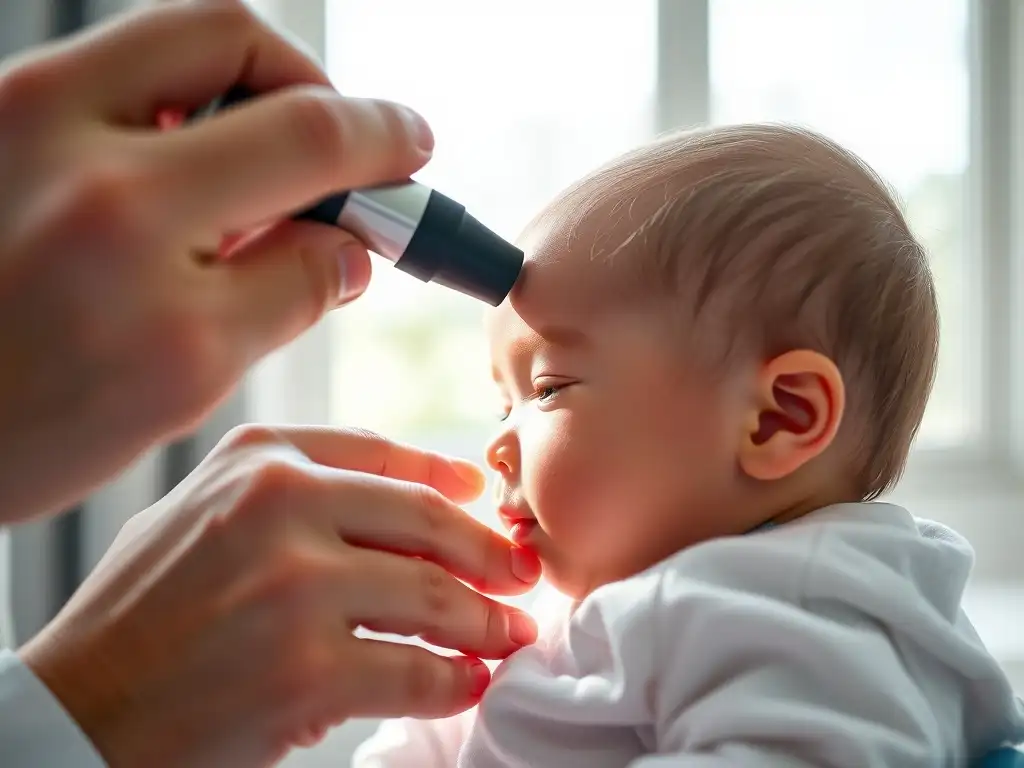
Regular check-ups with your pediatrician are crucial for your baby's overall health, including their eye and ear well-being. While you can implement many at-home care tips, professional guidance is vital for early detection and management of potential problems. This section explores when to seek professional help and how to find specialized care if needed. Remember, proactive care can significantly impact your baby's long-term eye and ear health.
Early intervention is key to preventing more serious issues later in life. This is especially important when considering the delicate nature of a baby's developing sensory organs. Ignoring potential problems can lead to avoidable complications.
When to Schedule a Check-up with Your Pediatrician
Your pediatrician is your first line of defense in ensuring your baby’s healthy development. Schedule a check-up immediately if you notice any of the following concerning signs:
- Eye issues: Excessive tearing, eye discharge (especially if yellow or green), redness or swelling of the eyelids, crossed eyes (strabismus), sensitivity to light, cloudy or white pupils, or any noticeable asymmetry in eye shape or size. These symptoms could indicate conditions like conjunctivitis, blocked tear ducts, or more serious eye problems. Don't delay seeking professional help if you observe any unusual changes in your baby's eyes.
- Ear issues: Frequent ear infections (otitis media), persistent ear pain, fever accompanied by ear tugging, drainage from the ear, or hearing difficulties (difficulty responding to sounds, turning their head towards sounds). Early detection and treatment are crucial in managing ear infections and preventing hearing loss.
- Delayed developmental milestones: If your baby isn't meeting expected developmental milestones related to vision or hearing (e.g., not responding to sounds, not following objects with their eyes), it's important to consult your pediatrician. This could signal underlying issues requiring attention.
Beyond these immediate concerns, regular well-baby check-ups provide an opportunity for your pediatrician to assess your baby's eye and ear health as part of their overall development monitoring. These routine examinations allow for early detection of subtle problems that might go unnoticed at home. Remember, preventative care is always better than reactive treatment.
Finding Specialized Care for Eye and Ear Conditions in Babies
While your pediatrician can address many common eye and ear concerns, some conditions require the expertise of specialists. If your pediatrician suspects a more complex issue, they may refer you to an ophthalmologist (eye doctor) or an otolaryngologist (ENT doctor, specializing in ear, nose, and throat conditions). These specialists possess advanced knowledge and technology to diagnose and treat a wide range of conditions affecting babies' eyes and ears.
Finding the right specialist can be facilitated through your pediatrician's referral network or by researching specialists in your area with experience in pediatric ophthalmology and otolaryngology. Look for board-certified specialists with a proven track record of successfully treating infants and young children. Reading online reviews and testimonials can also be helpful in selecting a reputable specialist. Don't hesitate to ask your pediatrician for recommendations or to discuss any concerns you may have about the referral process. Getting a second opinion is also a valid option if you feel the need for further reassurance.
Importance of Regular Eye and Ear Examinations for Babies
Regular eye and ear examinations are paramount for the long-term health and well-being of your baby. Early detection of potential problems can prevent more significant issues from developing later in life. These examinations are an integral part of preventative healthcare and contribute significantly to your baby's overall development. Think of it as an investment in their future quality of life.
Here's a summary of the benefits:
| Benefit | Explanation |
|---|---|
| Early Detection of Problems | Regular check-ups allow for early detection of conditions like strabismus, cataracts, glaucoma, and hearing impairments, enabling prompt treatment. |
| Prevention of Complications | Early intervention can prevent vision or hearing loss, developmental delays, and other serious complications. |
| Monitoring Development | Examinations help track your baby's visual and auditory development, ensuring they're meeting age-appropriate milestones. |
| Peace of Mind | Knowing your baby's sensory organs are healthy provides peace of mind and allows you to focus on other aspects of their care. |
Regular check-ups are not just about identifying problems; they also provide reassurance and help build a strong relationship with your healthcare providers. This collaborative approach ensures your baby receives the best possible care throughout their development. Remember, proactive baby eye and ear care is a vital aspect of responsible parenting. 👶
Frequently Asked Questions
How often should I clean my baby's eyes?
You should clean your baby's eyes gently with a clean, damp washcloth once or twice a day, wiping from the inner to the outer corner. Avoid using harsh soaps or chemicals.
What should I do if my baby has eye discharge?
If your baby has yellowish or greenish discharge, or if the eyes are swollen or red, consult your pediatrician immediately. This could indicate an infection.
How can I tell if my baby has an ear infection?
Signs of an ear infection include fussiness, pulling at the ears, and fever. If you suspect an ear infection, seek medical attention promptly.
How do I safely clean my baby's ears?
You only need to clean the outer ear with a damp cloth. Never insert anything into the ear canal, as this can damage the eardrum.
What are some long-term benefits of good baby eye and ear care?
Early detection and treatment of infections prevents potential hearing loss or vision problems. Good hygiene also promotes overall healthy development for your child.
Final Reflection: The Enduring Gift of Healthy Senses
Protecting your baby's eyes and ears is not just about addressing immediate concerns; it's about investing in a lifetime of clear vision and vibrant hearing. These seemingly small acts of care have profound and lasting consequences, shaping their ability to learn, connect, and experience the world fully. Neglecting these crucial aspects can have ripple effects throughout their development and well-being.
The impact of healthy sensory development extends far beyond the immediate years of infancy. It shapes a child's cognitive growth, their social interactions, and their overall quality of life. The senses are the gateways to the soul.
This quote, though poetic, underscores the profound truth that our experiences are deeply intertwined with how we perceive the world. Early intervention and consistent care during those formative months lay the foundation for a rich and fulfilling sensory journey. This is something I personally cherish, having witnessed the joy and wonder in my own child's eyes as they explored their surroundings.
Now, consider your own baby. Take a moment to reflect on the simple yet powerful steps you can take to ensure their eyes and ears remain healthy and strong. Regular check-ups, gentle cleaning techniques, and a vigilant approach to potential risks are all within your reach. Embrace this opportunity to nurture the very essence of your child's experience, empowering them to navigate the world with confidence and clarity. The gift of healthy senses is a gift that keeps on giving, enriching their lives in countless ways for years to come.
Unlock Your Baby's World: Nurture Healthy Hearing and Vision
Thank you for learning about the long-term benefits of early hearing and vision care for your baby! You've gained valuable knowledge to support their development. Now, let's put it into practice:
- Schedule a comprehensive eye and hearing exam with your pediatrician or a specialist. Early detection and intervention are crucial for optimal development.
- Share this information with other new parents. Helping them understand the importance of early intervention is a wonderful way to support their children's well-being.
- Maintain a simple developmental log. Note milestones related to vision and hearing to share with your healthcare provider. This will be invaluable for tracking your child's progress.
What steps will you take today to prioritize your baby's hearing and vision health?