
Newborn Feeding and Travel: Tips for OntheGo Parents

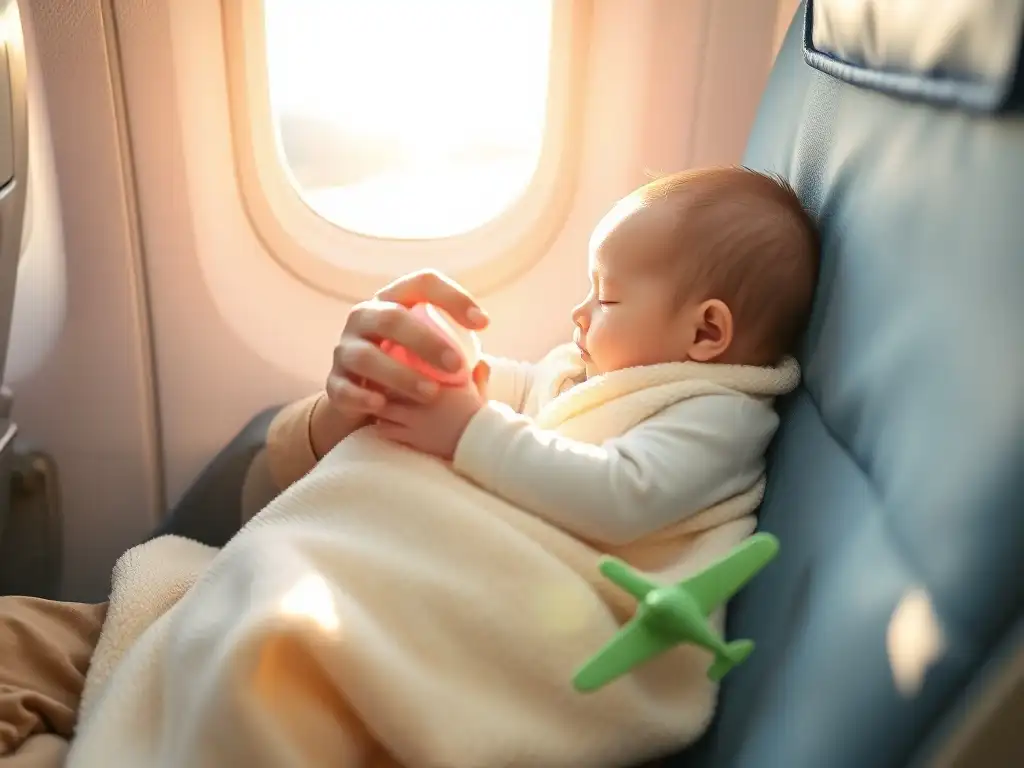
Welcome to BabyCareHub, your ultimate guide to navigating the incredible journey of parenthood! Are you a first-time parent ready to embrace adventures, even with your little one in tow? Then you've come to the right place. We understand the challenges and joys of raising a newborn, and we're here to support you every step of the way. Discover essential tips and tricks for everything from feeding and sleep to health and safety. Intrigued by the art of travel feeding your newborn? Read on to unlock our expert advice and confidently embark on your family adventures!
- Preparing for Travel with Your Nursing Newborn
- Traveling with a Formula-Fed Newborn
- On-the-Go Feeding Techniques for Newborns
- Traveling with a Newborn: Feeding and Health Considerations
- Tips for Stress-Free Travel Feeding
- Baby's First Flight: Feeding Strategies
- Road Trip Feeding Strategies
-
Frequently Asked Questions
- How can I safely prepare bottles for my newborn while traveling?
- What are some convenient feeding options for traveling with a newborn?
- How do I manage feeding schedules while traveling and changing time zones?
- What are some tips for feeding my newborn in different locations, such as airports or cars?
- How do I keep my baby's bottles and feeding supplies clean while traveling?
- Final Reflection: The Enduring Journey of Nourishing Little Ones on the Go
- Unlock Smooth Sailing: Your Next Feeding Adventure Awaits!
Preparing for Travel with Your Nursing Newborn
Traveling with a newborn can feel daunting, especially when breastfeeding is involved. This comprehensive guide provides essential tips and strategies for first-time parents navigating the complexities of feeding your little one while on the go. We'll cover everything from packing the right essentials to maintaining a consistent feeding schedule and troubleshooting common breastfeeding challenges encountered during travel.
Successfully managing your newborn's feeding needs while traveling requires careful planning and preparation, but with the right approach, you can enjoy a smoother and more relaxing journey with your baby. This article focuses on making travel with your nursing newborn as stress-free as possible, offering practical advice and solutions to common concerns surrounding travel feeding newborn tips. Remember, prioritizing your baby’s needs and your own well-being is key to a successful trip.
Packing Essentials for Breastfeeding on the Go
Packing for a trip with a nursing newborn requires a strategic approach to ensure you have everything you need for comfortable and successful breastfeeding sessions, wherever you are. Forget forgetting anything crucial! Here's a checklist to help you:
- Nursing Bras and Pads: Pack enough nursing bras for each day, plus a few extra. Nursing pads are essential for absorbing leaks.
- Breast Milk Storage Bags: These are crucial for storing expressed milk if you plan to pump. Choose BPA-free bags for safety.
- Nursing Cover (Optional): A nursing cover offers discretion if you prefer to nurse in public.
- Hand Sanitizer: Maintaining hygiene is paramount, especially when traveling.
- Small, Sterile Bottles (Optional): If you plan to supplement with formula or expressed milk, pack small, sterile bottles.
- Burp Cloths: You'll need plenty of these for inevitable spills.
- Cooling Gel Packs (Optional): These can help keep expressed milk cool if refrigeration isn't readily available.
- Nursing Pillow (Optional): For extra support and comfort during feeding sessions, especially in unfamiliar environments.
Remember to pack everything in a dedicated, easily accessible bag to ensure quick access during travel and feeding times. Don't forget to check airline regulations regarding liquid carry-ons if you are flying!
Maintaining a Breastfeeding Schedule During Travel
Maintaining a consistent breastfeeding schedule while traveling can be challenging, but it's vital for your baby's well-being. Here’s how to navigate this:
- Stick to the Routine (as much as possible): Try to maintain your baby's usual feeding schedule as closely as possible. This helps minimize disruption and keeps your baby feeling secure.
- Be Flexible: Travel inevitably disrupts routines. Be prepared to adjust your feeding schedule slightly if needed. Your baby will give you cues.
- Create a Comfortable Feeding Space: Wherever you are, try to create a quiet and comfortable space for feeding. This could be a private room in a hotel, a quiet corner in an airport lounge, or even a shaded spot outdoors.
- Hydration is Key: Drink plenty of fluids to maintain your milk supply. Dehydration can affect milk production.
- Listen to Your Baby: Pay close attention to your baby's hunger cues and feed them on demand. This is particularly crucial during times of stress or change.
- Night Feedings: If possible, try to maintain nighttime feedings as close to your normal routine as possible. A consistent sleep schedule benefits both you and your baby.
Traveling with a nursing newborn presents unique challenges. Being prepared for potential issues can alleviate stress and keep your breastfeeding journey on track:
- Finding a Private Space: Locating a private and comfortable space for nursing can be difficult while traveling. Plan ahead and identify potential locations before you go. Consider using a nursing cover for discretion.
- Time Zone Changes: Jet lag can affect both you and your baby's feeding patterns. Be patient and allow time for adjustment.
- Maintaining Milk Supply: Stress and changes in routine can temporarily affect milk supply. Stay hydrated, eat nutritious foods, and prioritize rest as much as possible.
- Dealing with Milk Leakage: Increased movement and changes in position can lead to increased milk leakage. Pack extra nursing pads and change them frequently.
- Dealing with Overstimulation: New environments can overstimulate your baby, making it harder to feed. Create a calm and comforting atmosphere during feeding times.
Remember, traveling with a nursing newborn is a learning experience. Be patient with yourself and your baby, and don't hesitate to seek support from other parents or lactation consultants if needed. With proper planning and preparation, you can make your trip a positive and memorable experience for both of you! 🍼✈️
Traveling with a Formula-Fed Newborn
Traveling with a newborn, especially a formula-fed one, can seem daunting, but with careful planning, it can be a smooth and enjoyable experience. This section focuses on practical tips and strategies for successfully managing formula feeding while on the go, ensuring your little one stays happy and healthy during your travels. We'll cover packing, preparation, and maintaining a routine, addressing common concerns faced by parents of formula-fed babies. Remember, flexibility is key – embrace the unexpected and prioritize your baby's needs above all else.
Packing Formula and Supplies for Travel
Packing for a trip with a formula-fed newborn requires meticulous preparation. Overpacking is better than underpacking, especially concerning essentials. Here's a suggested checklist to ensure you have everything you need:
- Formula: Calculate the amount your baby consumes daily and add extra for unexpected delays or increased hunger. Consider pre-measuring formula into individual bottles or using disposable formula dispensers for convenience. Remember to check airline regulations regarding liquid quantities if flying.
- Bottles: Pack enough sterilized bottles for each feeding, or consider using disposable bottles for ultimate convenience.
- Water: If using powdered formula, pack bottled water that is safe for baby consumption. Boiling water at your destination might not always be feasible. For ready-to-feed formula, this step is unnecessary.
- Bottle Brush and Cleaning Supplies: Even with disposable bottles, a small brush and some soap are essential for cleaning any spills or residue. Consider using disposable wipes for quick cleanups.
- Bibs and Burp Cloths: These are essential for preventing messy spills and keeping your baby clean. Pack plenty!
- Cooler Bag: A well-insulated cooler bag with ice packs will keep formula and water at the correct temperature.
- Formula Dispenser: A formula dispenser can save space and make mixing formula easier, especially during long journeys.
- Other essentials: Diapers, wipes, changing mat, baby clothes, and any medications your baby requires.
Remember to keep all supplies in easily accessible places within your luggage. A dedicated diaper bag is highly recommended. Consider labeling everything clearly for quick identification. ✈️
Preparing Formula While Traveling
Preparing formula on the go requires a slightly different approach than at home. Here are some tips to ensure your baby gets a clean and safe feed:
- Pre-measured Formula: Pre-measuring formula into individual bottles before your trip is a time-saver. This eliminates the need for measuring during travel and reduces the risk of errors.
- Using Bottled Water: Always use bottled water specifically designed for baby formula preparation. Tap water may contain contaminants harmful to your baby.
- Safe Water Sources: If using powdered formula and you can't find bottled water, ensure you boil water for at least 1 minute before cooling and mixing it with the formula.
- Temperature Control: Ensure the water is at the correct temperature before adding the formula. Using a thermometer can be helpful, particularly in varying climates. Avoid using overly hot water, as this can scald your baby. Lukewarm is ideal.
- Hygiene: Maintain high standards of hygiene when preparing formula. Wash your hands thoroughly before handling the formula and bottles.
Remember to discard any unused formula after a few hours, especially in warmer climates, to avoid bacterial growth. Prioritize safety and cleanliness throughout the process.
Maintaining a Consistent Feeding Schedule Away From Home
Maintaining your baby's feeding schedule while traveling can be challenging, but consistency is crucial for their well-being. Here's how to navigate this:
- Stick to the Routine as Much as Possible: Try to maintain your baby's usual feeding times, even if it means adjusting your own schedule. This consistency can help prevent disruption and distress.
- Be Flexible: However, be prepared to adjust the schedule slightly based on your baby's cues. Babies sometimes feed more or less frequently due to travel stress or changes in their environment.
- Quiet Feeding Environment: Find a quiet and comfortable space for feeding your baby, minimizing distractions. This can be particularly important if you're in a noisy or crowded place.
- Observe Your Baby's Cues: Pay close attention to your baby's hunger cues. They may be more or less hungry than usual due to the changes in their routine.
- Seek Support: Don't hesitate to ask for help from family members, friends, or hotel staff if needed.
Remember, traveling with a newborn requires patience and understanding. Prioritize your baby's needs and don't be afraid to adapt your plans as necessary. Focusing on creating a calm and consistent environment will help make your trip a success, regardless of any unforeseen challenges. 👶🍼
On-the-Go Feeding Techniques for Newborns
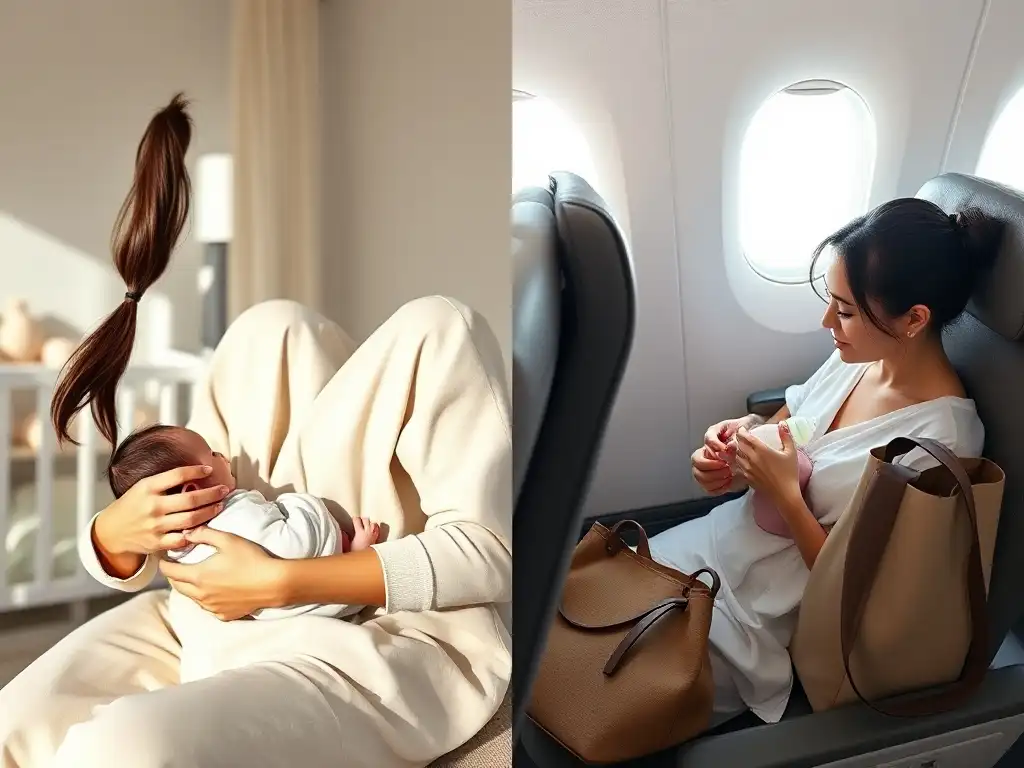
Traveling with a newborn can be challenging, especially when it comes to feeding. Maintaining a consistent feeding schedule while on the go requires careful planning and adaptability. This section focuses on practical techniques to make travel feeding smoother and less stressful for both parent and baby. We'll cover everything from ensuring hygiene to adapting feeding methods to various travel situations. Remember, the key is preparation and flexibility. Successful travel feeding hinges on anticipating your baby's needs and having backup plans in place. This will allow you to enjoy your trip without compromising your baby's well-being.
Safe and Hygienic Practices for Travel Feeding
Maintaining hygiene during travel feeding is paramount to prevent illness. Several measures can significantly reduce the risk of contamination. Firstly, always wash your hands thoroughly with soap and water before preparing or handling any feeding equipment. If soap and water aren't readily available, use a hand sanitizer containing at least 60% alcohol.
For bottle-fed babies, sterilizing bottles and nipples is crucial, even when traveling. While a full sterilization cycle might not always be feasible, you can use boiling water for a few minutes or disposable sterilization bags for a quicker, convenient solution. For breastfeeding mothers, maintaining breast hygiene is equally important. Clean your breasts gently before each feeding and ensure your hands are clean.
Consider these additional tips:
- Pack extra supplies: Always carry extra bottles, nipples, breast pads, and wipes to account for unexpected situations.
- Use insulated bags: Keep formula or expressed breast milk cool using a quality insulated bag with ice packs. Monitor the temperature regularly to ensure it remains safe for consumption.
- Prepare formula in advance: Pre-measured formula can save time and effort, especially during long journeys. However, always ensure you adhere to safe water temperature guidelines.
- Dispose of waste properly: Use designated waste bins for used bottles and disposable items.
Remember, consistent hygiene is key to preventing any travel-related illnesses in your little one. Prioritize cleanliness and preparation to ensure a healthy and happy journey.
Adapting Feeding Methods to Different Travel Environments
Feeding your baby on the go might require adjusting your usual routine. The environment can significantly influence your feeding method. For example, a car journey may necessitate using a bottle even if you primarily breastfeed. A plane journey may require you to feed your baby during takeoff and landing to equalize pressure in their ears. Adaptability is key here.
Here's a breakdown of how to adapt your feeding methods in various situations:
| Travel Environment | Feeding Method Suggestions | Considerations |
|---|---|---|
| Car | Bottle feeding, breastfeeding (if comfortable and safe) | Secure car seat, use a feeding pillow or support |
| Airplane | Bottle feeding, breastfeeding (if comfortable and safe) | Feed during ascent and descent, use a bib |
| Train | Bottle feeding, breastfeeding (if comfortable and safe) | Find a comfortable and private spot |
| Hotel Room | Bottle feeding, breastfeeding (if comfortable and safe) | Ensure room temperature is comfortable |
Remember to prioritize your baby's comfort and your own. Don't hesitate to adjust your usual routine to suit the environment. The goal is to ensure your baby is fed and content, regardless of your location.
Dealing with Fussy Eaters During Travel
Travel can disrupt a baby's routine, potentially leading to fussiness during feeding. Several factors can contribute to this, including changes in environment, schedules, and even the availability of familiar comforts. Understanding these potential challenges is the first step towards addressing them.
Here are some strategies to handle fussy eaters while traveling:
- Maintain a calm atmosphere: A stressed parent can easily transfer their anxiety to the baby. Try to stay calm and relaxed during feeding time.
- Offer familiar comforts: Bring along your baby's favorite blanket or toy to create a sense of security and familiarity.
- Experiment with different positions: Sometimes, a slight change in position can make a difference. Try feeding your baby in different positions such as upright, lying down, or in a sling.
- Be patient and persistent: Don't give up easily if your baby is initially reluctant to feed. Offer the bottle or breast repeatedly, but don't force the issue.
- Consider burping techniques: Travel can lead to increased air intake, so ensure you burp your baby frequently.
Remember, patience and understanding are crucial when dealing with a fussy eater. Traveling with a newborn requires flexibility and adaptability. By combining these techniques with a prepared mindset, you can navigate travel feeding successfully and create positive memories. Remember to consult your pediatrician for any specific concerns related to your baby's feeding habits during travel.
Traveling with a Newborn: Feeding and Health Considerations
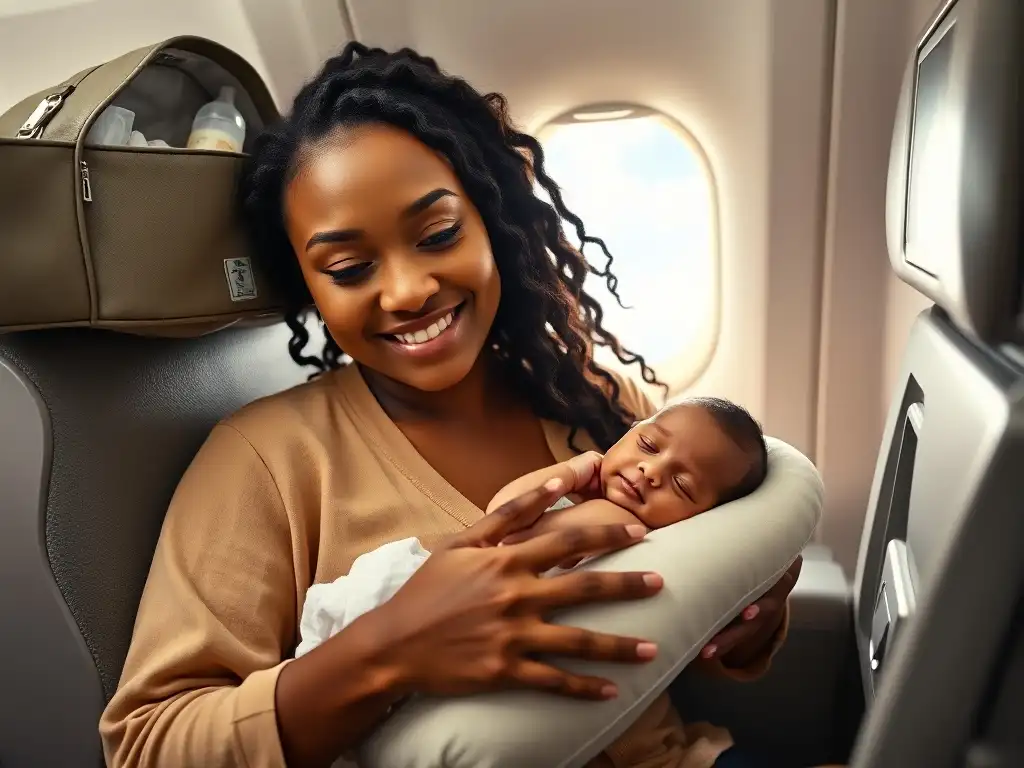
Traveling with a newborn can be a daunting task, especially when considering their nutritional needs and susceptibility to illness. This section focuses on maintaining your baby's health and feeding routine while on the go, offering practical advice for stress-free travel. Remember, prioritizing your baby's well-being is paramount, and careful planning can make all the difference. This guide provides essential travel feeding newborn tips to ensure a smoother journey for both you and your little one.
Maintaining a Healthy Diet While Traveling
Maintaining a consistent and healthy diet for your newborn while traveling requires careful preparation and adaptability. Breastfeeding mothers should prioritize hydration and a nutritious diet to maintain their milk supply. This means packing healthy snacks and meals, and seeking out nutritious options when eating out. Remember that dehydration can significantly impact milk production, so staying hydrated is crucial.
For formula-fed babies, pre-prepared bottles can be a lifesaver, but remember to follow safe storage guidelines. Consider using a travel-sized sterilizer or wipes to ensure hygiene. Always check the expiration dates on formula and ensure appropriate temperature control, especially in warmer climates. Planning your feeding schedule around travel times can also minimize disruptions to your baby's routine.
Here's a sample packing list for formula-fed babies:
| Item | Quantity (Example) | Notes |
|---|---|---|
| Ready-to-feed formula | 6-8 bottles | Choose a variety of sizes depending on your baby's feeding habits. |
| Powdered formula | 2-3 containers | Ensure it's properly sealed and protected from moisture. |
| Sterile water bottles | 6-8 | Boil water before travel and store in clean, sealed containers. |
| Bottle brush | 1 | Crucial for cleaning bottles on the go. |
| Bottle drying rack | 1 | For efficient drying and preventing bacterial growth. |
| Disposable bottle liners | Several | Reduces washing time, especially convenient for travel. |
| Insulated bag | 1 | Keeps bottles at the right temperature. |
Remember to always check local water safety guidelines before using tap water to prepare formula. If uncertain, sticking to pre-prepared bottles or bottled water is the safest option. Planning ahead and packing strategically will ensure that your baby receives the consistent nutrition they need, regardless of your travel plans.
Recognizing Signs of Illness or Discomfort
Even with the best planning, your baby might experience illness or discomfort during travel. Being able to recognize the signs is crucial for prompt intervention. Changes in feeding patterns, such as refusing to feed or feeding less than usual, could indicate illness. Similarly, changes in bowel movements (diarrhea or constipation), unusual fussiness or crying, and changes in sleep patterns should all be monitored closely.
Other signs of illness or discomfort include:
- Fever (check temperature rectally for the most accurate reading) 🤒
- Lethargy or unusual sleepiness 😴
- Vomiting or diarrhea 🤢
- Rash or skin irritation 🤧
- Difficulty breathing 😰
It's important to differentiate between general fussiness due to travel and actual illness. While some level of discomfort is to be expected, significant changes in your baby's behavior warrant attention. Keep a close eye on your baby's vital signs and record any unusual symptoms. This information will be invaluable if you need to seek medical attention. Remember, when in doubt, it's always best to err on the side of caution.
Seeking Medical Attention When Needed
Knowing when to seek medical attention for your baby while traveling is crucial. If your baby exhibits any of the serious symptoms mentioned above – such as a high fever, difficulty breathing, or persistent vomiting – seeking medical help immediately is essential. Before you travel, research local healthcare facilities and emergency services in your destination.
Having your baby's medical records readily available, including vaccination information and any pre-existing conditions, is also vital. This ensures that healthcare providers can quickly assess your baby's needs. Don't hesitate to contact your pediatrician or a local doctor for advice if you are unsure about your baby's condition. Remember, your baby's health is your top priority, and prompt medical attention can often prevent complications. Early intervention is key to managing any health issues that may arise during your travels.
Tips for Stress-Free Travel Feeding
Traveling with a newborn can be daunting, especially when it comes to feeding. Maintaining a consistent feeding schedule while on the go requires meticulous planning and adaptability. This section offers practical advice and strategies to help you navigate the challenges of travel feeding your newborn, making the experience smoother and less stressful for both you and your little one. Remember, prioritizing your baby's needs and your own well-being is key to a successful journey. This guide focuses on optimizing travel feeding newborn tips for a more relaxed trip.
Planning Ahead to Minimize Stress
Before embarking on your journey, thorough preparation is paramount. This minimizes on-the-go stress and ensures your baby's nutritional needs are met. Consider these key steps:
- Establish a Consistent Feeding Schedule: If possible, try to maintain your baby's usual feeding routine as much as possible. A predictable schedule reduces disruptions and helps your baby feel secure, even in unfamiliar surroundings. This is especially crucial for breastfed babies, as maintaining a consistent latch and milk supply requires some routine.
- Pack Sufficient Supplies: This is crucial! Over-packing is better than under-packing when it comes to baby supplies. Pack extra bottles, formula (if formula-feeding), nursing pads, burp cloths, and any other feeding-related items your baby needs. Consider bringing more than you think you'll need – unexpected spills and accidents happen!
- Plan for Different Feeding Scenarios: Think about potential delays or unexpected situations. Have a backup plan for feeding your baby if you're delayed or encounter unexpected circumstances, such as a missed flight connection or a traffic jam. Consider pre-prepared formula or expressed breast milk in portable containers.
- Check Facilities at Your Destination: Research your destination beforehand. Find out about the availability of baby-friendly amenities, such as clean water sources for bottle preparation (if needed) and comfortable places for nursing or bottle-feeding.
Utilizing Travel Gear to Simplify Feeding
The right travel gear can significantly ease the process of feeding your baby on the go. Investing in some smart products can make a world of difference.
- Portable Bottle Warmer: A compact, battery-operated bottle warmer can be a lifesaver, ensuring your baby's milk is at the perfect temperature, regardless of your location.
- Insulated Bottle Bags: These bags help maintain the temperature of your baby's milk for extended periods, eliminating the need for constant warming.
- Travel-Sized Formula Dispenser: If you're formula feeding, a travel-sized dispenser makes portioning out formula much easier and more hygienic.
- Nursing Cover: A discreet and comfortable nursing cover offers privacy and allows you to nurse your baby discreetly in public spaces. This is particularly useful during long journeys.
Seeking Support from Family and Friends
Don't hesitate to enlist the help of family and friends when traveling with a newborn. Sharing the responsibility can significantly alleviate stress and make the experience more enjoyable.
- Delegate Tasks: Assign specific tasks to family members or friends, such as carrying bags, preparing bottles, or comforting the baby.
- Share Feeding Responsibilities: If possible, share the responsibility of feeding the baby with your partner or a trusted family member or friend. This gives you breaks and prevents exhaustion.
- Accept Offers of Help: Don't be afraid to accept offers of help from those around you. People often want to assist, and accepting their support can make a big difference in managing your workload.
Remember, traveling with a newborn requires flexibility and patience. Embrace the unexpected, and don't be afraid to adjust your plans as needed. Prioritizing your baby's needs and your own well-being will ensure a more positive and memorable travel experience. With proper planning and the right tools, you can successfully navigate the unique challenges of travel feeding newborn tips, turning your journey into a pleasant family adventure. 🍼✈️
Baby's First Flight: Feeding Strategies
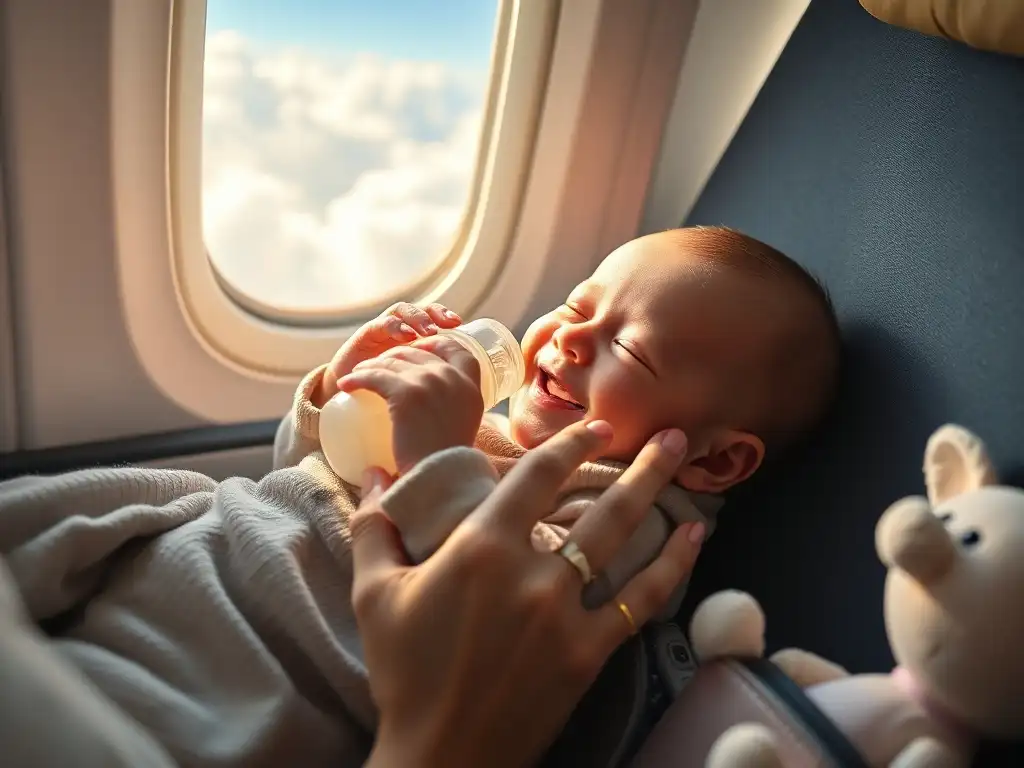
Traveling with a newborn can be daunting, especially when it comes to feeding. Successfully navigating airport security, navigating unfamiliar environments, and maintaining your baby's feeding schedule requires careful planning and preparation. This section focuses on strategies to ensure your little one is well-nourished and comfortable throughout your journey, specifically addressing the unique challenges of air travel. Remember, always consult your pediatrician before making significant changes to your baby's feeding routine, especially when traveling.
Feeding Your Baby During Takeoff and Landing
Takeoff and landing are the most critical times for feeding your baby during air travel. Changes in air pressure can cause discomfort, and feeding your baby during these times can help alleviate ear pressure. Breastfeeding is often the easiest method as the baby's sucking action can help equalize pressure in the ears. For bottle-fed babies, offering a bottle during ascent and descent can provide similar relief. However, it's crucial to avoid giving your baby a bottle during turbulence for safety reasons.
It's important to note that some babies may be less interested in feeding during these times due to the pressure changes. Don't force it; try offering a pacifier instead if your baby is fussy. If your baby seems particularly distressed, consult a flight attendant for assistance. They are often trained to help with infant care and can provide support. Remember to always prioritize your baby's comfort and well-being. Pack extra pacifiers and burp cloths, as unexpected spills and spit-ups are common during flight.
Managing Ear Pressure During Flight
Ear pressure is a common discomfort for babies during air travel. The pressure changes can cause pain and fussiness. While feeding can help, other strategies can also alleviate discomfort. Consider these additional tips for managing ear pressure:
- Yawn or Swallow: Encourage your baby to yawn or swallow frequently. This helps equalize pressure in the ears.
- Pacifier: Offering a pacifier, especially during ascent and descent, can help relieve pressure.
- Infant Nasal Aspirator: A gentle nasal aspirator can help clear any congestion that might worsen ear pressure. However, use this only if your baby has a stuffy nose.
- Gentle Movement: Gently moving your baby's jaw can sometimes help. Avoid forceful movements.
Remember, a fussy baby on a plane is a common occurrence, and most passengers are understanding. Being prepared and proactive can significantly reduce your baby's discomfort. The key is to be patient and responsive to your baby's cues.
Keeping Your Baby Comfortable During Air Travel
Beyond feeding, maintaining your baby's comfort is paramount for a smooth journey. Consider these tips:
- Diaper Changes: Plan diaper changes around feeding times to minimize disruptions. Pack plenty of diapers and wipes.
- Clothing: Dress your baby in layers to adjust to changing temperatures on the plane.
- Entertainment: Bring along familiar toys and comforting items to keep your baby entertained. Quiet toys are best for the plane.
- Swaddles: A swaddle can provide a sense of security and comfort, especially for younger babies.
- Burp Cloths: Pack extra burp cloths for unexpected messes.
Traveling with a newborn requires meticulous planning, but with careful preparation and a proactive approach, you can make your trip a success. Remember that flexibility is key—be prepared to adjust your plans as needed to meet your baby's needs. Following these tips will help you navigate the challenges of travel feeding and ensure a more comfortable and enjoyable experience for both you and your little one. ✈️👶🍼
Road Trip Feeding Strategies
Traveling with a newborn requires meticulous planning, especially when it comes to feeding. Successfully navigating feeding schedules while on the road demands preparation and adaptability. This section focuses on strategies to ensure your little one is well-nourished during your journey, minimizing stress for both you and your baby. The key to successful travel feeding is proactive planning and packing the right supplies. Remember, consistency is crucial, even when your routine is disrupted.
Feeding on the Road: Tips and Tricks
Feeding a newborn on the go presents unique challenges. However, with a little preparation, you can make the process smoother. First, consider your baby's feeding method. For breastfed babies, frequent nursing stops are necessary. Plan for these stops ahead of time, choosing locations with clean, comfortable restrooms or rest areas. Always prioritize hygiene; use hand sanitizer before and after feeding. For bottle-fed babies, pre-prepared bottles are a lifesaver. Sterilize bottles beforehand and store them in a cooler bag with ice packs to maintain the milk's temperature. Consider using a travel-sized bottle warmer if you anticipate needing to warm the milk. Remember to pack extra bottles and formula, accounting for potential delays or unexpected changes in schedule. Keep a supply of burp cloths readily available – spills are inevitable! Finally, don't be afraid to adjust your travel schedule to accommodate your baby's feeding needs. Flexibility is key to a stress-free journey.
A well-stocked diaper bag is essential. Beyond bottles and formula, pack plenty of diapers, wipes, diaper rash cream, and a change of clothes for both you and your baby. Unexpected messes are a common occurrence when traveling with a baby, so being prepared is crucial. Consider adding a small, portable first-aid kit with essentials like antiseptic wipes and bandages. Packing light is tempting, but overpacking on necessities will prevent stressful situations on the road.
Maintaining Hygiene During Road Trips
Maintaining hygiene while traveling with a newborn is paramount, especially concerning feeding. The risk of infection is heightened when away from your usual routines and environments. Always wash your hands thoroughly with soap and water before preparing or handling bottles and before and after feeding your baby. If soap and water aren't readily available, use a hand sanitizer with at least 60% alcohol. Keep a supply of wet wipes in your diaper bag for quick cleanups.
Regularly sanitize bottle nipples and any other feeding equipment using appropriate cleaning solutions or wipes designed for baby products. For breastfeeding mothers, maintaining personal hygiene is also crucial. Clean your breasts before and after each feeding. Remember, consistent hygiene practices significantly reduce the risk of illness for both you and your baby. Consider packing disposable nursing pads to manage any leakage during travel.
Creating a Comfortable Feeding Environment in the Car
Feeding a baby in a car can be challenging, but a few strategies can create a more comfortable and successful experience. If possible, pull over to a safe location before feeding. This allows for a more relaxed atmosphere and reduces the risk of spills or accidents. Ensure the car seat is reclined to a comfortable position for feeding, especially for younger infants.
Consider using a nursing pillow or rolled-up towel to support your baby and provide a more comfortable posture for breastfeeding. For bottle-feeding, use a bottle holder or car seat attachment to keep the bottle steady and prevent spills. Dim the car lights to create a calmer, less stimulating environment, helping your baby focus on feeding.
Playing soothing music or white noise can also help to create a relaxing atmosphere. Remember, a calm and comfortable feeding environment minimizes stress for both you and your baby, leading to a more successful feeding experience. Above all, prioritize safety and always ensure the car is parked safely before attempting to feed your baby.
Frequently Asked Questions
How can I safely prepare bottles for my newborn while traveling?
Prepare bottles in advance using sterile water and pre-measured formula or breast milk. Pack everything in a cooler bag with ice packs to maintain the correct temperature.
What are some convenient feeding options for traveling with a newborn?
Consider using disposable bottle liners or pre-portioned pouches of formula or breast milk. Nursing covers can provide privacy during breastfeeding while traveling.
How do I manage feeding schedules while traveling and changing time zones?
Try to stick to your baby's usual feeding routine as much as possible, adjusting gradually to the new time zone. Be flexible and respond to your baby's hunger cues.
What are some tips for feeding my newborn in different locations, such as airports or cars?
Find a private and comfortable space whenever possible. For car travel, use a car seat-compatible feeding bottle holder. In airports, utilize nursing rooms or family restrooms.
How do I keep my baby's bottles and feeding supplies clean while traveling?
Pack sanitizing wipes or a portable sterilizing bag for quick cleaning. Always wash your hands thoroughly before handling bottles and feeding supplies.
Final Reflection: The Enduring Journey of Nourishing Little Ones on the Go
The challenges of feeding a newborn while traveling are real, but with the right preparation and mindset, they are entirely surmountable. This isn't just about logistics; it's about preserving the precious bond between parent and child amidst the whirlwind of adventure. The ability to confidently nourish your little one, wherever you are, is a testament to your strength and adaptability.
The impact of this journey extends far beyond the immediate trip. It's about creating a foundation of trust and comfort for your child, even in unfamiliar environments. This experience shapes not only your child's early development but also your own sense of confidence as a parent. The most important thing a father can do for his children is to love their mother.
While this quote speaks to a broader context, the sentiment rings true: a calm, prepared parent fosters a calm, content child, regardless of location. This ability to adapt and thrive in new situations is a skill that benefits both parent and child for years to come.
Now, consider your own travel plans. What steps can you take to ensure your next journey with your little one is filled with joy and ease, rather than stress and anxiety? Remember the tips shared in this article, but more importantly, remember the underlying principle: prioritize connection and comfort. Embrace the adventure, knowing that the journey of nourishing your child is a testament to the enduring power of love and adaptability. You've got this.
Unlock Smooth Sailing: Your Next Feeding Adventure Awaits!
Thank you for taking the time to learn about making newborn feeding and travel easier! We hope these tips empower you to confidently navigate adventures with your little one. Now, let's put this knowledge into practice:
- Prioritize your personalized feeding plan: Create a detailed schedule tailored to your baby's individual needs and your travel itinerary. This is key to stress-free feeding while traveling.
- Share your travel wisdom: Inspire other parents by sharing your experiences and tips in the comments below! Let's build a supportive community for families on the go.
- Download our free packing checklist for both baby and parent, ensuring a smoother journey.
Ready to embark on your next feeding adventure with confidence? What's your best tip for successful feeding while traveling?