
Teething vs. Sleep Regression: Practical Tips for Better Baby Sleep


Welcome to BabyCareHub, your ultimate guide to navigating the incredible journey of parenthood! Are you facing sleepless nights and wondering if it's teething or a sleep regression disrupting your little one's slumber? Discover practical, step-by-step Baby teething sleep regression tips to help you understand the difference and reclaim peaceful nights for both you and your baby. Dive in and explore our comprehensive resources designed to empower you with the knowledge and confidence to confidently care for your precious newborn.
- Understanding Baby Sleep Disruptions: Teething and Sleep Regression
- Differentiating Teething Pain from Sleep Regression: Key Differences
- Practical Tips for Managing Teething-Related Sleep Disruptions
- Addressing Sleep Regression: Establishing Consistent Bedtime Routines
- Combining Strategies: Managing Teething and Sleep Regression Simultaneously
- When to Seek Professional Help: Distinguishing Normal from Concerning Behaviors
- Long-Term Strategies for Better Baby Sleep: Building Healthy Sleep Habits
-
Frequently Asked Questions
- What is the difference between teething and sleep regression?
- My baby is teething and waking up frequently. What can I do?
- How can I tell if my baby's sleep problems are due to teething or sleep regression?
- Are there any home remedies to ease teething pain?
- My baby is teething and experiencing sleep regression. What's the best approach?
- Final Reflection: Navigating the Sleepless Nights: Teething and Beyond
- Unlock Your Baby's Sweet Dreams Tonight
Understanding Baby Sleep Disruptions: Teething and Sleep Regression
Navigating the world of newborn sleep can feel like traversing a minefield, especially for first-time parents. One of the most common challenges faced is distinguishing between two sleep disruptors: teething and sleep regression. Both can manifest as disrupted sleep patterns, increased fussiness, and general crankiness, making it difficult to pinpoint the root cause and implement effective solutions.
This article will delve into the specific symptoms of each, offering practical tips to help you soothe your little one and get back to a more restful night's sleep. We'll explore how to identify teething discomfort versus the developmental changes associated with sleep regression, empowering you to provide the best possible care for your baby. Understanding these distinct issues is crucial for implementing targeted strategies to improve your baby's sleep and, consequently, your own.
This guide will equip you with the knowledge to differentiate between these two common culprits, helping you to address the underlying cause of your baby's sleep disturbances and promote better sleep for both parent and child. Remember, patience and consistency are key during this phase.
Identifying Teething Symptoms in Infants: Irritability, Drooling, and More
Teething, the process of baby teeth erupting through the gums, is a significant milestone, but it can be a bumpy ride. Infants typically begin teething around 6 months old, although this can vary. Recognizing the telltale signs is vital for providing comfort and relief. The symptoms aren't always the same for every baby, but some common indicators include:
- Increased Irritability: Your normally happy baby might become unusually fussy, clingy, and difficult to soothe. This irritability is often linked to the discomfort of the teeth breaking through the gums.
- Excessive Drooling: A significant increase in drool is a classic sign. This can lead to a rash around the mouth, so keeping the area clean and dry is important.
- Chewing and Biting: Babies experiencing teething often exhibit a strong urge to chew on anything they can get their hands on. This is a natural instinct to relieve pressure on their gums.
- Swollen and Tender Gums: Gently checking your baby's gums might reveal redness, swelling, and tenderness. Avoid forcing your finger into their mouth; a gentle touch is sufficient.
- Pulling at Ears: Sometimes, teething pain can be referred to the ears, leading your baby to pull at them. This is often misinterpreted as an ear infection.
- Low-grade Fever: A slightly elevated temperature (usually below 100.4°F or 38°C) might accompany teething, but a higher fever warrants a visit to the pediatrician.
Remember, not all babies experience all these symptoms, and the intensity can vary. Some babies might sail through teething with minimal discomfort, while others might be significantly affected.
Recognizing Sleep Regression: Changes in Sleep Patterns and Behavior
Sleep regression, unlike teething, isn't caused by physical discomfort but rather by developmental leaps in your baby's brain. These periods of disrupted sleep are characterized by changes in sleep patterns and behavior, often coinciding with significant developmental milestones. These regressions are temporary, but they can be incredibly challenging for parents. Key indicators include:
- Shorter Sleep Cycles: Your baby might wake up more frequently during the night, exhibiting shorter sleep cycles than usual. This is often due to their developing brain needing more frequent stimulation and interaction.
- Increased Night Wakings: Expect more frequent night wakings and difficulty settling back to sleep. These wakings aren't necessarily due to pain but rather a change in their sleep architecture.
- Changes in Daytime Sleep: Daytime naps might become shorter, less predictable, or more difficult to establish.
- Increased Anxiety or Separation Anxiety: Sleep regressions can be accompanied by heightened anxiety and separation anxiety, making your baby more resistant to being put down for naps or bedtime.
- Developmental Milestones: Sleep regressions often correlate with developmental leaps, such as rolling over, crawling, or sitting up. These new skills require significant energy and brain development, which can impact sleep patterns.
It's important to note that sleep regressions are typically temporary phases. While frustrating, they are a normal part of your baby's development, and with patience and consistency, your baby's sleep will eventually return to a more predictable pattern. Understanding these developmental shifts can help you approach sleep challenges with empathy and effective strategies.
Differentiating Teething Pain from Sleep Regression: Key Differences

Understanding the root cause of your baby's disrupted sleep is crucial for effective intervention. Often, parents confuse teething discomfort with sleep regression, leading to potentially unhelpful strategies. This section will highlight key distinctions to help you pinpoint the problem and address it appropriately.
Knowing whether your baby is experiencing teething pain or a sleep regression significantly impacts your approach to improving their sleep. This is vital information for navigating the challenges of early parenthood and optimizing your baby's sleep. The goal is to provide you with actionable "baby teething sleep regression tips" to promote better sleep for both you and your little one.
Sleep Regression: Developmental Leaps and Sleep Cycle Changes
Sleep regressions are characterized by periods of disrupted sleep that occur as your baby's brain develops. These aren't caused by physical discomfort like teething, but rather by significant cognitive and neurological changes. Think of it as a period of intense brain growth that temporarily alters sleep patterns. These developmental leaps often manifest between 4-6 months, 8-10 months, and 12 months of age, though variations exist.
During these periods, you might observe:
- Shorter sleep cycles: Your baby may wake more frequently throughout the night, struggling to self-soothe back to sleep.
- Increased nighttime awakenings: Even if your baby previously slept through the night, they might start waking more often, needing reassurance or feeding.
- Changes in daytime naps: Naps may become shorter, more difficult to initiate, or even disappear altogether.
- Increased fussiness and clinginess: The developmental leap can make your baby more irritable and demanding of your attention.
- New skills emerging: Often, a sleep regression coincides with the acquisition of new skills like crawling, sitting, or pulling themselves up. This increased activity can impact their sleep.
These changes are temporary. While challenging, they usually resolve themselves within a few weeks as your baby adjusts to their new developmental stage. Remember that consistency in your bedtime routine is key during these periods.
Teething Discomfort: Physical Symptoms and Their Impact on Sleep
Unlike sleep regression, teething is a physical process marked by the eruption of teeth. This can cause significant discomfort and pain, directly impacting your baby's sleep. While some babies show minimal signs, others experience considerable distress.
Identifying teething pain typically involves observing several key symptoms:
- Excessive drooling: This is a very common symptom, often leading to a rash around the mouth.
- Irritability and fussiness: Your baby might be more cranky and difficult to soothe than usual.
- Chewing and biting: They might gnaw on toys, fingers, or anything they can get their hands on, attempting to relieve pressure on their gums.
- Swollen gums: Their gums might appear red, swollen, and tender to the touch.
- Low-grade fever: A slightly elevated temperature is sometimes associated with teething.
- Diarrhea or loose stools: In some cases, teething can cause digestive upset.
- Reduced appetite: The discomfort can make eating less appealing.
The impact on sleep is direct. The pain and discomfort keep your baby awake, leading to frequent awakenings and difficulty settling back to sleep. Unlike sleep regression, where the changes are primarily behavioral, teething involves tangible physical discomfort. Addressing this discomfort directly, through methods like cool teething toys or gentle gum massage, can significantly improve your baby's sleep. Remember that managing teething pain is crucial for improving your baby's sleep and overall well-being. This is a key aspect of providing effective "baby teething sleep regression tips".
Teething is a significant milestone in a baby's development, often marked by fussiness, drooling, and—crucially for sleep-deprived parents—sleep disturbances. Many parents mistake teething discomfort for sleep regression, leading to frustration and ineffective strategies. Understanding the key differences and employing targeted approaches can significantly improve your baby's sleep and your sanity. This section focuses on practical, evidence-based tips to navigate this challenging period. Remember, consistency and patience are key when addressing teething-related sleep issues. While this isn't a replacement for professional advice, these tips can help you better understand and manage your baby's sleep during teething.
Soothing Teething Pain: Natural Remedies and Safe Teething Toys
The discomfort associated with teething can significantly impact sleep. Offering relief is paramount to restoring peaceful nights. Numerous methods exist, ranging from natural remedies to specialized teething toys. Let's explore some effective and safe options:
- Cold Relief: The coolness of a chilled teething ring or a clean, damp washcloth can numb the gums and provide soothing relief. Avoid freezing items solid as this can be too cold and potentially harmful. Always supervise your baby while they are using teething toys.
- Gentle Massage: Gently rubbing your baby's gums with a clean finger can provide comfort. The pressure can help alleviate some of the discomfort.
- Natural Remedies: Some parents find relief using homeopathic remedies like chamomile or teething gels (always check with your pediatrician before using any medication). However, remember that the evidence supporting the efficacy of these methods is limited.
- Safe Teething Toys: Choose teething toys made from safe, non-toxic materials such as silicone, rubber, or food-grade plastic. Avoid toys with small parts that could pose a choking hazard. Look for toys with different textures to stimulate the gums. Regularly inspect and clean the toys.
Table 1: Comparing Teething Toy Materials
| Material | Pros | Cons | Safety Considerations |
|---|---|---|---|
| Silicone | Soft, durable, easy to clean | Can be expensive | Check for BPA-free certification |
| Rubber | Soft, durable, often textured | Can be more difficult to clean | Check for BPA-free certification |
| Food-Grade Plastic | Relatively inexpensive, easy to clean | May not be as durable as silicone or rubber | Ensure it's BPA-free and dishwasher-safe |
Remember, while these methods can help soothe your baby, they are not a cure-all. If your baby's discomfort is severe or persistent, consult your pediatrician.
Creating a Comfortable Sleep Environment for Teething Babies: Temperature and Room Setup
A comfortable sleep environment plays a crucial role in promoting better sleep, especially during teething. Adjusting the temperature and optimizing the room setup can make a significant difference in your baby's sleep quality.
Several factors contribute to a comfortable sleep environment for a teething baby:
- Temperature Regulation: Maintaining a slightly cooler room temperature (around 68-72°F or 20-22°C) is generally recommended for infants. Overheating can worsen discomfort and disrupt sleep. Regularly check your baby's temperature to ensure they are not too hot or cold.
- Optimal Humidity: Maintaining a comfortable humidity level is also important. Excessive dryness can irritate already sore gums, while excessive humidity can promote mold growth. A humidifier might be beneficial, especially in dry climates.
- Darkness and Quiet: A dark and quiet room promotes melatonin production, crucial for sleep regulation. Use blackout curtains or blinds to minimize light exposure. White noise machines can help mask disruptive noises.
- Comfortable Bedding: Ensure your baby's bedding is comfortable, breathable, and appropriate for their age. Avoid loose blankets or pillows to prevent suffocation. Consider using a sleep sack to keep your baby warm and secure.
- Consistent Bedtime Routine: A consistent bedtime routine helps signal to your baby that it's time to sleep. This routine should be calming and relaxing, and should be followed consistently, even during teething. This consistency is vital for establishing healthy sleep habits.
By paying attention to these details and addressing your baby’s discomfort with appropriate soothing methods, you can significantly improve their sleep patterns during this challenging period. Remember to consult your pediatrician if you have any concerns about your baby's sleep or teething. Patience and persistence are key! 😴
Addressing Sleep Regression: Establishing Consistent Bedtime Routines
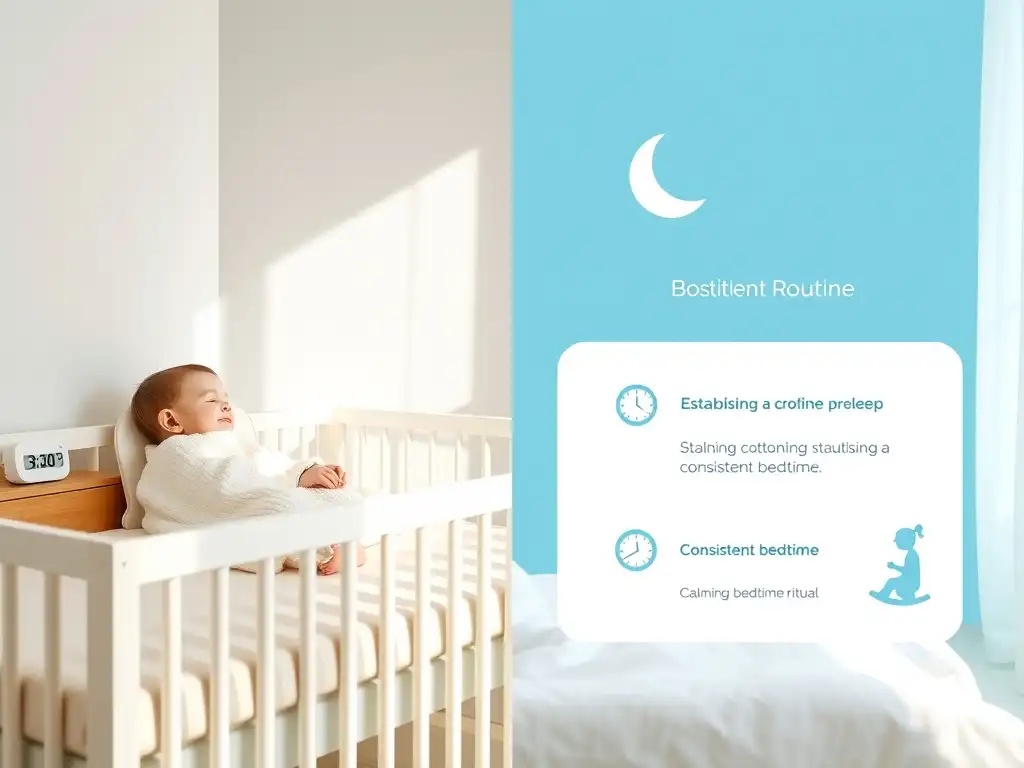
Sleep regression in babies, often characterized by disrupted sleep patterns and increased nighttime wakings, can be incredibly challenging for parents. While teething can contribute to sleep disturbances, it's crucial to differentiate between the two to address the underlying cause effectively. Establishing consistent bedtime routines is paramount in mitigating the impact of both teething and sleep regression on your little one's sleep. A predictable schedule helps regulate your baby's internal clock, making them more likely to fall asleep and stay asleep for longer stretches. This is especially important during periods of developmental leaps that often coincide with sleep regressions.
Developing a Predictable Sleep Schedule for Your Baby
A predictable schedule doesn't mean rigid adherence to the minute. Rather, it focuses on creating consistent timeframes for key sleep-related activities. For example, aiming for a bedtime between 7:00 PM and 8:00 PM each night provides a sense of structure. This consistency helps regulate your baby's circadian rhythm, the natural sleep-wake cycle. Consistency is key; even on weekends, try to maintain a similar bedtime and wake-up time to avoid disrupting the established pattern.
Consider your baby's age and individual cues. Newborns might require more frequent naps than older infants. Observe your baby's sleep patterns and adjust the schedule accordingly. Tracking sleep and wake times using a baby sleep tracker app or a simple notebook can be immensely helpful in identifying patterns and making necessary adjustments.
Remember, flexibility is crucial, but maintaining a general framework is important for consistent sleep. The goal is to establish a rhythm that works for both you and your baby, promoting better sleep for everyone involved. This consistent approach can significantly alleviate some of the sleep challenges associated with both teething and sleep regression.
Creating a Relaxing Bedtime Routine: Bath, Book, Bed
A calming bedtime routine signals to your baby that it's time to wind down and prepare for sleep. This routine should be consistent and predictable, ideally performed in the same order each night. The classic "bath, book, bed" routine is a popular choice, but you can adapt it to suit your baby's preferences and your family's lifestyle.
The bath provides a soothing transition, washing away the day's activities. Following the bath, a quiet story or lullaby provides a calming sensory experience. Soft lighting and gentle touches are crucial. Avoid stimulating activities like loud play or screen time immediately before bed.
The final step, placing your baby in their crib while they're still drowsy but awake (also known as "drowsy but awake"), allows them to learn to self-soothe and fall asleep independently. This independent sleep skill is invaluable during periods of sleep regression or teething discomfort, as it helps them manage nighttime wakings without needing constant parental intervention. The key is to keep the routine short, sweet, and consistently calming to maximize its effectiveness in promoting better sleep. This consistent, predictable routine can be a powerful tool in navigating the challenges of baby teething sleep regression.
Combining Strategies: Managing Teething and Sleep Regression Simultaneously
This section focuses on navigating the challenging overlap of teething and sleep regression in infants. Many parents find themselves dealing with both simultaneously, leading to sleepless nights and frustrated little ones. The key is to combine effective teething management with consistent sleep training strategies. This isn't about choosing one over the other, but rather implementing a holistic approach that addresses both issues concurrently. Remember, consistency is crucial; while teething discomfort is temporary, establishing healthy sleep habits benefits your baby long-term.
Gentle Teething Remedies and Consistent Sleep Habits
Successfully managing teething and sleep regression often involves a multi-pronged approach. While teething pain is a significant factor disrupting sleep, addressing the underlying sleep regression issues is equally vital. This means maintaining a consistent bedtime routine, even during periods of increased fussiness.
A consistent routine provides predictability and security for your baby, which is especially important when they are experiencing discomfort. This routine might include a warm bath, a calming massage, a bedtime story, and a quiet lullaby. The key is to keep it consistent, even if your baby seems more agitated than usual.
Simultaneously, implementing gentle teething remedies can significantly alleviate discomfort. Here are some effective options:
- Cold Relief: Offering a chilled teething ring or a clean, cold washcloth can numb the gums and provide temporary relief. The coolness can also be soothing.
- Gentle Massage: Gently rubbing your baby's gums with a clean finger can help soothe irritated gums.
- Teething Biscuits or Gels: Many commercially available teething biscuits and gels can provide relief. Always check the ingredients and follow the manufacturer's instructions carefully. Consider consulting your pediatrician before using any teething gels, especially those containing anesthetic agents.
- Over-the-counter Pain Relief: In some cases, your pediatrician may recommend age-appropriate over-the-counter pain relievers like acetaminophen or ibuprofen. Always consult your pediatrician before administering any medication to your baby.
Remember to monitor your baby's response to these remedies and adjust your approach accordingly. Some babies respond better to certain methods than others. The goal is to find a combination that works best for your baby and helps them get some much-needed rest. Data shows that babies experiencing pain relief often exhibit improved sleep duration and quality. This suggests a strong correlation between managing teething pain and improving sleep patterns.
Prioritizing a Supportive and Calming Sleep Environment
Creating a supportive and calming sleep environment is crucial for both managing teething discomfort and addressing sleep regression. This means minimizing distractions and creating a space conducive to restful sleep.
Consider these factors:
- Darkness: A dark room helps regulate melatonin production, a hormone crucial for sleep. Use blackout curtains or blinds to minimize light exposure.
- Temperature: Maintain a comfortable room temperature – not too hot and not too cold. Around 68-72°F (20-22°C) is generally recommended.
- Sound: White noise or a fan can help mask disruptive noises and create a more consistent auditory environment.
- Comfort: Ensure your baby's sleep space is comfortable and safe. Use a firm mattress, fitted sheets, and appropriate bedding. Avoid loose blankets or pillows.
A calm and predictable bedtime routine, coupled with a comfortable sleep environment, will help your baby feel secure and relaxed, even during teething and sleep regression. This combination significantly improves the chances of a more restful night for both you and your baby. Studies suggest that a consistent and calming sleep environment can significantly reduce nighttime wakings, even in babies experiencing teething discomfort. This underscores the importance of creating a peaceful and supportive sleep space.
When to Seek Professional Help: Distinguishing Normal from Concerning Behaviors
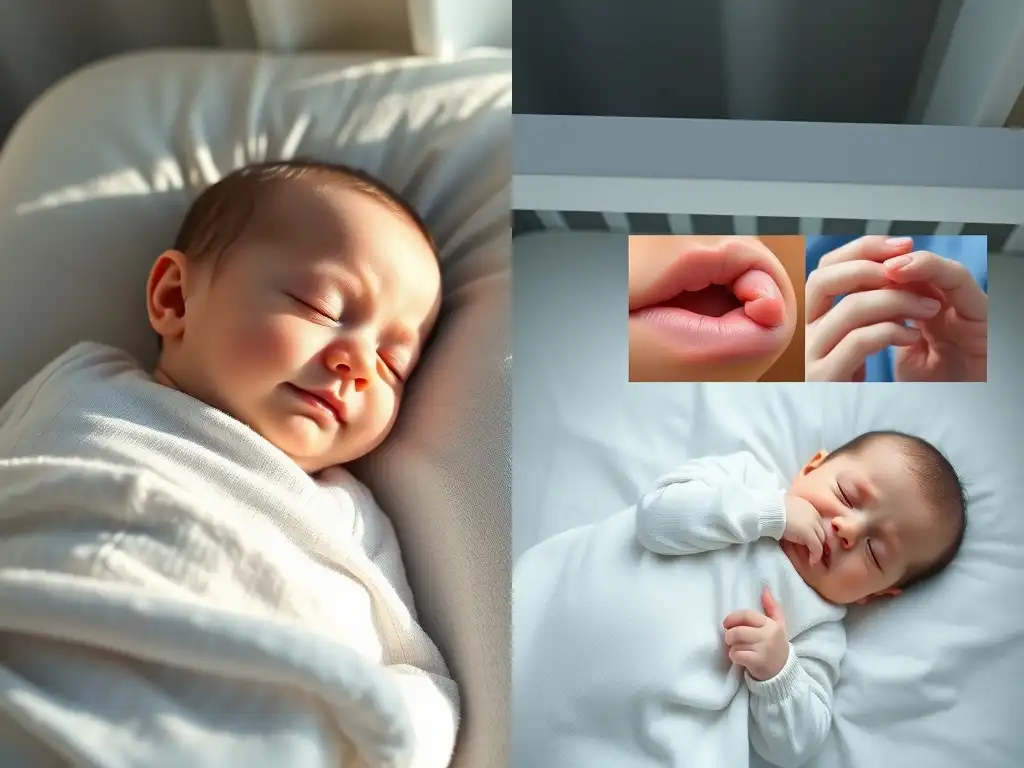
This section focuses on identifying when teething discomfort or sleep regression warrants professional intervention. While many teething and sleep disruptions are normal developmental phases, certain signs indicate a need for medical assessment or specialized guidance. Understanding these distinctions is crucial for ensuring your baby's well-being and addressing potential underlying issues. Effective management of your baby's sleep and teething discomfort often relies on recognizing the difference between typical challenges and those requiring professional attention.
Recognizing Signs that Require Medical Attention
Teething, while often uncomfortable, shouldn't cause extreme distress or persistent health problems. Similarly, sleep regression, while disrupting routines, shouldn't be accompanied by alarming symptoms. Here's a breakdown of red flags requiring immediate medical attention:
- High fever (above 100.4°F or 38°C): While a slight temperature elevation might accompany teething, a high fever suggests a potential infection requiring medical evaluation. This is particularly important for babies under 3 months old, where even a low-grade fever warrants immediate attention. Don't hesitate to contact your pediatrician if your baby exhibits a high fever alongside other symptoms.
- Persistent diarrhea or vomiting: These symptoms, especially when combined with a fever, could indicate a gastrointestinal infection. These should be evaluated by a medical professional to determine the cause and receive appropriate treatment. Dehydration is a serious risk, so prompt attention is critical.
- Difficulty breathing or unusual respiratory sounds: Wheezing, gasping, or labored breathing should never be ignored. These could signal a respiratory infection or other serious condition needing immediate medical care. Your baby's breathing should be regular and effortless. Any deviation from this warrants urgent medical attention.
- Lethargy or unusual irritability: While some fussiness is expected during teething or sleep regression, excessive lethargy, inconsolable crying, or unusual irritability could indicate an underlying medical problem. These signs demand a careful assessment by your pediatrician to rule out any serious health concerns.
- Rash or skin changes: Unexpected rashes, particularly those accompanied by fever or other symptoms, could suggest a viral infection or allergic reaction. Always consult a doctor if you notice any unusual skin changes on your baby's body. Accurate diagnosis and treatment will prevent complications.
Consulting a Pediatrician or Sleep Specialist for Personalized Advice
Even without alarming symptoms, seeking professional advice can significantly improve your baby's sleep and comfort during teething and sleep regression. A pediatrician can provide a comprehensive evaluation, ruling out any medical conditions that might be contributing to your baby's difficulties. A sleep specialist can offer personalized strategies to establish healthy sleep habits and address specific challenges related to sleep regression.
Here are some scenarios where seeking professional help is beneficial:
- Prolonged sleep disruption: If sleep regression persists for several weeks despite implementing various strategies, consulting a sleep specialist is advisable. They can help identify underlying issues and tailor a plan for your baby's specific needs. This personalized approach often yields better results than generic advice.
- Ineffective home remedies: If you've tried various home remedies for teething discomfort (such as teething toys, cool washcloths, etc.) without significant improvement, seeking professional advice is crucial. They can assess the situation and suggest alternative approaches. Remember, what works for one baby might not work for another.
- Parental stress and burnout: Dealing with a baby's sleep problems can be incredibly stressful for parents. If the situation is impacting your mental and physical well-being, seeking professional support is essential. Don't hesitate to reach out for help – it's a sign of strength, not weakness. Prioritizing your well-being is crucial for providing optimal care for your baby.
Remember, seeking professional help is not a sign of failure; it's a proactive step towards ensuring your baby's health and well-being. Early intervention can often prevent more significant problems down the line. Prioritizing your baby’s health and your own peace of mind is paramount. 😴👶
Long-Term Strategies for Better Baby Sleep: Building Healthy Sleep Habits
This section focuses on establishing long-term, sustainable sleep strategies for your baby, crucial for addressing both teething discomfort and sleep regression. These strategies aren't quick fixes, but rather foundational practices that contribute to healthier sleep patterns over time. Remember, consistency is key! Addressing baby teething sleep regression tips requires a holistic approach that considers the overall sleep environment and your baby's developmental needs.
Fostering Independent Sleep Skills: Gradual Weaning from Sleep Aids
Many babies rely on sleep aids like rocking, feeding, or cuddling to fall asleep. While comforting in the short term, these aids can hinder independent sleep, exacerbating issues during teething or sleep regression. Weaning your baby from these aids gradually is crucial for building self-soothing skills. This process requires patience and consistency.
Consider a slow and gentle approach. For example, if your baby relies on feeding to fall asleep, gradually reduce the amount of milk or formula offered each night. Alternatively, if rocking is a sleep aid, start by gently reducing the intensity and duration of the rocking motion over several nights. The goal is to help your baby learn to associate their crib or bed with sleep, independent of external stimuli.
Remember to respond to your baby's cries with comfort and reassurance, but avoid automatically resorting to sleep aids. This approach promotes self-soothing and reduces reliance on external cues for sleep. This is particularly important during teething, when discomfort might lead to increased nighttime awakenings. The ultimate aim is to equip your baby with the tools to manage discomfort and fall back asleep independently, a key strategy in navigating baby teething sleep regression tips.
Maintaining a Consistent Sleep Schedule for Healthy Development
A consistent sleep schedule is a cornerstone of healthy sleep for babies. Regularity helps regulate your baby's circadian rhythm, the internal biological clock that governs sleep-wake cycles. This is especially important during teething, when disrupted sleep can be more common. Maintaining a consistent bedtime and wake-up time, even on weekends, signals to your baby's body when it's time to sleep and wake, reducing the likelihood of sleep disturbances.
Creating a predictable bedtime routine is also essential. This routine should be calming and consistent, including elements like a warm bath, a gentle massage, reading a book, or singing a lullaby. These consistent cues signal to your baby that it's time to wind down and prepare for sleep. The predictability of the routine provides a sense of security and reduces anxiety, which can be particularly beneficial during periods of teething discomfort or sleep regression.
Remember, consistency is paramount. By adhering to a regular sleep schedule and bedtime routine, you're laying the foundation for healthy sleep habits that will benefit your baby for years to come. This is a vital component when exploring baby teething sleep regression tips.
A well-structured schedule helps minimize disruptions caused by teething pain or developmental leaps. Consider recording your baby's sleep patterns to identify any trends and adjust the schedule accordingly. This data-driven approach helps optimize your strategy for managing your baby’s sleep.
Frequently Asked Questions
What is the difference between teething and sleep regression?
While both can disrupt sleep, teething is caused by the physical discomfort of erupting teeth, leading to fussiness and night wakings. Sleep regression, however, is a developmental leap affecting sleep patterns, often unrelated to teething. They can occur simultaneously.
My baby is teething and waking up frequently. What can I do?
Offer teething toys chilled (not frozen) to soothe gums. Try gentle massage of the gums. Maintain a consistent bedtime routine to provide comfort and predictability.
How can I tell if my baby's sleep problems are due to teething or sleep regression?
Teething often presents with visible symptoms like swollen gums, drooling, and a desire to chew. Sleep regression may involve changes in sleep cycles, increased night wakings, and early rising, without obvious teething signs.
Are there any home remedies to ease teething pain?
Cold compresses or chilled teething toys can help numb the gums. Infant acetaminophen or ibuprofen (always consult your pediatrician first) can reduce pain and fever. Avoid using amber teething necklaces as they are a choking hazard.
My baby is teething and experiencing sleep regression. What's the best approach?
Combine strategies for both! Use pain relief for teething and maintain a consistent and calming bedtime routine to address the sleep regression. Be patient and remember this phase is temporary.
The relentless cries of a teething baby are a universal experience, often intertwined with the frustrating phenomenon of sleep regression. These seemingly insurmountable challenges leave parents feeling exhausted and overwhelmed, desperately seeking solutions. This article aimed to provide practical, evidence-based strategies to navigate this difficult period, offering hope and a path towards better sleep for both baby and caregiver.
The impact of teething and sleep regressions extends far beyond the immediate sleepless nights. It profoundly affects the entire family dynamic, straining relationships and impacting parental well-being. Sleep deprivation is a form of torture,
a weary parent once confided, and the sentiment rings true for countless families facing these challenges. The emotional toll is significant, highlighting the urgent need for accessible information and supportive resources to help parents cope effectively. This journey, while arduous, also fosters a deeper bond between parent and child, a testament to the enduring power of love and resilience in the face of adversity.
You, the reader, now possess a toolkit of strategies to address teething-related sleep disruptions. Consider the information presented, adapt it to your unique situation, and remember that seeking support from your pediatrician or other healthcare professionals is crucial. Don't hesitate to prioritize self-care amidst the chaos; your well-being is paramount. Embrace this challenging phase as an opportunity for growth, learning, and strengthening the beautiful bond you share with your little one. The sleepless nights will eventually fade, leaving behind cherished memories and a deeper understanding of your child's needs.
Unlock Your Baby's Sweet Dreams Tonight
Thank you for learning more about teething and sleep regression. We hope you found our advice helpful. Now let's put that knowledge to work!
- Try one new sleep tip from this article tonight. Start small; even a minor change can make a big difference. Choose the easiest strategy and see what happens.
- Share your experiences and biggest sleep challenges in the comments below. Connecting with other parents is incredibly supportive.
- Explore more expert advice on baby sleep and development at BabyCareHub.org. You might discover helpful resources!
Ready to give your baby (and yourself!) the gift of better sleep? What small step will you take tonight to improve things?