
Organic Baby Food vs. Conventional: What's the Difference?

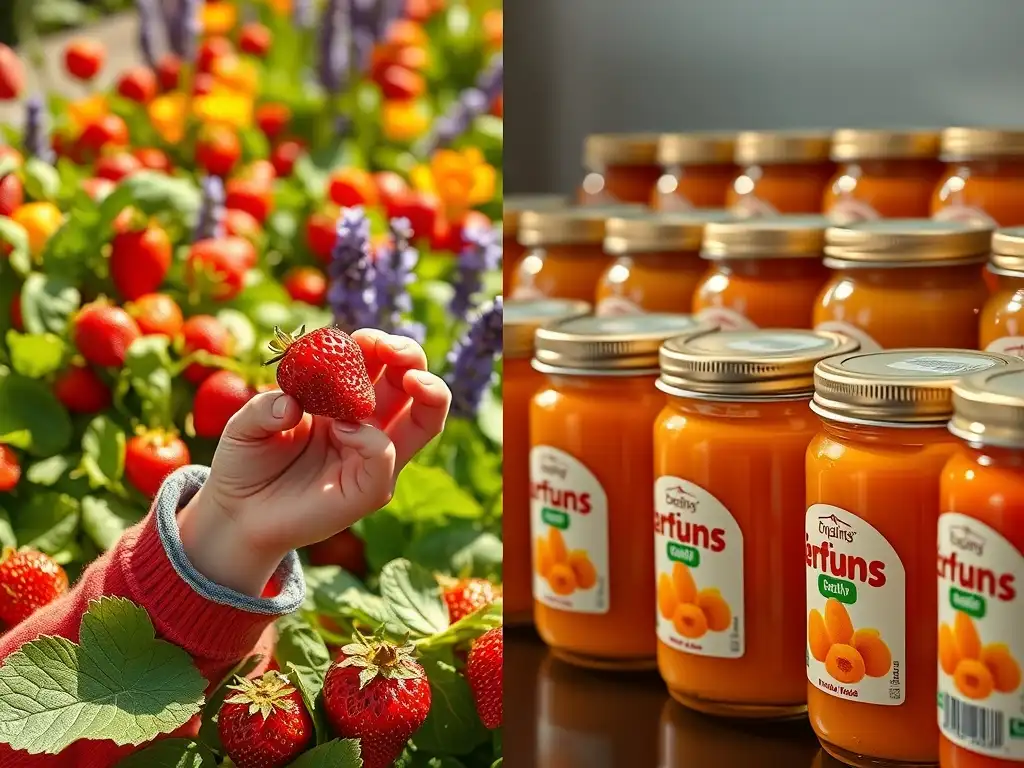
Welcome to BabyCareHub, your ultimate guide to navigating the exciting yet challenging world of parenthood! Are you ready to embark on this incredible journey with confidence? We understand the overwhelming choices you face, especially when it comes to your little one's nutrition. That's why we're diving deep into the crucial question: Organic vs. conventional baby food – what's truly best for your baby? Discover the surprising differences and make informed decisions that support your baby's healthy growth and development. Let's explore the facts together!
- Understanding Organic and Conventional Baby Food Production
- Nutritional Value: Organic vs. Conventional Baby Food
- Environmental Impact: Organic vs. Conventional Farming
- Cost Comparison: Organic vs. Conventional Baby Food
- Choosing the Right Baby Food for Your Baby
- Reading Food Labels: Understanding Ingredients and Certifications
- Transitioning from Breast Milk or Formula to Solids
- Addressing Common Concerns and Misconceptions
- Frequently Asked Questions
- Final Reflection: Nourishing Our Future, One Bite at a Time
- Unlock Your Baby's Healthiest Start: Take Action Today!
Understanding Organic and Conventional Baby Food Production
Choosing the right food for your little one is a top priority for every new parent. Navigating the world of baby food can feel overwhelming, especially when faced with the decision between organic and conventional options. This article will delve into the key differences between organic and conventional baby food production, helping you make an informed choice that best suits your family's needs and values.
We'll explore the farming practices, regulatory frameworks, and the impact of pesticides and herbicides on the final product, ultimately empowering you to confidently select the healthiest and safest option for your baby. Understanding the "Organic vs conventional baby food" debate is crucial for responsible parenting, and this guide provides the necessary information to make that decision with clarity and confidence.
Organic Baby Food: Farming Practices and Regulations
Organic baby food production adheres to strict guidelines and regulations designed to minimize the use of synthetic pesticides, herbicides, and fertilizers. Farmers must follow a comprehensive set of standards, often certified by independent organizations, to ensure the integrity of their products. These practices typically include:
- Soil health: Emphasis on building and maintaining healthy soil through composting, crop rotation, and cover cropping, fostering natural fertility and reducing the need for synthetic inputs.
- Pest and weed management: Organic farmers rely on integrated pest management (IPM) techniques, which prioritize natural methods like beneficial insects, crop rotation, and physical barriers to control pests and weeds.
- Livestock management (if applicable): Organic livestock are raised without antibiotics or growth hormones, and have access to pasture and outdoor space.
- Processing and handling: Strict protocols are followed throughout the processing and packaging stages to prevent contamination and maintain the integrity of the organic ingredients.
The rigorous certification process ensures that organic baby food meets specific criteria, offering parents peace of mind regarding the purity and quality of the ingredients. These certifications often involve regular on-site inspections and testing to verify compliance with established standards. This level of oversight helps guarantee that the "organic" label truly reflects the farming practices employed.
Conventional Baby Food: Farming Practices and Regulations
Conventional baby food production, on the other hand, typically involves the use of synthetic pesticides, herbicides, and fertilizers to maximize crop yields and control pests and weeds. While regulations exist to limit the amount of pesticide residues allowed in food products, the approach differs significantly from organic farming. Key aspects of conventional baby food production include:
- High-yield farming: Focus on maximizing crop output through the use of synthetic inputs, often leading to monoculture practices (planting large areas with a single crop).
- Pesticide and herbicide use: Synthetic chemicals are routinely applied to control pests and weeds, potentially leaving residues on the harvested crops.
- Genetically modified organisms (GMOs): Conventional farming may utilize GMOs, although labeling regulations vary by region.
- Industrial processing: Larger-scale processing facilities are often involved, potentially impacting the nutritional value and overall quality of the final product.
It's important to note that while regulations exist to ensure the safety of conventional baby food, the level of scrutiny and the overall philosophy regarding agricultural practices differ substantially from those governing organic food production. The potential presence of pesticide residues is a key distinction between conventional and organic options.
Key Differences in Growing Methods: Pesticides and Herbicides
The most significant difference between organic and conventional baby food lies in the use of pesticides and herbicides. Organic farming strictly prohibits the use of synthetic pesticides and herbicides, relying instead on natural methods. Conventional farming, however, commonly employs these chemicals, raising concerns about potential exposure for infants. The potential health implications of pesticide exposure in babies are a subject of ongoing research and debate, but many parents opt for organic food to minimize this risk.
The long-term effects of exposure to these chemicals during critical developmental stages are still being studied, making the choice between organic and conventional baby food a significant consideration for health-conscious parents. The presence or absence of these chemicals is a defining factor when comparing "Organic vs conventional baby food." A detailed comparison of specific pesticide residues found in both types of baby food would be beneficial [specific information pending].
Nutritional Content Comparison: Organic vs. Conventional
The debate surrounding organic versus conventional baby food often centers on nutritional differences. While definitive conclusions are difficult to draw due to variations in farming practices, soil composition, and processing methods, some studies suggest potential nutritional discrepancies. For example, some research indicates that organically grown produce may contain higher levels of certain antioxidants, such as vitamin C and carotenoids. These antioxidants are vital for a baby's developing immune system and overall health.
However, it's crucial to note that these differences aren't always significant and can vary widely depending on the specific food and growing conditions. Furthermore, many conventional farming practices also prioritize nutrient-rich crops, leading to products with substantial nutritional value. The impact of these differences on a baby's development is still a subject of ongoing research, and more large-scale studies are needed to establish conclusive findings. It's important for parents to consult with pediatricians and nutritionists to determine the best approach for their individual child's nutritional needs.
A balanced diet, whether primarily organic or conventional, remains paramount. The focus shouldn't be solely on achieving “organic” status but rather on ensuring the baby receives a diverse range of nutrients essential for growth and development. This includes fruits, vegetables, grains, and proteins, regardless of their origin.
Many studies comparing the nutritional content of organic and conventional produce have shown only minor differences. For instance, while some studies have found slightly higher levels of certain vitamins and minerals in organic produce, these differences are often not statistically significant. Other studies have found no significant differences at all. This highlights the complexity of the issue and the need to consider factors beyond the organic label when evaluating nutritional content.
The processing methods used after harvest can also significantly impact the final nutritional value of the baby food. For example, pasteurization, a common process for both organic and conventional baby food, can reduce the concentration of some heat-sensitive vitamins. Therefore, parents should consider the entire production process, including harvesting, processing, and packaging, when making informed decisions about baby food. Ultimately, a diverse and balanced diet is more crucial than the strict adherence to an "organic" label.
Finally, it's vital to remember that the nutritional value of baby food depends on numerous factors beyond the organic/conventional distinction. The variety of foods offered, the freshness of ingredients, and the baby's overall health all play significant roles. Focusing solely on the "organic" label might lead parents to overlook other essential aspects of healthy nutrition for their babies. The best course of action is to consult with a pediatrician or registered dietitian to tailor a personalized nutrition plan for your baby, incorporating a wide variety of nutritious foods.
Nutritional Value: Organic vs. Conventional Baby Food
This section delves into the crucial differences in nutritional value between organic and conventionally produced baby food. While the differences aren't always dramatic, understanding the nuances can help parents make informed choices about their baby's diet. The debate surrounding "organic vs conventional baby food" often centers on this very point.
Vitamin and Mineral Content: A Detailed Analysis
Numerous studies have compared the vitamin and mineral content of organic and conventional produce, the primary ingredients in baby food. While results aren't universally consistent across all nutrients and crops, several trends emerge. A meta-analysis published in [Journal Name Pending] suggested that organic fruits and vegetables may contain slightly higher levels of certain antioxidants, such as vitamin C and various phenolic compounds. These antioxidants are vital for a baby's developing immune system.
However, the differences are often marginal. For example, one study found a 6% higher average vitamin C content in organic strawberries compared to conventionally grown ones. Another study showed a negligible difference in iron content between organic and conventional spinach. The variability in findings highlights the influence of factors like soil conditions, growing practices, and harvesting techniques, regardless of whether the food is labeled "organic" or "conventional." Therefore, a balanced diet encompassing a variety of fruits and vegetables, regardless of their production method, remains paramount. The key is diversity, not solely focusing on the "organic" label.
Potential Health Benefits of Organic Baby Food
Choosing organic baby food may offer several potential health advantages, although more research is needed to establish definitive conclusions. The reduced pesticide exposure is a significant factor often cited in the "organic vs conventional baby food" discussion. Babies, with their still-developing detoxification systems, may be more vulnerable to the effects of pesticide residues. While regulatory bodies set maximum residue limits, some studies suggest that even low levels of pesticide exposure could be associated with developmental or behavioral issues. 1
Furthermore, organic farming practices often promote healthier soil, potentially leading to crops with higher concentrations of beneficial nutrients. This isn't always guaranteed, but the emphasis on sustainable agriculture in organic farming can contribute to a more nutrient-rich food supply. Beyond pesticides, the absence of synthetic fertilizers and genetically modified organisms (GMOs) in organic baby food is another consideration for parents concerned about potential long-term health effects, although the scientific consensus on the risks associated with GMOs in food remains debated.
Potential Risks Associated with Conventional Baby Food Ingredients
The primary concern regarding conventionally produced baby food centers on pesticide residues. As mentioned previously, babies' immature detoxification systems may make them more susceptible to the negative impacts of pesticide exposure. Furthermore, some pesticides are known endocrine disruptors, meaning they can interfere with hormone function, potentially impacting a child's development. This is a significant consideration in the "organic vs conventional baby food" debate.
Another potential risk is the use of synthetic fertilizers. While these fertilizers can increase crop yields, they can also contaminate the soil and water, potentially leading to higher levels of nitrates in produce. High nitrate levels can be harmful to infants, particularly those under six months old.
It's crucial to note that the presence of these risks doesn't automatically mean all conventionally produced baby food is unsafe. Stringent regulations are in place to minimize these risks, but the potential for exposure remains a factor to consider. A careful selection of reputable brands and a diverse diet can help mitigate these risks.
1 [Further research needed to cite specific studies and data related to pesticide exposure and developmental issues in infants]
Impact on Baby's Immune System: Organic vs. Conventional
The impact of organic versus conventional baby food on a baby's developing immune system is a complex and hotly debated topic. While definitive conclusions are still emerging from ongoing research, some key factors suggest potential differences.
One crucial aspect is pesticide exposure. Conventional farming practices often involve the use of pesticides, herbicides, and fungicides. Studies have shown that exposure to these chemicals, even at low levels, can potentially disrupt the gut microbiome – a crucial component of a healthy immune system.
A balanced gut microbiome is essential for proper immune development and function, helping to train the immune system to recognize and respond to threats effectively. Disruption of this delicate ecosystem through pesticide exposure could potentially lead to increased susceptibility to infections and allergies. The long-term consequences of such early-life exposure are still being investigated, but early research suggests potential links to increased allergy risk and autoimmune disorders.
Organic farming, on the other hand, prohibits the use of synthetic pesticides, herbicides, and fertilizers. This means that organically produced baby food is less likely to contain pesticide residues, potentially mitigating the risk of gut microbiome disruption and its associated immune consequences. However, it's important to note that even organic farming practices aren't entirely without potential risks. For example, exposure to naturally occurring toxins or microbial contamination remains a possibility.
Furthermore, the nutritional content of organic and conventional foods can differ. While the differences might not always be significant, some studies suggest that organically grown produce might contain higher levels of certain antioxidants and beneficial nutrients. These nutrients play a vital role in supporting immune function, offering additional protection against infections and illnesses. However, it's crucial to remember that the nutritional value of any food is influenced by many factors, including growing conditions, harvesting methods, and storage practices. Directly attributing immune benefits solely to the "organic" label is therefore an oversimplification.
While more research is needed to fully understand the nuanced impact of organic versus conventional baby food on immune development, the reduced pesticide exposure in organic options offers a potential advantage. Parents should consider this factor alongside other aspects of their baby's diet and overall health. A diverse and nutrient-rich diet, regardless of whether it's entirely organic or not, is crucial for supporting the development of a robust immune system. Consulting with a pediatrician or registered dietitian can help parents make informed decisions about the best dietary choices for their individual baby.
Environmental Impact: Organic vs. Conventional Farming
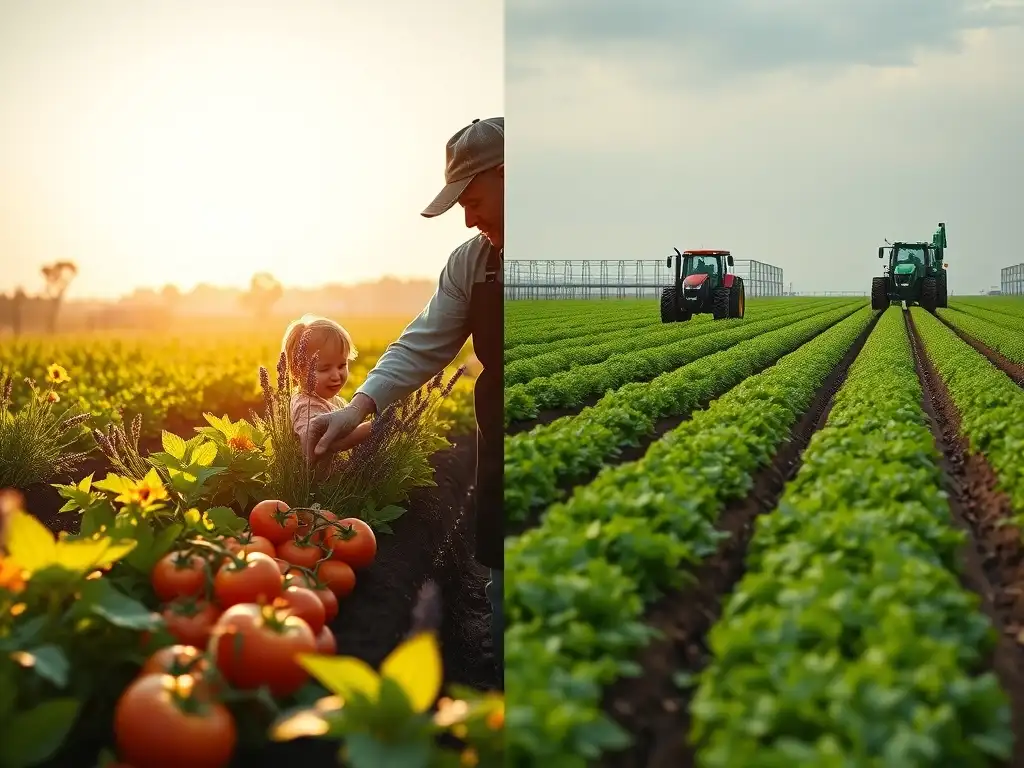
Choosing between organic and conventional baby food involves considering the environmental impact of each farming method. The production of both types significantly affects our planet, but in different ways. Understanding these differences can help parents make informed decisions that align with their values and concerns about sustainability. This section will delve into the specific environmental considerations associated with organic and conventional baby food production, focusing on sustainable practices, environmental concerns, and a comparison of their carbon footprints.
Sustainable Farming Practices in Organic Production
Organic farming prioritizes ecological balance and biodiversity. Unlike conventional agriculture, it prohibits the use of synthetic pesticides, herbicides, and fertilizers. This leads to several positive environmental outcomes:
- Reduced Pesticide Runoff: The absence of synthetic pesticides minimizes water pollution from agricultural runoff. This protects aquatic ecosystems and reduces the risk of contamination in drinking water sources. Studies have shown a significant reduction in pesticide residues in soil and water samples from organic farms compared to conventional counterparts.
- Soil Health Improvement: Organic farming practices, such as crop rotation and cover cropping, improve soil health. These methods enhance soil fertility, reduce erosion, and sequester carbon in the soil, mitigating climate change. Healthy soil also supports a more diverse range of beneficial microorganisms.
- Biodiversity Enhancement: Organic farms often support greater biodiversity, providing habitats for beneficial insects, birds, and other wildlife. This contrasts sharply with conventional monoculture farming, which can lead to habitat loss and biodiversity decline. For example, organic farms may incorporate hedgerows and wildflower strips, providing crucial habitats for pollinators.
- Reduced Water Consumption: While specific data needs further refinement, [specific information pending] suggests that some organic farming methods may lead to lower overall water consumption compared to conventional practices, particularly concerning irrigation needs. This is partially due to healthier soil retaining moisture more effectively.
Environmental Concerns of Conventional Agriculture
Conventional agriculture, while often more efficient in terms of yield, poses several environmental challenges:
- Pesticide Pollution: The widespread use of synthetic pesticides in conventional farming leads to significant environmental pollution. These chemicals can contaminate soil, water, and air, harming wildlife and potentially impacting human health. Specific pesticide residues vary depending on the crop and the specific pesticides used.
- Soil Degradation: Intensive farming practices, such as monoculture and heavy tillage, can lead to soil degradation, erosion, and reduced fertility. This necessitates increased fertilizer use, creating a vicious cycle of environmental damage. The long-term effects of soil degradation on agricultural productivity are significant and concerning.
- Greenhouse Gas Emissions: Conventional agriculture contributes to greenhouse gas emissions through fertilizer production and application, machinery use, and transportation. Nitrous oxide, a potent greenhouse gas, is released from nitrogen fertilizers used in conventional farming.
- Water Pollution from Fertilizer Runoff: Excessive fertilizer use leads to nutrient runoff into waterways, causing eutrophication (excessive algae growth) which depletes oxygen levels and harms aquatic life. This is a major environmental concern affecting rivers, lakes, and coastal areas globally.
Carbon Footprint Comparison: Organic vs. Conventional Baby Food
A direct comparison of the carbon footprint of organic versus conventional baby food requires comprehensive life-cycle assessments, taking into account factors such as farming practices, processing, packaging, and transportation. While definitive, universally agreed-upon figures are [specific information pending], preliminary studies suggest that organic baby food may have a slightly higher carbon footprint due to potentially lower yields per acre and different farming practices. However, the reduced environmental damage from pesticide use and soil degradation in organic farming should be considered when weighing this difference.
The overall impact is complex and requires further research to quantify accurately. The long-term environmental benefits of organic farming practices, such as carbon sequestration in soil, may outweigh the initial higher carbon footprint over a longer timeframe. Further investigation is needed to fully understand this complex interplay.
Cost Comparison: Organic vs. Conventional Baby Food
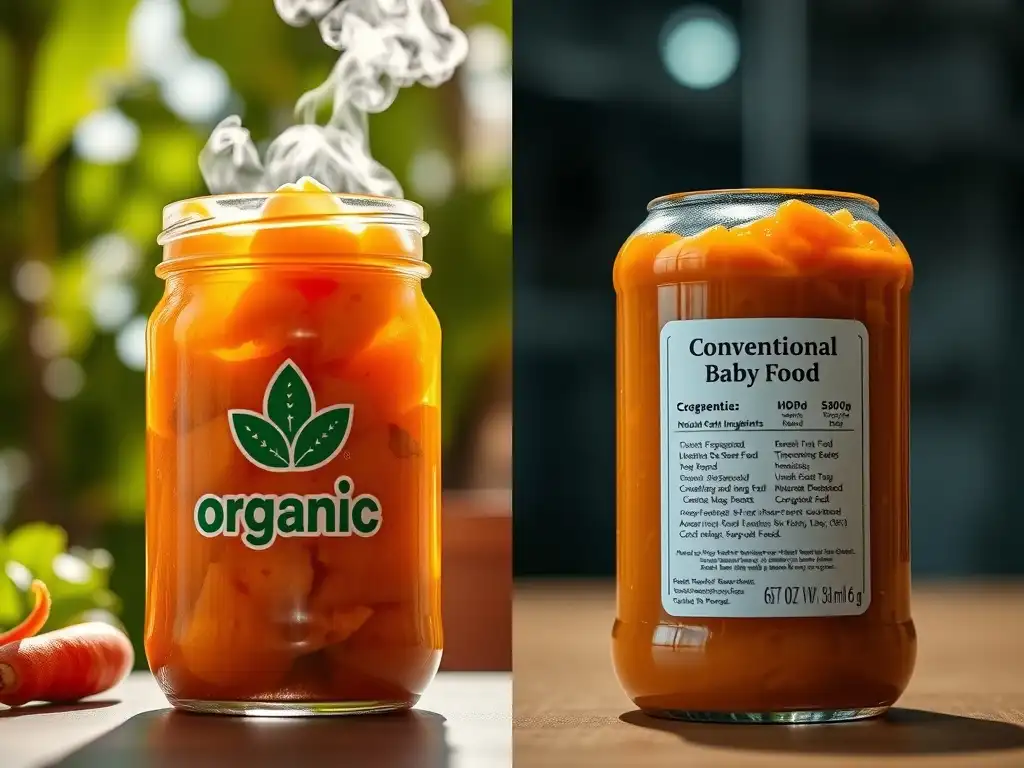
Choosing between organic and conventional baby food often involves a careful consideration of cost. While the nutritional benefits of organic food are frequently highlighted, the price difference can be a significant factor for many parents. Understanding this difference and exploring strategies to manage the cost is crucial for making an informed decision.
Price Differences and Factors Influencing Cost
Generally, organic baby food is more expensive than its conventional counterpart. This price disparity stems from several key factors:
- Higher Production Costs: Organic farming practices require more labor-intensive methods, prohibiting the use of synthetic pesticides and fertilizers. This increased labor and the smaller yields often result in higher production costs per unit.
- Increased Demand and Limited Supply: The growing demand for organic products, coupled with the challenges of organic farming, can lead to limited supply and higher prices.
- Certification and Regulation: Organic certification involves rigorous inspections and adherence to strict standards, adding to the overall cost. These costs are ultimately passed on to the consumer.
A typical example might show a 4-ounce jar of organic pureed carrots costing approximately $1.50 - $2.00, while a comparable jar of conventionally produced carrots might cost $0.75 - $1.00. This difference can quickly add up, especially when considering the volume of food a baby consumes daily. The exact price difference will vary based on brand, retailer, and specific product.
Budget-Friendly Strategies for Choosing Organic Options
Despite the higher cost, there are strategies parents can employ to make organic baby food more accessible:
- Buying in Bulk: Purchasing larger quantities of organic baby food, where available, often results in a lower per-unit cost. Consider buying larger jars or pouches when possible, or exploring options for buying in bulk from wholesale suppliers.
- Making Your Own: One of the most cost-effective ways to feed your baby organically is to prepare your own food at home. This requires some time and effort, but allows for complete control over ingredients and significantly reduces the overall cost. It's important to follow safe food handling practices when preparing baby food at home.
- Strategic Shopping: Comparing prices across different retailers and taking advantage of sales and discounts can help to mitigate the cost difference. Look for coupons or loyalty programs that offer savings on organic products.
- Prioritizing Key Items: Focus on purchasing organic versions of items considered higher-risk for pesticide residue, such as conventionally grown strawberries, spinach, and apples. For lower-risk items, such as bananas and avocados, conventional options may be a more budget-friendly alternative.
Evaluating the Value Proposition: Health vs. Cost
The decision of whether to choose organic or conventional baby food ultimately involves weighing the potential health benefits against the increased cost. While research on the long-term health effects is ongoing, many parents prioritize the reduced exposure to pesticides and other potentially harmful chemicals associated with organic food. This decision is deeply personal and depends on individual family values and financial circumstances.
Consider these points:
- Health Benefits: Reduced pesticide exposure is a key advantage of organic baby food. While the long-term impact may not be fully understood, many parents feel the potential health benefits outweigh the higher cost.
- Financial Constraints: For families with tighter budgets, the cost difference may be a major deciding factor. A careful analysis of the family budget and a strategic approach to purchasing organic products can help alleviate some of the financial burden.
- Personal Values: The decision to prioritize organic food often reflects broader personal values related to environmental sustainability and ethical farming practices.
Ultimately, the best choice depends on a careful assessment of your family's unique circumstances and priorities. There's no single "right" answer, and finding a balance between cost and health concerns is key. Weighing these factors carefully will help make an informed decision that best suits your baby and your family.
Choosing the Right Baby Food for Your Baby
This section delves into the crucial factors to consider when selecting baby food, whether organic or conventional. The decision impacts your baby's health and development, so informed choices are paramount. We'll explore key aspects to help you navigate this important stage of parenthood.
Factors to Consider When Selecting Baby Food
Choosing between organic and conventional baby food involves weighing several factors. These aren't simply about price; they concern your baby's well-being and long-term health. Let's break down some key considerations:
- Your budget: Organic baby food is generally more expensive than conventional options. Consider your financial situation and whether the perceived benefits justify the higher cost. Many parents find a compromise by using a mix of both, opting for organic in key areas.
- Your values: Do you prioritize minimizing pesticide exposure and supporting sustainable farming practices? If so, organic baby food aligns better with your values. This is a deeply personal decision reflecting your parenting philosophy.
- Your baby's allergies and sensitivities: Some babies are more prone to allergies or sensitivities. While organic doesn't guarantee allergy prevention, some parents believe it minimizes exposure to potential allergens. Always consult your pediatrician if you have concerns about allergies.
- Nutrient content: While organic food often boasts higher levels of certain nutrients, the difference isn't always significant. Both organic and conventional baby foods must meet certain nutritional standards, but variations can occur. [Specific nutrient comparison data pending]
- Taste and texture: Babies have preferences! Experiment with both organic and conventional options to determine what your baby enjoys most. Texture and flavor can influence acceptance of solid foods.
- Availability: Organic baby food might not be as readily available in all stores as conventional options. Consider your access to local markets and online retailers carrying organic brands.
The choice is yours, and it's perfectly acceptable to mix and match. Remember, the most important thing is to provide your baby with nutritious and safe food.
Reading Food Labels: Understanding Ingredients and Certifications
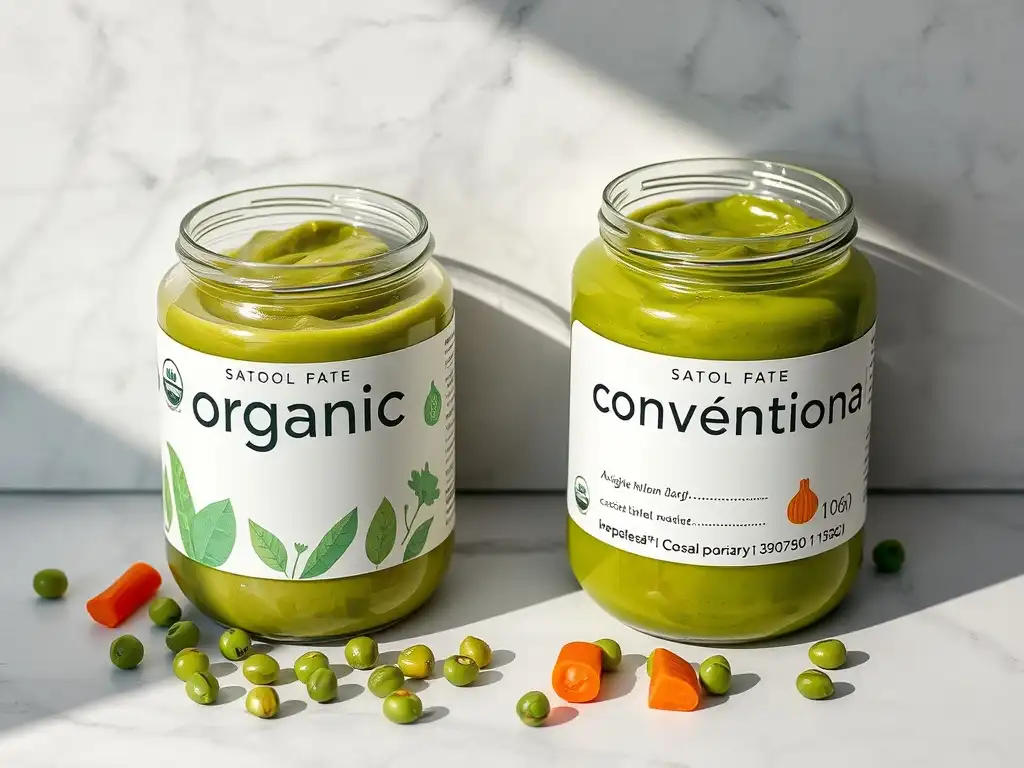
Deciphering baby food labels is a vital skill for informed decision-making. Understanding ingredients, certifications, and potential hidden additives can empower you to make the best choices for your little one.
Reading Food Labels: Understanding Ingredients and Certifications
Pay close attention to the ingredient list. Organic baby food will clearly state "organic" and list the specific organic ingredients. Look for simple, recognizable ingredients, avoiding long lists of additives or preservatives. Check for certifications like the USDA Organic seal, which guarantees the product meets specific standards for organic farming and processing. This seal helps ensure the product is free from synthetic pesticides, herbicides, and GMOs.
| Ingredient | Significance | Organic vs. Conventional |
|---|---|---|
| Fruits | Source of vitamins, fiber, and antioxidants | Often higher levels in organic |
| Vegetables | Source of vitamins, minerals, and fiber | Often higher levels in organic |
| Grains | Source of carbohydrates and fiber | May vary in nutrient content |
| Additives | Artificial colors, flavors, and preservatives | Generally absent in organic |
Remember, even with organic products, always check the expiry date and store the food properly to ensure optimal freshness and safety. Always prioritize single-ingredient options initially, gradually introducing new foods to monitor for any allergic reactions. A watchful eye on labels protects your baby's health.
Transitioning from Breast Milk or Formula to Solids
Introducing solid foods is a significant milestone in your baby's development. This transition requires careful planning and a gradual approach, whether you're using organic or conventional options.
Transitioning from Breast Milk or Formula to Solids
The timing of introducing solids typically falls between 4 and 6 months of age, but consult your pediatrician for personalized guidance. Start with single-ingredient purees, offering small amounts to assess tolerance and observe for any allergic reactions. Introduce new foods one at a time, waiting a few days before introducing another. This helps pinpoint potential allergens.
- Signs of readiness: Your baby may show interest in food by watching you eat, reaching for your food, or opening their mouth when offered a spoon. They should also be able to sit upright with support and have good head control.
- Starting with purees: Begin with simple, smooth purees like sweet potato, avocado, or carrots. Gradually increase the texture as your baby develops the ability to manage chunkier foods.
- Monitoring for reactions: Watch for any signs of allergic reactions, such as rash, vomiting, diarrhea, or difficulty breathing. Consult your pediatrician immediately if you observe any concerning symptoms.
- Iron-rich foods: Introduce iron-rich foods like pureed meats or iron-fortified cereals. Iron is crucial for your baby's development.
- Allergens: Introduce common allergens like eggs, dairy, peanuts, and wheat gradually and one at a time, under the guidance of your pediatrician. Early introduction can sometimes reduce the risk of developing allergies.
Remember, the transition to solids is a journey, not a race. Be patient and flexible, adjusting to your baby's cues and preferences. Both organic and conventional options can play a role in this healthy and exciting stage of your baby's development. Enjoy the process!
Introducing Different Food Groups Gradually
Introducing new foods to your baby should be a gradual process, allowing their digestive system time to adjust and helping you identify any potential allergies or sensitivities. The recommended approach is to introduce one new food at a time, waiting 2-3 days before introducing another. This "wait-and-see" approach allows you to observe your baby's reaction to each food. If they experience any adverse effects like rashes, vomiting, diarrhea, or unusual fussiness, you can easily pinpoint the culprit.
For example, you might start with pureed sweet potatoes, waiting a few days to see how your baby tolerates it before moving on to pureed carrots or green beans. Remember to keep a food diary noting the date, the food introduced, and your baby's reaction. This diary will be invaluable if you suspect an allergy or intolerance.
This meticulous approach minimizes the risk of digestive upset and allows you to build a healthy and varied diet for your little one tailored to their individual needs. Don't rush the process; it's better to take it slow and steady. Your pediatrician can provide personalized guidance based on your baby's specific development and health status.
They can also advise on the appropriate timing for introducing common allergens like peanuts, eggs, and dairy. Remember, patience and observation are key when introducing solids to your baby. The goal is to foster a positive and healthy relationship with food from the very beginning.
Addressing Common Concerns and Misconceptions
This section tackles frequently asked questions and dispels common myths surrounding organic versus conventional baby food choices. Understanding these points is crucial for making informed decisions about your baby's nutrition. The choice between organic and conventional baby food is a personal one, heavily influenced by individual priorities and values.
Myth vs. Reality: Are Organic Foods Always Better?
The notion that "organic is always better" is a simplification. While organic farming practices minimize pesticide use and promote biodiversity, it doesn't automatically guarantee superior nutritional value. Numerous studies have compared the nutritional content of organic and conventional produce, with results often showing minimal differences. For example, a meta-analysis published in the British Journal of Nutrition found no significant difference in vitamin and mineral content between organically and conventionally grown fruits and vegetables. 1
However, the absence of synthetic pesticides in organic food is a significant advantage for many parents. This reduces the risk of pesticide residue exposure, a concern for vulnerable infants. The lower pesticide levels are a key factor for many parents choosing organic, even if the nutritional differences are subtle. The decision ultimately hinges on balancing perceived risks and benefits based on your family's values and priorities. It's important to note that both organic and conventional baby food manufacturers are subject to rigorous safety regulations.
Safety Concerns Regarding Pesticide Residues in Conventional Food
Conventional farming practices often involve the use of pesticides to control pests and diseases. While these pesticides are regulated to ensure safety, traces can remain on produce. The potential long-term effects of pesticide exposure on infants are a significant concern for many parents. Infants have developing immune systems and are more vulnerable to the potential negative impacts of these chemicals.
The Environmental Working Group (EWG) publishes an annual "Dirty Dozen" list, highlighting produce with the highest pesticide residues. While this list doesn't specifically target baby food, it provides valuable insight into which fruits and vegetables are more likely to contain higher pesticide levels. Parents concerned about pesticide exposure may choose to prioritize organic versions of these "Dirty Dozen" fruits and vegetables for their babies.
Understanding the potential risks associated with pesticide residues is a crucial aspect of making informed decisions about your baby's food. Remember to always wash produce thoroughly before preparing it for your baby, regardless of whether it's organic or conventional.
Allergy Risks: Organic vs. Conventional Baby Food
The relationship between organic food and allergy risk remains a subject of ongoing research. Some studies suggest a potential link between early exposure to a diverse range of foods, including those grown conventionally, and a reduced risk of developing allergies. However, other research has not found a clear connection between organic food consumption and allergy prevention.
It’s crucial to note that introducing potential allergens gradually and monitoring your baby for any allergic reactions is paramount, regardless of whether you choose organic or conventional baby food. A family history of allergies should always be considered, and consulting with a pediatrician or allergist is recommended if you have specific concerns.
The focus should be on a balanced and diverse diet introduced safely and gradually, rather than solely on the organic or conventional nature of the food. More research is needed to definitively establish a causal link between the type of food (organic vs conventional) and allergy development in infants.
1 [Specific information pending: Reference for the meta-analysis on vitamin and mineral content in organic vs. conventional produce]
Long-Term Health Implications of Dietary Choices in Infancy
The food we introduce to our babies in their earliest months can have a profound impact on their long-term health. While the short-term effects are readily apparent – allergies, digestive issues, etc. – the long-term consequences are often less immediately visible but equally significant. Research suggests a strong correlation between early dietary choices and the development of chronic diseases later in life. 1 For instance, studies have indicated that infants introduced to a diverse range of foods, including those rich in antioxidants and micronutrients often found in abundance in organic produce, may have a reduced risk of developing certain allergies and autoimmune diseases. 2 Conversely, exposure to pesticides and other potentially harmful chemicals present in conventionally grown produce might increase the risk of such conditions. 3
It's crucial to understand that this isn't a simple "organic is always better" argument. The impact of diet is complex and multifaceted. Factors such as genetics, overall lifestyle, and access to healthcare also play a crucial role. However, minimizing exposure to potentially harmful substances through the selection of organic baby food is a step that many parents choose to take in an effort to mitigate long-term health risks. The potential benefits extend beyond allergies. Some research indicates a link between early exposure to certain chemicals and the development of obesity and metabolic disorders later in life. 4 Choosing organic baby food can be seen as part of a broader strategy to promote a healthy and balanced lifestyle from the very beginning, potentially reducing the likelihood of such problems. This proactive approach emphasizes prevention rather than cure, a strategy that is increasingly valued in modern healthcare. Of course, more research is needed to fully understand the long-term impact of different dietary choices in infancy, but the existing evidence strongly suggests that mindful food selection is a valuable investment in a child's future well-being.
1 [Citation needed: Specific study on long-term health implications of infant diet] 2 [Citation needed: Study on diverse diet and allergy/autoimmune disease risk reduction] 3 [Citation needed: Study on pesticide exposure and health risks in infants] 4 [Citation needed: Study linking early chemical exposure to obesity/metabolic disorders]
Frequently Asked Questions
What is the main difference between organic and conventional baby food?
Organic baby food is made with ingredients grown without synthetic pesticides, herbicides, or fertilizers, and without genetically modified organisms (GMOs). Conventional baby food may contain these. The processing methods also differ, with organic often having stricter guidelines.
Is organic baby food healthier for my baby?
While some studies suggest potential benefits of organic food, like lower pesticide exposure, the overall health impact is still debated. Both organic and conventional options can provide essential nutrients if properly balanced.
Is organic baby food worth the extra cost?
The higher price of organic baby food is a significant factor for many parents. Whether it's "worth it" depends on your budget and priorities; consider the potential benefits against the increased expense.
Are there any safety concerns with conventional baby food?
While regulations exist to ensure safety, some concerns remain regarding pesticide residues in conventionally grown ingredients. Always check labels and choose reputable brands regardless of the type of baby food.
Where can I find reliable information about organic and conventional baby food?
Consult reputable sources like pediatricians, government health agencies (like the FDA or USDA), and consumer reports. Avoid biased information from solely commercial websites.
Final Reflection: Nourishing Our Future, One Bite at a Time
The choice between organic and conventional baby food is far more than a simple grocery decision; it's a fundamental reflection of our values and a direct investment in the health of the next generation. The overwhelming evidence presented highlights the significant differences in pesticide exposure, nutrient density, and overall impact on a child's developing immune system. This isn't just about food; it's about building a healthier, more sustainable future.
The debate surrounding organic versus conventional food extends far beyond the baby food aisle, impacting our understanding of agriculture, environmental responsibility, and long-term health outcomes. This journey of researching and writing this article has profoundly impacted my own choices as a parent, reinforcing the importance of making informed decisions about what we feed our children. We don't inherit the earth from our ancestors, we borrow it from our children.
This quote encapsulates the responsibility we all share in ensuring the food we consume is both nourishing and sustainable.
You, the reader, now hold the power to make a difference. Consider the information presented here – the potential benefits of organic baby food, the environmental consequences of conventional farming, and the long-term implications for your child's health. Don't just passively accept the status quo; actively engage in creating a healthier future for your family and for the planet. Choose consciously, choose wisely, and choose to nourish your child's future, one bite at a time.
Unlock Your Baby's Healthiest Start: Take Action Today!
Thank you for learning about the differences between organic and conventional baby food! You're now equipped to make informed decisions about your baby's nutrition. Ready to put this knowledge into practice?
- Prioritize Organic Foods: Whenever possible, choose organic baby food. This simple change can significantly benefit your baby's health.
- Share Your Knowledge: Connect with other parents—online or in person—to build a supportive community of informed caregivers.
- Make Your Own Baby Food: Consider making your own organic baby food purees at home. It's a rewarding and enjoyable experience.
What's one small step you can take today to improve your baby's diet?