
CIO and Temperament: How Your Baby’s Personality Impacts Sleep Training


Welcome to BabyCareHub, your ultimate guide to navigating the incredible journey of parenthood! Are you ready to unlock the secrets to peaceful nights? We delve into the fascinating connection between baby temperament and the effectiveness of sleep training, specifically exploring the CIO method and how your little one's unique personality plays a crucial role. Discover how to tailor your approach for optimal results and finally achieve the restful sleep you and your baby deserve. Let's explore the world of Baby temperament sleep training CIO together!
- Understanding Your Baby's Temperament and its Influence on CIO Success
- Adapting the CIO Method to Different Temperaments
- Recognizing Signs of Overtiredness and Frustration
- Responding to Frustration During CIO: Comforting Without Interruption
- When to Seek Professional Help
- Beyond CIO: Supporting Your Baby's Sleep Through Temperament
- Long-Term Outcomes and Temperament
- Frequently Asked Questions
- Final Reflection: The Gentle Art of Understanding Your Baby's Sleep
- Unlock Your Baby's Sleep Potential Now!
Understanding Your Baby's Temperament and its Influence on CIO Success
Choosing a sleep training method for your newborn is a deeply personal decision, and the Cry It Out (CIO) method, while effective for many, isn't a one-size-fits-all solution. A crucial factor often overlooked is your baby's unique temperament. This article explores the significant role your baby's personality plays in the success—or challenges—of implementing CIO, providing insights and strategies tailored to different temperaments. Understanding your baby's individual needs and responses is paramount to a positive sleep training experience for both you and your little one.
We will delve into identifying your baby's temperament, exploring how different personality types respond to CIO, and offering adaptable strategies for optimal results. Remember, patience and flexibility are key, and what works for one baby might not work for another. This guide empowers you to make informed decisions based on your baby's individual needs, fostering a healthier and happier sleep environment for your family.
Identifying Your Baby's Temperament: Easy-to-Use Charts and Quizzes
Before embarking on any sleep training journey, particularly with the CIO method, understanding your baby's temperament is critical. A baby's temperament refers to their innate behavioral style and how they respond to their environment. Some babies are naturally easygoing and adaptable, while others are more sensitive and reactive. This inherent personality significantly impacts their response to sleep training techniques like CIO.
Several resources can help you identify your baby's temperament. Many online quizzes and questionnaires offer a simple way to assess your baby's behavioral patterns. These tools often categorize babies into different temperament groups, such as "easy," "difficult," "slow-to-warm-up," or a combination thereof. Additionally, observing your baby's reactions to different situations—feeding, diaper changes, new environments—can provide valuable insights. Keep a journal to track their reactions and patterns over several days. This detailed observation will help you better understand their unique personality and adjust your sleep training approach accordingly. Remember that these tools are guidelines; your personal observations are equally valuable.
The Easy Baby: Adaptability and CIO
Babies with "easy" temperaments are generally adaptable, even-tempered, and predictable. They often adjust well to new routines and are less likely to experience significant distress during sleep training. For these babies, the CIO method can be relatively straightforward. They may initially fuss or cry, but their response generally decreases over time as they learn to self-soothe.
However, even with easy babies, consistency is crucial. Maintaining a consistent bedtime routine and sticking to the chosen CIO plan will enhance its effectiveness. Monitoring your baby's cues and adjusting the plan slightly as needed is also important. For example, if your easy baby shows signs of being overtired, adjusting the bedtime might be necessary.
The Difficult Baby: Challenges and Strategies for CIO
Babies with "difficult" temperaments are often highly sensitive, intensely reactive, and prone to irregular sleep patterns. They may cry more frequently and intensely than easy babies, making the CIO method potentially more challenging. For these babies, a gradual approach to sleep training might be more beneficial than a strict CIO method. Consider incorporating other techniques, such as positive reinforcement and gentle reassurance, to support their adjustment.
Short check-ins might also be helpful to offer comfort without interfering with their ability to self-soothe. Remember that consistency and patience are paramount, but flexibility is crucial with sensitive babies. You might need to adjust the duration of crying periods or offer more frequent (but brief) check-ins to support their emotional regulation.
It is also important to consult with a pediatrician or child sleep specialist for personalized guidance. They can offer valuable insights and support, ensuring you're making informed choices that prioritize your baby's well-being. 😴
The Slow-to-Warm-Up Baby: A Gentle Approach to CIO
Slow-to-warm-up babies are characterized by their cautious and hesitant nature. They tend to react negatively to sudden changes or new situations, often exhibiting withdrawal or low-key irritability. These little ones need more time to adjust to new routines and environments, making the Cry It Out (CIO) method potentially more challenging and potentially less effective than with other temperaments.
Forcing a slow-to-warm-up baby into a strict CIO regimen could be detrimental to their emotional well-being and may even worsen their sleep difficulties in the long run. Instead of a strict, abrupt approach, a gradual and patient approach is much more suitable.
Consider modifying the CIO method to better suit your slow-to-warm-up baby's needs. This might involve lengthening the check-in intervals initially, offering more soothing comfort during those check-ins (perhaps gentle pats or humming), and gradually increasing the duration between checks only when your baby demonstrates a clear ability to self-soothe within those longer intervals. Remember, consistency is key, but flexibility is equally vital when dealing with a baby exhibiting this temperament.
A phased approach to sleep training, rather than a sudden implementation of CIO, may be far more effective. Start by establishing a predictable bedtime routine that provides a sense of security and calmness. This could involve a warm bath, a gentle massage, a quiet story, and a consistent sleep environment.
Slowly introduce elements of the CIO method, starting with shorter periods of independent sleep and gradually increasing the duration as your baby shows readiness. Pay close attention to your baby's cues; if they seem overwhelmed or excessively distressed, adjust the process accordingly. The goal is to help your baby learn to self-soothe gradually, not to force them into a sleep schedule that doesn't align with their natural temperament.
Remember, patience is paramount when sleep training a slow-to-warm-up baby. Celebrate small victories and avoid comparing your baby's progress to others. Each baby is unique, and what works for one may not work for another.
Trust your instincts and adjust your approach as needed to ensure your baby feels safe, secure, and loved throughout the process. Consulting with a pediatrician or a certified sleep consultant could provide additional support and guidance tailored to your baby's specific temperament and needs. They can offer valuable insights and strategies for navigating the challenges associated with sleep training a slow-to-warm-up baby, helping you achieve success without compromising your baby’s emotional well-being.
Adapting the CIO Method to Different Temperaments
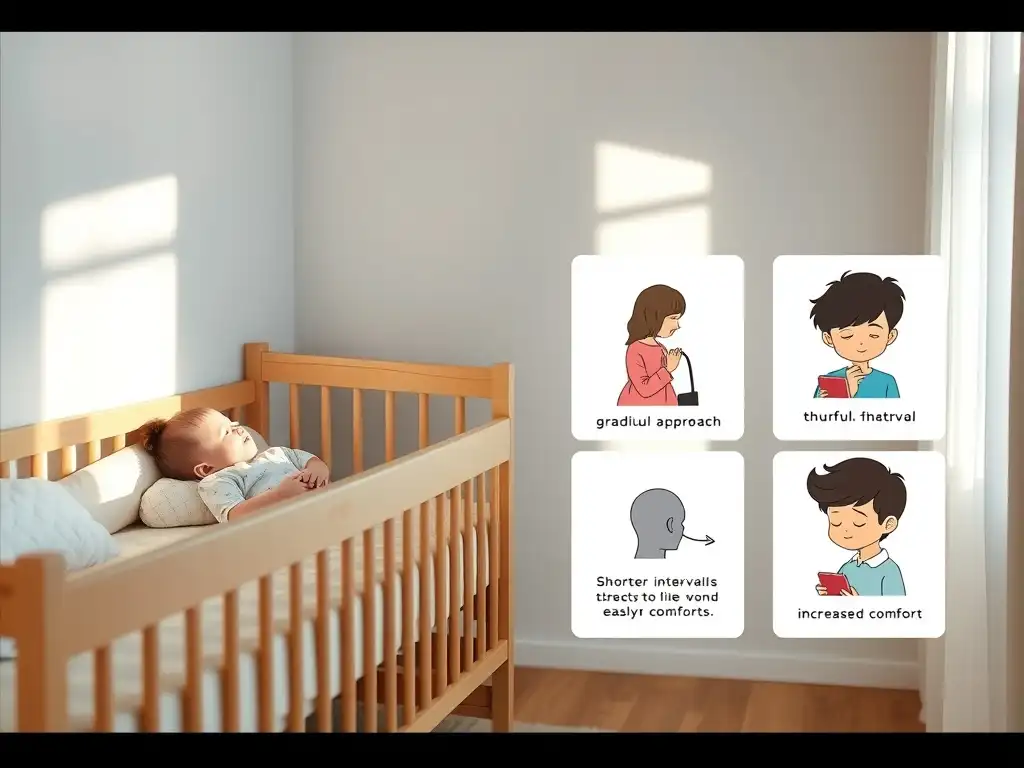
The Cry It Out (CIO) method, while effective for many, isn't a one-size-fits-all solution for sleep training. A crucial factor often overlooked is baby temperament. Understanding your baby's unique personality is key to successfully adapting the CIO approach and avoiding unnecessary stress for both you and your little one. Ignoring temperament differences can lead to frustration and potentially hinder the effectiveness of the method.
This section explores how to tailor CIO to different temperaments, maximizing the chances of success while prioritizing your baby's well-being. Remember, the goal is to gently guide your baby towards independent sleep, respecting their individual needs and developmental stages. Successful baby temperament sleep training CIO requires flexibility and patience.
Modifying the CIO Approach for Easy Babies
Easy babies, often characterized by their adaptable nature, predictable routines, and generally positive mood, may respond remarkably well to a more straightforward CIO implementation. These babies tend to settle more quickly and may require shorter check-in intervals.
For easy babies, you might consider a shorter initial "cry it out" period, perhaps starting with 5-minute intervals before gradually increasing the duration. Regular and consistent bedtime routines are vital, providing a sense of security and predictability that reinforces healthy sleep habits. Because these babies are generally less reactive to disruptions, a less frequent check-in schedule might suffice.
However, consistent monitoring is still crucial to ensure the baby remains safe and comfortable. Data suggests that easy babies often achieve significant sleep improvements within a shorter timeframe compared to babies with more challenging temperaments. It's important to remain attentive to any changes in their behavior or sleep patterns.
Adjusting CIO for Difficult Babies: Patience and Persistence
Difficult babies, often described as irritable, highly sensitive, and prone to intense emotional reactions, require a more nuanced and patient approach to CIO. These babies may cry more intensely and for longer periods, demanding more frequent parental reassurance and a modified strategy.
For these babies, a gentler, more gradual approach is recommended. Instead of immediately implementing full CIO, consider a phased approach involving shorter intervals and more frequent checks. Starting with shorter periods (e.g., 2-3 minutes) and gradually increasing the duration allows the baby to adjust slowly. Frequent, but brief, check-ins can provide reassurance without hindering the overall sleep training process.
Remember that consistency and patience are paramount. It’s crucial to avoid giving in to crying too quickly, as this can reinforce negative sleep associations. The process may take longer, but the eventual success will be rewarding. Expect longer periods of crying than with easy babies; this doesn't necessarily mean the method is failing.
A Phased CIO Approach for Slow-to-Warm-Up Babies
Slow-to-warm-up babies are characterized by their cautious nature and need for more time to adjust to new situations. They might display mild irritability and require a significantly gentler approach to CIO compared to easy babies or even difficult babies. A phased approach is essential here.
This approach might involve initially staying in the room while the baby gradually falls asleep, gradually increasing the distance and reducing your presence over several nights. This allows the baby to adjust to the new sleep routine at their own pace, building confidence and reducing anxiety. Short check-ins should be comforting and brief, providing a sense of security without disrupting the sleep cycle. The key is to provide a sense of security and gradually decrease your intervention, allowing the baby to learn self-soothing techniques at their own speed.
This method prioritizes building trust and minimizes stress, leading to a more successful and less stressful sleep training experience for both parent and child. Consider extending the transition periods between phases to accommodate their slower adjustment. Patience is key; this might be the longest sleep training journey.
Recognizing Signs of Overtiredness and Frustration
Overtiredness is a significant factor influencing a baby's reaction to sleep training methods like CIO. Understanding your baby's unique temperament is crucial in recognizing these signs, as they may manifest differently depending on their personality. Ignoring these cues can lead to increased frustration and resistance, making the CIO method less effective and potentially more stressful for both parent and child. Successfully navigating CIO requires keen observation and a tailored approach based on individual baby characteristics. The goal is to initiate sleep training when your baby is slightly tired, but not overly so.
Understanding Overtiredness Cues in Different Temperaments
Babies, like adults, exhibit varying responses to sleep deprivation. A "slow-to-warm-up" baby might show subtle signs of overtiredness, such as increased clinginess or quiet withdrawal, while a more "easy" baby might become unusually fussy or irritable. Conversely, a "difficult" baby might become hyperactive and overstimulated, seemingly resistant to sleep even when exhausted.
Here's a table summarizing common overtiredness cues categorized by temperament:
| Temperament Type | Overtiredness Cues |
|---|---|
| Easy | Fussiness, rubbing eyes, yawning excessively, decreased activity |
| Slow-to-Warm-Up | Increased clinginess, quiet withdrawal, less engagement |
| Difficult | Hyperactivity, increased fussiness, inconsolable crying |
It's important to note that these are general observations. Your baby's specific cues might differ. Careful observation during the days leading up to sleep training will help you identify your baby's unique indicators of overtiredness. Keep a sleep diary to track their behavior and nap patterns. This will help you pinpoint the optimal time to begin the CIO method, maximizing the chances of success and minimizing frustration. Remember, consistency in observing these cues is key to effective sleep training. Early identification of overtiredness allows for adjusting the sleep schedule proactively.
Responding to Frustration During CIO: Comforting Without Interruption

The CIO method, while effective for many, can be emotionally challenging. Babies express their frustration through crying, and the parent's role is to provide a safe and secure environment without actively interfering with the sleep process. However, this doesn't mean complete absence of comfort. The key is to offer reassurance without inadvertently prolonging the crying or disrupting the sleep cycle. Finding this balance requires sensitivity and careful consideration of your baby's temperament.
Comforting Without Interruption
The goal is to provide a sense of security and comfort without picking the baby up or actively soothing them. This might involve:
- Checking in: Briefly checking on the baby every 5-10 minutes to ensure their safety and offer a reassuring presence without picking them up.
- Soft sounds: Playing white noise or a soothing lullaby can help mask external sounds and create a calming atmosphere.
- Gentle patting: If your baby seems to respond positively, you can gently pat their back or rub their head from outside the crib. Avoid prolonged physical contact.
- Maintaining a consistent routine: Sticking to a consistent bedtime routine helps establish predictability and security, reducing anxiety.
It's crucial to avoid reinforcing crying by immediately responding to every cry. This can prolong the crying and make the baby reliant on your immediate intervention. The aim is to gradually teach the baby to self-soothe and fall asleep independently. Remember, each baby is unique, and their response to the CIO method will vary. Patience and consistency are vital for success. If you notice signs of distress that exceed typical frustration, such as prolonged inconsolable crying or changes in breathing, it is always best to consult your pediatrician. The CIO method should never put your baby in danger.
When to Seek Professional Help
Navigating sleep training, especially with the Cry It Out (CIO) method, can be emotionally and physically demanding for parents. While CIO can be effective for some babies, it's crucial to recognize when it's not the right approach or when professional guidance is needed. Understanding your baby's temperament is key in this decision, as some temperaments may react more negatively to CIO than others.
Remember, there's no shame in seeking help; prioritizing your baby's well-being and your family's mental health is paramount. Ignoring warning signs can lead to unnecessary stress and potentially hinder your baby's healthy development. This section will explore when professional intervention becomes necessary.
Recognizing When CIO Isn't Working
Several signs indicate that the CIO method isn't working for your baby and that you should consider seeking professional help. These signs aren't necessarily indicative of failure, but rather signals that a different approach may be more beneficial for your child's unique temperament and needs. Persistent, inconsolable crying for extended periods (significantly longer than expected based on your baby’s typical temperament), lack of progress after a reasonable timeframe (e.g., several weeks with minimal improvement), and noticeable signs of distress or exhaustion in your baby are all red flags.
Furthermore, a significant decline in your baby's overall well-being, such as decreased appetite, weight loss, or changes in their usual behavior patterns, warrants immediate professional attention. Remember, the goal of sleep training is to improve your baby's sleep and overall health. If CIO seems to be having the opposite effect, it's time to re-evaluate your strategy.
Consider keeping a detailed sleep diary, noting crying duration, feeding patterns, and any observed changes in your baby's temperament. This data will be invaluable when discussing your concerns with a professional. Don't hesitate to trust your parental instincts; if something feels wrong, it's worth exploring further.
Consulting a Pediatrician or Sleep Consultant
If you've identified that CIO isn't the right fit for your baby or if you're struggling to manage the process effectively, consulting a pediatrician or a certified sleep consultant is highly recommended. A pediatrician can rule out any underlying medical conditions that might be contributing to your baby's sleep problems. They can also offer valuable advice on safe sleep practices and assess your baby's overall health. A sleep consultant, on the other hand, specializes in infant and child sleep and can provide personalized strategies tailored to your baby's temperament and your family's needs.
They can help you adjust your approach, explore alternative sleep training methods, or offer support and guidance as you navigate the challenges of sleep training. Remember, a good sleep consultant will consider your baby’s unique temperament and will not push a one-size-fits-all approach. They will work with you to find a solution that aligns with your family's values and parenting style. Choosing a qualified and experienced professional is crucial.
Look for someone with relevant certifications and positive reviews from other parents. Seeking professional help isn't a sign of weakness; it's a proactive step towards ensuring your baby gets the best possible sleep and you maintain a healthy and happy family dynamic. A collaborative approach, involving both professional guidance and your own parental intuition, is often the most effective strategy for successful sleep training.
Beyond CIO: Supporting Your Baby's Sleep Through Temperament

The Cry It Out (CIO) method, while effective for some, isn't a one-size-fits-all solution for sleep training. A crucial factor often overlooked is baby temperament. Understanding your baby's unique personality significantly impacts the success and appropriateness of any sleep training method, including CIO.
Ignoring temperament can lead to unnecessary stress for both parent and child, potentially hindering the process and creating negative associations with sleep. This section focuses on adapting sleep training strategies to accommodate diverse temperaments, ensuring a gentler, more effective approach. We'll explore how to tailor your approach to your baby's individual needs, maximizing the chances of success and minimizing potential distress.
Creating a Consistent Sleep Routine for All Temperaments
A consistent sleep routine is paramount, regardless of your baby's temperament. However, the implementation of this routine needs to be flexible enough to account for individual differences. For example, a highly sensitive baby might benefit from a longer, more gradual wind-down routine, incorporating calming activities like gentle rocking or a warm bath, while a more robust baby might tolerate a shorter, more structured routine.
The key is consistency in timing and sequence, not necessarily in the specific activities. This predictability provides a sense of security and helps regulate your baby's internal clock. Consider the following elements for your baby's sleep routine:
- Bath time (optional): A warm bath can be very soothing, particularly for babies who are easily overstimulated.
- Massage: Gentle massage can promote relaxation and bonding.
- Story time/Quiet playtime: Choose calming activities that avoid excessive stimulation.
- Feeding: Ensure your baby is adequately fed before bedtime.
- Lullaby/White noise: Consistent sounds can create a calming sleep association.
- Bedtime: Maintain a consistent bedtime, even on weekends, to regulate their circadian rhythm.
| Temperament Type | Routine Adaptation Suggestions | Example Activities |
|---|---|---|
| Easy: Adaptable, positive, regular routines. | Maintain a consistent, but possibly shorter, routine. | Quick bath, song, bottle, bed. |
| Difficult: Irregular routines, intense reactions, slow to adapt. | Extend the routine, focusing on calming activities and gradual transitions. | Longer bath, massage, quiet playtime, longer feeding, white noise. |
| Slow-to-warm-up: Mild reactions, slow to adapt, cautious. | Introduce new elements gradually, providing ample time for adjustment. | Consistent routine with minimal changes, gradual introduction of new calming activities. |
Remember, observing your baby's cues is crucial. If they seem overly tired or agitated, adjust the routine accordingly. Flexibility and responsiveness are key to creating a positive sleep association.
Nurturing Your Baby's Emotional Needs During Sleep Training
Sleep training can be challenging, especially for babies with sensitive temperaments. It's essential to remember that your baby is not simply learning to sleep; they are also navigating a significant developmental milestone. Addressing their emotional needs during this process is paramount to their overall well-being and the success of sleep training.
For babies who struggle with separation anxiety or are easily distressed, consider gentler methods alongside CIO, such as the Ferber method or chair method. These approaches provide a gradual decrease in parental presence, offering comfort and reassurance while still guiding the baby towards independent sleep. Always prioritize your baby's emotional security. A stressed baby is less likely to learn to self-soothe effectively.
Signs of distress to watch for include:
- Prolonged crying: If crying is excessive or inconsolable, re-evaluate your approach.
- Increased agitation: Observe for signs of frustration, such as increased fussiness or difficulty settling.
- Physical changes: Rapid heart rate, sweating, or changes in breathing pattern may indicate high stress levels.
If you observe any of these signs, consider adjusting your approach. Remember, sleep training should be a positive experience for both you and your baby. Prioritize building a strong and secure attachment, fostering a sense of trust and safety. This approach will ultimately contribute to healthier sleep habits and a stronger parent-child bond. Patience and understanding are crucial elements in navigating this process successfully. Remember, every baby is unique, and finding the right approach may involve trial and error. Don't be afraid to adapt your strategies as needed.
Long-Term Outcomes and Temperament
This section explores the long-term effects of implementing the Cry It Out (CIO) method, specifically considering how a baby's temperament influences the success and lasting impact of this sleep training approach. Understanding your baby's personality is crucial not just for immediate results, but also for predicting long-term sleep patterns and adjusting your parenting strategies accordingly. The effectiveness of CIO, and indeed any sleep training method, is highly dependent on individual circumstances.
The Impact of Temperament on Sleep Habits in the Long Run
A baby's temperament significantly influences their response to sleep training and the lasting effects on their sleep habits. Babies with easy temperaments, often described as adaptable and cheerful, may transition more smoothly to independent sleep using CIO. They might show fewer negative long-term consequences and adjust to the new routine relatively quickly. Conversely, babies with difficult temperaments – those who are often irritable, sensitive to change, and have irregular sleep patterns – may experience greater challenges.
For these infants, CIO might lead to more prolonged crying, increased stress, and potentially longer-term sleep disturbances. Even after seemingly successful CIO implementation, these babies might require more consistent parental intervention to maintain consistent sleep schedules. The emotional regulation difficulties often associated with difficult temperaments can make independent sleep acquisition more challenging.
It's important to note that slow-to-warm-up babies, who are characterized by initial withdrawal and hesitancy but eventually adapt, also present a unique challenge. While not as emotionally reactive as difficult babies, their slower adjustment to new routines might necessitate a modified approach to CIO, perhaps involving a more gradual weaning from parental presence or a longer transition period. Understanding these nuances is key to avoiding potential negative outcomes.
Data on long-term effects of CIO varies and often lacks sufficient control groups to definitively link specific temperament types to long-term sleep problems. More research is needed to fully understand these complex interactions, but anecdotal evidence and observations from childcare professionals suggest that a sensitive and responsive approach, tailored to the individual baby's temperament, is far more likely to lead to positive long-term sleep outcomes, regardless of the sleep training method chosen. Ignoring temperament can lead to unnecessary stress for both parent and child.
Strategies for Continued Sleep Support Based on Temperament
Following successful sleep training using CIO, continued parental support is often needed, especially for babies with challenging temperaments. This support should be tailored to the individual child's needs and personality.
- Easy Temperament: These babies often maintain healthy sleep habits after CIO with minimal intervention. Consistency in bedtime routines and maintaining a calm, predictable environment is usually sufficient.
- Difficult Temperament: Babies with difficult temperaments might require more ongoing support, including consistent bedtime routines, strategies for managing nighttime awakenings (e.g., gentle reassurance without picking up), and potentially addressing underlying emotional regulation issues. Consider seeking professional guidance from a pediatrician or sleep consultant if challenges persist.
- Slow-to-Warm-Up Temperament: For these babies, maintaining a predictable and consistent schedule is paramount. Gradual changes to the routine, rather than abrupt shifts, are recommended. Patience and understanding are key, as these babies might require more time to adapt to changes.
The long-term success of CIO, and indeed any sleep training method, isn't simply about achieving independent sleep; it's about fostering a healthy sleep-wake cycle and nurturing a secure attachment between parent and child. This requires ongoing assessment and adaptation of your strategies based on your child's evolving needs and temperament. Remember that consistency and sensitivity are paramount, regardless of your baby's temperament. A flexible approach, informed by your baby's unique personality, is far more likely to lead to positive, lasting results. It's crucial to prioritize your baby's emotional wellbeing throughout this process. 😴
Frequently Asked Questions
What is CIO sleep training?
CIO, or Cry It Out, is a sleep training method where parents allow their baby to cry for increasing periods of time before intervening. It's based on the idea that babies will eventually self-soothe and fall asleep independently. This method is controversial.
How does my baby's temperament affect CIO?
A baby's temperament significantly impacts the effectiveness and suitability of CIO. High-need babies may struggle more with this method, potentially leading to increased distress. Easy-going babies might adapt more readily.
Is CIO sleep training safe for my baby?
The safety of CIO is debated. While it's generally considered safe for healthy babies, it's crucial to monitor for signs of distress and consult your pediatrician. Never leave your baby unattended during sleep training.
What are the alternatives to CIO for sleep training?
Many gentler methods exist, such as ferberizing, where you check on your baby at increasing intervals, or positive reinforcement, rewarding desired sleep behaviors. Consider your baby's temperament when choosing a method.
My baby is highly sensitive; is CIO right for them?
For highly sensitive babies, CIO might be particularly challenging and potentially detrimental to their emotional well-being. Gentler, responsive methods are usually recommended for these babies. Prioritize building a secure attachment.
Final Reflection: The Gentle Art of Understanding Your Baby's Sleep
The journey to peaceful nights isn't a one-size-fits-all approach; understanding your baby's unique temperament is the key to successful sleep training, regardless of the method chosen. Ignoring this crucial element can lead to frustration and potentially damage the parent-child bond, highlighting the importance of personalized strategies.
The impact of temperament on sleep training extends far beyond the immediate struggle for sleep; it shapes the parent-child relationship, influencing communication, trust, and overall well-being. A child's temperament is not something to be 'fixed,' but rather, something to be understood and nurtured.
This understanding allows for a more empathetic and effective approach to sleep training, transforming the process from a battle of wills into a collaborative journey towards better rest for everyone. The ongoing dialogue surrounding sleep training methods underscores the need for this nuanced perspective, moving beyond simple solutions to a more holistic understanding of the child.
You, as a parent, hold the power to navigate this challenging phase with grace and understanding. Consider your baby's individual needs, their cues, and their responses. Remember that patience and empathy are your greatest allies. Don't be afraid to adapt your approach, to seek support, and to celebrate the small victories along the way. The journey to better sleep is a testament to your love, your dedication, and your ability to connect with your little one on their terms. Embrace the process, and remember that a well-rested baby and a well-rested parent are the ultimate goals.
Unlock Your Baby's Sleep Potential Now!
Thank you for learning how your baby's temperament affects successful sleep training. We hope you found helpful information! Ready to put this knowledge into practice?
- Develop a personalized sleep plan: Consider your baby's unique personality and adapt the sleep training strategies to create a plan perfectly suited to them. Don't be afraid to experiment and adjust as needed!
- Join our supportive community: Share your experiences and connect with other parents facing similar sleep challenges on the BabyCareHub forums. You'll find encouragement and practical advice from fellow parents!
- Track your progress (and celebrate the wins!): Keep a sleep journal to monitor your baby's progress and celebrate the small victories. This will boost your confidence and help you fine-tune your approach.
What small change will you make to your baby's sleep routine today, based on what you've learned?