
The Naptime Compass: Navigating the World of Baby Sleep Schedules


Welcome to BabyCareHub, your ultimate guide to navigating the exciting yet often challenging world of parenthood. Are you ready to unlock the secrets to peaceful nights and happy days? Our comprehensive resources are designed to support you every step of the way. Discover the key to a well-rested baby and a more relaxed you with our in-depth Baby Sleep Schedule Guide, a detailed roadmap to help you create a sleep routine that works for your little one. Dive in and begin your journey toward a more harmonious family life!
- Understanding Your Baby's Sleep Needs: A Baby Sleep Schedule Guide
- Creating a Personalized Baby Sleep Schedule: A Step-by-Step Guide
- Troubleshooting Common Naptime Challenges: Solving Sleep Problems
- Maintaining a Consistent Baby Sleep Schedule: Long-Term Strategies
- Frequently Asked Questions
- Final Reflection: The Enduring Power of Rhythms in Early Childhood
- Unleash Your Baby's Zzz's: Master the Naptime Rhythm!
Understanding Your Baby's Sleep Needs: A Baby Sleep Schedule Guide
Navigating the world of baby sleep can feel like charting uncharted waters, especially for first-time parents. This comprehensive guide, your "Baby sleep schedule guide," will equip you with the knowledge and tools to understand your baby's sleep needs and create a consistent and effective naptime routine. We'll explore age-appropriate sleep expectations, how to recognize your baby's sleep cues, and the crucial role of consistent bedtime routines in fostering better naps. This isn't about forcing a rigid schedule onto your little one; rather, it's about understanding their individual rhythms and creating a supportive environment that promotes healthy sleep habits, leading to happier days for both you and your baby.
Remember, every baby is unique, and flexibility is key! This guide provides a framework – adapt it to your baby's specific needs and temperament for optimal results. Let's embark on this journey towards peaceful naptimes together!
Age-Appropriate Sleep Expectations: Newborn to Toddler
Understanding your baby's sleep needs begins with recognizing their developmental stage. Sleep patterns change dramatically throughout the first few years of life. Here's a general overview, keeping in mind that every baby is different:
| Age Range | Approximate Total Daily Sleep (hours) | Approximate Number of Naps | Notes |
|---|---|---|---|
| Newborn (0-3 months) | 14-17 | 4-5 | Frequent short naps are typical. Wake windows are very short. |
| 4-6 Months | 12-15 | 3-4 | Naps become longer and slightly more consolidated. |
| 7-12 Months | 11-14 | 2-3 | One longer nap during the day is common. Night sleep generally improves. |
| Toddler (1-3 years) | 11-14 | 1-2 | One long nap is often sufficient. Nap transitions vary greatly. |
It's crucial to remember these are averages. Some babies may sleep more or less. Pay close attention to your baby's cues and adjust accordingly. Factors like illness, growth spurts, and developmental leaps can significantly impact sleep patterns. 😴
Recognizing Sleep Cues: Identifying When Your Baby Needs a Nap
Knowing when your baby is tired is essential for successful naptime. Missing the window can lead to overtiredness, making it harder for them to fall asleep. Look for these telltale signs:
- Rubbing eyes: A classic sign of tiredness.
- Yawning: Obvious, but often overlooked.
- Fussiness or irritability: A cranky baby might just need a nap.
- Pulling at ears: This can sometimes indicate tiredness.
- Clinginess: Seeking extra comfort is a common sign.
- Loss of interest in play: A sudden drop in energy levels.
- Quiet alertness: Your baby may become unusually still and quiet.
Observe these cues carefully. Don't wait until your baby is inconsolably crying before initiating naptime. Early intervention is key!
The Importance of Consistent Bedtime Routines for Better Naps
A consistent bedtime routine signals to your baby that it's time to wind down and prepare for sleep. This predictability creates a sense of security and can significantly improve nap success. A good routine might include:
- A warm bath: This helps relax muscles and promote sleepiness. 🛀
- A gentle massage: Calming touch can soothe your baby.
- Quiet playtime: Avoid overly stimulating activities before naptime.
- Reading a book: Storytime is a great way to bond and relax. 📖
- Singing lullabies: Soothing sounds can aid in sleep. 🎶
- Feeding (if applicable): Ensure your baby is comfortably fed before sleep.
Consistency is paramount. Try to stick to the same routine as closely as possible, both for naps and nighttime sleep. This helps regulate your baby's circadian rhythm, leading to more predictable and restful sleep for everyone. Remember to adjust the routine as your baby grows and their needs change.
Creating a Personalized Baby Sleep Schedule: A Step-by-Step Guide

This section provides a practical, step-by-step guide to crafting a baby sleep schedule tailored to your little one's unique needs. Remember, every baby is different, and flexibility is key. This guide offers a framework; you'll need to adapt it based on your baby's cues and temperament. This personalized approach is crucial for successful sleep training and establishing healthy sleep habits. The goal is to create a baby sleep schedule guide that works for your family.
Assessing Your Baby's Individual Sleep Patterns: Tracking Sleep and Wake Cycles
Before you can create a schedule, you need to understand your baby's natural sleep patterns. This involves meticulous tracking of their sleep and wake cycles. Use a sleep diary or a dedicated baby sleep tracking app to record the following information for at least a week:
- Wake-up time: Record the time your baby wakes up in the morning.
- Nap times: Note the start and end times of each nap.
- Bedtime: Record the time your baby goes to bed at night.
- Total sleep duration: Calculate the total amount of sleep your baby gets in a 24-hour period.
- Sleep cues: Pay attention to your baby's signs of tiredness, such as rubbing their eyes, yawning, or becoming fussy.
This data will reveal your baby's natural sleep tendencies and help you identify potential inconsistencies or areas for improvement. For example, you might notice that your baby consistently takes longer to fall asleep in the afternoon, indicating a need for adjustment in their pre-nap routine. Remember to be consistent in your tracking – the more data you gather, the clearer the picture will become. This detailed understanding forms the bedrock of your personalized baby sleep schedule guide.
Determining the Optimal Number of Naps Based on Age: A Detailed Breakdown
The ideal number of naps varies greatly depending on your baby's age. Here's a general guideline, but remember that these are just averages, and individual variations are completely normal:
| Age Range | Typical Number of Naps | Average Nap Duration (per nap) |
|---|---|---|
| 4-6 months | 3-4 | 30-45 minutes |
| 6-9 months | 2-3 | 45-60 minutes |
| 9-12 months | 2 | 60-90 minutes |
| 12-18 months | 1-2 | 60-90 minutes |
| 18 months + | 1 | 90-120 minutes |
Observe your baby's sleep patterns carefully. If they seem overtired or under-tired, adjust the nap schedule accordingly. A baby who consistently wakes up crying after a short nap might benefit from a slightly earlier bedtime or a longer nap. Conversely, a baby who consistently sleeps through their scheduled nap might need a shorter nap or a later wake-up time. Using this data alongside your sleep tracking, you can fine-tune your baby sleep schedule guide for optimal results. Remember, consistency is key, but flexibility is also important!
Establishing a Consistent Naptime Routine: Creating a Predictable Environment
A consistent naptime routine signals to your baby that it's time to wind down and prepare for sleep. This routine should be calming and predictable, performed in the same way each time. Here are some key elements to incorporate:
- Quiet time: Dim the lights, turn off loud noises, and create a peaceful atmosphere.
- Diaper change: A fresh diaper ensures comfort and reduces interruptions during naptime.
- Feeding: If your baby needs a feed before a nap, ensure this happens at a consistent time.
- Cuddle time: A short period of cuddling or quiet playtime can help your baby relax.
- Consistent location: Choose a dedicated sleep space for naps, whether it's a crib, bassinet, or your child's own bed.
The routine itself doesn't need to be lengthy, but its consistency is crucial. For example, you could start with a calming bath, followed by a quiet story, then a feeding, and finally a gentle rocking before placing your baby in their crib. This predictable sequence helps your baby associate these actions with sleep. Experiment with different routines to discover what works best for your baby.
A well-established naptime routine is a cornerstone of a successful baby sleep schedule guide. This approach creates a sense of security and predictability, contributing significantly to better sleep for both you and your baby. 😴
Choosing the Right Nap Length: Balancing Sleep and Wakefulness
Determining the ideal nap length for your baby is crucial for establishing a healthy sleep schedule. It's not a one-size-fits-all situation; the perfect nap duration varies significantly depending on your baby's age and individual sleep needs. Newborns, for instance, may need shorter, more frequent naps, while older infants might benefit from longer, consolidated naps. Observing your baby's cues is paramount. Is your baby consistently overtired and fussy before their nap? This might indicate they need a longer rest period. Conversely, if they wake up irritable after a long nap, a shorter duration might be more suitable.
A helpful guideline is to consider your baby's overall daily sleep needs. A typical 4-month-old, for example, might require around 14-15 hours of sleep per day. This total sleep time needs to be distributed across nighttime sleep and daytime naps. If your baby is struggling to fall asleep at night, it could be because their daytime sleep isn't optimally structured.
Experimenting with slightly longer or shorter naps can significantly impact their nighttime sleep quality. Keep a sleep diary to track nap times, durations, and your baby's overall mood and behavior. This valuable data will help you identify patterns and make informed adjustments to their schedule.
Remember, consistency is key. While you might need to adjust nap times based on your baby's cues, aim for a relatively consistent nap schedule to regulate their circadian rhythm. This consistency helps to establish a predictable pattern, making it easier for your baby to fall asleep and stay asleep during their naps.
Avoid letting naps become excessively long, as this can disrupt nighttime sleep. A good rule of thumb is to limit naps to a maximum of 2-3 hours in total during the day, though this will depend greatly on your baby's age and sleep patterns. The goal is to find a balance between sufficient rest to prevent overtiredness and avoiding excessively long naps that interfere with nighttime sleep.
This delicate balance is the cornerstone of creating a personalized and effective baby sleep schedule. Don't be afraid to experiment and adjust as your baby grows and their sleep needs evolve. This iterative process is vital in optimizing your baby's sleep and overall well-being.
Troubleshooting Common Naptime Challenges: Solving Sleep Problems
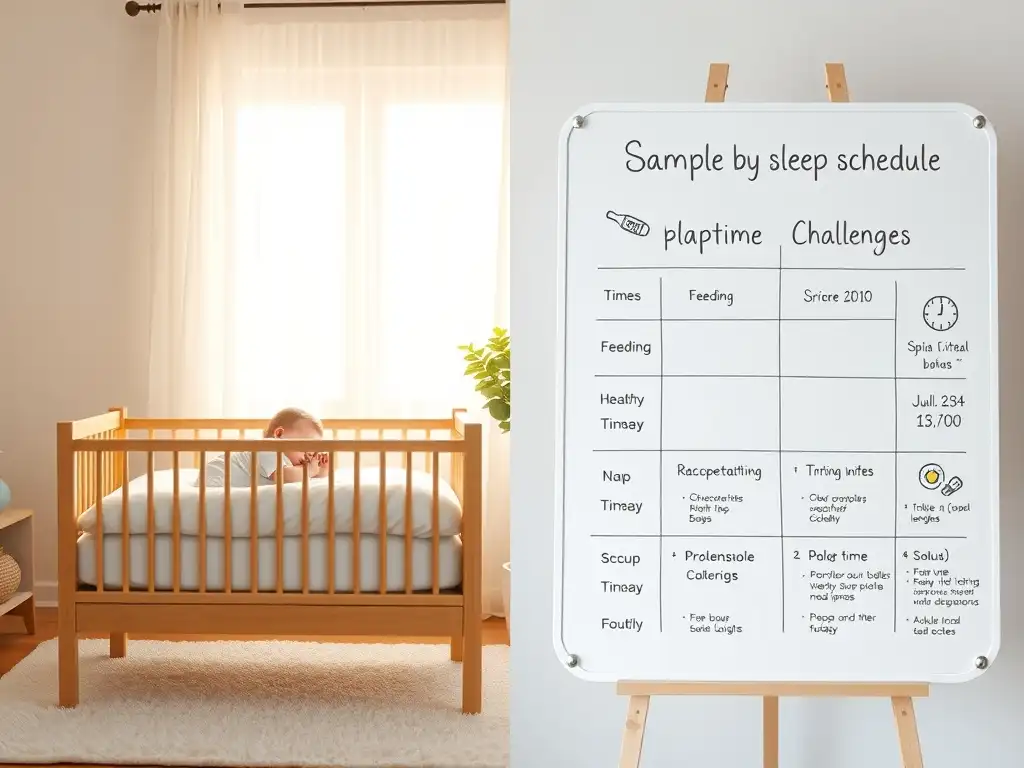
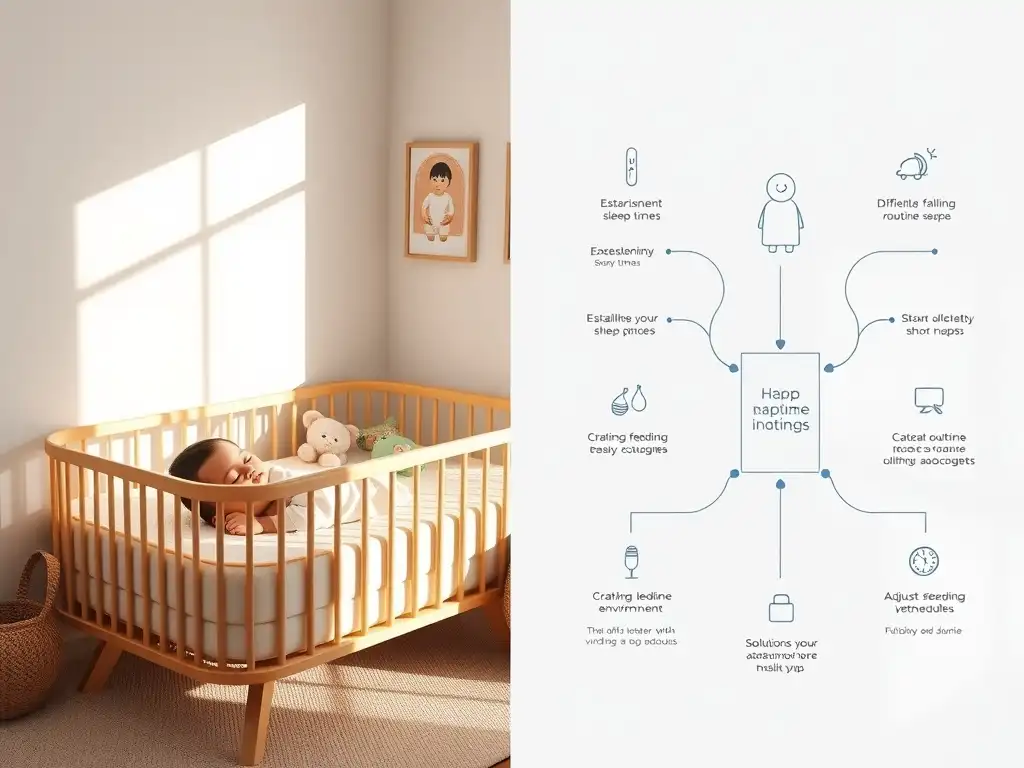
Navigating the world of baby sleep can feel like charting uncharted waters, especially when it comes to naps. Even with a carefully crafted baby sleep schedule guide, you might encounter bumps in the road. This section addresses some common naptime challenges and offers practical solutions to help your little one (and you!) get the rest you need. Understanding the root cause of naptime struggles is key to finding effective solutions. This is crucial for establishing a healthy sleep pattern and improving overall well-being for both parent and child.
Addressing Short Naps: Strategies for Longer Rest Periods
Short naps are a frequent complaint among parents. Instead of a restorative 2-hour stretch, your baby might only sleep for 30-45 minutes, leaving them – and you – feeling perpetually tired. Several factors can contribute to this:
- Insufficient sleep pressure: If your baby isn't getting enough total sleep at night, they may not have accumulated enough sleep pressure to allow for longer naps. Consider adjusting their bedtime or nighttime wake-up time.
- Overtiredness: Ironically, an overtired baby can struggle to fall asleep and stay asleep. Look for early signs of tiredness (rubbing eyes, fussiness) and put them down for a nap before they become overly stimulated.
- Inconsistent naptimes: A regular naptime routine helps regulate your baby's internal clock. Stick to a consistent schedule as much as possible, even on weekends.
- Environmental factors: Is the room too bright, noisy, or too warm? A dark, quiet, and comfortably cool room is ideal for sleep. Consider using blackout curtains, white noise, or a sleep sack.
Strategies for Longer Naps:
- Create a consistent pre-nap routine: This could include a calming bath, quiet playtime, a lullaby, or a story. Consistency is key to signaling to your baby that it's time to sleep.
- Ensure adequate daytime stimulation: Sufficient playtime and interaction during the day can help your baby feel tired enough for a longer nap.
- Address any underlying medical issues: If short naps persist despite trying these strategies, consult your pediatrician to rule out any medical conditions.
- Consider sleep training methods: Gentle methods like the Ferber method or the pick-up-put-down method can help your baby learn to self-soothe and sleep for longer periods.
Dealing with Frequent Wake-Ups During Naps: Identifying and Solving Underlying Issues
Frequent wake-ups during naps can be incredibly disruptive. Instead of a peaceful nap, you might find yourself constantly attending to your baby. Possible causes include:
- Hunger: If your baby wakes frequently, they might be hungry. Try offering a slightly larger feeding before the nap.
- Discomfort: A dirty diaper, uncomfortable clothing, or a room that's too hot or cold can all contribute to frequent wake-ups.
- Developmental leaps: During periods of rapid growth and development, your baby might sleep more lightly and wake up more often.
- Sleep associations: If your baby only falls asleep while being rocked or held, they may wake up when these comforts are removed. Gradually wean them off these sleep associations.
Troubleshooting Frequent Wake-Ups:
- Rule out medical issues: Consult your pediatrician to rule out any underlying medical conditions.
- Create a soothing naptime environment: Ensure the room is dark, quiet, and comfortably cool.
- Address hunger or discomfort: Check for a dirty diaper, adjust clothing, and offer a small feeding if necessary.
- Implement a consistent sleep routine: A predictable routine signals to your baby that it's time to sleep.
- Consider sleep training: Gradual sleep training can help your baby learn to self-soothe and sleep through longer stretches.
Overcoming Naptime Resistance: Gentle Approaches to Encourage Rest
Some babies actively resist naps, making naptime a battleground. This resistance could stem from:
- Over-stimulation: Too much activity before naptime can make it difficult for your baby to wind down.
- Inconsistent schedule: An unpredictable naptime schedule can disrupt your baby's internal clock.
- Developmental changes: As your baby grows and develops, their sleep needs and patterns may change.
- Separation anxiety: Around 6-8 months, babies may develop separation anxiety, making it difficult for them to fall asleep without their parent's presence.
Gentle Approaches to Encourage Rest:
- Create a calming pre-nap routine: This could include a warm bath, quiet playtime, a lullaby, or a story.
- Establish a consistent naptime schedule: Stick to a regular naptime schedule as much as possible.
- Reduce stimulation before naptime: Limit playtime and screen time before naptime.
- Create a dark, quiet, and comfortable sleep environment: Use blackout curtains, white noise, and a comfortable sleep sack.
- Offer comfort and reassurance: If your baby is struggling to fall asleep, offer gentle pats, cuddles, or a pacifier.
- Consider a gradual withdrawal of sleep props: If your baby relies on being rocked or held to sleep, gradually wean them off these sleep associations. Remember patience and consistency are key. A well-structured baby sleep schedule guide, tailored to your baby's individual needs, is essential for success. 😴
Maintaining a Consistent Baby Sleep Schedule: Long-Term Strategies
Maintaining a consistent baby sleep schedule is crucial for both your baby's well-being and your own sanity. Consistency fosters predictable sleep patterns, reducing nighttime wakings and promoting better overall sleep quality. However, simply establishing a schedule isn't enough; maintaining it requires ongoing attention and adaptation. Think of it as a living document, constantly refined to suit your growing baby's needs. This section will explore long-term strategies for maintaining that crucial consistency.
Adjusting the Schedule as Your Baby Grows: Adapting to Developmental Changes
As your baby grows and develops, their sleep needs will change. What worked at 3 months old might not be effective at 6 months or a year. Developmental leaps, marked by increased cognitive and physical activity, often disrupt established sleep patterns, leading to what's commonly known as "sleep regression." These aren't necessarily setbacks; they're normal developmental milestones.
For example, the introduction of solids around 6 months can significantly impact sleep. The increased digestive activity and new sensory experiences can make it harder for babies to settle down for naps and nighttime sleep. Similarly, the development of new motor skills, such as crawling or walking, can lead to increased daytime activity and potentially shorter naps.
It's essential to monitor your baby's cues. Are they waking more frequently? Are their naps shorter? Are they showing signs of overtiredness, such as fussiness or irritability? These are all indicators that an adjustment to the schedule might be necessary. Rather than rigidly adhering to a set timetable, consider adjusting nap times or durations based on your baby's individual needs. A flexible approach, guided by observation, is key to long-term success with a baby sleep schedule guide.
Handling Travel and Schedule Disruptions: Maintaining Consistency On-the-Go
Traveling with a baby can be challenging, especially when it disrupts their established sleep schedule. However, with careful planning, you can minimize the impact on their sleep patterns. The key is to maintain as much consistency as possible, even in unfamiliar environments.
Bring familiar comfort items, such as a favorite blanket or stuffed animal. Try to maintain a regular bedtime routine, even if you're in a hotel room or a relative's house. This helps to signal to your baby that it's time to sleep. Consistency in the sleep environment, even if it's not identical to their home environment, is crucial. Consider using a blackout curtain or a white noise machine to create a more conducive sleeping environment.
If possible, try to stick to their usual nap and bedtime times, even if it means adjusting activities around those times. Be prepared for some disruptions, though. It's normal for babies to take a few days to readjust their sleep schedules after a trip. Patience and understanding are crucial during this transition. Remember, even minor deviations from the schedule are temporary and shouldn't cause long-term disruption. A consistent approach to bedtime routines, despite travel, helps to mitigate the negative effects of schedule changes.
Recognizing Signs of Sleep Regression: Understanding Developmental Shifts in Sleep Patterns
Sleep regressions are periods where a baby’s previously established sleep patterns temporarily change. They're characterized by increased nighttime wakings, shorter naps, and difficulty settling down for sleep. While unsettling for parents, sleep regressions are a normal part of a baby's development. They are often linked to developmental leaps, where your baby is learning and processing a lot of new information and skills.
Several key indicators can signal a sleep regression:
| Sign | Description |
|---|---|
| Increased Night Wakings | Your baby wakes more frequently during the night than usual. |
| Shorter Naps | Naps become significantly shorter or more difficult to achieve. |
| Difficulty Settling | Your baby struggles to fall asleep, even with your usual bedtime routine. |
| Fussiness and Irritability | Your baby is more fussy, irritable, and clingy than usual, even when well-fed. |
| Developmental Milestones | A noticeable jump in physical or cognitive development (e.g., crawling, teething). |
Understanding that these are temporary phases is essential. While it's tempting to try to force your baby back into their old sleep pattern, it's often more effective to offer extra comfort and support during this period. Maintaining a consistent bedtime routine and offering reassurance can help your baby navigate this challenging time. Remember, this phase will pass, and a return to more settled sleep is likely. Patience and consistency are your best allies in navigating these developmental shifts in your baby's sleep patterns. This is a crucial aspect of a comprehensive baby sleep schedule guide.
Frequently Asked Questions
How can I create a baby sleep schedule that works for my little one?
There's no one-size-fits-all answer! Start by observing your baby's natural sleep cues and build a routine around their individual needs and temperament. Gradually introduce a consistent bedtime and wake-up time.
What are the key elements of a successful baby sleep schedule?
Consistency is key! Establish a predictable bedtime routine, ensure a dark, quiet, and cool sleep environment, and maintain a regular feeding schedule.
My baby is waking up frequently at night. What can I do?
Try to rule out any underlying medical issues first. Then, consider soothing techniques like patting or shushing, ensuring they're comfortably full and not too cold or hot, and gradually increasing the time between night feedings.
At what age should my baby be sleeping through the night?
There's a wide variation, but many babies start sleeping longer stretches at around 6 months old. However, some babies may not sleep through the night until much later. Focus on establishing a consistent routine and address any underlying issues.
How can I tell if my baby is getting enough sleep?
Observe your baby's overall mood and energy levels. A well-rested baby is typically happy, alert, and engaged. If you have concerns, consult your pediatrician.
Final Reflection: The Enduring Power of Rhythms in Early Childhood
The quest for a predictable baby sleep schedule is more than just a parental pursuit; it's a fundamental exploration of the rhythms that shape early development and family well-being. Finding that elusive balance between structure and flexibility is a journey, not a destination, and its impact resonates far beyond the crib.
The influence of consistent sleep patterns extends beyond the immediate relief of tired parents. It lays the foundation for a child's emotional regulation, cognitive development, and overall health. Sleep is the golden chain that ties health and our bodies together.
This quote, while not specifically about babies, speaks to the profound connection between rest and well-being, a connection that's particularly crucial in the formative years. Understanding the nuances of sleep schedules isn't just about ticking boxes; it's about fostering a nurturing environment that supports a child's natural growth and development.
Now, consider your own journey with sleep, both as a child and as a parent. What rhythms and routines have shaped your life? How can you apply the principles of mindful sleep scheduling – adaptability, observation, and a focus on the individual needs of your child – to other areas of your life? Embrace the power of rhythm, not as a rigid constraint, but as a gentle guide, helping you navigate the beautiful, sometimes chaotic, landscape of parenthood and beyond.
Unleash Your Baby's Zzz's: Master the Naptime Rhythm!
We're thrilled you're exploring baby sleep schedules with us! Hopefully, you've discovered helpful strategies for establishing a peaceful naptime routine. Now, let's put that knowledge into practice.
- Start with one small change: Choose a single tip from this article—perhaps adjusting your baby's naptime window or creating a consistent bedtime routine—and give it a try. Even minor adjustments can significantly improve your baby's sleep.
- Share your successes (and challenges!): Join our BabyCareHub community to connect with other parents and share your experiences. Let's support each other on this rewarding journey!
- Download our free Naptime Tracker: This helpful tool allows you to monitor your baby's sleep patterns and identify any recurring trends, simplifying the process of making necessary adjustments.
What small step will you take today to create a more harmonious naptime for you and your baby?