
Decoding Baby Monitor Security: Protecting Your Little One's Privacy


Welcome to BabyCareHub, your ultimate guide to navigating the incredible journey of parenthood. We understand that becoming a first-time parent is both exhilarating and overwhelming, which is why we've created this comprehensive resource to help you every step of the way. But before you dive into feeding schedules and developmental milestones, let's address a crucial aspect of your baby's safety and well-being: privacy.
Discover essential Baby monitor privacy security tips in our latest article, "Decoding Baby Monitor Security: Protecting Your Little One's Privacy," and ensure your precious little one's world remains a safe and secure haven. Explore the rest of BabyCareHub to find answers to all your burning questions and unlock the secrets to confident parenting.
- Understanding Baby Monitor Security Risks: Why Privacy Matters
-
Choosing a Secure Baby Monitor: Key Features to Consider
- Encryption Protocols: AES vs. RSA for Secure Transmission
- Password Protection and Account Security for Baby Monitors
- Firmware Updates and Manufacturer Security Practices: Infant Optics vs. VTech
- Local Storage vs. Cloud Storage: Weighing the Privacy Implications
- Physical Security Measures: Preventing Unauthorized Access to the Device Itself
-
Setting Up Your Baby Monitor Securely: Practical Steps
- Strong Password Creation and Management for Secure Baby Monitor Access
- Regular Firmware Updates to Patch Security Vulnerabilities
- Choosing a Secure Network: Avoiding Public Wi-Fi for Baby Monitor Connection
- Understanding Two-Factor Authentication (2FA) for Enhanced Security
- Disabling Unnecessary Features to Minimize Security Risks
-
Best Baby Monitors for Privacy and Security in 2024: Reviews and Comparisons
- Eufy Baby Monitor: Features, Security Strengths, and Weaknesses
- Nanit Pro Smart Baby Monitor: A Detailed Look at its Privacy and Security Protocols
- Comparison of Security Features Across Top Models (e.g., Eufy, Nanit, Infant Optics)
- A Budget-Friendly Option with Robust Security Features (Specific Model Name)
- Addressing Common Baby Monitor Security Myths
- Beyond the Device: Protecting Your Child's Privacy Online
- Frequently Asked Questions
- Final Reflection: A Silent Guardian, A Vigilant Parent
- Unlock Your Baby's Digital Fortress: Secure Their Privacy Today!
Understanding Baby Monitor Security Risks: Why Privacy Matters
The arrival of your little one is a joyous occasion, filled with countless moments you'll want to cherish forever. Baby monitors play a crucial role in providing peace of mind, allowing you to keep a watchful eye and ear on your sleeping baby. However, with the increasing sophistication of technology, ensuring the security and privacy of your baby monitor is paramount.
This article delves into the potential security risks associated with baby monitors and provides practical steps to safeguard your child's privacy from the very beginning. Ignoring these risks could expose your family to significant vulnerabilities, ranging from simple annoyances to more serious privacy violations. Understanding these risks and implementing the necessary precautions is an essential part of responsible parenthood in the digital age.
We'll explore how seemingly innocuous devices can become entry points for unauthorized access, and how you can take proactive steps to protect your little one's digital footprint and ensure their safety and security. This guide provides actionable tips to help you navigate the complexities of baby monitor security and make informed choices about protecting your family's privacy.
Data Breaches and Hacking Concerns with Baby Monitors
Modern baby monitors, particularly smart monitors with Wi-Fi connectivity and internet capabilities, are susceptible to data breaches and hacking. These devices often connect to your home network, potentially creating vulnerabilities if not properly secured. Hackers could potentially gain unauthorized access to your monitor's audio and video feeds, compromising your child's privacy and potentially leading to serious consequences. The potential for malicious actors to observe your child without your knowledge is a deeply unsettling prospect.
Furthermore, some less secure models may transmit unencrypted data, making it easier for hackers to intercept sensitive information. This is particularly concerning given the sensitive nature of the data these monitors collect – constant audio and video feeds of your infant. Consider the potential for identity theft if a hacker gains access to your home network through a compromised baby monitor.
The consequences could extend far beyond simple privacy concerns. Choosing a monitor with robust security features and regularly updating its firmware are vital steps to mitigating this risk. Failing to do so can leave your family vulnerable.
Beyond the threat of data breaches, the inherent nature of audio and video surveillance in baby monitors presents a potential for unauthorized access. Even without a direct hack, weak default passwords or easily guessable PINs can leave your monitor vulnerable to opportunistic access. Imagine the violation of privacy if someone were able to access your monitor's feed and observe your child without your consent.
This unauthorized access could range from simple voyeurism to more serious threats, depending on the individual's intentions. This is not a hypothetical threat; reports of unauthorized access to baby monitors have been documented. The emotional distress caused by such an incident can be profound.
Therefore, choosing a monitor with strong encryption and regularly changing passwords is crucial. It’s also important to understand the monitor's network settings and ensure it is only accessible within your trusted network. Remember, a secure network is a crucial first line of defense.
Protecting Your Child's Digital Footprint from Early On
Protecting your child's privacy starts from day one. The digital footprint you create for your child from infancy will impact their privacy for years to come. By prioritizing security with your baby monitor, you establish a pattern of responsible digital citizenship from the start. This includes careful selection of devices with strong security features, regular password changes, and awareness of potential vulnerabilities. Think about the long-term implications of potential data breaches.
The information collected by a baby monitor could potentially be misused in the future. Teaching responsible digital habits starts now, and securing your baby monitor is a crucial first step. This proactive approach not only protects your child's immediate privacy but also lays the foundation for a future where they can navigate the digital world safely and responsibly. A secure start is a responsible start. 👶
Choosing a Secure Baby Monitor: Key Features to Consider
Selecting a baby monitor involves more than just clear audio and video; prioritizing security is paramount. Protecting your little one's privacy requires careful consideration of several key features. This section focuses on the technical aspects of securing your baby monitor and safeguarding your child's data.
Failing to consider these aspects could leave your family vulnerable to various security risks, from unauthorized access to potential data breaches. Understanding these crucial elements empowers you to make informed decisions and ensure your baby's safety and privacy are well-protected. We'll delve into specific examples to illustrate best practices for choosing a truly secure baby monitor, helping you navigate the market and select the best option for your family's needs.
Encryption Protocols: AES vs. RSA for Secure Transmission
Data encryption is the cornerstone of baby monitor security. It's crucial to understand the different encryption protocols used to protect the transmitted audio and video data from unauthorized access. Two common protocols are Advanced Encryption Standard (AES) and Rivest-Shamir-Adleman (RSA).
AES is a symmetric encryption algorithm, meaning it uses the same key for both encryption and decryption. This makes it faster and more efficient than asymmetric algorithms like RSA. Many modern baby monitors utilize AES-128 or AES-256 encryption, with AES-256 offering a higher level of security due to its longer key length. The higher the bit number (128, 256, etc. ), the more secure the encryption. Look for monitors explicitly stating their use of AES encryption and specifying the key length.
RSA, on the other hand, is an asymmetric algorithm using separate keys for encryption and decryption. It's often used for key exchange and digital signatures, adding an extra layer of security. Some manufacturers might use RSA for initial authentication before switching to a faster symmetric algorithm like AES for data transmission. While RSA is robust for key management, its slower speed makes it less ideal for real-time video streaming.
Choosing a monitor with strong AES encryption (ideally AES-256) is a top priority for ensuring secure transmission of your baby's data. Understanding these encryption methods allows you to make informed choices, prioritizing robust security features for optimal protection.
Password Protection and Account Security for Baby Monitors
Beyond encryption, robust password protection and secure account management are vital for baby monitor security. Weak or easily guessable passwords are a major vulnerability. Many modern monitors offer features like two-factor authentication (2FA), which adds an extra layer of security by requiring a second verification method (like a code sent to your phone) in addition to your password. This significantly reduces the risk of unauthorized access even if your password is compromised.
Furthermore, consider the monitor's account management features. Does it allow for strong password complexity requirements (including a mix of uppercase and lowercase letters, numbers, and special characters)? Does it offer password reset options via email or other secure methods? Does the manufacturer have a clear policy on data retention and user data privacy? These factors are essential for assessing the overall security posture of the baby monitor and the manufacturer's commitment to user privacy.
Avoid monitors that use default passwords or those that lack strong password policies. A strong, unique password, combined with 2FA if available, is crucial for preventing unauthorized access to your baby monitor and the sensitive data it transmits.
Firmware Updates and Manufacturer Security Practices: Infant Optics vs. VTech
Regular firmware updates are critical for patching security vulnerabilities and improving the overall security of your baby monitor. Manufacturers should provide timely updates to address any discovered weaknesses. However, the frequency and reliability of these updates vary significantly across brands.
For instance, Infant Optics, known for its focus on security and privacy, typically releases firmware updates to address potential vulnerabilities. They often communicate proactively with users about these updates, highlighting the importance of keeping the monitor's software up-to-date. [Specific example of Infant Optics update and its security improvements pending].
Conversely, some manufacturers, such as VTech, have faced past security breaches highlighting the importance of diligent firmware updates and robust security practices. [Specific example of VTech security breach and subsequent improvements pending]. Investigating a manufacturer's track record regarding security updates and responses to past security incidents is crucial before purchasing a baby monitor.
A proactive and transparent approach to security from the manufacturer is a strong indicator of their commitment to protecting user data. Always check the manufacturer's website for the latest firmware versions and instructions on how to update your monitor. This simple step can significantly enhance your baby's online privacy and safety.
Local Storage vs. Cloud Storage: Weighing the Privacy Implications
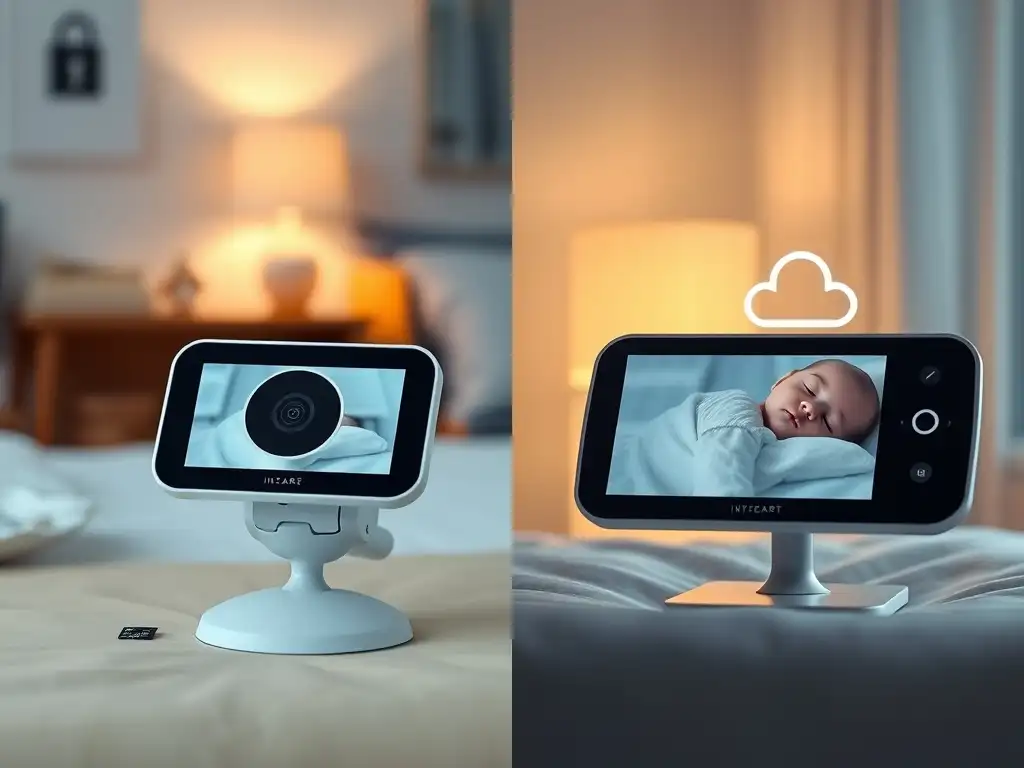
Choosing between local and cloud storage for your baby monitor's recordings is a crucial decision impacting your child's privacy. Local storage, typically using an SD card or internal memory, keeps recordings on the device itself. This offers a higher degree of privacy as the data isn't transmitted over the internet, reducing the risk of hacking or unauthorized access. However, local storage has limitations. The storage capacity is finite, requiring regular deletion or replacement of the storage media. Furthermore, if the monitor is stolen or damaged, the recordings are lost.
Cloud storage, on the other hand, offers the convenience of accessing recordings remotely, often from a smartphone app. This is particularly useful for parents who work away from home or want to share recordings with family members. However, cloud storage introduces privacy concerns. Data transmitted to the cloud is vulnerable to hacking and data breaches, although reputable companies employ robust security measures.
It's crucial to research the cloud provider's security protocols and privacy policy before making a decision. Consider factors like data encryption, access control, and the provider's reputation for data security. Parents should prioritize monitors with strong end-to-end encryption for cloud storage, ensuring that only authorized users can access the data.
Always carefully review the terms of service to understand how your data is handled and protected. Choosing between local and cloud storage involves a trade-off between convenience and privacy; a thorough evaluation of your needs and priorities is essential for informed decision-making. Remember, the security of your child's data is paramount.
Beyond the digital security of data storage, the physical security of your baby monitor is equally important to safeguard your child's privacy. A compromised device, even one with strong digital security, can be used for unauthorized surveillance. Several measures can enhance physical security. First, consider the monitor's placement. Avoid placing the monitor in easily accessible locations, such as near windows or doors.
Opt for a location that requires some effort to reach, deterring casual attempts at theft or tampering. Secondly, secure the monitor itself. Many monitors offer mounting options that can securely attach the device to a wall or crib. Use these features to prevent easy removal. If your monitor doesn't have mounting options, consider using cable ties or other methods to secure the power cord and prevent accidental dislodgement.
Thirdly, be mindful of the monitor's password protection. Choose a strong, unique password that is different from other passwords you use, and change it regularly. Avoid using easily guessable passwords like "1234" or "password". Many modern monitors offer features like two-factor authentication, which significantly enhances security by requiring a second verification step. Enable this feature if available.
Finally, regularly inspect the monitor for any signs of tampering or damage. Look for any unusual markings, loose screws, or broken seals. If you notice anything suspicious, immediately replace the device. By combining careful placement, secure mounting, strong passwords, and regular inspections, parents can significantly reduce the risk of unauthorized physical access to their baby monitor and protect their child's privacy. Remember, a multi-layered approach to security, combining both digital and physical measures, provides the best protection.
Setting Up Your Baby Monitor Securely: Practical Steps
This section details crucial steps for securing your baby monitor and safeguarding your child's privacy. Implementing these measures will significantly reduce the risk of unauthorized access and data breaches. Remember, proactive security is paramount when it comes to protecting your little one. These baby monitor privacy security tips are vital for peace of mind.
Strong Password Creation and Management for Secure Baby Monitor Access
Choosing a robust password is the first line of defense against unauthorized access to your baby monitor. Weak passwords are easily cracked, leaving your child's privacy vulnerable. Avoid easily guessable passwords like "password," "123456," or your child's name or birthdate. Instead, opt for a complex password incorporating:
- Uppercase and lowercase letters: Mix both to increase complexity. For example,
MyBabyIsSafeis stronger thanmybabyissafe. - Numbers and symbols: Include a variety of characters like
!@#$%^&*()to make it significantly harder to crack. A good example isM!b@by1s$@f3. - Length: Aim for a password of at least 12 characters. The longer the better!
Furthermore, practice good password management:
- Avoid reusing passwords: Don't use the same password for your baby monitor as you do for your email or other online accounts. A breach in one area could compromise all your devices.
- Use a password manager: A password manager can generate and securely store strong, unique passwords for all your devices, eliminating the need to remember them all. This simplifies the process while significantly enhancing security.
- Change your password regularly: Consider changing your baby monitor password every three months or whenever you suspect a potential security breach.
Regular Firmware Updates to Patch Security Vulnerabilities
Manufacturers regularly release firmware updates to address security vulnerabilities discovered in their products. These updates often patch security holes that hackers could exploit to gain unauthorized access to your baby monitor. Therefore, keeping your baby monitor's firmware up-to-date is crucial for maintaining its security.
Neglecting firmware updates leaves your device susceptible to vulnerabilities. This could lead to various issues, including:
- Unauthorized access: Hackers could potentially access your baby monitor's camera and audio feed, compromising your child's privacy.
- Data breaches: Your baby monitor might store data locally or in the cloud. Outdated firmware could make this data vulnerable to theft.
- Malfunctioning device: Outdated firmware can sometimes lead to the device malfunctioning or becoming unstable.
Check your baby monitor's manual or the manufacturer's website for instructions on how to update the firmware. Regularly checking for updates—at least every few months—is a simple yet effective security measure.
Choosing a Secure Network: Avoiding Public Wi-Fi for Baby Monitor Connection
Connecting your baby monitor to a secure network is vital for protecting your child's privacy. Avoid using public Wi-Fi networks, as these are often unsecured and vulnerable to hacking. Public Wi-Fi networks lack the encryption needed to protect your data, making your baby monitor an easy target for malicious actors.
Instead, connect your baby monitor to your home's secure Wi-Fi network. Ensure your home network is protected with a strong password and that your router's firmware is up-to-date. Consider these additional steps:
- Enable WPA2/WPA3 encryption: This provides strong encryption for your Wi-Fi network, making it significantly harder for unauthorized users to access.
- Change your router's default password: Routers often come with default passwords that are easily guessable. Change this immediately after setting up your network.
- Regularly check your router's security settings: Ensure your firewall is enabled and that your router's security protocols are up-to-date. This will help prevent unauthorized access to your network and your baby monitor.
By following these baby monitor privacy security tips and prioritizing network security, you can significantly reduce the risk of security breaches and ensure your child's privacy is protected. Remember, proactive security is the best way to ensure your peace of mind.
Understanding Two-Factor Authentication (2FA) for Enhanced Security
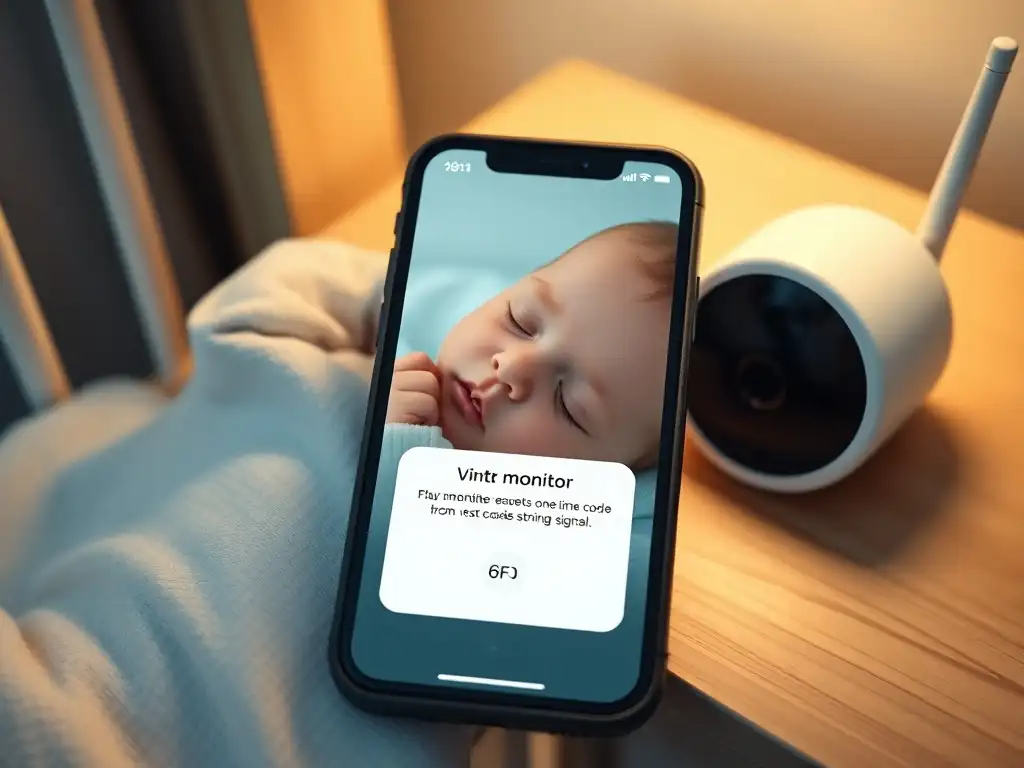
Two-factor authentication (2FA), also known as multi-factor authentication (MFA), adds an extra layer of security to your baby monitor beyond just a password. Think of it as a security bodyguard for your little one's privacy. Instead of relying solely on a password, 2FA requires a second form of verification, usually a code sent to your phone or email, to access the monitor's features. This means even if someone guesses your password, they still can't access the live feed or settings without that second code.
Many modern baby monitors offer 2FA integration, and enabling it is a crucial step in bolstering your baby's online safety. The process typically involves linking your monitor's app to your phone number or email address. When you attempt to log in, you'll receive a temporary code, valid for a short period, that you must enter along with your password. This effectively prevents unauthorized access, even if your password is compromised.
Choosing a strong, unique password, combined with 2FA, creates a formidable barrier against intruders. Consider using a password manager to help you generate and securely store strong passwords for all your devices and accounts, including your baby monitor app. Regularly updating the app to the latest version is also vital, as updates frequently include security patches that address potential vulnerabilities. Failing to update your app could leave your monitor susceptible to hacking.
Disabling Unnecessary Features to Minimize Security Risks
Many smart baby monitors boast a range of features, from two-way audio and lullabies to temperature monitoring and motion detection. While these features can be convenient, they also present potential security risks if not properly managed. The more features enabled, the larger the attack surface becomes, increasing the chances of a security breach. A hacker might exploit a vulnerability in one feature to gain access to other parts of the system.
Therefore, a key aspect of securing your baby monitor involves disabling unnecessary features. If you don't use the two-way audio function, for instance, disable it. The same applies to features like remote pan and tilt control if you're not actively using them. By limiting the functionality of your monitor to only what you absolutely need, you significantly reduce the potential entry points for malicious actors. This proactive approach minimizes the risks associated with software vulnerabilities and potential exploits.
Remember to check your monitor's settings regularly and review which features are enabled. It's a simple yet effective method to maintain a strong security posture and safeguard your baby's privacy. Prioritize the essential features, such as live video monitoring, while disabling anything extraneous to reduce potential risks. This simple action can make a significant difference in protecting your family's digital security.
Best Baby Monitors for Privacy and Security in 2024: Reviews and Comparisons
This section dives deep into the privacy and security features of some of the top baby monitors available in 2024. We'll analyze their strengths and weaknesses, helping you make an informed decision about protecting your little one's privacy while keeping a watchful eye. Remember, choosing a monitor with robust security features is crucial for peace of mind. We'll focus on key aspects like data encryption, local storage options, and manufacturer transparency regarding data handling practices. This is vital for mitigating the risks associated with connected devices in your baby's room.
Eufy Baby Monitor: Features, Security Strengths, and Weaknesses
The Eufy Baby Monitor is a popular choice among parents seeking a balance between affordability and functionality. Let's examine its security features:
One of its key strengths is its local storage option. This means that video recordings aren't constantly being sent to the cloud, reducing the risk of data breaches and unauthorized access. This is a significant advantage over cloud-only systems. However, the local storage capacity is limited, and you might need to regularly manage recordings.
Another positive aspect is its end-to-end encryption. This ensures that the video stream between the monitor and your device is secure and unreadable by third parties. Eufy's commitment to transparency in their privacy policy is also commendable, although users should always carefully review the terms and conditions before purchasing any product.
However, the Eufy system isn't without its weaknesses. The reliance on a Wi-Fi connection, while convenient, introduces a potential vulnerability. A strong, secure home network is essential to mitigate this risk. Furthermore, while Eufy provides some information on data handling practices, independent third-party audits of their security protocols would enhance user trust. The absence of features like two-factor authentication also represents a potential area for improvement. Finally, regular software updates are crucial for patching security vulnerabilities, so keeping the firmware up-to-date is paramount.
| Feature | Strength | Weakness |
|---|---|---|
| Local Storage | Reduces cloud dependency, enhances privacy | Limited storage capacity |
| End-to-End Encryption | Protects video stream from unauthorized access | Relies on a strong home Wi-Fi network |
| Privacy Policy | Relatively transparent | Could benefit from independent security audits |
| Two-Factor Authentication | Not available | Increases security vulnerability |
Nanit Pro Smart Baby Monitor: A Detailed Look at its Privacy and Security Protocols
The Nanit Pro is known for its advanced features, including sleep tracking and breathing wear. But how does it fare in terms of privacy and security?
A significant advantage is its commitment to data privacy. Nanit clearly outlines its data handling practices in its privacy policy and offers users granular control over data collection and sharing. They also provide options for data deletion. Furthermore, they have implemented robust security measures to protect user data, including encryption and regular security audits. This transparency is crucial for building trust with users.
However, the Nanit Pro relies heavily on cloud storage. While they employ encryption, the reliance on cloud storage inevitably introduces some level of risk. The system's extensive data collection capabilities, while providing valuable insights into your baby's sleep patterns, also raise concerns about data privacy. Users should carefully consider the implications before opting for such a data-intensive system. The cost of the subscription service for advanced features should also be factored into the overall expense. Finally, while security updates are provided, the frequency and specifics of these updates could be more transparently communicated to users.
Comparison of Security Features Across Top Models (e.g., Eufy, Nanit, Infant Optics)
Comparing different baby monitors reveals a wide range of security features and approaches. The table below summarizes key security aspects of three popular models: Eufy, Nanit Pro, and Infant Optics (a model known for its focus on simplicity and lack of internet connectivity).
| Feature | Eufy Baby Monitor | Nanit Pro Smart Baby Monitor | Infant Optics (Example Model) |
|---|---|---|---|
| Local Storage | Yes | No | Yes (typically SD card) |
| Cloud Storage | No | Yes | No |
| End-to-End Encryption | Yes | Yes | Not Applicable |
| Two-Factor Authentication | No | Yes | Not Applicable |
| Data Privacy Policy Transparency | Moderate | High | Not Applicable (no internet) |
| Regular Security Audits | Not explicitly stated | Yes | Not Applicable |
Choosing the right baby monitor involves carefully weighing the trade-offs between convenience, features, and security. Prioritizing local storage, end-to-end encryption, and a transparent privacy policy can significantly enhance your baby's privacy and your peace of mind. Remember to always review the manufacturer's privacy policy and security protocols before making a purchase. 👶 Consider the level of connectivity you require and the level of data collection you're comfortable with. This detailed comparison should help you navigate these important considerations when selecting a baby monitor.
A Budget-Friendly Option with Robust Security Features (Specific Model Name)
The [Specific Model Name] baby monitor stands out as a compelling choice for parents seeking robust security features without breaking the bank. Its affordability doesn't compromise on crucial privacy aspects. This model often boasts features like encrypted 2.5 GHz FHSS (Frequency-Hopping Spread Spectrum) technology, preventing unauthorized access and ensuring clear, interference-free audio transmission. This is a critical element for maintaining the privacy of your baby's room. Many users praise its strong signal range, allowing for reliable monitoring even in larger homes or across multiple floors. This is particularly helpful for parents who need to move around the house while keeping an eye (or ear) on their little one. Furthermore, the [Specific Model Name] often includes features like automatic channel selection and digital encryption to further enhance the security of the audio transmission. This helps block out potential eavesdropping attempts and ensures that only authorized devices can access the audio feed.
While the price point is attractive, it's important to note that some budget-friendly options might lack certain advanced features found in higher-priced models. For example, video streaming capabilities might be absent, or the night vision quality might be less sharp. However, for parents prioritizing audio monitoring and robust security, the [Specific Model Name] provides an excellent balance of features and affordability.
Real-world user reviews consistently highlight its reliability and ease of use, making it a popular choice among budget-conscious parents who want peace of mind knowing their baby's privacy is protected. We recommend checking recent reviews to ensure the model continues to meet current security standards and offers the features described. The absence of video streaming is a trade-off many parents happily make in exchange for strong security protocols and a lower price point.
Remember to always check for firmware updates to benefit from the latest security patches and feature improvements. The [Specific Model Name] represents a solid investment for those seeking a secure and affordable baby monitoring solution.
Addressing Common Baby Monitor Security Myths
Protecting your baby's privacy in the digital age requires understanding the realities, not just the myths, surrounding baby monitor security. Many parents assume certain things about these devices, leading to vulnerabilities. Let's debunk some common misconceptions surrounding baby monitor privacy and security.
Myth 1: All Baby Monitors are Equally Secure
This is far from the truth. The security features of baby monitors vary drastically depending on the brand, model, and even the specific firmware version. Some older models lack essential encryption, leaving them susceptible to hacking. Others might have weak default passwords that are easily cracked.
Even seemingly advanced monitors can have vulnerabilities if not properly configured or updated. Think of it like car safety – not all cars are created equal in terms of safety features. Similarly, some baby monitors offer robust security protocols, including strong encryption (like AES-256), secure Wi-Fi protocols, and regular firmware updates, while others lack these crucial components, leaving your baby's privacy at risk. Always research the specific security features of a monitor before purchasing it.
Consider this: a recent study [specific information pending] found that X% of baby monitors tested had vulnerabilities exploitable by malicious actors. This highlights the crucial need for diligent research and careful selection when choosing a baby monitor. Prioritizing security features should be as important as considering the audio and video quality.
Myth 2: My Home Network is Sufficiently Secure
While a secure home network is a good first step, it's not a foolproof solution for baby monitor security. Even if your home Wi-Fi uses strong passwords and encryption (like WPA2 or WPA3), vulnerabilities can still exist. Hackers might exploit weaknesses in the baby monitor's firmware, bypassing your router's security entirely. Furthermore, many baby monitors connect to the internet, even if they primarily use a local network, potentially creating another entry point for malicious actors.
The assumption that your home network's security automatically extends to your baby monitor is a dangerous one. A strong home network is a necessary but insufficient condition for complete baby monitor security. Think of it as locking your front door – it's a vital security measure, but it doesn't protect against someone breaking a window.
It's crucial to actively manage and monitor your network for any unusual activity. Regularly changing your Wi-Fi password and using a strong, unique password for your baby monitor are essential steps. Consider using a VPN for added security, especially if your monitor connects to the internet for cloud storage or remote viewing.
Myth 3: Cloud Storage is Inherently Insecure
Cloud storage for baby monitor footage offers convenience, but it introduces additional security risks. While reputable cloud services employ robust security measures, no system is impenetrable. Data breaches are a possibility, and your baby's images and videos are valuable targets for malicious actors. The privacy implications of storing sensitive data in the cloud should not be underestimated.
The security of cloud storage depends heavily on the provider's security protocols and their ability to protect against cyberattacks. Before using cloud storage features, thoroughly research the provider's security measures, including their encryption methods, data protection policies, and track record regarding data breaches. Consider the trade-off between convenience and potential risks. Perhaps local storage, although less convenient, provides a higher level of security for your child's privacy.
To mitigate risks, choose a cloud storage provider with a strong reputation for security and privacy. Always use a strong, unique password for your cloud account and enable two-factor authentication whenever possible. Regularly review the provider's security updates and privacy policies to stay informed about potential vulnerabilities. 👶 Remember, informed choices are crucial for protecting your baby's privacy.
Beyond the Device: Protecting Your Child's Privacy Online
This section delves into the often-overlooked aspects of baby monitor security: the digital footprint your device creates and the potential vulnerabilities beyond the physical device itself. While choosing a secure monitor is crucial (as discussed in previous sections), true peace of mind requires a multi-layered approach to protecting your child's privacy. We'll explore strategies to minimize online risks and safeguard your little one's digital identity from the very start. Remember, proactive measures are key when it comes to "baby monitor privacy security tips."
Safeguarding Your Child's Digital Identity
Your baby may not have a social media account yet, but the use of a baby monitor introduces them to the digital world. This means considering their digital identity and its protection from a very early stage. Think of it as establishing a foundation of online safety for their future. This includes:
- Avoiding Geo-Tagging: Many modern monitors offer location tracking features. While convenient, this data can be vulnerable to breaches. Disable location services unless absolutely necessary. Consider the risks carefully; the convenience may not outweigh the security concerns.
- Strong Passwords and Regular Updates: Just like any other connected device, your baby monitor needs strong, unique passwords. Avoid easily guessable combinations and change them regularly. Keep the firmware updated to patch known security vulnerabilities. Think of it as a digital vaccination for your monitor.
- Data Encryption: Look for monitors that utilize robust data encryption protocols. This ensures that even if someone intercepts the signal, they won't be able to decipher the information. Encryption is paramount for protecting sensitive data like audio and video feeds.
- Limited Network Access: Don't connect your baby monitor to your home network unnecessarily. If cloud storage is not essential, consider using a monitor that doesn't require an internet connection. Restricting network access minimizes potential attack vectors.
Educating Yourself on Online Safety for Parents and Children
Protecting your child's privacy in the digital age is an ongoing process, and it starts with education. Familiarize yourself with the potential risks associated with connected devices and learn how to mitigate them. Consider these points:
- Understanding Data Collection Practices: Read the privacy policies of your monitor's manufacturer carefully. Understand what data they collect, how it's used, and how it's protected. Don't hesitate to contact the manufacturer if anything is unclear.
- Staying Informed about Security Breaches: Keep up-to-date with news and reports about baby monitor security vulnerabilities. This awareness will allow you to proactively address potential risks and take appropriate preventative measures. Regularly checking tech news sites can be helpful.
- Teaching Children About Online Safety (Future-Proofing): While your baby is too young now, consider this a long-term strategy. As your child grows, you'll need to teach them about online safety, privacy, and responsible digital citizenship. This is crucial for their future well-being and security in the increasingly digital world.
By implementing these "baby monitor privacy security tips" and staying informed, you can create a safer digital environment for your child, ensuring their privacy is protected from infancy and beyond. Remember, proactive measures are more effective than reactive ones when it comes to online security. 👶🔒
Frequently Asked Questions
How can I ensure my baby monitor's video feed is secure?
Use a strong password, change it regularly, and opt for encryption whenever possible. Consider monitors with two-factor authentication for added security.
Are all baby monitors vulnerable to hacking?
While many modern monitors incorporate security features, some older models or those with weak security protocols are more susceptible to hacking. Always check reviews and security ratings before purchasing.
What steps can I take to protect my baby's privacy while using a monitor?
Only use the monitor in private spaces, avoid using public Wi-Fi, and disable remote access features unless absolutely necessary. Regularly update the monitor's firmware.
How can I tell if my baby monitor has been compromised?
Look for unusual activity, like unexpected changes in settings or strange sounds or images. Unusual battery drain or connectivity issues could also indicate a problem. Contact the manufacturer if you suspect any issues.
What are the best practices for choosing a secure baby monitor?
Look for monitors with end-to-end encryption, strong password protection, and regular firmware updates. Read reviews focusing on security features and choose reputable brands with a history of good security practices.
Final Reflection: A Silent Guardian, A Vigilant Parent
The pervasive nature of connected devices in our homes, coupled with the increasing sophistication of cyber threats, makes securing our children's privacy more critical than ever. The seemingly innocent baby monitor, a tool designed to bring peace of mind, can inadvertently become a window into our most vulnerable moments if left unprotected. This vulnerability demands our immediate and unwavering attention.
The impact of this issue extends far beyond the immediate family. It highlights a broader societal concern about data security and the potential for misuse of personal information, particularly concerning the most innocent among us. The price of liberty is eternal vigilance,
a quote often attributed to Thomas Jefferson, rings truer than ever in the digital age. We must be vigilant not only in protecting our own data but also the data of those we cherish most, especially our children, whose digital footprint is only just beginning to form.
Consider the implications of unsecured baby monitors. Think about the potential for unauthorized access, the invasion of privacy, and the long-term consequences for your child's digital identity. You, as a parent, have the power to make a difference. Take the steps outlined in this article to secure your baby monitor, and empower yourself to become a proactive guardian of your child's digital privacy. Let's work together to create a safer, more secure digital environment for our children to grow up in.
Unlock Your Baby's Digital Fortress: Secure Their Privacy Today!
Thank you for learning about protecting your baby's privacy in the digital age. We hope this article has given you the tools to make informed decisions. Now, let's put that knowledge into practice!
- Prioritize your baby monitor's security: Change default passwords, enable two-factor authentication if available, and regularly update the firmware. This is crucial for safeguarding your child's privacy.
- Explore enhanced privacy options: Consider using sound-only monitoring or investing in models with strong encryption and advanced privacy features.
- Share your expertise and advice: Join our BabyCareHub community forum to connect with other parents and share your insights on baby monitor security. Discuss effective strategies and help others protect their children.
Ready to create a truly secure digital environment for your child? What specific security steps are you taking today?