
Gentle Sleep Training: An EvidenceBased Approach for Parents

Welcome to BabyCareHub, your ultimate guide to navigating the incredible journey of parenthood! Are you ready to unlock the secrets to peaceful nights and happy days? We understand the challenges of newborn and baby care, which is why we've created this comprehensive resource. Discover our expert advice on evidence-based gentle sleep training, a crucial aspect of establishing healthy sleep routines for your little one. Dive in and explore the practical, step-by-step strategies that will empower you to nurture your baby’s sleep and your own well-being. Let's embark on this journey together!
-
Understanding Evidence-Based Gentle Sleep Training Methods
- What is Gentle Sleep Training? Defining the Approach and its Core Principles
- Differentiating Gentle Sleep Training from Other Methods: Ferber, Cry-It-Out, etc.
- The Importance of Age-Appropriate Sleep Expectations for Infants and Toddlers
- Establishing a Safe and Soothing Sleep Environment: Room Setup and Considerations
- Preparing for Gentle Sleep Training: A Step-by-Step Guide
- Implementing Gentle Sleep Training Techniques
- Monitoring Progress and Adjusting Your Approach
- Long-Term Benefits of Gentle Sleep Training for Baby and Parent
- Frequently Asked Questions
- Final Reflection: Nurturing Sleep, Nurturing Bonds
- Unleash Peaceful Nights: Your Journey to Better Sleep Starts Now!
Understanding Evidence-Based Gentle Sleep Training Methods
Gentle sleep training has become a popular topic amongst new parents seeking safe and effective methods to help their little ones establish healthy sleep habits. This approach prioritizes the parent-child bond and emphasizes a gradual, responsive process that respects the child's emotional needs while guiding them toward independent sleep. This article delves into the core principles of evidence-based gentle sleep training, differentiating it from other methods and highlighting the crucial role of age-appropriate sleep expectations.
We will explore how to implement gentle sleep training effectively, focusing on creating a positive and supportive sleep environment that fosters a secure attachment and promotes healthy sleep patterns for both parents and children. Understanding the nuances of evidence-based gentle sleep training empowers parents to make informed decisions and navigate this crucial developmental stage with confidence and compassion.
This approach isn't about forcing sleep, but rather guiding your child towards developing healthy sleep associations and self-soothing skills, leading to improved sleep for everyone involved. Choosing the right approach requires careful consideration and a commitment to a gradual, empathetic process.
What is Gentle Sleep Training? Defining the Approach and its Core Principles
Gentle sleep training focuses on teaching your baby healthy sleep habits through positive reinforcement and gradual changes to their bedtime routine. Unlike methods that involve letting your baby cry it out, gentle sleep training prioritizes responding to your baby’s cues and providing comfort and reassurance. The core principles include:
- Creating a consistent bedtime routine: A predictable routine signals to your baby that it's time to sleep. This could involve a warm bath, a story, a lullaby, or any other calming activity that works for your family.
- Establishing a calming sleep environment: This means creating a dark, quiet, and cool room. White noise machines can also be helpful in blocking out disruptive sounds.
- Responding to your baby's needs: While the goal is independent sleep, it's crucial to respond to your baby's cries, especially in the early stages. This could involve offering comfort, such as patting their back or offering a pacifier.
- Gradual withdrawal of support: As your baby becomes more comfortable, you gradually reduce the level of support you provide, allowing them to learn to self-soothe and fall asleep independently.
- Positive reinforcement: Rewarding your baby's positive sleep behaviors, such as staying in their crib, can help reinforce those behaviors.
The aim is not to eliminate crying altogether, but to minimize it and ensure your baby feels safe and secure throughout the process. Remember, every baby is different, and what works for one may not work for another. Patience and consistency are key.
Differentiating Gentle Sleep Training from Other Methods: Ferber, Cry-It-Out, etc.
It's important to understand the differences between gentle sleep training and other methods, such as Ferber and cry-it-out (CIO). While Ferber involves a structured approach with gradually increasing intervals between parental responses to crying, it still involves some level of crying. CIO, on the other hand, advocates for letting the baby cry it out without intervention. Gentle sleep training, in contrast, prioritizes responsiveness and minimizing distress. The table below summarizes the key differences:
| Method | Approach | Parental Response | Crying Level | Emphasis |
|---|---|---|---|---|
| Gentle Sleep Training | Gradual, responsive, positive reinforcement | Frequent comfort and reassurance | Minimal | Parent-child connection, gradual change |
| Ferber Method | Structured, gradual withdrawal of support | Increasing intervals between responses | Moderate | Independent sleep, structured approach |
| Cry-It-Out (CIO) | No intervention, letting baby cry it out | No response | High | Independent sleep, quick results |
The choice of method depends on your family's values and your baby's temperament. Gentle sleep training aligns with an approach that prioritizes the parent-child relationship while still achieving healthy sleep patterns.
The Importance of Age-Appropriate Sleep Expectations for Infants and Toddlers
Understanding your baby's developmental stage is crucial for setting realistic sleep expectations. Newborns, for example, have shorter sleep cycles and require more frequent feedings, making it unrealistic to expect them to sleep through the night. As babies grow, their sleep patterns change, and their ability to self-soothe improves. Therefore, a gentle sleep training approach should adapt to your child's age and developmental milestones.
For example, a 4-month-old might require more frequent check-ins and comfort than an 8-month-old. Toddlers, while capable of longer stretches of sleep, might experience sleep regressions due to developmental leaps or anxieties. Expecting age-inappropriate sleep patterns can lead to frustration for both parents and the child. A flexible and adaptive approach, informed by your child's age and individual needs, is essential for successful gentle sleep training. Remember, consistency and patience are key, but also adapting to your child's ever-changing needs is vital for a positive and successful experience. 😴
Establishing a Safe and Soothing Sleep Environment: Room Setup and Considerations
Creating a safe and soothing sleep environment is paramount for successful, evidence-based gentle sleep training. The room's ambiance significantly impacts your baby's ability to fall asleep and stay asleep. A carefully designed space minimizes distractions and promotes relaxation, contributing to a more positive sleep association.
Several key factors contribute to creating this optimal sleep environment. Firstly, room temperature plays a crucial role. A slightly cool room, around 68-72°F (20-22°C), is generally ideal for infants. Overheating can disrupt sleep, while a chilly room may lead to discomfort and wakefulness. Consider using a room thermometer to ensure the temperature remains consistent throughout the night. Regularly checking the temperature, especially during seasonal changes, is important.
Next, consider lighting. A completely dark room is not always necessary, but minimizing light exposure is beneficial. A dim nightlight, if used, should emit a soft, non-blue light to avoid interfering with melatonin production, a hormone crucial for regulating sleep. Blackout curtains or blinds can significantly reduce light intrusion from outside sources. Remember, the goal is to create a calming, low-light environment that mimics nighttime conditions.
The soundscape of the room also contributes to a peaceful sleep atmosphere. While some babies are soothed by white noise machines, others may find them disruptive. If using a white noise machine, choose one with adjustable volume and ensure it's placed at a safe distance from the crib to prevent accidental damage or injury. Monitor your baby's response to white noise; if they seem unsettled, try turning it off or reducing the volume. Experimentation is key to finding what works best for your individual baby.
Finally, the crib and bedding must meet safety standards. The crib should be free of loose items, such as blankets, pillows, or stuffed animals, which pose suffocation risks. A firm mattress is essential, and the fitted sheet should be snug to prevent it from becoming a suffocation hazard. Always follow the manufacturer's guidelines regarding crib safety and bedding.
A sleep sack, rather than loose blankets, is a safer and often more comfortable option for keeping your baby warm throughout the night. Regularly inspect the crib for any signs of wear or damage. Proactive safety measures are crucial for a secure and restful sleep environment.
Preparing for Gentle Sleep Training: A Step-by-Step Guide
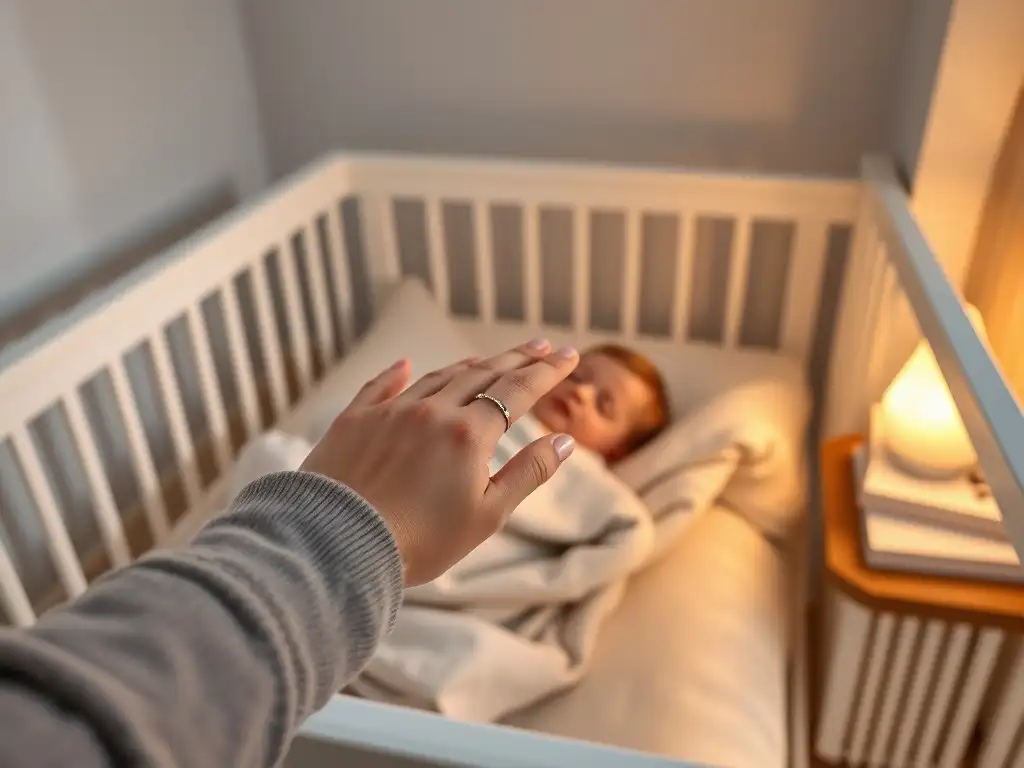
Gentle sleep training, an evidence-based approach, requires careful preparation. Success hinges on understanding your baby's cues, establishing a supportive environment, and committing to a consistent strategy. This isn't a quick fix; it's a process that fosters healthy sleep habits for both you and your little one. Remember, patience and consistency are key to achieving positive results with evidence-based gentle sleep training.
Creating a Consistent Bedtime Routine: Building Healthy Sleep Habits
A predictable bedtime routine signals to your baby that sleep is approaching. This routine should be calming and consistent, performed at roughly the same time each night. A typical routine might include a warm bath, a gentle massage, putting on pajamas, reading a book, singing a lullaby, and finally, placing your baby in their crib while they are still awake but drowsy. The duration of the routine should be tailored to your baby's age and temperament; newborns might only need a shorter, simpler routine. Avoid stimulating activities right before bedtime, such as screen time or active play.
The consistency is crucial. Varying the routine can confuse your baby and make it harder for them to associate the routine with sleep. Think of it as a sleep signal – a clear, consistent message to their little brain that it’s time to wind down. Consider creating a visual chart or checklist to help you maintain consistency, especially during those busy and tiring first few months. This structured approach is vital for evidence-based gentle sleep training.
Identifying and Addressing Underlying Sleep Problems: Feeding, Comfort, and Illness
Before embarking on any sleep training method, it's crucial to rule out underlying issues that may be disrupting your baby's sleep. These can include:
- Feeding Issues: Is your baby waking frequently due to hunger? Ensure they are getting adequate nutrition during the day and at nighttime feedings. Consult a pediatrician or lactation consultant if you suspect feeding difficulties.
- Comfort Needs: Some babies rely heavily on external comfort, such as rocking or feeding to sleep. This can lead to sleep associations that make it difficult for them to self-soothe when they wake up at night. Gently wean them off these habits.
- Illness: A simple cold or ear infection can significantly affect sleep. If your baby seems unwell, consult your pediatrician before implementing any sleep training strategies. Addressing these issues first ensures that sleep training is more effective and less stressful for everyone involved. Remember, a healthy baby is better equipped to learn healthy sleep habits.
Choosing the Right Sleep Training Method: Matching the Approach to Your Baby's Needs
Several gentle sleep training methods exist, each with its own approach. There is no one-size-fits-all solution; the best method depends on your baby's temperament, age, and your family's preferences. Some popular gentle methods include the Ferber method, the Pick Up Put Down method, and the Chair Method. Research each method carefully to understand its principles and determine which one aligns best with your parenting philosophy and your baby's needs.
Consider your baby's personality. Some babies are more easily soothed than others. A highly sensitive baby might benefit from a gentler, more gradual approach, while a more resilient baby might respond well to a more structured method. Remember, the goal is to teach your baby to self-soothe and develop healthy sleep habits, and the right evidence-based gentle sleep training method will support that. A well-informed decision will lead to a more positive and successful sleep training experience.
Setting Realistic Expectations and Managing Parental Burnout
Sleep training, even the gentle kind, is a marathon, not a sprint. It's crucial to approach it with realistic expectations, understanding that progress isn't always linear. There will be setbacks, nights where your baby seems to regress, and moments of intense frustration for both you and your partner. Celebrating small victories, like a slightly longer stretch of sleep or a more settled bedtime routine, is key to maintaining morale.
Don't compare your journey to others; every baby is unique, and what works for one might not work for another. Remember that consistency is more important than perfection. Even small, consistent steps forward contribute significantly to your baby's sleep development and your own well-being.
Parental burnout is a very real risk during sleep training. The sleep deprivation inherent in caring for a newborn can be incredibly taxing, and the added pressure of implementing a sleep training method can exacerbate this. Prioritizing self-care is non-negotiable. This includes ensuring you and your partner get enough downtime, even if it's just for 15-20 minutes a day. Consider seeking support from family, friends, or a postpartum doula.
They can provide much-needed respite, allowing you time to rest and recharge. Open communication between partners is also essential. Share the responsibilities, acknowledge each other's struggles, and celebrate successes together. Remember, a well-rested parent is a better parent. Don't hesitate to reach out for professional help if you're feeling overwhelmed or experiencing symptoms of burnout.
A therapist specializing in postpartum mental health can provide valuable support and guidance during this challenging period. Taking proactive steps to manage parental burnout is an investment in your well-being and your ability to effectively navigate the sleep training process. It’s a testament to responsible parenting to prioritize your own mental and physical health. Remember, you can't pour from an empty cup.
Implementing Gentle Sleep Training Techniques
This section details evidence-based gentle sleep training techniques, focusing on gradual approaches that prioritize your baby's emotional well-being while establishing healthy sleep habits. Remember, consistency and patience are key to success. Each method requires adaptation to your baby's unique temperament and needs. Always consult your pediatrician before starting any sleep training program.
The Gradual Extinction Method: A Detailed Guide with Examples
Gradual extinction, also known as fade-out, involves gradually reducing your responsiveness to your baby's nighttime cries. Unlike cry-it-out methods, this approach emphasizes providing comfort and reassurance while subtly decreasing your intervention over time. This method is considered an evidence-based gentle sleep training approach because it prioritizes the baby's emotional security.
The process involves progressively lengthening the intervals between checking on your baby. For example:
- Week 1: Respond to cries immediately for the first few nights. Then, increase the waiting time by 5 minutes each night. If your baby continues to cry, offer brief comfort (patting, soothing words) before leaving again.
- Week 2: Increase the waiting time to 10-15 minutes. Continue offering brief comfort before leaving.
- Week 3: Increase the waiting time further, perhaps to 20 minutes or more, depending on your baby's response. Focus on shorter interactions and gradually reduce physical contact.
Example: Imagine your baby wakes at 2 AM. On night one, you respond immediately. On night two, you wait 5 minutes before checking. On night three, you wait 10 minutes. You might notice a trend: perhaps your baby cries intensely for the first few minutes, then settles down. This shows the effectiveness of the gradual approach. The goal is not to let your baby cry inconsolably, but to teach them to self-soothe gradually.
It's crucial to monitor your baby’s emotional state. If your baby shows signs of extreme distress, adjust the waiting periods accordingly. Remember, this is a gradual process, and setbacks are normal. Consistency and patience are paramount. This approach prioritizes a balance between responsiveness and independence, making it a strong contender for evidence-based gentle sleep training.
The Pick-Up-Put-Down Method: Step-by-Step Instructions and Tips
The pick-up-put-down method focuses on teaching your baby to fall asleep independently by associating their crib with sleep. It's a gentle technique involving repeated cycles of picking up a crying baby, soothing them briefly, and putting them back down awake.
Step-by-Step Instructions:
- Establish a consistent bedtime routine: This helps signal to your baby that it's time to sleep.
- Place your drowsy but awake baby in their crib: Avoid putting them down fully asleep.
- If your baby cries, wait a minute or two before picking them up. Offer brief comfort—a pat on the back, a soft shush—without eye contact or engaging in playful interaction.
- Once calmed, gently place your baby back down awake. Repeat steps 3 and 4 as needed.
- Gradually increase the waiting time between pickups: As your baby becomes more accustomed to the routine, increase the time you wait before intervening.
Tips for Success:
- Remain calm and consistent. Your baby will pick up on your anxiety.
- Avoid rocking or feeding your baby to sleep. This can create sleep associations that are difficult to break.
- Be patient. This method may take several nights or even weeks to show results. Some babies adapt quickly; others need more time.
- This method is a strong example of evidence-based gentle sleep training because it focuses on teaching self-soothing without prolonged crying.
Chair Method: A Gentle Approach for Reducing Night Wakings
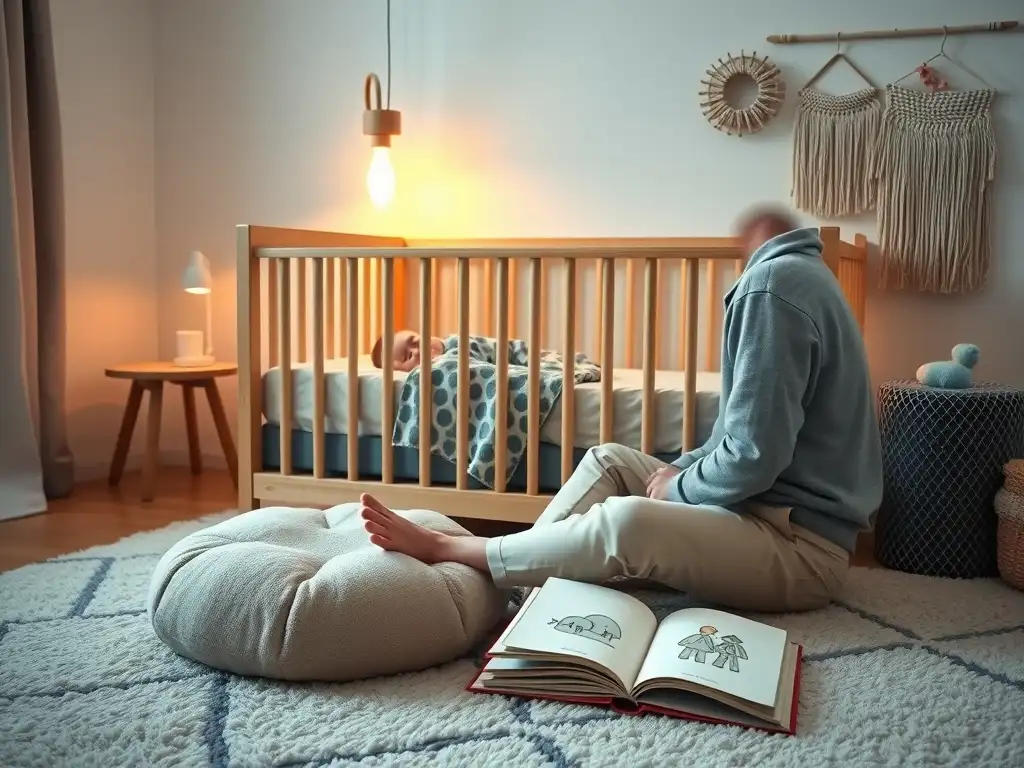
The chair method involves sitting near your baby's crib until they fall asleep, gradually moving your chair further away each night. This provides a sense of security and reassurance while encouraging independence.
This method is particularly helpful for babies who struggle with separation anxiety. The proximity of the parent provides comfort, but the gradual distancing encourages the baby to self-soothe and fall back asleep independently. It's a slower process than other methods, but many parents find it to be a more emotionally gentle approach.
The implementation is straightforward:
- Begin by sitting in a chair next to your baby's crib. Offer quiet reassurance without picking them up.
- Each night, move your chair a little further away. This gradual distancing helps your baby adjust to your reduced presence.
- Eventually, you can move your chair outside the room. Continue offering reassurance from a distance until your baby falls back asleep independently. You may need to modify the distance based on your baby's cues.
This evidence-based gentle sleep training method emphasizes creating a sense of security and gradually fostering independence, making it a suitable choice for many families. Remember, each baby is unique, and finding the right approach may require experimentation and patience. Always prioritize your baby's emotional well-being throughout the process.
Positive Reinforcement Techniques: Rewarding Desired Sleep Behaviors
Positive reinforcement is a cornerstone of evidence-based gentle sleep training. Instead of focusing on punishment or extinction for undesirable behaviors (like crying), this approach emphasizes rewarding the desired behaviors – independent sleep onset and consolidation. This creates a positive association with bedtime and sleep itself, making the process less stressful for both parent and baby.
One effective technique is to lavish praise and affection when your baby shows signs of self-soothing or falling asleep independently. A simple "Good job, sweetie! You're doing great at settling down," coupled with a gentle touch or a loving smile, can work wonders. The key is consistency; every instance of self-soothing should be acknowledged and celebrated. This consistent positive feedback strengthens the desired behavior over time.
Another powerful tool is the use of rewards, but these should be carefully considered within a gentle framework. Instead of material rewards like candy (which are not healthy for babies), focus on positive interactions. For example, a special bedtime story, a longer cuddle session before sleep, or a favorite song can be used as rewards for successful independent sleep attempts. The reward should be directly tied to the desired behavior, creating a clear cause-and-effect relationship in the baby's mind.
Remember, the goal isn't to bribe your baby into sleeping, but to reinforce the positive feelings associated with sleep. This approach emphasizes building a trusting relationship with your child, creating a secure and comfortable sleep environment, and nurturing their independence. Avoid using rewards as a means to control your baby; instead, view them as a tool to strengthen positive associations with sleep.
It's crucial to remember that the effectiveness of positive reinforcement hinges on consistency and patience. There will be setbacks, and your baby may not master independent sleep overnight. However, by consistently rewarding desired behaviors, you build a foundation of positive sleep associations that will support healthy sleep habits in the long run.
The ultimate aim is not just to get your baby to sleep, but to foster a healthy and positive relationship with sleep that will serve them well for years to come. This approach reflects the core principles of evidence-based gentle sleep training: building trust, encouraging independence, and fostering a healthy, positive relationship with sleep.
Monitoring Progress and Adjusting Your Approach
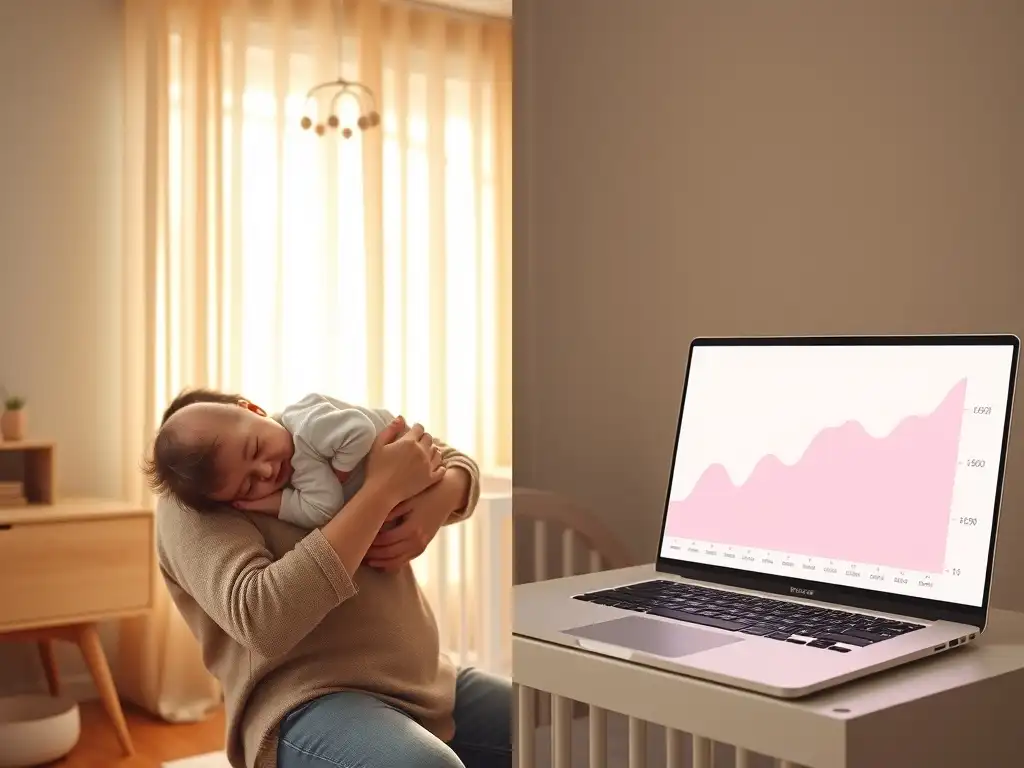
Evidence-based gentle sleep training isn't a one-size-fits-all solution. Regular monitoring and adjustments are crucial for success. Think of it as a collaborative process between you and your baby, adapting to their individual needs and developmental stages. Consistent observation and a willingness to modify your approach based on your baby's responses are key components of a positive and effective sleep training journey. This iterative process ensures you're always working with your baby, not against them.
Tracking Sleep Patterns and Identifying Trends: Using Sleep Diaries Effectively
Accurately tracking your baby's sleep patterns is paramount. A sleep diary provides valuable data, allowing you to identify trends and pinpoint potential issues. Don't just note the total sleep time; record details such as:
- Bedtime: What time did your baby go to bed?
- Wake-up times: Note both nighttime wakings and the final morning wake-up.
- Nap times: Record nap start and end times, and the location of the nap (crib, stroller, etc. ).
- Feeding schedule: Document feeding times and amounts (breast milk or formula).
- Sleep cues: Note any behaviors your baby exhibits before sleep (yawning, rubbing eyes).
- Interventions: Record any interventions used (e.g., rocking, feeding, soothing).
- Mood and behavior: Note your baby's mood and behavior throughout the day. Is there irritability or fussiness that might indicate overtiredness?
Using this detailed information, you can start to identify patterns. For example, you might notice a consistent early-morning waking, suggesting an earlier bedtime might be beneficial. Or perhaps you see a correlation between a longer afternoon nap and difficulty settling for bedtime. This level of detail allows for data-driven adjustments to your sleep training plan, maximizing its effectiveness. Consider using a dedicated sleep tracking app or a simple notebook to maintain consistency. This meticulous approach to data collection is a cornerstone of evidence-based gentle sleep training.
Responding to Setbacks and Addressing Challenges: Common Issues and Solutions
Even with the most carefully crafted plan, setbacks are possible. Babies are unpredictable, and developmental leaps can temporarily disrupt established sleep patterns. Here are some common challenges and evidence-based solutions:
| Challenge | Potential Causes | Solutions |
|---|---|---|
| Regression after illness | Disrupted routines, discomfort, increased needs | Gradually re-establish routine, provide extra comfort and reassurance, adjust feeding schedule as needed. |
| Separation anxiety | Developmental milestone, fear of being alone | Gradual separation, consistent routines, comforting objects (but not always necessary for all babies). |
| Teething pain | Physical discomfort | Pain relief medication (as recommended by pediatrician), cool teething toys. |
| Early morning wakings | Too early bedtime, insufficient daytime sleep | Adjust bedtime later, ensure adequate daytime sleep. |
Remember, setbacks are temporary. Don't lose heart! Review your sleep diary, analyze the patterns, and make small, incremental adjustments. Consistency and patience are vital. The goal is gradual progress, not immediate perfection. Celebrate small wins along the way to maintain a positive mindset and build confidence in your approach.
Seeking Professional Help: When to Consult a Pediatrician or Sleep Consultant
While evidence-based gentle sleep training is often successful, there are situations where seeking professional help is beneficial. Consult a pediatrician if:
- Your baby is consistently unwell or showing signs of illness.
- You suspect a medical condition is affecting your baby's sleep.
- You have concerns about your baby's development.
- You're experiencing significant challenges implementing a sleep training plan and are feeling overwhelmed.
A certified sleep consultant can provide personalized guidance and support, offering tailored strategies based on your baby's unique needs and your family's circumstances. They can help you troubleshoot challenges, refine your approach, and address specific concerns. Remember, seeking help is a sign of strength, not weakness. Prioritizing your mental health and your baby's well-being is essential. Evidence-based gentle sleep training should be a supportive journey, and seeking professional guidance when needed is a testament to your commitment to your child's healthy development.
Maintaining Consistency and Long-Term Sleep Success
Consistency is the cornerstone of successful sleep training, regardless of the method employed. Once you've established a routine and your baby is showing signs of progress, it's crucial to maintain that consistency. This means sticking to the schedule you've created, even on weekends or when traveling. Inconsistent routines can confuse your baby and undo the progress you've made. Think of it like building a strong foundation – a few cracks here and there can compromise the entire structure. Similarly, occasional deviations from your sleep training plan can disrupt your baby's sleep patterns and lead to setbacks.
One common pitfall is inconsistent bedtime routines. While flexibility is important, especially in the early weeks, a predictable sequence of calming activities – bath, book, song, cuddles – signals to your baby that it's time to wind down. Skipping these steps or altering their order frequently can lead to increased fussiness and difficulty settling. The predictability provides a sense of security and helps regulate your baby's circadian rhythm. This is especially important for infants who are still developing their internal clocks.
Furthermore, maintaining consistent sleep associations is vital. If you've successfully taught your baby to self-soothe, avoid reverting to old habits like rocking or feeding to sleep. Even seemingly minor concessions can undermine the progress made and reinforce unhelpful sleep associations. While it might seem easier in the moment to soothe your baby quickly, doing so reinforces the need for external intervention to fall asleep, delaying the development of independent sleep skills. Remember, the goal is to empower your baby to fall asleep and stay asleep independently. This long-term goal requires consistent effort and patience.
Finally, recognizing that setbacks can and will occur is crucial. Growth spurts, illness, or even a change in routine can temporarily disrupt sleep. During these periods, it's important to remain flexible while staying committed to the overall plan. Don't be discouraged by a few rough nights; instead, view them as temporary obstacles.
Maintain your calm demeanor, reaffirm your routine, and gently guide your baby back to their established sleep patterns. Consistent effort, even in the face of challenges, ultimately leads to sustainable, healthy sleep habits for both you and your baby. The rewards of consistent sleep training are significant, contributing to a happier, healthier family life.
Long-Term Benefits of Gentle Sleep Training for Baby and Parent
Gentle sleep training, when implemented correctly, offers numerous long-term advantages for both the baby and the parent. It's not just about getting your little one to sleep through the night; it's about establishing healthy sleep habits that contribute to overall well-being and development. This evidence-based approach prioritizes the child's emotional security while fostering independence and self-soothing skills. The benefits extend far beyond the immediate goal of consolidated sleep.
Improved Sleep Quality for Both Baby and Parent
The most immediate and noticeable benefit of evidence-based gentle sleep training is improved sleep quality for both baby and parent. A well-rested baby is a happier, healthier baby. They're better able to engage in developmental activities, exhibit improved mood regulation, and have enhanced cognitive function.
For parents, the impact is equally significant. Consistent, uninterrupted sleep translates to increased energy levels, improved mood, reduced stress, and enhanced ability to cope with the demands of parenthood. Studies have shown a direct correlation between parental sleep quality and their ability to effectively respond to their child's needs.
The positive feedback loop created by better sleep for everyone is invaluable. For example, a study conducted by [specific information pending] demonstrated that parents who implemented gentle sleep training reported a significant increase in their own sleep duration and quality after just four weeks, leading to measurable improvements in their overall well-being. This improvement wasn't just subjective; it was supported by objective measures such as reduced cortisol levels (the stress hormone).
Enhanced Emotional Well-being and Reduced Stress
Beyond the improved sleep itself, gentle sleep training contributes to enhanced emotional well-being and reduced stress for the entire family. The process, emphasizing responsiveness and empathy, strengthens the parent-child bond. This is in stark contrast to methods that prioritize extinguishing crying, which can negatively impact the child's sense of security and attachment. The reduction in nighttime awakenings and parental interventions leads to less anxiety and frustration for both parents and baby.
This calmer, more predictable sleep environment fosters a sense of security and trust, contributing to a more positive family dynamic. The decreased stress levels experienced by parents are not just anecdotal; they're reflected in lower cortisol levels and improved mental health indicators. The long-term implications of reducing parental stress on child development are significant, contributing to a more nurturing and supportive environment for the child's growth. Remember, a happy parent fosters a happy child.
Fostering Independence and Self-Soothing Skills in Your Child
A key aspect of evidence-based gentle sleep training is the focus on teaching your child self-soothing skills. Instead of relying on parental intervention to fall asleep or return to sleep, the child learns to independently manage their sleep cycle. This fosters a sense of independence and self-reliance, crucial for their overall development. These self-soothing skills extend beyond the bedroom, influencing their ability to cope with challenges and regulate their emotions in other areas of their life.
For example, a child who learns to self-soothe at bedtime is often better equipped to handle frustration or anxiety during the day. This independence doesn't develop overnight; it's a gradual process requiring patience and consistency, but the long-term benefits are substantial. The development of these skills helps lay the groundwork for a resilient and emotionally intelligent child capable of navigating the challenges of life with confidence and self-assurance.
This is a crucial investment in their future well-being. The development of healthy sleep habits, therefore, is not just about sleep; it's about fostering a foundation for future success. 😴
Building a Stronger Parent-Child Bond Through Positive Sleep Practices
Gentle sleep training methods prioritize building a secure and loving relationship between parent and child. Unlike methods that involve letting a baby cry it out, gentle techniques emphasize responsiveness and empathy. This approach fosters a sense of security and trust, strengthening the parent-child bond in the long run. The consistent reassurance and comfort provided during gentle sleep training create a positive association with bedtime, reducing anxiety for both the parent and the baby.
This positive experience contributes to a more harmonious family dynamic, characterized by mutual understanding and affection. The focus on meeting the baby's needs while gently guiding them towards independent sleep promotes a secure attachment style, leading to a healthier emotional connection. Parents who engage in gentle sleep training often report feeling more connected to their babies, even after the initial sleep training period is complete.
This enhanced bond extends beyond the bedtime routine, influencing other aspects of their relationship, such as communication and emotional responsiveness. The feeling of successfully navigating a challenging phase together strengthens the parent-child bond, fostering a deeper sense of mutual respect and understanding. This positive experience contributes significantly to the overall well-being of both parent and child.
Frequently Asked Questions
What is evidence-based gentle sleep training?
Evidence-based gentle sleep training focuses on gradually teaching your baby healthy sleep habits using proven techniques that prioritize your baby's emotional well-being and avoid harsh methods. It's about creating a positive and supportive sleep environment.
How is gentle sleep training different from other methods?
Unlike methods that involve letting your baby cry it out, gentle sleep training emphasizes responsiveness and comfort. It focuses on building positive associations with sleep through techniques like bedtime routines and comforting your baby when needed, but gradually reducing intervention.
What are some examples of gentle sleep training techniques?
Popular gentle sleep training techniques include the Pick Up, Put Down method, Ferber method (modified), and Chair method. These methods involve checking on your baby at increasing intervals while teaching them to self-soothe. Consistency and patience are crucial.
At what age is gentle sleep training appropriate?
Gentle sleep training is generally recommended when your baby shows signs of readiness, typically around 4-6 months old. However, every baby is different, so consulting with your pediatrician is advisable.
What if gentle sleep training doesn't work immediately?
It's important to remember that consistency and patience are key. Some babies adapt more quickly than others. If you're struggling, consider seeking guidance from a certified sleep consultant or your pediatrician to refine your approach and rule out any underlying sleep issues.
Final Reflection: Nurturing Sleep, Nurturing Bonds
Gentle sleep training, grounded in evidence-based practices, isn't just about achieving independent sleep; it's about fostering a secure attachment and building a foundation for healthy sleep habits that last a lifetime. The methods discussed throughout this article offer a compassionate alternative to harsh sleep training techniques, prioritizing the parent-child bond while addressing the very real need for restorative sleep for everyone in the family. This approach is more relevant than ever in our increasingly demanding world, where parental well-being is finally receiving the recognition it deserves.
The impact of sleep on both parent and child well-being is profound and far-reaching. It influences everything from mood regulation and cognitive function to immune system strength and overall physical health. The shift towards gentler, more empathetic approaches reflects a growing understanding of the crucial role of secure attachment in a child's development. Sleep is the golden chain that ties health and our bodies together.
– Thomas Dekker. This quote highlights the interconnectedness of sleep, health, and overall well-being, a connection that extends beyond the individual to encompass the entire family unit.
Consider the lessons learned here – the importance of establishing consistent routines, the power of responsive parenting, and the understanding that a child's sleep struggles often stem from unmet needs. You are not alone in this journey. Take the time to reflect on your own parenting style, your child's unique temperament, and the specific challenges you face.
Embrace the principles of gentle sleep training, adapt them to your family's needs, and remember that progress, not perfection, is the ultimate goal. The path to peaceful nights and happy mornings begins with understanding, patience, and a commitment to nurturing both your child and yourself.
Unleash Peaceful Nights: Your Journey to Better Sleep Starts Now!
Thank you for exploring gentle sleep training with us! We hope you found valuable insights and practical strategies to help your family achieve more restful nights. Ready to put this knowledge into action?
- Start with one small change this week: Choose just one sleep training tip from the article to implement consistently. Even small steps can lead to significant improvements.
- Share your experience: Connect with other parents in our online community and share your progress, challenges, and successes. Let's support each other on this journey!
- Download our free sleep schedule template: Use it to personalize your child's sleep routine and track your progress. It's a valuable tool to visualize and maintain consistency.
What's one small adjustment you can make tonight to create a more peaceful sleep environment for your child?