
Car Seat Safety: Understanding the Manufacturer's Instructions


Welcome to BabyCareHub, your ultimate guide to navigating the exciting yet challenging world of parenthood! Are you ready to embark on this incredible journey with confidence? We understand the overwhelming feeling of bringing a new life into the world, which is why we've created this comprehensive resource. This includes everything from mastering the art of baby feeding to ensuring their safety.
Learn the critical steps to safe baby car seat installation – a crucial aspect of your baby’s well-being – and discover how to understand and follow manufacturer's instructions to ensure a secure ride. Explore our Navigating Baby Essentials category and unlock the secrets to a smoother, safer, and more joyful parenting experience. Let's begin!
- The Importance of Proper Car Seat Installation for Baby Safety
-
Deciphering Your Car Seat Manual: A Step-by-Step Guide
- Locating Key Information in Your Car Seat Manual: A Quick Reference Guide
- Understanding Harness System Adjustments: Proper Buckle and Strap Usage
- Securing the Car Seat Base: Different Installation Methods (LATCH vs. Seat Belt)
- Checking for Proper Car Seat Tightness: The "Inch Test" and Other Verification Methods
- Adjusting the Car Seat Headrest and Harness for Optimal Fit
- Common Mistakes to Avoid During Car Seat Installation: Preventing Accidents
-
Addressing Common Car Seat Installation Challenges
- Dealing with Difficult Vehicle Seat Belts: Tips and Tricks for Secure Installation
- Installing a Car Seat in Vehicles with Limited Space: Strategies for Success
- Troubleshooting Common Installation Problems: What to Do When You Encounter Difficulties
- Recognizing Signs of a Loose or Incorrectly Installed Car Seat
- When to Seek Professional Help for Car Seat Installation: Certified Child Passenger Safety Technicians (CPSTs)
- Maintaining Your Car Seat: Ensuring Long-Term Safety
- Resources for Safe Baby Car Seat Installation
-
Frequently Asked Questions
- How important are the manufacturer's instructions for car seat installation?
- What if I don't understand the manufacturer's instructions?
- Can I install a car seat without the base?
- How do I know if my car seat is installed correctly?
- What should I do if I have questions about my specific car seat model?
- Final Reflection: Securing Our Future, One Car Seat at a Time
- Unlock Your Child's Safe Journey: Take Action Now!
The Importance of Proper Car Seat Installation for Baby Safety
Safe baby car seat installation is paramount for your little one's well-being. A car seat, even the most expensive and highly-rated model, is ineffective if not installed correctly. Improper installation significantly increases the risk of injury or death in the event of a collision. This article serves as a guide to understanding and implementing the manufacturer's instructions meticulously, ensuring your baby travels safely and securely.
We will delve into the specifics of various car seat models, regulatory standards, and the crucial considerations for selecting the right car seat for your child's age and size. Mastering safe baby car seat installation is an essential skill for every new parent, contributing significantly to your child's overall safety and peace of mind. Remember, a properly installed car seat is your baby's best protection on the road. 🚗👶
Understanding Infant Car Seat Regulations and Standards
Before diving into specific car seat models and installation techniques, understanding the regulatory landscape is crucial. Various organizations, such as [Specific Regulatory Body Name Pending], set standards for car seat manufacturing and safety. These standards dictate requirements for crash testing, material composition, and harness systems. Compliance with these regulations ensures a baseline level of safety for all car seats available on the market.
However, it’s vital to remember that simply meeting the minimum standards doesn't guarantee optimal safety. Factors like proper installation, correct harness adjustment, and the suitability of the car seat for your child's size and developmental stage play a significant role. Understanding these regulations helps you make informed decisions when choosing and installing a car seat, prioritizing your baby's safety above all else. Failure to adhere to these regulations can have severe consequences.
Choosing the Right Car Seat for Your Baby: Size and Age Considerations
Selecting the appropriate car seat based on your baby's size and age is as crucial as proper installation. Car seats are categorized by weight and height limits, which are clearly indicated on the seat itself and in the manufacturer's instructions. For newborns and infants, rear-facing car seats are recommended until they reach the maximum weight and height limits specified by the manufacturer.
Never exceed these limits, as it compromises the car seat's protective capabilities. Choosing a car seat that is too small or too large can significantly impact the effectiveness of the restraints, increasing the risk of injury during an accident. Consider your baby's current size and growth trajectory when making your choice.
Consulting a pediatrician or a certified child passenger safety technician can provide valuable guidance in selecting the most suitable car seat for your individual needs. Remember, a properly fitted car seat is the cornerstone of safe travel for your little one.
Graco SnugRide SnugLock 35 vs. Chicco Keyfit 30: A Comparison of Safety Features
Two popular choices for infant car seats are the Graco SnugRide SnugLock 35 and the Chicco Keyfit 30. Both are known for their safety features and ease of use, but they differ in several key aspects. Let's compare their safety features:
| Feature | Graco SnugRide SnugLock 35 | Chicco Keyfit 30 |
|---|---|---|
| Weight Limit | [Weight Limit Pending] | [Weight Limit Pending] |
| Height Limit | [Height Limit Pending] | [Height Limit Pending] |
| Harness System | [Harness System Details Pending] | [Harness System Details Pending] |
| LATCH System | [LATCH System Details Pending] | [LATCH System Details Pending] |
| Side Impact Protection | [Details Pending] | [Details Pending] |
| Base Installation | [Details Pending] | [Details Pending] |
Both car seats offer robust safety features, but the best choice depends on your specific needs and preferences. Carefully reviewing the manufacturer's instructions for both models is essential before making a purchase. Remember, the safest car seat is the one that is correctly installed and appropriately sized for your baby. Always prioritize safety and consult with a child passenger safety technician for personalized advice. Choosing the right car seat is a significant step in ensuring your baby's safety on every journey.
Deciphering Your Car Seat Manual: A Step-by-Step Guide
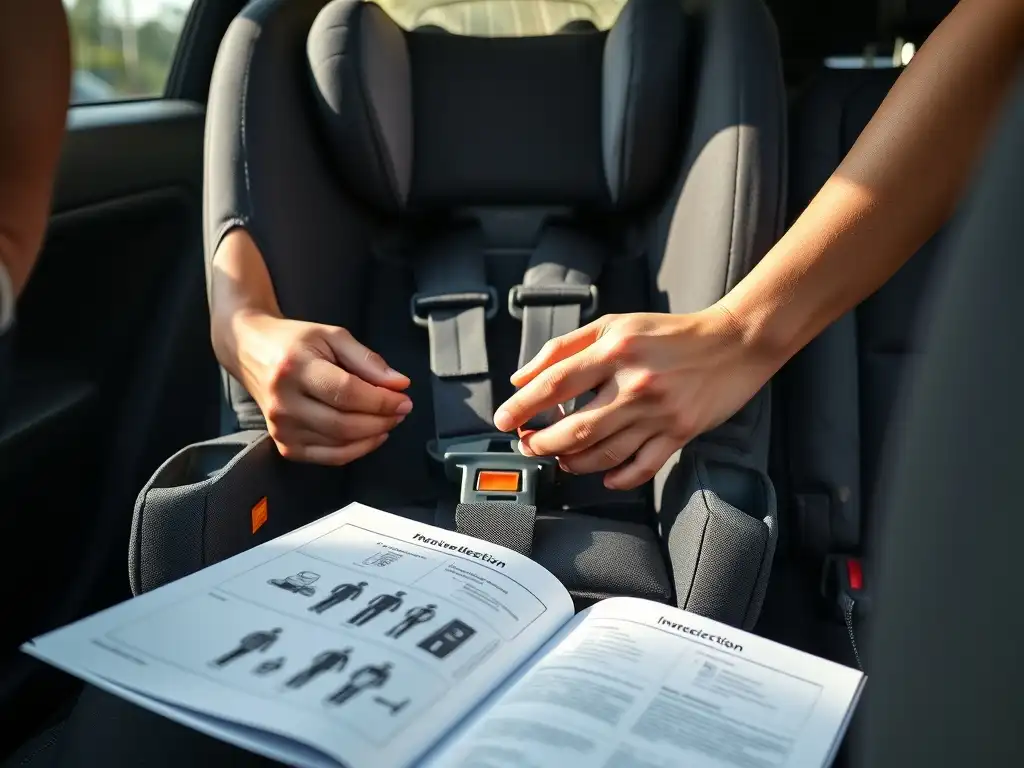
Choosing a safe baby car seat is only half the battle; understanding and correctly following the manufacturer's instructions is crucial for ensuring your little one's safety. Many parents feel overwhelmed by the dense instruction manuals that accompany car seats. This section aims to simplify that process, providing a clear, step-by-step approach to navigating your car seat manual for safe baby car seat installation.
Locating Key Information in Your Car Seat Manual: A Quick Reference Guide
Your car seat manual is packed with vital information, often presented in a less-than-intuitive way. To streamline the process, focus on these key sections first:
- Installation Instructions: This section details the steps for installing the car seat using either the LATCH system or the vehicle's seat belt. Pay close attention to diagrams and illustrations.
- Harness Adjustment: This crucial section explains how to properly adjust the harness straps to ensure a snug and secure fit for your baby. Look for details on tightening, loosening, and checking for proper fit.
- Weight and Height Limits: Your car seat has specific weight and height limits. Locate this information to ensure your child remains within the safe operating parameters. Exceeding these limits compromises safety.
- Vehicle Compatibility: Some car seats are not compatible with all vehicles. Check this section to confirm compatibility with your car model.
- Cleaning and Maintenance: This section details how to properly clean and maintain your car seat to extend its lifespan and maintain its safety features.
- Troubleshooting: This section provides solutions to common problems you might encounter during installation or use.
A well-organized manual will usually have a table of contents or an index to help you quickly find these key sections. Don't hesitate to reread sections multiple times to ensure complete understanding. Remember, thorough understanding equates to safe baby car seat installation.
Understanding Harness System Adjustments: Proper Buckle and Strap Usage
The harness system is the most critical safety feature of your car seat. Improper harness adjustment can significantly reduce its effectiveness in a collision. Here's what you need to know:
- Snugness: The harness should be snug against your baby's body, with no slack. You should barely be able to pinch the harness straps at the shoulder level. If you can pinch more than an inch of fabric, the harness is too loose.
- Chest Clip: The chest clip should be positioned at armpit level. This helps distribute forces during a crash and prevents the straps from sliding up over your child's shoulders.
- Strap Routing: Ensure the straps are routed correctly through the designated slots. The manual will show you the correct path. Incorrect routing can dramatically reduce the effectiveness of the restraint system.
- Re-tightening: Check the harness straps frequently, especially after adjusting them or if your child has been in and out of the car seat. They can loosen over time.
Failing to properly adjust the harness is a common mistake. Take your time, refer to the manual's diagrams, and double-check your work. A correctly adjusted harness is paramount for safe baby car seat installation.
Securing the Car Seat Base: Different Installation Methods (LATCH vs. Seat Belt)
Most modern vehicles offer two primary methods for installing car seats: LATCH (Lower Anchors and Tethers for Children) and the vehicle's seat belt. Both methods offer secure installation when done correctly, but they have distinct procedures.
| Method | Description | Advantages | Disadvantages |
|---|---|---|---|
| LATCH | Uses lower anchors built into your vehicle's seat and a tether strap. | Generally easier and quicker to install, consistent tension across vehicles. | Not all vehicles have LATCH, or the anchors may not be compatible with your seat. |
| Seat Belt | Uses your vehicle's seat belt to secure the car seat. | Works in all vehicles, regardless of LATCH compatibility. | Can be more challenging to install correctly, ensuring proper tightness is crucial. |
Understanding the differences is crucial for safe baby car seat installation. Always consult your car seat manual and your vehicle's owner's manual for specific instructions on which method is appropriate for your car seat and vehicle. If unsure, seek assistance from a certified child passenger safety technician. Remember, a properly installed car seat significantly increases your child's safety.
Checking for Proper Car Seat Tightness: The "Inch Test" and Other Verification Methods
Ensuring your baby's car seat is securely fastened is paramount for safe baby car seat installation. The infamous "inch test" is a crucial step in verifying proper tightness. This involves checking the movement of the car seat base after installation. Ideally, you should not be able to move the car seat base more than one inch from side to side or front to back. This test helps guarantee that the seat is firmly anchored to your vehicle's seat, minimizing the risk of the seat shifting during sudden braking or an accident. However, the inch test alone isn't sufficient.
Beyond the inch test, several other verification methods contribute to safe baby car seat installation. Visually inspect the seat's connection points. Are the LATCH connectors securely engaged and locked? Are the seat belts tightly routed and properly buckled? If using the vehicle's seat belt, make sure there's no slack in the belt and that it's properly routed through all the designated slots.
A snug fit is essential; any looseness indicates a potential problem. Remember, a properly installed car seat minimizes movement, significantly enhancing your baby's safety. Furthermore, consult your car seat manual; it will likely provide specific instructions and diagrams on proper installation and tightness checks tailored to your particular model. Regularly check the tightness, especially after significant bumps or if you've adjusted the seat.
Adjusting the Car Seat Headrest and Harness for Optimal Fit
Correct headrest and harness adjustment is crucial for safe baby car seat installation and your child's protection. The headrest should be positioned correctly to support your child's head and neck, preventing them from slumping forward during travel. The general guideline is for the top of the headrest to be level with the top of your child's head, or slightly above it. Never position the headrest below the top of your child's head. Incorrect headrest positioning can lead to head injuries in an accident.
The harness straps are equally important. They should be snug against your child's body, with no twisting or slack. The straps should lie flat against the child's chest and shoulders, not digging in or being overly loose. Many car seats have height adjustment mechanisms for the harness; ensure these are properly adjusted to accommodate your child's growth.
The chest clip should be positioned at armpit level, ensuring the straps remain snug. Remember, a properly adjusted harness ensures that your child is securely held in the car seat during any unexpected movement or accident. Always refer to your car seat manual for specific instructions on adjusting the headrest and harness for your particular model. Regular checks are vital as your baby grows.
Common Mistakes to Avoid During Car Seat Installation: Preventing Accidents
Many parents, even those experienced with car seats, make mistakes that compromise safety. One of the most common errors is improper tightening of the car seat. This is often due to rushing the process or not understanding the proper techniques, including the inch test. A loose car seat can easily shift during a collision, exposing your baby to significant risk. Remember, a properly secured car seat is paramount for safe baby car seat installation.
Another frequent mistake is incorrect harness adjustment. Loose or twisted straps can significantly reduce the effectiveness of the car seat in protecting your child during an accident. This is easily avoided by taking the time to carefully adjust the straps according to the manufacturer's instructions and ensuring the straps lie flat and snug against your child's body. Failing to properly utilize the LATCH system or vehicle seat belts also compromises safety. Always use either the LATCH system or the vehicle's seat belts, as directed in your car seat's manual and your vehicle's owner's manual. Never use both simultaneously.
Finally, ignoring the car seat manual is a serious oversight. Each car seat model has unique installation requirements and safety features. Carefully reading and following the manufacturer's instructions is non-negotiable for safe baby car seat installation. Understanding the specific requirements for your car seat model is essential for ensuring optimal safety for your child. Take your time, follow the instructions carefully, and don’t hesitate to seek assistance if needed. Your baby's safety depends on it.
Addressing Common Car Seat Installation Challenges
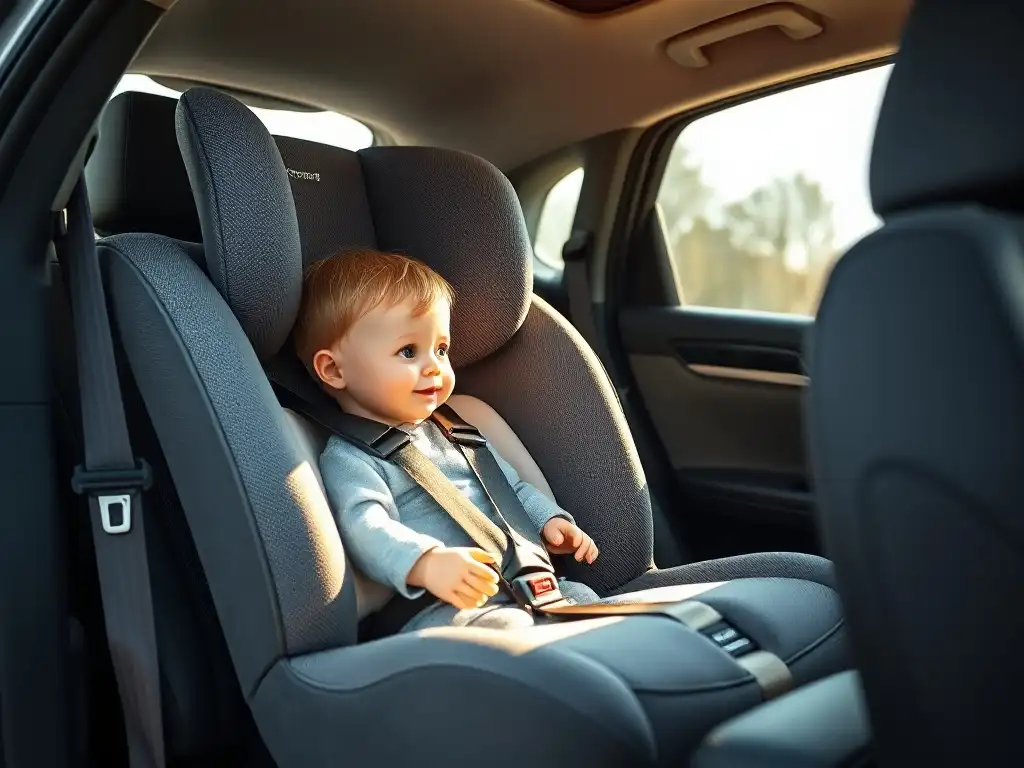
Safe baby car seat installation is paramount for your little one's safety. While the process seems straightforward, many parents encounter challenges. This section addresses common hurdles and provides practical solutions to ensure a secure and proper installation every time. Understanding these challenges is key to mastering safe car seat installation and contributing to your baby's well-being. Remember, even minor errors can significantly compromise safety.
Dealing with Difficult Vehicle Seat Belts: Tips and Tricks for Secure Installation
Vehicle seat belts vary significantly in design and functionality. Some are notoriously difficult to work with, especially when installing a car seat. This can lead to loose installations, increasing the risk of injury during a collision. Here are some strategies to overcome these difficulties and achieve a snug fit:
- Identify your belt type: Understanding whether you have a lap-shoulder belt, a lap-only belt, or a three-point harness is crucial. Each type requires a slightly different installation technique. Consult your vehicle's owner's manual for detailed illustrations and instructions specific to your car model.
- Use belt guides: Many car seats come equipped with belt guides or routing systems. These are designed to help manage the seat belt and prevent it from slipping or becoming twisted. Ensure you utilize these features correctly. Incorrect routing is a frequent cause of loose installations.
- Tighten and re-tighten: After initially securing the car seat, always double-check and re-tighten the seat belt. This is especially important with flexible belts that may loosen over time or after bumpy road travel. A little extra effort in tightening can make a huge difference in overall security.
- Consider a locking clip: If you're struggling with excessive slack in the seat belt, a locking clip might be helpful. These clips help to keep the seat belt taut and prevent it from moving around. However, ensure that the use of a locking clip is compatible with both your car seat and vehicle's seat belt system.
- Seek professional help: If you're still struggling after trying these tips, don't hesitate to seek professional assistance. Many certified child passenger safety technicians offer car seat installation checks. They can identify and correct any issues, ensuring your car seat is installed correctly and safely.
Installing a Car Seat in Vehicles with Limited Space: Strategies for Success
Space constraints within a vehicle can complicate car seat installation. Whether it's a smaller car, a tight backseat, or limited legroom, finding the optimal position and securing the car seat properly can be challenging. Here's how to overcome these spatial limitations:
- Maximize space: Before installing the car seat, carefully assess the available space. Consider removing any unnecessary items from the backseat that might hinder installation or compromise the car seat's stability.
- Strategic positioning: Experiment with different seating positions to find the most suitable location for the car seat. You may need to adjust the front seats to allow for sufficient space in the back.
- Utilize all available anchors: Always use the lower anchors and tethers (LATCH) system if your vehicle and car seat are compatible. This system provides a secure and stable installation, even in tight spaces. If LATCH isn't an option, carefully follow the instructions for using the vehicle's seat belt.
- Consider a different car seat model: In some cases, a different car seat model might be a better fit for your vehicle's spatial limitations. Some car seats are designed to be more compact and easier to install in smaller vehicles.
Troubleshooting Common Installation Problems: What to Do When You Encounter Difficulties
Even with careful attention, installation problems can arise. Knowing how to identify and address these issues promptly is vital. Here's a guide to troubleshooting common problems:
| Problem | Possible Cause | Solution |
|---|---|---|
| Car seat feels loose | Incorrect belt routing, loose straps | Re-check belt routing, tighten straps, use locking clip if needed. |
| LATCH system doesn't engage | Incorrect anchor placement, damaged anchors | Ensure correct anchor placement, check for obstructions, inspect for damage. |
| Tether strap too short/long | Incompatible car seat and vehicle | Consider a different car seat or tether strap extension (if approved). |
| Car seat tilting | Uneven surface, incorrect installation | Ensure a level surface, re-check installation instructions. |
Remember, a correctly installed car seat is the best protection for your child. If you are unsure about any aspect of the installation process, don't hesitate to seek professional assistance from a certified child passenger safety technician. Their expertise can ensure your baby travels safely and securely. 🚗👶
Recognizing Signs of a Loose or Incorrectly Installed Car Seat
A properly installed car seat is crucial for your baby's safety. Knowing the signs of a loose or incorrectly installed car seat is paramount. A too-loose car seat can significantly increase the risk of injury during a collision. Even a slight movement can compromise the effectiveness of the seat's safety features. Several telltale signs indicate potential problems.
One of the most obvious signs is excessive movement. Gently try to wiggle the car seat base. If it moves more than an inch side-to-side or forward and backward, it's too loose and needs immediate readjustment. This movement suggests that the LATCH system (Lower Anchors and Tethers for Children) or the vehicle's seat belt isn't properly secured. Pay close attention to the tightness of the straps; they should be firmly anchored.
Another critical sign is the inability to pass the "one-inch test." This involves attempting to move the car seat base at its connection points to the vehicle. If you can move the car seat base more than one inch in any direction, it needs further adjustment. This simple test can quickly identify a poorly secured car seat.
Furthermore, look for any visible signs of improper installation, such as twisted or misaligned straps, or a car seat base that doesn't sit flush against the vehicle's seat. These visual cues can indicate that the car seat hasn't been correctly installed following the manufacturer's instructions and your vehicle's manual. Carefully review the installation guidelines to ensure everything is aligned correctly. Remember, even minor misalignments can compromise the car seat's ability to protect your baby. Double-check the installation multiple times to ensure the safest possible setup.
Finally, if you have any doubts whatsoever about the security of your car seat, it's always best to err on the side of caution and re-check the installation. Your baby's safety is the top priority. A few extra minutes spent ensuring the car seat is correctly installed can provide peace of mind and significantly improve your child’s safety.
When to Seek Professional Help for Car Seat Installation: Certified Child Passenger Safety Technicians (CPSTs)
Despite your best efforts, correctly installing a car seat can sometimes be challenging. Vehicle models vary considerably, and car seat designs can be complex. If you're struggling to install the car seat correctly, or if you have any doubts about its security, seeking professional assistance is crucial. Certified Child Passenger Safety Technicians (CPSTs) are trained experts who can ensure your child's car seat is installed correctly and safely.
CPSTs possess in-depth knowledge of various car seat models and vehicle types. They understand the intricacies of different installation methods, including LATCH and seat belt installations. Their expertise helps navigate the complexities of ensuring a secure fit for your specific vehicle and car seat combination. They can identify subtle issues that might be missed by a less experienced installer, guaranteeing your baby's safety.
Finding a CPST is relatively straightforward. Many hospitals, fire departments, and police stations offer car seat inspection services conducted by certified technicians. Online searches for "CPST near me" can also yield valuable results. These technicians provide a valuable service, offering guidance and hands-on assistance to ensure the safe and correct installation of your child's car seat. Their expertise helps minimize the risks associated with improperly installed car seats, contributing to a safer journey for your precious little one.
Remember, the peace of mind that comes with knowing your car seat is correctly installed is invaluable. Don't hesitate to contact a CPST if you have any questions or concerns. The cost of professional installation is a small price to pay for the assurance of knowing your baby is traveling safely. Prioritizing your child's safety is always the best choice. 👶 A correctly installed car seat is a vital component of safe baby car seat installation.
Maintaining Your Car Seat: Ensuring Long-Term Safety

Maintaining your car seat properly is crucial for ensuring its continued effectiveness in protecting your precious cargo. A well-maintained car seat provides optimal safety and longevity, maximizing its investment and minimizing the risk of accidents. Neglecting regular maintenance can compromise the car seat's structural integrity and reduce its ability to absorb impact effectively. Remember, a safe baby car seat installation is only the first step; ongoing maintenance is equally vital.
Regular Car Seat Inspections: Checking for Wear and Tear
Regularly inspecting your car seat for wear and tear is paramount. Look for signs of damage such as cracks in the plastic, frayed straps, or loose stitching. Pay close attention to the harness system; broken or damaged straps compromise the ability to correctly restrain your child. Examine the car seat base for any signs of bending or warping, which could indicate a compromised structural integrity.
Here's a checklist for your regular inspections:
- Harness: Check for fraying, cuts, or excessive wear on the straps. Replace the harness if any damage is found.
- Buckles: Ensure buckles function smoothly and latch securely. If they're stiff or difficult to operate, they might need cleaning or replacement.
- Plastic Shell: Examine the plastic shell for cracks, breaks, or significant warping. Any damage here could affect the car seat's ability to absorb impact.
- Fabric: Check the fabric for tears, stains, or significant fading. While minor stains are manageable with cleaning, severe damage necessitates replacement.
- Labels: Verify that all labels and stickers are still intact and legible. These labels provide crucial information about the car seat's model, expiration date, and care instructions.
Remember to consult your car seat's manual for specific instructions on inspection and maintenance. Regular visual checks, ideally monthly, can identify potential problems before they escalate into safety hazards. A proactive approach to car seat maintenance contributes significantly to safe baby car seat installation and ongoing safety.
Cleaning and Maintaining Your Car Seat: Keeping it Safe and Hygienic
Maintaining the cleanliness of your car seat is not just about aesthetics; it's a critical aspect of ensuring its safety and hygiene. Food spills, bodily fluids, and general grime can accumulate, potentially compromising the car seat's materials and its ability to effectively restrain your child. Regular cleaning helps prevent the growth of bacteria and allergens, creating a healthier environment for your baby.
Cleaning methods vary depending on the car seat's fabric and materials. Always refer to the manufacturer's instructions for specific cleaning recommendations. Generally, spot cleaning with mild detergent and water is recommended for minor spills. For more extensive cleaning, consult a professional car seat cleaning service.
Here are some tips for maintaining your car seat's hygiene:
- Spot Cleaning: Address spills promptly to prevent stains from setting. Use a mild detergent and water solution, blotting gently to avoid saturating the fabric.
- Vacuuming: Regularly vacuum the car seat to remove crumbs, dust, and debris. Pay particular attention to crevices and hard-to-reach areas.
- Fabric Protection: Consider using a car seat protector to shield the fabric from spills and stains. These protectors are easily removable and washable, simplifying cleaning.
- Air Drying: Always air dry the car seat after cleaning. Avoid using harsh chemicals, bleach, or high heat, as these can damage the materials.
Remember, a clean and well-maintained car seat is a safer car seat. Prioritizing hygiene contributes significantly to a safe baby car seat installation and a healthy environment for your child.
Replacing Damaged or Expired Car Seats: Knowing When to Upgrade
Car seats have a limited lifespan. Even with meticulous care, materials degrade over time, reducing their effectiveness in protecting your child. Manufacturers typically recommend replacing car seats after six to ten years from the manufacturing date, or sooner if they've been involved in a significant accident. This is crucial for maintaining safe baby car seat installation standards.
Several factors indicate the need for a car seat replacement:
- Expiration Date: Check the car seat's label for the expiration date. Once this date is reached, the car seat should be replaced, regardless of its condition.
- Significant Damage: Any significant damage, such as cracks in the plastic shell, broken buckles, or severely frayed straps, necessitates immediate replacement.
- Recall: If your car seat is subject to a manufacturer's recall, replace it immediately. Recalled car seats pose a significant safety risk.
- Outgrown: When your child outgrows the current car seat's height and weight limits, it's time to upgrade to a larger model.
Ignoring these indicators can compromise your child's safety. Investing in a new car seat ensures optimal protection and peace of mind. Prioritizing a timely replacement is essential for maintaining the highest standards of safe baby car seat installation and child safety.
Understanding Car Seat Expiration Dates: Safety Guidelines and Recommendations
Car seats, like many other products, have expiration dates. Understanding and adhering to these dates is crucial for maintaining optimal safety for your baby. Manufacturers set expiration dates based on several factors, including the degradation of materials over time due to exposure to sunlight, heat, and general wear and tear. These factors can compromise the structural integrity of the car seat, potentially reducing its ability to protect your child in a collision. Ignoring the expiration date significantly increases the risk of injury in the event of an accident.
The expiration date is usually printed on a label located somewhere on the car seat itself – often on the side or underneath. It's typically expressed as a year, sometimes including a month. Carefully examine your car seat to locate this crucial information. Don't rely on memory; always visually check the label. Remember that even if the car seat appears to be in perfect condition, exceeding the expiration date significantly increases the risk of compromised safety. The materials might have undergone microscopic changes that aren't visible to the naked eye but can have major implications during a crash.
Replacing your car seat before its expiration date isn't necessarily recommended unless there's visible damage or a recall. However, it's vital to replace it once the expiration date is reached. Consider this a non-negotiable aspect of safe baby car seat installation and overall child safety. The cost of a new car seat is far less than the potential cost of injuries or worse. Think of it as an investment in your child's well-being and peace of mind.
Many parents wonder about extending the life of their car seat. While some minor cleaning and maintenance are acceptable, attempting to repair or modify a car seat is strongly discouraged and could even void any warranty. Never attempt DIY repairs; always consult the manufacturer's instructions or contact customer support if you have questions or concerns about the car seat's condition.
Remember, compromises in car seat safety can have severe consequences. Prioritizing your child's safety means replacing the car seat once it reaches its expiration date. This is a critical element of safe baby car seat installation and long-term child safety.
Resources for Safe Baby Car Seat Installation
This section focuses on identifying reliable sources of information and expert assistance to ensure the safest possible car seat installation for your baby. Correct installation is paramount for your child's safety, and utilizing these resources can significantly reduce the risk of accidents. Mastering safe baby car seat installation is a crucial step in responsible parenthood.
Websites and Organizations Dedicated to Car Seat Safety: Safe Kids Worldwide, National Highway Traffic Safety Administration (NHTSA)
Several organizations dedicate themselves to child passenger safety, offering invaluable resources and information on safe baby car seat installation. These resources go beyond the manufacturer's instructions, providing broader context and addressing common misconceptions.
Two key organizations are:
- Safe Kids Worldwide: This organization provides comprehensive information on various aspects of child safety, including car seat safety. They offer detailed guides, videos, and frequently asked questions (FAQs) covering a wide range of car seat types and installation methods. Their materials are often presented in an easily digestible format, making complex information accessible to parents. They also highlight the importance of regular car seat checks and emphasize the need for professional assistance when needed. Their website is updated regularly to reflect the latest safety standards and recommendations.
- National Highway Traffic Safety Administration (NHTSA): As the U.S. government agency responsible for vehicle safety, the NHTSA plays a crucial role in setting and enforcing car seat safety standards. Their website offers a wealth of information, including detailed guidelines on car seat selection, installation, and usage. They provide data on car seat-related accidents and offer practical advice on preventing such incidents. They also offer resources on recalling faulty car seats and provide information on how to check if your car seat is affected. The NHTSA's resources are highly reliable and evidence-based, making them a valuable source for parents seeking accurate information.
The information provided by these organizations complements manufacturer instructions, offering a broader perspective on safe car seat practices. Remember that staying updated on the latest safety recommendations is crucial for maintaining optimal protection for your child.
Finding a Certified Child Passenger Safety Technician (CPST) Near You: Online Resources and Directories
While manufacturer instructions and online resources are helpful, seeking professional assistance can provide an extra layer of assurance. A Certified Child Passenger Safety Technician (CPST) is trained to expertly install car seats and address any specific concerns you may have. Finding a CPST is easier than you might think, thanks to several online resources:
- Safe Kids Worldwide's CPST Locator: Safe Kids Worldwide maintains a searchable database of CPSTs across the country. This tool allows you to search by zip code or city to find a technician near you. This service is often free and provides vital contact information for scheduling an appointment. Many CPSTs offer free or low-cost car seat checks.
- NHTSA's Website: The NHTSA website also features resources to help you locate a CPST in your area. While not always a dedicated locator tool, their website links to various state and local resources that often include CPST contact information. Utilizing the NHTSA site provides an additional avenue for locating a professional.
- Local Fire Departments and Hospitals: Many local fire departments and hospitals offer car seat installation checks performed by CPSTs. Contacting your local fire station or hospital is a straightforward way to inquire about these services. These organizations often participate in community safety initiatives and provide valuable resources to new parents.
Finding a CPST is a proactive step towards ensuring your child's safety. A professional inspection can identify and correct potential installation errors that you might overlook, providing peace of mind and significantly enhancing your child's protection. Remember, a properly installed car seat is the first line of defense in protecting your precious cargo.
Frequently Asked Questions
How important are the manufacturer's instructions for car seat installation?
Following the manufacturer's instructions is crucial for safe car seat installation. Incorrect installation significantly increases the risk of injury in an accident. Always refer to your specific car seat manual.
What if I don't understand the manufacturer's instructions?
If the instructions are unclear, contact the manufacturer's customer service or seek help from a certified Child Passenger Safety Technician (CPST). They can provide expert guidance and ensure correct installation.
Can I install a car seat without the base?
Some car seats allow for baseless installation, but it's often more challenging and may not be as secure. Always check your car seat manual to see if baseless installation is an option and follow the instructions carefully.
How do I know if my car seat is installed correctly?
After installation, perform the "inch test": The car seat shouldn't move more than one inch side-to-side or front-to-back at the belt path. Also check for proper tightening of the seatbelt or LATCH system.
What should I do if I have questions about my specific car seat model?
Consult your car seat's manual for detailed instructions. If you still have questions, contact the manufacturer directly or seek assistance from a CPST for personalized guidance and verification.
Final Reflection: Securing Our Future, One Car Seat at a Time
The seemingly simple act of installing a car seat is, in reality, a critical life-saving measure that impacts thousands of families every year. A correctly installed car seat significantly reduces the risk of injury or death in a car accident, a stark reality that underscores the importance of understanding and following manufacturer instructions meticulously. The consequences of improper installation are simply too grave to ignore.
The pervasive nature of car travel, coupled with the vulnerability of infants and children, makes car seat safety a constantly evolving conversation. We must remain vigilant, continually updating our knowledge and practices to reflect the latest safety standards and technological advancements. The best car seat is the one that's installed correctly.
This simple statement encapsulates the core message of this article, highlighting that technical proficiency is paramount to ensuring the safety of our most precious cargo. The ongoing evolution of car seat design and safety regulations necessitates a commitment to continuous learning and adaptation on the part of parents and caregivers.
You, the reader, now hold the power to make a tangible difference. Take a moment to review your car seat installation, ensuring it aligns perfectly with the manufacturer's guidelines. Don't hesitate to seek professional assistance if needed – your local fire department or certified child passenger safety technician can offer invaluable support. Remember, the peace of mind that comes from knowing your child is securely protected is priceless. Let's work together to create a safer future for our children, one correctly installed car seat at a time.
Unlock Your Child's Safe Journey: Take Action Now!
Thank you for learning more about car seat safety! We hope this article has given you the knowledge to keep your child secure on every journey. Now, let's put that knowledge into practice.
- Prioritize: Immediately check your child's car seat installation, referring to the manufacturer's instructions. Ensure the harness is properly adjusted and the seat is securely fastened.
- Share this vital information: Forward this article to friends and family with young children – helping them protect their children is invaluable.
- Explore further: Discover additional car seat safety resources at BabyCareHub.org.
Ready to ensure your car seat is truly secure? What will you check first?