
The Importance of Community Awareness About Choking Hazards


Welcome to BabyCareHub, your ultimate guide to navigating the incredible journey of parenthood. We understand the overwhelming experience of welcoming a newborn, and we're here to provide the step-by-step support you need. But first, let's address a crucial aspect of baby safety: Are you fully aware of the common baby choking hazards lurking in your home? Discover essential insights and practical tips to safeguard your little one in our comprehensive guide on Baby Choking Hazards Awareness, found within our Health & Safety section. Read on to ensure your baby's well-being and peace of mind.
- Understanding Baby Choking Hazards: A Community Responsibility
-
Preventing Baby Choking: Practical Steps for Parents and Caregivers
- Safe Food Preparation and Serving for Babies: Preventing Choking Hazards During Feeding
- Choosing Safe Toys and Playthings: Avoiding Choking Hazards in Play
- Baby-Proofing Your Home: Eliminating Choking Hazards from the Environment
- Educating Babysitters and Other Caregivers: Community-Wide Choking Hazard Prevention
- The Role of Community in Baby Choking Hazard Prevention
- Case Studies: Real-Life Examples of Choking Hazards and Prevention
- Conclusion: Fostering a Safer Environment for Babies Through Community Action
- Frequently Asked Questions
- Final Reflection: A Legacy of Breath: Protecting Our Little Ones
- Unlock Your Child's Safety: Take Action Today
Understanding Baby Choking Hazards: A Community Responsibility
Choking is a serious and potentially life-threatening emergency for babies and young children. This article emphasizes the critical role community awareness plays in preventing baby choking incidents. As first-time parents navigate the joys and challenges of parenthood, understanding and preventing choking hazards is paramount. This isn't just about individual responsibility; it's about fostering a community-wide commitment to protecting our youngest members. We'll delve into common choking hazards, age-specific risks, and crucial signs to recognize, empowering you and your community to create a safer environment for babies. Early intervention and preparedness are key to preventing tragedies and ensuring the well-being of infants. This guide aims to equip you with the knowledge and skills needed to respond effectively, and to educate others around you on this vital topic. By working together, we can significantly reduce the risk of choking incidents and build a safer, more supportive community for babies and their families.
Common Choking Hazards for Babies: Identifying the Risks
Identifying potential choking hazards is the first step in prevention. Many everyday items pose significant risks to babies due to their small size and developing motor skills. Here's a breakdown of common culprits:
- Food: Small, round, or hard foods are particularly dangerous. This includes:
- Grapes (cut into quarters lengthwise)
- Hot dogs (cut into very small pieces lengthwise)
- Nuts and seeds
- Popcorn
- Hard candies
- Raw carrots (cut into very small, soft pieces)
- Cherry tomatoes (cut into quarters)
- Small Objects: Toys, buttons, coins, and small parts from broken toys are all potential choking hazards. Always check toys for small, detachable parts. The rule of thumb is: If it fits inside a toilet paper roll, it's too small for a baby.
- Household Items: Items like balloons, magnets, and bottle nipples (if damaged or deteriorated) can also cause choking. Keep these items out of reach.
| Hazard Category | Specific Examples | Prevention Strategies |
|---|---|---|
| Food | Grapes, hot dogs, nuts, popcorn, hard candies | Cut food into small, soft pieces; supervise eating; avoid round or hard foods. |
| Small Objects | Toys, buttons, coins, small parts from toys | Check toys regularly; keep small objects out of reach; supervise playtime. |
| Household Items | Balloons, magnets, broken bottle nipples | Store balloons securely; keep magnets out of reach; replace damaged bottle nipples promptly. |
Remember, even seemingly safe items can become choking hazards if a baby manages to get them into their mouth. Constant supervision is crucial, especially during mealtimes and playtime. 👶
Age-Appropriate Choking Hazards: From Newborn to Toddler
The risks associated with choking hazards change as a baby grows and develops. Newborns have different vulnerabilities than toddlers.
- Newborns (0-3 months): The primary concern is often related to soft items like blankets or pillows that could cover a baby's face, causing suffocation. It's also important to be mindful of the size and firmness of pacifiers and bottle nipples.
- Infants (4-12 months): As babies start exploring their environment and developing their pincer grasp, small objects become increasingly dangerous. Food choices need to be carefully considered and supervised.
- Toddlers (12-36 months): Toddlers are more mobile and have a stronger tendency to put things in their mouths. Small toys, coins, and household items pose the greatest risks. Supervision remains crucial at this stage.
It's important to adapt your safety measures to your baby's developmental stage. Regularly reassess the risks in your home and adjust accordingly.
Recognizing the Signs of Choking in Infants
Recognizing the signs of choking is critical for a swift and effective response. Early intervention can be life-saving. Signs of choking can include:
- Inability to cry or make sounds: A sudden silence or change in the baby's cry is a major warning sign.
- Gasping for air: Noticeable difficulty breathing and wheezing.
- Turning blue (cyanosis): A bluish tint to the skin, particularly around the lips and fingertips.
- Clutching at the throat: While babies can't always communicate this directly, they might show signs of distress around their neck.
- Loss of consciousness: In severe cases, choking can lead to unconsciousness.
If you suspect your baby is choking, act immediately. Learn and practice infant CPR and first aid techniques. Knowing what to do in an emergency can significantly improve the outcome. Remember, prompt action is key. 🚨
Preventing Baby Choking: Practical Steps for Parents and Caregivers

This section focuses on proactive measures parents and caregivers can take to minimize the risk of baby choking hazards. Effective prevention hinges on a multi-pronged approach encompassing safe food preparation, appropriate toy selection, and thorough home safety checks. Raising awareness about baby choking hazards is crucial for ensuring the well-being of infants.
Safe Food Preparation and Serving for Babies: Preventing Choking Hazards During Feeding
Introducing solids is an exciting milestone, but it also introduces potential choking hazards. Understanding the proper preparation and serving techniques is paramount. Avoid giving babies hard, round, or sticky foods that can easily lodge in their airways. Instead, opt for soft, easily mashed or pureed foods.
Here's a breakdown of safe food practices:
- Cut food into small, manageable pieces: Think matchstick-sized pieces for soft-cooked vegetables and fruits. Avoid anything larger than a pea for babies under one year old. The size should be appropriate for the baby's developmental stage.
- Cook food thoroughly: This softens the texture, making it easier for babies to manage. Overcooked food is better than undercooked food in this context.
- Avoid whole grapes, nuts, popcorn, and hard candies: These are classic choking hazards and should be completely avoided until the child is much older and their chewing and swallowing abilities are fully developed.
- Supervise feeding closely: Never leave a baby unattended while eating. Constant supervision is key to intervene immediately if a choking incident occurs.
- Introduce new foods one at a time: This helps identify potential allergies and allows you to monitor your baby's reaction to each food.
- Consider food texture: Start with purees, then move to soft, mashed foods, and gradually introduce more textured foods as the baby's chewing skills improve. This gradual approach is essential for baby choking hazards awareness.
Choosing Safe Toys and Playthings: Avoiding Choking Hazards in Play
Toys are a vital part of a baby's development, but some pose significant choking risks. Small parts, loose buttons, and sharp edges are all potential dangers. When selecting toys, prioritize safety.
Here are some guidelines to follow:
- Check toy labels: Look for age recommendations and warnings about small parts. Ensure the toy meets safety standards.
- Avoid toys with small detachable parts: These parts can easily be pulled off and swallowed by a curious baby.
- Inspect toys regularly: Check for any damage or loose parts that could become choking hazards. Discard any damaged toys immediately.
- Choose toys appropriate for the baby's developmental stage: Babies explore the world through their mouths, so age-appropriate toys are crucial. Larger toys are safer for younger babies.
- Consider the material: Avoid brittle or easily breakable toys that could create sharp pieces.
Baby-Proofing Your Home: Eliminating Choking Hazards from the Environment
Baby-proofing your home is a crucial step in preventing accidents, including choking incidents. A thorough assessment of your home environment is necessary to identify and eliminate potential hazards.
Here’s a checklist of areas to focus on:
| Area | Potential Choking Hazards | Prevention Measures |
|---|---|---|
| Furniture | Loose buttons, small decorative items | Secure buttons, remove small items, use furniture covers |
| Flooring | Small toys, coins, beads | Regularly sweep and vacuum, use floor mats to contain small items |
| Kitchen | Small food items, cleaning supplies | Store cleaning supplies securely, keep food items out of reach |
| Bathroom | Small toiletries, medicine bottles | Store toiletries and medications in locked cabinets, use childproof latches |
| Electrical Outlets | Exposed outlets | Use outlet covers |
| Drawers and Cabinets | Anything inside that a child can reach and access | Use childproof locks on drawers and cabinets |
Remember, proactive measures are the best defense against baby choking hazards. By carefully considering food preparation, toy selection, and home safety, you can significantly reduce the risk of choking incidents and create a safer environment for your baby. Regularly reviewing these safety measures is crucial for maintaining a safe environment for your growing child. The goal is to create a space where your baby can explore and develop while minimizing risks. 👶
Educating Babysitters and Other Caregivers: Community-Wide Choking Hazard Prevention
Babysitters and other caregivers play a crucial role in a baby's safety, making their education on choking hazards paramount. A community-wide approach to choking hazard prevention necessitates including these individuals in awareness campaigns. This isn't simply about providing a handout; it requires interactive training and consistent reinforcement of key safety measures. Effective strategies include workshops, online modules, and even short, easily digestible video tutorials focusing on age-appropriate choking hazards and safe food preparation techniques.
These training sessions should cover identifying potential choking hazards, safe food cutting practices for babies of different ages, and the Heimlich maneuver for infants. Regular refresher courses can ensure caregivers remain updated on best practices and emerging research. Furthermore, community centers and parent-child groups can serve as excellent platforms to disseminate this vital information. By actively engaging babysitters and other caregivers, we create a broader network of safety advocates committed to preventing choking incidents.
The effectiveness of these educational initiatives can be significantly improved by emphasizing practical demonstrations and interactive exercises. Instead of simply lecturing on the dangers of certain foods, workshops should include hands-on activities where participants practice cutting food into safe sizes and identifying potential choking risks in everyday items. This approach enhances retention and ensures caregivers feel confident in their ability to apply the learned knowledge in real-world scenarios. Feedback mechanisms, such as post-training questionnaires or follow-up discussions, can help gauge understanding and identify areas needing further clarification.
This iterative approach to education ensures that the information is not only absorbed but also effectively implemented. The ultimate goal is to foster a community where every caregiver is equipped with the knowledge and skills to prevent baby choking incidents. This collective effort is critical for creating a safer environment for all infants.
The Role of Community in Baby Choking Hazard Prevention

The prevention of baby choking hazards relies heavily on a well-informed and proactive community. Raising awareness isn't solely the responsibility of parents; it requires a collective effort involving healthcare providers, educators, caregivers, and community organizations. A strong community network can significantly reduce the incidence of choking incidents and improve response times in emergencies. This section will delve into several key aspects of community involvement in preventing baby choking hazards.
Effective strategies hinge on accessible resources, impactful awareness campaigns, and readily available first aid training. By focusing on these areas, communities can foster a safer environment for infants and young children. This collective responsibility for "Baby choking hazards awareness" is crucial for creating a safer environment for all.
Community Resources and Support for Parents: Accessing Crucial Information
Access to reliable information is paramount in preventing baby choking hazards. Communities can facilitate this by supporting various resources that provide parents with clear, concise, and evidence-based guidance. This includes:
- Parenting classes and workshops: These sessions can offer hands-on demonstrations of safe feeding practices, age-appropriate food choices, and the identification of potential choking hazards. Interactive elements, such as mock scenarios and Q&A sessions, can enhance learning and retention. Data shows that parents who participate in such programs report significantly increased confidence in handling feeding situations.
- Local libraries and community centers: These venues can stock informative books, pamphlets, and brochures on baby choking prevention. They can also host workshops and screenings of educational videos. The availability of multilingual resources is crucial for inclusivity and reaching diverse communities. [Specific data on the effectiveness of library-based resources pending].
- Online platforms and social media groups: Utilizing online resources allows for broader reach and facilitates peer-to-peer support. Moderated online forums can provide a space for parents to share experiences, ask questions, and receive guidance from experts. However, careful moderation is needed to ensure the accuracy and reliability of information shared. [Data on the effectiveness of online platforms in this context pending].
- Collaboration with healthcare providers: Pediatricians and other healthcare professionals should actively promote baby choking hazard awareness during routine checkups and consultations. Providing parents with checklists, handouts, and relevant websites can reinforce key messages and ensure consistent messaging across healthcare settings.
Public Awareness Campaigns: Raising Choking Hazard Awareness in Your Community
Effective public awareness campaigns are essential for reaching a wide audience and promoting lasting change. These campaigns should utilize multiple channels and tailor messaging to different demographics. Successful strategies include:
- Public service announcements (PSAs): Short, impactful PSAs on television, radio, and social media can effectively communicate key messages about choking hazards and prevention strategies. Using compelling visuals and relatable scenarios can enhance engagement and memorability. [Specific examples of successful PSA campaigns pending].
- Community events and fairs: Hosting events that include interactive demonstrations, educational booths, and giveaways can make learning about choking hazards fun and engaging. Targeting events specifically geared towards parents and caregivers maximizes impact.
- Partnerships with local businesses and organizations: Collaborating with local businesses, such as grocery stores and pharmacies, can expand the reach of awareness campaigns. Displaying posters and brochures in high-traffic areas can subtly reinforce key messages.
- School programs and parent-teacher associations (PTAs): Educating teachers and parents about choking hazards early on is crucial. Incorporating age-appropriate lessons into school curricula can help instill safe practices from a young age. [Data on the effectiveness of school-based programs pending].
First Aid Training and CPR: Equipping the Community to Respond to Choking Emergencies
While prevention is key, it is crucial to equip community members with the knowledge and skills to respond effectively to choking emergencies. This necessitates widespread access to first aid and CPR training:
- Community-based CPR and first aid courses: Offering affordable and accessible courses is critical. These courses should specifically address infant and child choking, emphasizing the Heimlich maneuver and other life-saving techniques. Regular refresher courses are also important to maintain proficiency.
- Workplace training: Encouraging workplaces to provide first aid and CPR training to their employees can expand the pool of trained individuals within the community. This is particularly important for childcare centers, schools, and other settings where young children are present.
- Public awareness on the importance of prompt response: Emphasizing the critical role of immediate action in choking emergencies is crucial. Public education campaigns should highlight the importance of seeking immediate medical attention even after successful intervention. [Data on the impact of community-based CPR training on infant choking outcomes pending].
- Collaboration with emergency services: Establishing clear communication protocols between community members and emergency services can streamline response times and ensure efficient coordination during emergencies. This could include designated contact numbers and procedures for reporting choking incidents. 👶 A well-prepared community significantly improves the chances of a positive outcome in a choking emergency.
Case Studies: Real-Life Examples of Choking Hazards and Prevention
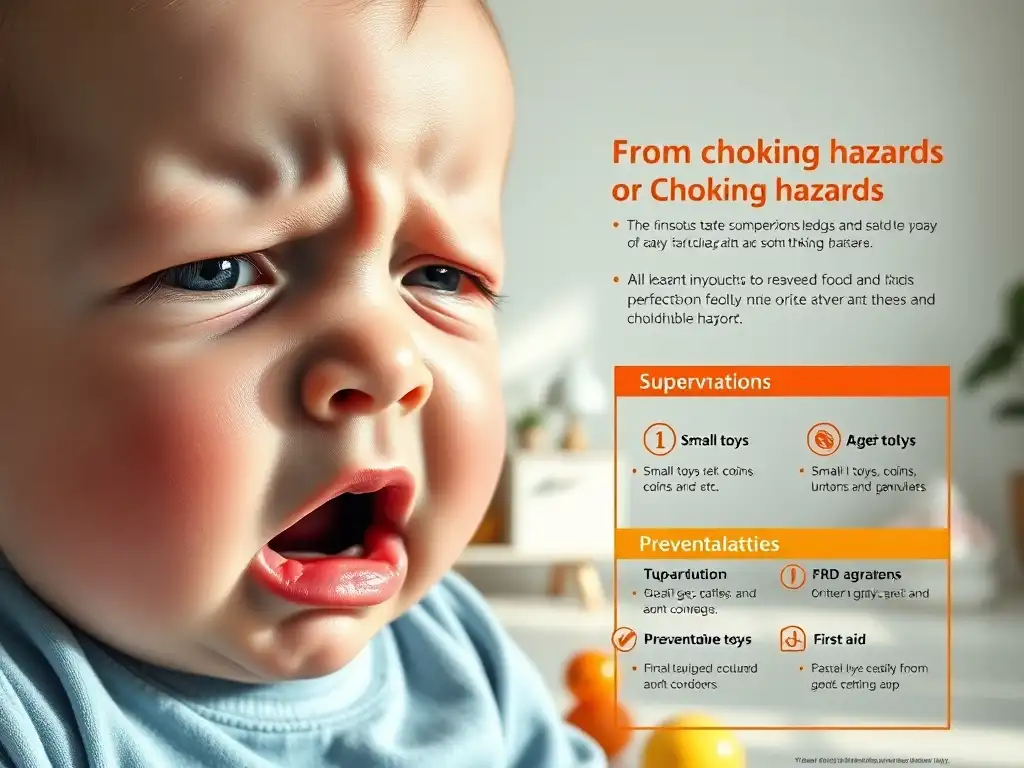
This section delves into real-world scenarios highlighting the critical importance of baby choking hazards awareness. We'll examine both incidents where choking occurred and successful prevention strategies, emphasizing the practical application of safety guidelines. Understanding these examples can significantly improve parental preparedness and reduce the risk of choking incidents.
Case Study 1: A Choking Incident and its Outcome
A six-month-old infant, Lily, was eating pureed carrots when she suddenly started choking. Her parents, thankfully, had taken a baby first aid course and immediately performed back blows and chest thrusts (infant CPR). While the Heimlich maneuver is not recommended for infants, these techniques dislodged the carrot piece.
Lily was rushed to the hospital for observation, but thankfully suffered no lasting effects. This incident, however, underscored the fragility of infants and the swift action required in a choking emergency. The parents' quick thinking and preparedness were crucial in averting a potentially tragic outcome.
This case highlights the vital role of early intervention and emphasizes the need for all parents to be equipped with the knowledge and skills to respond effectively to a choking incident. The experience profoundly impacted the parents, leading them to become strong advocates for baby choking hazards awareness within their community. They now actively participate in educational programs, sharing their story to help prevent similar situations.
Case Study 2: Successful Choking Prevention
Six-month-old Ethan's parents were meticulous about preventing choking hazards. They diligently followed guidelines concerning food texture and size, introducing solids gradually and appropriately. They avoided small, hard foods like nuts, popcorn, and whole grapes. Furthermore, they always supervised Ethan during mealtimes, never leaving him unattended, even for a moment.
This constant vigilance proved crucial one day when Ethan was trying to grasp a small piece of hard cheese that had fallen onto the highchair tray. His mother, noticing his actions, immediately intervened, preventing him from putting it in his mouth. This incident, while seemingly minor, demonstrates the power of consistent, proactive safety measures. Ethan's parents understood the importance of baby choking hazards awareness and implemented preventative strategies from the very beginning.
Their careful attention to detail and unwavering supervision averted a potential choking incident. Their proactive approach serves as an excellent example for other parents, highlighting the effectiveness of preventative measures in ensuring the safety of their babies. This case study emphasizes that proactive steps, alongside consistent supervision, are key components in preventing baby choking incidents. It reinforces the need for a comprehensive approach to baby choking hazards awareness, focusing both on education and constant vigilance.
This section underscores the importance of proactive measures and immediate responses to choking incidents. By understanding these real-life scenarios, parents can better prepare themselves and contribute to increased baby choking hazards awareness within their communities. Remember, knowledge and preparedness are the best defenses against choking hazards. 👶
Conclusion: Fostering a Safer Environment for Babies Through Community Action
This section summarizes the critical need for heightened community awareness regarding baby choking hazards. We've explored the prevalence of choking incidents, identified common culprits, and highlighted effective prevention strategies. But the fight against preventable baby choking deaths and injuries doesn't end here. Sustained effort, community-wide engagement, and ongoing education are crucial to building a safer environment for our youngest members.
This requires a collective responsibility, a shared commitment to protecting infants from these potentially devastating events. The ultimate goal is to empower parents, caregivers, and the wider community with the knowledge and tools to minimize risks and respond effectively in emergency situations. By working together, we can significantly reduce the incidence of choking hazards and create a world where babies can thrive safely.
The Importance of Ongoing Education and Awareness: Continuing the Conversation on Baby Choking Hazards
The battle against baby choking hazards is a marathon, not a sprint. Sustained education and awareness campaigns are paramount to long-term success. While this article provides valuable information, the knowledge must be continually disseminated and reinforced within communities. This requires a multifaceted approach:
- Regular workshops and seminars: Community centers, hospitals, and parenting groups should offer regular workshops led by healthcare professionals and child safety experts. These sessions can cover age-appropriate choking hazards, safe feeding practices, CPR training, and emergency response procedures. Data from [Specific data on effectiveness of workshops pending] could further strengthen the recommendation for these initiatives.
- Public service announcements (PSAs): Strategic use of PSAs across various media platforms—television, radio, social media—can raise public awareness about common choking hazards and preventative measures. These campaigns should utilize compelling visuals and clear, concise messaging tailored to diverse audiences. Successful PSA campaigns have shown [Specific data on successful PSA campaigns pending] impact on public awareness.
- Collaboration with childcare providers: Daycares, preschools, and other childcare facilities play a vital role in educating both caregivers and children about choking hazards. Regular training programs for staff, along with age-appropriate educational materials for children, are essential. [Specific data on the impact of childcare provider training pending] is needed to fully assess the effect of this approach.
- Community-based initiatives: Local organizations and community groups can spearhead initiatives such as baby-proofing workshops, safe-toy drives, and awareness campaigns targeted at specific demographics. These grassroots efforts can foster a sense of collective responsibility and encourage community-wide participation. Examples of successful community initiatives include [Specific examples of successful community initiatives pending].
- Accessible online resources: Websites, apps, and online platforms dedicated to child safety can provide parents and caregivers with readily accessible information, resources, and support. These digital tools should be regularly updated to reflect the latest research and best practices.
The ongoing conversation around baby choking hazards is not just about providing information; it's about fostering a culture of proactive safety and preparedness. By integrating these strategies into community-level initiatives, we can collectively contribute to a safer and healthier environment for babies everywhere. The reduction of preventable injuries and deaths from choking is a shared goal that demands continued vigilance and collaborative effort. 👶 This commitment to ongoing education and awareness is the cornerstone of creating lasting change and protecting our most vulnerable population.
Frequently Asked Questions
What are common choking hazards for babies?
Common choking hazards include small toys with detachable parts, food items like nuts, popcorn, grapes, and hard candies, buttons, coins, and balloons. Always supervise your baby closely during playtime and mealtimes.
How can I prevent my baby from choking?
Careful food preparation is key: cut food into small, manageable pieces. Choose age-appropriate toys that are too large to swallow. Constant supervision is crucial, especially during eating and playtime.
What should I do if my baby is choking?
If your baby is choking and cannot breathe, immediately call emergency services. Then, administer back blows and chest thrusts (depending on the baby's age) as instructed by emergency personnel.
At what age are babies most at risk of choking?
Babies between the ages of 6 months and 3 years are particularly vulnerable. This is because they are developing their chewing and swallowing skills and are exploring their environment through their mouths.
Where can I find more information on baby choking hazards?
Consult your pediatrician or visit reputable websites like the American Academy of Pediatrics or BabyCareHub for comprehensive information and resources on baby safety and choking prevention.
Final Reflection: A Legacy of Breath: Protecting Our Little Ones
The silent threat of choking hazards remains a stark reality for families worldwide, demanding constant vigilance and proactive community engagement. A single moment of inattention can have devastating consequences, underscoring the critical need for widespread awareness and readily available preventative measures. This isn't just about statistics; it's about safeguarding the precious lives of our children.
The impact of choking hazards extends far beyond the immediate crisis; it leaves an indelible mark on families and communities. The emotional toll is immeasurable, a silent grief that lingers long after the incident. This underscores the importance of proactive education and readily accessible resources. As the saying goes, An ounce of prevention is worth a pound of cure,
and in this context, that ounce translates to consistent education and community-wide vigilance. We must actively create a culture of safety, where knowledge and preparedness are the norm, not the exception.
You, the reader, hold a vital role in this ongoing effort. Take a moment to reflect on the information presented, and consider how you can contribute to a safer environment for children in your community. Share this knowledge with friends, family, and caregivers. Advocate for improved safety standards and readily available resources. By actively participating in this collective effort, we can collectively build a future where every child has the chance to breathe freely and thrive. Let's make a difference, one breath at a time.
Unlock Your Child's Safety: Take Action Today
Thank you for learning about choking hazards and child safety. We hope this information helps you create a safer home environment. Now, let's put that knowledge into action!
- Conduct a thorough home safety check: Systematically examine each room, identifying and removing potential choking hazards. This is the most crucial step you can take. Remember to check under furniture!
- Share this information: Forward this article to friends, family, and other parents. Collective awareness is key to preventing choking incidents.
- Take a baby first-aid course: Learning hands-on lifesaving techniques offers invaluable peace of mind.
What will you do today to ensure your child's safety?