
The Dos and Don'ts of Car Seat Cleaning: Maintaining Safety

Welcome to BabyCareHub, your ultimate guide to navigating the exciting yet sometimes overwhelming world of parenthood. We understand the countless questions that arise when welcoming a new life, and we're here to provide clear, concise, and reliable answers. Are you ready to learn the secrets to safely cleaning your baby's car seat and ensuring a healthy and secure journey for your little one? Dive into our "Navigating Baby Essentials" section to discover the essential dos and don'ts, and embark on this journey with confidence.
- Understanding the Importance of a Clean Car Seat
- Essential Supplies for Effective Car Seat Cleaning
-
The Dos: A Step-by-Step Guide to Safe Car Seat Cleaning
- Step 1: Preparing Your Car Seat for Cleaning – Removing Loose Debris
- Step 2: Vacuuming Your Car Seat Thoroughly – Removing Embedded Dirt and Particles
- Step 3: Spot Cleaning Stains and Spills – Addressing Specific Messes
- Step 4: Deep Cleaning Your Car Seat Fabrics
- Step 5: Air Drying Your Car Seat Completely – Ensuring No Residual Moisture
- Step 6: Inspecting for Damage After Cleaning – Checking for Tears or Weakening
-
The Don'ts: Avoiding Common Car Seat Cleaning Mistakes
- Avoiding Harsh Chemicals: Protecting Your Child's Health
- Never Using Bleach on Your Car Seat Fabrics: The Risks of Fabric Degradation
- Not Allowing for Complete Drying: Preventing Mold and Mildew Growth
- Overlooking Hidden Areas: Ensuring Thorough Cleaning of Straps and Crevices
- Ignoring Manufacturer's Cleaning Instructions: Maintaining Warranty and Safety
- Using Machine Wash for Car Seat Components Not Designed For It: Protecting Structural Integrity
- Maintaining Your Clean Car Seat: Prevention is Key
- Choosing the Right Car Seat for Easy Cleaning
- Frequently Asked Questions (FAQ) about Car Seat Cleaning
- Frequently Asked Questions
- Final Reflection: The Enduring Legacy of a Clean Car Seat
- Ready to Rock Spotless Car Seats?
Understanding the Importance of a Clean Car Seat
Keeping your baby safe is paramount, and a significant part of that safety lies in maintaining a clean and well-maintained car seat. This article delves into the crucial dos and don'ts of car seat cleaning, providing a step-by-step guide to ensure both your child's safety and the longevity of your car seat investment. We'll explore why regular cleaning is essential, how to effectively eliminate germs and bacteria, and the best practices to maintain the structural integrity of your car seat, all while keeping "clean baby car seat safely" at the forefront of our discussion.
This guide is tailored for first-time parents navigating the complexities of baby care, providing practical advice and actionable steps to ensure a safe and hygienic environment for your little one during every car journey. Remember, a clean car seat isn't just about aesthetics; it’s a cornerstone of your baby's safety and well-being.
Why Cleanliness is Crucial for Car Seat Safety
A clean car seat is far more than just aesthetically pleasing; it's a critical component of your baby's safety. Spills, crumbs, and dirt can compromise the car seat's structural integrity over time. For example, sticky substances like juice or milk can seep into the fabric, potentially weakening the seams and impacting the car seat's ability to properly restrain your child in the event of an accident. Furthermore, neglecting regular cleaning creates a breeding ground for bacteria and germs, potentially exposing your baby to harmful pathogens that can lead to illness.
Maintaining a clean car seat directly contributes to a safer and healthier environment for your child, minimizing the risks associated with both accidents and infections. Think of it as preventative maintenance for both your car seat and your baby's health. Regular cleaning helps ensure the car seat continues to function optimally and provides the best possible protection.
Preventing Germs and Bacteria in Your Child's Car Seat
Infants are particularly vulnerable to infections due to their developing immune systems. Their car seat, a frequently used space, can easily become a breeding ground for bacteria and viruses if not cleaned regularly. Regular cleaning, however, significantly reduces this risk. Think about all the things that come into contact with your baby's car seat: drool, spit-up, snacks, and even dust mites. These can all contribute to a build-up of germs.
Therefore, a thorough cleaning routine is vital. This involves more than just a quick wipe-down. It requires a more comprehensive approach, potentially including using appropriate disinfectants (always ensuring they are baby-safe) and a thorough vacuuming to remove embedded particles. Properly cleaning your car seat can minimize your baby's exposure to harmful microorganisms and contribute to their overall health and well-being. A clean car seat is a healthy car seat.
Maintaining the Structural Integrity of Your Car Seat Through Proper Cleaning
Cleaning your car seat incorrectly can actually damage it, undermining its safety features. Aggressive scrubbing or the use of harsh chemicals can weaken the fabric, compromise the stitching, and damage the structural components. This is why it's crucial to follow the manufacturer's instructions meticulously. Consult your car seat's manual for specific cleaning recommendations; this will provide guidance on appropriate cleaning solutions and techniques.
For example, some car seat fabrics may require special cleaning methods to prevent damage or discoloration. Remember, a damaged car seat is a compromised car seat. By following the manufacturer's guidelines, you ensure that your car seat remains structurally sound and continues to offer the optimal level of safety and protection for your child. Prioritizing proper cleaning methods is essential in maintaining the long-term safety and functionality of your child's car seat.
Essential Supplies for Effective Car Seat Cleaning
Maintaining a clean baby car seat is crucial for your little one's safety and well-being. A clean car seat not only prevents the spread of germs and bacteria but also ensures that the seat's safety features remain functional. This section details the essential supplies you'll need to effectively and safely clean your baby's car seat, ensuring a hygienic and secure environment for your child. Remember, a properly cleaned car seat contributes to a safer and healthier journey for your baby, aligning with the principles of keeping your baby safe and clean.
Gathering the Right Tools: Sponges, Brushes, and Cleaning Solutions
Before you begin cleaning, gather the necessary tools. Having everything readily available will streamline the process and prevent interruptions. You'll need a variety of cleaning tools to tackle different types of messes effectively. The right tools can make all the difference in achieving a thorough clean.
- Soft-bristled brushes: These are essential for gently scrubbing away stubborn stains and dried-on spills from fabric surfaces without damaging the material. Look for brushes with varying bristle stiffness to tackle different textures and grime levels.
- Sponges: Choose a combination of soft sponges for delicate areas and slightly more abrasive sponges for tougher stains. Avoid using overly rough sponges that could scratch the car seat's surface.
- Microfiber cloths: These are ideal for wiping down surfaces and removing cleaning solution residue. Their soft texture prevents scratching and leaves the car seat looking spotless.
- Bucket: A bucket is necessary for preparing your cleaning solution and rinsing your sponges and brushes. Make sure it's large enough to comfortably accommodate your cleaning supplies.
- Vacuum cleaner with upholstery attachment: A vacuum cleaner with a crevice tool is vital for removing loose dirt, crumbs, and debris from hard-to-reach areas of the car seat. This is a crucial first step in any car seat cleaning process, ensuring that you're starting with a clean base before applying any cleaning solution.
Choosing the Right Car Seat Cleaning Products
Selecting the appropriate cleaning products is paramount to ensuring both the effectiveness of the cleaning process and the safety of your baby. Using harsh chemicals can damage the car seat material and potentially expose your baby to harmful substances. Prioritize gentle, baby-safe cleaning solutions.
- Mild soap and water: This is often the safest and most effective option for cleaning most car seat stains. Use a small amount of mild dish soap or a baby-specific laundry detergent mixed with warm water. Always test any cleaning solution on an inconspicuous area of the car seat first to ensure it doesn't cause discoloration or damage.
- Stain remover (baby-safe): For tougher stains, a baby-safe stain remover can be helpful. Always carefully read the product label to ensure it's compatible with your car seat material and is non-toxic.
- Fabric protector (optional): After cleaning, consider applying a fabric protector to help repel future spills and stains. This can help maintain the cleanliness of your car seat and extend its life.
Recommended Vacuum Cleaners for Efficient Car Seat Cleaning
The right vacuum cleaner can significantly improve the efficiency and thoroughness of your car seat cleaning. A powerful suction is key to removing deeply embedded dirt and crumbs. Consider these features when choosing a vacuum cleaner specifically for car seat cleaning:
- Powerful suction: Strong suction is crucial for removing deeply embedded dirt and crumbs from the fabric and crevices of the car seat. Look for a vacuum with multiple suction settings to adjust based on the cleaning task.
- Upholstery attachment: An upholstery attachment with a crevice tool is essential for reaching hard-to-clean areas like seams, buckles, and straps. This attachment allows for precise cleaning without damaging the car seat material.
- Lightweight and maneuverable: A lightweight and maneuverable vacuum will make the cleaning process easier and less tiring. Consider a cordless model for greater flexibility.
- HEPA filter (optional): A HEPA filter will help trap dust mites and allergens, creating a healthier environment for your baby.
Remember, regular cleaning is key to maintaining a clean and safe car seat. By following these guidelines and using the right tools and products, you can ensure your baby travels safely and comfortably. Prioritizing "clean baby car seat safely" is a crucial aspect of responsible childcare.
The Dos: A Step-by-Step Guide to Safe Car Seat Cleaning
This section details the correct procedure for cleaning your baby's car seat, ensuring both cleanliness and the continued safety of your little one. Remember, a clean car seat isn't just about aesthetics; it's crucial for maintaining the structural integrity and safety features of the seat, contributing to optimal "Clean baby car seat safely" practices. Following these steps will help you achieve this.
Step 1: Preparing Your Car Seat for Cleaning – Removing Loose Debris
Before you begin any deep cleaning, prepare the car seat. This initial step is vital for effective cleaning and prevents spreading dirt and grime. Start by carefully removing any loose debris, such as crumbs, dust, or small toys. Use a soft brush, like a detailing brush or even a clean makeup brush, to gently sweep away any loose particles from the fabric and crevices of the car seat.
Pay close attention to the seams and buckles, where crumbs often accumulate. Remember to check under the car seat as well; you might be surprised at what you find! This meticulous initial sweep will make the subsequent vacuuming much more efficient. For larger items, simply pick them up and dispose of them appropriately.
Step 2: Vacuuming Your Car Seat Thoroughly – Removing Embedded Dirt and Particles
Once you've removed loose debris, it's time for a thorough vacuuming. Use a handheld vacuum with a crevice tool attachment for optimal access to those hard-to-reach areas. This is crucial for removing embedded dirt and particles that a simple brush can't reach. Gently vacuum all surfaces of the car seat, including the fabric, straps, and buckle areas.
Pay special attention to the areas where your baby sits and rests their head, as these are prone to collecting more dirt and germs. Remember to vacuum both the front and back of the car seat, as well as the base. Consider using a low-power setting to avoid damaging the fabric or upholstery. Regular vacuuming, ideally weekly, is a key aspect of maintaining a "clean baby car seat safely."
Step 3: Spot Cleaning Stains and Spills – Addressing Specific Messes
After vacuuming, address any stains or spills. The type of stain will dictate the cleaning method. For example:
- Water-based stains (milk, juice): Blot (don't rub!) the stain with a clean, damp cloth. Use a mild detergent solution if necessary, but always test it on an inconspicuous area first. Rinse thoroughly with clean water and allow to air dry completely before reinstalling the car seat in your vehicle.
- Oil-based stains (baby oil, lotion): Use a gentle, non-abrasive cleaner designed for upholstery or car seats. Again, test it first in a hidden area. Blot gently and rinse thoroughly. Allow to air dry completely.
- Solid messes (food, etc.): Gently scrape away any solid matter before blotting with a damp cloth. Use a suitable cleaner as needed, but remember to always test it on an inconspicuous area first. Air dry completely.
Remember to always consult your car seat's manufacturer instructions for specific cleaning recommendations. Improper cleaning methods could compromise the safety features of the car seat. Prioritizing a "clean baby car seat safely" approach involves careful attention to detail and adherence to manufacturer guidelines. Regular cleaning, using the appropriate techniques, is essential for maintaining the hygiene and safety of your baby's car seat.
Step 4: Deep Cleaning Your Car Seat Fabrics
Once you've tackled the initial surface cleaning, it's time for a deeper dive into cleaning your car seat fabrics. This step is crucial for eliminating lingering dirt, grime, and potential allergens that could affect your baby's health. Remember, different car seat fabrics require different approaches. For example, delicate fabrics like mesh might need a gentler hand-washing method, while more durable materials can withstand a more thorough cleaning.
Always check your car seat's manufacturer instructions for specific cleaning recommendations. Some manufacturers might advise against using harsh chemicals or machine washing. If your car seat's manual recommends spot cleaning only, adhere strictly to these instructions. Ignoring these recommendations could void your warranty or, more importantly, compromise the structural integrity of your car seat, impacting its safety features. For most fabrics, however, a gentle solution of mild detergent and lukewarm water usually works well.
Apply this solution sparingly using a soft-bristled brush or sponge, paying attention to areas with heavy soiling, such as the straps and headrest. Rinse thoroughly with clean water and blot excess moisture with a clean, absorbent cloth. Avoid soaking the fabric, as excessive moisture can damage the car seat's internal components. Remember, thorough rinsing is key to preventing any soap residue from irritating your baby's skin.
For stubborn stains, consider using a specialized fabric cleaner specifically designed for car seats or baby items. Always test any cleaning product on a small, inconspicuous area first to ensure it doesn't damage or discolor the fabric. Be patient; deep cleaning takes time and attention to detail. A clean car seat isn't just about aesthetics; it's about maintaining a safe and hygienic environment for your precious cargo.
Step 5: Air Drying Your Car Seat Completely – Ensuring No Residual Moisture
After cleaning, completely air drying your car seat is paramount. Residual moisture can lead to mold and mildew growth, creating a breeding ground for harmful bacteria and allergens. This is especially true in warmer, more humid climates. Moreover, dampness can weaken the car seat's structural integrity, affecting its ability to protect your baby in the event of an accident. Therefore, thorough drying is not just about cleanliness; it's fundamentally about safety.
Avoid using a dryer, heat lamps, or direct sunlight to dry your car seat. Heat can damage the fabric and the car seat's internal components, compromising its safety features. Instead, opt for air drying in a well-ventilated area. Ideally, choose a dry, shady spot away from direct sunlight. You can also use fans to circulate air around the car seat, speeding up the drying process.
Check regularly for damp spots, particularly in crevices and seams. If necessary, use a clean, dry cloth to gently blot any remaining moisture. Remember, patience is key. It's better to allow the car seat to dry completely than to rush the process and risk compromising its safety and hygiene. A fully dried car seat is a safe car seat.
Step 6: Inspecting for Damage After Cleaning – Checking for Tears or Weakening
Once your car seat is completely dry, meticulously inspect it for any signs of damage resulting from the cleaning process. This is a crucial step often overlooked, yet it's essential for maintaining the safety and integrity of your car seat. Look for any tears, rips, or weakening in the fabric, straps, or other components. Even minor damage can compromise the car seat's ability to protect your baby in an accident.
Pay close attention to seams, buckles, and the areas where the straps attach to the car seat. These are points of stress that can be weakened by excessive moisture or harsh cleaning agents. If you find any damage, no matter how small, it's crucial to contact the car seat manufacturer or a qualified professional for advice. They can assess the extent of the damage and determine whether the car seat is still safe to use.
Remember, replacing a damaged car seat is far less costly than risking your baby's safety. Prioritizing safety should always be your top concern when it comes to your child's car seat. A thorough inspection after cleaning is a small step that can prevent a potentially devastating outcome.
The Don'ts: Avoiding Common Car Seat Cleaning Mistakes
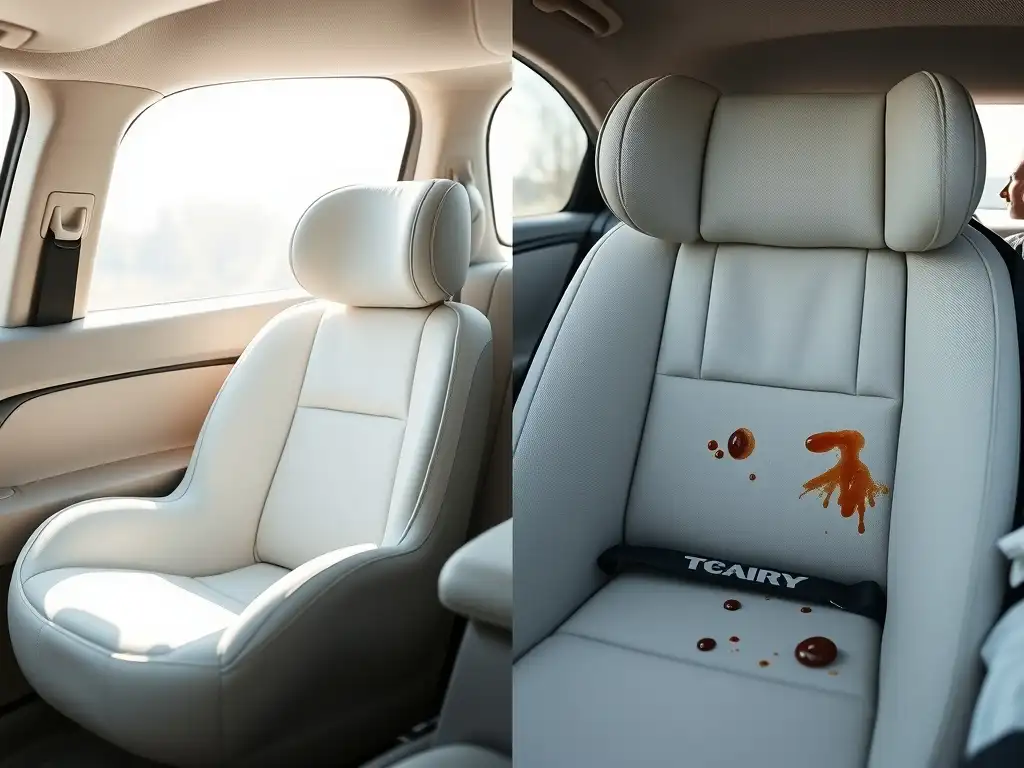
This section focuses on the crucial "don'ts" when cleaning your baby's car seat, ensuring you maintain a safe and healthy environment for your little one. Ignoring these points can compromise the structural integrity of your car seat, expose your baby to harmful chemicals, and create breeding grounds for bacteria and mold. Remember, a clean baby car seat safely is a priority.
Avoiding Harsh Chemicals: Protecting Your Child's Health
Using harsh chemicals to clean your baby's car seat is a significant mistake. Many commercially available cleaning products contain volatile organic compounds (VOCs) and other potentially harmful substances. These chemicals can irritate your baby's sensitive skin and respiratory system, leading to allergies, rashes, or even more severe reactions. Furthermore, the lingering scent of these chemicals can be unpleasant and potentially harmful for prolonged exposure.
Instead of harsh sprays and wipes, opt for gentle, baby-safe cleaning solutions. A simple mixture of warm water and mild soap is often sufficient for most cleaning tasks. Always check the car seat manufacturer's instructions for recommended cleaning methods and approved cleaning agents. Prioritizing a clean baby car seat safely means prioritizing gentle, non-toxic cleaning solutions.
Consider this example: A parent uses a strong bleach-based cleaner on their car seat. While it may initially appear clean, the residual bleach can weaken the fabric, potentially compromising the car seat's structural integrity and safety in the event of an accident. The lingering chemical smell can also affect the baby's health. Always remember, a clean baby car seat safely requires choosing the right cleaning agents.
Never Using Bleach on Your Car Seat Fabrics: The Risks of Fabric Degradation
Bleach, while effective at killing germs, is extremely damaging to most car seat fabrics. The harsh chemicals in bleach can weaken the fibers, causing them to fray and tear over time. This significantly reduces the car seat's ability to absorb impact in a collision, potentially putting your child at risk. Furthermore, bleach can discolor the fabric, leaving unsightly stains and potentially compromising the car seat's overall structural integrity.
The damage caused by bleach is often irreversible, necessitating a costly car seat replacement. Therefore, completely avoid using bleach when cleaning your baby's car seat. Choosing a clean baby car seat safely means understanding the limitations and potential damage caused by bleach.
For instance, imagine a car seat with delicate, woven fabric. Bleach will quickly break down these fibers, leaving the fabric weak and prone to tearing. This significantly reduces the crash protection offered by the car seat, making it unsafe for your child. Remember, a clean baby car seat safely prioritizes the longevity and structural integrity of your car seat.
Not Allowing for Complete Drying: Preventing Mold and Mildew Growth
Failing to allow your car seat to dry completely after cleaning creates an ideal environment for mold and mildew growth. Damp fabrics are breeding grounds for bacteria and fungi, which can trigger allergies and respiratory problems in your baby. The moist environment also attracts dust mites and other allergens, further compromising your baby's health. Always ensure the car seat is thoroughly dried before reinstalling it in your vehicle.
This includes drying all crevices and hidden areas where moisture can accumulate. Air drying is generally preferable to using a dryer, as high heat can damage some car seat materials. A clean baby car seat safely is not just about cleanliness, but also about preventing the growth of harmful microorganisms.
For example, leaving a car seat damp after cleaning in a humid environment can lead to significant mold growth within a few days. This can cause respiratory issues and allergies in your baby. To prevent this, ensure the car seat is completely dry before using it. Proper drying is crucial when striving for a clean baby car seat safely. Remember to check all components, including the straps and buckles, ensuring complete dryness.
Cleaning a baby car seat effectively requires meticulous attention to detail. Many parents focus solely on the main fabric surfaces, neglecting crucial areas where dirt, grime, and bacteria can accumulate. Straps, in particular, are often overlooked. These straps are essential for your baby's safety, and food spills, sticky residue, and general wear and tear can compromise their functionality and cleanliness.
Thoroughly clean the straps using a mild detergent and a soft brush or cloth, paying close attention to the buckles and the areas where the straps connect to the car seat. Remember to rinse thoroughly and allow them to air dry completely before reinstalling. Don't forget the crevices! Crumbs, dust, and other small particles can easily get lodged in the seams and gaps of the car seat.
Use a small, soft brush or a vacuum cleaner with a crevice tool to remove these hidden debris. A damp cloth can then be used to wipe down these areas, ensuring no residue remains. Regularly checking and cleaning these hidden areas will not only improve the hygiene of your car seat but also contribute to its longevity and maintain the safety of your child. Neglecting these areas can lead to the build-up of harmful bacteria and compromise the structural integrity of the seat straps over time.
Ignoring Manufacturer's Cleaning Instructions: Maintaining Warranty and Safety
Each car seat model has specific cleaning instructions provided by the manufacturer. These instructions are not arbitrary; they are crucial for preserving the safety and structural integrity of the seat. Ignoring these instructions can void your warranty, leaving you responsible for any repair or replacement costs.
More importantly, however, improper cleaning can damage the car seat's components, potentially weakening the protective features designed to keep your baby safe in an accident. The manufacturer's instructions often detail the appropriate cleaning agents to use (avoiding harsh chemicals that could damage the fabric or plastic), the correct cleaning methods (hand washing versus machine washing), and the proper drying techniques. Always consult the manual that came with your car seat before attempting any cleaning procedure.
This manual will provide specific details tailored to your car seat's materials and design, ensuring that you clean it effectively and safely without compromising its performance or warranty. Prioritizing these instructions is an investment in your child's safety and the longevity of your car seat.
Using Machine Wash for Car Seat Components Not Designed For It: Protecting Structural Integrity
While the temptation to toss a dirty car seat cover into the washing machine might be strong, it's crucial to understand that not all car seat components are machine washable. Many car seat covers and padding are specifically designed for hand washing or spot cleaning only. Using a washing machine for these components can damage the materials, potentially causing shrinkage, tearing, or warping. This damage can compromise the car seat's structural integrity, reducing its effectiveness in protecting your baby during a collision.
Always check the manufacturer's instructions to determine which components are machine washable and which ones require hand washing or spot cleaning. For components that are not machine washable, carefully hand wash them using a mild detergent and lukewarm water. Avoid harsh scrubbing, and allow them to air dry completely away from direct sunlight or heat.
Remember, a damaged car seat is not only inconvenient but can also put your baby at risk. By following the manufacturer's instructions and avoiding machine washing inappropriate components, you ensure that your car seat remains in optimal condition and continues to provide the highest level of safety for your child. Prioritizing proper cleaning methods is a critical aspect of responsible baby car seat maintenance.
Maintaining Your Clean Car Seat: Prevention is Key
Keeping your baby's car seat clean isn't just about aesthetics; it's crucial for maintaining safety and hygiene. A clean car seat is less likely to harbor harmful bacteria and allergens that could affect your baby's health. Furthermore, a clean car seat is easier to inspect for damage, ensuring its continued ability to protect your little one in the event of an accident.
Proactive measures significantly reduce the need for intensive cleaning, saving you time and effort in the long run. This section details strategies for minimizing messes and maintaining a consistently clean car seat environment. Remember, the goal is to clean baby car seat safely and efficiently.
Regular Cleaning Schedule for Optimal Hygiene
Establishing a regular cleaning schedule is paramount for preventing dirt and grime from accumulating. A weekly wipe-down with a damp cloth and mild detergent is a good starting point. Focus on high-traffic areas like the buckle, straps, and headrest. For more thorough cleaning, aim for a deep clean at least monthly, or more frequently if spills or messes occur.
This might involve removing the car seat cover (following manufacturer instructions) and washing it according to the care label. Remember to always allow the car seat to completely dry before reinstalling the cover to prevent mold and mildew growth. Consistency is key; a regular routine makes cleaning less of a chore and more of a preventative measure.
Here’s a sample cleaning schedule you can adapt:
| Day of the Week | Cleaning Task | Frequency | Notes |
|---|---|---|---|
| Monday | Quick wipe-down of high-traffic areas | Daily | Use a damp cloth and mild detergent. |
| Friday | More thorough wipe-down of entire car seat | Weekly | Pay close attention to buckles and straps. |
| Second Saturday | Deep clean (remove cover and wash if possible) | Bi-weekly or Monthly | Follow manufacturer's instructions carefully. |
Protecting Your Car Seat from Future Stains and Spills
Preventing stains and spills is just as important as cleaning them up. The use of protective car seat covers is highly recommended. These covers act as a barrier between the car seat fabric and potential messes. They're easily removable and washable, making cleanup a breeze.
Consider opting for waterproof or water-resistant covers for added protection against liquids. Additionally, be mindful of what you place near the car seat. Avoid eating or drinking in the car near the seat to minimize the risk of spills. Remember, a proactive approach to stain prevention translates directly to less time spent scrubbing and more time enjoying precious moments with your baby.
Using Protective Car Seat Covers
Choosing the right car seat cover is crucial. Look for covers specifically designed for car seats and ensure they fit your model correctly. A poorly fitting cover can compromise the safety of the car seat. Pay attention to the material – waterproof or water-resistant options are ideal for easy cleaning. Before purchasing, check reviews to gauge their effectiveness and ease of use. Consider the material's breathability to ensure your baby stays comfortable. Some covers even offer additional padding or support.
Here are some factors to consider when selecting a protective car seat cover:
- Material: Look for durable, easily washable fabrics like polyester or nylon.
- Fit: Ensure a snug fit to avoid bunching or shifting, which could compromise safety.
- Water Resistance: Waterproof or water-resistant materials offer superior protection against spills.
- Breathability: Choose breathable fabrics to prevent overheating.
- Ease of Cleaning: Opt for machine-washable covers for convenient cleaning.
Remember, a clean baby car seat is a safe baby car seat. By implementing these preventative measures and establishing a regular cleaning schedule, you can ensure your little one travels safely and comfortably. Prioritizing a clean baby car seat safely is an investment in your child’s well-being.
Understanding When to Replace Your Car Seat – Recognizing Wear and Tear
Regular cleaning is crucial for maintaining your baby's car seat, but knowing when to replace it entirely is equally important for ensuring your little one's safety. Car seats, despite diligent cleaning, have a limited lifespan due to the wear and tear they endure. Several factors signal the need for replacement, and understanding these is paramount for responsible parenting.
One key indicator is visible damage. This includes cracks in the plastic shell, particularly around the harness straps or base. Even small cracks can compromise the structural integrity of the car seat, significantly reducing its ability to protect your child in an accident. Similarly, frayed or torn straps, buckles that don't function smoothly, or significant fading of the fabric are all serious red flags. These issues indicate potential weakening of the materials, making the seat less effective in absorbing impact. Remember, a compromised car seat is a compromised safety net.
Beyond visible damage, consider the car seat's age and expiration date. Many car seats have a manufacturing date printed on a label, often located on the side or bottom of the seat. Check your car seat's manual; manufacturers often recommend a replacement after a certain number of years, typically six to ten, regardless of its condition. This is because the materials degrade over time, even without visible damage, reducing their protective capabilities. Ignoring the expiration date puts your child at unnecessary risk.
Furthermore, being involved in a car accident, even a minor one, necessitates car seat replacement. Even if the damage isn't immediately apparent, the internal structure may be compromised, jeopardizing its effectiveness in a subsequent accident. The energy absorbed during an impact can weaken the car seat's ability to protect your child. Err on the side of caution and replace it immediately following any accident.
Finally, consider the recall notices. Regularly check the National Highway Traffic Safety Administration (NHTSA) website for any recalls related to your specific car seat model. Manufacturers may issue recalls due to safety concerns or manufacturing defects that may not be immediately visible. Staying informed about recalls is a vital part of proactive car seat safety. A recalled car seat, regardless of its apparent condition, should be replaced immediately. Protecting your child necessitates vigilance and prompt action when safety is concerned. Regularly reviewing your car seat for these factors will ensure your child travels safely and securely.
Choosing the Right Car Seat for Easy Cleaning
Selecting a car seat that's easy to clean is crucial for maintaining hygiene and ensuring your baby's safety. Spills, crumbs, and general wear and tear are inevitable, so choosing a car seat with features that simplify cleaning is a smart investment. This section will guide you through the key considerations when selecting a car seat prioritizing cleanability, helping you confidently navigate the world of "clean baby car seat safely."
Fabric vs. Leather Car Seats: A Comparison of Cleanability
The material of your car seat's upholstery significantly impacts its cleanability. Fabric and leather offer distinct advantages and disadvantages:
Fabric car seats are generally more affordable and often softer, providing greater comfort for your baby. However, they can be more challenging to clean thoroughly. Spills may seep into the fabric, leading to stains and odor retention. While many fabric car seats have removable covers that are machine washable, stubborn stains might require specialized cleaning products or professional cleaning. Regular vacuuming is essential for maintaining cleanliness.
Leather car seats, on the other hand, are easier to wipe clean. Spills are less likely to penetrate the surface, making quick cleanup straightforward. A damp cloth and mild soap are usually sufficient for cleaning most messes. However, leather can be more expensive and less breathable than fabric, potentially making your baby feel warmer in hot weather.
Leather also requires specialized cleaning products to avoid damage. Consider the climate you live in when making your decision. A leather car seat might be ideal for a drier climate, while a fabric car seat with a removable, washable cover might be better suited for a humid environment.
Features to Look for in an Easy-to-Clean Car Seat: Removable Covers, Washable Fabrics
Beyond the upholstery material itself, several features contribute significantly to a car seat's ease of cleaning. Prioritize car seats with the following:
- Removable and machine-washable covers: This is the single most important feature for easy cleaning. Look for car seats where the cover can be easily detached and tossed in the washing machine. Check the manufacturer's instructions for specific washing recommendations, as some covers may require delicate cycles or hand washing. 🧼
- Water-resistant or stain-resistant fabrics: These fabrics offer an added layer of protection against spills and stains. They make cleanup quicker and easier, preventing stains from setting in. Look for car seats explicitly advertising these features.
- Smooth surfaces: Car seats with smooth, non-porous surfaces are easier to wipe clean than those with textured surfaces. This reduces the likelihood of spills seeping into crevices and becoming difficult to remove.
- Easy-to-access crevices: While smooth surfaces are preferable, some crevices are unavoidable. Choose a car seat where these crevices are easily accessible for cleaning. Avoid car seats with many small, hard-to-reach gaps.
Choosing a car seat with these features will significantly simplify the cleaning process, ensuring that you can maintain a clean and safe environment for your baby. Remember to always consult the manufacturer's instructions for specific cleaning recommendations to avoid damaging your car seat. Regular cleaning is key to keeping your baby's car seat hygienic and safe for use. Prioritizing "clean baby car seat safely" means choosing wisely from the outset.
Frequently Asked Questions (FAQ) about Car Seat Cleaning
This section addresses common queries regarding the cleaning and maintenance of your baby's car seat, focusing on how to effectively clean your baby car seat safely. Maintaining a clean car seat is crucial for both hygiene and safety, ensuring your little one travels comfortably and securely.
How often should I clean my child's car seat?
The frequency of car seat cleaning depends on several factors, including the age of your child, the frequency of use, and the occurrence of spills or messes. However, a good rule of thumb is to perform a thorough cleaning at least every three months, or more often if needed.
This involves spot cleaning any immediate spills or messes, as well as a more comprehensive cleaning of the entire car seat. For infants who frequently spit up or drool, more frequent spot cleaning—perhaps weekly—might be necessary. Older toddlers who eat snacks in the car will likely require more frequent cleaning than newborns.
Think of it this way: regular cleaning prevents the buildup of bacteria, germs, and allergens which can impact your baby's health. A clean car seat also enhances the lifespan of the fabric and overall safety of the car seat, preventing premature wear and tear. Remember, a clean baby car seat is a safe baby car seat.
What are the best ways to remove stubborn stains from my car seat?
Stubborn stains require a more targeted approach. Avoid harsh chemicals, as these can damage the car seat fabric and potentially harm your child. Here's a breakdown of effective methods for various stains:
- Food stains: Act quickly! Blot (don't rub!) the stain with a clean, damp cloth. For tougher stains, try a mixture of mild dish soap and warm water. Apply gently, then blot again with a clean, damp cloth. Allow the area to air dry completely.
- Milk or formula stains: Similar to food stains, blot immediately. A solution of lukewarm water and a small amount of baking soda can be effective in neutralizing the smell and lifting the stain. Again, let it air dry.
- Urinary accidents: These require prompt attention. Blot up as much liquid as possible immediately. Then, use a mixture of mild detergent and water, or a specialized enzymatic cleaner designed for pet accidents (these are often effective on baby-related messes too). Thoroughly rinse and air dry.
- Blood stains: Cold water is key here. Rinse the area with cold water, and then gently blot with a clean cloth. Avoid hot water, as it sets the stain. If the stain persists, consider using a specialized stain remover designed for blood, following the product instructions carefully.
Remember to always check your car seat's manufacturer's instructions before using any cleaning solutions. Some fabrics are more delicate than others.
Can I use a washing machine to clean my car seat cover?
This depends entirely on your car seat's manufacturer's instructions. Some car seat covers are machine-washable, while others are not. Always check the label carefully before attempting to wash the cover in a washing machine. Using a washing machine incorrectly could damage the cover and compromise the safety of the car seat.
If the cover is machine-washable, use a gentle cycle and mild detergent. Air dry the cover completely before reinstalling it on the car seat. Never put the entire car seat in the washing machine. Only remove and wash the removable cover according to the manufacturer’s guidelines. Improper washing techniques can weaken the structural integrity of the car seat, creating a safety hazard. Prioritize safety – always follow the manufacturer's recommendations to ensure your baby travels safely and securely.
When should I replace my car seat?
Knowing when to replace your baby's car seat is crucial for their safety. There's no single magic number of years, but several factors determine when it's time for a new one. First, check the manufacturer's date label. This label, usually found on the car seat itself, indicates the expiration date.
Car seats have a lifespan due to the degradation of materials over time, affecting their ability to protect your child in a crash. Exceeding the expiration date significantly compromises the car seat's safety performance. Don't rely solely on the appearance; even if the car seat looks fine, it might have undergone internal structural weakening.
Secondly, assess any damage the car seat might have sustained. This includes obvious damage like cracks in the plastic, torn straps, or missing parts. However, it's equally important to check for less visible damage. Look for signs of wear and tear on the straps, such as fraying or excessive stretching.
These could indicate a weakening of the straps' ability to restrain your child effectively in an accident. Also, carefully examine the harness system for any damage or signs of improper repair. If you’ve been in a car accident, even a minor one, you must replace the car seat regardless of visible damage. The impact could have compromised its structural integrity.
Finally, consider the car seat's overall condition. Even without obvious damage, prolonged exposure to sunlight, extreme temperatures, or moisture can weaken the materials over time. Regular cleaning is important, but if the car seat shows signs of significant wear and tear, discoloration, or persistent stains that can't be removed through proper cleaning, it might be time to consider a replacement. Remember, prioritizing your child's safety should always be the ultimate guide.
A compromised car seat, regardless of age, is a risk you can't afford to take. Regular inspection and timely replacement are key components of ensuring your child travels safely. Replacing a car seat might seem like an expense, but it's an investment in your child's well-being and peace of mind.
Frequently Asked Questions
How often should I clean my baby's car seat?
Ideally, you should clean your car seat at least once a month, or more frequently if there are spills or messes. Regular cleaning ensures hygiene and helps maintain the integrity of the car seat.
What's the best way to clean a car seat's fabric?
For fabric car seats, use a mild detergent and water solution. Gently scrub with a soft brush, rinse thoroughly, and air dry completely. Avoid using harsh chemicals or putting it in a washing machine.
Can I use a vacuum cleaner to clean my car seat?
Yes, vacuuming your car seat is a great first step to remove loose dirt, crumbs, and debris. Follow up with spot cleaning for any stains or spills.
How do I clean car seat buckles and straps?
Use a damp cloth and mild soap to clean buckles and straps. Ensure they are completely dry before reinstalling the car seat to prevent malfunction. Never use bleach on the straps.
What should I do if my baby has vomited in the car seat?
Immediately remove any solid vomit and blot up excess liquid. Then, thoroughly clean the affected area using the methods described above. Air dry completely before reinstalling your baby in the car seat.
Final Reflection: The Enduring Legacy of a Clean Car Seat
The safety of our children is paramount, and a clean car seat is not just a matter of aesthetics; it's a crucial component of ensuring their well-being during travel. A seemingly simple task, car seat cleaning directly impacts the effectiveness of crucial safety features, protecting our most precious cargo from harm. Neglecting this vital maintenance can have serious consequences.
The impact of proper car seat hygiene extends far beyond the immediate. It's a reflection of our commitment to responsible parenting, a silent testament to our dedication to providing the safest possible environment for our children. The best thing we can give our children is the gift of safety.
This simple truth underscores the importance of diligently maintaining our car seats, ensuring they remain effective protectors throughout their lifespan. The knowledge that we've taken every precaution, however small, provides a profound sense of peace of mind.
Now, consider your own car seat. Is it truly clean? Do you feel confident in its ability to protect your child in the event of an accident? Take a moment to assess its condition, and if necessary, commit to a thorough cleaning following the guidelines outlined in this article. Remember, the investment in time and effort is a small price to pay for the immeasurable peace of mind knowing your child is traveling safely and securely. Let's prioritize their safety, one clean car seat at a time.
Ready to Rock Spotless Car Seats?
Congratulations on taking the first step towards ensuring your child's safety and comfort! You've learned how to keep their car seat clean and secure. Now let's put that knowledge into practice.
- Prioritize a thorough cleaning today: Gather your cleaning supplies and give that car seat a deep clean. You'll feel much better knowing it's fresh and hygienic.
- Share your cleaning tips: What's your best car seat cleaning trick? We'd love to hear it—share your advice with other parents in the comments below!
- Regularly inspect your car seat: Make it a habit to check your car seat for any signs of wear and tear to ensure it continues to provide optimal safety and protection for your child.
We'd love to hear about your car seat cleaning success! Share your experience in the comments.