
Understanding Baby Sleep Cycles with the Help of Tracking Tech

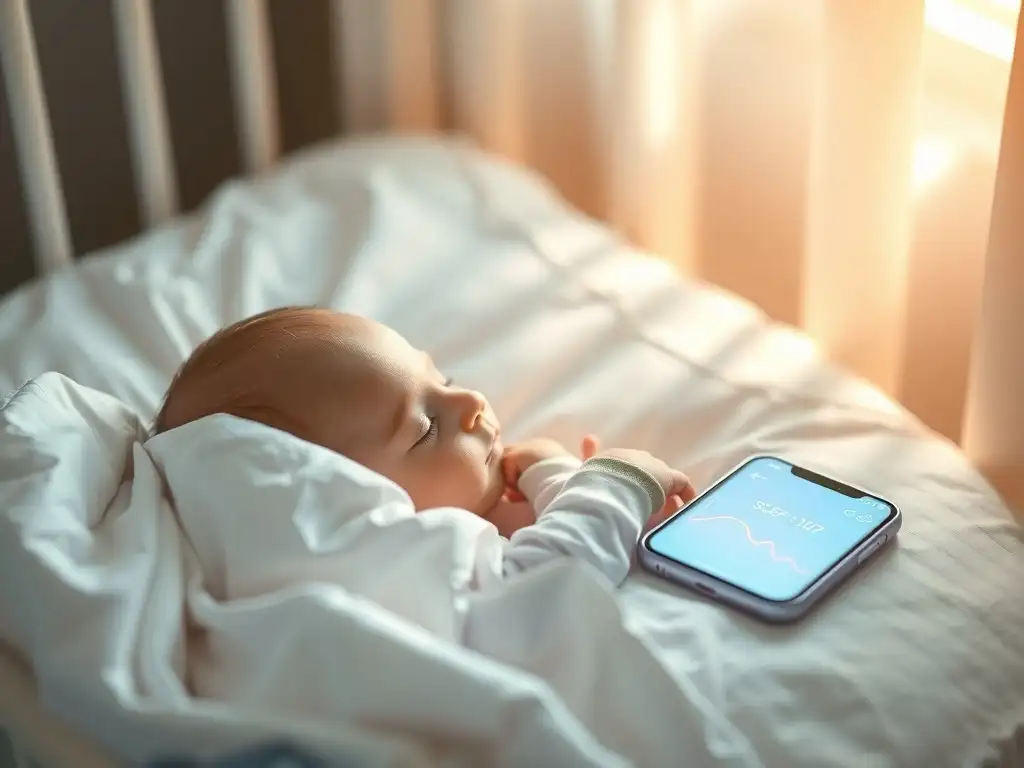
Welcome to BabyCareHub, your ultimate guide to navigating the exciting yet challenging world of parenthood! Are you overwhelmed by the complexities of newborn care? We understand. That's why we've created this comprehensive resource, packed with practical advice and expert insights. Discover how leveraging technology, like the benefits of a baby sleep tracker app, can significantly improve your baby's sleep and, more importantly, your peace of mind. Ready to unlock the secrets to happier, healthier sleep for both you and your little one? Let's dive in!
- Deciphering Baby Sleep: Why Tracking Matters
- Baby Sleep Tracker App Benefits: A Deep Dive
- Choosing the Right Baby Sleep Tracker App
- Practical Application of Baby Sleep Tracker Data
- Beyond the App: Holistic Approaches to Baby Sleep
- Frequently Asked Questions
- Final Reflection: The Sweet Science of Sleep and the Tech That Helps Us Understand It
- Unlock Your Baby's Sleep Secrets
Deciphering Baby Sleep: Why Tracking Matters
Navigating the world of newborn sleep can feel like deciphering a complex code. Inconsistent sleep patterns, frequent night wakings, and the constant worry about whether your little one is getting enough rest are common experiences for first-time parents. This article explores the benefits of using baby sleep tracker apps to understand your baby's sleep cycles and establish healthier sleep habits.
We'll delve into the intricacies of infant sleep, highlighting the importance of recognizing sleep patterns for your baby's development and overall well-being. Understanding these cycles is key to promoting better sleep for both you and your baby, reducing parental stress, and fostering a more harmonious family life. Learning to interpret your baby's sleep cues, aided by the data provided by sleep tracking technology, can transform your approach to nighttime routines and contribute significantly to your baby's healthy growth and development.
This guide focuses on the numerous benefits of using baby sleep tracker apps, providing you with the knowledge to make informed decisions about utilizing technology to support your baby's sleep journey. This is particularly relevant for understanding the keyword "Baby sleep tracker app benefits" and its associated search intent.
Understanding the Stages of Infant Sleep
Infant sleep is markedly different from adult sleep. Babies cycle through various sleep stages, including Active Sleep (also known as light sleep) and Quiet Sleep (deep sleep). Active sleep is characterized by rapid eye movement (REM), similar to adult REM sleep, where dreams occur. During this stage, babies may exhibit subtle movements, facial expressions, and even whimpers.
Quiet sleep is a period of deeper, more restful sleep, where the baby's movements are minimal. The duration of these sleep stages varies throughout the night and changes as the baby grows. Understanding these differences is crucial for interpreting the data provided by a baby sleep tracker app.
For example, a sleep tracker can differentiate between these sleep stages, providing insights into the proportion of time spent in each stage, which can be invaluable in identifying potential sleep problems. A typical sleep cycle in a newborn might consist of several short cycles, each lasting around 50-60 minutes, with more active sleep in the early part of the night. Accurate tracking of these cycles allows parents to identify patterns and potential disruptions, such as frequent awakenings during active sleep.
Recognizing Sleep Cycles in Your Baby
Recognizing your baby's individual sleep cycles is paramount for establishing a consistent sleep routine. While a sleep tracker app can provide objective data, learning to observe your baby's subtle cues is equally important. For instance, subtle movements, changes in breathing patterns, or subtle sounds can all be indicators of a shift between sleep stages. A baby sleep tracker app can help parents correlate these observable cues with the objective data recorded by the app, creating a more comprehensive understanding of their baby’s sleep patterns.
This combined approach – observation complemented by technological data – empowers parents to make informed decisions regarding sleep training, bedtime routines, and addressing any sleep disturbances. Consistent tracking over time reveals trends, allowing parents to identify triggers for disruptions, such as hunger, discomfort, or environmental factors. This is particularly helpful in addressing issues like frequent night wakings or difficulty settling down for sleep.
The Importance of Consistent Sleep Patterns for Baby Development
Consistent sleep patterns are vital for a baby's physical and cognitive development. Adequate sleep promotes healthy growth, strengthens the immune system, and contributes to optimal brain development. Insufficient sleep, on the other hand, can lead to irritability, developmental delays, and a weakened immune system. By utilizing a baby sleep tracker app, parents can monitor their baby's sleep duration and quality, identifying any potential sleep deficiencies or disruptions early on. This proactive approach allows for timely intervention, preventing potential long-term developmental issues.
The data provided by these apps can also be valuable in discussions with pediatricians, enabling a more informed assessment of the baby's overall health and development. Moreover, understanding your baby's sleep patterns helps create a predictable and reassuring sleep environment, contributing to a sense of security and stability for your little one. Consistent sleep contributes to a happier, healthier baby, and that translates to happier, healthier parents. 😴
Identifying Sleep Problems Early with Sleep Tracking
Early identification of sleep problems is crucial for a baby's healthy development. Consistent and accurate sleep tracking, facilitated by baby sleep tracker apps, provides invaluable data that parents and pediatricians can use to pinpoint potential issues. A baby who consistently wakes up multiple times a night, for example, might be suffering from colic, reflux, or another underlying medical condition. Manually tracking this would be incredibly difficult and prone to error, leading to potential delays in diagnosis and treatment.
A sleep tracker, however, meticulously records sleep patterns, including wake windows, sleep durations, and the frequency of night wakings. This detailed information allows parents to spot trends and patterns that might otherwise go unnoticed. For instance, a sudden increase in nighttime wakings could signal a developmental leap, teething pain, or an ear infection. By providing this objective data, sleep trackers empower parents to proactively address these issues, seeking professional help when needed.
This early intervention can significantly improve the baby's sleep quality and overall well-being. The peace of mind that comes with knowing your baby's sleep patterns is a significant benefit in itself, reducing parental stress and anxiety. Furthermore, some apps offer insights into potential causes of sleep disturbances, helping parents connect the dots between their baby's sleep and other factors, such as feeding schedules or environmental stimuli. The ability to correlate sleep patterns with other daily activities helps parents develop effective strategies for improving their baby's sleep.
Baby Sleep Tracker App Benefits: A Deep Dive
This section delves into the significant advantages of utilizing baby sleep tracker apps, focusing on how these technological tools contribute to improved parental understanding and management of infant sleep patterns. We will explore how these apps provide concrete benefits, moving beyond simple sleep monitoring to offer personalized insights and reduce parental anxiety. Understanding these benefits is crucial for parents seeking to optimize their baby's sleep and their own well-being. The keyword "baby sleep tracker app benefits" is central to this discussion.
Improved Sleep Monitoring and Data Analysis
Baby sleep tracker apps offer far more than just a simple record of sleep and wake times. They provide detailed data analysis, offering a granular view of your baby's sleep patterns. This goes beyond noting simply "sleep" and "awake" periods. Advanced apps can differentiate between light and deep sleep phases, identify wake windows, and even detect subtle shifts in sleep quality. This detailed information is invaluable for identifying trends and patterns that might otherwise go unnoticed.
For instance, an app might reveal that your baby consistently wakes up after 50 minutes of sleep, suggesting a potential issue with the sleep cycle itself. Or, it might show a correlation between a late-afternoon nap and difficulty falling asleep at bedtime, allowing you to adjust your baby's daytime schedule proactively. This level of precise data analysis empowers parents to make informed decisions about their baby's sleep routine, ultimately leading to better sleep for both the baby and the parents.
The ability to export data to share with pediatricians is another significant benefit, facilitating a collaborative approach to addressing sleep challenges. Many apps also provide graphs and charts visualizing the data, making it easy to understand at a glance. This visual representation of your baby's sleep patterns can be particularly helpful in spotting trends and making informed adjustments.
Personalized Insights for Better Sleep Strategies
One of the most compelling benefits of baby sleep tracker apps is their capacity to offer personalized insights and recommendations. Unlike generic advice found online, these apps use the collected data to provide tailored strategies specific to your baby's individual sleep patterns. This personalized approach is crucial because every baby is unique, and what works for one might not work for another.
For example, an app might suggest adjusting your baby's bedtime based on their consistent wake-up time, or recommend a specific sleep training method tailored to their sleep cycle length. Some apps even integrate with other baby care apps, creating a holistic view of your baby's routines and well-being. This integrated approach allows for more accurate and relevant recommendations, further enhancing the app's usefulness.
The more data the app collects, the more accurate and personalized the insights become, making the app a valuable tool over time as your baby grows and their sleep patterns evolve. This continuous learning and adaptation is a key element of effective sleep management.
Infant sleep issues are a significant source of stress and anxiety for many new parents. The constant worry about whether your baby is getting enough sleep, coupled with sleep deprivation, can take a toll on your mental and physical health. Baby sleep tracker apps can significantly alleviate this stress by providing reassurance and a clearer understanding of your baby's sleep.
By providing objective data and insights, these apps help parents to replace guesswork with concrete information. Knowing exactly how long your baby slept, the quality of their sleep, and the timing of their wake-ups can significantly reduce the uncertainty and anxiety that often accompanies parenting a newborn. The ability to track trends and identify patterns can also empower parents to feel more in control, reducing feelings of helplessness and frustration.
This enhanced sense of control translates directly into reduced stress and anxiety, contributing to a more positive and enjoyable parenting experience. The peace of mind offered by these apps is, in itself, a considerable benefit, enhancing both parental well-being and the overall family atmosphere.
Enhancing Communication with Pediatricians Regarding Sleep Issues
Tracking your baby's sleep patterns with a dedicated app provides invaluable data that significantly enhances communication with your pediatrician. Instead of relying on vague recollections of sleep durations and patterns, you can present concrete, quantifiable information. This detailed sleep data allows your pediatrician to accurately assess your baby's sleep health, identify potential problems earlier, and provide more targeted advice. For example, if your pediatrician suspects a sleep disorder, the app's data can help confirm or rule out the diagnosis more efficiently.
This precision minimizes guesswork and ensures your baby receives the most appropriate care. The ability to share detailed sleep logs directly with your doctor, often through secure platforms integrated into the app, streamlines the consultation process. This is particularly beneficial during nighttime calls or virtual appointments, where conveying complex sleep information concisely is critical. Imagine the difference between saying "I think my baby is waking up too often" versus presenting a graph showing specific wake-up times, durations, and sleep cycles over several nights.
The latter provides a far more powerful and informative picture. Furthermore, consistent data over time creates a valuable record of your baby's sleep development, allowing for a more holistic understanding of their sleep patterns' evolution and any changes that might warrant medical attention. This detailed historical perspective is a crucial element in long-term health monitoring and contributes to a more proactive and effective approach to your baby's sleep health management. The quantifiable data provided by sleep tracker apps allows for a more data-driven approach to pediatric care, fostering better communication and improving the overall quality of care your baby receives.
Choosing the Right Baby Sleep Tracker App
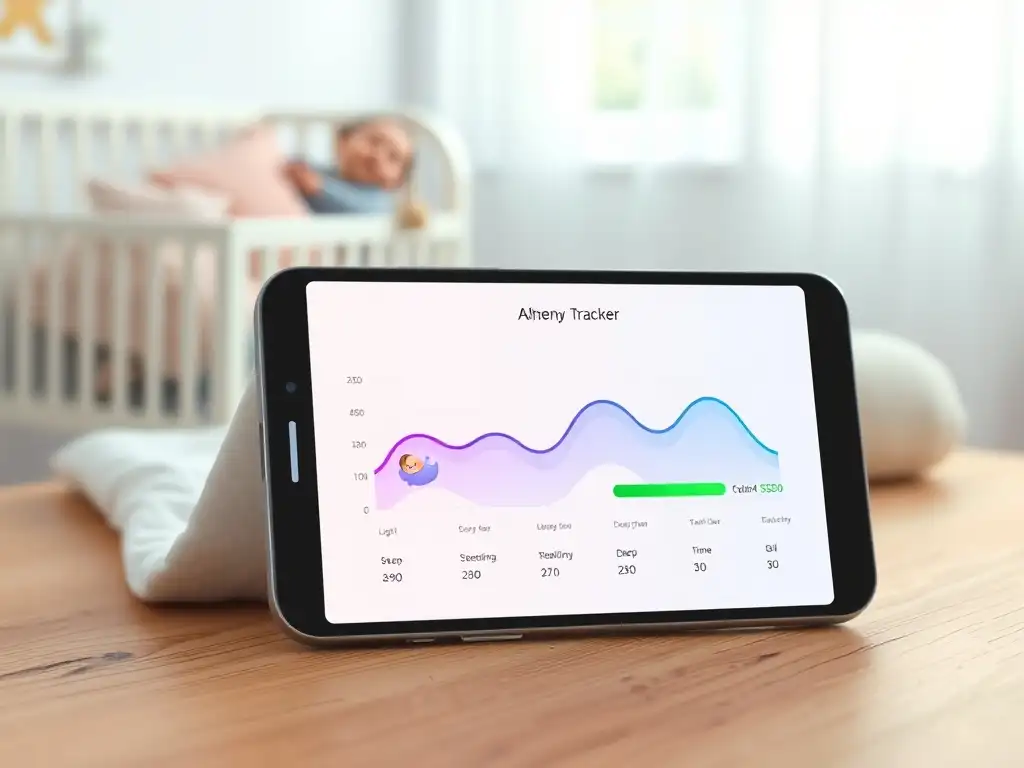
Choosing the right baby sleep tracker app can significantly improve your understanding of your baby's sleep patterns and help you optimize their sleep schedule. The market is flooded with options, each boasting unique features and functionalities. Navigating this landscape requires careful consideration of your needs and preferences. This section will guide you through the process, highlighting key features and factors to consider to make an informed decision. The ultimate goal is to leverage the power of a baby sleep tracker app for improved family well-being.
Key Features to Look for in Baby Sleep Tracking Apps
Several key features differentiate effective baby sleep trackers from less useful ones. Prioritizing these features will ensure you select an app that accurately reflects your baby's sleep cycles and provides actionable insights.
- Accurate Sleep Cycle Tracking: The most crucial feature is the app's ability to accurately detect sleep and wake periods. Look for apps that use sophisticated algorithms, potentially incorporating sound analysis or movement detection (if using a compatible device), to minimize false positives and negatives. A high level of accuracy is paramount for reliable data analysis.
- Detailed Sleep Data Visualization: Effective visualization tools are crucial for understanding the data. The app should present sleep data in easy-to-understand graphs and charts, showing sleep duration, wake periods, and potentially even sleep cycle phases (light sleep, deep sleep). This visualization should be customizable to your preferences.
- Sleep Pattern Analysis and Insights: Beyond simply recording sleep, a good app should offer insightful analysis. This could include identifying trends in sleep patterns, suggesting potential sleep problems, and providing personalized recommendations for improving your baby's sleep. The more intelligent the analysis, the more beneficial the app becomes.
- Feeding and Diapering Integration: Many apps allow you to log feeding and diaper changes alongside sleep data. This integrated view provides a holistic picture of your baby's daily routine, revealing potential correlations between feeding, diaper changes, and sleep patterns. This comprehensive approach enhances the value of the data collected.
- User-Friendly Interface: The app should be intuitive and easy to use, especially during those late-night feedings. A cluttered or complex interface can hinder its usability and reduce the likelihood of consistent use. Prioritize apps with a clean, simple design and straightforward navigation.
Top-Rated Baby Sleep Tracking Apps: A Comparative Review
While specific app names are omitted to avoid bias and maintain neutrality, we can compare the functionality of top-rated apps within specific categories. Consider these examples for illustrative purposes, understanding that specific features and availability may vary.
| Feature | App Category A (e.g., Sound-based) | App Category B (e.g., Sensor-based) | App Category C (e.g., Manual Log) |
|---|---|---|---|
| Accuracy | High, but susceptible to noise | Very high, but requires hardware | Moderate, relies on parental input |
| Data Visualization | Simple graphs and charts | Detailed charts and sleep cycles | Basic charts |
| Sleep Analysis | Basic insights | Advanced sleep cycle analysis | Limited analysis |
| Integration | Limited integration | Often integrates with other apps | Minimal integration |
| User Friendliness | Generally user-friendly | Can be more complex to set up | Very user-friendly |
Remember to research specific apps based on your needs and device compatibility before making a selection. Read reviews and compare features carefully.
Factors to Consider When Selecting a Baby Sleep Monitoring Device
Beyond the app itself, consider the hardware component if the chosen baby sleep tracker app requires one.
- Device Type: Some apps integrate with wearable sensors, while others rely on sound analysis through your phone's microphone. Consider the pros and cons of each approach. Wearable sensors offer higher accuracy but require additional equipment and may be less convenient. Sound-based tracking is more convenient but less accurate.
- Accuracy and Reliability: Prioritize devices known for accurate data collection. Read reviews to assess the reliability of the device before investing. Inaccurate data will render the app largely useless.
- Safety and Privacy: Ensure the device and app comply with relevant safety and privacy regulations. Read the privacy policy carefully to understand how your data is collected and used. Data security is paramount when it comes to your baby's information.
- Ease of Use: The device should be easy to set up and use. A complicated setup process can deter consistent use and diminish the app's benefits. Simplicity and ease of use are key for long-term success.
- Cost: Consider the overall cost of the app and any associated hardware. Some apps are free, while others require a subscription. Weigh the cost against the features and benefits offered. The long-term value should justify the investment. 😴
Data Privacy and Security Concerns in Baby Sleep Tracking Apps
Choosing a baby sleep tracker app involves carefully considering data privacy and security. These apps collect sensitive information about your baby, including sleep patterns, feeding schedules, and potentially even room temperature and humidity. This data could be vulnerable to breaches or misuse if the app doesn't employ robust security measures. Therefore, it's crucial to thoroughly investigate an app's privacy policy before downloading and using it.
Look for apps that explicitly state their data encryption methods and how they protect user data from unauthorized access. Transparency is key; a reputable app will openly explain how it handles your data and what security protocols it uses. Avoid apps that are vague or unclear about their data practices. Consider apps that offer features like data anonymization or allow you to download and delete your data at any time.
Remember, some apps may share your data with third-party companies for advertising or research purposes. Pay close attention to the privacy policy to understand how your data might be used and shared. If you're uncomfortable with data sharing practices, opt for an app that prioritizes data minimization and only collects the necessary information for its core functionality. Prioritizing apps with a strong reputation for data security and a history of responsible data handling is paramount for safeguarding your baby's sensitive information.
The peace of mind knowing your data is protected is priceless. Reading user reviews can also provide insights into others' experiences with an app's data security practices. Don't hesitate to contact the app developer directly if you have any concerns or questions about their data privacy policies. Protecting your baby's data should be a top priority when choosing any baby sleep tracking app.
Practical Application of Baby Sleep Tracker Data
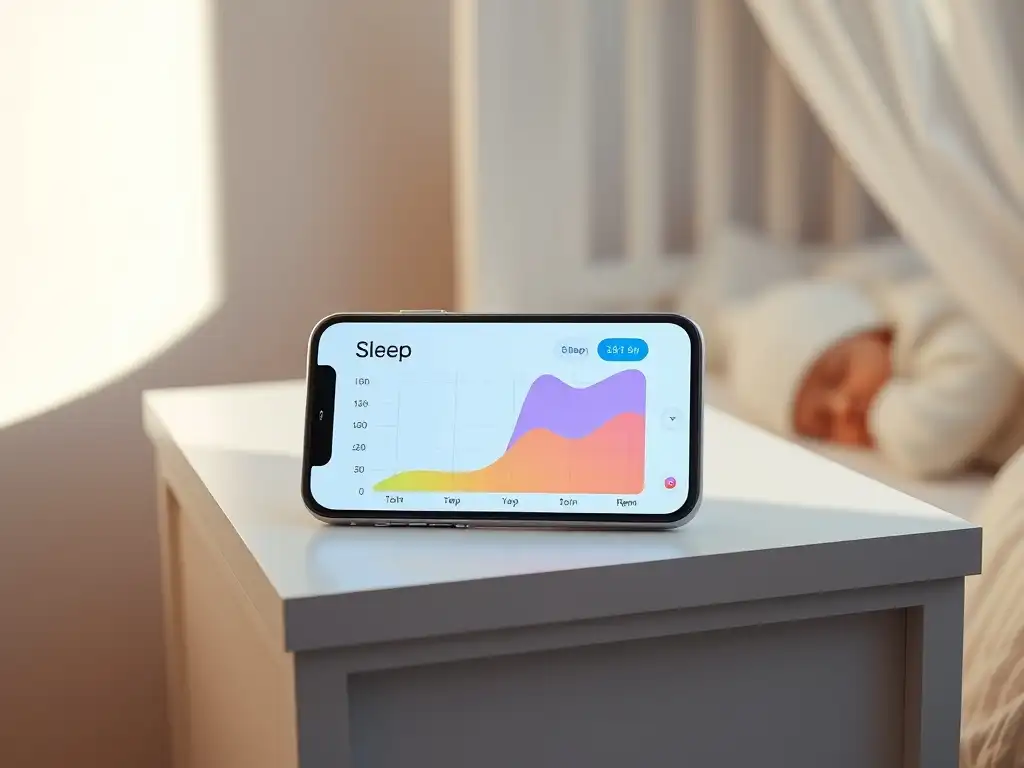
This section explores the practical uses of data collected by baby sleep tracker apps. Understanding how to interpret this information is crucial for optimizing your baby's sleep and, consequently, your own well-being. The benefits of using a baby sleep tracker app extend far beyond simply knowing how long your baby sleeps; it provides valuable insights into sleep patterns and helps identify potential sleep problems early on. This data-driven approach empowers parents to make informed decisions regarding their baby's sleep schedule and overall sleep hygiene. The key is understanding how to utilize the information provided.
Interpreting Sleep Data for Improved Sleep Hygiene
Effective use of a baby sleep tracker app hinges on understanding the data it provides. Most apps will present information such as total sleep time, number of sleep cycles, wake windows, and time spent in different sleep stages (if the app offers this advanced feature). Let's examine how this data translates into practical improvements in sleep hygiene:
- Identifying sleep patterns: Consistent use of the app will reveal recurring patterns in your baby's sleep. You might notice, for example, that your baby consistently sleeps longer after a longer daytime nap or that certain bedtime routines are more effective than others. This allows you to tailor your approach to better suit your baby's individual needs.
- Recognizing sleep disruptions: The app can pinpoint potential sleep disruptors. Frequent nighttime wakings might indicate hunger, discomfort, or a need for a diaper change. By identifying these patterns, you can proactively address these issues and minimize disruptions. For example, if you consistently see a wake-up around 3 a.m., you might experiment with a later bedtime or a later last feed to see if it improves sleep.
- Optimizing wake windows: The app helps you track wake windows, the time your baby is awake between sleep periods. Understanding your baby's optimal wake window is key to preventing overtiredness, a common cause of sleep problems. Overtired babies often have difficulty falling asleep and experience more frequent nighttime wakings.
- Tracking sleep cycles: Some advanced apps provide information on sleep cycles. Knowing when your baby is in light sleep versus deep sleep can help you time diaper changes or feedings to minimize disruptions to their sleep. This knowledge allows for more gentle interventions, reducing the likelihood of a full awakening.
Adjusting Baby's Sleep Schedule Based on Tracking Data
Once you've analyzed your baby's sleep data, you can begin to adjust their sleep schedule accordingly. Remember, consistency is key. Sudden changes can be disruptive. Make gradual adjustments based on your observations. Here are some examples:
| Adjustment Strategy | Data Indicator | Example |
|---|---|---|
| Extending Wake Windows | Consistently short naps, early bedtime | If naps are consistently short (30 minutes), gradually increase wake windows by 15-30 minutes. |
| Shortening Wake Windows | Frequent daytime overtiredness, poor nighttime sleep | If your baby is consistently overtired, shorten their wake windows slightly. |
| Adjusting Bedtime | Late-night wakings, early morning wakings | If your baby consistently wakes up early, try pushing bedtime back by 15-30 minutes. |
| Adjusting Nap Times | Inconsistent nap lengths, difficulty falling asleep | Experiment with adjusting nap times based on observed sleep patterns. |
Remember, every baby is different. What works for one baby might not work for another. The data provides guidance, but flexibility and parental intuition are equally important. The goal is to find a sleep schedule that works best for your baby and your family.
Addressing Sleep Problems with Data-Driven Insights
Sleep problems are common in babies. A sleep tracker app can be invaluable in identifying the root cause of these issues. For instance:
- Frequent night wakings: If your app shows frequent wakings at the same time each night, it might indicate hunger (especially if it coincides with feeding times), discomfort (a wet diaper or gas), or a developmental leap.
- Difficulty falling asleep: Persistent difficulty falling asleep could be a sign of overtiredness (too long wake windows), an inconsistent bedtime routine, or an underlying medical condition.
- Short naps: Short naps frequently indicate overtiredness or an issue with the nap environment. The data helps you isolate the problem.
- Early morning wakings: Early morning wakings can be caused by a variety of factors, including too early bedtime, insufficient nighttime sleep, or a disrupted sleep cycle.
By using the data to pinpoint the cause, you can implement targeted solutions. For example, if frequent night wakings are due to hunger, you can adjust feeding schedules. If they are related to a developmental leap, you might focus on providing extra comfort and reassurance. Always consult your pediatrician if you are concerned about your baby's sleep or suspect an underlying medical condition. The app provides valuable data to aid in this discussion. 😴
Using Sleep Tracking Data to Identify Potential Health Issues
Analyzing your baby's sleep patterns through a sleep tracker app can offer valuable insights that go beyond simply understanding their sleep cycles. Consistent monitoring can help parents identify potential health issues that might otherwise go unnoticed. For example, prolonged periods of unusually light sleep or frequent awakenings, coupled with other symptoms like irritability, fever, or changes in feeding habits, could indicate an underlying illness. A sleep tracker app can provide a quantifiable record of these changes, allowing parents to easily spot trends and patterns that might warrant a visit to the pediatrician.
This early detection is crucial, as it allows for prompt medical intervention and can significantly improve the baby's overall health and well-being. Remember, however, that a sleep tracker app is not a diagnostic tool. It should be used as a supplementary resource to help parents observe patterns and consult a healthcare professional for any concerns. Using the data to pinpoint specific timeframes of unusual sleep behavior can assist the pediatrician in making a more informed diagnosis.
For instance, if a baby consistently exhibits disrupted sleep patterns during a specific period, say, after receiving a new vaccination, this information can be invaluable to the pediatrician in understanding the potential correlation. This proactive approach, using technology to complement traditional healthcare practices, underscores the significant role of baby sleep tracker apps in promoting healthy child development. The data collected isn't just about sleep; it's about overall health monitoring, enabling parents to be more informed and responsive caregivers. The peace of mind gained from knowing that subtle changes in sleep behavior can be easily monitored is an invaluable benefit of utilizing these technological tools.
Beyond the App: Holistic Approaches to Baby Sleep
While baby sleep tracker apps offer invaluable data and insights, remember that technology is just one piece of the puzzle. A truly effective sleep strategy incorporates a holistic approach, considering various factors beyond the digital realm. Understanding your baby's cues, creating a conducive sleep environment, and establishing consistent routines are crucial for promoting healthy sleep habits. Think of the app as a tool to inform your decisions, not dictate them. Effective use of a baby sleep tracker app benefits greatly from a parallel focus on these foundational elements of good sleep hygiene.
Creating a Consistent Sleep Environment for Your Baby
A consistent sleep environment significantly impacts your baby's ability to fall asleep and stay asleep. This means creating a space that's conducive to rest and free from distractions. Consider these key elements:
- Darkness: A dark room is essential for melatonin production, a hormone crucial for regulating sleep. Use blackout curtains or blinds to minimize light intrusion, even during daytime naps. Studies show that even dim light can interfere with sleep quality.
- Temperature: Maintain a comfortable room temperature, typically between 68-72°F (20-22°C). Overheating or chilling can disrupt sleep. A room thermometer can help you monitor and adjust accordingly. Consider using a humidifier to add moisture to the air, especially in dry climates, which can alleviate nasal congestion that might interfere with sleep.
- Sound: While some babies are unaffected by noise, many are sensitive to loud sounds or sudden changes. Consider using white noise machines or fan to create a soothing, consistent soundscape that masks distracting noises.
- Comfort: Ensure your baby's sleeping surface is comfortable and safe. A firm mattress is recommended, and appropriate bedding should be used, following safe sleep guidelines. Avoid loose blankets or pillows.
Establishing a Relaxing Bedtime Routine for Your Little One
A predictable and calming bedtime routine signals to your baby that it's time to sleep. This routine should be consistent, repeated nightly, and tailored to your baby's age and temperament. Here's a sample routine:
- Bath Time (optional): A warm bath can be soothing and relaxing.
- Pajamas and Diaper Change: This signifies the transition to bedtime.
- Quiet Play or Reading: Engage in calm activities like soft singing or reading a book. Avoid stimulating activities right before bed.
- Feeding: Breastfeeding or bottle-feeding can be a calming part of the routine.
- Cuddle Time: Spend a few minutes cuddling and whispering softly to your baby.
- Placement in Crib: Place your baby in their crib while they are still awake but drowsy. This helps them learn to self-soothe.
The key is consistency. Sticking to the same routine each night helps establish a predictable pattern that signals to your baby that it's time for sleep. Experiment with different elements to find what works best for your baby. Remember, a baby sleep tracker app can help you monitor the effectiveness of your routine over time, allowing for adjustments as needed. This iterative process is key to optimizing your approach.
The Role of Nutrition in Baby Sleep
Nutrition plays a significant role in your baby's sleep patterns. A well-fed baby is more likely to sleep soundly. However, overfeeding or feeding too close to bedtime can lead to discomfort and disrupted sleep.
- Breastfed Babies: Ensure your baby is getting enough milk during the day. Frequent, shorter feeding sessions are often better than long, infrequent ones.
- Formula-fed Babies: Follow the instructions on the formula packaging to ensure your baby is getting the right amount of formula. Again, avoid overfeeding.
- Timing of Feedings: Avoid feeding your baby right before bedtime, especially if they tend to spit up easily. Aim for a feeding at least an hour or two before bedtime to allow for digestion.
- Dietary Considerations (for older babies): As your baby starts solids, be mindful of introducing foods that might cause digestive upset or allergies, which can disrupt sleep. Keep a food diary to track any correlations between diet and sleep patterns. This is where a baby sleep tracker app, paired with a food diary, can be especially useful in identifying potential triggers.
Proper nutrition is a cornerstone of healthy development and restful sleep. By paying attention to your baby's feeding patterns and making informed choices, you can significantly contribute to improved sleep quality. Remember, observing your baby's cues and adjusting your approach as needed is crucial. The information provided by a baby sleep tracker app can help you fine-tune your feeding strategy and optimize your baby's sleep.
When to Seek Professional Help for Baby Sleep Issues
While baby sleep tracker apps can offer valuable insights into your baby's sleep patterns, they shouldn't replace professional advice. Understanding when to seek help from a pediatrician, sleep consultant, or other qualified professional is crucial for your baby's well-being. Ignoring persistent sleep problems can lead to further complications for both your baby and your family.
Several red flags indicate the need for professional intervention. For instance, if your baby consistently struggles to fall asleep, even after implementing strategies suggested by the app and other resources, it's time to seek professional help. This persistent difficulty falling asleep might indicate an underlying medical condition or developmental issue requiring specialized attention. Don't hesitate to contact your pediatrician if you notice any unusual behavior during sleep, such as excessive sweating, gasping for air, or unusual noises. These could be signs of sleep apnea or other respiratory problems.
Another critical factor is the impact on your baby's overall health and development. Is your baby consistently irritable, failing to thrive, or showing signs of developmental delay? These symptoms, coupled with sleep disturbances, warrant immediate professional evaluation. The data from your baby sleep tracker app can be helpful in providing a detailed picture of the sleep patterns to share with the healthcare professional, but it shouldn't be the sole basis for diagnosis or treatment.
Furthermore, consider your family's well-being. Chronic sleep deprivation due to your baby's sleep difficulties can severely impact your mental and physical health, potentially leading to burnout and strained family relationships. Recognizing these effects and seeking support is not a sign of weakness but a responsible step towards maintaining a healthy family dynamic. Professional help can offer strategies and support to address both your baby's sleep issues and the impact on your family.
Remember, seeking help early can prevent long-term sleep problems and ensure your baby's healthy development. Don't underestimate the value of professional guidance in navigating the complexities of infant sleep. The benefits of early intervention far outweigh any hesitation you might feel.
Frequently Asked Questions
What are the benefits of using a baby sleep tracker app?
Using a baby sleep tracker app offers several benefits. You can gain valuable insights into your baby's sleep patterns, identify potential sleep problems, and track the effectiveness of sleep training techniques. This data empowers you to make informed decisions about your baby's sleep.
How accurate are baby sleep tracker apps?
The accuracy of baby sleep tracker apps varies. While they can provide a good general overview, they may not always be perfectly precise. Factors like noise levels and the baby's movement can affect accuracy. It's best to use them as a guide, not a definitive source of truth.
Can a sleep tracker app help with sleep training?
Yes, a sleep tracker app can be a valuable tool during sleep training. By monitoring your baby's sleep, you can observe the effectiveness of your chosen method, identify any patterns or triggers disrupting sleep, and adjust your approach accordingly.
What features should I look for in a good baby sleep tracker app?
Look for an app with features like sleep cycle tracking, detailed sleep logs, easy data visualization, and export capabilities. Consider user reviews and privacy policies before downloading. Ensure it fits your needs and preferences.
Are there any downsides to using a baby sleep tracker app?
While beneficial, over-reliance on an app can lead to anxiety and sleep deprivation for parents. It's crucial to trust your instincts and prioritize your baby's well-being over app data. Remember to maintain a healthy balance between technology and intuition.
Final Reflection: The Sweet Science of Sleep and the Tech That Helps Us Understand It
Understanding baby sleep cycles is no longer a mysterious art, but a science increasingly accessible through the power of technology. The benefits of using baby sleep tracker apps extend far beyond simple data collection; they offer parents a window into their little one's world, fostering deeper understanding and ultimately, more peaceful nights for everyone.
The impact of these apps extends beyond individual families, shaping our collective understanding of infant sleep patterns and needs. This shift towards data-driven parenting, while sometimes controversial, reflects a broader cultural trend of embracing technology to navigate the complexities of parenthood. The most important thing a father can do for his children is to love their mother.
– Theodore Hesburgh. While this quote speaks to a different aspect of parenting, it highlights the importance of finding tools and strategies that support the well-being of the entire family unit, and sleep trackers can be a significant part of that support system. This increased awareness, facilitated by technology, is leading to more informed discussions about sleep training, parental burnout, and the overall importance of prioritizing rest for both parents and babies.
You now possess a deeper understanding of the benefits of baby sleep tracker apps. Consider how this knowledge can help you navigate the challenges of parenthood. Don't be afraid to experiment with different apps and strategies to find what works best for your family. Remember, the goal isn't perfection, but progress towards a more restful and connected experience with your little one. Embrace the technology, but never lose sight of the precious human connection at the heart of it all.
Unlock Your Baby's Sleep Secrets
Thank you for exploring the world of baby sleep cycles! We hope you've gained valuable insights into understanding your little one's rest patterns. Now let's put that knowledge to work. Ready to optimize those precious sleep hours?
- Track your baby's sleep: Use a sleep tracking app to log sleep patterns. This data will help you personalize your baby's sleep routine.
- Share your experiences: Connect with other parents in our BabyCareHub community forum—let's support each other on this journey. Share your successes and challenges!
- Adjust your baby's bedtime routine: Small changes based on your tracking data can make a big difference.
Ready to transform your nights and create a more restful experience for both you and your baby?