
Baby Carrier 101: A FirstTimer's Guide to Comfort & Convenience


Welcome to BabyCareHub, your ultimate guide to navigating the exciting yet sometimes overwhelming world of newborn care! Are you a first-time parent feeling lost in the sea of baby products? Then you've come to the right place. We're here to simplify the journey, offering expert advice and practical tips. Discover which best baby carrier for first-time parents will provide both comfort for your little one and convenience for you – and so much more! Let's embark on this incredible adventure together.
- Choosing the Best Baby Carrier for First-Time Parents: Key Considerations
-
Essential Features of a Top-Rated Baby Carrier for New Parents
- Ergonomic Design: Support for Baby's Hip and Spine Development
- Adjustability: Adapting to Baby's Growth and Your Body Type
- Breathability: Keeping Baby Cool and Comfortable
- Ease of Use: Simple Straps and Secure Buckles – First-time parent friendly designs
- Safety Features: Secure Buckle Systems and Additional Safety Precautions
-
Baby Carrier Buying Guide: Finding the Perfect Fit for Your Lifestyle
- Budget-Friendly Baby Carrier Options: Value for Money without Compromising Safety
- Premium Baby Carriers: Investing in Long-Term Comfort and Durability (e.g., Tula Explore)
- Baby Carriers with Added Features: Sunshades, Pockets, and Storage Solutions
- Where to Buy Your Baby Carrier: Online Retailers vs. Brick-and-Mortar Stores
- How to Properly Use a Baby Carrier: Step-by-Step Instructions with Safety Tips
- Maintaining Your Baby Carrier: Cleaning and Care Instructions
- Frequently Asked Questions (FAQ) about Baby Carriers for First-Time Parents
- Frequently Asked Questions
- Final Reflection: Embracing the Journey of Parenthood, One Carry at a Time
- Unlock Your Babywearing Journey Today!
Choosing the Best Baby Carrier for First-Time Parents: Key Considerations
Navigating the world of baby carriers as a first-time parent can feel overwhelming. The sheer variety of options—from soft wraps to structured backpacks—can leave you feeling lost and unsure of which carrier will best suit your needs and your little one's comfort. This comprehensive guide is designed to help you confidently choose the best baby carrier for first-time parents, focusing on key considerations for ease of use, safety, and optimal support for both you and your baby. We'll explore different carrier types, highlighting their pros and cons, to help you find the perfect match for your lifestyle and your baby's developmental stages.
Remember, selecting the right carrier is crucial for establishing a strong bond with your baby while ensuring their safety and well-being. This guide will equip you with the knowledge to make an informed decision, contributing to a smoother and more enjoyable parenting journey. 👶
Understanding Your Baby's Needs: Weight, Age, and Development Stages
Choosing the right baby carrier hinges on understanding your baby's developmental stage. Newborns have different needs than toddlers, and selecting a carrier that caters to their specific size and physical capabilities is paramount.
- Weight: Check the manufacturer's weight limits for each carrier type. Newborns are typically lighter, requiring carriers with adjustable straps and supports to provide adequate snugness and prevent slumping. As your baby grows, you may need to transition to a carrier with a higher weight capacity.
- Age: Certain carriers are better suited for specific age ranges. For instance, newborn-specific wraps often provide the most secure and comfortable fit for the earliest months. As your baby develops head control and gains weight, you can consider transitioning to other carrier types.
- Developmental Stages: Consider your baby's ability to hold their head and sit up unassisted. Some carriers are designed to support infants lacking head control, while others are better suited for babies who can sit upright. Always prioritize a carrier that provides proper support for your baby's current developmental stage. This ensures their safety and comfort while being carried.
Different Baby Carrier Types: Wraps, Slings, Structured Carriers, and Ergonomic Backpacks
The market offers a wide array of baby carriers, each with its own unique features and benefits. Understanding the differences between these types is key to making an informed decision. Here's a breakdown of the most popular options:
Baby Wrap Carriers: Pros and Cons for Newborns (e.g., Boba Wrap)
Baby wraps are often favored for newborns due to their snug and secure fit. They allow for close skin-to-skin contact, promoting a sense of calm and security for the baby. However, they can be challenging to master initially, requiring practice to achieve the correct positioning and tightness.
- Pros: Excellent for newborns, promotes skin-to-skin contact, very versatile in carrying positions.
- Cons: Can be difficult to learn, may feel restrictive for the wearer, less supportive for larger babies.
Soft Structured Carriers: Comfort and Support for Growing Babies (e.g., Ergobaby Omni 360)
Soft structured carriers offer a good balance between comfort and support. They often feature adjustable straps and buckles, allowing for a customized fit as your baby grows. Many models offer multiple carrying positions, catering to different stages of development.
- Pros: Easy to use, comfortable for both parent and baby, adjustable straps, multiple carrying positions.
- Cons: Can be bulky, may not be suitable for all body types, can be more expensive than other options.
Mei Tai Carriers: A Blend of Tradition and Modern Comfort (e.g., Lillebaby Complete All Seasons)
Mei Tai carriers combine the simplicity of a wrap with the adjustability of a structured carrier. They offer a comfortable and supportive fit for babies of various sizes, providing a more customized experience compared to pre-structured options.
- Pros: Adjustable, comfortable, relatively lightweight.
- Cons: Requires some skill to learn proper tying techniques, may not offer as much back support as structured carriers.
Structured Backpack Carriers: Ideal for Toddlers and Longer Hikes (e.g., Deuter Kid Comfort Pro)
Structured backpack carriers are ideal for older babies and toddlers, providing exceptional support and comfort for longer periods of carrying. They typically feature padded straps and waist belts, reducing strain on the wearer's back and shoulders.
- Pros: Excellent support for heavier children, comfortable for long periods of wear, often includes additional features like sunshades and storage.
- Cons: Bulky and not suitable for newborns, can be expensive.
Choosing the right baby carrier is a significant decision. Consider your lifestyle, your baby's development, and your personal preferences when making your selection. Remember to always prioritize safety and comfort for both yourself and your little one.
Essential Features of a Top-Rated Baby Carrier for New Parents
Choosing the best baby carrier for first-time parents can feel overwhelming. The market is flooded with options, each promising comfort and convenience. However, focusing on a few key features will significantly simplify your search and ensure you select a carrier that prioritizes both your baby's well-being and your ease of use. This section will delve into the crucial aspects to consider when making this important decision. Remember, a comfortable and safe baby carrier is an invaluable tool during those precious first months.
Ergonomic Design: Support for Baby's Hip and Spine Development
A baby's hip and spine are still developing, making ergonomic design paramount. The best baby carrier for first-time parents will prioritize the "M" position, supporting the natural curvature of your baby's spine and keeping their hips in a healthy, frog-like position. Look for carriers that:
- Promote a rounded back posture for the baby, mimicking their natural position when held.
- Have wide, padded leg openings that allow for proper hip abduction (legs spread apart).
- Offer adjustable seat width to accommodate your baby's growth.
Failing to choose a carrier with proper ergonomic support can lead to potential hip dysplasia or discomfort for your little one. Prioritizing ergonomic design isn't just about comfort; it's about contributing to your baby's healthy development. Consider carriers specifically designed to meet the International Hip Dysplasia Institute (IHDI) recommendations for hip-healthy babywearing. This is a crucial factor for new parents seeking the best possible care for their newborns.
Adjustability: Adapting to Baby's Growth and Your Body Type
Newborns are tiny, but they grow rapidly! The ideal baby carrier should adapt seamlessly to your baby's changing size and your own body type. This means:
- Adjustable straps: Look for carriers with easily adjustable shoulder straps and waist belts to ensure a secure and comfortable fit for both you and your baby, regardless of your size or the baby's weight.
- Adjustable seat width: As mentioned before, the ability to adjust the seat width is key for supporting your baby's developing hips and spine. This ensures a proper fit as your baby grows from newborn to toddler.
- Multiple carrying positions: The capacity to switch between different carrying positions (e.g., inward-facing, outward-facing, hip carry) provides versatility to cater to your baby's preferences and developmental needs. This adaptability is particularly important as your baby develops and becomes more aware of their surroundings.
Consider the long-term use of the carrier. A carrier that can only be used for a few months isn't as cost-effective as one that adapts to accommodate your growing child. This long-term perspective makes adjustability a crucial factor when selecting a baby carrier.
Breathability: Keeping Baby Cool and Comfortable
Overheating is a serious concern for babies, especially during warmer months. The best baby carrier for first-time parents will prioritize breathability to keep your little one cool and comfortable. Look for carriers made from:
- Breathable fabrics: Materials like mesh or organic cotton allow for better airflow, preventing your baby from getting too warm.
- Ventilation features: Some carriers incorporate ventilation panels or mesh inserts to enhance airflow and minimize overheating.
Consider the climate you live in. If you live in a hot and humid region, breathability becomes even more critical. Choosing a carrier with excellent ventilation will make a significant difference in your baby's comfort and overall experience. A happy, cool baby equals a happy parent! Prioritizing breathability ensures both comfort and safety for your little one. 👶
Ease of Use: Simple Straps and Secure Buckles – First-time parent friendly designs
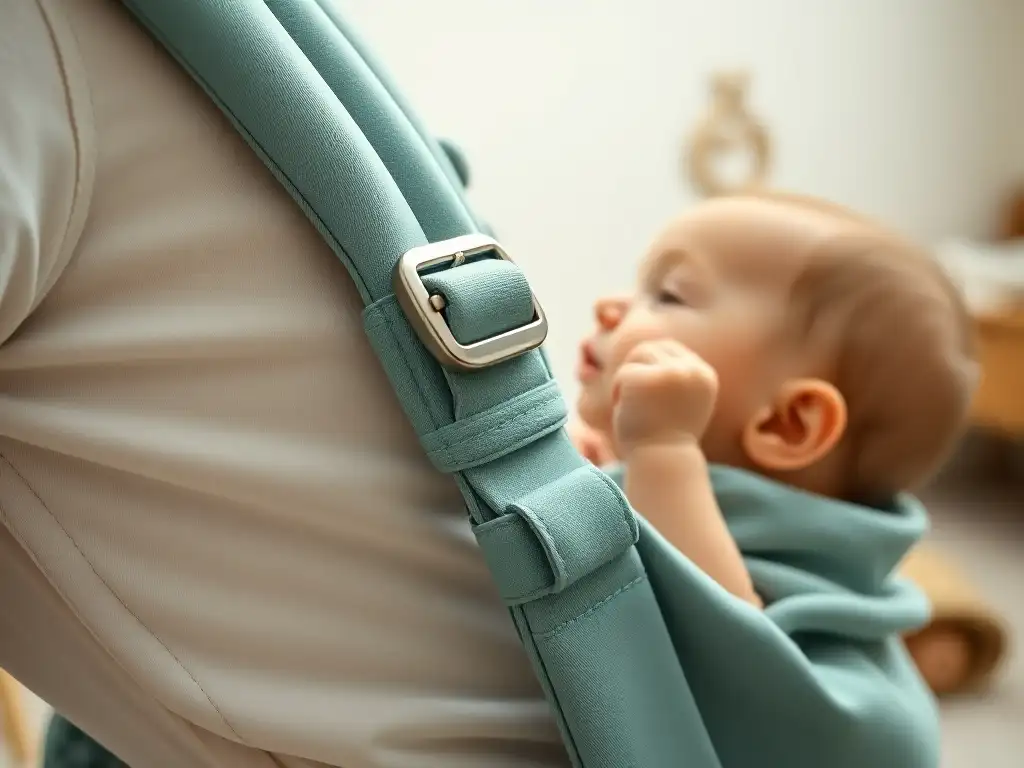
Navigating the world of baby carriers as a first-time parent can feel overwhelming. The last thing you need is a complicated contraption that requires a PhD in engineering to assemble. The best baby carriers for first-time parents prioritize ease of use. Look for carriers with intuitively designed straps and buckles.
These should be easy to adjust, even with a wriggling baby in your arms. Imagine this scenario: you're out for a walk, your little one is starting to fuss, and you need to adjust the carrier. A simple, user-friendly design will make this a quick and stress-free process, allowing you to soothe your baby swiftly.
Consider carriers with clearly labeled straps and buckles. Color-coded systems or numbered straps can significantly improve the ease of use, especially when you're tired and sleep-deprived. Many reputable brands offer carriers with padded straps for added comfort during extended use.
These ergonomic features minimize strain on your shoulders and back, preventing discomfort even during long outings. Remember, a comfortable and easy-to-use carrier will encourage you to use it more often, strengthening the bond with your baby and making those precious moments together even more enjoyable. Choosing a carrier with a simple, intuitive design is an investment in your own well-being as a new parent.
Safety Features: Secure Buckle Systems and Additional Safety Precautions
Safety is paramount when choosing a baby carrier, especially for first-time parents. The best baby carriers boast robust safety features that go beyond basic buckles. Look for carriers with multiple secure buckle systems, not just one. These multiple points of fastening ensure your baby is securely held in place, minimizing the risk of accidental slips or falls. Redundancy in the fastening mechanism is key to peace of mind.
Beyond buckles, consider additional safety features. Some carriers incorporate reinforced stitching and durable materials to withstand daily wear and tear. This ensures longevity and maintains the structural integrity of the carrier, a crucial factor in preventing accidental releases. Check for features like adjustable leg openings and head support, ensuring your baby is snugly positioned and protected. A properly adjusted carrier will keep your little one secure and comfortable, preventing them from slumping or moving around too much.
Remember to always follow the manufacturer's instructions for proper use and weight limits. Regularly inspect the carrier for any signs of wear and tear and replace it if necessary. Investing in a carrier with comprehensive safety features is an investment in your baby's safety and your peace of mind. Prioritizing safety ensures you can enjoy your time with your baby without unnecessary worry.
Baby Carrier Buying Guide: Finding the Perfect Fit for Your Lifestyle
Choosing the best baby carrier for first-time parents can feel overwhelming. The market is flooded with options, each promising comfort and convenience. This guide helps navigate the choices, focusing on factors crucial for new parents. Consider your lifestyle, baby's age and size, and your budget when making your decision. The "best" carrier is the one that works best for your family. Remember to always prioritize safety – ensure the carrier meets all relevant safety standards and that your baby is properly secured at all times.
Budget-Friendly Baby Carrier Options: Value for Money without Compromising Safety
Affordability shouldn't mean compromising your baby's safety. Several excellent budget-friendly carriers offer considerable value. Look for carriers made from breathable fabrics like cotton or a cotton blend. Check for adjustable straps and buckles that are easy to use and secure. Read reviews carefully, paying close attention to comments on comfort and ease of use. While features like extra padding or multiple carrying positions might be absent in budget options, the essentials—a secure and supportive design—should remain.
Prioritize sturdy construction and easy-to-clean materials. A well-maintained budget carrier can serve your needs effectively for several months. Don't hesitate to look for sales or discounts – often, you can find high-quality carriers at reduced prices. Remember to weigh the features against your specific needs; you may not require all the bells and whistles offered in premium carriers. A simple, safe, and affordable carrier can be perfectly adequate for many families.
Premium baby carriers often represent a significant investment, but this investment frequently translates to enhanced comfort, durability, and longevity. Brands like Tula, Ergobaby, and Lillebaby offer high-quality carriers known for their ergonomic designs and superior materials. These carriers often boast features such as:
- Ergonomic design: Designed to support the natural curvature of your baby's spine, promoting healthy hip and spine development.
- Superior materials: Made from durable, breathable, and often organic fabrics for enhanced comfort and lasting use.
- Multiple carrying positions: Allow you to carry your baby in various positions (e.g., front, hip, back) as they grow.
- Adjustable features: Offer extensive adjustability for both parent and baby, ensuring a comfortable fit for a longer period.
- Lumbar support: Provides added support for the parent's back, reducing strain during extended periods of carrying.
Investing in a premium carrier can be worthwhile for parents who plan to use a carrier extensively or for those who prioritize maximum comfort and support. While the initial cost is higher, the increased durability and comfort often justify the expense in the long run. The Tula Explore, for instance, is renowned for its comfort and adjustability, making it a popular choice among parents who value these features. Consider the long-term value and the comfort it provides both you and your baby.
Baby Carriers with Added Features: Sunshades, Pockets, and Storage Solutions
Many baby carriers offer additional features designed to enhance convenience and practicality. These features can significantly improve the overall carrying experience, particularly for outings. Consider these added benefits:
- Sunshades: Protect your baby from harmful UV rays, offering shade and comfort during sunny days. This is especially important during the warmer months.
- Pockets and storage: Provide convenient storage for essentials like your phone, keys, wallet, and baby wipes. Having these items readily accessible can make a big difference during outings.
- Lumbar support: Reduces strain on your back, promoting better posture and comfort while carrying your baby.
- Breathable fabrics: Keep your baby cool and comfortable, especially during warmer weather.
- Easy-to-clean materials: Make cleaning up spills and messes easier, which is essential for parents with active babies.
The availability of these features varies across different brands and models. While not always essential, these extra features can significantly enhance the practicality and usability of your baby carrier, especially for longer outings or for parents who value added convenience. Weigh the importance of these features against your budget and lifestyle when making your choice. A well-equipped carrier can make all the difference in your daily routines.
Where to Buy Your Baby Carrier: Online Retailers vs. Brick-and-Mortar Stores
Choosing where to buy your baby carrier is a crucial step in your journey to finding the perfect fit for your little one and your lifestyle. Both online and brick-and-mortar stores offer unique advantages and disadvantages, and the best choice depends on your priorities and preferences.
Online retailers provide unparalleled convenience. You can browse a vast selection of carriers from the comfort of your home, anytime, day or night. Many websites offer detailed product descriptions, customer reviews, and comparison tools, allowing you to thoroughly research your options before making a purchase. Additionally, online retailers frequently offer competitive pricing and sales, potentially saving you money.
However, the lack of physical interaction with the product can be a drawback. You can’t physically try on the carrier or feel the fabric’s texture, making it difficult to assess comfort and fit. Returns can also be a hassle, requiring you to repackage the carrier and ship it back, potentially incurring additional costs and time. The risk of receiving a damaged or defective product is also higher when purchasing online.
Brick-and-mortar stores, on the other hand, offer a tangible experience. You can physically inspect the carriers, try them on, and get a feel for their weight and comfort. This hands-on approach is invaluable, especially for first-time parents who may be unsure about what features they need or how a carrier feels against their body. Store associates can also provide expert advice and guidance, helping you choose the right carrier for your baby's age, size, and your own physical characteristics.
The immediate availability of the product is another advantage; you can walk out of the store with your purchase, eliminating shipping times and potential delays. However, brick-and-mortar stores often have a more limited selection compared to online retailers, and prices might be higher. The availability of specific models may also vary depending on the store's inventory. Furthermore, the in-store experience can sometimes be overwhelming, particularly during peak shopping seasons.
Ultimately, the best place to buy your baby carrier depends on your personal preferences and circumstances. If convenience and a wide selection are your top priorities, online retailers are a great option. If you value the hands-on experience and personalized advice, a brick-and-mortar store may be the better choice. Consider weighing the pros and cons of each option carefully before making your decision to ensure you find the perfect carrier for you and your baby. Remember to read reviews, compare prices, and consider return policies regardless of where you choose to shop. Happy shopping! 🛍️
How to Properly Use a Baby Carrier: Step-by-Step Instructions with Safety Tips

Choosing the best baby carrier for first-time parents is only half the battle. Knowing how to use it safely and effectively is crucial for both your comfort and your baby's well-being. This section provides a detailed, step-by-step guide to ensure a secure and comfortable experience for everyone. Remember, always refer to your specific carrier's instructions for detailed diagrams and specifics.
Positioning Your Baby Correctly in the Carrier: M-Position and Froggy Legs
Correct positioning is paramount for your baby's hip health and overall comfort. Babies should always be positioned in the "M-position," also known as the "frog-leg" position. This means their legs should be spread slightly apart, with their knees bent and higher than their hips. Think of it like a letter "M" formed by their legs and body. This position promotes healthy hip development and prevents pressure on their spine.
Failing to maintain the M-position can lead to hip dysplasia, a condition where the hip joint doesn't develop properly. Early detection and correction are key. Signs of improper positioning include:
- Baby's legs dangling straight down.
- Baby's spine appearing rounded or hunched.
- Baby's knees lower than their hips.
Always ensure your baby's back is supported and their airway remains clear. Their chin shouldn't be pressed against their chest, and they should be able to breathe easily. Regularly check their position, especially during longer carrying periods. Adjust the carrier as needed to maintain the optimal M-position and ensure their comfort. A correctly positioned baby will appear relaxed and content within the carrier.
Adjusting the Straps for Optimal Comfort and Support for Both Parent and Baby
Proper strap adjustment is essential for preventing back pain and ensuring your baby's safety. Distribute the weight evenly across your shoulders and hips. Tighten the waist belt snugly, ensuring it sits comfortably around your waist, distributing the weight evenly. Adjust the shoulder straps so that the weight of the baby is supported by your hips and shoulders, not just your shoulders. The carrier should feel secure and stable, with minimal strain on your body.
Consider these points for optimal adjustment:
- Waist Belt: Should sit comfortably above your hip bones. A too-high or too-low placement can lead to discomfort and back pain.
- Shoulder Straps: Should be snug but not constricting. Adjust them so that the straps don't dig into your shoulders and the weight is distributed evenly.
- Head Support: Ensure your baby's head is properly supported, especially for newborns. Adjust the hood or headrest as needed.
Regularly check the straps throughout your carrying session, especially if you're carrying your baby for an extended period. Even slight adjustments can make a significant difference in comfort and support. Remember, a well-adjusted carrier will feel comfortable and secure for both you and your baby, promoting a positive carrying experience.
Common Mistakes to Avoid When Using a Baby Carrier
Many first-time parents make common mistakes when using a baby carrier. Avoiding these errors can prevent discomfort, injury, and ensure your baby's safety. Here are some frequent pitfalls to watch out for:
| Mistake | Consequences | Solution |
|---|---|---|
| Incorrect M-Position | Hip dysplasia, discomfort for baby, back pain for parent | Ensure knees are higher than hips, legs spread in a natural "M" shape. |
| Loose or improperly adjusted straps | Weight imbalance, discomfort, risk of baby slipping or falling | Tighten straps securely, ensuring even weight distribution on shoulders and hips. |
| Carrying baby for too long | Back pain for parent, discomfort for baby | Take breaks frequently, alternating carrying methods. |
| Ignoring baby's cues of discomfort | Irritability, crying, potential health issues | Respond to baby's cues by adjusting position, taking breaks, or changing carrying methods. |
| Using a carrier not appropriate for age | Incorrect support, risk of injury | Choose a carrier designed for your baby's age and weight. |
| Using a damaged or worn-out carrier | Risk of injury to baby or parent due to structural failure | Replace damaged carriers immediately. |
By avoiding these common mistakes and following the steps outlined above, you can ensure a safe and comfortable baby-wearing experience. Remember that proper technique is key to preventing potential problems and maximizing the benefits of using a baby carrier. Enjoy the bonding experience!
Maintaining Your Baby Carrier: Cleaning and Care Instructions
Choosing the best baby carrier for first-time parents is just the first step. Proper maintenance ensures its longevity and hygiene, keeping your little one safe and comfortable. Regular cleaning is crucial for removing saliva, milk spills, and other grime that inevitably accumulates. Following these guidelines will help extend the life of your investment and maintain a sanitary environment for your baby.
Washing and Drying Your Baby Carrier Safely
The cleaning method for your baby carrier will depend heavily on the material. Always check the manufacturer's care instructions label before proceeding. This label will often specify the appropriate washing method (hand-wash, machine-wash on a delicate cycle, etc.) and drying instructions. Ignoring these instructions could damage the carrier's structure or compromise its safety features.
For carriers made of fabric, hand-washing is generally recommended. Use a mild detergent designed for baby clothes and gently scrub any soiled areas. Rinse thoroughly with cool water and allow to air dry completely away from direct sunlight or heat sources. Avoid using harsh chemicals, bleach, or fabric softeners, as these can irritate your baby's skin and damage the carrier's fabric.
Example: Hand-Washing a Cotton Baby Carrier
Fill a basin with cool water and a small amount of mild detergent. Submerge the carrier and gently swish it around. Pay special attention to areas prone to staining, like the shoulder straps and the baby's seating area. Rinse thoroughly, squeezing out excess water without twisting or wringing the fabric. Lay flat to dry on a clean towel or hang it up to air dry. Avoid direct sunlight or heat.
If machine washing is permitted, use a mesh laundry bag to protect the carrier and select a delicate cycle with cold water. Always air dry; never put a baby carrier in a dryer unless explicitly stated by the manufacturer. High heat can shrink or damage the fabric and potentially weaken safety straps.
For carriers with structured components (like buckles or frames), pay extra attention to cleaning these areas carefully. Use a damp cloth and mild detergent to clean buckles and straps, ensuring they are completely dry before using the carrier again.
Remember that consistent spot cleaning of spills and messes will significantly reduce the need for frequent deep cleaning. This proactive approach helps maintain the hygiene and appearance of your baby carrier.
Storing Your Baby Carrier Properly
Proper storage is as important as cleaning. A correctly stored baby carrier remains clean, retains its shape, and is ready for use whenever needed.
When not in use, store your baby carrier in a cool, dry place away from direct sunlight and extreme temperatures. Avoid storing it in damp or humid areas, as this can encourage mildew growth. If you're storing it for an extended period, consider using a breathable storage bag to protect it from dust and dirt.
Tips for Long-Term Storage
Before storing, ensure the carrier is completely clean and dry. Fold it neatly, avoiding sharp creases that could damage the fabric. Store it in a breathable bag or container, preferably in a closet or drawer away from direct sunlight. Periodically check the carrier for any signs of damage or mildew during extended storage.
Following these simple steps ensures your baby carrier remains in optimal condition, providing comfort, convenience, and safety for your precious little one for months to come. Remember, a well-maintained baby carrier is a happy baby carrier, and a happy baby carrier means a happy baby and happy parents! Choosing the best baby carrier for first-time parents involves not only the initial purchase but also ongoing care and maintenance.
Frequently Asked Questions (FAQ) about Baby Carriers for First-Time Parents

Choosing the best baby carrier for first-time parents can feel overwhelming. This section addresses common questions to ease your decision-making process and ensure your baby's comfort and safety. Finding the right carrier is a key step in navigating the joys and challenges of parenthood.
How long can my baby stay in a baby carrier?
The duration your baby spends in a carrier depends on several factors, including their age, the type of carrier, and their individual comfort level. There's no one-size-fits-all answer, but general guidelines exist. For newborns, shorter periods are recommended – perhaps 20-30 minutes at a time, with frequent breaks. As your baby grows and develops stronger neck and head control (typically around 4 months), you can gradually increase the duration.
However, always prioritize your baby's cues. If they become fussy, restless, or seem uncomfortable, remove them from the carrier immediately. Observe for signs of overheating; if your baby's skin feels clammy or they are sweating excessively, it's time for a break. Remember that prolonged periods in a carrier can restrict movement and impact their development. Regular breaks allow them to stretch, move freely, and interact with their surroundings.
Consider alternating between different babywearing positions to prevent discomfort and maintain optimal physical development. Always ensure the carrier is properly adjusted to support your baby's spine and hips correctly. This is especially important for newborns, whose spines are still developing. Regular breaks and attentive monitoring are essential for the well-being of your little one.
What are the benefits of using a baby carrier?
Using a baby carrier offers numerous advantages for both baby and parent, contributing significantly to a smoother transition into parenthood. For babies, the close proximity provides a sense of security and comfort, reducing crying and promoting calmness. The rhythmic movement often soothes them, mimicking the feeling of being held. Skin-to-skin contact enhances bonding and regulates their temperature. Furthermore, babywearing can help stimulate a baby’s development by exposing them to varied sights and sounds.
For parents, baby carriers offer unparalleled convenience. They allow for greater mobility while keeping your baby close. This is especially helpful during tasks such as housework, grocery shopping, or simply moving around the home. Babywearing frees up your hands, allowing you to attend to other needs without sacrificing the closeness and comfort your baby craves. This hands-free approach can be a significant stress reliever, particularly in the early days of parenthood. The increased proximity also facilitates breastfeeding on the go, making feeding easier and more convenient. Ultimately, a well-chosen baby carrier can significantly improve the overall experience of parenthood.
Are baby carriers safe for newborns?
Yes, baby carriers can be safe for newborns, provided they are used correctly and appropriately. The key is selecting a carrier designed to support a newborn's delicate spine and immature head and neck muscles. Look for carriers that maintain a natural "frog-leg" position for the baby's hips, ensuring their spine remains straight and their airway is unobstructed. Avoid carriers that force the baby into an unnatural position or restrict their breathing.
Always follow the manufacturer's instructions carefully, paying close attention to weight and age recommendations. Never leave your newborn unattended in a carrier. Regularly check the carrier's straps and buckles to ensure they are securely fastened. Remember, a properly fitted and appropriately used baby carrier is a safe and beneficial tool for both parent and child.
Prioritize a carrier that supports the natural curvature of your baby’s spine and provides optimal head and neck support. Regularly inspect the carrier for any signs of wear and tear and replace it if necessary. Properly securing your baby is paramount to ensuring their safety and comfort.
Can I use a baby carrier while breastfeeding?
Yes, many baby carriers are designed to facilitate breastfeeding while keeping your baby close and secure. The key is finding a carrier that allows for easy access to your breasts. Wraps and slings are often preferred for breastfeeding in a carrier because they offer a close, comfortable position for both you and your baby, allowing for easy adjustment and latching.
However, structured carriers, depending on their design, can also accommodate breastfeeding. Look for carriers with a wide opening at the front that allows you to easily access your baby's mouth and position them comfortably at your breast. Practice makes perfect!
It might take a few tries to find the most comfortable and efficient position for both you and your little one. Remember to prioritize your and your baby's comfort and safety; if the carrier feels awkward or makes breastfeeding difficult, don't hesitate to try a different method or carrier. Consider practicing breastfeeding in the carrier at home before attempting it in public to ensure a smooth experience.
How do I choose the right size baby carrier?
Choosing the right size baby carrier is crucial for both your comfort and your baby's safety. The fit should be snug and supportive, preventing the baby from slumping or slipping. Most carriers will specify a weight and height range for the baby. Carefully check these specifications before purchasing.
Don't just rely on the age range; premature babies or larger babies might require a different size than the average. If you are unsure about the correct size, consult with a babywearing expert or the manufacturer for guidance. Many carriers are adjustable, offering a range of fits, allowing you to accommodate your growing baby's size. Always prioritize a secure fit, ensuring that your baby is positioned correctly and that the carrier distributes their weight evenly across your body.
A poorly fitting carrier can lead to discomfort and back pain for you and could even pose a safety risk to your baby. Consider trying on different carriers before purchasing, if possible, to find the perfect fit for you and your baby. Remember, a comfortable and safe fit is paramount for a positive babywearing experience. 👶
Frequently Asked Questions
What is the best baby carrier for first-time parents?
There's no single "best" carrier, as the ideal choice depends on your baby's size and your preferences. Consider factors like ergonomics, ease of use, and adjustability before making a decision. Read reviews and compare features to find the best fit for your family.
How do I choose a baby carrier that's safe for my newborn?
Look for a carrier that provides adequate head and neck support for newborns. Ensure it's made of breathable, comfortable materials and allows for the "M" position (legs spread, back rounded). Always follow the manufacturer’s instructions carefully.
What are the different types of baby carriers available?
Popular options include wraps, slings, structured carriers, and mei tais. Each type offers different levels of support, adjustability, and ease of use. Research the pros and cons of each to determine which style best suits your needs and baby's developmental stage.
How long can I use a baby carrier?
Most baby carriers can be used until your child reaches a certain weight limit (usually around 30-40 pounds), or until they can independently sit upright and walk. Always check the manufacturer's recommendations for specific weight and height limits.
Where can I find trustworthy reviews on baby carriers for first-time parents?
Check reputable websites like BabyCareHub, parenting blogs, and online forums. Look for reviews that provide detailed information on the carrier's features, comfort, and ease of use. Consider reading multiple reviews to get a well-rounded perspective.
Final Reflection: Embracing the Journey of Parenthood, One Carry at a Time
The right baby carrier can transform the early parenting experience, shifting the focus from frantic fumbling to confident connection. Choosing the best carrier isn't just about convenience; it's about fostering a deeper bond with your little one, navigating the challenges of newborns with ease, and embracing the beautiful chaos of those first precious months. This seemingly simple choice has a profound impact on the daily lives of new parents.
The impact of a supportive and comfortable baby carrier extends far beyond the physical. It allows for a more responsive and intuitive parenting style, fostering a sense of closeness that is crucial for a baby's development. The most important thing a father can do for his children is to love their mother.
This quote, while traditionally focused on the parental relationship, speaks to the broader importance of creating a supportive and loving environment, which a comfortable baby carrier can significantly aid in establishing. The ability to easily soothe and comfort your baby, to have your hands free while still maintaining that crucial physical connection, is invaluable in those early, often overwhelming, days.
Now, consider your own journey. What kind of support system do you have in place? What are your priorities as a new parent? Take a moment to reflect on how a well-chosen baby carrier can contribute to your overall well-being and the well-being of your child. Don't just choose a carrier; choose a partner in your parenting adventure. Embrace the journey, one comfortable carry at a time, and remember that the best carrier is the one that best suits your individual needs and allows you to fully enjoy this incredible experience.
Unlock Your Babywearing Journey Today!
Thank you for exploring the world of babywearing! We hope this guide has given you the knowledge and confidence to choose the perfect carrier for you and your baby. Now it's time to put that knowledge into action!
- Find Your Perfect Fit: Take some time to browse different baby carrier styles and brands, considering your lifestyle and your baby's age. Try them on – comfort is paramount!
- Share Your Experience: Tell us about your favorite carrier or any questions you may have! Join our active online community and share your babywearing journey.
- Document Your Adventures: Capture those precious moments in a babywearing photo album, showcasing your bond with your little one. You could even start a fun hashtag to share on social media!
Ready to embrace the joys of babywearing? What's the first step you'll take to find the perfect carrier for your family?