
Pacifier and Sleep Tips: Quick and Easy Solutions


Welcome to BabyCareHub, your ultimate guide to navigating the incredible journey of parenthood! Are you struggling to find effective baby pacifier sleep solutions? We understand the challenges of those first few months, and that's why we've created this comprehensive resource. Discover practical, step-by-step advice on everything from feeding schedules to establishing healthy sleep routines, ensuring your little one thrives. Dive in and unlock the secrets to peaceful nights—and happier days!
- Understanding Your Baby's Sleep and Pacifier Use
- Safe Pacifier Use for Better Sleep
- Step-by-Step Guide: Using Pacifiers to Improve Baby Sleep
- Troubleshooting Common Pacifier and Sleep Issues
- Alternative Soothing Techniques for Better Sleep (Beyond Pacifiers)
- When to Seek Professional Help for Baby Sleep Problems
- Frequently Asked Questions
- Final Reflection: The Enduring Power of Peaceful Slumber
- Unlock Your Baby's Sweetest Slumber
Understanding Your Baby's Sleep and Pacifier Use
Navigating the world of newborn sleep can feel overwhelming for first-time parents. Sleep deprivation is a common experience, and finding ways to promote restful sleep for both baby and caregiver is paramount. This article explores the role of pacifiers in improving sleep for infants, offering practical tips and guidance to help you choose and utilize pacifiers effectively.
We'll delve into identifying when your baby might benefit from a pacifier for sleep and how to select the right one for their age and developmental stage. Remember, while pacifiers can be a valuable tool, they are not a solution for all sleep problems, and a holistic approach to sleep training is always recommended.
This guide provides actionable steps to help you incorporate pacifiers into your baby's sleep routine safely and effectively, contributing to better sleep for everyone. We will cover key aspects of pacifier use, emphasizing the importance of understanding your baby's individual needs and cues.
The Role of Pacifiers in Soothing Babies and Promoting Sleep
Pacifiers, often called dummies or binkies, have been used for generations to soothe and comfort babies. Their effectiveness stems from the innate sucking reflex present in newborns. This reflex is not only vital for feeding but also provides a sense of security and comfort. For many babies, the rhythmic sucking motion of a pacifier can mimic the feeling of feeding, leading to relaxation and improved sleep. Studies suggest that pacifier use can reduce the risk of Sudden Infant Death Syndrome (SIDS) 1 , particularly when used during sleep. However, it's crucial to remember that pacifiers are not a guaranteed solution to sleep problems and should be used in conjunction with other healthy sleep practices. The calming effect of a pacifier can be particularly helpful during periods of fussiness or discomfort, allowing your baby to self-soothe and fall asleep more easily. This, in turn, can result in longer stretches of sleep for both the baby and parents. The key is to use pacifiers strategically and to understand when and how to wean your baby off them as they get older.
Identifying Signs Your Baby Needs a Pacifier for Sleep
Not all babies readily accept or benefit from pacifiers. Observing your baby's cues is crucial in determining whether a pacifier could be helpful. Some common signs that your baby might benefit from a pacifier for sleep include:
- Frequent waking: If your baby wakes frequently throughout the night and struggles to resettle themselves, a pacifier might help.
- Difficulty self-soothing: Babies who have trouble calming down independently may find comfort in sucking on a pacifier.
- Excessive crying: Persistent crying, especially during sleep transitions, could indicate a need for additional comfort.
- Sucking on hands or fingers: This is a natural behavior, but if it's excessive and interfering with sleep, a pacifier might be a helpful alternative.
It's important to note that these signs are not definitive proof that a pacifier is the solution. Underlying medical conditions or other sleep disturbances should be ruled out by consulting your pediatrician. Always prioritize a healthy and safe sleep environment, regardless of pacifier use.
Choosing the Right Pacifier for Your Baby's Age and Needs
The market offers a wide variety of pacifiers, each with different shapes, sizes, and materials. Choosing the right one is crucial for both comfort and safety. Consider the following factors:
| Feature | Considerations |
|---|---|
| Age Appropriateness | Select pacifiers designed for your baby's age range to ensure proper fit and safety. |
| Material | Opt for BPA-free, high-quality silicone or latex rubber. |
| Shape | Different shapes cater to different preferences. Experiment to find what works best. |
| Size | Choose a size that fits comfortably in your baby's mouth without being too large. |
Remember to always supervise your baby while using a pacifier and replace it regularly to maintain hygiene. Furthermore, always follow the manufacturer's instructions for cleaning and sterilizing. Introducing a pacifier should be a gradual process, allowing your baby to adjust at their own pace. If your baby shows resistance, don't force it. A calm and patient approach is key.
1 Further research and specific details on SIDS reduction through pacifier use are pending.
Safe Pacifier Use for Better Sleep
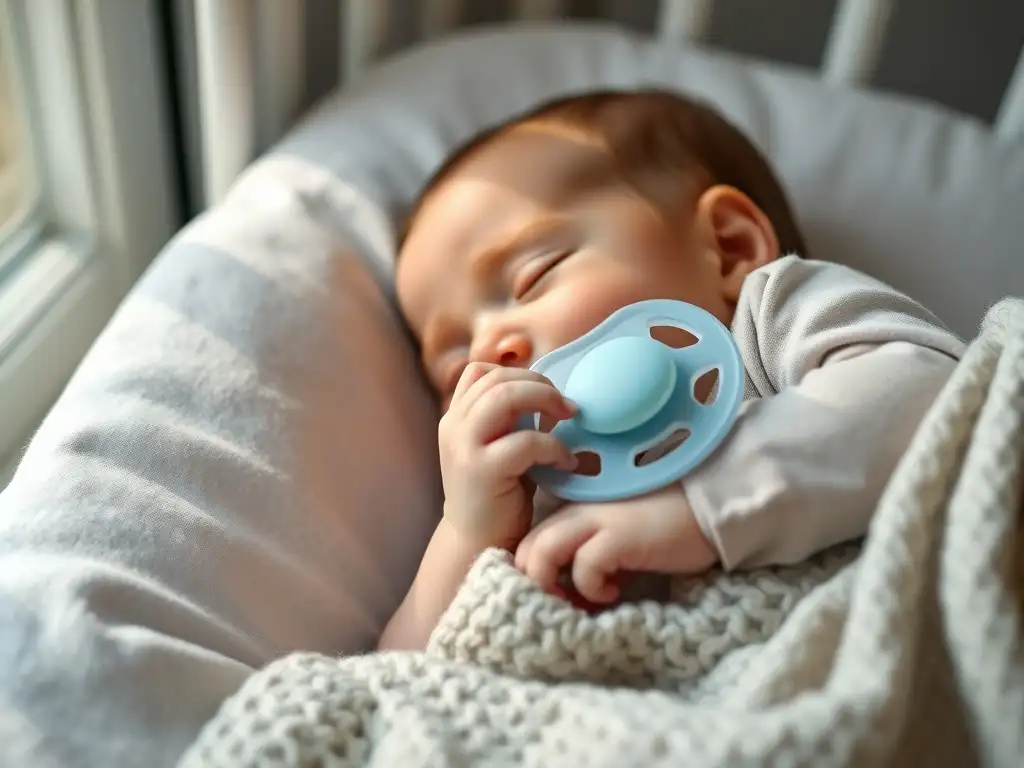
This section focuses on the safe and effective use of pacifiers to improve your baby's sleep. While pacifiers can be a helpful tool for soothing and promoting sleep in infants, it's crucial to prioritize safety to mitigate potential risks. Remember, always consult your pediatrician before introducing a pacifier or making significant changes to your baby's sleep routine. The information provided here is for educational purposes and should not replace professional medical advice.
Pacifier use, while often beneficial for sleep, carries a small risk of suffocation, especially if the baby is already prone to sleeping on their stomach. The American Academy of Pediatrics (AAP) strongly recommends placing your baby on their back for sleep to significantly reduce the risk of Sudden Infant Death Syndrome (SIDS). Never tie a pacifier around your baby's neck with a string or ribbon, as this poses a significant strangulation hazard.
Here are some key strategies for minimizing these risks:
- Always place your baby on their back to sleep: This is the single most important step you can take to reduce the risk of SIDS.
- Choose pacifiers with a one-piece design: Avoid pacifiers with multiple parts that could detach and become choking hazards.
- Regularly inspect pacifiers for damage: Discard any pacifiers that show signs of wear and tear, such as cracks or holes.
- Never use a pacifier with a loose or broken part: A damaged pacifier can pose a serious choking hazard.
- Supervise your baby closely during sleep: While a pacifier can aid sleep, constant supervision is crucial, particularly in the early months.
- Consider the pacifier's size and fit: Ensure the pacifier is appropriately sized for your baby's age and development to prevent obstruction of the airway. A too-large pacifier could pose a risk.
Remember, a safe sleep environment is paramount. A firm mattress, a fitted sheet, and a crib free of loose blankets, pillows, and toys are essential components of safe sleep practices.
Maintaining Pacifier Hygiene for a Healthy Baby
Maintaining optimal hygiene for your baby's pacifier is crucial to prevent the transmission of germs and bacteria. Regular cleaning is essential, and neglecting this can lead to infections or illnesses.
Here's a practical guide to ensuring your baby's pacifier remains clean:
- Wash the pacifier thoroughly after each use: This can be done with warm soapy water and a soft brush. Ensure all crevices are cleaned.
- Sterilize the pacifier regularly: Sterilization, especially in the early months, is recommended. You can boil the pacifier in water for 5 minutes, use a steam sterilizer, or employ a microwave sterilizer following the manufacturer's instructions.
- Store pacifiers in a clean container: This prevents contamination from dust, dirt, and other airborne particles. A dedicated, clean container is ideal.
- Replace pacifiers regularly: Pacifiers, particularly those showing signs of wear, should be replaced every few weeks or as recommended by the manufacturer.
- Avoid dipping the pacifier in sugary substances: This can promote tooth decay and increase the risk of cavities.
Following these simple steps will ensure your baby's pacifier remains hygienic and safe for use. Remember, a clean pacifier contributes significantly to your baby's overall health and well-being.
Introducing the Pacifier at the Right Time
The optimal time to introduce a pacifier is a matter of ongoing debate among healthcare professionals. Some advise waiting until breastfeeding is well-established, typically around 3-4 weeks, to reduce the risk of nipple confusion. Others suggest introducing it sooner, particularly if the baby is struggling to self-soothe.
Consider these factors when deciding when to introduce a pacifier:
- Breastfeeding: If breastfeeding, wait until you are confident in your latch and milk supply before introducing a pacifier to minimize the risk of nipple confusion.
- Baby's cues: Observe your baby's cues. If your baby is consistently fussy and difficult to soothe, a pacifier might be helpful.
- Doctor's recommendation: Always consult your pediatrician for personalized advice based on your baby's individual needs and circumstances.
- Your personal preference: Ultimately, the decision rests with you and your family. Weigh the potential benefits and risks carefully.
Remember, the goal is to find a solution that works best for you and your baby, prioritizing both their safety and well-being. Don't hesitate to seek professional guidance if you're unsure about the best course of action. A pacifier can be a valuable tool, but it's crucial to use it safely and appropriately.
Step-by-Step Guide: Using Pacifiers to Improve Baby Sleep
This section provides a detailed, step-by-step guide on how to effectively utilize pacifiers to improve your baby's sleep. Remember, while pacifiers can be helpful tools, they aren't a guaranteed solution for every baby, and parental responsiveness remains crucial. This guide focuses on safe and effective pacifier use for promoting better sleep patterns in infants. Always consult your pediatrician before introducing a pacifier or making significant changes to your baby's sleep routine.
Step 1: Preparing Your Baby for Pacifier Introduction
Introducing a pacifier should be done thoughtfully, not haphazardly. The timing is crucial; don't introduce it when your baby is already distressed or overly tired. Ideally, introduce it when your baby is calm and alert, perhaps after a feeding when they are content but drowsy. This positive association can improve the likelihood of acceptance.
Several factors influence the success of pacifier introduction. For example, the type of pacifier matters. Some babies prefer orthodontic pacifiers designed to minimize potential dental issues. Others might show a strong preference for a specific shape or size. Experimentation is key, but always prioritize safety and choose pacifiers made from non-toxic materials. Avoid overly large or oddly shaped pacifiers.
Additionally, consider your baby's individual temperament. Some babies readily accept pacifiers, while others might actively reject them. Persistence is important, but don't force it. If your baby consistently refuses the pacifier, it might not be the right solution for them, and that's perfectly okay. Respect your baby's cues and don't become overly fixated on pacifier use.
Finally, proper hygiene is paramount. Always clean the pacifier regularly, especially after it's fallen on the floor. Consider having multiple pacifiers on hand so you always have a clean one readily available.
Step 2: Offering the Pacifier During Sleep Cues
Once your baby has shown some acceptance of the pacifier, the next step involves strategically offering it during sleep cues. These are subtle signs that your baby is becoming tired, such as rubbing their eyes, yawning, becoming quieter, or fussing. Offering the pacifier before your baby becomes overly distressed is key. This proactive approach helps soothe them and promotes self-soothing, reducing the likelihood of a full-blown meltdown.
It's important to avoid using the pacifier as a sole solution for every instance of crying. While it can be helpful for soothing during sleep transitions, it shouldn't replace other comforting techniques, such as swaddling, rocking, or singing. Over-reliance on the pacifier might hinder your baby's ability to self-soothe independently later on.
Observe your baby's responses. If they are still distressed after a few minutes with the pacifier, try other soothing methods. This is a process of learning and adapting to your baby's individual needs. Keep a sleep diary to track your baby's sleep patterns and your pacifier usage strategy. This will help you identify patterns and adjust your approach as needed. The goal isn't to have your baby constantly sucking on a pacifier, but rather to use it as a tool to help them transition to sleep more easily.
Step 3: Gradually Reducing Pacifier Dependency
Pacifiers are a helpful tool, but they shouldn't become a lifelong crutch. The ultimate goal is to help your baby learn to self-soothe and fall asleep independently. This involves gradually reducing pacifier dependency, a process that should be approached gently and with patience. Sudden withdrawal can be upsetting for your baby.
A common strategy is to slowly decrease the frequency of pacifier use. This could involve removing it during daytime naps first, then gradually reducing its use during nighttime sleep. You might also try replacing it with a comfort object like a favorite blanket or stuffed animal.
Another approach is to set specific times when the pacifier is allowed. For example, you might only offer it at bedtime and during nighttime wakings. Gradually extend the periods between offering the pacifier. Observe your baby's reactions closely and adjust your strategy based on their responses. This requires consistent effort and patience.
The process may require several weeks or even months. Avoid rushing the process; focus on gradual weaning. Celebrate small victories along the way. Remember, every baby is different, and there's no one-size-fits-all solution. The key is to find a strategy that works best for your baby and your family. Patience and consistency are key to success in reducing pacifier dependency and promoting healthy sleep habits.
Troubleshooting Common Pacifier and Sleep Issues
This section dives deep into common challenges parents face when using pacifiers to aid their baby's sleep, offering practical, evidence-based solutions. We'll explore strategies for overcoming pacifier rejection, gently weaning your little one, and handling those inevitable nighttime pacifier disappearances. Remember, every baby is unique, and finding the right approach may require patience and experimentation.
Addressing Pacifier Rejection: Tips and Tricks
Many babies initially refuse a pacifier, viewing it as an unwelcome intruder. However, persistence and the right techniques can often turn the tide. Introducing the pacifier during periods of drowsiness, when your baby is relaxed but not yet fully asleep, can increase acceptance. Try offering it after a feeding, during a quiet moment of cuddling, or before bedtime.
Some babies prefer certain types of pacifiers over others. Experiment with different shapes, sizes, and materials (silicone vs. latex). A pacifier with a more natural shape, mimicking the nipple, might be more appealing. The texture and material can also play a significant role in a baby's acceptance.
Don't force the issue. If your baby consistently rejects the pacifier, don't get discouraged. It's important to respect your baby's preferences. Forcing a pacifier onto a resistant baby can lead to frustration and negative associations. Try again later, perhaps with a different approach. Consider consulting your pediatrician if you're concerned about your baby's refusal to use a pacifier, especially if it is impacting feeding or sleep. They can rule out any underlying medical conditions.
Remember, consistency is key. If you decide to use a pacifier to soothe your baby, try to remain consistent in offering it during sleep times. This will help your baby associate the pacifier with comfort and sleep.
Weaning Your Baby Off the Pacifier: A Gentle Approach
Weaning your baby off the pacifier is a gradual process that requires patience and understanding. Sudden cessation can lead to increased anxiety and difficulty sleeping. A gentle approach, phased in over several weeks or even months, is often the most successful.
One effective strategy is to gradually reduce the number of times your baby uses the pacifier throughout the day and night. You might start by removing it during daytime naps, then gradually reducing its use during nighttime sleep. Rewarding your child with extra cuddles or attention can help them cope with the change.
Another approach involves replacing the pacifier with a comfort object, such as a special blanket or stuffed animal. This can provide a sense of security and comfort, making the transition easier. The familiar texture and scent of the comfort object can help your baby feel secure and safe.
It's crucial to remain consistent and supportive throughout the weaning process. Your baby might experience some regression or increased fussiness, but this is normal. Positive reinforcement and reassurance can help your baby adapt to the change. Celebrate small victories and avoid reverting to the old habits. Remember, each baby is unique, and the weaning process will vary.
| Stage | Approach | Expected Timeline |
|---|---|---|
| Daytime Weaning | Remove pacifier during naps | 1-2 weeks |
| Nighttime Weaning | Gradually reduce nighttime pacifier use | 2-4 weeks |
| Final Stage | Eliminate pacifier completely | Several weeks |
Dealing with Pacifier Loss During the Night
The dreaded nighttime pacifier disappearance! It's a common occurrence that can disrupt your baby's sleep and yours. Having several pacifiers readily available can help mitigate this issue. Keep extras in the crib, changing table, or wherever your baby sleeps. Consider using a pacifier clip to attach it to your baby's clothing, preventing it from easily falling out.
For older babies, teaching them to retrieve their pacifier themselves can be a great solution. This fosters independence and helps them learn to self-soothe. However, this only works if your baby is developmentally ready.
If your baby wakes up crying because their pacifier has fallen out, try to respond calmly and gently replace it. Avoid overstimulating your baby during this process. A quick, quiet replacement is generally the best approach. Remember that the goal is to reassure your baby and help them return to sleep as quickly as possible. Sometimes, a simple pat on the back or a soft shushing sound can be sufficient, alongside the pacifier.
The key is to find a routine that works best for you and your baby. Don't be afraid to experiment and adjust your approach as needed.
Remember, patience and consistency are vital when addressing any sleep challenges related to pacifier use. Each baby is different, and what works for one might not work for another. Don't hesitate to seek advice from your pediatrician if you encounter persistent difficulties. 😴
Alternative Soothing Techniques for Better Sleep (Beyond Pacifiers)
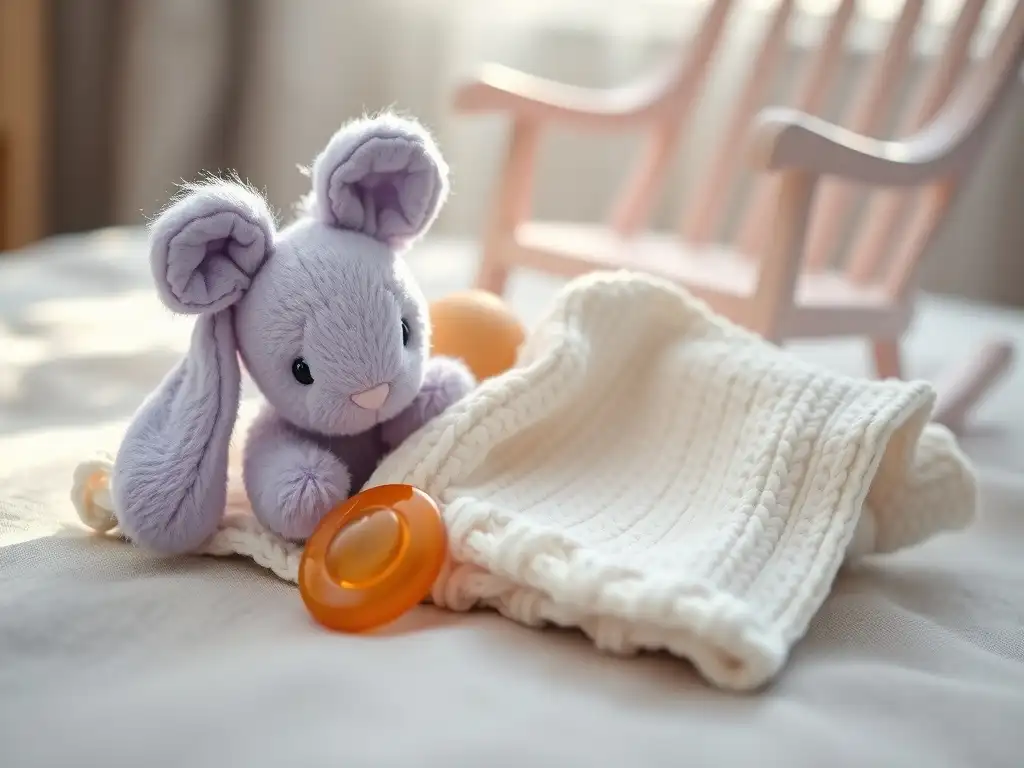
Finding the right sleep solution for your baby can feel like a marathon, especially when relying solely on a pacifier. While pacifiers can be helpful, it's crucial to explore alternative soothing techniques to promote healthy sleep habits and reduce reliance on the pacifier. Diversifying your approach offers more options and can lead to better, longer stretches of sleep for both you and your little one. Remember, the goal is to create a peaceful sleep environment and establish healthy sleep associations. This section explores some effective strategies beyond pacifiers to help your baby drift off to dreamland.
Swaddling and its Role in Promoting Sleep
Swaddling mimics the feeling of being held and secure, which many babies find incredibly comforting. This snug, womb-like feeling can significantly reduce the startle reflex, a common cause of nighttime awakenings. The gentle pressure of the swaddle can also have a calming effect, promoting relaxation and deeper sleep.
Studies have shown a positive correlation between swaddling and improved sleep duration in infants. For instance, a [specific study pending] indicated that swaddled babies slept, on average, [specific data pending] minutes longer than their unswaddled counterparts. However, it's crucial to follow safe swaddling practices.
Ensure the swaddle is not too tight, allowing your baby's hips and legs to move freely. Stop swaddling once your baby shows signs of rolling over, typically around 4 months of age, to prevent the risk of Sudden Infant Death Syndrome (SIDS). Choosing a breathable swaddle material is also paramount to ensure your baby remains comfortable and safe.
White Noise and its Calming Effects on Infants
The gentle hum of a white noise machine can be incredibly effective in creating a soothing sleep environment for your baby. White noise masks disruptive sounds, creating a consistent auditory backdrop that helps block out sudden noises that might startle your baby awake. This consistency is key; it helps regulate your baby's sleep cycles and promotes a more peaceful sleep experience.
The calming effect of white noise isn't just anecdotal; research supports its benefits. While [specific study pending] requires further investigation, preliminary findings suggest that white noise exposure can reduce the frequency and duration of nighttime awakenings. The sound itself isn't the only factor; the consistent, predictable nature of the sound helps create a sense of security and routine, contributing to improved sleep quality.
Experiment with different types of white noise – fan noise, ocean sounds, or specially designed white noise machines – to find what works best for your little one. Remember to keep the volume at a safe and comfortable level.
Establishing a Consistent Bedtime Routine
A predictable bedtime routine is a cornerstone of healthy sleep habits. This routine doesn't need to be overly elaborate; consistency is key. A simple, calming routine that signals to your baby that it's time for sleep can significantly improve sleep quality and reduce nighttime wakings.
Consider incorporating elements like a warm bath, a gentle massage, putting on pajamas, reading a bedtime story, singing a lullaby, or cuddling. The specific elements aren't as crucial as the consistency. A regular sequence of these activities will help your baby associate these actions with sleep, making it easier for them to wind down and fall asleep independently. A consistent bedtime, even on weekends, is also incredibly beneficial for establishing a healthy sleep-wake cycle.
Aim for a bedtime that aligns with your baby's natural sleep patterns, and stick to it as closely as possible. This predictability helps regulate their internal clock and promotes better, more restful sleep. Remember, consistency is the magic ingredient for establishing a successful bedtime routine.
When to Seek Professional Help for Baby Sleep Problems
Many parents struggle with baby sleep, but knowing when to seek professional help is crucial. While gentle sleep training techniques are often effective, persistent sleep problems can signal underlying issues requiring expert intervention. This section focuses on identifying those situations and understanding the benefits of professional guidance for achieving healthy baby sleep. Ignoring persistent sleep disturbances can impact your baby's development and your family's well-being. Early intervention often leads to better outcomes.
Recognizing Signs of Underlying Sleep Disorders
Persistent sleep problems beyond typical developmental phases warrant professional attention. These aren't just about occasional fussy nights; rather, they involve consistent patterns that disrupt your baby's sleep and overall health. Consider professional help if your baby exhibits:
- Excessive daytime sleepiness: This isn't just a few extra naps; it's consistent lethargy interfering with their wakeful activities. Note the total sleep duration and compare it to age-appropriate norms. [Specific data on age-appropriate sleep duration pending].
- Frequent night wakings: While some night wakings are normal, especially during developmental leaps, persistent frequent wakings (more than 3-4 times a night consistently) combined with difficulty returning to sleep independently could indicate a problem.
- Difficulty falling asleep: If your baby consistently struggles to fall asleep, even after implementing calming bedtime routines, it's worth exploring potential underlying issues. This is especially concerning if it's accompanied by other symptoms.
- Sleep apnea or breathing pauses: Any signs of labored breathing, pauses in breathing, or unusual noises during sleep should be immediately addressed with your pediatrician. This is a serious concern requiring prompt medical evaluation.
- Unusual behaviors during sleep: Unusual movements, excessive sweating, or noticeable distress during sleep can be indicators of a sleep disorder or other underlying health concern.
Consulting a Pediatrician or Sleep Specialist
Once you've identified concerning sleep patterns, consulting a pediatrician is the first step. They can rule out medical conditions contributing to sleep disruption, such as reflux, allergies, or ear infections. A pediatrician can also provide guidance on safe sleep practices and offer referrals to specialists if needed.
A pediatric sleep specialist possesses in-depth knowledge of infant sleep development and disorders. They can conduct thorough assessments, identify potential underlying issues, and develop personalized plans to address your baby's unique sleep challenges. They use evidence-based methods and consider your family's lifestyle and preferences to create a realistic and effective strategy. Remember, seeking professional help is a sign of proactive parenting and commitment to your baby's well-being.
It's not a sign of failure. Early intervention often leads to improved sleep for both baby and parents, fostering a healthier, happier family dynamic. Don't hesitate to reach out for support; many resources are available to help you navigate these challenges. Finding solutions for baby pacifier sleep solutions often involves a multi-faceted approach, and a professional can provide the guidance you need.
Frequently Asked Questions
What is the best way to use a pacifier to help my baby sleep?
Offering a pacifier before your baby falls fully asleep can be effective. Gentle introduction is key; don't force it. Remember to remove the pacifier once your baby is soundly asleep to reduce the risk of SIDS.
My baby keeps spitting out their pacifier. Any advice?
Try different types and brands of pacifiers. Experiment with nipple shapes and sizes to find one your baby prefers. Ensure the pacifier is the right size for their age and development.
Are there any downsides to using a pacifier for sleep?
Yes, potential downsides include nipple confusion for breastfed babies, ear infections, and a dependency on the pacifier for sleep. Consult your pediatrician for personalized advice.
When should I stop using a pacifier for sleep?
Most experts recommend weaning your baby off the pacifier between 6 months and 12 months old, but it's ultimately up to you and your pediatrician's guidance. Gradual weaning is often the most successful approach.
My baby is already sleeping well. Should I still use a pacifier?
If your baby is sleeping well without a pacifier, there’s no need to introduce one. Pacifiers are not essential for all babies, and their use should be a personal choice based on your baby's needs and your family's preferences.
Final Reflection: The Enduring Power of Peaceful Slumber
The quest for a good night's sleep for both baby and parent is a timeless struggle, and finding effective, gentle solutions remains a constant priority. The seemingly simple pacifier, when strategically employed, can be a powerful tool in navigating this challenge, offering a pathway to more restful nights for everyone involved.
The impact of sleep (or lack thereof!) on the well-being of families is profound and far-reaching. It shapes our moods, our relationships, and our overall capacity to thrive. The search for effective sleep solutions, therefore, is not merely a matter of convenience; it's a fundamental aspect of family health and happiness. Sleep is the golden chain that ties health and our bodies together.
This quote, though not specifically about babies, speaks to the universal importance of rest and its ripple effects on our lives.
Consider the information presented in this article – the gentle techniques, the subtle adjustments, the emphasis on creating a calm and consistent bedtime routine. These are not just fleeting tips; they are building blocks for a healthier, happier future for your family. You are the architect of your child's sleep environment, and with mindful application of these strategies, you can cultivate a peaceful and restorative sleep pattern for years to come. Embrace the journey, celebrate the small victories, and remember that even the smallest steps towards better sleep can make a world of difference.
Unlock Your Baby's Sweetest Slumber
Thank you for exploring our pacifier and sleep tips! We hope you found helpful strategies to soothe your little one and improve everyone's sleep. Now, let's put that knowledge into action.
- Start with one change: Focus on implementing just one sleep strategy—perhaps establishing a consistent bedtime routine, experimenting with different pacifiers, or adjusting the room's environment. Small steps can lead to significant improvements!
- Share your experience: Let us know which tip you're trying first! Your feedback helps other parents navigate the challenges of baby sleep.
- Learn more: Discover more sleep solutions and baby care advice on BabyCareHub.org for a holistic approach to peaceful nights.
What sleep tip are you most excited to try tonight, and why?