
The Art of Toy Rotation: Keeping Baby Engaged and Excited


Welcome to BabyCareHub, your ultimate guide to navigating the wonderful world of parenthood! Are you ready to unlock the secret to keeping your little one stimulated and happy? We delve into the surprising benefits of baby toy rotation in our latest article, revealing how this simple strategy can significantly impact your baby's development and engagement. Discover how strategic toy rotation can transform playtime and unlock new levels of learning and fun – read on to learn more!
- Understanding the Benefits of Baby Toy Rotation
- Creating an Effective Toy Rotation System for Your Baby
- Developing a Baby Toy Rotation Schedule
- Choosing the Right Toys for Rotation: Age-Appropriate and Engaging Options
- Maximizing the Benefits of Toy Rotation: Tips and Tricks
- Beyond the Basics: Creative Ways to Extend Playtime
- Frequently Asked Questions
- Final Reflection: The Enduring Power of Playful Discovery
- Unleash Your Baby's Play Potential!
Understanding the Benefits of Baby Toy Rotation
First-time parents often find themselves overwhelmed by the sheer volume of baby products available, and toys are no exception. Navigating the world of rattles, teethers, and activity centers can feel daunting. However, a simple yet powerful strategy can significantly enhance your baby's playtime and development: toy rotation.
This article explores the art of baby toy rotation, outlining its numerous benefits and providing practical tips to implement this effective technique. We'll delve into how rotating your baby's toys can maximize engagement, stimulate cognitive development, and prevent boredom, ultimately contributing to a richer and more stimulating playtime experience for your little one. Understanding the benefits of baby toy rotation will help you make the most of your investment in baby toys and foster a healthy and happy development in your child.
This strategy is crucial in maximizing the educational and developmental impact of the toys you provide, ensuring that your baby's playtime is both fun and beneficial for their growth. This article will equip you with the knowledge to successfully implement a toy rotation system, leading to a more engaging and fulfilling playtime for your baby.
Why Rotate Baby Toys? Maximizing Engagement and Development
Rotating your baby's toys isn't just about tidying up; it's a strategic approach to maximizing their developmental potential. Babies, especially in their first year, thrive on novelty. Presenting a constantly changing selection of toys keeps them engaged, curious, and actively exploring.
Think of it as a buffet for their developing minds! A consistent stream of new (or seemingly new) toys prevents boredom and encourages exploration, leading to improved cognitive skills, fine motor development, and problem-solving abilities. This is because encountering new toys challenges your baby to interact with them differently, stimulating their brains and creating new neural pathways.
For example, a toy that was previously ignored might become a source of fascination when reintroduced after a period of absence. This "fresh start" effect can significantly enhance the learning and engagement your baby experiences with their toys. The benefits extend beyond cognitive development; a stimulating play environment also contributes to your baby’s overall emotional well-being and happiness.
Here's a simple table illustrating the benefits:
| Benefit | Description |
|---|---|
| Increased Engagement | Maintains baby's interest and prevents boredom. |
| Cognitive Development | Stimulates curiosity, problem-solving, and learning through novel experiences. |
| Fine Motor Skill Development | Encourages manipulation and exploration of different textures and shapes. |
| Sensory Exploration | Provides opportunities to explore various textures, sounds, and visual stimuli. |
| Emotional Well-being | Contributes to a positive and enriching playtime experience, promoting happiness and emotional development. |
The Impact of Novelty on Baby's Cognitive Development: Stimulating Curiosity and Learning
The human brain, especially a baby's rapidly developing brain, is wired to seek novelty. New experiences, sights, sounds, and textures all contribute to the formation of new neural connections. Introducing new toys regularly taps into this innate drive, fostering curiosity and a thirst for learning. This isn't simply about entertainment; it's about actively shaping your baby's brain architecture. Studies have shown that exposure to a variety of stimulating experiences during infancy significantly impacts cognitive development later in life.
The process of exploring a new toy activates multiple brain regions, improving attention span, memory, and processing speed. Imagine the impact of a consistent stream of novel sensory experiences – it's like giving your baby's brain a regular workout! This continuous stimulation helps to build a strong foundation for future learning and cognitive abilities. The more diverse the stimuli, the more robust and adaptable your baby's brain will become.
Preventing Boredom and Maintaining Interest in Playtime
One of the most significant benefits of baby toy rotation is the prevention of boredom. Babies, like adults, can become disinterested in toys they've seen and played with repeatedly. This can lead to frustration, shorter playtime sessions, and a decreased enjoyment of play. By rotating toys, you're essentially resetting the clock. Familiar toys, when reintroduced after a period of absence, feel new and exciting again.
This "re-discovery" process rekindles your baby's interest and encourages further exploration. This simple strategy can significantly extend the lifespan of your toys, maximizing their value and ensuring your baby continues to enjoy their playtime. Furthermore, a regular rotation ensures that your baby is consistently exposed to a wide variety of toys, promoting balanced development across different skill areas. This will lead to a more dynamic and engaging playtime experience, contributing to a happier and more stimulated baby.
Creating an Effective Toy Rotation System for Your Baby
This section delves into the practical aspects of implementing a successful toy rotation system for your little one. Successfully rotating your baby's toys offers significant developmental benefits, maximizing engagement and minimizing sensory overload. Understanding the principles behind effective rotation is key to reaping these "Baby toy rotation benefits".
Assessing Your Baby's Current Toy Collection: Identifying Favorites and Underutilized Items
Before you begin rotating, take stock of your baby's existing toys. A thorough inventory helps you understand what's working and what's not. This isn't just about counting toys; it's about evaluating their engagement value.
Begin by categorizing your baby's toys. This might include:
- Soft toys: Stuffed animals, cuddly blankets.
- Teethers: Various textures and materials.
- Rattles: Different sounds and shapes.
- Activity toys: Gyms, play mats, stacking toys.
- Sensory toys: Toys that stimulate different senses (sight, sound, touch).
Next, observe your baby's playtime. Which toys consistently grab their attention? Which ones are ignored or briefly played with? Note down the favorites and the underutilized items. This observation is crucial for building an effective rotation schedule. For example, if your baby shows a strong preference for soft, textured toys, you'll want to ensure these are included in each rotation cycle. Conversely, toys gathering dust can be safely stored away for a later rotation.
Consider creating a simple spreadsheet or using a notebook to track your baby's toy engagement. This will help you identify patterns and preferences over time. You might even note the duration of playtime with each toy, providing valuable insights into your baby's interests and developmental stages. This detailed approach to observation will significantly improve your toy rotation strategy.
Organizing Your Toys: A Simple Storage and Rotation System
An organized system is paramount for a smooth toy rotation. Chaos leads to frustration, both for you and your baby. A well-planned storage solution makes the process efficient and enjoyable.
Here are a few ideas:
- Clear storage bins: Label each bin with the contents (e.g., "Week 1 Toys," "Week 2 Toys"). This makes selecting and putting away toys a breeze.
- Rotating shelves: If you have shelf space, dedicate a section to current toys and another for stored toys. Swapping out toys becomes a simple matter of changing shelf positions.
- Toy baskets: Colorful baskets can add a playful touch while keeping toys neatly contained.
Remember, the system should work for you. Choose a method that fits your lifestyle and available space. The goal is a streamlined process that minimizes the time and effort involved in managing your baby's toys, maximizing the "Baby toy rotation benefits".
The Ideal Number of Toys for Rotation: Avoiding Sensory Overload
While variety is good, too many toys can overwhelm a baby. Sensory overload can lead to frustration and reduced engagement. The "just right" number depends on your baby's age and developmental stage.
A good starting point is to choose 4-6 toys for each rotation cycle (approximately one week). This provides sufficient variety to keep your baby stimulated without overwhelming them. For younger babies (0-6 months), focus on simpler toys with contrasting colors and textures. As your baby grows, you can gradually increase the number and complexity of toys in each rotation.
Remember, the focus is on quality over quantity. A small selection of engaging toys is far more effective than a large collection of neglected items. Observe your baby's reactions and adjust the number of toys accordingly. If they seem overwhelmed or easily distracted, reduce the number of toys in the rotation. If they consistently show interest and engagement, you might gradually add a few more. This flexibility ensures that your toy rotation system effectively supports your baby's development and maximizes the "Baby toy rotation benefits".
Developing a Baby Toy Rotation Schedule
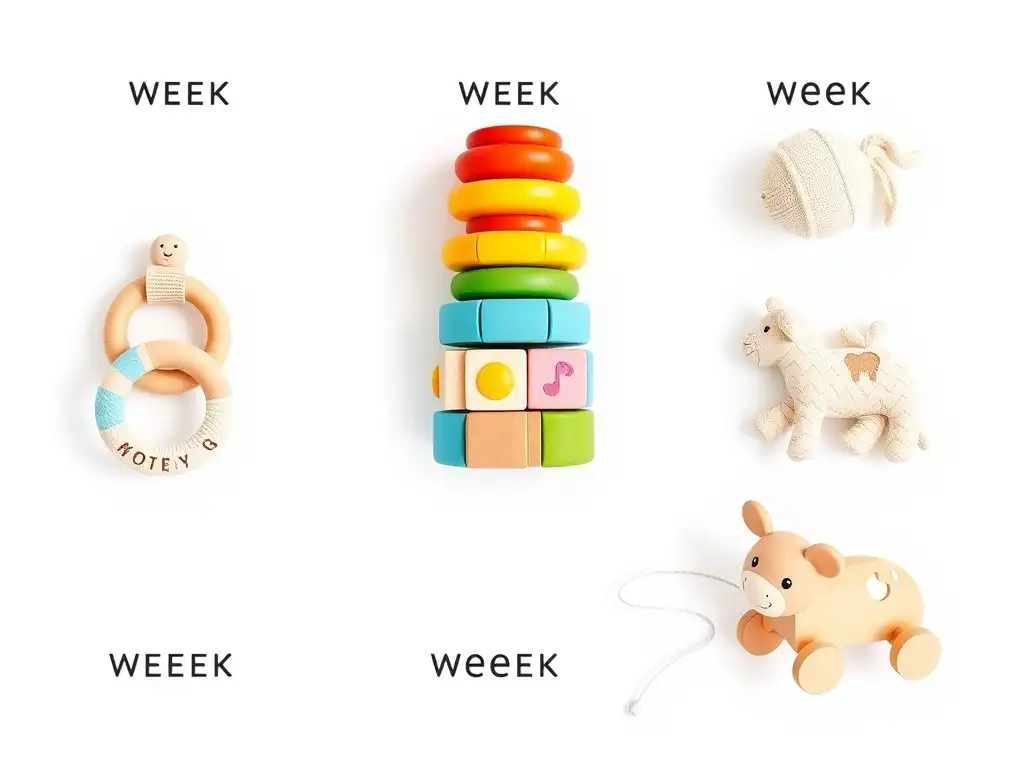
This section delves into the practical aspects of creating a baby toy rotation schedule, maximizing the benefits of this engaging strategy. A well-structured rotation keeps your little one stimulated and prevents toy overload, fostering their cognitive and developmental growth. Remember, the key to successful baby toy rotation benefits lies in a thoughtful and adaptable approach.
Implementing a Weekly or Bi-Weekly Rotation Strategy
A weekly or bi-weekly rotation is a great starting point for most babies. This frequency offers a balance between novelty and familiarity. Consider these steps:
- Inventory: Begin by cataloging your baby's toys. Categorize them by type (e.g., rattles, soft toys, teethers, activity centers) and age appropriateness. This inventory will become your rotation roadmap.
- Selection: Choose a subset of toys—approximately 3-5—for the initial rotation group. Aim for a variety of textures, colors, and functionalities to provide diverse sensory experiences. For example, include a soft, cuddly toy, a textured teether, and a rattle.
- Designated Space: Designate a specific area for the "active" rotation toys. This dedicated space will help your baby associate that location with playtime and will make the rotation process smoother. This could be a toy shelf, a play mat, or a basket.
- Rotation: After a week or two (depending on your chosen frequency), replace the active toys with a new selection from your inventory. Store the previous toys out of sight – in a toy bin, closet, or under the bed.
- Reintroduction: After a period of 4-6 weeks, reintroduce the previously stored toys back into the rotation. This helps prevent your baby from forgetting about their old favorites and keeps their interest piqued.
This systematic approach ensures consistent engagement and prevents boredom. Remember to observe your baby’s reactions and adjust the schedule accordingly. Some babies may benefit from a more frequent rotation (e.g., every 3-5 days), while others might do better with a less frequent one (e.g., every 2-3 weeks).
Adapting the Rotation Schedule to Your Baby's Age and Developmental Stage
The ideal rotation frequency is heavily influenced by your baby's developmental stage. Newborns and very young infants (0-3 months) might benefit from a slower rotation, perhaps every 2-3 weeks, as their attention spans are shorter. Their interest in a single toy can last longer. As they grow older (3-6 months and beyond), their attention spans increase, and a weekly or bi-weekly rotation becomes more appropriate. Their cognitive development allows them to engage with more toys and appreciate the novelty more readily.
| Age Range | Recommended Rotation Frequency | Considerations |
|---|---|---|
| 0-3 Months | Every 2-3 weeks | Focus on simple toys with high contrast colors and textures. |
| 3-6 Months | Weekly | Introduce toys with different sounds, textures, and shapes. |
| 6-12 Months | Weekly or Bi-weekly | Include toys that encourage grasping, reaching, and manipulating objects. |
| 12 Months + | Bi-weekly or Monthly | Introduce more complex toys with multiple functions, puzzles, and building blocks. |
Remember, these are guidelines; observe your baby's cues and adjust accordingly. The goal is to keep them engaged and learning, not to rigidly adhere to a schedule.
Signs Your Baby Needs a Toy Rotation: Loss of Interest, Shortened Play Sessions
Several subtle cues indicate that a toy rotation is necessary. These signals suggest a decline in engagement and a need for fresh stimulation. Pay close attention to:
- Loss of Interest: If your baby consistently ignores a particular toy or group of toys, it’s a strong indicator they’re ready for a change. They might spend only seconds interacting with them before moving on to something else, even their hands or feet.
- Shortened Play Sessions: Noticeably shorter playtime with their toys, coupled with a lack of engagement, suggests boredom. They may quickly lose interest and become restless, even with their favorite toys. This is a clear sign that a toy rotation would be beneficial.
- Increased Fussiness During Playtime: Frustration or fussiness during playtime, especially with previously enjoyed toys, is another signal. This might manifest as throwing toys, crying, or simply turning away.
- Repetitive Actions: Repetitive actions with a toy might show they’ve mastered it and are ready for something new. For example, a baby might repeatedly shake a rattle without showing any further interest.
Recognizing these subtle signs allows you to proactively adjust your baby's toy rotation, ensuring continuous engagement and maximizing the baby toy rotation benefits. A timely rotation keeps playtime stimulating, fun, and developmentally enriching.
Choosing the Right Toys for Rotation: Age-Appropriate and Engaging Options
The core of successful baby toy rotation hinges on selecting toys appropriate for your baby's developmental stage. Ignoring this crucial aspect can lead to frustration for both you and your little one. A toy that's too advanced might overwhelm your baby, while one that's too simple could quickly lose its appeal, negating the baby toy rotation benefits. Let's delve into how to choose wisely.
Selecting Toys that Stimulate Different Senses and Skills
Babies learn through their senses. To maximize the baby toy rotation benefits, aim for a diverse collection that caters to different sensory experiences. Consider toys that:
- Stimulate visual development: High-contrast patterns, brightly colored mobiles, and textured balls are excellent choices for newborns and younger infants. As they grow, introduce toys with more intricate designs and moving parts.
- Enhance auditory skills: Rattles, musical toys, and toys that make different sounds (squeaking, crinkling) help babies develop their hearing and understand cause and effect.
- Develop tactile skills: Offer a variety of textures – soft plush toys, crinkly fabrics, smooth wooden blocks, and rough-textured teethers. This helps refine their sense of touch and hand-eye coordination.
- Improve motor skills: Toys that encourage grasping, reaching, and manipulating (e.g., stacking rings, shape sorters, simple puzzles) are crucial for developing fine motor skills. Remember to choose toys suitable for their age and grip strength.
For example, a newborn might benefit from a black and white mobile, while a 6-month-old could engage with a soft rattle and a teether. A 12-month-old might enjoy a simple shape sorter or stacking cups. Remember to rotate these toys regularly to maintain engagement.
Considering Developmental Milestones When Choosing Toys
The baby toy rotation benefits are amplified when you align toy selection with your baby's developmental milestones. Each stage brings new skills and interests. Consider these examples:
| Age Range | Developmental Milestone | Suitable Toy Examples |
|---|---|---|
| 0-3 Months | Reflexes, visual tracking, listening | High-contrast mobiles, rattles, soft textured toys |
| 3-6 Months | Reaching, grasping, exploring objects with mouth | Teethers, rattles, soft blocks, simple activity gyms |
| 6-9 Months | Sitting, crawling, object manipulation | Stacking rings, shape sorters, balls, bath toys |
| 9-12 Months | Pulling to stand, cruising, exploring cause and effect | Push-and-pull toys, simple puzzles, musical instruments |
| 12-18 Months | Walking, improved fine motor skills, language development | Building blocks, shape sorters, picture books, simple vehicles |
Regularly assessing your baby's progress and adjusting the toy selection accordingly is key to maximizing engagement and learning.
The Importance of Variety in Textures, Colors, and Sounds
Variety is the spice of life, and this holds especially true for baby toy rotation. Monotony can quickly lead to boredom. To reap the full baby toy rotation benefits, ensure your collection offers a rich sensory experience:
- Textures: Include soft, hard, smooth, rough, and fuzzy textures. This stimulates tactile exploration and helps develop fine motor skills.
- Colors: Bright, primary colors are ideal for younger babies, while older babies can appreciate a wider range of hues and patterns.
- Sounds: Offer a variety of sounds – crinkling, squeaking, rattling, musical notes. This promotes auditory development and helps babies learn to associate cause and effect.
Consider creating themed "toy boxes" based on these sensory qualities. One box might feature soft, plush toys, another might contain brightly colored stacking toys, and yet another could hold toys that make different sounds. This structured approach will simplify the rotation process and keep your baby engaged and stimulated. Remember, the goal is to keep things fresh and exciting, maximizing the learning and enjoyment your baby receives from playtime. 🧸
Maximizing the Benefits of Toy Rotation: Tips and Tricks
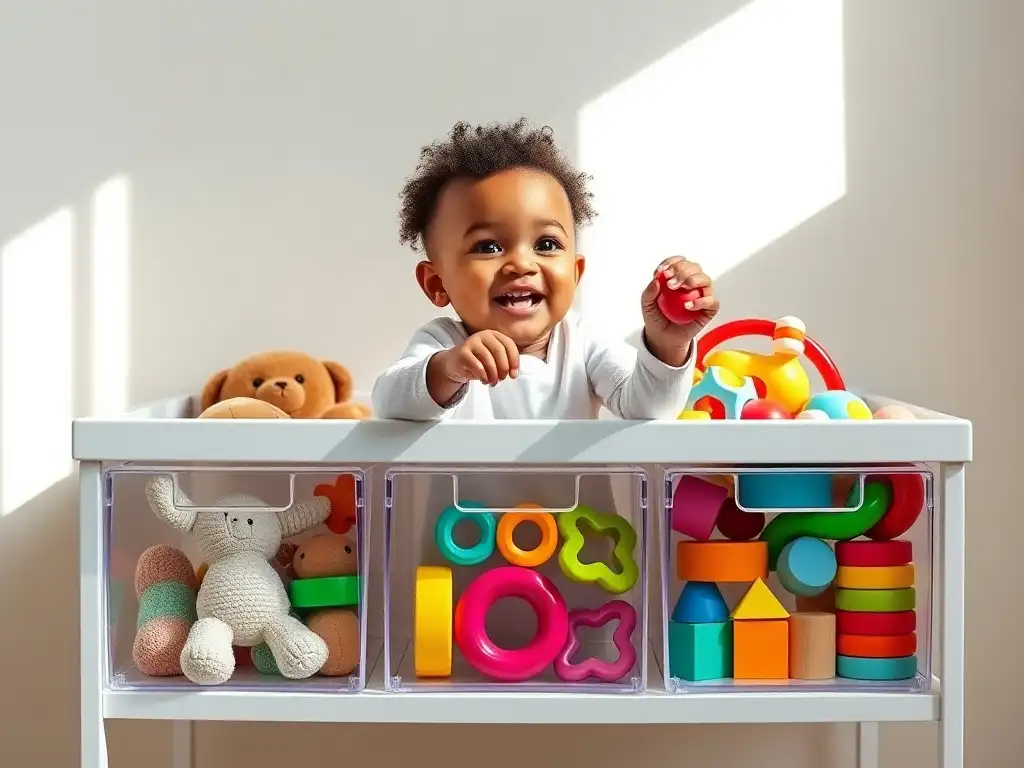
Rotating your baby's toys isn't just about keeping them entertained; it's a powerful tool for fostering their development. By strategically introducing new toys and putting others away, you can maximize learning opportunities and prevent boredom. The key lies in understanding the principles behind baby toy rotation benefits. This isn't about constantly buying new toys; it's about thoughtful curation and mindful engagement.
Incorporating New Toys Gradually: Avoiding Sensory Overload
Introducing too many new toys at once can overwhelm your baby's developing senses. Think of it like a buffet – too much choice can be paralyzing! Instead, introduce one or two new toys at a time, allowing your baby ample time to explore them before adding more.
This gradual approach prevents sensory overload and allows for deeper engagement with each item. For example, if you're introducing a new set of stacking cups, focus solely on those for a few days before adding a different texture toy, like a soft rattle. This measured introduction helps your baby focus and learn more effectively.
Observing your baby's reactions is crucial. Do they seem overwhelmed, frustrated, or disinterested? If so, it's a sign to slow down the introduction process. Conversely, if they're actively engaging with the new toys, you can gradually introduce more. Remember, the goal is to encourage exploration and learning, not to create chaos. A calm, predictable environment fosters healthy development. This approach is particularly important for younger babies, whose sensory systems are still developing.
Engaging with Your Baby During Playtime: The Power of Interaction
The baby toy rotation benefits are significantly enhanced by your active participation. Simply placing toys in front of your baby and leaving them isn't enough. Your interaction is key to fostering learning and bonding. Engage with your baby during playtime, narrating their actions, pointing out features of the toys, and responding to their cues. For instance, if your baby is batting at a rattle, you can say, "Look, you're shaking the rattle! It makes a fun noise!" This simple interaction helps them understand cause and effect and expands their vocabulary.
Consider incorporating different play styles. Some days, focus on quiet, independent play, allowing your baby to explore toys at their own pace. Other days, engage in more interactive games, like peek-a-boo or simple songs with toys. This variety keeps playtime engaging and prevents boredom. Remember, your presence and engagement are invaluable components of the toy rotation strategy. The more you interact, the more your baby learns and thrives. This active participation is a significant part of maximizing the benefits of a well-planned toy rotation.
Observing Your Baby's Play Preferences: Tailoring the Rotation to Individual Needs
Every baby is unique, and their play preferences will vary. Pay close attention to which toys your baby gravitates towards and which ones they ignore. This observation is vital in tailoring your toy rotation to their individual needs and interests. If your baby shows a strong preference for stacking toys, incorporate more of those into the rotation. If they seem less interested in plush toys, you might rotate those out more frequently.
Example Rotation Schedule (Adjust based on your baby's age and preferences)
| Week | Toys In Rotation | Notes |
|---|---|---|
| 1 | Stacking cups, soft ball, textured rattle | Observe engagement with each toy |
| 2 | Stacking cups, shape sorter, musical toy | Remove soft ball, introduce shape sorter |
| 3 | Shape sorter, musical toy, building blocks | Remove stacking cups, introduce blocks |
| 4 | Building blocks, musical toy, soft book | Remove shape sorter, introduce soft book |
By carefully observing your baby's responses and adjusting the rotation accordingly, you can create a stimulating and engaging play environment that supports their developmental milestones. This personalized approach ensures that the baby toy rotation benefits are truly maximized, leading to a happier and more engaged baby. Remember, the goal is to foster a love of learning and play, and a well-planned rotation is a key component of achieving this. Don't be afraid to experiment and adjust your approach based on your baby's unique personality and developmental stage.
Beyond the Basics: Creative Ways to Extend Playtime
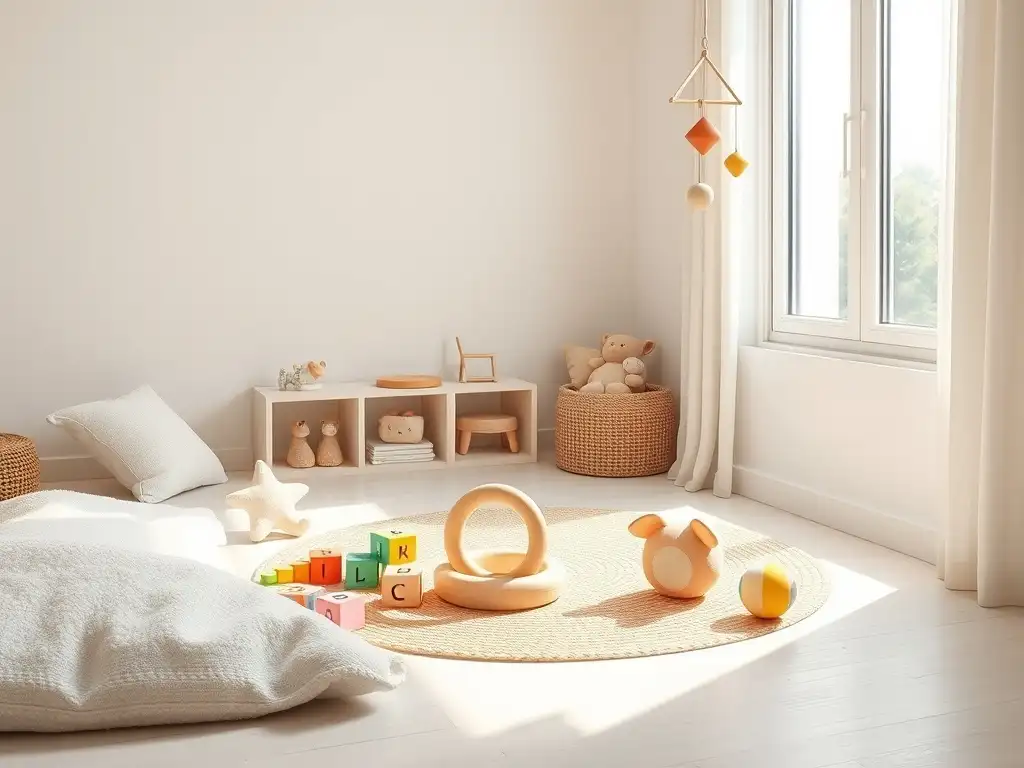
This section delves into extending playtime beyond the simple act of presenting a new toy. Sustained engagement is key to maximizing the baby toy rotation benefits. We'll explore strategies to keep your little one captivated and learning, even with toys they've encountered before.
Using Familiar Toys in New and Exciting Ways
Reintroducing familiar toys in novel ways can reignite a child's interest and prevent boredom. Instead of simply placing a toy back into the play area, consider these approaches:
- Change the setting: Move a favorite toy to a different room or even outdoors. A simple change of scenery can make all the difference. For example, a stacking toy usually played on the floor can become a tower built on a table, offering a new perspective and challenge.
- Introduce new elements: Combine familiar toys in unexpected ways. A stuffed animal can become a passenger in a toy car, prompting imaginative play. Blocks can be used to build a "house" for the animal. This encourages creativity and problem-solving skills.
- Modify the toy's function: A rattle can become a "telephone" during pretend play. A soft ball can be used as a pillow for a doll. These small alterations transform the familiar into the exciting. This fosters adaptability and open-ended play.
- Incorporate storytelling: Weave a narrative around the toy. A simple stuffed animal can become the star of an impromptu adventure, enhancing language development and imagination.
Think of it like this: a simple wooden block isn't just a block; it's a building material, a vehicle, a musical instrument—the possibilities are endless! The key is to demonstrate these alternative uses and let your child's creativity take over.
Introducing Homemade Sensory Toys for Added Stimulation
Homemade sensory toys offer a cost-effective and highly customizable way to enhance your baby's playtime. These toys cater to different senses, offering a dynamic and engaging experience. They also provide an opportunity for parent-child bonding during the creation process.
Here are a few ideas:
- Fabric Scrap Sensory Bag: Fill a sturdy fabric bag with various textured materials like rice, beans, buttons (ensure they're securely sewn! ), or small pieces of felt. The different textures stimulate tactile senses.
- DIY Water Beads: Soak water beads in a container and let your baby explore their squishy texture. (Always supervise closely to prevent choking hazards). Water beads offer a fantastic visual and tactile experience.
- Homemade Shakers: Fill small plastic bottles with dried beans, rice, or pasta, sealing them tightly. These create delightful sounds when shaken, stimulating auditory senses.
- Texture Collage: Glue various textured materials (fabric scraps, sandpaper, bubble wrap) onto a sturdy piece of cardboard. This offers a visually and tactilely stimulating experience.
Remember to prioritize safety when creating homemade toys. Always ensure that small parts are securely attached and that materials are non-toxic and baby-safe. The benefits extend beyond play; creating these toys together fosters a strong parent-child bond.
The Role of Parent-Child Interaction in Toy Rotation Success
The baby toy rotation benefits are significantly amplified by active parental participation. Simply rotating toys isn't enough; engaging with your baby during playtime is crucial for maximizing the developmental impact.
- Observational Play: Watch your child interact with the toys. Note their preferences, challenges, and areas of interest. This observation provides valuable insights into their developmental stage and informs future toy selections.
- Guided Play: Gently guide your baby's play, demonstrating new ways to interact with familiar toys. This scaffolding process helps them learn and develop new skills.
- Interactive Storytelling: Create narratives around the toys, engaging their imagination and language development. This fosters creativity and communication skills.
- Turn-Taking: Engage in turn-taking games, such as rolling a ball back and forth. This encourages social interaction and turn-taking skills.
Remember, the goal isn't just to keep your baby entertained; it's to foster their cognitive, social, and emotional development. Active participation transforms playtime from passive entertainment into a valuable learning experience. The investment of your time and attention is the most significant contributor to the success of a toy rotation program, significantly enhancing the baby toy rotation benefits.
Frequently Asked Questions
What are the benefits of rotating baby's toys?
Rotating toys prevents boredom and keeps your baby engaged and stimulated. A fresh selection of toys sparks curiosity and encourages exploration.
How often should I rotate my baby's toys?
A good rule of thumb is to rotate toys every 2-4 weeks, or whenever you notice your baby losing interest in their current selection. This frequency can be adjusted based on your baby's age and attention span.
How many toys should I keep out at a time?
Start with a small selection of 3-5 toys to avoid overwhelming your baby. This allows them to focus on each item and encourages deeper play. Too many choices can lead to frustration.
What types of toys are best for rotation?
Consider a variety of textures, shapes, and functions. Include toys that encourage sensory exploration, problem-solving, and fine motor skill development. Think rattles, stacking cups, soft books, and teethers.
What should I do with the toys I'm not using?
Store the toys that are not currently in rotation in a clean, dry place. A labelled container or toy bin works well. This keeps them clean and prevents damage and ensures easy access for the next rotation.
Final Reflection: The Enduring Power of Playful Discovery
The art of toy rotation isn't just a clever parenting trick; it's a foundational element in fostering a child's cognitive, emotional, and social development. This practice, far from being a fleeting trend, offers lasting benefits that extend far beyond the immediate gratification of a giggling baby. By strategically introducing new and familiar toys, we cultivate a sense of wonder and exploration that fuels a child's innate curiosity.
The impact of thoughtfully curated playtime extends far beyond the immediate moment. It shapes a child's approach to learning, problem-solving, and creativity. It's about nurturing a love of discovery, a willingness to engage with the world, and an appreciation for the simple joy of play. As Maria Montessori wisely observed, Play is the work of the child.
This simple statement encapsulates the profound significance of play in a child's development, highlighting its crucial role in shaping their future selves. The joy we see in a baby's eyes as they rediscover a "new" toy is a testament to the power of this simple yet effective technique.
Consider the lessons learned in this exploration of toy rotation. Think about how you can apply these principles to your own parenting journey. Don't just passively provide toys; actively curate their experience, fostering a love of learning and exploration that will serve them well throughout their lives. Embrace the power of playful discovery, and watch your child blossom. The rewards are immeasurable.
Unleash Your Baby's Play Potential!
Thank you for exploring the benefits of toy rotation with us! We hope you've learned how to keep your little one engaged and entertained. Now let's put this knowledge into action.
- Start a rotating toy system today: Begin by selecting a few toys—perhaps three to five—for your baby to enjoy this week. Introduce new toys next week! This simple change can significantly enhance your baby's playtime experience.
- Share your experiences (successes and challenges!): Connect with other parents in our BabyCareHub community to share your experiences and learn from one another.
- Track your baby's responses to different toys. This is a wonderful way to monitor their preferences and developmental progress, which will help you plan future toy rotations effectively.
Ready to transform your baby's playtime and discover their favorite toys? What will be the first toy you introduce to their play area?