
Hats for Babies: When and Why They're Essential


Welcome to BabyCareHub, your ultimate guide to navigating the exciting yet challenging world of parenthood! Are you ready to unlock the secrets to happy, healthy baby development? Then you've come to the right place. We're dedicated to providing first-time parents with the support and knowledge they need, step-by-step. Discover the surprising importance of baby hats – and so much more – in our comprehensive guide on essential newborn care, starting with our Baby Gear & Products section. Let's embark on this journey together!
- Baby Hats: Essential Newborn Guide: Sun Protection for Delicate Skin
- Baby Hats: Essential Newborn Guide: Temperature Regulation for Little Ones
- Baby Hats: Essential Newborn Guide: Head Shape and Comfort
- Baby Hats: Essential Newborn Guide: Practical Considerations & Styles
- Baby Hats: Essential Newborn Guide: Frequently Asked Questions (FAQ) about Newborn Hats
- Frequently Asked Questions
- Final Reflection: The Unsung Importance of a Baby Hat
- Unwrap the Perfect Baby Hat: Find Your Little One's Ideal Headwear!
Baby Hats: Essential Newborn Guide: Sun Protection for Delicate Skin
New parenthood is a whirlwind of emotions and learning experiences. Among the many things new parents grapple with, choosing the right clothing for their little one is paramount. While adorable outfits are tempting, understanding the functional aspects of baby clothing is crucial for their well-being.
This guide focuses on a seemingly simple yet essential item: baby hats. We'll explore why baby hats are not just a cute accessory, but a vital piece of your baby's wardrobe, particularly when it comes to protecting their delicate skin from the sun's harmful rays.
This comprehensive guide will cover everything from understanding UPF ratings to choosing the best fabrics for summer, ensuring you're equipped to make informed decisions about sun protection for your precious newborn. This article aims to provide a complete answer to the query "Baby hats: essential newborn guide," offering practical advice and expert insights to help you navigate this aspect of baby care.
Protecting Your Baby's Head from Harmful UV Rays: Choosing the Right Hat
A baby's head is disproportionately large compared to their body, making it highly susceptible to sunburn. Newborn skin is incredibly thin and sensitive, lacking the natural defenses of adult skin. Exposure to the sun's ultraviolet (UV) rays can lead to sunburn, increased risk of skin cancer later in life, and even heatstroke. Therefore, choosing the right hat is not a matter of fashion but a crucial step in protecting your baby's health. A well-designed baby hat should offer broad-brim protection, shielding the face, ears, and neck from direct sunlight. Look for hats with a brim of at least 2.5 inches to maximize sun protection. Avoid hats with small brims or those that only cover the top of the head. Remember, consistent sun protection is key, so always apply a baby-safe sunscreen with a high SPF (Sun Protection Factor) in addition to using a hat, especially during peak sun hours. 👒
Understanding UPF Ratings in Baby Hats: A Guide to Sun Safety
Just as sunscreens have SPF ratings, many baby hats now come with a UPF (Ultraviolet Protection Factor) rating. This rating indicates the hat's ability to block UV radiation. A UPF rating of 50+ means the hat blocks 98% of UV rays, offering excellent protection. When selecting a hat, always look for a clearly stated UPF rating.
Hats without a UPF rating may still offer some protection, but their effectiveness is less predictable. Choosing a hat with a high UPF rating provides a quantifiable measure of sun protection, giving you peace of mind knowing your baby's head is well-shielded. Remember that even with a high UPF hat, it's important to reapply sunscreen to exposed areas, such as the face and hands, regularly. ☀️
Best Fabrics for Summer Baby Hats: Breathable and Lightweight Options
During warmer months, selecting the right fabric for your baby's hat is essential to prevent overheating. Lightweight, breathable fabrics are ideal for keeping your baby cool and comfortable. Look for hats made from materials like 100% cotton, linen, or a cotton-linen blend. These natural fibers are gentle on the skin and allow for proper airflow, reducing the risk of overheating and heat rash.
Avoid synthetic fabrics, which can trap heat and moisture. The hat should be loose-fitting to allow for good ventilation. A well-ventilated hat will help to regulate your baby's body temperature, keeping them comfortable and safe, even on the warmest days. 👶
Baby Hats: Essential Newborn Guide: Temperature Regulation for Little Ones
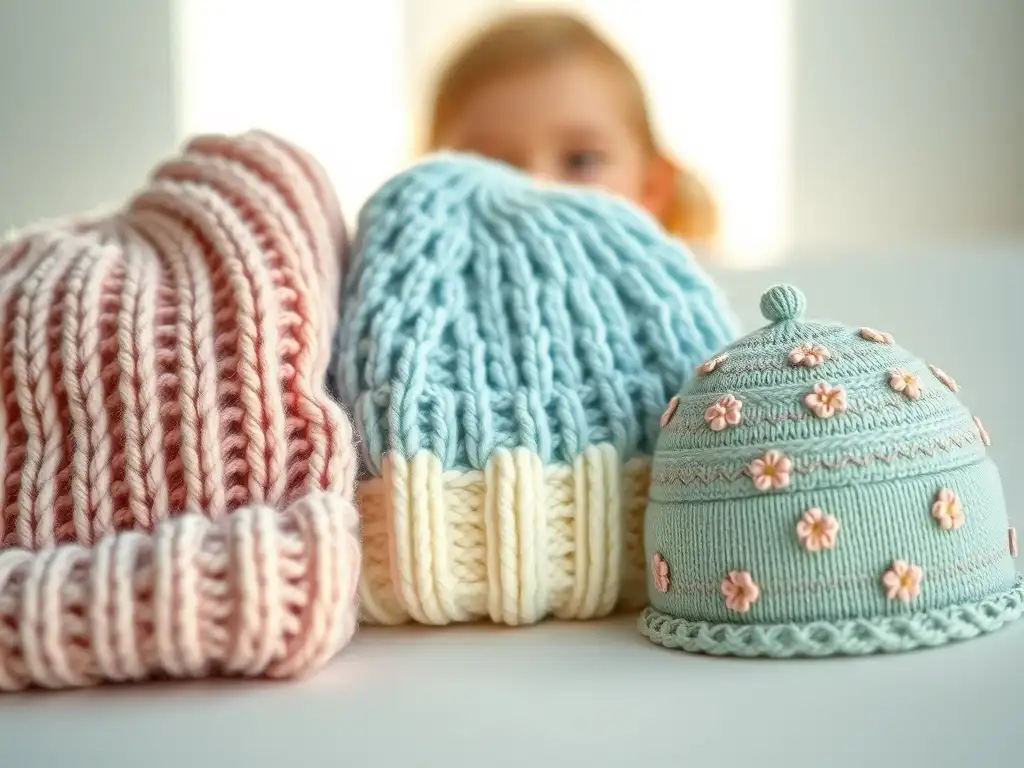
Newborns and infants have a harder time regulating their body temperature than adults. Their small size and underdeveloped thermoregulation systems mean they lose heat much more quickly. This is why choosing the right baby hat is a crucial aspect of ensuring your little one's comfort and health. This section focuses on the vital role of baby hats in maintaining your baby's optimal temperature, covering various weather conditions and appropriate clothing choices. This guide will help you understand the importance of baby hats as part of a comprehensive baby care routine, addressing the keyword "baby hats: essential newborn guide" directly.
Keeping Your Baby Warm in Cold Weather: Choosing the Right Winter Hat
Winter weather presents unique challenges for keeping your baby warm. A properly chosen winter hat is paramount in preventing heat loss from the head, which is a significant area of heat dissipation. Look for hats made from warm, insulating materials like wool, fleece, or cashmere blends. Avoid hats that are too loose, as these won't provide adequate protection. A snug fit is key to trapping warm air close to your baby's head. Consider the following characteristics when selecting a winter hat:
- Material: Choose natural fibers like wool or merino wool for their warmth and breathability. Synthetic fleece is also a good option, providing excellent insulation. Avoid scratchy materials that could irritate your baby's delicate skin.
- Coverage: Opt for hats that cover the ears completely, offering maximum protection against wind and cold. Hats with ear flaps or a generous brim are ideal.
- Size: The hat should fit snugly but not too tightly. It should cover the forehead and ears without being constricting. A hat that's too big can slip off easily, leaving your baby vulnerable to the cold.
Consider the wind chill factor and the length of time your baby will be exposed to the cold when deciding on the appropriate hat. Remember, a slightly oversized hat is better than one that’s too tight, as it can restrict blood flow. Always check your baby's skin regularly for signs of cold, such as shivering or pale skin.
Preventing Overheating: Choosing Breathable Fabrics for Warmer Months
While keeping your baby warm in winter is important, preventing overheating in warmer months is equally crucial. Overheating can be just as dangerous as being too cold. For warmer weather, choose lightweight, breathable hats made from natural fabrics like cotton or linen. These materials allow for better air circulation, preventing your baby from getting too hot. Avoid hats made from synthetic materials or those with thick linings in warm weather. Pay close attention to your baby's skin and temperature; if they feel sweaty or clammy, remove the hat immediately.
Here's a comparison table summarizing ideal hat materials for different seasons:
| Season | Ideal Materials | Materials to Avoid |
|---|---|---|
| Winter | Wool, Fleece, Cashmere blends | Thin cotton, synthetic materials |
| Spring/Autumn | Cotton, Linen blends | Thick wool, heavy synthetic fabrics |
| Summer | Thin cotton, Linen | Wool, fleece, synthetic materials |
Remember that even on warm days, direct sunlight can cause your baby to overheat. A lightweight, sun-protective hat can offer vital protection against harmful UV rays. Always prioritize breathable fabrics that allow air circulation to keep your baby comfortable and safe.
How to Dress Your Baby for Different Temperatures: Hats as Part of Layering
Dressing your baby appropriately for different temperatures involves a layering system. Hats play a significant role in this system, acting as an important layer to regulate head temperature. The general rule is to dress your baby in one more layer than you would wear yourself. Remember that babies lose heat more quickly than adults, so extra layers are often necessary.
Think of it like this: If you are comfortably dressed in a long-sleeved shirt and pants, your baby might need a long-sleeved onesie, a light sweater, and possibly pants, plus a hat. In colder weather, you might add a jacket or coat, but the hat remains crucial. Always check your baby's hands and feet; if they are cold, it's a sign that your baby might need another layer of clothing, including a warmer hat. Conversely, if your baby feels excessively warm or sweaty, remove a layer, starting with the hat.
Regularly monitor your baby's temperature to ensure their comfort and well-being. This approach ensures that your baby is neither too hot nor too cold, guaranteeing their health and happiness. 👶
Baby Hats: Essential Newborn Guide: Head Shape and Comfort
This section delves into the crucial role of baby hats in supporting healthy head development and ensuring optimal comfort for your newborn. Understanding head shape and choosing the right fit is paramount in the first few months of your baby's life. A well-fitting hat provides more than just warmth; it contributes to the overall well-being and healthy development of your little one.
Many parents overlook the importance of proper hat selection, focusing primarily on cuteness. However, the functionality and comfort a hat provides are equally, if not more, significant. This guide will equip you with the knowledge to make informed choices regarding your baby's headwear.
Supporting Healthy Head Development: The Importance of Proper Hat Fit
A properly fitting baby hat is essential for supporting healthy head development. Newborns have delicate skulls that are still forming. A hat that's too tight can restrict blood flow and potentially cause discomfort or even deform the head shape. Conversely, a hat that's too loose may not provide adequate protection from the elements or may slip off easily, leading to potential risks.
The ideal baby hat should fit snugly but not tightly. You should be able to comfortably slip a finger between the hat and your baby's head. Avoid hats with tight elastic bands or constricting seams that could press against the soft skull. Look for hats made from stretchy, flexible materials that can accommodate your baby's growing head.
Regularly check the fit of your baby's hat as they grow, replacing it with a larger size as needed. Consider the material and construction of the hat, ensuring it is comfortable and breathable to prevent overheating. Remember that a properly fitting hat is a key element in ensuring your baby's comfort and healthy development. This is a crucial aspect often overlooked in the excitement of choosing adorable baby outfits.
Choosing Soft and Gentle Fabrics for Baby's Sensitive Skin
Your baby's skin is incredibly sensitive, especially in the first few months of life. Choosing the right fabric for their hat is crucial to prevent irritation, rashes, and allergic reactions. Opt for natural, breathable fabrics like 100% cotton, bamboo, or soft merino wool. These materials are gentle on the skin, wick away moisture, and help regulate your baby's temperature.
Avoid synthetic fabrics like polyester or nylon, as these can trap heat and moisture, leading to overheating and skin irritation. Also, steer clear of hats with harsh seams or embellishments that could scratch or irritate your baby's delicate skin. Look for soft, flat seams and avoid hats with buttons, sequins, or other potentially hazardous decorations. Always pre-wash new hats before putting them on your baby to remove any potential irritants from the manufacturing process. Prioritizing soft, breathable fabrics directly contributes to your baby's overall comfort and reduces the risk of skin problems.
Remember to always wash baby hats frequently, especially if they’ve been exposed to drool or other fluids. This helps maintain hygiene and prevents the buildup of bacteria that could lead to skin infections.
Avoiding Tight Hats: Ensuring Comfort and Preventing Irritation
A tight-fitting hat can restrict blood flow to your baby's head, leading to discomfort and even potential health issues. Additionally, a hat that's too tight can rub against your baby's delicate skin, causing irritation, chafing, and even pressure sores. This is especially important for babies with sensitive skin or a predisposition to eczema or other skin conditions.
Always prioritize comfort when choosing a hat for your baby. Make sure the hat fits snugly but not tightly. You should be able to easily slip a finger between the hat and your baby's head. Avoid hats with tight elastic bands or constricting seams. Look for hats made from soft, stretchy materials that can accommodate your baby's growing head.
Regularly check the fit of the hat and replace it with a larger size as your baby grows. A comfortable hat will allow your baby to move freely and without restriction, promoting healthy development and a happy baby. Prioritizing comfort in this way will directly translate into a happier and healthier baby. Choosing the right hat is a simple yet effective way to show your baby love and care.
Baby Hats: Essential Newborn Guide: Practical Considerations & Styles
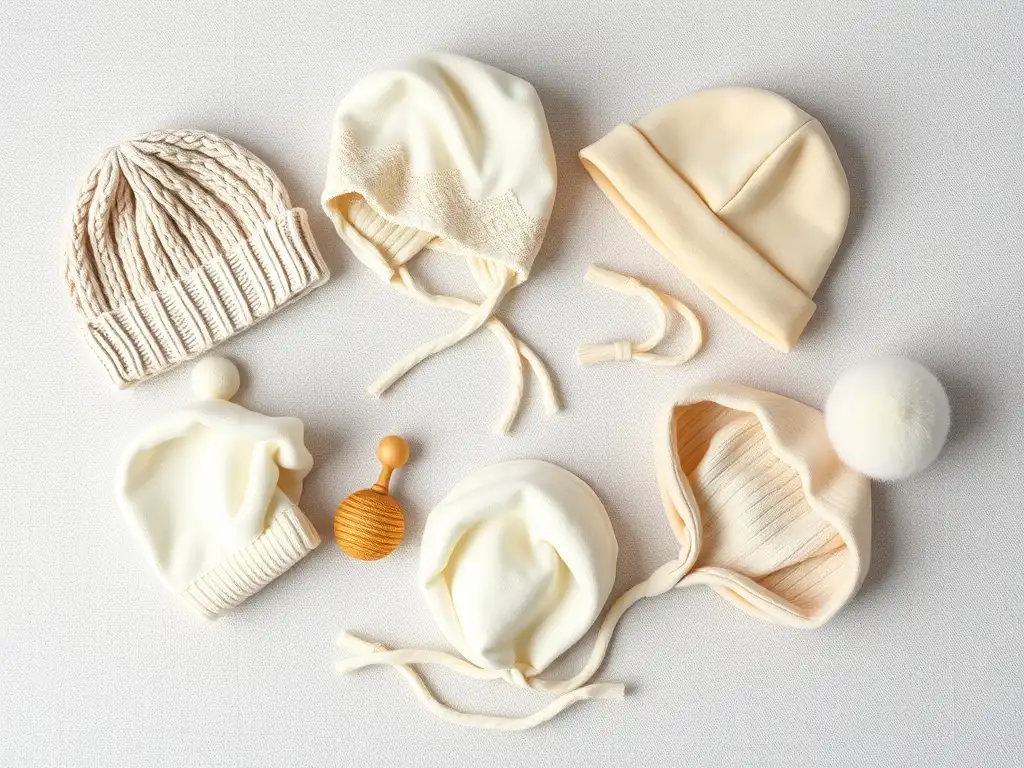
This section delves into the practical aspects of choosing and using baby hats, providing a comprehensive guide for new parents. We’ll explore crucial factors like sizing, ease of use, and material considerations, ensuring your little one stays comfortable and stylish. Understanding these factors will help you make informed decisions when selecting baby hats, contributing to your baby's overall well-being and comfort. This guide aims to equip you with the knowledge to confidently navigate the world of baby headwear. Remember, a well-chosen hat can be a valuable addition to your baby's wardrobe, offering both protection and style.
Choosing the Right Hat Size for Your Baby: A Measurement Guide
Accurately measuring your baby's head circumference is crucial for ensuring a proper fit. A hat that's too tight can restrict blood flow and be uncomfortable, while one that's too loose may fall off easily, defeating its purpose. Here's a step-by-step guide:
- Gather your supplies: You'll need a soft measuring tape (a flexible fabric one is ideal) and a helper.
- Position your baby: Lay your baby down comfortably on a flat surface. Ensure they are relaxed and not crying.
- Measure the circumference: Gently place the measuring tape around your baby's head, just above the eyebrows and ears. Make sure the tape is level and snug but not tight.
- Record the measurement: Note the measurement in centimeters or inches. Refer to the size chart provided by the hat manufacturer for the appropriate size.
| Head Circumference (cm) | Approximate Age (Months) | Hat Size (Example) |
|---|---|---|
| 34-36 | 0-3 | Newborn/0-3 Months |
| 38-40 | 3-6 | 3-6 Months |
| 42-44 | 6-12 | 6-12 Months |
| 46-48 | 12-18 | 12-18 Months |
Note: These are approximate ranges. Always check the manufacturer's size chart for the most accurate sizing information. Remember to re-measure your baby's head every few months, as their head grows rapidly during the first year. A perfectly fitting hat ensures optimal comfort and protection.
Practical Considerations When Choosing Baby Hats: Easy On/Off, Washability
Beyond size, several practical factors influence hat selection. Ease of use and washability are paramount, especially given the frequency of potential messes with babies.
- Easy On/Off: Opt for hats with stretchy materials or simple closures like ties or Velcro. Avoid complicated fastenings that can be difficult to manage, especially with a wriggly baby. A simple, quick application is crucial for those unexpected temperature changes.
- Washability: Babies can be messy! Choose hats made from materials that are easily washable and quick-drying. Look for hats made from cotton, soft blends, or other machine-washable fabrics. Check the care instructions before purchasing to ensure they align with your laundry routine. Consider purchasing multiple hats to have backups readily available.
- Material: Prioritize soft, breathable fabrics that are gentle on your baby's delicate skin. Avoid materials that might irritate or cause allergies. Natural fibers like cotton are generally a safe and comfortable choice.
Stylish and Functional Baby Hats: A Variety of Options to Explore
Baby hats aren't just for warmth; they can also add a touch of style to your little one's outfit. A wide variety of styles are available, each offering unique benefits:
- Beanies: Classic and versatile, beanies offer excellent coverage and warmth. They are perfect for everyday wear and come in a wide range of colors and patterns. They also offer good sun protection.
- Bonnets: These offer more coverage than beanies, often extending down the neck for added protection. They're particularly useful in colder weather.
- Sun Hats: Essential for sun protection, these hats feature a wide brim to shield your baby's face, neck, and ears from harmful UV rays. Look for hats with a UPF rating for optimal sun protection.
- Sleep Caps: Designed for sleep, these hats are usually made from soft, lightweight materials and often feature a simple design. They can be helpful in maintaining a consistent head temperature during sleep.
Choosing the right baby hat involves considering both practicality and aesthetics. By understanding the various factors discussed above, you can select hats that are not only functional but also stylish and comfortable for your baby. Remember, a well-chosen hat is a valuable addition to your baby’s wardrobe, ensuring both comfort and protection.
Baby Hats: Essential Newborn Guide: Frequently Asked Questions (FAQ) about Newborn Hats
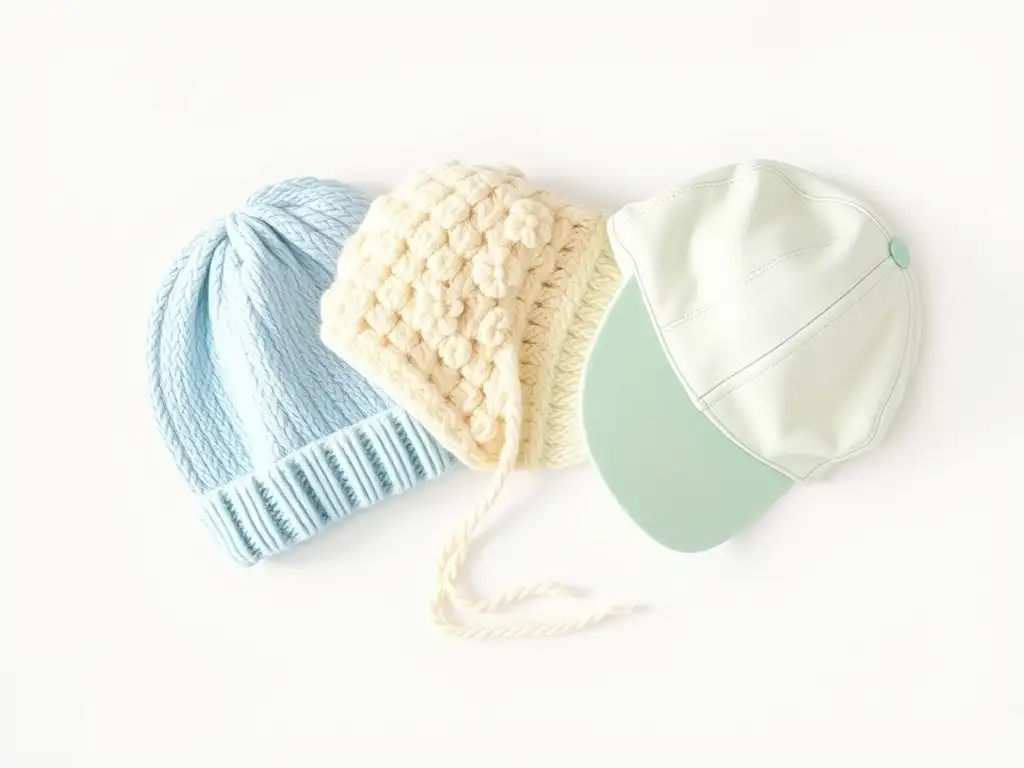
This section addresses common queries regarding baby hats, offering practical advice for new parents navigating the world of newborn care. Understanding when and how to use baby hats is crucial for maintaining your little one's comfort and safety. This guide provides answers to frequently asked questions, helping you make informed decisions about your baby's headwear. Remember, always prioritize your baby's comfort and consult your pediatrician with any concerns.
How often should I change my baby's hat?
The frequency with which you change your baby's hat depends on several factors. If your baby has been sweating profusely, or if the hat is visibly soiled or damp from spit-up or drool, it needs changing immediately. A damp hat can lead to discomfort and potentially skin irritation. For everyday wear, aim to change your baby's hat at least once a day, or more frequently as needed. Keeping a few hats on hand ensures a clean, dry option is always available.
Consider having different hats for different occasions – a lighter hat for warm weather and a thicker hat for colder conditions. This allows for appropriate temperature regulation and prevents overheating or chilling. Remember to always check the material of the hat; natural fibers like cotton are generally more breathable and comfortable against delicate baby skin. 👶
Can I use adult hats on my baby?
No, you should never use adult hats on a baby. Adult hats are typically too large, posing several significant risks:
- Suffocation Risk: A loose-fitting hat can easily slip over the baby's face, obstructing their breathing. This is a serious hazard and should be avoided at all costs.
- Material Safety: Adult hats may be made from materials that are not suitable for a baby's sensitive skin. Harsh dyes or irritating fabrics can cause allergic reactions or skin irritation.
- Poor Fit and Comfort: An adult hat simply won't fit a baby's head properly, leading to discomfort and potential overheating or chilling. Baby hats are specifically designed to fit snugly without being too tight, ensuring optimal comfort and safety.
Always prioritize using hats designed specifically for infants and babies. These hats are made from soft, breathable materials and are sized appropriately to minimize risks.
When can I stop using a hat on my baby?
There's no single definitive answer to when you can stop using a hat on your baby. It depends largely on the weather conditions, your baby's individual needs, and their overall comfort level. However, here's a general guideline:
- Warm Weather: In warm weather, hats are primarily needed for sun protection. Once your baby is old enough to tolerate direct sunlight for short periods (always with appropriate sun protection measures), you can begin reducing the hat's use. Observe your baby for signs of overheating, such as sweating or flushed skin.
- Cold Weather: In cold weather, hats are essential for keeping your baby warm. As your baby gets older and their ability to regulate their body temperature improves, you may gradually reduce hat usage during milder days. However, always err on the side of caution, especially during colder months.
- Indoor Use: In most indoor settings, hats are usually unnecessary. Focus on maintaining a comfortable room temperature and dressing your baby appropriately for the environment.
Remember that every baby is different. Pay close attention to your baby's cues. If they seem uncomfortable or are sweating excessively, remove the hat. If they seem chilly, consider adding a hat or additional layers. Always consult your pediatrician if you have any concerns about your baby's temperature regulation or clothing needs. Prioritizing your baby's comfort and safety is paramount.
What to look for when buying a hat for my baby?
Choosing the right hat for your little one involves considering several key factors to ensure both comfort and safety. First and foremost, material is crucial. Opt for soft, natural fabrics like 100% cotton or breathable blends. Avoid anything scratchy or synthetic that might irritate your baby's delicate skin.
Look for labels indicating hypoallergenic properties if your baby has sensitive skin. The fabric should also be gentle enough to avoid causing any discomfort when worn for extended periods. Consider the season; lightweight cotton is perfect for warmer months, while a slightly heavier knit or fleece might be more suitable for colder weather. Remember, the goal is to keep your baby warm without overheating.
Next, consider the size and fit. A hat that's too tight can restrict blood flow and be uncomfortable, while one that's too loose might fall off easily, defeating its purpose. Check the size chart provided by the manufacturer and measure your baby's head circumference for the best fit. The hat should sit comfortably on the head without being too snug or too loose. A properly fitting hat will stay in place without needing constant adjustments.
The style of the hat also matters, particularly for newborns. Simple designs without any embellishments or small parts that could pose a choking hazard are safest. Avoid hats with buttons, ribbons, or other loose elements that a curious baby might try to pull off and put in their mouth. Seams should be well-finished and flat to prevent irritation against your baby's skin. A simple beanie or bonnet is usually the most practical and safest option for newborns.
Finally, think about practicality. Consider how easily the hat can be put on and taken off. Easy closures, such as stretchy fabrics or gentle ties, are preferable to more complicated fastenings. Also, consider the hat's washability; you'll likely be washing it frequently, so choose one that's easy to clean and maintain its shape and color after multiple washes. Look for hats that can withstand gentle machine washing or hand washing without shrinking or losing their quality. Choosing a hat that meets these criteria will ensure your baby's comfort and safety.
Frequently Asked Questions
When should I put a hat on my newborn baby?
Newborns lose heat more quickly than adults. A hat helps regulate their body temperature, especially in cooler environments or after a bath. It's crucial for maintaining warmth and comfort.
What type of hat is best for my baby?
Look for soft, breathable fabrics like cotton or wool blends. Avoid hats with small parts that could be choking hazards. Size is important; ensure a snug but not tight fit.
Are baby hats necessary in warm weather?
While not always essential in warm weather, a lightweight, breathable hat can offer protection from the sun's rays. Consider a hat with a wide brim for optimal sun protection.
How often should I wash my baby's hats?
Wash your baby's hats regularly, especially if they've been exposed to sweat or drool. Follow the care instructions on the label, typically gentle machine wash or hand wash in cool water.
My baby hates wearing hats. What can I do?
Try introducing the hat gradually, starting with short periods of wear. Choose soft, comfortable materials and ensure a proper fit. If your baby continues to resist, consult your pediatrician.
Final Reflection: The Unsung Importance of a Baby Hat
The seemingly simple baby hat is far more than a fashion accessory; it's a crucial element of newborn care, directly impacting their delicate thermoregulation and overall well-being. This article has explored the vital role hats play in protecting newborns from temperature fluctuations, sun exposure, and even potential head injuries, highlighting the often-overlooked significance of this small garment. Understanding these factors empowers parents to make informed decisions about their baby's comfort and health.
The impact of this seemingly small piece of clothing extends far beyond the immediate physical benefits. It speaks to the broader societal shift towards a more informed and proactive approach to newborn care. The smallest things often make the biggest difference.
This quote perfectly encapsulates the power of a simple baby hat to contribute significantly to a newborn's healthy development and the peace of mind of their parents. The enduring legacy of this seemingly insignificant item lies in its ability to symbolize protection, care, and the unwavering dedication parents have towards their little ones.
Now, consider your own experiences with babies, perhaps your own children or those of loved ones. Reflect on the moments of comfort and security provided by a simple hat. Take this knowledge and share it with other expectant parents, ensuring that every newborn receives the protection and care they deserve. Let's collectively champion the unsung hero of the nursery – the humble, yet essential, baby hat.
Unwrap the Perfect Baby Hat: Find Your Little One's Ideal Headwear!
Thanks for exploring the world of baby hats with us! You now have the knowledge to choose the perfect headwear for your little one, keeping them cozy and protected. Ready to put this newfound expertise to the test?
- Find the perfect hat: Browse our extensive range of baby hats online, considering the material, style, and weather. Explore sun hats, beanies, and adorable bonnets for a variety of options beyond the basics.
- Share your hat stories: Tell us about your favorite baby hats! What fabrics or styles work best for your little one? Share your experiences and tips in the comments below.
- Discover more baby care insights: Explore BabyCareHub.org for more helpful articles on baby clothing, accessories, and developmental milestones.
What's the most creative way you've used a baby hat to protect or soothe your little one? We'd love to hear your innovative solutions!