
The Ultimate Guide to Preventing PetRelated Accidents with Babies

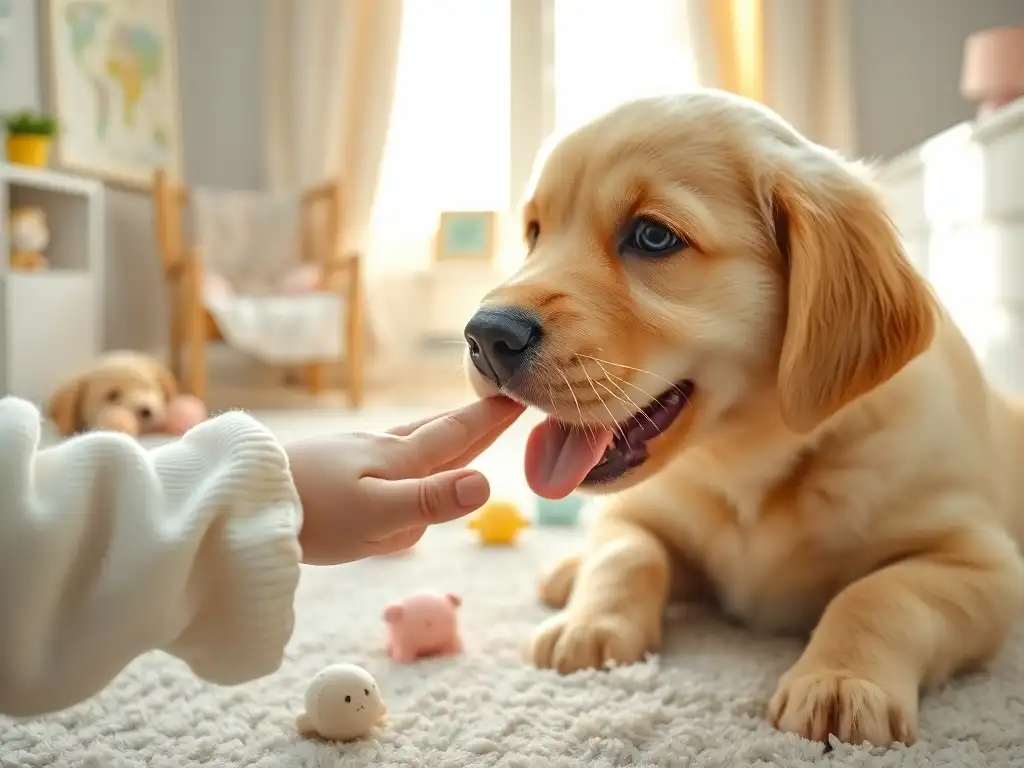
Welcome to BabyCareHub, your ultimate resource for navigating the incredible journey of parenthood! Are you ready to confidently tackle the challenges and joys of raising your little one? We're here to support you every step of the way. But first, let's address a crucial aspect of baby safety: preventing pet-related accidents. Our comprehensive Baby pet accident prevention guide will equip you with the knowledge and strategies to ensure a safe and harmonious home environment for both your baby and your beloved pet. Discover practical tips and expert advice – your peace of mind starts here.
- Understanding the Risks: Baby and Pet Safety Concerns
- Creating a Safe Environment: Baby Proofing for Pets
- Supervising Interactions: Safe Pet and Baby Interactions
- Training Your Pet: Essential Steps for Pet Safety
- Emergency Preparedness: Responding to Pet-Related Incidents
- Resources and Further Information: Continuing Your Learning
- Frequently Asked Questions
- Final Reflection: A Legacy of Safe Coexistence
- Unlock a Safer Home: Prevent Pet & Baby Accidents Today!
Understanding the Risks: Baby and Pet Safety Concerns
Bringing a new baby home is an incredibly joyous occasion, but it also introduces a new layer of responsibility, especially when pets are involved. The seemingly idyllic image of a furry friend gently nuzzling a sleeping infant can quickly turn dangerous if proper precautions aren't taken. This ultimate guide to preventing pet-related accidents with babies provides a comprehensive, step-by-step approach to ensuring the safety and well-being of both your little one and your beloved pet.
We'll explore common accident scenarios, identify high-risk pet behaviors, and offer practical strategies to create a safe and harmonious home environment for everyone. This guide is crucial for first-time parents navigating the often-uncharted territory of integrating babies and pets, helping you proactively mitigate risks and build a secure and loving home for your entire family.
Remember, a little preparation goes a long way in preventing accidents and fostering a positive relationship between your baby and your pet. This "Baby pet accident prevention guide" will empower you to confidently navigate this exciting, yet sometimes challenging, phase of parenthood.
Common Pet Accidents Involving Infants: A Statistical Overview
Unfortunately, precise statistics on pet-related accidents involving infants are difficult to obtain comprehensively. Data often gets categorized under broader headings, making it challenging to isolate specific incidents. However, anecdotal evidence and reports from pediatricians and emergency rooms consistently highlight certain common scenarios. These include:
- Animal Bites/Scratches: These are among the most frequent incidents, often resulting from startled reactions by pets or unintentional rough play by babies. The severity varies greatly, depending on the size and breed of the pet, the location of the injury, and the promptness of medical attention.
- Falls: Pets, particularly larger dogs, can unintentionally knock over babies, resulting in falls that can cause injuries ranging from minor bruises to serious head trauma.
- Suffocation: Small pets, like hamsters or cats, can sometimes inadvertently suffocate an infant if left unsupervised in close proximity.
- Ingestion of Pet Food/Waste: Babies are naturally curious and may attempt to eat pet food or feces, leading to potential poisoning or gastrointestinal problems.
- Allergic Reactions: Pet dander and saliva can trigger allergic reactions in infants, leading to symptoms ranging from mild skin irritation to severe respiratory distress.
The lack of readily available, precise statistics underscores the importance of proactive preventative measures. Every incident is a potential tragedy, emphasizing the need for vigilant supervision and a thorough understanding of pet behavior and baby safety. While we lack precise figures, the potential for serious harm is undeniable, making this guide all the more vital.
Identifying High-Risk Pet Behaviors Around Babies
Certain pet behaviors significantly increase the risk of accidents. Recognizing these patterns is crucial for effective prevention. Some high-risk behaviors to watch out for include:
- Overprotective Behaviors: Some pets become overly protective of their territory or belongings, leading to aggressive reactions towards the baby. This might manifest as growling, snapping, or even biting.
- Territorial Aggression: A pet might display territorial aggression if they feel threatened by the baby's presence or actions. This is especially prevalent if the pet was accustomed to being the sole focus of attention before the baby's arrival.
- Playful Roughness: While seemingly harmless, a pet's playful nipping or pawing can easily injure a vulnerable infant.
- Resource Guarding: If a pet guards its food, toys, or sleeping areas, it may become aggressive when a baby approaches these resources.
- Stress and Anxiety: Stress or anxiety in pets can manifest as unpredictable behavior, increasing the risk of accidents. This is often heightened during significant life changes, such as the arrival of a new baby.
Understanding these high-risk behaviors allows you to implement appropriate safety measures and modify your pet's environment to minimize potential conflicts. Proactive training and management are key.
Assessing Your Home for Potential Hazards: Pet and Baby Safety Checklist
Creating a safe environment requires a thorough assessment of your home. Use this checklist to identify and eliminate potential hazards:
| Hazard | Mitigation Strategy |
|---|---|
| Loose Electrical Cords | Secure cords with cord covers or tape; keep them out of reach. |
| Small Toys/Objects | Remove small items that could be ingested by the baby or the pet. |
| Toxic Substances | Store cleaning products, medications, and other potentially harmful substances securely out of reach. |
| Sharp Objects | Keep knives, scissors, and other sharp objects out of reach of both baby and pet. |
| Pet Food/Water Bowls | Place pet bowls in areas inaccessible to the baby. |
| Unsecured Furniture | Secure heavy furniture to the wall to prevent tipping. |
| Cluttered Spaces | Keep floors and surfaces clear of clutter to prevent falls. |
| Pet's Food & Water Bowls | Place these in a location inaccessible to the baby. |
| Pet Toys | Keep pet toys out of the baby's reach to prevent choking hazards. |
This checklist is a starting point. Regularly review your home environment for new potential hazards as your baby grows and develops. Remember, prevention is always better than cure when it comes to baby and pet safety. Regularly reviewing this checklist will help you maintain a safe home environment.
Creating a Safe Environment: Baby Proofing for Pets
This section focuses on proactive measures to minimize the risk of pet-related accidents for your baby. Creating a safe environment isn't just about baby-proofing; it's about pet-proofing your home as well, understanding that pets and babies share the same space. A holistic approach is key to accident prevention. This involves a multi-pronged strategy focusing on securing potential hazards, establishing clear boundaries, and fostering responsible pet ownership. We'll explore specific strategies below. Effective "baby pet accident prevention" requires careful planning and consistent vigilance.
Securing Pet Food and Water: Preventing Accidental Ingestion
Accidental ingestion of pet food or water poses a significant risk to babies. Pet food often contains ingredients toxic to humans, such as high levels of salt, onion powder, garlic powder, and xylitol (a common artificial sweetener extremely toxic to dogs). Similarly, pet water bowls can harbor bacteria if not cleaned regularly. To mitigate these risks:
- Store pet food and water in inaccessible areas: Keep pet food and water bowls in cupboards, high on shelves, or behind closed doors, out of reach of curious little hands.
- Clean bowls frequently: Thoroughly wash and disinfect pet bowls daily to prevent bacterial contamination.
- Choose pet food containers with secure lids: This prevents spills and accidental access.
- Supervise interactions: Always supervise your baby and pet when they are near food and water bowls. Even if the bowls are inaccessible, a curious baby might attempt to reach them.
- Consider using elevated pet feeders: These keep food and water bowls higher, out of reach of crawling or toddling babies.
Childproofing Your Home to Protect Your Baby from Pets
Beyond securing pet supplies, childproofing your home takes on a new dimension when pets are involved. Traditional baby-proofing techniques need adjustments to account for the presence of animals. For example:
- Secure electrical cords: Pets often chew on cords, posing a strangulation or electrocution hazard to babies. Secure cords with cord covers or tape them to the wall out of reach.
- Remove small objects: Toys, buttons, and other small items that are choking hazards for babies can also be ingested by pets, leading to potential problems. Store these items securely.
- Use pet-safe cleaning products: Many household cleaners are toxic to pets and babies. Opt for natural, pet-friendly cleaning solutions.
- Secure fragile items: Breakable items can be dangerous for both babies and pets. Place them high on shelves or in secure cabinets. Remember, a playful pet knocking over a vase could injure your baby.
- Install baby gates strategically: Gates can create safe zones for your baby, keeping them away from pets or certain areas of the home. Ensure the gates are securely fastened and that your pet cannot easily bypass them.
Designing Pet-Safe Zones: Creating Designated Areas for Pets and Babies
Creating designated spaces for your baby and pet helps to minimize interactions and potential accidents. This doesn't mean complete separation, but rather the creation of safe havens where each can relax and play without interference.
- Baby's safe space: Create a designated area for your baby, such as a playpen or crib area, where they can play without worry of pet interaction.
- Pet's safe space: Provide your pet with a quiet retreat, such as a bed or crate, where they can rest undisturbed. This helps reduce pet stress, which can indirectly reduce the risk of accidents.
- Supervised playtimes: Allow supervised interactions between your baby and pet in a controlled environment. Start with short, monitored sessions and gradually increase the duration as your baby and pet become more comfortable with each other.
- Training is crucial: Train your pet to respond to commands like "leave it" and "stay," especially around your baby. This provides an extra layer of safety and control. Positive reinforcement methods are most effective. A well-trained pet is far less likely to accidentally injure your baby. Remember, consistent training is key to effective "baby pet accident prevention."
This comprehensive approach to creating a safe home environment significantly reduces the risk of accidents between your baby and your pet, fostering a harmonious household. Remember that constant supervision is always recommended, especially during the early months. The goal is not to eliminate interaction, but to manage it safely and responsibly.
Managing Pet Toys and Belongings: Preventing Choking Hazards
Pet toys, especially those small, brightly colored ones that might seem appealing to a curious baby, present a significant choking hazard. Babies are naturally drawn to small objects, and a carelessly discarded tennis ball or a broken chew toy can quickly become a dangerous temptation. Preventing this requires diligent effort and proactive measures. The first step is to thoroughly evaluate your pet's toys.
Discard any that are broken, worn down, or have small parts that could easily detach. This includes things like squeaky toys with easily removable squeakers, rope toys that are frayed, and any toys with small plastic pieces. Regularly inspect toys for damage – even seemingly sturdy toys can degrade over time.
Next, consider storage. Keep all pet toys in designated areas that are completely inaccessible to your baby. High shelves, securely locked cabinets, or even dedicated pet toy storage bins that are out of reach are all viable options. Remember, "out of sight, out of mind" applies to both your baby and your pet. A toy that's not visible isn't tempting. Don't underestimate a baby's ability to reach or climb, either; consider installing childproof latches on cabinets where pet supplies are stored.
Furthermore, be mindful of pet food and treats. These can also pose a choking hazard, especially smaller kibble or treats that are easily swallowed whole. Store pet food in sealed containers that are inaccessible to your baby. Never leave food bowls unattended within your baby's reach. Clean up any spilled food immediately to prevent accidental ingestion.
Remember that even seemingly harmless things like small bones from cooked meat can be a choking hazard for a baby. Be vigilant and thorough in your cleanup efforts. Regularly sweeping and vacuuming pet-frequented areas will help remove any stray debris. Finally, teach older children the importance of keeping pet toys and food away from their younger siblings. Making this a family responsibility reinforces the importance of pet safety around babies and helps create a consistently safe environment for everyone.
Supervising Interactions: Safe Pet and Baby Interactions
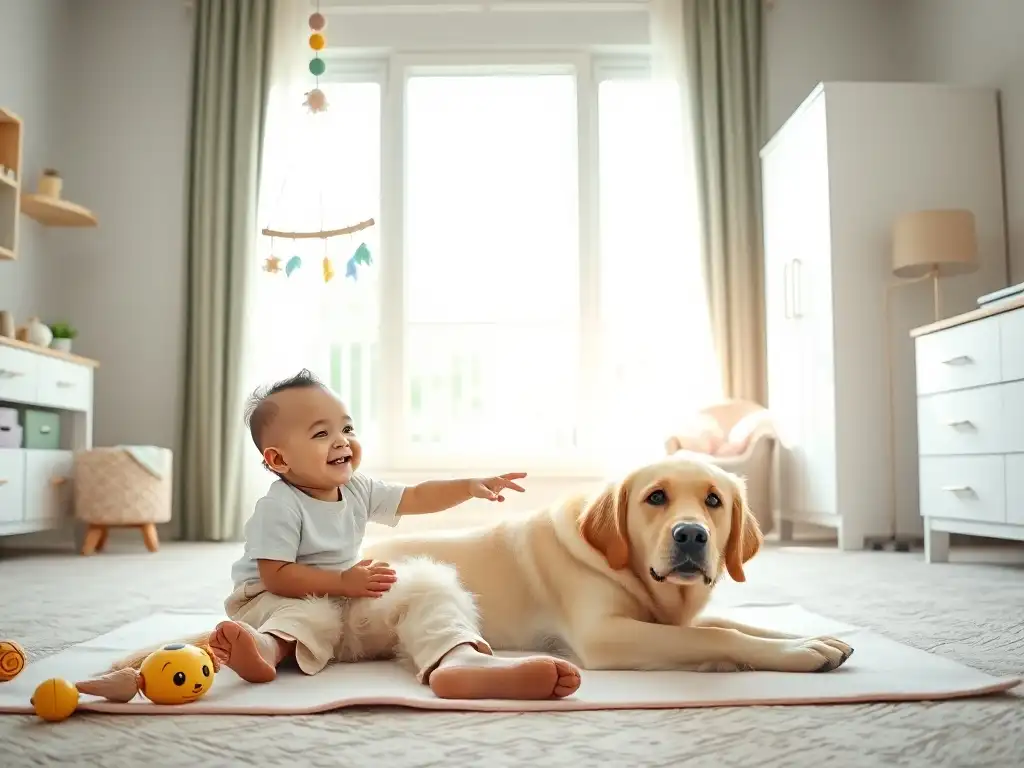
This section focuses on the crucial role of supervision in preventing pet-related accidents with babies. A proactive and vigilant approach is paramount to ensuring the safety and well-being of both your child and your pet. Remember, even the most well-trained pet can have unpredictable moments, especially around a curious and often unpredictable baby. This isn't about restricting your pet's freedom unduly; rather, it's about implementing sensible safety measures to mitigate risks and create a harmonious home environment. The core of this strategy is constant supervision, a concept we'll explore in detail below.
Failing to supervise interactions adequately significantly increases the risk of injury, from minor scratches to more serious bites or accidental falls. This guide provides practical steps to make supervision effective and less stressful. We'll also discuss strategies for teaching children safe interactions, further reducing the likelihood of accidents. Let's delve into the specifics.
Introducing Pets and Babies Gradually: A Step-by-Step Approach
Introducing a pet and a baby requires a carefully planned and gradual approach. Avoid sudden introductions, which can overwhelm both the pet and the baby, leading to stressful situations and increased risk of accidents. A phased introduction minimizes anxiety and allows both to adjust to each other's presence.
Here's a suggested step-by-step process:
- Controlled Sniffing: Before the baby arrives home, allow the pet to sniff the baby's clothing or blanket. This familiarizes the pet with the baby's scent.
- Supervised Visual Contact: Once the baby is home, allow short, supervised periods of visual contact between the pet and the baby. Keep the interactions calm and positive.
- Controlled Interactions: Gradually introduce controlled physical interactions, such as allowing the pet to gently sniff the baby's hands or feet while you firmly hold the baby. Always maintain firm control of both the baby and the pet.
- Positive Reinforcement: Reward your pet with treats and praise for calm behavior around the baby. This reinforces positive associations with the baby's presence.
- Never Force Interactions: If the pet shows signs of anxiety or aggression, immediately separate them. Forceful interactions can lead to negative associations and increase the risk of accidents.
This gradual introduction fosters a positive relationship between your pet and your baby, minimizing the chances of accidents arising from fear or territoriality. Remember, patience and consistency are key to success.
The Importance of Constant Supervision: Never Leave Baby and Pet Unattended
This cannot be stressed enough: Never leave a baby and a pet unattended, even for a moment. This is the single most effective way to prevent pet-related accidents. Even a seemingly well-behaved pet can react unpredictably, especially if startled or feeling threatened. A baby's unpredictable movements can easily startle a pet, leading to accidents.
Consider these scenarios:
- A playful nip that escalates into a bite.
- A pet accidentally stepping on or rolling over a baby.
- A baby grabbing a pet's fur or tail, causing the pet to react defensively.
Even seemingly harmless interactions can quickly turn dangerous if unsupervised. The risk is significantly higher during periods when the baby is vulnerable, such as during sleep or while crawling. Therefore, consistent and vigilant supervision is non-negotiable. This may require adjusting your routine and seeking help from family or friends when necessary. Planning ahead and creating a safe environment are crucial aspects of responsible pet ownership when a baby is present. The consequences of negligence can be severe and irreversible.
Teaching Children Safe Pet Handling Techniques: Preventing Bites and Scratches
As children grow, teaching them safe pet handling techniques becomes crucial. This prevents accidents and fosters responsible interactions between children and pets. Children, especially toddlers, often lack the understanding of appropriate interaction, which can lead to pets feeling threatened or overwhelmed. This can result in bites, scratches, or other injuries.
Here are some key strategies to implement:
- Gentle Touch: Teach children to approach pets gently and calmly, avoiding sudden movements or loud noises.
- Respect Boundaries: Explain that pets need space and should not be disturbed when eating, sleeping, or playing.
- No Pulling or Tugging: Emphasize the importance of not pulling tails, ears, or fur.
- Supervise Interactions: Always supervise interactions between children and pets, even if the child is older.
- Positive Reinforcement: Reward children for gentle and respectful behavior towards pets.
Regular reinforcement of these principles ensures a safe and positive relationship between your children and your pets. This proactive approach minimizes the risk of accidents and helps to instill responsible pet ownership in your children from a young age. Remember, consistent education and supervision are key to preventing pet-related accidents. This contributes significantly to a harmonious and safe home environment for your entire family.
Recognizing Early Signs of Pet Aggression Towards Babies: Actionable Steps
Even the most well-trained pets can exhibit unexpected behaviors around babies. Learning to recognize early warning signs of potential aggression is crucial for preventing accidents. These signs aren't always obvious, and often manifest as subtle shifts in a pet's usual demeanor. For example, a normally playful dog might suddenly become stiff and unresponsive when the baby is nearby, avoiding eye contact or exhibiting a tucked tail.
This change in body language could indicate discomfort or a building sense of anxiety. A cat might hiss, growl, or swat at the baby's hands or feet, even if lightly. These are clear indicators that the pet feels threatened or overwhelmed by the baby's presence.
It's important to understand that these behaviors are often rooted in a pet's instinctive self-preservation. Babies, with their unpredictable movements and high-pitched cries, can easily trigger a fear response in some animals. This isn't necessarily malicious aggression; it's a reaction to perceived threat. However, ignoring these early warning signs can lead to more serious incidents.
What should you do when you notice these early signs? The key is immediate intervention. Don't wait for a full-blown incident to occur. Immediately separate the pet and the baby, creating a safe space for both. This might involve placing the baby in a crib or playpen, and moving the pet to another room. Once the pet is calm, offer positive reinforcement—gentle petting and praise—to help re-associate the baby's presence with positive experiences. Never punish the pet for exhibiting these behaviors; this could worsen the situation and create further anxiety.
Furthermore, consider consulting a certified animal behaviorist or veterinarian. They can provide personalized guidance and assess your pet's behavior to create a tailored plan for safe co-existence. They may recommend techniques such as desensitization and counter-conditioning to help your pet become more comfortable around babies.
Remember, early intervention and professional guidance are invaluable in preventing pet-related accidents involving babies. This proactive approach significantly reduces the risk of serious incidents and fosters a harmonious environment for both your baby and your beloved pet. Regular observation and a commitment to understanding your pet's cues are key components of a successful pet and baby safety plan.
Training Your Pet: Essential Steps for Pet Safety
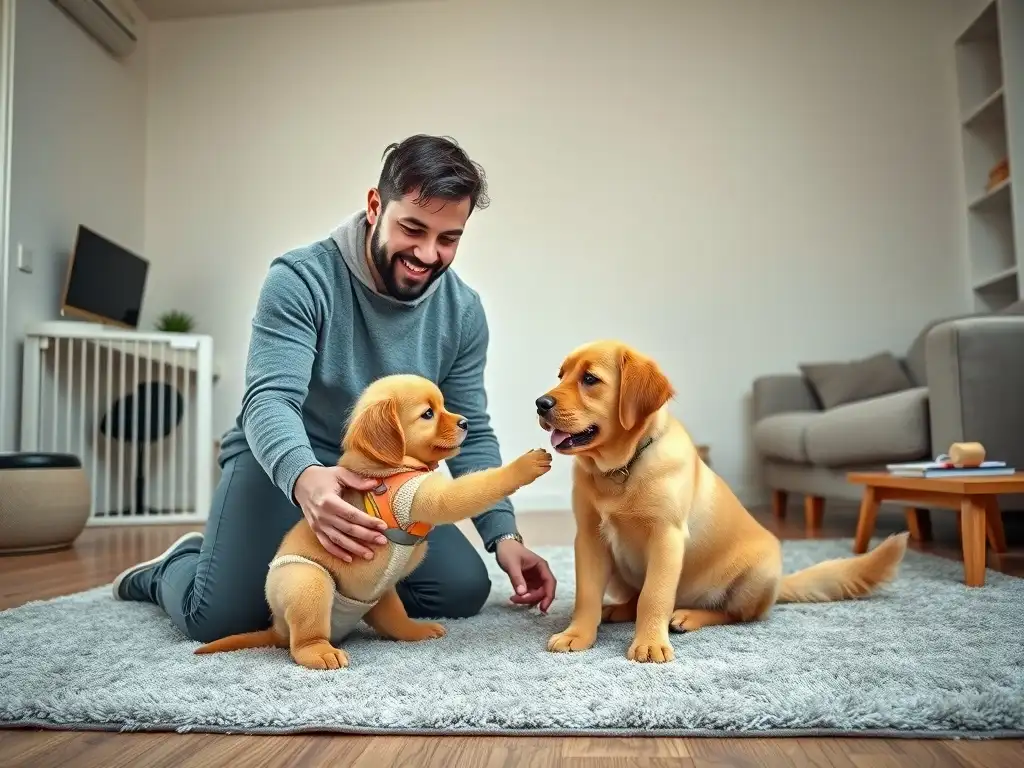
This section focuses on proactive training methods to minimize the risk of pet-related accidents with your baby. A well-trained pet is a safer pet, significantly reducing the chances of unintended injuries or frightening interactions. Remember, consistent training is key, and patience is crucial. This isn't about punishing your pet; it's about teaching them appropriate behavior around your little one. This guide provides you with a framework to build a harmonious environment for both your baby and your beloved pet. Early and consistent training is the best "baby pet accident prevention guide" you can follow.
Basic Obedience Training for Pets: Preventing Unwanted Behaviors
Basic obedience training forms the cornerstone of pet safety around babies. Commands like "sit," "stay," "come," and "leave it" are essential for managing your pet's behavior in various situations. For example, "leave it" can prevent your pet from snatching a toy or even a dropped pacifier from the baby.
"Stay" can ensure your pet remains in a designated area while you attend to your baby. Consider enrolling your pet in a professional obedience class – a structured environment can accelerate learning and provide expert guidance. Regular practice at home, using positive reinforcement techniques (treats, praise), will solidify these commands, making your pet more reliable and predictable around your baby.
The effectiveness of basic obedience training can be significantly improved by using a clicker. A clicker provides immediate, positive reinforcement, associating the desired behavior with a rewarding sound. This method is particularly effective in teaching complex commands or modifying existing behaviors. Remember to pair the clicker sound with a treat immediately after the desired behavior is exhibited. Consistent use of the clicker creates a strong link between the action and the reward, leading to faster learning. This is a crucial element of a comprehensive "baby pet accident prevention guide".
Teaching Your Pet to Respect Baby's Space: Positive Reinforcement Techniques
Teaching your pet to respect your baby's space is paramount. This involves establishing boundaries and using positive reinforcement to reward appropriate behavior. You can create a designated "baby zone" – a crib, playpen, or even a specific area of the room – where the pet is not allowed to enter without permission. Use baby gates to physically enforce these boundaries. When your pet stays out of the baby's space, immediately reward them with praise and treats. This positive reinforcement teaches them that respecting the baby's area is beneficial.
It’s important to avoid punishment. Scolding or physical punishment can create fear and anxiety in your pet, potentially leading to unpredictable behavior. Instead, focus on rewarding good behavior and redirecting unwanted actions. For example, if your pet approaches the baby's crib, gently guide them away and reward them for moving to a different location. This approach is far more effective in establishing respectful boundaries and is a key aspect of any effective "baby pet accident prevention guide".
Desensitizing Your Pet to Baby Sounds and Movements
Babies make a variety of noises and movements that might initially startle or excite your pet. Gradually desensitizing your pet to these sounds and movements is crucial for preventing accidents. Start by playing recordings of baby sounds (crying, gurgling) at low volumes, gradually increasing the volume over time. Simultaneously, incorporate videos or even live demonstrations of baby movements (kicking, reaching) from a safe distance. Reward your pet's calm behavior throughout this process with treats and praise.
The goal is to create a positive association between baby-related stimuli and rewards. This helps your pet learn that babies are not a threat but rather a source of positive reinforcement. This process requires patience and consistency. You might need to repeat these exercises multiple times a day for several weeks to achieve noticeable results. This gradual exposure prevents your pet from becoming overly excited or fearful around your baby, significantly improving overall safety and contributing to a successful "baby pet accident prevention guide." Remember, a calm and desensitized pet is a safe pet.
Managing Pet Anxiety Around Babies: Professional Help When Needed
Pet anxiety, especially around new babies, isn't uncommon. Many pets experience a significant shift in their routine and environment with the arrival of a baby, leading to stress and potentially problematic behaviors. While gradual introduction and training can often mitigate these issues, some pets require professional intervention.
Recognizing the signs of severe anxiety is crucial for both your pet's well-being and your baby's safety. These signs can include excessive barking or howling, destructive chewing, hiding constantly, changes in appetite (either increased or decreased), urination or defecation in the house (even if house-trained), and aggression. Ignoring these warning signs can escalate the situation, potentially leading to more serious behavioral problems or even accidents.
If your pet exhibits any signs of significant anxiety, don't hesitate to seek professional help. A certified veterinary behaviorist or a qualified animal behaviorist can provide a personalized assessment and develop a tailored behavioral modification plan. These professionals use evidence-based techniques to address the root causes of your pet's anxiety and teach you effective coping strategies.
They might recommend techniques like desensitization and counter-conditioning, where your pet is gradually exposed to baby-related stimuli (sounds, smells, sights) in a controlled and positive manner. Medication might also be considered in some cases, particularly for severe anxiety, always under the guidance of a veterinarian. Remember, seeking help early on is key to preventing escalation and ensuring both your baby and your pet thrive in a safe and harmonious environment.
The investment in professional help is invaluable, ensuring a smoother transition for everyone involved and minimizing the risk of pet-related accidents. Early intervention often means a quicker resolution and a happier, healthier outcome for your furry friend and your family. The peace of mind gained from professional guidance is worth considering, especially when the safety of your baby is paramount.
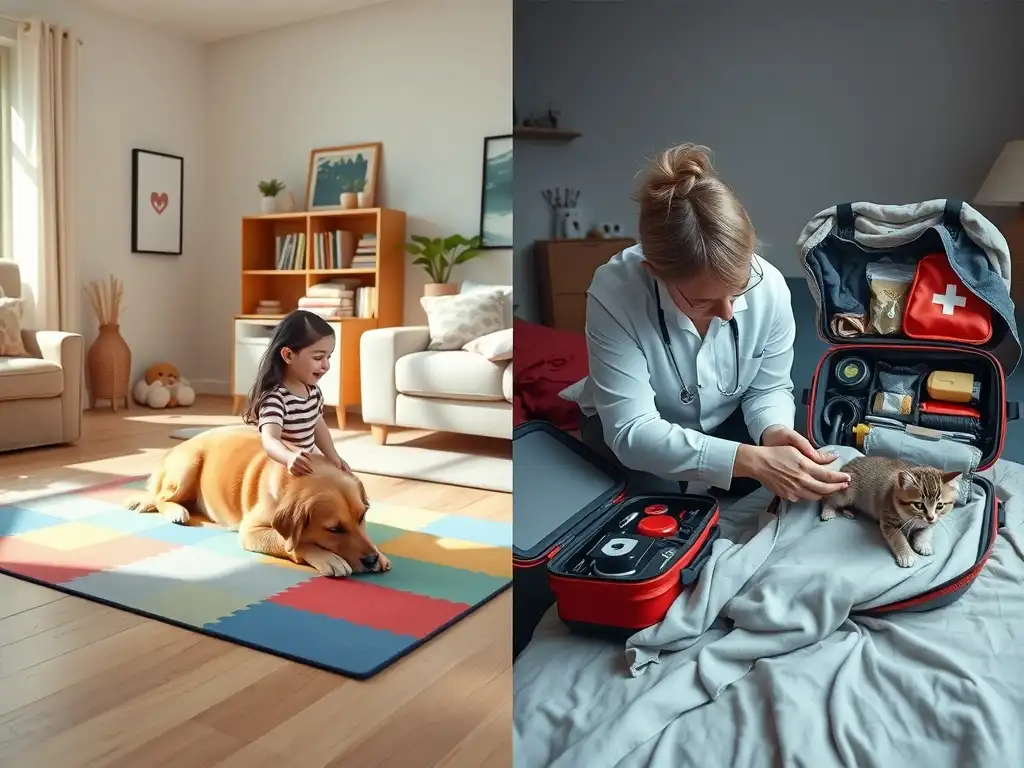
This section focuses on crucial steps to take immediately following a pet-related incident involving your baby. Effective response can significantly minimize harm and improve the outcome. Remember, quick thinking and decisive action are paramount in these situations. This guide provides a framework for handling various scenarios, but always prioritize your baby's safety and well-being. This is a critical part of your "baby pet accident prevention guide".
First Aid for Pet Bites and Scratches: Quick Response Guide
Pet bites and scratches, even from seemingly harmless animals, pose a risk of infection. Immediate action is crucial to prevent complications. Follow these steps:
- Clean the Wound: Gently wash the affected area with cool, clean water and mild soap. Avoid using harsh chemicals or hydrogen peroxide, which can damage the tissue. Remove any visible debris.
- Control Bleeding: Apply gentle pressure to the wound with a clean cloth to stop any bleeding. Elevate the injured area if possible.
- Assess the Wound: Examine the wound for depth and severity. Deep or excessively bleeding wounds necessitate immediate medical attention.
- Apply Antibiotic Ointment: After cleaning, apply a thin layer of antibiotic ointment to help prevent infection. This is a preventative measure; it doesn't replace professional medical care.
- Bandage the Wound: Cover the wound with a clean bandage to protect it from further contamination. Change the bandage regularly, ensuring the wound remains clean and dry.
- Monitor for Infection: Watch for signs of infection such as increased pain, swelling, redness, pus, or fever. Seek medical attention if any of these symptoms appear.
Remember, even minor scratches can become infected if not properly cared for. This detailed approach is part of a comprehensive "baby pet accident prevention guide". Always consult your pediatrician or a medical professional if you have any concerns.
This section focuses on immediate actions to take when your baby suffers an injury due to a pet. The severity of the injury dictates the response.
- Assess the Situation: First, ensure both your baby and your pet are safe. Remove your baby from the immediate vicinity of the pet. Then, calmly assess your baby's injuries.
- Check for Breathing and Consciousness: If your baby is unconscious or not breathing, immediately begin CPR and call emergency services.
- Control Bleeding: If there is bleeding, apply direct pressure to the wound with a clean cloth.
- Immobilize Injuries: If there are broken bones or suspected fractures, carefully immobilize the limb to prevent further damage. Do not attempt to set the fracture yourself.
- Call Emergency Services: For any serious injury, including head injuries, loss of consciousness, severe bleeding, or difficulty breathing, call emergency services immediately. Time is of the essence in these situations. This is a key element of your "baby pet accident prevention guide".
- Document the Incident: Note the time of the incident, the type of injury, and any details about the pet involved. This information will be valuable for medical professionals.
This comprehensive approach to injury management is vital for a successful "baby pet accident prevention guide". Remember, swift action can make a significant difference in the outcome.
When to Seek Immediate Veterinary Care for Your Pet
While this guide primarily focuses on baby safety, your pet's well-being is also important. In some cases, your pet may require veterinary care following an incident with your baby. Seek immediate veterinary attention if:
- Your pet is injured: Obvious injuries such as bleeding, broken bones, or difficulty breathing require immediate veterinary care.
- Your pet exhibits unusual behavior: Changes in behavior such as aggression, lethargy, or hiding could indicate pain or injury.
- Your pet is involved in a bite incident: Even if your pet appears unharmed, a bite incident can lead to stress and potential health complications for your pet.
Remember, prompt veterinary care can help ensure your pet's recovery and prevent long-term complications. This completes our section on emergency preparedness within your "baby pet accident prevention guide". Prioritizing both your baby and pet's safety is key to a harmonious household.
When to Seek Immediate Medical Attention for Your Baby
Recognizing when your baby needs immediate medical attention after a pet-related incident is crucial. Prompt action can significantly impact the outcome. Even seemingly minor incidents can escalate quickly, particularly with bites or scratches that break the skin. Don't hesitate to seek professional help if you observe any of the following symptoms:
- Excessive bleeding: A deep bite or scratch can cause significant blood loss, requiring immediate medical intervention to stop the bleeding and prevent shock. The severity depends on the location and depth of the wound. A wound that continues to bleed heavily despite applying direct pressure for 10 minutes warrants an immediate trip to the emergency room.
- Difficulty breathing: If your baby is struggling to breathe, exhibiting signs of choking, or making wheezing sounds, seek immediate medical attention. This could indicate an airway obstruction or a more serious allergic reaction. Time is of the essence in these situations.
- Significant swelling or redness: Extensive swelling or redness around the injury site, especially if accompanied by increasing pain or warmth, can signal an infection. These signs should not be ignored, as infections can rapidly spread, particularly in infants with developing immune systems. Early treatment with antibiotics can often prevent serious complications.
- Changes in behavior or consciousness: Any unusual changes in your baby's behavior, such as lethargy, unusual irritability, inconsolable crying, or loss of consciousness, should prompt immediate medical evaluation. These symptoms may indicate a head injury, a serious infection, or other underlying complications. Even seemingly subtle changes warrant a call to your pediatrician or a visit to the emergency room.
- Fever: A high fever (above 100.4°F or 38°C) after a pet-related incident can indicate an infection. While a mild fever might be managed at home with monitoring, a high fever requires immediate medical attention.
- Signs of infection: Beyond fever, other signs of infection include increased pain at the injury site, pus or other drainage from the wound, red streaks extending from the wound, or swollen lymph nodes. These are all clear indicators that professional medical assistance is needed.
Remember, this list isn't exhaustive, and your best judgment is crucial. If you are ever unsure about the severity of a pet-related injury, it's always better to err on the side of caution and seek immediate medical attention. Your baby's health and well-being are paramount. Early intervention is key to preventing serious complications and ensuring a speedy recovery. Trust your instincts—if something feels wrong, seek help immediately.
Resources and Further Information: Continuing Your Learning
This section provides valuable resources to help you continue your journey towards creating a safe and harmonious environment for your baby and pet. We understand that ensuring your baby's safety around pets is an ongoing process, requiring continuous learning and adaptation. This guide aims to be a comprehensive starting point, but further exploration is always beneficial. The information below will help you find additional support and expertise.
Recommended Books and Websites on Pet and Baby Safety
Finding reliable information on pet and baby safety is crucial. Many resources offer insightful advice and practical strategies. Below, we list some examples, although the availability and specific titles may change over time. Always check reviews before purchasing or relying heavily on any single source.
- Books: Look for books specifically focusing on "pet and baby safety," "introducing pets to babies," or "childproofing for pets." Titles often include practical tips and checklists. Reputable publishers focusing on parenting and pet care are a good place to start. Consider books that address different pet types (dogs, cats, etc.) as their behaviors and needs vary considerably.
- Websites: Reputable veterinary websites and websites of organizations dedicated to animal welfare often feature articles and resources on this topic. Look for sites with evidence-based information and a clear commitment to factual accuracy. Be wary of anecdotal evidence or advice that lacks scientific backing. Always cross-reference information from multiple credible sources.
Remember to always prioritize information from verified professionals like pediatricians and veterinary specialists. Avoid relying solely on online forums or social media, as these can contain inaccurate or misleading information.
Local Pet Training Resources and Experts
Professional pet trainers can provide invaluable support in teaching your pet appropriate behavior around your baby. They can offer customized training plans to address specific challenges and concerns. A properly trained pet is significantly less likely to cause accidental harm to a baby.
- Finding Trainers: Search online for certified professional dog trainers (or cat trainers, as needed) in your local area. Look for trainers who use positive reinforcement methods, as these are generally considered the most effective and humane.
- Trainer Qualifications: Inquire about their qualifications, experience, and training methodologies. A reputable trainer will be happy to answer your questions and provide references. Check online reviews and testimonials to gauge their effectiveness and client satisfaction.
- Specific Training Needs: Discuss your specific concerns with the trainer, such as your pet's reactivity, guarding behaviors, or lack of appropriate boundaries. A tailored training plan will be more effective than a generic approach.
Organizations Supporting Pet and Baby Safety Initiatives
Several organizations are dedicated to promoting pet and baby safety. These organizations often provide educational materials, resources, and support networks for parents and pet owners.
| Organization Type | Example Organization Name (placeholder) | Focus | Potential Resources Offered |
|---|---|---|---|
| Animal Welfare Organizations | [Organization Name Pending] | Pet behavior, responsible pet ownership | Educational materials, training resources, hotlines |
| Pediatric Organizations | [Organization Name Pending] | Child safety, accident prevention | Guidelines, checklists, safety awareness campaigns |
| Combined Pet & Child Safety | [Organization Name Pending] | Integrated approach to pet and child safety | Workshops, community programs, online resources |
Engaging with these organizations can provide valuable insights, support, and a sense of community. Remember that creating a safe environment for your baby and pet is a shared responsibility, and these resources can enhance your ability to manage this effectively. Your proactive approach to safety will contribute significantly to a happy and harmonious home environment for your entire family, including your furry friends. 🐾
Frequently Asked Questions
How can I prevent my pet from accidentally injuring my baby?
Supervise all interactions between your baby and pet. Never leave them unsupervised, even for a short time. Create safe spaces for your baby where your pet isn't allowed.
Common accidents include pets knocking over babies, scratching or biting, and pets accidentally sitting or stepping on infants. Introducing pets gradually and teaching children and pets appropriate interactions is key.
My pet is usually gentle, should I still worry?
Yes, even the gentlest pets can accidentally hurt a baby. Babies are unpredictable and may make sudden movements that startle a pet. Constant supervision is crucial.
What should I do if my pet does injure my baby?
Immediately seek medical attention for your baby. Observe your pet's behavior for signs of stress or aggression. Afterward, re-evaluate your safety strategies to prevent future incidents.
Are there specific breeds more likely to cause accidents?
While any pet can cause an accident, some larger breeds might pose a higher risk due to their size and strength. Proper training and supervision are vital regardless of breed.
Final Reflection: A Legacy of Safe Coexistence
The bond between babies and pets is a powerful force, capable of bringing immeasurable joy, but also posing significant risks if not carefully managed. Ignoring the potential for accidents is not an option; proactive safety measures are crucial for ensuring a harmonious and safe environment for both our youngest and furriest family members. The statistics surrounding pet-related injuries to infants are sobering, highlighting the urgent need for widespread awareness and preventative action.
The journey of integrating a pet into a family with a baby is a delicate dance, requiring constant vigilance and a deep understanding of both species' behaviors. It's a learning process that extends beyond simple training; it demands empathy, patience, and a commitment to creating a safe space for everyone. As we navigate this complex relationship, we must remember the profound impact a loving pet can have on a child's development. The human-animal bond has been shown to reduce stress, improve cardiovascular health, and even increase life expectancy.
This powerful connection, however, necessitates a proactive approach to safety, ensuring that the joy of companionship never comes at the cost of a child's well-being.
Now, consider your own home. Reflect on the spaces where your baby and pet interact most frequently. Are there potential hazards you haven't yet addressed? This guide provides a framework, but the ultimate responsibility for creating a safe environment rests with you. Take the time today to review your home, implement the strategies outlined in this guide, and build a future where the love between babies and pets thrives without incident. Let's work together to create a world where every child and pet can experience the joy of a loving, safe, and harmonious home.
Unlock a Safer Home: Prevent Pet & Baby Accidents Today!
Thank you for learning how to keep your children and pets safe! You're now equipped to create a truly harmonious home environment. Let's put this knowledge into practice!
- Develop a personalized safety plan: Take a moment to review the key points and create a checklist specific to your home and pets. This is the most crucial step!
- Share your experiences: Connect with other parents on our BabyCareHub forums! Let's build a supportive community to share experiences and help each other create safe homes for both babies and pets.
- Access additional resources: Find expert advice and valuable tips in our website's safety section for a comprehensive approach to protecting your loved ones.
Ready to create a safer and happier home for your family? What's the first step you'll take today to implement this plan?