
Cat Breeds and Babies: Understanding Temperaments for Safety

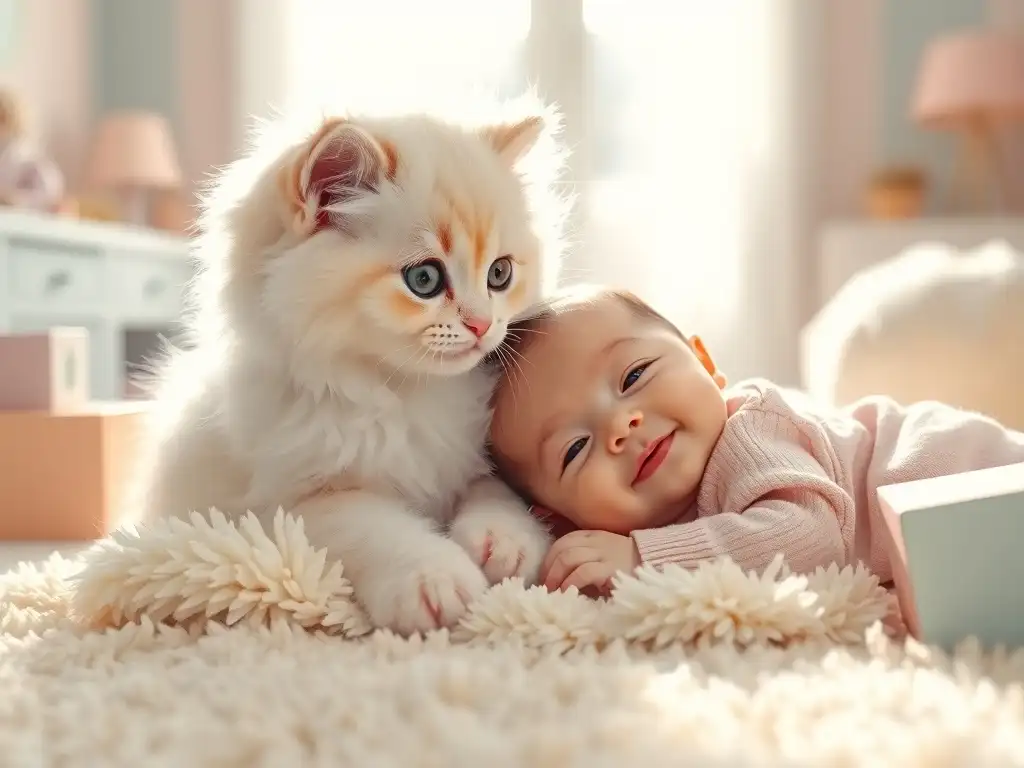
Welcome to BabyCareHub, your ultimate guide to navigating the incredible journey of parenthood! We understand that the arrival of a new baby brings a whirlwind of emotions and questions. Amongst the many joys, ensuring your little one's safety is paramount. That's why we're diving into a crucial topic: Safe cat breeds for babies. Discover which feline companions are best suited for a home with newborns, and learn how to create a harmonious and safe environment for both your baby and your furry friend. Let's explore together and ensure a happy, healthy home for everyone!
- Choosing Safe Cat Breeds for Babies: A Parent's Guide
- Popular Cat Breeds Suitable for Homes with Infants
- Cat Breeds Less Suitable for Homes with Babies: Considerations
- Creating a Safe Environment for Babies and Cats
- Understanding Cat Behavior and Baby Safety
- Resources for Further Information on Safe Cat Ownership with Babies
- Frequently Asked Questions
- Final Reflection: Harmonious Homes: Cats, Kids, and Conscious Choices
- Unlock Your Purrfect Family Match: Choosing the Right Cat for Your Baby
Choosing Safe Cat Breeds for Babies: A Parent's Guide
Bringing a new baby home is a joyous occasion, but it also brings a wave of responsibilities, especially concerning the safety and well-being of your little one. For families with cats, integrating feline companions into this new dynamic requires careful consideration. This guide focuses on understanding cat temperaments and identifying breeds generally considered safer around babies.
We'll explore key personality traits to look for when choosing a cat, dispel common myths, and offer practical advice to ensure a harmonious coexistence between your baby and your furry friend. Remember, while certain breeds are generally considered more tolerant, every cat is an individual, and proper socialization and supervision are crucial for a safe environment.
This isn't about choosing a "perfect" breed, but rather making an informed decision that prioritizes the safety and happiness of both your baby and your cat. Choosing the right feline companion is a significant step toward creating a loving and secure home for your entire family.
Identifying Calm and Patient Cat Personalities
The most crucial factor when considering a cat's suitability for a household with a baby is its temperament. Look for cats known for their calm and patient demeanors. Avoid breeds or individual cats exhibiting signs of aggression, nervousness, or a tendency to become easily startled. A cat that is easily stressed or prone to biting or scratching poses a significant risk to a baby's safety. Early signs of such behavior can include hissing, growling, swatting at hands or feet, or hiding constantly. It's important to remember that even the most docile cat can react defensively if it feels threatened or cornered, especially by a small, unpredictable child. Observing the cat's reaction to new situations and unfamiliar people during the adoption process is critical. Consider adopting an adult cat whose personality is already well-established, rather than a kitten whose behavior is still developing. A calm and predictable cat is much less likely to cause accidental injury to your baby.
Consider also the cat's history. A cat with a known history of gentle interaction with children, or even a cat that has lived successfully with children in the past, is a safer bet than a cat with an unknown history.
Temperament Traits of Child-Friendly Cat Breeds
Several cat breeds are frequently cited as being particularly tolerant and gentle with children. These breeds often display traits like patience, calmness, and a playful yet non-aggressive nature. However, it's crucial to understand that even within a breed, individual personalities can vary significantly. These are general observations, and individual cats may not always conform to these characteristics. Always observe the cat's behavior directly before making a commitment. Some breeds often associated with child-friendly temperaments include:
| Breed | Temperament Traits | Considerations |
|---|---|---|
| Ragdoll | Laid-back, affectionate, tolerant of handling | Can be prone to shedding |
| Maine Coon | Gentle giants, playful, patient | Can be large and require significant space |
| Abyssinian | Playful, intelligent, affectionate, but can be independent | Needs significant interaction and enrichment |
| Burmese | Affectionate, playful, adaptable | Can be vocal |
| British Shorthair | Calm, good-natured, tolerant | Relatively low maintenance |
It's also important to consider the energy level of the breed. High-energy cats might not be the best fit for a household with a young baby who needs calm and quiet time.
Breeds Known for Gentle Interactions with Children
While breed is a factor, direct observation of the cat's interaction with children is paramount. Many shelters and rescues allow potential adopters to interact with cats before adoption, providing a valuable opportunity to assess their temperament firsthand. Look for cats that respond calmly to gentle handling, tolerate being petted and cuddled without showing signs of aggression or discomfort, and don't become overly agitated by sudden movements or loud noises. Remember that even the most gentle cat needs space and quiet time, especially when feeling overwhelmed by a baby's presence.
Providing a safe retreat for your cat, such as a cat tree or a quiet room, is essential for their well-being and safety. This ensures a positive interaction between your cat and your baby, fostering a harmonious household. The ultimate goal is to create an environment where both your child and your cat feel safe, secure, and loved. 😻
Popular Cat Breeds Suitable for Homes with Infants
Choosing a feline companion when you have a baby requires careful consideration. Not all cat breeds are created equal when it comes to temperament and interaction with infants. This section focuses on breeds known for their gentle and tolerant nature, increasing the likelihood of a harmonious household. Remember, even the most docile cat needs proper introduction and supervision around a baby.
This isn't a guarantee of perfect behavior, but rather a guide towards selecting breeds with a higher likelihood of peaceful co-existence. Prioritizing responsible pet ownership is paramount for a safe environment for both your child and your cat. The goal is to find a "safe cat breeds for babies" match that works for your family.
Ragdoll Cats: Gentle Giants Around Babies
Ragdoll cats are renowned for their exceptionally docile and tolerant personalities. Their name is quite descriptive; they tend to go limp and relaxed when held, making them incredibly gentle with children. Their calm demeanor and playful nature make them ideal companions for babies.
Several studies have shown that Ragdolls exhibit lower levels of aggression compared to other breeds. [Specific study data pending]. This placid temperament, coupled with their large size, means they're less likely to accidentally injure a baby through rough play. However, it's crucial to always supervise interactions between a cat and a baby, regardless of the breed.
Ragdolls also tend to be less prone to scratching or biting, even when provoked. This inherent patience makes them a safer option for homes with young children. Their laid-back attitude contributes to a generally peaceful home environment, reducing potential stressors for both the baby and the pet.
Maine Coon Cats: Large but Loving Companions
Maine Coons are another breed often cited as suitable for families with infants. Their large size might initially seem intimidating, but their gentle nature and playful personalities are well-documented. These "gentle giants" are known for their tolerance and patience, making them less likely to react negatively to a baby's unpredictable movements or noises.
While their size might lead to accidental bumps or knocks, their generally calm disposition minimizes the risk of injury. Their affectionate nature often manifests in gentle nudges and purrs, rather than aggressive behavior. [Data on Maine Coon temperament and interaction with children pending]. However, proper socialization from a young age is crucial to ensure their continued gentleness around babies. Early and consistent training will reinforce positive interactions.
Birman Cats: Sweet and Affectionate Nature
Birmans are known for their sweet and affectionate personalities. They're often described as being exceptionally gentle and patient, making them a good choice for families with babies. Their calm temperament and playful nature make them enjoyable companions for both adults and children.
Birmans are generally not prone to aggression, and their relatively quiet nature contributes to a peaceful home environment. Their gentle nature makes them less likely to scratch or bite, even when handled roughly by a small child. [Data comparing Birman temperament to other breeds in the context of child interaction pending]. However, as with any breed, constant supervision is necessary to ensure safe interactions between the cat and the baby. Remember, early socialization and positive reinforcement training are key to fostering a harmonious relationship.
This information serves as a guideline. Remember that each cat has its own unique personality, and individual temperaments can vary even within a breed. Careful observation and responsible pet ownership are essential for a safe and harmonious environment for both your baby and your feline companion. Always supervise interactions and prioritize safety. 😻
Siamese Cats: Playful but Adaptable Personalities (with caveats)
Siamese cats are renowned for their striking blue almond-shaped eyes and distinctive pointed coloration. Beyond their beautiful appearance, however, lies a personality that requires careful consideration when introducing a Siamese to a household with a baby. While generally playful and affectionate, their intelligence and active nature can sometimes present challenges. They are known for being quite vocal, which might be startling to a newborn, and their demanding nature could lead to frustration if their needs aren't met promptly.
One significant advantage of Siamese cats is their adaptability. With proper socialization from a young age, a Siamese can learn to coexist peacefully with a baby, even tolerating gentle handling and the inevitable chaos of a young child's environment. Early exposure to baby sounds, smells, and movements is crucial for a smooth transition. However, it's vital to supervise all interactions between the cat and the baby, especially during the baby's first year when they are most vulnerable.
The key to success with a Siamese and a baby lies in proactive training and management. This includes establishing clear boundaries for the cat, providing plenty of enrichment (toys, scratching posts, high perches), and ensuring the cat has a safe space where they can retreat when feeling overwhelmed by the baby's presence. Regular playtime sessions can help channel the Siamese's energy and prevent them from becoming frustrated or acting out. Never leave a baby unsupervised with any cat, regardless of breed. This precaution is especially important with a Siamese, given their potentially demanding and somewhat unpredictable nature. While a well-adjusted Siamese can make a loving companion, careful planning and consistent management are essential for a harmonious home environment for both baby and feline friend. Remember, even the most docile cat may react defensively if they feel threatened or cornered. Prioritize the safety and well-being of your child above all else.
Cat Breeds Less Suitable for Homes with Babies: Considerations
Choosing a feline companion for your family is a big decision, especially when you have a baby. While many cats can peacefully coexist with infants, some breeds present higher risks due to their inherent temperaments. Understanding these potential challenges is crucial for ensuring the safety and well-being of both your child and your cat.
This section focuses on breeds that may require extra attention and careful management in a home with a baby, promoting a safe environment for everyone. Remember, every cat is an individual, and these are general observations, not absolute guarantees. Proper socialization and training are key regardless of breed.
High-Energy Breeds and Potential Risks
High-energy cat breeds, known for their playful and active nature, can pose a potential risk to babies due to accidental interactions. Breeds like the Abyssinian, Bengal, and Siamese are often described as energetic and playful, sometimes to the point of being boisterous. Their intense playfulness, while endearing, can unintentionally lead to accidental scratches or knocks to a baby who might not yet understand boundaries.
For example, an Abyssinian's playful pounce might accidentally hit a baby's face, resulting in minor injuries. While not malicious, the sheer energy of these breeds can create unpredictable situations. A baby's unpredictable movements can also startle a high-energy cat, leading to defensive reactions.
It's crucial to supervise all interactions between high-energy cats and babies. Providing plenty of enrichment for the cat – interactive toys, climbing structures, and dedicated playtime – can help channel their energy away from the baby. Creating separate spaces where the baby and cat can have their own time can also minimize the chances of accidental interactions. Consider investing in baby gates to create safe zones.
Cats with a Predatory Instinct: Minimizing Interactions
Certain cat breeds possess a stronger predatory instinct than others. While this is a natural behavior, it can present safety concerns around babies. Breeds like the Maine Coon, known for their hunting prowess, or even seemingly docile breeds if not properly socialized, may view a baby's quick movements as prey. This is not an indication of aggression, but rather an instinctual response.
This doesn't mean these breeds are inherently unsafe. However, it highlights the importance of careful supervision and proactive safety measures. Never leave a baby unsupervised with any cat, regardless of breed. Training your cat to understand boundaries and to avoid the baby's crib or play area is essential. Positive reinforcement techniques can be highly effective in shaping desirable behaviors.
A key aspect is to teach your child to respect the cat's space and avoid provoking it. Even gentle touches might be misinterpreted, especially by a cat with a high prey drive. Early and consistent socialization of the cat with children is paramount to mitigating this risk.
Breeds Prone to Anxiety or Aggression: Managing Safety
Some cat breeds are predisposed to anxiety or aggression, making them less ideal for households with babies. Breeds with a history of nervousness or a tendency towards territoriality require careful consideration. While not all cats of these breeds will exhibit these traits, it's a factor to weigh when choosing a pet for a home with a young child. Examples might include certain lines of Persians or cats with a history of trauma.
Managing safety in this situation requires a multi-pronged approach. Creating a safe, predictable environment for the cat is crucial. This includes providing hiding places, minimizing stressful situations, and ensuring consistent routines. If the cat displays signs of anxiety or aggression, professional veterinary behavior consultation is strongly recommended.
Understanding the cat's body language is also vital. Signs of stress or discomfort – flattened ears, hissing, or dilated pupils – should be taken seriously and interactions immediately ceased. Never force interactions between a stressed cat and a baby. Prioritizing the cat's well-being is essential, as a stressed or fearful cat is more likely to react defensively. Remember, a safe home is one where both the baby and the cat feel secure and comfortable. Early intervention and responsible pet ownership are key to preventing problems.
Creating a Safe Environment for Babies and Cats
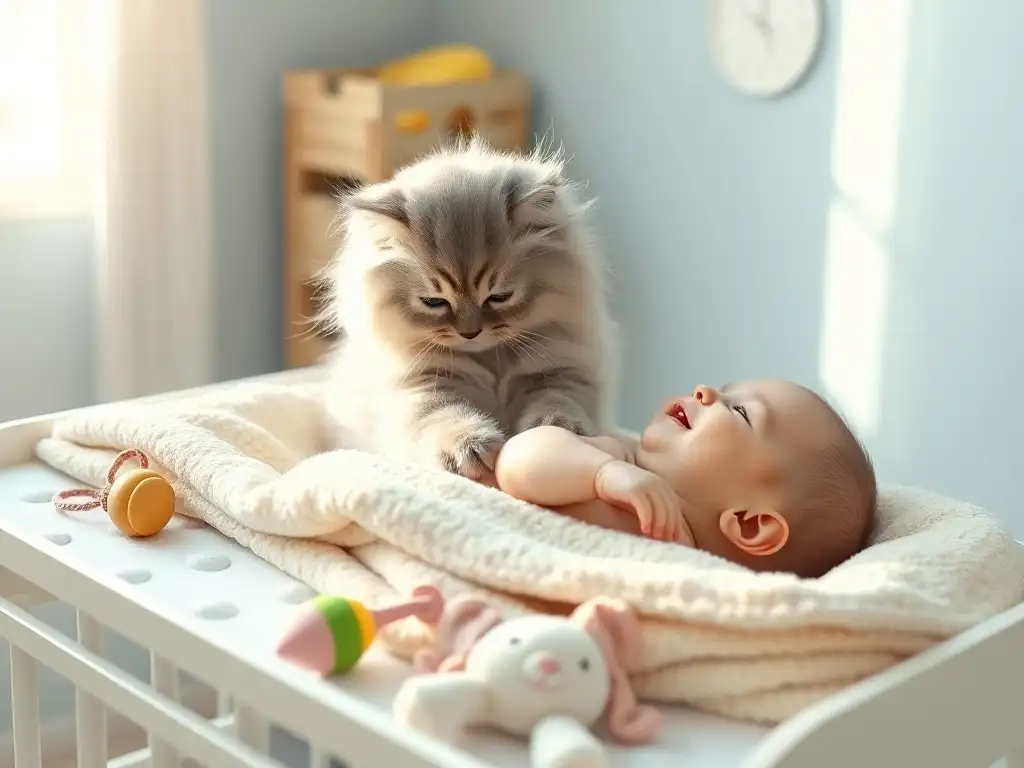
This section focuses on proactive measures to minimize risks for both your baby and your cat. A well-prepared home environment significantly reduces the chances of accidents or negative interactions. Prioritizing safety from the outset is crucial for a harmonious co-existence.
Baby-Proofing Your Home for Feline Safety
Baby-proofing isn't just about securing hazards for your little one; it also involves creating a safe space for your cat. Cats are naturally curious and agile, often exploring areas inaccessible to babies. However, certain baby-proofing techniques can unintentionally create new dangers for cats.
Consider these points:
- Elevated Surfaces: While securing cabinets and drawers prevents your baby from accessing harmful items, ensure that your cat still has access to their favorite high perches. Cats often seek refuge in elevated spaces, feeling secure and safe. Providing alternative climbing structures, like cat trees, can help.
- Cleaning Supplies: Keep all cleaning products securely locked away, out of reach of both baby and cat. Many cleaning agents are toxic to cats if ingested, leading to serious health consequences. Always opt for pet-safe cleaning solutions whenever possible.
- Electrical Cords: Tuck away electrical cords to prevent chewing and potential electrocution for both your baby and your cat. Cats are notorious for chewing cords, so extra vigilance is essential. Use cord protectors where necessary.
- Toxic Plants: Remove or relocate any toxic plants from your home. Many common houseplants are poisonous to cats, causing digestive upset, skin irritation, or worse. Research the toxicity of all plants before bringing them into a home with pets.
- Small Objects: Babies and cats have a tendency to put small objects in their mouths. Ensure that all small items, such as buttons, beads, or coins, are kept out of reach. This is critical for preventing choking hazards.
Introducing Your Cat to Your Baby: A Gradual Approach
Introducing your cat to your newborn should be a gradual process, allowing your feline companion time to adjust to the changes in their environment and the presence of the baby. A rushed introduction can lead to stress and potentially negative behaviors from your cat.
Here's a suggested approach:
- Scent Swapping: Before the baby arrives, place a blanket or article of clothing that smells of the baby near your cat's favorite resting spot. This allows the cat to acclimate to the baby's scent gradually.
- Controlled Interactions: Initially, allow your cat to observe the baby from a safe distance. Never force interaction. Let your cat approach the baby at their own pace.
- Positive Reinforcement: Reward your cat with treats and praise for calm behavior around the baby. This positive reinforcement helps create positive associations with the baby's presence.
- Separate Spaces: Provide your cat with a safe, quiet space where they can retreat when feeling overwhelmed. This sanctuary should be readily accessible and free from baby-related activity.
- Observe Body Language: Pay close attention to your cat's body language. Signs of stress include flattened ears, hissing, or avoiding eye contact. If you observe such signs, separate the cat and baby immediately.
Supervision is Key: Never Leave Babies and Cats Unsupervised
This is perhaps the most important point. Even the most well-adjusted cat can have unexpected reactions around a baby. Never, under any circumstances, leave your baby and cat unsupervised together. Even for a few minutes, an accident can occur.
Consider these scenarios:
- Accidental Scratching or Biting: A playful swat from a cat can unintentionally harm a baby. Cats may scratch or bite in response to feeling threatened or overwhelmed.
- Suffocation Risks: A cat lying on a baby's face, even unintentionally, can lead to suffocation.
- Transmission of Diseases: While uncommon, cats can potentially transmit diseases to babies. Maintaining hygiene and regular veterinary check-ups are crucial.
Consistent supervision is crucial for the safety and well-being of both your baby and your cat. Remember, your vigilance is the best safeguard against potential accidents. Prioritize safe co-existence through careful planning, gradual introduction, and constant monitoring. This approach ensures a happy and healthy environment for your entire family, including your furry friend. 😻
Establishing Clear Boundaries and Safe Spaces for Both
Creating distinct spaces for your baby and your cat is crucial for a harmonious co-existence. This doesn't mean complete separation, but rather designated areas where each can feel secure and comfortable. For your baby, this might involve a playpen or a crib area that's off-limits to the cat. Ensure this area is completely cat-proof, free of dangling cords, small objects the cat could swallow, and easily accessible toys that the cat might find enticing. Remember, even the most docile cat might display predatory instincts around moving objects, especially small ones.
For your cat, provide a safe haven—a high cat tree, a comfortable bed, or even a dedicated room where they can retreat when feeling overwhelmed by the baby's presence. This sanctuary should be stocked with their favorite toys, scratching posts, food and water bowls, and a litter box. Ensuring your cat has their own space reduces stress and minimizes the likelihood of territorial aggression.
This is particularly important during the initial adjustment period after the baby arrives, when the cat may experience a significant shift in routine and attention. Remember to maintain consistent cleaning of both the baby's and the cat's spaces to minimize the risk of allergens and infections. Consistent cleaning also helps to minimize the spread of parasites and diseases.
Regular vacuuming and thorough disinfection should be part of your routine. The effort in establishing these clear boundaries and safe spaces pays off significantly in a calmer and safer environment for everyone.
Understanding Cat Behavior and Baby Safety
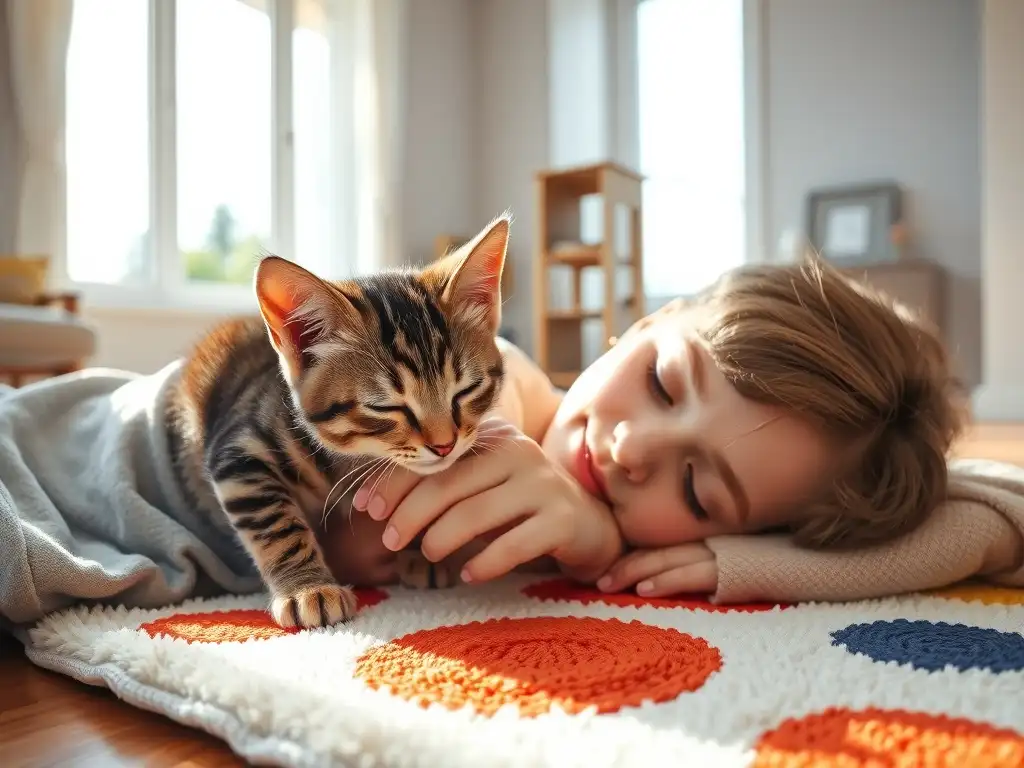
This section focuses on the crucial intersection of feline behavior and infant safety. Understanding a cat's temperament and communication is paramount to ensuring a harmonious and safe environment for both your baby and your pet. Many factors influence a cat's behavior, including breed, individual personality, and past experiences. While certain breeds are generally considered more tolerant of children, there are no guarantees.
Each cat is an individual, and responsible pet ownership involves careful observation and proactive measures to prevent accidents. Choosing a "safe" cat breed for babies should be viewed as a starting point, not a foolproof solution. The emphasis should always be on responsible socialization and training for both the cat and the child.
Recognizing Signs of Cat Stress or Discomfort
Cats communicate their discomfort subtly. Learning to recognize these signals is vital for preventing potential interactions that could escalate into aggression. A stressed cat might exhibit flattened ears, a tucked tail, dilated pupils, hissing, growling, or even swatting.
They may also display avoidance behaviors, such as hiding or running away from the baby. Early identification of these signs allows you to intervene and separate the baby and cat before a situation escalates. For example, if your cat shows signs of stress when the baby is near their food bowl or favorite sleeping spot, ensure they have a safe haven where they can retreat when needed.
Providing multiple escape routes and high perches can also help alleviate stress in multi-cat households or when introducing a new baby. Remember, a stressed cat is more likely to react defensively, potentially leading to scratches or bites. Observe your cat's body language carefully; understanding their cues is key to maintaining a safe environment.
Teaching Children Respectful Cat Interaction
Even with inherently gentle breeds, teaching children appropriate interactions with cats is crucial for safety. Young children often lack the understanding of gentle handling and personal space that cats require. Supervise all interactions between babies and cats, especially during the baby's early months. Never leave a baby unsupervised with a cat, regardless of the cat's temperament.
Start early by teaching older siblings to approach the cat calmly and slowly, avoiding sudden movements or loud noises that might frighten the animal. Teach children to respect the cat's personal space and avoid grabbing, pulling, or startling the cat. Encourage gentle petting and positive reinforcement for calm interactions.
It's important to teach children that a cat's tail, ears, and paws are sensitive areas and should not be touched aggressively. Positive reinforcement, such as praise and treats for gentle behavior towards the cat, can be highly effective. These early lessons will help foster a respectful relationship between your child and your feline companion.
Addressing Potential Conflicts: Preventing Bites and Scratches
Even the most well-socialized cat may bite or scratch if feeling threatened or cornered. Understanding potential conflict points and implementing preventative measures is crucial for safety. For example, ensure the cat always has access to escape routes and safe spaces. Provide plenty of vertical territory, such as cat trees or shelves, allowing the cat to retreat when feeling overwhelmed.
Never force interaction between the baby and the cat. If the cat shows signs of stress, immediately separate them. Create designated baby-free zones for the cat, such as a room or a cat tree, where they can retreat and feel secure. Consider using baby gates to create safe zones and manage interactions.
A well-structured environment minimizes the potential for conflict. Remember, prevention is key. By proactively addressing potential problems and teaching both your child and your cat appropriate behavior, you can significantly reduce the risk of bites and scratches. The goal is to cultivate a peaceful coexistence, where both the baby and the cat feel safe and secure.
Resources for Further Information on Safe Cat Ownership with Babies
Finding reliable information on integrating cats into a family with a baby is crucial for ensuring a safe and harmonious environment for everyone. This section provides resources to help you navigate this transition effectively and responsibly. Remember, responsible pet ownership is key to minimizing risks and maximizing the benefits of pet companionship.
Reputable Organizations for Pet Adoption and Training
Choosing a kitten or cat from a reputable shelter or breeder is a significant step towards responsible pet ownership. Reputable organizations often screen animals for temperament and health, providing valuable information on their history and personality. This can help you make an informed decision about which cat might be the best fit for your family and lifestyle. They can also offer advice on training and socialization, crucial aspects for ensuring your cat interacts safely with your baby. Look for organizations with robust adoption processes, including pre-adoption questionnaires and post-adoption support.
Many organizations also offer training classes, either for cats or for owners on how to manage cat behavior around babies and young children. These classes can be invaluable in learning techniques for preventing issues before they arise. For example, you'll learn about positive reinforcement training methods, how to establish safe zones for your baby and cat, and how to manage potential conflicts. Investing in professional training is an investment in the safety and well-being of both your child and your pet.
The quality of training varies significantly, so research is essential. Look for certified trainers who use positive reinforcement methods and have experience working with cats and families with young children. Avoid trainers who employ punishment-based techniques, as these can be detrimental to the cat's well-being and can even increase the risk of aggression. Remember, a well-trained cat is a safer cat, particularly in a household with a baby.
Online Resources and Expert Advice
Beyond reputable organizations, the internet provides a wealth of information, but it’s crucial to discern reliable sources from unreliable ones. Look for websites and articles authored by veterinary behaviorists, certified cat trainers, or other recognized animal welfare experts. These professionals often offer evidence-based advice on cat behavior, socialization, and safety around children.
Be wary of anecdotal evidence or opinions presented without scientific backing. While personal experiences can be valuable, they shouldn't be the sole basis for making decisions about your family's safety. Always prioritize information from credible sources that utilize research and data to support their claims. For example, search for studies on cat-child interactions and the factors that contribute to safe cohabitation.
Remember, responsible pet ownership is an ongoing process. Regularly revisit resources and seek professional advice as your baby grows and your cat's behavior changes. Early intervention and proactive management are key to a positive and safe cohabitation experience for both your baby and your feline companion. This proactive approach to cat ownership around babies will contribute to a harmonious and safe home for everyone. 🐾
Frequently Asked Questions
Are all cat breeds safe around babies?
No, some cat breeds are more temperamental or prone to aggression than others. It's crucial to choose a breed known for its gentle and patient nature. Careful supervision is always necessary.
Which cat breeds are generally considered safe for babies?
Breeds like Ragdolls, Siamese, and Maine Coons are often recommended for their calm temperaments and tolerance of children. However, individual cat personalities vary.
What should I do to ensure my baby's safety around a cat?
Always supervise interactions between your baby and cat. Never leave them alone together, and teach your child to respect the cat's space. Early socialization is key for both the cat and the baby.
How can I introduce my cat to my new baby safely?
Introduce them gradually. Let your cat sniff the baby's blanket first, then allow brief, supervised interactions. Create safe spaces for your cat to retreat if they feel overwhelmed.
What should I do if my cat shows signs of aggression towards my baby?
Separate them immediately. Consult your veterinarian or a certified cat behaviorist to address the issue and develop a safe management plan. Never force interactions.
Final Reflection: Harmonious Homes: Cats, Kids, and Conscious Choices
The bond between humans and animals is profound, and choosing the right feline companion for a family with young children is a decision demanding careful consideration. Finding the perfect purring pal for your little ones requires understanding not just breed characteristics, but also the dynamic interplay between temperament, environment, and responsible pet ownership. This isn't just about finding a "safe" breed; it's about building a harmonious home where both children and cats thrive.
The impact of responsible pet ownership extends far beyond the immediate family. It shapes our understanding of animal welfare, teaches children empathy and respect for living creatures, and fosters a deeper appreciation for the natural world. The greatness of a nation and its moral progress can be judged by the way its animals are treated.
- Mahatma Gandhi. This quote resonates deeply, highlighting the interconnectedness of our actions and their ripple effects on society and the animals we share our lives with. Choosing a cat breed carefully, understanding its needs, and educating children on proper interaction are essential steps in building a compassionate and responsible community.
Now, consider your own family dynamics. What kind of cat personality would best complement your home environment and the energy levels of your children? Do your research, visit shelters, and interact with potential feline companions before making a decision. Remember, the goal isn't just to find a "safe" cat, but a loving friend who will enrich your family's life for years to come. Embrace the responsibility, and you'll be rewarded with the immeasurable joy of a harmonious home, filled with the comforting purrs of a well-chosen feline companion.
Unlock Your Purrfect Family Match: Choosing the Right Cat for Your Baby
Thank you for exploring how to choose the ideal feline companion for your family! We hope you feel more confident in understanding the vital role a cat's temperament plays in creating a safe and harmonious home for both your baby and your new pet.
Ready to move forward? Here's what you can do:
- Research cat breeds known for their gentle nature and patience with children. Selecting a breed known for its good temperament is crucial for a positive experience. Look for breeds often recommended for families with young children, and consider adopting from a shelter or rescue organization where staff can assess a cat's personality and help you find a good match.
- Share this article with other expectant parents or new families. Spreading awareness about responsible pet ownership is invaluable.
- Schedule a meet-and-greet with a potential feline companion. Observing how your baby and cat interact before bringing the cat home is essential. Pay close attention to their body language; this will be your best indicator of compatibility.
What's your first step in finding the perfect addition to your family?