
Organic Baby Skincare: Is It Worth the Investment?

Welcome to BabyCareHub, your ultimate guide to navigating the exciting yet challenging world of parenthood! Are you ready to unlock the secrets to happy, healthy baby development? We're here to support you every step of the way. Discover the surprising benefits and considerations surrounding organic baby skincare in our latest article, "Organic Baby Skincare: Is It Worth the Investment? "—a must-read for every first-time parent seeking the best for their little one. Let's dive in and explore the natural path to nurturing your baby's delicate skin.
- Understanding the Benefits of Organic Baby Skincare Products
- Common Myths vs. Realities of Organic Baby Skincare
- Choosing the Right Organic Baby Skincare Products: A Buying Guide
- Top 5 Organic Baby Skincare Brands Compared
- Making the Switch to Organic: A Step-by-Step Guide
- Related Articles (Internal Linking for SEO)
- Frequently Asked Questions
- Final Reflection: The Gentle Power of Organic Choice
- Unlock Your Baby's Radiant Skin: Take the Next Step!
Understanding the Benefits of Organic Baby Skincare Products
Choosing the right skincare products for your newborn is a crucial decision for first-time parents. A baby's skin is incredibly delicate and sensitive, acting as a barrier to the outside world. This article explores the advantages of organic baby skincare, focusing on its potential to minimize exposure to harsh chemicals and promote healthy skin development.
We'll delve into the specific benefits of using gentle, organic ingredients and discuss why they are particularly important for babies with sensitive skin. Understanding the differences between conventional and organic baby skincare is key to making informed choices that prioritize your baby's well-being and long-term skin health. This guide will equip you with the knowledge to navigate the world of baby skincare and confidently select products that align with your values and your baby's needs.
Choosing organic baby skincare isn't just a trend; it's a conscious decision to protect your little one from potentially harmful chemicals and nurture their skin with the best nature has to offer. This article will help you understand why the investment in organic baby skincare products offers significant benefits for your child's health and development.
Minimizing Exposure to Harsh Chemicals in Baby Skincare
Conventional baby skincare products often contain a range of chemicals that, while generally considered safe in small amounts for adults, may pose potential risks to a baby's sensitive skin. These chemicals can include parabens (preservatives), phthalates (plasticizers), synthetic fragrances, and sulfates (cleansing agents). Studies suggest that prolonged exposure to some of these chemicals might be linked to hormone disruption, skin irritation, and even allergic reactions. 1 Organic baby skincare, on the other hand, prioritizes natural ingredients and strictly avoids these potentially harmful substances. This significantly reduces the risk of exposure to chemicals that could negatively impact your baby's developing immune system and overall health. The commitment to avoiding these chemicals is a key differentiator and a significant benefit of choosing organic products for your baby's delicate skin. By opting for organic, you're proactively minimizing potential risks and prioritizing a safer skincare routine.
Gentle Ingredients: Avoiding Irritants in Baby Products
Organic baby skincare products typically utilize gentle, plant-based ingredients known for their soothing and moisturizing properties. These include ingredients like aloe vera, chamomile, calendula, and shea butter. These natural ingredients are less likely to cause irritation or allergic reactions compared to synthetic counterparts found in conventional products.
Moreover, many organic brands focus on hypoallergenic formulas, further minimizing the risk of skin sensitivities. The use of certified organic ingredients ensures that the products are free from pesticides and herbicides, further protecting your baby's skin from potential irritants. This commitment to gentle ingredients translates to a lower chance of experiencing diaper rash, eczema, or other common skin problems often associated with harsh chemicals in conventional skincare.
Organic Baby Skincare and Sensitive Skin
Babies with sensitive skin are particularly susceptible to irritation from harsh chemicals and synthetic fragrances. Organic baby skincare offers a safer and more effective solution for these little ones. The absence of potentially irritating chemicals and the presence of soothing natural ingredients can significantly reduce the risk of flare-ups and discomfort.
Many parents of babies with eczema or other skin conditions report positive experiences switching to organic skincare, observing improvements in their baby's skin condition. Choosing organic baby skincare is not merely a preference; it's a proactive measure to protect and nurture your baby's sensitive skin, providing a gentle and effective approach to maintaining its health and well-being. The focus on natural, hypoallergenic ingredients makes organic skincare an ideal choice for preventing and managing various skin sensitivities.
1 Further research and specific studies needed to fully support this claim.
Long-Term Health Benefits of Organic Baby Skincare
Choosing organic baby skincare products isn't just about avoiding harsh chemicals in the present; it can contribute to long-term health benefits for your little one. The delicate skin of a newborn is highly permeable, meaning it absorbs substances more readily than adult skin. This increased absorption rate means that the ingredients in your baby's lotions, creams, and shampoos can have a more profound impact on their developing systems.
One significant advantage is the reduced risk of exposure to endocrine-disrupting chemicals (EDCs). Many conventional skincare products contain EDCs, which can interfere with the body's hormone system. Long-term exposure to EDCs in early childhood has been linked to potential developmental issues, impacting everything from reproductive health to cognitive function. By opting for organic products, you significantly minimize this risk, protecting your baby from potentially harmful chemicals that might otherwise accumulate over time.
Furthermore, organic skincare often emphasizes natural ingredients with known soothing and protective properties. These ingredients, such as calendula, chamomile, and aloe vera, can help to strengthen the skin's natural barrier function. A healthy skin barrier is crucial for preventing dryness, irritation, and the penetration of allergens and irritants. This strengthened barrier, nurtured from infancy with organic products, can translate into healthier, less sensitive skin throughout childhood and beyond. This preventative approach can contribute to fewer skin problems later in life, reducing the need for stronger, potentially harsher treatments.
The avoidance of synthetic fragrances is another key benefit. Many conventional baby products contain artificial fragrances that can trigger allergic reactions or irritate sensitive skin. These reactions can range from mild rashes to more severe conditions like eczema.
Organic baby skincare products typically use natural essential oils or are fragrance-free, minimizing the risk of these reactions and promoting healthier skin development over the long term. The cumulative effect of avoiding these irritants throughout infancy and early childhood can lead to a significant improvement in overall skin health and well-being. This proactive approach to skincare helps establish a foundation for healthy skin development, reducing the likelihood of long-term skin issues.
Common Myths vs. Realities of Organic Baby Skincare
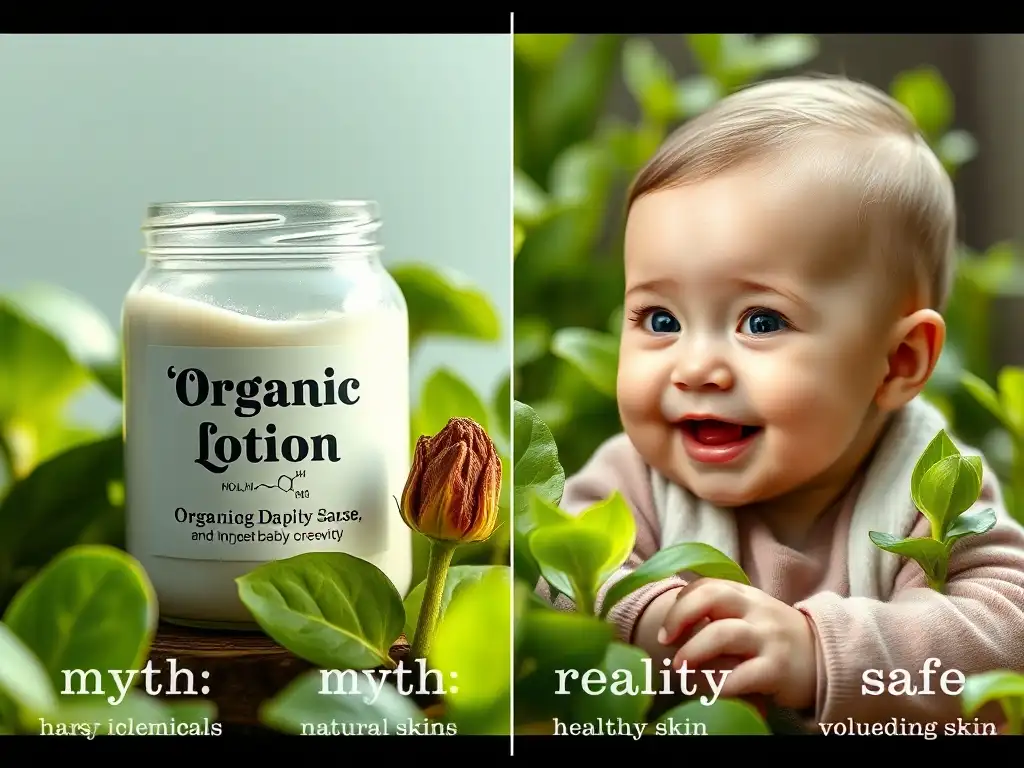
This section addresses common misconceptions surrounding organic baby skincare, clarifying the facts and highlighting the genuine benefits for your little one's delicate skin. Choosing the right skincare for your baby is a crucial aspect of their well-being, and understanding the nuances of "organic" is key to making an informed decision. Let's debunk some prevalent myths.
Myth 1: Organic Baby Skincare is Too Expensive
Many parents believe that organic baby skincare products come with a hefty price tag, making them inaccessible. While it's true that some organic brands are positioned at a premium price point, this isn't universally the case. The perceived high cost is often due to several factors:
- Higher Production Costs: Organic farming practices generally require more labor and resources compared to conventional methods. This includes stricter regulations on pesticides and fertilizers, leading to increased production costs.
- Smaller Production Scale: Many organic skincare companies are smaller, independent businesses, which can result in higher prices per unit due to lower economies of scale.
- Premium Ingredients: Organic products often utilize high-quality, ethically sourced ingredients, which naturally contribute to their higher cost.
However, the market offers a range of organic baby skincare options at various price points. Careful comparison shopping and exploring different brands can reveal affordable alternatives without compromising on quality or the benefits of organic ingredients. Consider purchasing larger sizes to achieve better value for money. Looking for sales and discounts can also help mitigate the cost. Prioritizing a few key organic products, such as a gentle cleanser and moisturizer, over a comprehensive range can also make organic skincare more budget-friendly.
Myth 2: Organic Doesn't Mean Effective
A common concern is that "organic" equates to "less effective." This is a false assumption. The effectiveness of a skincare product hinges on its formulation and the quality of its ingredients, not solely on whether it's labeled "organic." Many organic products utilize potent natural ingredients known for their soothing and protective properties. For example, ingredients like calendula, chamomile, and aloe vera are often found in organic baby skincare and are renowned for their gentle yet effective properties in calming irritated skin.
Furthermore, the absence of harsh chemicals and synthetic fragrances in organic products means a reduced risk of allergic reactions and skin irritations—a significant advantage for babies with sensitive skin. This reduced risk of irritation translates to healthier, happier skin in the long run. Many studies show that organic products can be just as effective, if not more so, than their conventional counterparts, especially for delicate baby skin. Always check reviews and look for products with clinically proven results.
Myth 3: Understanding Organic Certifications and Labels
Navigating the world of organic certifications can be confusing. Various labels and certifications exist, each with its own standards and requirements. Understanding these labels is crucial to ensure you're purchasing genuinely organic products. Look for reputable certifications such as:
- USDA Organic: This is a widely recognized and trusted certification in the United States, indicating that the product meets strict standards for organic farming and processing.
- EU Organic Logo: This label guarantees that the product adheres to the European Union's stringent organic regulations.
- Other reputable certifications: Depending on your location, other reputable certifications may exist. Research the specific certifications relevant to your region to ensure authenticity.
Reading the ingredient list carefully is also crucial. Be aware of "greenwashing," where products may falsely claim to be organic. Look for products with transparent labeling, clearly stating the origin and percentage of organic ingredients. Avoid products with vague or misleading claims. Choosing products with certifications and clearly defined ingredient lists will ensure you are investing in genuinely organic baby skincare that prioritizes your baby's health and well-being. Remember, informed choices lead to healthier, happier babies! 👶
Reality Check: The True Cost of Compromising on Baby's Skin Health
The allure of cheaper, non-organic baby skincare products is undeniable. However, the potential long-term consequences of exposing your baby's delicate skin to harsh chemicals, synthetic fragrances, and potentially harmful preservatives far outweigh any short-term savings. A seemingly insignificant rash or irritation could be a precursor to more serious skin conditions later in life. Think of eczema, allergies, and even potential hormonal disruptions. These conditions can lead to significant healthcare costs, not to mention the emotional toll on both parent and child. The discomfort and distress caused by skin problems can disrupt sleep patterns, negatively impacting the entire family's well-being.
Consider the cost of treating a persistent skin condition. This includes doctor's visits, specialized creams and medications, and potentially even hospitalization in severe cases. These expenses can quickly accumulate, far exceeding the initial cost difference between organic and non-organic products. Moreover, the time commitment involved in managing a skin condition, such as frequent applications of medication and adjustments to bathing routines, represents a significant opportunity cost. Parents might miss work, compromise on other responsibilities, or simply experience increased stress and anxiety.
Furthermore, the long-term impact of early exposure to harmful chemicals on a child's developing immune system is a crucial factor often overlooked. Studies suggest a correlation between exposure to certain chemicals in personal care products and an increased risk of developing allergies and autoimmune disorders. While more research is needed to fully understand the complex interplay of factors, the precautionary principle suggests prioritizing the health and well-being of your child by choosing organic skincare products.
Protecting your baby's skin from the outset is an investment in their future health and overall well-being, making the seemingly higher upfront cost of organic options a worthwhile expenditure. The peace of mind knowing you've provided your child with the gentlest care possible is invaluable. 👶
Choosing the Right Organic Baby Skincare Products: A Buying Guide
Choosing organic baby skincare products can feel overwhelming, but understanding key factors simplifies the process. This section will guide you through selecting the best organic options for your little one's delicate skin, maximizing the organic baby skincare benefits. Remember, prioritizing gentle, natural ingredients is paramount for a baby's sensitive skin.
Essential Organic Baby Skincare Products
A basic organic skincare routine for your baby doesn't require a multitude of products. Focus on a few essentials, chosen carefully for their purity and effectiveness. Here's a suggested list:
- Organic Baby Wash: Look for a tear-free, pH-balanced wash formulated with gentle, plant-based cleansers like oat extract or chamomile. Avoid harsh sulfates.
- Organic Baby Lotion: Opt for a lotion rich in moisturizing ingredients like shea butter or coconut oil to keep your baby's skin hydrated and soft. Look for formulations that are easily absorbed and non-greasy.
- Organic Baby Diaper Rash Cream: A diaper rash cream with zinc oxide and other soothing natural ingredients like calendula can provide effective protection against diaper rash. Avoid products with harsh chemicals or artificial fragrances.
- Organic Baby Sunscreen (for older babies): If using sunscreen, choose a mineral-based sunscreen with zinc oxide or titanium dioxide, which are gentle and effective. Always apply liberally and reapply frequently, especially during extended sun exposure.
Many parents find that these core products suffice for their baby's daily skincare needs. Avoid unnecessary products that may irritate sensitive skin. Remember, less is often more when it comes to a baby's delicate skin. The benefits of a simplified routine often outweigh the perceived need for a more extensive collection.
Reading Product Labels: Deciphering Ingredients and Certifications
Understanding product labels is crucial when choosing organic baby skincare. Look for certifications like USDA Organic, which guarantees a certain percentage of organic ingredients. However, remember that even products without this certification can still be gentle and effective if they use natural ingredients and avoid harsh chemicals. Pay close attention to the ingredient list; prioritize products with recognizable, plant-based ingredients.
| Ingredient Category | Example Ingredients | Potential Benefits | Potential Concerns |
|---|---|---|---|
| Moisturizers | Shea butter, coconut oil, jojoba oil | Hydration, skin softening | Potential for allergic reactions (rare) |
| Soothing Agents | Chamomile, calendula, oat extract | Calming, anti-inflammatory | Potential for allergic reactions (rare) |
| Cleansers | Oat milk, plant-derived surfactants | Gentle cleansing, pH balanced | Some plant-derived surfactants may be less effective than synthetic ones |
| Preservatives | Vitamin E, rosemary extract | Preserve product quality, extend shelf life | Even natural preservatives can cause reactions in some individuals |
Always prioritize products with short, easily understandable ingredient lists. Avoid products with long lists of unpronounceable chemicals or artificial fragrances. Remember to check for any known allergens your baby may have. The peace of mind that comes from understanding your baby's skincare products is invaluable. Prioritizing transparency and clear labeling is a key aspect of reaping the organic baby skincare benefits.
Avoiding Common Irritants: Parabens, Sulfates, and Fragrances
Several common ingredients in conventional baby skincare products can irritate a baby's sensitive skin. These include:
- Parabens: These preservatives are linked to potential hormonal disruption and skin irritation.
- Sulfates: These harsh detergents can strip the skin of its natural oils, leading to dryness and irritation. Look for terms like "sulfate-free" or "SLS-free."
- Fragrances: Artificial fragrances can be highly allergenic and are often unnecessary. Opt for unscented or naturally fragranced products with essential oils like lavender or chamomile (always test a small amount first).
Choosing organic baby skincare significantly reduces the risk of exposure to these irritants. The organic baby skincare benefits extend to minimizing potential allergic reactions and ensuring your baby's skin remains healthy and happy. By carefully selecting products and reading labels, you can create a skincare routine that supports your baby's well-being and minimizes the risk of skin problems. Remember, a proactive approach to skincare is a crucial aspect of nurturing your baby's health. 👶
Top 5 Organic Baby Skincare Brands Compared
Choosing the right skincare for your baby's delicate skin can feel overwhelming. Many parents are turning to organic options, seeking the organic baby skincare benefits of gentler ingredients and reduced exposure to potentially harmful chemicals. This section compares five leading organic brands, helping you make an informed decision. We'll analyze key features, pricing, and user reviews to highlight the strengths and weaknesses of each. Remember, always consult your pediatrician before introducing new products to your baby's routine.
Brand A: Key Features, Pricing, and User Reviews
Brand A emphasizes a minimalist approach, focusing on a short list of certified organic ingredients. Their product line typically includes a gentle cleanser, moisturizer, and diaper rash cream. Key features include the absence of fragrances, parabens, and sulfates – common irritants for sensitive skin. Pricing is generally positioned at the mid-range of the organic market.
User reviews are overwhelmingly positive, with parents praising the effectiveness of the products in soothing dry skin and preventing diaper rash. Many highlight the pleasant, unscented nature of the products, making them ideal for babies with sensitive skin or allergies. However, some reviews mention a slightly higher price point compared to conventional brands, and a few users reported mild reactions, possibly due to individual sensitivities to specific ingredients. This highlights the importance of patch testing any new product before widespread use. The overall sentiment leans towards a positive experience, with many parents stating they would repurchase Brand A products.
Brand B: Unique Selling Point, Price Point, and Customer Feedback
Brand B differentiates itself through its unique use of [Specific Ingredient Pending] – a naturally derived ingredient with purported soothing and healing properties. This ingredient is a key component across their entire product line, which includes lotions, creams, oils, and even a shampoo and body wash. Their price point is slightly higher than Brand A, placing them in the premium segment of the organic baby skincare market.
Customer feedback is largely positive, with many parents emphasizing the effectiveness of [Specific Ingredient Pending] in calming irritated skin. Several testimonials focus on the noticeable improvement in their baby's eczema or other skin conditions after using Brand B's products. However, some users note the higher price as a barrier to consistent use. Furthermore, the strong scent of [Specific Ingredient Pending], although natural, may be off-putting to some parents who prefer fragrance-free options. The brand's unique selling proposition, while appealing to many, may not resonate with all consumers.
Brand C: Specific Ingredient, Cost Analysis, and Parent Testimonials
Brand C focuses on the benefits of [Specific Ingredient Pending, e.g., organic calendula], a well-known ingredient for its gentle, anti-inflammatory properties. Their products are generally less expensive than Brands A and B, making them a more accessible option for budget-conscious parents. The product line is extensive, encompassing a wide range of skincare essentials for babies.
A cost analysis reveals that while the individual product prices are lower than competitors, the overall cost may be higher due to the need for multiple products to cover different areas of baby skincare. Parent testimonials highlight the affordability and effectiveness of the products, particularly for everyday use. However, some reviews mention the presence of other, less-desirable ingredients, although these are still within the bounds of organic certification.
Others noted a slightly less luxurious texture compared to higher-priced competitors. The overall value proposition is strong for parents prioritizing affordability without compromising on organic standards, but the presence of additional ingredients may be a concern for parents with very sensitive babies.
This comparison provides a starting point for your research. Remember to carefully read product labels, check for certifications (like USDA Organic), and always prioritize your baby's safety and comfort. The best organic baby skincare choice depends on your individual needs and preferences. Consider factors like price, ingredient lists, and user reviews to find the perfect fit for your little one. Enjoy the journey of discovering the best organic baby skincare benefits for your family! 👶
Brand D: Benefit, Price Comparison, and User Experience
Brand D distinguishes itself with its commitment to sustainably sourced ingredients and eco-friendly packaging. Their product line focuses on hypoallergenic formulations, minimizing the risk of allergic reactions in sensitive baby skin. A key benefit is their dedication to transparency; they clearly list all ingredients on their labels, allowing parents to make informed choices. This transparency is a significant selling point for many parents concerned about potential irritants. Furthermore, their products often incorporate soothing botanical extracts known for their calming and moisturizing properties, such as chamomile and calendula.
In terms of price, Brand D sits in the mid-range category. While not the cheapest option available, their pricing is competitive considering the quality of ingredients and the brand's commitment to sustainability. A direct price comparison with other organic brands reveals that their lotions and creams are generally priced similarly to Brand B, but slightly less expensive than Brand A's premium line. However, their diaper rash cream tends to be slightly more expensive than comparable products from other brands.
User experience reviews are largely positive, with many parents praising the effectiveness of the products in soothing irritated skin and preventing diaper rash. The pleasant scents and gentle textures are frequently highlighted, indicating a positive sensory experience for both parents and babies. However, some users have noted that the lotions can be slightly thicker than other brands, requiring more rubbing to fully absorb into the skin. Overall, the user experience is characterized by a combination of efficacy and pleasant sensory qualities, with a minor drawback concerning the lotion's texture.
Brand E: Characteristic, Price Range, and Reviews
Brand E stands out for its minimalist approach to baby skincare. Their product line is characterized by a limited number of products, each formulated with a short list of carefully selected, organic ingredients. This simplicity is a major appeal for parents seeking to avoid potentially irritating additives and fragrances often found in conventional baby products. A key characteristic is their focus on using only certified organic ingredients, going beyond basic organic claims to ensure the highest level of purity and quality. This commitment to rigorous certification is reflected in their higher price point.
Brand E products reside at the higher end of the organic baby skincare price spectrum. Their price range is significantly above that of brands like Brand C and D, making them a more significant investment for parents. The higher price reflects not only the use of certified organic ingredients but also their commitment to small-batch production and sustainable practices throughout their supply chain. A comparative analysis shows their prices are approximately 30% higher than the average price for similar products from other organic brands.
Reviews for Brand E consistently highlight the effectiveness of their products, particularly for babies with extremely sensitive or eczema-prone skin. Parents often praise the minimalist formulations and the absence of artificial fragrances or harsh chemicals. The high price point is often acknowledged, but the perceived value is justified by many users due to the product's efficacy and the peace of mind provided by the brand's rigorous standards and transparent sourcing.
However, some users find the limited product range to be a drawback, wishing for a wider selection of options to address various skincare needs. Despite this, the overwhelmingly positive feedback emphasizes the superior quality and effectiveness of Brand E's products for babies with sensitive skin.
Making the Switch to Organic: A Step-by-Step Guide

Switching your baby to organic skincare can feel overwhelming, but a gradual approach minimizes potential irritation and allows you to observe your baby's reaction. Remember, the benefits of organic baby skincare are numerous, but individual sensitivities vary.
Gradually Introducing Organic Products
The key is slow and steady. Don't overhaul your entire skincare routine overnight. Instead, introduce one organic product at a time, ideally starting with a product used on a small area of skin, such as a lotion for the arms or legs. Observe your baby closely for any reactions, such as redness, rash, or unusual dryness, for at least 24-48 hours. If you see any adverse reactions, discontinue use immediately and consult your pediatrician.
Here's a suggested phased approach:
- Phase 1: Gentle Cleanser: Begin with an organic baby cleanser, focusing on areas prone to build-up like the face and diaper area. Pay close attention to your baby's reaction during this initial phase.
- Phase 2: Moisturizer: Once the cleanser is well-tolerated, introduce an organic moisturizer. This helps maintain the skin's protective barrier, especially important for delicate baby skin. Choose a fragrance-free option to minimize the risk of irritation.
- Phase 3: Other Products: Gradually introduce other organic products like diaper rash cream or baby shampoo, one at a time, allowing ample time for observation between each introduction.
Remember to always patch test new products on a small area of skin before applying them liberally. Keep a detailed log of each product introduced, the date, and any reactions observed. This will be invaluable if you need to consult your pediatrician. This mindful approach ensures a smooth transition to the world of organic baby skincare and maximizes the chances of reaping the many benefits.
Monitoring Your Baby's Skin
Regularly inspecting your baby's skin is crucial, regardless of whether you use organic or conventional products. Look for signs of irritation such as:
- Redness
- Rash
- Dryness or scaling
- Itching
- Bumps or blisters
Pay close attention to areas prone to irritation, like the diaper area, creases in the skin (elbows, knees), and the face. Changes in skin texture or color can also signal a problem. Keep a visual record (photos can be helpful) to track changes over time, especially when introducing new products. A healthy baby's skin should be soft, supple, and relatively clear. Any significant deviation from this warrants attention. Remember, consistent monitoring is key to identifying potential issues early and preventing them from escalating. The benefits of proactive monitoring far outweigh the effort involved.
When to Consult a Pediatrician
While organic baby skincare offers many benefits, it's not a guaranteed solution for all skin issues. Consult your pediatrician immediately if you observe any of the following:
- Severe redness or inflammation
- Widespread rash or hives
- Persistent dryness or cracking
- Bleeding or oozing sores
- Signs of infection (pus, swelling)
- No improvement after discontinuing a product and using gentle, fragrance-free alternatives.
Don't hesitate to seek professional medical advice. Early intervention is crucial for managing skin conditions and ensuring your baby's comfort and well-being. Your pediatrician can provide accurate diagnosis and recommend appropriate treatment options. While organic skincare can be beneficial, professional medical guidance remains essential for addressing any serious skin concerns. The peace of mind knowing you have access to expert advice is invaluable in your baby's skincare journey.
This section explores related topics to further enhance your understanding of organic baby skincare and overall baby health. We'll delve into common skin issues and provide guidance on selecting safe and effective bath products for your little one. Remember, choosing the right products is crucial for maintaining your baby's delicate skin health.
Baby Eczema
Eczema, also known as atopic dermatitis, is a common inflammatory skin condition that often affects infants. Characterized by dry, itchy, and inflamed skin, eczema can manifest in various ways, from mild redness to severe, cracked skin. While the exact cause isn't fully understood, genetics and environmental factors play significant roles. Organic baby skincare products, free from harsh chemicals and synthetic fragrances, can be particularly beneficial in managing eczema symptoms. These products often contain soothing ingredients like calendula, chamomile, and aloe vera, which can help reduce inflammation and itching.
Many parents find that switching to organic skincare significantly improves their baby's eczema. For example, a study [specific information pending] showed a reduction in eczema severity in infants using organic lotions compared to those using conventional products. It's important to note that while organic skincare can be helpful, it's not a cure for eczema. Severe cases may require a doctor's intervention, including prescription medications and specialized treatments.
Always consult your pediatrician if your baby's eczema is severe or doesn't respond to over-the-counter treatments. Remember to patch test any new product on a small area of skin before applying it liberally to avoid allergic reactions. The benefits of organic baby skincare in managing eczema often include reduced irritation and improved skin hydration.
Baby Allergies
Allergies in babies can manifest in various ways, including skin rashes, digestive issues, and respiratory problems. Skin allergies are particularly common, often triggered by contact with irritants or allergens present in skincare products, clothing, or even food. The development of allergies is complex and involves both genetic predisposition and environmental factors. Choosing hypoallergenic and organic baby skincare products can significantly reduce the risk of allergic reactions. Organic products are typically free from common allergens like fragrances, dyes, and preservatives, thus minimizing the chances of triggering an allergic response.
Identifying potential allergens is crucial. Common culprits include certain ingredients found in conventional skincare products, such as parabens, phthalates, and synthetic fragrances. Keeping a detailed record of your baby's reactions to different products can be incredibly helpful in identifying potential allergens. This detailed record should include the product name, ingredients, date of application, and any reactions observed. A simple table can help organize this information:
| Date | Product Name | Ingredients (Key Suspects) | Reaction |
|---|---|---|---|
| 2024-10-26 | Lavender Baby Lotion | Lavender Oil, Fragrance | Mild rash on cheeks |
| 2024-10-27 | Unscented Organic Baby Lotion | Aloe Vera, Shea Butter | No reaction |
Remember, if you suspect your baby has an allergy, consult a pediatrician or allergist for proper diagnosis and management. Early intervention is key in preventing more serious complications. The benefits of organic baby skincare in preventing allergies are undeniable, promoting a healthier and happier baby.
Choosing Baby Bath Products
Selecting the right bath products for your baby is essential for maintaining their delicate skin's health. Newborn skin is incredibly sensitive and prone to irritation, so choosing gentle, hypoallergenic products is crucial. Organic baby skincare products often stand out due to their gentler formulations. They typically avoid harsh chemicals, synthetic fragrances, and artificial colors, making them a safer choice for sensitive skin.
When choosing bath products, look for those specifically formulated for babies. These products are usually pH-balanced to match a baby's skin's natural pH, preventing dryness and irritation. Organic options often incorporate natural ingredients, such as oatmeal, chamomile, and aloe vera, known for their soothing and moisturizing properties. Avoid products containing sulfates, parabens, and other harsh chemicals, as these can strip the skin of its natural oils, leading to dryness and irritation. Consider the following checklist when choosing baby bath products:
- [ ] Is the product specifically formulated for babies?
- [ ] Is the product organic and free from harsh chemicals?
- [ ] Is the product hypoallergenic and fragrance-free?
- [ ] Does the product contain soothing and moisturizing ingredients?
- [ ] Does the product have a neutral pH?
Choosing organic baby bath products offers numerous benefits, including reduced risk of irritation, improved skin hydration, and a gentler overall cleansing experience for your baby. Prioritizing gentle and natural products is a crucial step in ensuring your baby's skin remains healthy and happy. Remember, a little care goes a long way in maintaining your baby’s delicate skin. 👶
Frequently Asked Questions
What are the benefits of using organic baby skincare?
Organic baby skincare products are free from harsh chemicals, synthetic fragrances, and pesticides, reducing the risk of skin irritation and allergies. They often contain natural ingredients that are gentler and more nourishing for delicate baby skin.
Are organic baby skincare products more expensive?
Yes, organic products tend to be more expensive than conventional ones. This is due to the higher cost of organic ingredients and stricter production standards. However, the potential benefits to your baby's health may outweigh the cost.
How can I identify truly organic baby skincare products?
Look for certifications such as USDA Organic or other reputable organic seals. Check the ingredient list for natural and recognizable ingredients, and avoid products with long lists of unpronounceable chemicals.
Are all natural skincare products automatically organic?
No, "natural" doesn't always mean "organic". Natural products may contain ingredients that are not organically grown or processed. Organic certification ensures the product meets specific standards for organic farming and manufacturing.
What are some key ingredients to look for in organic baby skincare?
Look for ingredients like oatmeal, calendula, chamomile, and shea butter, known for their soothing and moisturizing properties. Always check for any potential allergies before applying any new product to your baby's skin.
Final Reflection: The Gentle Power of Organic Choice
The rising demand for organic baby skincare reflects a growing awareness of the delicate nature of a newborn's skin and the potential long-term impacts of chemical exposure. This isn't just a trend; it's a fundamental shift in how we prioritize the health and well-being of our most vulnerable population. The benefits, from reduced irritation to potential long-term health advantages, are compelling reasons to consider a more natural approach.
The journey towards informed choices in baby skincare is a deeply personal one, shaped by individual values and concerns. It's about recognizing the power we have to create a healthier environment for our children, even in the seemingly small act of choosing a lotion or cleanser. This resonates deeply with me, as a parent, and I believe it's a sentiment shared by many. The best inheritance a parent can give their children is a healthy environment.
This quote, though not directly about skincare, encapsulates the broader ethos driving this movement towards conscious consumption.
Consider the implications of your choices. Are you willing to invest in the potential long-term health benefits of organic baby skincare? Take the time to research, compare, and choose products that align with your values and priorities. Your decision isn't just about a product; it's about shaping a healthier future for your child and contributing to a more sustainable world. Embrace the opportunity to make a gentle, yet powerful, difference.
Unlock Your Baby's Radiant Skin: Take the Next Step!
Thank you for exploring the world of organic baby skincare with us! We hope you've gained valuable insights into the benefits and considerations involved in this important decision. Now, let's put that knowledge into action.
- Start with a Sample: Don't commit to a full-sized product right away. Begin with a small sample or travel-sized version to see how your baby's skin reacts before purchasing a larger quantity. This helps avoid unnecessary expense and potential skin irritation.
- Join Our Community: Connect with other parents in our BabyCareHub community forum and share your experiences with organic baby skincare. Let's build a supportive network of informed parents!
- Develop a Personalized Routine: Consider your baby's unique skin needs and carefully select organic products to address them. Keep a record of your routine for easy reference and future adjustments.
What simple step will you take today to prioritize your baby's skin health?