
NonOrganic Baby Food: Understanding the Facts

Welcome to BabyCareHub, your ultimate guide to navigating the incredible journey of parenthood! Feeling overwhelmed by the sheer amount of information out there on baby care? We understand. That's why we've created this comprehensive resource to support you every step of the way. Are you wondering about the best choices for your little one's nutrition? Then delve into our insightful article on Safe Nonorganic Baby Food, exploring the facts and helping you make informed decisions about your baby's feeding. Let's embark on this adventure together!
- What Constitutes "Non-Organic" Baby Food?
- Safe Nonorganic Baby Food: Assessing Potential Risks
- Choosing Safe Nonorganic Baby Food: Practical Steps
- Making Informed Decisions: Balancing Cost and Safety
- Safe Nonorganic Baby Food and Your Baby's Development
- Frequently Asked Questions
- Final Reflection: Nourishing Little Ones: A Future of Informed Choices
- Unlock Your Baby's Nutritional Potential!
What Constitutes "Non-Organic" Baby Food?
Choosing the right food for your little one is a top priority for any new parent. This article delves into the specifics of non-organic baby food, helping you understand what it entails and how to make informed decisions about your baby's nutrition. Navigating the world of baby food can be overwhelming, especially when faced with the organic versus non-organic debate.
This guide aims to demystify non-organic baby food, providing you with the knowledge to feel confident in your choices and ensure your baby receives safe and nutritious meals. We'll explore the ingredients, processing methods, and potential concerns associated with non-organic options, empowering you to prioritize your baby's well-being.
Understanding the facts about non-organic baby food is crucial for making informed decisions that align with your family's values and your baby's health needs. This comprehensive overview will equip you to confidently navigate the supermarket aisles and select the best food for your child's development.
Defining Non-Organic Ingredients and Processing
Non-organic baby food, in simple terms, is made from ingredients that have not been certified as organic. This means that the fruits, vegetables, and grains used in their production were likely grown using conventional farming methods. These methods often involve the use of synthetic pesticides, herbicides, and fertilizers, as well as genetically modified organisms (GMOs). The processing of non-organic baby food also differs.
While some companies adhere to strict quality control measures, the regulations surrounding the processing of non-organic food are less stringent than those for organic products. This can mean variations in processing techniques and potential for higher levels of certain additives or preservatives. Understanding these differences is key to making informed choices about your baby's diet. It's crucial to remember that "non-organic" doesn't automatically equate to "unsafe," but it does mean a different approach to farming and food processing.
Common Non-Organic Baby Food Ingredients: A Closer Look
Many common baby food ingredients are available in both organic and non-organic forms. Let's examine some examples:
| Ingredient | Non-Organic Characteristics | Potential Concerns |
|---|---|---|
| Applesauce | May contain pesticide residues from conventional apple farming. | Pesticide exposure, potential allergic reactions. |
| Carrots | Grown with synthetic fertilizers and pesticides. | Pesticide residue, higher nitrate levels. |
| Peas | May be genetically modified. | GMO concerns, potential allergic reactions. |
| Rice Cereal | May be treated with preservatives. | Potential preservative exposure. |
This table highlights some potential concerns associated with specific non-organic ingredients. It's important to note that the actual levels of pesticide residues or other concerns vary depending on the brand, sourcing, and specific growing conditions. Always check the ingredient list carefully. Remember to prioritize brands with transparent labeling and commitment to food safety. Looking for products with minimal added ingredients is also a good strategy.
The Role of Pesticides and Herbicides in Non-Organic Food Production
The use of pesticides and herbicides is a significant difference between organic and non-organic farming. In non-organic farming, these chemicals are frequently used to control pests and weeds, maximizing crop yields. While these chemicals are regulated to ensure they meet certain safety standards, there are still concerns regarding potential exposure for infants whose bodies are still developing. The impact of long-term exposure to low levels of pesticides is a subject of ongoing research.
Some studies suggest potential links between pesticide exposure and certain health issues in children, although more research is needed to establish definitive causal relationships. Choosing baby food brands that prioritize low-pesticide practices or undergo rigorous testing can help mitigate these concerns. It’s crucial to remain informed and actively seek out reliable information on pesticide levels in various baby food brands. The goal is to minimize potential risks while providing your baby with adequate nutrition.
Safe Nonorganic Baby Food: Assessing Potential Risks
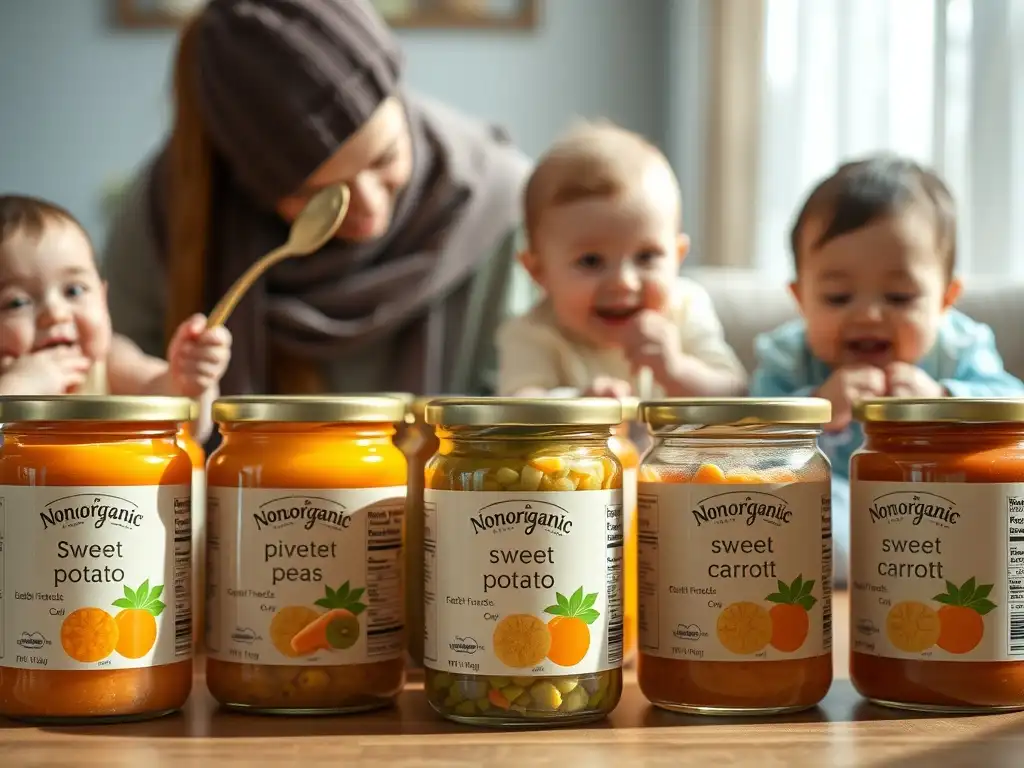
Choosing the right food for your baby is a top priority for any parent. While organic baby food often enjoys a reputation for purity, many parents opt for non-organic options due to budget constraints or availability. Understanding the potential risks associated with non-organic baby food is crucial to making informed decisions and ensuring your baby's well-being. This section focuses on key areas of concern regarding the safety of non-organic baby food, providing you with the information needed to navigate this important choice effectively. Remember, this information should be used in conjunction with advice from your pediatrician.
Pesticide Residues in Non-Organic Baby Food: Levels and Concerns
Non-organic fruits and vegetables used in baby food production may contain pesticide residues. The levels of these residues are regulated by government agencies like the FDA (in the US) and EFSA (in Europe), but concerns remain. Studies have shown detectable pesticide residues in some non-organic baby foods, although often at levels considered "safe" by regulatory standards.
However, a baby's developing body may be more susceptible to the effects of even low levels of pesticide exposure compared to an adult. The long-term effects of chronic low-level pesticide exposure on infants are still being researched and are a subject of ongoing debate among experts.
The type of pesticide detected varies depending on the produce and farming practices. Some pesticides are known to be more acutely toxic than others. It's important to note that the presence of pesticide residues doesn't automatically equate to harm, but understanding potential risks is vital for informed decision-making. Choosing non-organic baby food from reputable brands that adhere to strict quality control measures can help minimize exposure. Furthermore, opting for foods with thicker skins (like bananas) can help reduce pesticide intake, as pesticides tend to accumulate more on the surface.
Heavy Metals in Non-Organic Baby Food: Sources and Health Implications
Another concern regarding non-organic baby food relates to heavy metal contamination. Heavy metals like arsenic, lead, cadmium, and mercury can be present in soil and water, potentially accumulating in the plants used for baby food. While the levels are usually low, the cumulative effect of long-term exposure to these metals during a baby's critical development period is a cause for concern. These heavy metals can interfere with brain development and other vital bodily functions.
The presence of heavy metals in baby food is not solely limited to non-organic options; however, farming practices and soil conditions can influence the levels found. Independent testing and consumer reports have revealed varying levels of heavy metal contamination across different brands and types of baby food. Parents should be aware of these potential risks and consider factors like sourcing and processing methods when choosing non-organic baby food. Further research is needed to fully understand the long-term effects of low-level heavy metal exposure in infants.
Nutritional Content Comparison: Organic vs. Non-Organic Baby Food
While the safety aspects are crucial, the nutritional content of organic versus non-organic baby food is also a factor to consider. Studies comparing the nutritional value of organic and non-organic baby food have yielded mixed results. Some studies show no significant differences in vitamin and mineral content, while others suggest slightly higher levels of certain antioxidants in organic produce.
The variations in nutritional content depend on several factors, including soil conditions, growing practices, and processing methods. It's important to note that both organic and non-organic baby foods can provide essential nutrients for a baby's growth and development. Focusing on a diverse range of foods, whether organic or non-organic, is key to ensuring a balanced diet. The difference in nutritional value, if any, is often marginal and may not outweigh other considerations like cost and availability for many families seeking safe nonorganic baby food. Ultimately, a balanced and varied diet remains paramount.
Choosing Safe Nonorganic Baby Food: Practical Steps
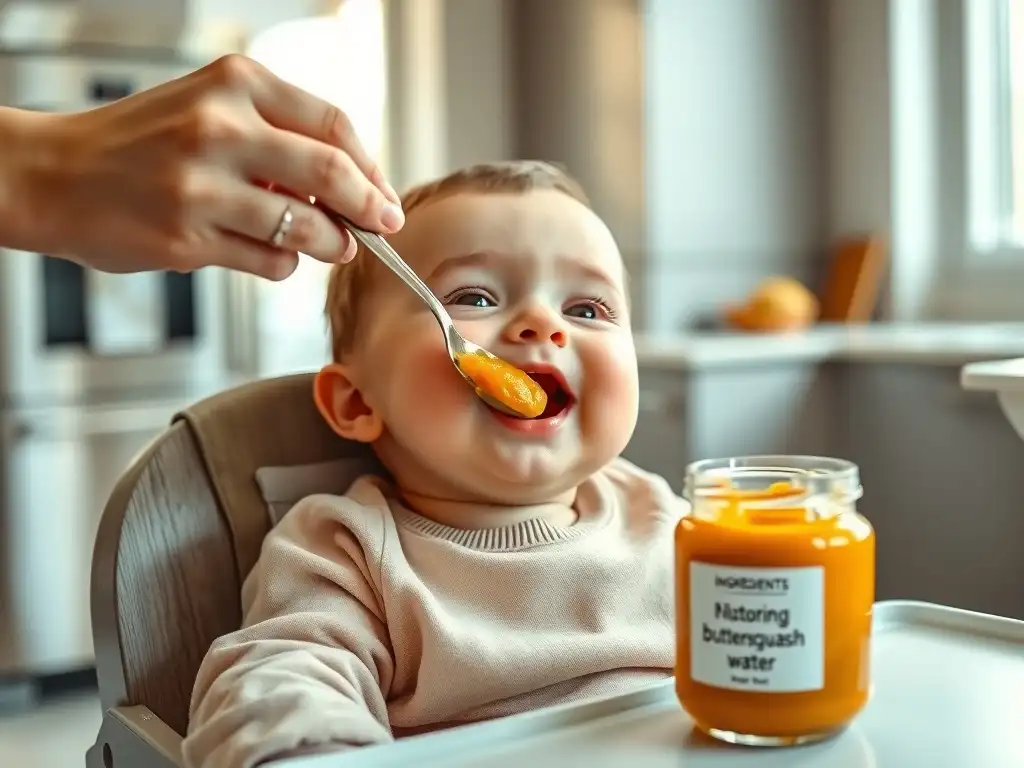
Choosing safe non-organic baby food requires careful consideration and a proactive approach. While organic options are often preferred for their reduced pesticide exposure, many parents opt for non-organic alternatives due to budget constraints or availability. This section focuses on practical steps to ensure your baby consumes safe and nutritious non-organic baby food. Remember, the goal is to minimize exposure to potentially harmful substances while providing your little one with the necessary nutrients for healthy growth and development. This isn't about perfection, but about making informed choices.
Reading Food Labels: Deciphering Ingredients and Certifications
Reading food labels is paramount when selecting non-organic baby food. Don't just glance at the picture; scrutinize every detail. Look for simple ingredient lists. The fewer ingredients, the better. Avoid products with added sugars, artificial flavors, or preservatives. These additives offer no nutritional benefit and can be detrimental to a baby's developing system. Pay close attention to the order of ingredients; those listed first are present in the highest concentrations.
For example, a jar of "peas" should primarily list peas. If corn syrup or other additives appear high on the list, consider a different brand. Furthermore, while there isn't a specific "safe non-organic" certification, look for brands that adhere to voluntary standards, such as those set by the FDA or other reputable organizations. These standards often outline guidelines for pesticide residues and other contaminants. Understanding these labels is crucial in navigating the supermarket aisles effectively. A detailed understanding of ingredient lists is key to selecting safe non-organic baby food.
Prioritizing Brands with Stricter Quality Control Measures
Beyond ingredient lists, investigate the brand's commitment to quality control. Reputable companies often publish detailed information about their sourcing, processing, and testing procedures. Look for brands that employ rigorous testing to ensure their products meet stringent safety standards regarding pesticide residue levels and other potential contaminants. Some brands might highlight their commitment to sustainable farming practices, even if their products aren't certified organic. This approach reflects a commitment to minimizing environmental impact and potentially reducing pesticide exposure. This proactive approach minimizes risks associated with non-organic food.
Consider researching brands and reading reviews from other parents. Online forums and parenting websites often contain valuable information about brand reputations and experiences with specific products. Word-of-mouth recommendations can be incredibly helpful in identifying brands known for their commitment to quality and safety. This social proof can provide valuable insights beyond official statements. Remember, choosing a brand with a strong reputation for quality control is a significant step in ensuring your baby's safety.
Exploring Non-Organic Baby Food Options with Lower Pesticide Exposure
While complete avoidance of pesticides is challenging with non-organic food, you can minimize exposure. Prioritize baby food made from produce less prone to pesticide use. For instance, avocados, bananas, and sweet potatoes generally have lower pesticide residue levels compared to conventionally grown apples or strawberries. However, always check the label for specific information on pesticide residues. Remember, even low levels of pesticide exposure can accumulate over time. Therefore, diversification of food sources is important.
Furthermore, consider the form of the baby food. Whole foods, such as well-cooked and pureed fruits and vegetables, might offer better control over potential pesticide exposure compared to pre-packaged purees. Preparing your own baby food at home allows for careful selection of ingredients and meticulous cleaning to minimize pesticide residue. However, this requires time and effort, and isn't always feasible for every parent. Ultimately, the goal is to find a balance between convenience and minimizing pesticide exposure in your baby's diet. This informed approach is essential for ensuring your baby receives safe and nutritious non-organic food.
Making Informed Decisions: Balancing Cost and Safety
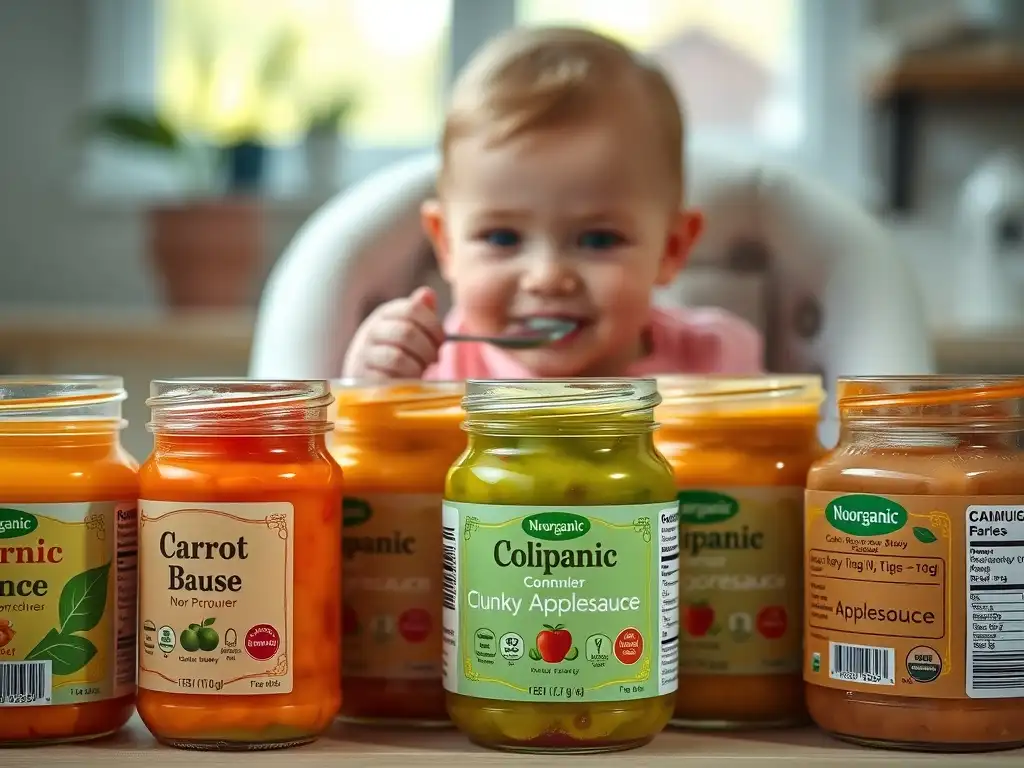
Choosing the right baby food is a significant decision for new parents. While organic options are often touted for their purity, safe nonorganic baby food presents a viable and often more budget-friendly alternative. This section will explore how to navigate the choices, ensuring both affordability and the safety of your little one. The key is informed decision-making, understanding the nuances of labeling and prioritizing safe practices. Many parents successfully raise healthy babies using non-organic options, demonstrating that a holistic approach to nutrition and safety is paramount.
Budget-Friendly Strategies for Safe Non-Organic Baby Food Selection
Finding safe and affordable non-organic baby food requires a strategic approach. Here are some tips to help you stretch your budget without compromising your baby's health:
- Shop Sales and Use Coupons: Supermarkets frequently offer discounts on baby food. Utilize these sales and combine them with manufacturer coupons for significant savings. Check online coupon websites and your local newspaper inserts for deals.
- Buy in Bulk (When Appropriate): Purchasing larger containers of baby food can be cost-effective, provided you have sufficient storage space and your baby enjoys the variety. Be mindful of expiration dates to avoid waste.
- Consider Store Brands: Store-brand baby food often provides comparable quality to name brands at a lower price. Compare ingredient lists carefully to ensure they meet your standards.
- Make Your Own Purees: This is perhaps the most budget-friendly option. Many fruits and vegetables are inexpensive and can be easily pureed at home using a blender or food processor. This gives you complete control over ingredients and avoids added sugars or preservatives often found in commercially prepared foods. Remember to always prioritize food safety when preparing your own baby food.
- Plan Ahead and Create a Meal Plan: Planning your baby's meals in advance can prevent impulse purchases of more expensive options. A well-thought-out meal plan ensures you buy only what you need, reducing food waste and saving money.
Weighing the Pros and Cons: Cost vs. Potential Health Risks
The primary advantage of non-organic baby food is its lower cost. This makes it an accessible choice for families with varying budgets. However, concerns about pesticide residues and potential health implications are often raised. Let's analyze these concerns:
| Factor | Non-Organic Baby Food | Organic Baby Food |
|---|---|---|
| Cost | Generally less expensive | Typically more expensive |
| Pesticide Residues | May contain higher levels of pesticide residues 1 | Lower levels of pesticide residues, but not always zero |
| Nutritional Value | Comparable nutritional value in many cases | Often marketed as having higher nutritional value, but scientific evidence is mixed 2 |
| Environmental Impact | Higher environmental impact due to pesticide use | Lower environmental impact, but still has an impact |
1 The level of pesticide residue varies greatly depending on the specific product and farming practices. Regulations exist to limit these levels, but some trace amounts may still be present.
2 While some studies suggest organic produce may contain higher levels of certain antioxidants, the overall nutritional difference between organic and non-organic baby food is often minimal. More research is needed to definitively establish significant nutritional disparities.
Choosing between organic and non-organic baby food involves carefully weighing these factors. A balanced approach involves selecting reputable brands with transparent labeling, prioritizing variety in your baby's diet, and focusing on overall healthy eating habits. Remember that a well-balanced diet, regardless of whether the food is organic or not, is crucial for your baby's development. The decision ultimately rests on your individual priorities and budget constraints. Prioritizing safe handling and preparation methods, regardless of the food's origin, is crucial for minimizing health risks.
Safe Nonorganic Baby Food and Your Baby's Development
Choosing between organic and non-organic baby food is a significant decision for many new parents. While organic options are often perceived as inherently safer, understanding the facts surrounding non-organic baby food is crucial for making an informed choice. This section focuses on the safety and developmental aspects of feeding your baby non-organic food, dispelling common myths and providing practical guidance. The key is to prioritize safe, nutritious options, regardless of the "organic" label.
Impact of Diet on Infant Growth and Development
A baby's diet directly influences their growth and development. Proper nutrition during the first year of life is critical for establishing strong foundations for physical and cognitive development. While organic foods are often associated with higher nutrient content and reduced pesticide exposure, carefully selected non-organic options can also provide the necessary vitamins and minerals for healthy growth. For example, a non-organic jar of sweet potatoes, if properly sourced and processed, can offer a significant source of Vitamin A, crucial for eye development and immune function.
The impact of nutrition on a baby's development is multifaceted:
- Physical Growth: Adequate protein, calories, and essential fatty acids are vital for healthy weight gain, bone development, and muscle growth. Both organic and non-organic options can provide these nutrients, provided they are nutritionally balanced.
- Cognitive Development: Certain nutrients, like iron and choline, play a crucial role in brain development and cognitive function. Ensuring your baby receives sufficient amounts of these nutrients, regardless of the food's organic status, is paramount.
- Immune System Development: A balanced diet rich in vitamins and antioxidants supports a strong immune system, protecting your baby from infections. While some argue that organic foods offer superior immune support, proper hygiene and a balanced diet are the most significant factors.
Long-Term Health Considerations: Potential Effects of Non-Organic Food
Concerns regarding long-term health effects associated with non-organic baby food often center around pesticide residues. While exposure to pesticides is a valid concern, the levels found in commercially available non-organic baby food are generally regulated and monitored by government agencies. These agencies establish safe limits for pesticide residues to minimize potential risks to infants. However, it's crucial to choose reputable brands that adhere to strict quality controls and transparently disclose their sourcing and processing methods.
It is important to note that:
- Pesticide Residue Levels: Studies on pesticide residue levels in non-organic baby food vary, and more research is needed to definitively assess long-term health implications. However, current regulations aim to ensure that levels remain below harmful thresholds.
- Nutritional Value: The nutritional value of non-organic baby food can be comparable to organic options, depending on the specific product and growing conditions. Look for varieties that are fortified with essential vitamins and minerals.
- Cost: Non-organic baby food is typically more affordable than organic alternatives, making it a viable option for families with budgetary constraints. This affordability shouldn't compromise safety, however; always prioritize reputable brands.
Choosing "safe nonorganic baby food" is about making informed choices based on a balanced understanding of the available evidence. Diligent selection of brands, careful examination of labels, and prioritization of overall nutritional balance are more critical than solely focusing on the "organic" label. The key is to ensure your baby receives a well-rounded diet that supports healthy growth and development.
Frequently Asked Questions
Is non-organic baby food safe?
Yes, commercially produced non-organic baby food is generally safe. It undergoes rigorous safety testing to meet government regulations regarding pesticide residue levels and other contaminants. However, organic options may offer additional benefits.
What are the main differences between organic and non-organic baby food?
The primary difference lies in the farming practices. Organic foods are grown without synthetic pesticides, herbicides, or fertilizers. Non-organic foods may use these, although levels are strictly regulated. Nutritional content can vary slightly.
Are there any potential health risks associated with non-organic baby food?
While generally safe, some concerns exist regarding potential exposure to pesticide residues. However, the levels are regulated and generally considered low risk. Choosing a diverse range of foods can help minimize potential exposure.
How can I choose safe non-organic baby food?
Look for brands with transparent labeling clearly stating ingredients. Check for reputable brands that adhere to stringent safety standards. Always check the expiration date and store food properly.
Is it better to choose organic or non-organic baby food?
Both organic and non-organic baby foods can be part of a healthy diet. The best choice depends on your budget and priorities. Discuss your options with your pediatrician to determine what's best for your baby.
Final Reflection: Nourishing Little Ones: A Future of Informed Choices
The debate surrounding organic versus non-organic baby food remains fiercely relevant today, impacting the health and development of millions of infants. Choosing the right food for your baby is one of the most significant decisions a parent makes, and understanding the nuances of ingredient sourcing and potential risks is crucial for making informed choices. The pressure to make the "perfect" choice can be overwhelming, but knowledge is power.
The impact of this discussion extends far beyond individual families; it shapes the landscape of food production and regulation. The demand for transparency and safer food options is driving positive change within the industry. The best way to find out if you can trust somebody is to trust them.
- Ernest Hemingway. This quote, while seemingly simple, speaks volumes about the need for clear labeling, ethical sourcing, and responsible manufacturing practices in the baby food industry. We, as consumers, have the power to demand better, and our choices collectively influence the future of baby food production.
Consider the information presented in this article. Reflect on your own values and priorities regarding your child's nutrition. You are not alone in navigating this complex landscape. Armed with knowledge, you can make conscious decisions that align with your family's needs and contribute to a future where safe and healthy baby food is the norm, not the exception. Let's work together to create a world where every baby thrives.
Unlock Your Baby's Nutritional Potential!
Thank you for learning more about baby food with us! You've gained valuable insights to make informed choices about your child's nutrition. Ready to take the next step?
- Craft a personalized meal plan: Use what you've learned to create a balanced and delicious menu for your baby, focusing on diverse, nutrient-rich options. Experiment with different food combinations based on your baby's preferences and dietary needs.
- Share your experience: Join our BabyCareHub community forum and share your thoughts and experiences. Help other parents by contributing to the conversation!
- Explore our recipe section: Discover creative and nutritious recipes designed specifically for babies using readily available ingredients. We've curated a collection to simplify your baby's meal prep.
What's the one ingredient you're most excited to introduce into your baby's diet? Let's discuss!