
Newborn Feeding and Cultural Practices: What to Know

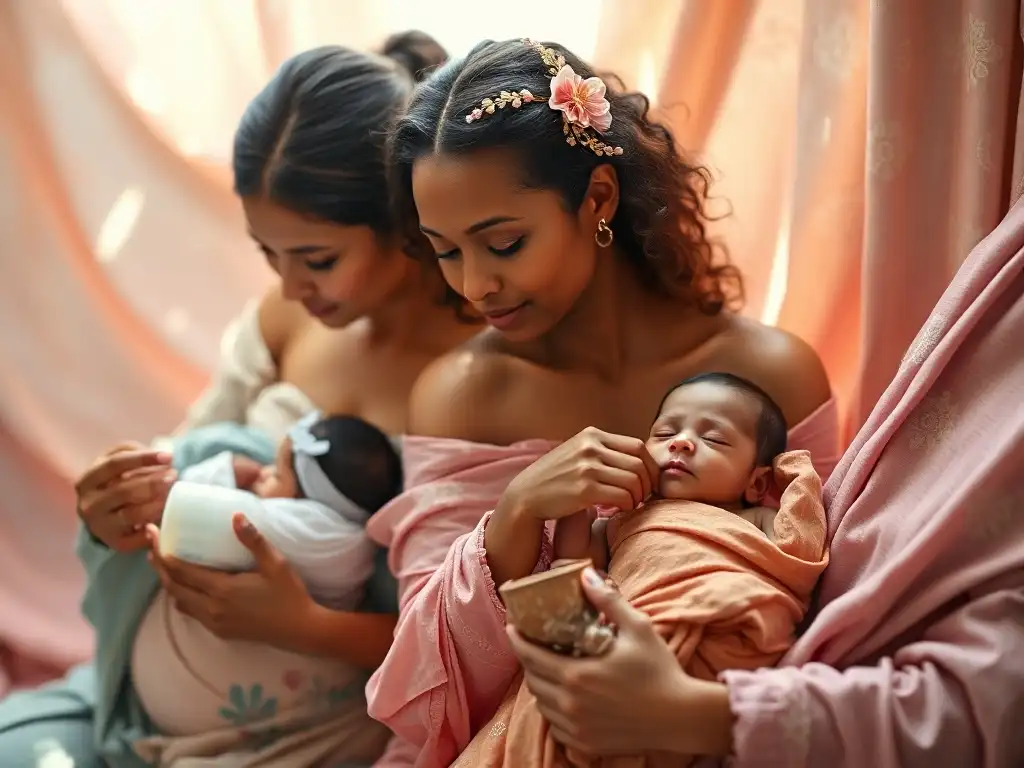
Welcome to BabyCareHub, your ultimate guide to navigating the incredible journey of parenthood! Are you a first-time parent eager to learn more about the fascinating intersection of newborn care and cultural practices? Then you've come to the right place. Our comprehensive resource offers invaluable step-by-step guidance on everything from feeding and sleep to health and safety. Discover surprising insights into Newborn feeding cultural practices and unlock the secrets to a smoother, more confident parenting experience. Dive in and explore the wealth of knowledge awaiting you!
- Understanding Newborn Feeding Basics and Cultural Influences
- Exploring Cultural Variations in Feeding Schedules and Techniques
- Navigating Cultural Differences in Introducing Solids
- Addressing Potential Challenges in Integrating Cultural Practices with Modern Newborn Care
- Supporting Families in Navigating Cultural and Modern Feeding Practices
-
Frequently Asked Questions
- What are some common cultural practices surrounding newborn feeding?
- How do cultural beliefs influence the choice between breastfeeding and formula feeding?
- Are there cultural differences in the introduction of solid foods?
- How can I respectfully navigate cultural differences when advising new parents on newborn feeding?
- Where can I find more information on culturally sensitive newborn feeding practices?
- Final Reflection: Nurturing the Next Generation: A Tapestry of Feeding Practices
- Unlock Your Baby's Nutritional Journey
Understanding Newborn Feeding Basics and Cultural Influences
Navigating the world of newborn feeding can be daunting for first-time parents. This guide delves into the multifaceted aspects of infant nutrition, acknowledging that feeding practices are deeply intertwined with cultural beliefs and traditions. Understanding these cultural nuances is crucial for providing optimal care and support to families from diverse backgrounds. We'll explore the global landscape of breastfeeding versus formula feeding, examine cultural beliefs surrounding colostrum and early milk production, and investigate traditional feeding practices from around the world.
This comprehensive overview aims to equip healthcare providers and parents with the knowledge needed to approach newborn feeding with sensitivity and cultural awareness, promoting healthy growth and development for all infants. Remember, the goal is to support families in making informed choices that align with their values and beliefs while ensuring the baby's nutritional needs are met. 🍼
Breastfeeding vs. Formula Feeding: A Global Perspective
The decision to breastfeed or formula feed is deeply personal and often influenced by cultural norms. In many parts of the world, breastfeeding is the established norm, deeply rooted in tradition and viewed as the optimal method for infant nutrition. These cultures often emphasize the close physical and emotional bond between mother and child fostered through breastfeeding. However, in other regions, formula feeding is more prevalent due to a variety of factors including societal expectations, workplace constraints, or concerns about breastfeeding challenges.
The availability and accessibility of formula also play a significant role. In some regions, formula is readily available and affordable, while in others, it may be expensive or difficult to obtain, leading to a preference for breastfeeding. Furthermore, cultural perceptions surrounding breastfeeding can significantly impact a mother's decision. Some cultures view breastfeeding as a private act, while others encourage open breastfeeding in public settings. Understanding these diverse perspectives is key to providing culturally sensitive care and support to new parents.
| Region | Predominant Feeding Method | Influencing Factors |
|---|---|---|
| Sub-Saharan Africa | Breastfeeding | Traditional practices, limited access to formula |
| North America | Mixed (Breastfeeding & Formula) | Societal norms, workplace policies, individual preferences |
| South Asia | Breastfeeding | Cultural beliefs, extended family support |
| Latin America | Breastfeeding | Strong emphasis on maternal-child bonding |
Cultural Beliefs Surrounding Colostrum and Early Milk Production
Colostrum, the first milk produced after birth, is often viewed with varying degrees of importance across cultures. In some cultures, colostrum is highly valued for its immunologic properties and is considered essential for the newborn's health. It is often referred to as "liquid gold" and its importance is emphasized to new mothers. However, in other cultures, there may be misconceptions or lack of awareness regarding the benefits of colostrum, sometimes leading to practices that delay or prevent its consumption by the newborn.
Early milk production is another area where cultural beliefs play a significant role. In some societies, the quantity of milk produced is a source of anxiety for mothers, and various traditional remedies or practices are used to enhance milk supply. These practices may range from dietary adjustments to herbal remedies, reflecting the diverse cultural perspectives on lactation and infant nutrition. Providing accurate information and addressing misconceptions related to colostrum and early milk production is crucial for promoting optimal infant health and maternal well-being.
Traditional Practices and Newborn Feeding Habits Across Cultures
Traditional newborn feeding practices vary widely across cultures, reflecting unique beliefs and customs. Some cultures utilize practices such as pre-lacteal feeding, where infants are given liquids other than breast milk or formula in the early days of life. These liquids can range from herbal teas to honey water, often with the intention of cleansing the infant's digestive system or providing additional hydration. Other cultures may have specific rituals or ceremonies associated with the first feeding, emphasizing the significance of this milestone.
Furthermore, the frequency and duration of feeding sessions often differ across cultures. Some cultures advocate for feeding on demand, while others follow more structured feeding schedules. The methods of feeding, such as breastfeeding positions or bottle-feeding techniques, also vary, influenced by traditional practices and cultural norms. Understanding these diverse approaches to newborn feeding is essential for healthcare providers and parents to provide culturally sensitive care and support, ensuring the best possible outcome for the baby's health and development. Cultural sensitivity is paramount; judging practices as "right" or "wrong" is inappropriate; instead, understanding the context is key.
Exploring Cultural Variations in Feeding Schedules and Techniques

Newborn feeding practices are deeply intertwined with cultural beliefs and traditions, leading to a wide spectrum of approaches worldwide. Understanding these variations is crucial for healthcare providers and parents alike, ensuring culturally sensitive care that supports both the baby's health and the family's values. This section will delve into some key differences in feeding schedules and techniques, highlighting the importance of respecting and adapting to diverse cultural norms. The term "newborn feeding cultural practices" encompasses a broad range of approaches, impacting everything from feeding frequency to the types of food introduced.
Demand Feeding vs. Scheduled Feeding: Cultural Differences and Impacts
The debate between demand feeding (feeding the baby whenever they show signs of hunger) and scheduled feeding (feeding the baby at set intervals) often reflects underlying cultural beliefs. In many Western societies, demand feeding has gained popularity, emphasizing responsiveness to the infant's cues. This approach aligns with the belief that respecting the baby's innate hunger signals promotes healthy development and a strong parent-child bond.
However, in other cultures, scheduled feeding remains the norm, often rooted in a desire for predictability, routine, and a perceived sense of control. This can be influenced by factors like extended family involvement, where multiple caregivers need a structured feeding plan.
The impact of these differing approaches is significant. Demand feeding can lead to more frequent feedings, potentially requiring more parental time and effort, but proponents argue it fosters better breastfeeding establishment and reduces colic. Scheduled feeding, while potentially leading to less frequent feeding sessions, may not always align with the baby’s individual needs and could increase frustration for both parent and baby. There is no universally "better" method; the optimal approach depends heavily on individual circumstances and cultural context. Understanding the cultural nuances surrounding feeding schedules is critical to avoiding judgment and providing appropriate support to families.
Data comparing long-term outcomes associated with demand vs. scheduled feeding is still being collected and analyzed. Further research is needed to definitively establish any significant differences in child development or health outcomes related to these feeding practices. However, the cultural context within which these choices are made is an undeniable factor.
The Role of Family and Community in Newborn Feeding Practices
Family and community involvement plays a central role in shaping newborn feeding practices across diverse cultures. In many societies, extended family members actively participate in infant care, including feeding. Grandmothers, aunts, and other relatives often share their knowledge and experience, passing down traditional feeding methods and beliefs across generations. This shared responsibility can provide valuable support for new parents but can also lead to potential conflicts if traditional practices clash with modern medical advice.
For example, in some cultures, the use of herbal remedies or traditional foods to supplement breastfeeding is common. While some of these practices may be harmless, others may pose risks to the infant's health. Understanding the cultural significance of these practices is essential to navigating these situations effectively.
Open communication and collaboration between healthcare professionals, parents, and family members are key to ensuring the baby receives safe and appropriate nutrition while respecting cultural traditions. This collaborative approach requires cultural sensitivity and a willingness to find common ground. A supportive healthcare system should provide education and resources that bridge the gap between traditional practices and evidence-based recommendations.
| Cultural Practice | Potential Benefits | Potential Risks | Considerations for Healthcare Providers |
|---|---|---|---|
| Traditional herbal remedies | May offer soothing effects, comfort | Potential drug interactions, toxicity | Thoroughly assess ingredients, risks |
| Family-led feeding routines | Shared responsibility, support | Potential for conflicting advice | Facilitate communication, collaboration |
| Introduction of solids early | May provide additional nutrients | Risk of allergies, digestive issues | Discuss risks and benefits carefully |
Adapting Cultural Practices to Modern Infant Care Guidelines
Balancing cultural practices with modern infant care guidelines presents a delicate challenge. The goal is not to replace traditional practices but to integrate them safely and effectively with evidence-based recommendations. This requires a nuanced approach that acknowledges the value of cultural heritage while prioritizing the infant's well-being. The key lies in open communication and collaboration between healthcare professionals and families.
Healthcare providers should strive to understand the cultural context surrounding feeding practices. This includes learning about traditional foods, beliefs regarding breastfeeding, and the role of family in infant care. By actively listening and demonstrating respect for cultural differences, providers can build trust and create a collaborative environment. This approach allows for a discussion of potential risks and benefits associated with certain practices, leading to informed decisions that respect both cultural values and modern medical knowledge.
For example, if a family traditionally introduces solids early, healthcare providers can discuss the risks of allergies and digestive problems, suggesting ways to introduce solids safely and gradually. Similarly, if a family uses herbal remedies, providers can assess the potential risks and explore alternatives that align with modern safety standards. The emphasis should be on finding solutions that are both culturally sensitive and medically sound. This approach promotes positive health outcomes for the infant while respecting the family's cultural identity and beliefs. A successful adaptation requires patience, understanding, and a commitment to working collaboratively with families.
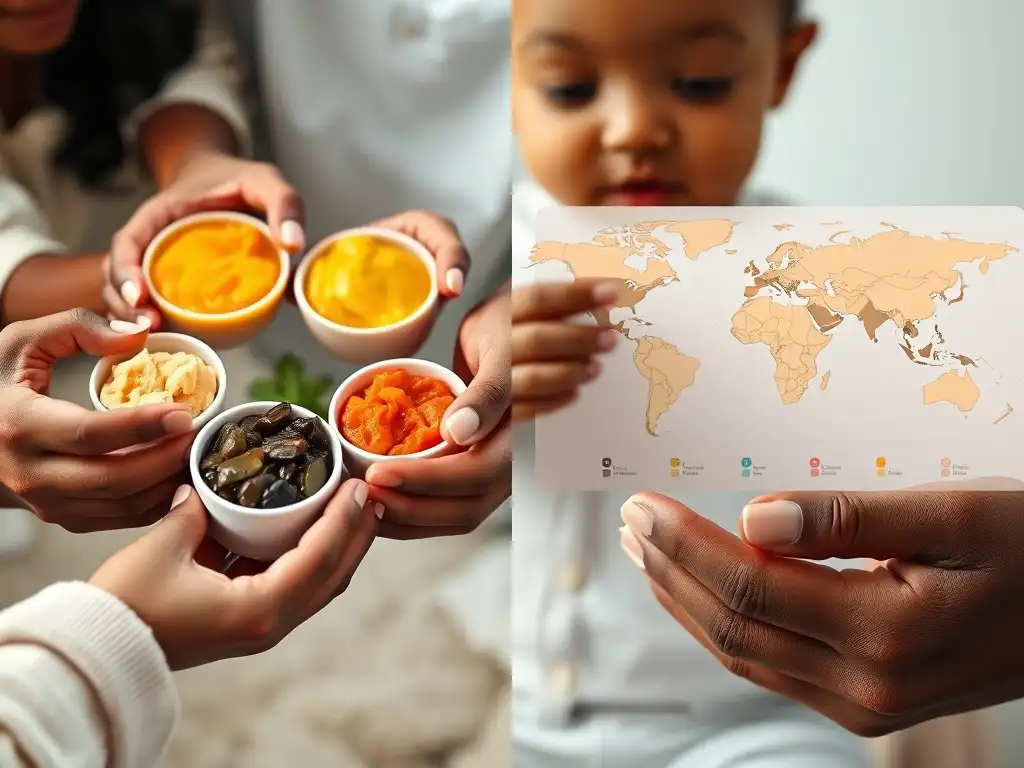
Introducing solid foods to your baby is a significant milestone, and cultural practices play a substantial role in how and when this happens. Understanding these variations is crucial for first-time parents, ensuring a healthy and culturally sensitive approach to infant nutrition. The timing of introducing solids, the types of foods offered first, and even the methods of preparation often differ dramatically across cultures.
This section explores these differences, highlighting the importance of respecting cultural norms while prioritizing your baby's nutritional needs. Remember, open communication with your pediatrician and family members is key to finding a balance that works for everyone. This is especially important when considering the diverse approaches to "newborn feeding cultural practices."
Weaning Practices: A Cross-Cultural Comparison
Weaning practices, the gradual transition from breast milk or formula to solid foods, vary significantly globally. Some cultures opt for early introduction of solids, often as early as four months, while others favor exclusively breastfeeding for six months or longer. For example, in some parts of Asia, rice cereal is commonly introduced very early, while in many Western cultures, pureed fruits and vegetables are more prevalent.
The methods of introduction also differ. Some cultures use finger foods from the start, promoting self-feeding and the development of fine motor skills. Others prefer spoon-feeding pureed foods initially, gradually increasing the texture as the baby develops. These differences aren't inherently right or wrong; they reflect the unique nutritional landscapes and cultural values of different societies.
| Culture | Typical Weaning Age (Months) | Common First Foods | Feeding Method |
|---|---|---|---|
| Many Western Cultures | 4-6 | Pureed fruits & vegetables | Spoon-feeding |
| Some Asian Cultures | 4-5 | Rice cereal | Spoon-feeding |
| Some African Cultures | 6+ | Mashed plantains, sweet potatoes | Finger foods & spoon-feeding |
Understanding these variations allows parents to approach weaning with a more informed and culturally sensitive perspective. Remember that a personalized approach, tailored to your baby's individual needs and your family's cultural background, is crucial for success. Consulting with a healthcare professional familiar with diverse cultural practices can provide invaluable guidance.
Cultural Influences on the Types of Foods Introduced to Infants
The types of foods introduced to infants are heavily influenced by cultural traditions and readily available food sources. For instance, in regions where rice is a staple crop, rice cereal is often the first solid food offered. Similarly, in cultures where certain fruits or vegetables are abundant, these become early additions to the baby's diet. This isn't necessarily problematic, as long as the introduced foods provide adequate nutrition.
However, some traditional foods may pose potential risks. For example, honey should be avoided in the first year due to the risk of botulism. Certain spices or seasonings, common in some cuisines, might also be unsuitable for infants. It's essential to be aware of these potential risks and to adjust traditional recipes to ensure they align with modern safety guidelines. A balanced approach, blending cultural preferences with evidence-based nutritional advice, is key to ensuring your baby receives the best possible start. This careful consideration is crucial when navigating the complexities of "newborn feeding cultural practices."
Addressing Potential Conflicts Between Tradition and Modern Nutrition Recommendations
Navigating the sometimes conflicting advice between traditional practices and modern nutrition recommendations can be challenging. For example, while some cultures advocate for early introduction of solid foods, current guidelines often recommend waiting until around six months. Similarly, certain traditional foods might lack essential nutrients or contain substances that are potentially harmful to infants.
Open communication with your pediatrician is vital to resolve these potential conflicts. They can help you assess the nutritional value of traditional foods and identify any potential risks. Remember, the goal is to find a balance that honors your family's cultural heritage while ensuring your baby receives the optimal nutrition for healthy growth and development.
This requires a thoughtful, nuanced approach, respecting the value of cultural traditions while prioritizing the evidence-based guidance of modern pediatric nutrition. The key is to combine the wisdom of generations with the latest scientific understanding to create a safe and nourishing feeding plan for your newborn, thereby expertly managing "newborn feeding cultural practices."
Addressing Potential Challenges in Integrating Cultural Practices with Modern Newborn Care

Navigating the world of newborn feeding can be challenging, especially when integrating deeply rooted cultural practices with modern medical advice. This section explores potential conflicts and offers strategies for finding a harmonious balance that prioritizes the health and well-being of your baby. Understanding the nuances of cultural practices related to newborn feeding is crucial for first-time parents. This isn't about dismissing tradition; it's about informed decision-making. The goal is to create a safe and nurturing environment that respects both cultural heritage and evidence-based care.
Balancing Traditional Remedies with Modern Medical Advice
Many cultures have long-standing traditions surrounding newborn feeding and infant health. These often involve herbal remedies, specific dietary restrictions for the mother, or unique feeding techniques. While some of these practices may be harmless and even beneficial, others could potentially conflict with modern medical advice or even pose risks to the baby's health. For example, some traditional remedies might interfere with medication or have unforeseen side effects.
It's crucial to have open communication with your pediatrician or healthcare provider. Discuss any traditional practices you intend to use, allowing them to assess their safety and potential interactions with modern medical care. This collaborative approach ensures that your baby receives the best possible care while respecting your cultural heritage. Remember, your healthcare provider is there to support you, not to judge your cultural choices.
A key aspect is understanding the scientific basis behind modern medical advice. While traditional practices might be passed down through generations, modern medicine relies on rigorous research and evidence-based practices. This isn't about choosing one over the other, but about integrating both, ensuring that the choices you make are safe and effective.
Here's a table to illustrate potential conflicts and solutions:
| Traditional Practice | Potential Conflict | Modern Medical Advice/Solution |
|---|---|---|
| Using herbal teas for lactation | Interaction with medications, allergies, side effects | Discuss with your doctor; explore safe alternatives. |
| Restricting certain foods | Nutritional deficiencies for mother and baby | Balanced diet crucial; consult a registered dietitian. |
| Specific feeding positions | Potential for choking or inefficient latch | Proper latching techniques from healthcare professional. |
Remember, finding a balance involves open communication, careful consideration, and prioritizing your baby's health and safety above all else. The goal is to create a supportive environment that honors both tradition and modern medical knowledge.
Overcoming Cultural Barriers to Accessing Healthcare and Support for Newborn Feeding
Cultural barriers can significantly impact access to healthcare and support services related to newborn feeding. Language barriers, differing healthcare beliefs, and cultural sensitivities can all create obstacles. This can lead to delays in seeking medical attention, misunderstanding of medical advice, or even reluctance to embrace modern feeding practices.
Overcoming these barriers requires proactive steps. Seeking out healthcare providers who are culturally sensitive and fluent in your language is crucial. Many healthcare systems now offer interpreter services or culturally competent care programs. Additionally, connecting with support groups within your community can provide a sense of belonging and valuable peer support. These groups can offer a safe space to share experiences, ask questions, and receive encouragement from others who understand your cultural background.
Furthermore, educating yourself on available resources is vital. Utilize online resources, community health centers, and local organizations that provide support for new parents from diverse backgrounds. Remember, seeking help isn't a sign of weakness, but a demonstration of strength and commitment to your baby's well-being.
Navigating the challenges of newborn feeding while respecting cultural practices requires understanding, support, and a strong partnership between parents and healthcare professionals. This ensures that every baby receives the best possible start in life, regardless of their cultural background. The journey of newborn feeding is deeply personal and should be approached with compassion and understanding.
This section explores the crucial role of healthcare providers and support systems in helping families integrate their cultural beliefs with evidence-based newborn feeding practices. Many cultures have deeply ingrained traditions surrounding infant feeding, encompassing everything from the type of milk offered (breast milk, formula, or a combination) to the methods of feeding and the timing of introduction to solids. Navigating these traditions while ensuring the baby's nutritional needs are met requires a nuanced and sensitive approach.
The goal isn't to replace cultural practices but to find a harmonious balance that supports both the family's beliefs and the baby's well-being. This involves understanding that what might seem like an unconventional practice in one cultural context could be perfectly normal and even beneficial in another. For example, the timing of introducing complementary foods varies significantly across cultures, and what constitutes appropriate foods also differs.
A collaborative approach, respecting cultural diversity while addressing potential health concerns, is key to successful newborn feeding. Failure to do so can lead to anxiety, misunderstandings, and potentially negative health outcomes for the infant.
Resources for Parents Seeking Information on Culturally Sensitive Newborn Feeding
Finding reliable information that respects cultural diversity is crucial for parents. Unfortunately, many resources focus primarily on Westernized practices, leaving families from other cultural backgrounds feeling unsupported or misunderstood. The need for culturally sensitive resources is paramount. These resources should:
- Provide information in multiple languages: Accessibility is key, ensuring information is available in the languages spoken by the diverse families served.
- Feature diverse families and cultural practices: Visual representation is essential. Seeing families who reflect their own cultural background can build trust and make the information more relatable.
- Offer evidence-based information alongside cultural perspectives: It's not about choosing one over the other; it's about integrating both effectively.
- Connect families with culturally competent healthcare providers and support groups: This fosters a sense of community and provides personalized guidance.
Many organizations are working towards creating these resources. However, more work is needed to ensure that information is readily available, accessible, and comprehensive, addressing the unique needs of various cultural groups. For instance, specific resources addressing the nutritional needs of babies within the context of [Specific cultural examples pending] are still lacking. Further research into the existing gaps and the development of targeted resources are crucial steps.
Promoting Cultural Sensitivity in Healthcare Settings for Newborn Feeding Support
Healthcare professionals play a vital role in supporting families. Training healthcare providers on cultural sensitivity in newborn feeding is essential. This should go beyond simply acknowledging cultural differences; it requires a deep understanding of the cultural context within which feeding practices are embedded. This includes:
- Cultural competency training: This training should equip healthcare providers with the tools to effectively communicate with families from diverse cultural backgrounds.
- Development of culturally appropriate communication strategies: This includes understanding non-verbal cues and adapting communication styles to be respectful and inclusive.
- Collaboration with community health workers and cultural mediators: These individuals can bridge the communication gap and facilitate understanding between healthcare providers and families.
- Implementation of culturally sensitive assessment tools: These tools should accurately assess the nutritional needs of infants while respecting cultural practices.
The impact of culturally insensitive practices in healthcare can be significant. Misunderstandings can lead to decreased breastfeeding rates, improper supplementation, and ultimately, negative health outcomes for infants. By fostering a culture of respect and understanding, healthcare settings can create a supportive environment for families to make informed decisions about newborn feeding. Data on the effectiveness of culturally sensitive interventions in improving newborn feeding outcomes is needed to further refine and enhance these practices.
The Importance of Open Communication Between Healthcare Providers and Families
Open and honest communication forms the cornerstone of successful newborn feeding support. This necessitates active listening, empathy, and a genuine desire to understand the family's perspective. Healthcare providers should avoid imposing their own beliefs or making judgments about the family's cultural practices. Instead, they should focus on building a collaborative relationship based on mutual respect and trust. This includes:
- Active listening and respectful questioning: Understanding the family's beliefs, values, and concerns is paramount.
- Providing evidence-based information in a culturally sensitive manner: Presenting information in a way that respects the family's cultural context is crucial.
- Collaboratively developing a feeding plan that integrates cultural practices and evidence-based recommendations: This ensures that the plan is both safe and culturally appropriate.
- Regular follow-up and ongoing support: Providing continued support and addressing any concerns that may arise is essential.
The benefits of open communication are multifaceted. It fosters trust, improves adherence to recommendations, and ultimately, leads to better health outcomes for the infant. Qualitative studies exploring the experiences of families from diverse cultural backgrounds in interacting with healthcare providers regarding newborn feeding would provide valuable insights into how to further improve communication strategies and enhance cultural competency. This is crucial for creating a truly supportive and inclusive environment for all families.
Frequently Asked Questions
What are some common cultural practices surrounding newborn feeding?
Many cultures have unique traditions. Some emphasize breastfeeding exclusively, while others incorporate formula feeding or complementary foods early on. These practices often reflect beliefs about optimal infant development and maternal health.
How do cultural beliefs influence the choice between breastfeeding and formula feeding?
Cultural norms significantly impact feeding choices. Some cultures strongly promote breastfeeding, viewing it as essential for bonding and immunity. Others may prioritize formula feeding due to societal pressures or perceived convenience.
Are there cultural differences in the introduction of solid foods?
Yes, the timing and type of solid food introduction vary widely. Some cultures introduce solids very early, while others wait until the baby is older. The specific foods offered also reflect cultural dietary preferences.
Approach discussions with sensitivity and respect. Acknowledge the value of their cultural practices and offer information in a non-judgmental way, focusing on evidence-based guidelines alongside their traditions.
Where can I find more information on culturally sensitive newborn feeding practices?
Consult reliable sources like the World Health Organization (WHO) and reputable parenting websites that offer diverse perspectives. Seek out resources specific to the relevant cultural backgrounds you're interested in.
Final Reflection: Nurturing the Next Generation: A Tapestry of Feeding Practices
The choices we make surrounding newborn feeding are deeply personal, yet profoundly impacted by the cultural landscapes we inhabit. These choices, far from being simple decisions, shape not only the physical health of our infants but also their emotional well-being and the very fabric of our communities. Understanding the diverse tapestry of cultural practices surrounding newborn feeding is crucial for fostering healthy, thriving families worldwide.
The ongoing influence of cultural norms on infant feeding is undeniable, shaping everything from the types of food offered to the methods of feeding employed. These practices, passed down through generations, often hold deep symbolic meaning and reflect a community's values and beliefs about motherhood, family, and the transition into parenthood. Culture is the collective programming of the mind that distinguishes the members of one group or category of people from another.
- Geert Hofstede. This quote highlights the powerful, often unseen, influence of culture on even the most fundamental aspects of our lives, including how we nourish our newborns. It is vital that we approach these differences with respect and a willingness to learn, rather than judgment.
Consider the impact of your own cultural background on your approach to newborn feeding. Reflect on the traditions and beliefs that have shaped your understanding of this crucial period. Are you open to exploring alternative practices, while remaining grounded in your own values? By embracing a global perspective on newborn feeding, we can create a more supportive and inclusive environment for parents everywhere, ensuring that every child receives the nourishment they need to flourish, both physically and emotionally. Let us work together to build a future where cultural understanding and respect are at the heart of every newborn's journey.
Unlock Your Baby's Nutritional Journey
Thank you for exploring the fascinating world of newborn feeding and cultural practices with us! You've gained valuable insights into the diverse ways families nourish their little ones. Now, let's put that knowledge into practice.
- Prioritize personalized feeding: Take some time today to reflect on your family's unique needs and preferences. Consider what feeding style feels most natural and comfortable for you and your baby. This is the foundation for a confident and fulfilling feeding journey.
- Share your experiences: Connect with other parents in our online community and share your own cultural feeding traditions or any questions you may have. Let's build a supportive network of shared knowledge!
- Explore further resources: Deepen your understanding by researching reputable sources on infant nutrition. Learning about your baby's nutritional needs is an ongoing process.
Ready to embark on this personalized feeding adventure? What aspect of cultural feeding practices are you most excited to explore with your baby?