
Digital Natives: Introducing Your Baby to Technology Responsibly


Welcome to BabyCareHub, your ultimate guide to navigating the incredible journey of parenthood! Are you ready to embrace the digital age while ensuring your little one's well-being? We understand the challenges of balancing modern technology with the delicate needs of your newborn, which is why we've created this resource. Discover essential Baby tech use safety guidelines and learn how to introduce technology responsibly, fostering healthy development in our increasingly digital world. Dive in and explore the path to confident and informed parenting!
- Understanding the Impact of Early Tech Exposure on Baby Development
- Baby Tech Use Safety Guidelines: Age-Appropriate App Selection
- Screen Time Recommendations for Babies: Minimizing Risks, Maximizing Benefits
- Practical Strategies for Responsible Tech Use with Your Baby
- Creating a Tech-Safe Environment for Your Baby
- Beyond Apps: Exploring Other Tech for Baby Development
- Addressing Concerns: Common Questions about Baby Tech
- Frequently Asked Questions
- Final Reflection: Shaping a Digital Future for Our Children
- Unlock Your Baby's Tech Potential: A Journey to Responsible Digital Parenting
Understanding the Impact of Early Tech Exposure on Baby Development
The digital age presents both exciting opportunities and potential challenges for parents raising young children. As technology increasingly permeates our lives, understanding how to introduce it responsibly to our babies is crucial for their healthy development. This article provides a comprehensive guide on navigating the world of baby tech, focusing on establishing safe and beneficial screen time habits from the start.
We'll explore the potential benefits of educational apps while also addressing the potential risks of excessive screen time and outlining practical strategies for maintaining a healthy balance between technology and traditional playtime. Successfully navigating this landscape ensures your baby benefits from technology's educational potential without compromising their overall development and well-being.
This guide aims to equip you with the knowledge and tools necessary to make informed decisions about your baby's tech exposure, ultimately contributing to their healthy growth and development. We will focus on providing you with actionable “Baby tech use safety guidelines” to ensure a positive technological experience for your little one.
The Benefits of Educational Apps for Babies
Educational apps, designed specifically for infants and toddlers, can offer several developmental advantages. Many apps provide interactive learning experiences that engage babies visually and auditorily, stimulating cognitive development. For example, apps featuring colorful animations and age-appropriate sounds can help improve attention spans and encourage exploration. Some apps even incorporate elements of early language learning, introducing vocabulary and basic concepts in a playful way. Furthermore, certain apps can be used to track developmental milestones, offering parents valuable insights into their baby's progress.
However, it's crucial to choose apps carefully, selecting those that are age-appropriate, engaging, and free from intrusive advertising or in-app purchases. Remember, the app should complement, not replace, real-world interactions and play. The key is moderation and mindful selection. Data suggests that when used judiciously, these apps can positively impact a baby's early learning journey. 👶
Potential Risks of Excessive Screen Time for Infants
While educational apps can offer benefits, excessive screen time poses significant risks to infants' development. Studies have linked excessive screen time to language delays, attention problems, and even sleep disturbances. The passive nature of screen time can hinder crucial social and emotional development, as babies miss out on vital face-to-face interactions that foster bonding and communication skills. Moreover, the fast-paced nature of many digital stimuli can overstimulate young brains, leading to irritability and difficulty regulating emotions.
The blue light emitted from screens can also interfere with sleep patterns, impacting overall health and well-being. Additionally, prolonged screen time can limit opportunities for physical activity and exploration, potentially impacting gross and fine motor skill development. Therefore, setting clear limits on screen time is paramount for ensuring healthy development. Remember, real-world interactions and play are irreplaceable.
Setting Healthy Boundaries: Balancing Tech and Playtime
Establishing healthy boundaries around technology use is essential for promoting your baby's balanced development. Start by setting realistic screen time limits, consulting with your pediatrician for age-appropriate recommendations. Prioritize interactive playtime, encouraging exploration, creativity, and social interaction. Make screen time a shared activity, engaging with your baby during app usage to foster bonding and guide their learning experience. Choose apps carefully, ensuring they are age-appropriate, educational, and free from intrusive advertising.
Create a tech-free zone in your home, designating specific areas and times for unplugged play. Prioritize activities that stimulate various developmental areas, such as reading, singing, and outdoor play. Remember, technology should complement, not replace, real-world interactions and play. By consciously balancing technology with traditional play, you can create a nurturing environment that supports your baby's healthy development and well-being. 🧸
Baby Tech Use Safety Guidelines: Age-Appropriate App Selection
This section focuses on establishing a safe and beneficial approach to introducing technology to your baby, emphasizing age-appropriate app selection. Remember, the goal isn't to maximize screen time, but to use technology thoughtfully as a supplemental tool for learning and development. Overuse can negatively impact development, so moderation is key. We'll explore how to choose apps tailored to your baby's developmental stage.
Choosing Educational Apps for Different Age Groups (0-6 months, 6-12 months, 12-18 months, etc.)
The apps you choose should align with your baby's cognitive and physical abilities. A brightly colored app with simple sounds might engage a 3-month-old, while a 12-month-old might benefit from an app encouraging interactive play and problem-solving. Here's a breakdown by age group:
0-6 Months: At this stage, focus on apps with high-contrast visuals, simple sounds, and minimal interaction. Think black and white patterns, soothing melodies, and short animations. The goal is sensory stimulation rather than complex learning. Avoid apps with rapid flashing lights or overwhelming sounds, as these can be overstimulating.
6-12 Months: Babies in this age range begin to understand cause and effect. Apps with simple games that involve touching the screen to trigger sounds or animations are suitable. Look for apps featuring bright colors, familiar objects, and simple interactions. Keep sessions short – 5-10 minutes at most.
12-18 Months: This age group is beginning to understand language and develop fine motor skills. Apps with simple vocabulary building games, shape sorters, or puzzles are ideal. Interactive storytelling apps can also be beneficial. Continue to keep sessions brief and focus on interaction rather than passive viewing.
18-24 Months: At this point, babies are starting to understand more complex concepts. Apps that introduce basic numbers, letters, and shapes can be introduced. Choose apps with clear instructions and positive reinforcement. Encourage active participation and interaction.
Example App Categories by Age:
- 0-6 months: Sensory apps, sound-based apps
- 6-12 months: Simple games, cause-and-effect apps
- 12-18 months: Vocabulary building, shape sorters, puzzles
- 18-24 months: Number and letter recognition, early learning games
Remember, these are guidelines, and every baby develops at their own pace. Observe your baby's reactions to the app and adjust accordingly. If your baby seems frustrated or disinterested, switch to a different activity.
Identifying High-Quality, Safe, and Engaging Baby Apps
Choosing safe and high-quality apps is crucial. Look for apps that meet the following criteria:
- Age appropriateness: The app should be clearly designed for your baby's age group.
- Educational value: The app should offer learning opportunities aligned with your baby's developmental stage.
- Safety: The app should be free of inappropriate content, excessive advertising, and in-app purchases. Look for apps with privacy policies that protect your baby's data.
- Engaging design: The app should be visually appealing and stimulating without being overwhelming. Simple, clear graphics and sounds are best.
- Positive reinforcement: The app should use positive reinforcement techniques to encourage learning and engagement.
- Limited screen time: Even the best apps should be used in moderation. Following recommended screen time guidelines is vital for healthy development.
Remember, technology should complement, not replace, real-world interactions and play.
Prioritizing these factors will help you select apps that are not only entertaining but also contribute positively to your baby's development while adhering to crucial baby tech use safety guidelines. Remember to always supervise your baby's screen time and prioritize real-world interactions and play. This balanced approach ensures a healthy and stimulating environment for your little one. 👶
Screen Time Recommendations for Babies: Minimizing Risks, Maximizing Benefits
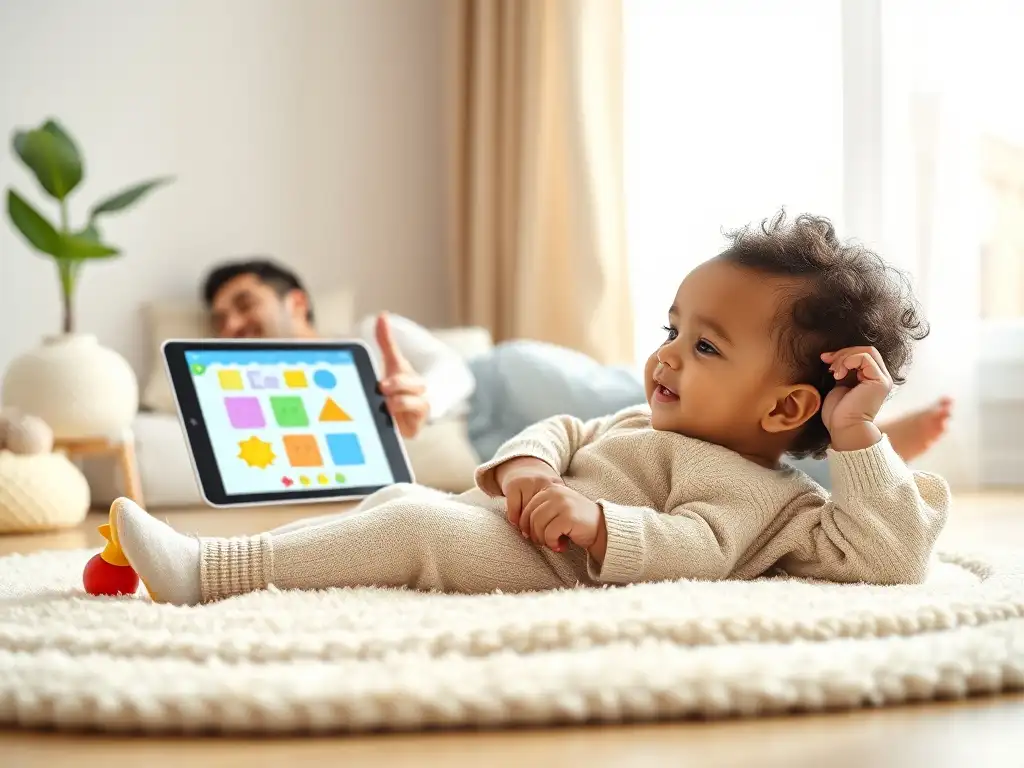
This section focuses on establishing healthy screen time habits for your baby, emphasizing safety and minimizing potential negative impacts. Responsible technology integration in early childhood is crucial for development, but moderation is key. We'll explore recommended guidelines and strategies to ensure your baby's healthy development alongside appropriate technology exposure. The goal is to find a balance that fosters learning and interaction without compromising crucial developmental milestones. Remember, every baby is unique, and these recommendations provide a framework; always consult your pediatrician for personalized advice.
American Academy of Pediatrics (AAP) Guidelines on Screen Time for Infants
The American Academy of Pediatrics (AAP) offers valuable guidance on screen time for infants. Their recommendations emphasize minimizing screen time for children under 18 months, with the exception of video chatting with loved ones. For babies aged 18-24 months, they suggest carefully selected high-quality programming and co-viewing with a caregiver. This collaborative approach ensures engagement and facilitates learning, transforming passive screen time into an interactive experience.
The AAP's emphasis on quality over quantity is critical. Avoid mindless entertainment; instead, opt for educational apps or videos that stimulate cognitive development, language acquisition, and social-emotional learning. Look for apps that encourage active participation, such as interactive games or stories that require your baby's engagement. Remember, the best learning happens through real-world interactions and exploration.
The AAP's recommendations are not absolute prohibitions but rather a framework to guide parents. Understanding the rationale behind these guidelines helps parents make informed decisions about their baby's screen time. The goal isn't to eliminate technology entirely, but to manage its use responsibly and strategically.
Creating a Balanced Daily Routine: Screen Time vs. Real-World Interactions
Integrating technology responsibly requires a balanced daily routine. Prioritize real-world interactions, such as tummy time, playtime with toys, and engaging in face-to-face conversations. These activities stimulate crucial developmental areas, including motor skills, language development, and social-emotional growth.
Consider structuring your baby's day with dedicated blocks of time for various activities. For example, you could dedicate mornings to playtime, afternoons to outdoor activities, and evenings to quiet time with books and lullabies. Integrate short bursts of carefully selected screen time into this routine, but always ensure it complements, rather than replaces, these essential real-world experiences.
Think of screen time as a supplement, not a replacement. It can be a tool for learning and entertainment, but it shouldn't dominate your baby's day. A balanced approach ensures your baby receives the diverse stimuli necessary for holistic development. Prioritize physical activity, social interaction, and exploration of their environment. The benefits of this approach far outweigh the convenience of passive screen time.
Recognizing Signs of Tech Overload in Babies
Overexposure to technology can manifest in several ways. Be vigilant for signs of tech overload in your baby, such as:
- Irritability and fussiness: Increased crankiness and difficulty settling down could indicate excessive screen time.
- Sleep disturbances: Trouble falling asleep or frequent waking during the night might be linked to overstimulation from screens.
- Reduced engagement in other activities: If your baby shows less interest in toys, playtime, or social interaction, it might signal tech overload.
- Difficulty focusing: Short attention spans and problems concentrating could be a sign of overstimulation.
- Eye strain and other physical symptoms: Excessive screen time can lead to eye strain, headaches, or even neck pain.
If you notice any of these signs, consider reducing your baby's screen time. Remember, early intervention is key. A balanced approach to technology use is crucial for your baby's healthy development. Prioritize real-world interactions and ensure technology complements, not dominates, their daily experiences. Consult your pediatrician if you have concerns about your baby's development or screen time habits. Remember, responsible baby tech use safety guidelines are essential for a happy and healthy baby.
Practical Strategies for Responsible Tech Use with Your Baby
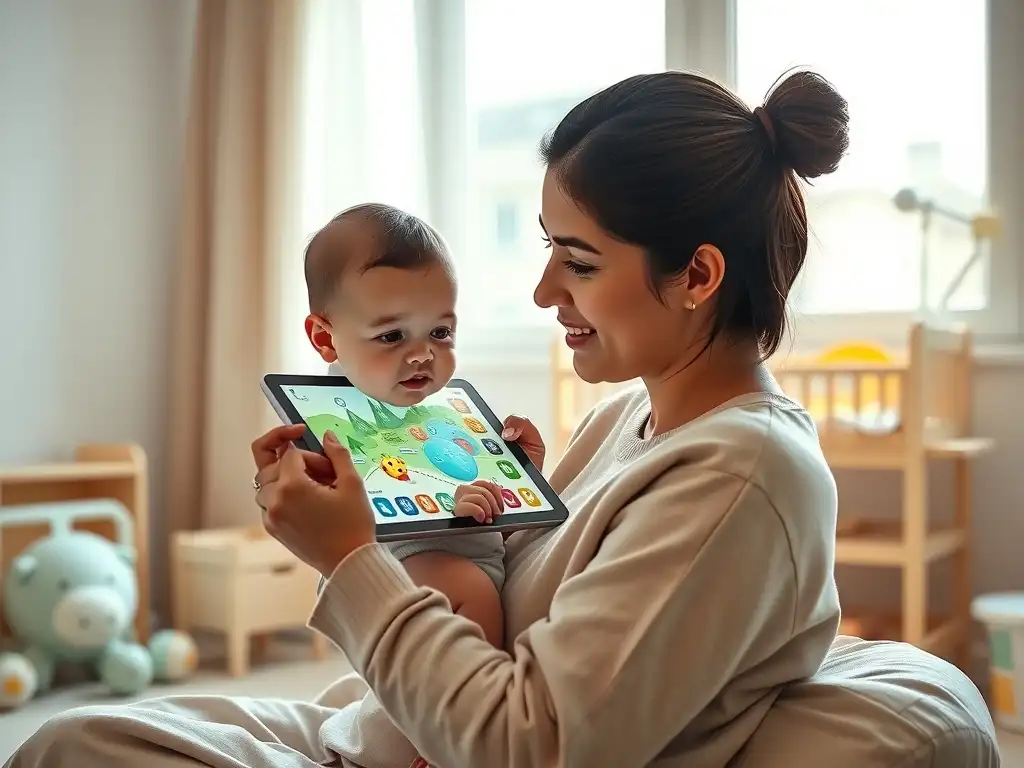
This section delves into practical, actionable steps for parents navigating the world of baby tech. Remember, the goal isn't to eliminate technology entirely, but to integrate it mindfully into your baby's life, promoting healthy development and minimizing potential risks. We'll explore strategies to ensure your baby's engagement with technology is both enriching and safe, focusing on key areas of concern related to baby tech use safety guidelines.
Interactive Play with Apps: Engaging Your Baby Effectively
Interactive apps designed for babies can be a valuable tool for stimulating their cognitive and sensory development. However, passive screen time offers little benefit. The key is to transform app usage into interactive play. Instead of simply letting your baby watch videos, actively participate. For example, if the app features shapes, name them aloud, point them out on the screen, and then point to similar shapes in the real world. This bridges the gap between the digital and physical environments, enhancing learning.
Consider apps focusing on:
- Sensory exploration: Apps with bright colors, varied textures (simulated on screen), and diverse sounds can engage a baby's senses. Look for apps with clear, simple visuals and repetitive elements that encourage active participation.
- Language development: Apps with interactive storytelling or simple vocabulary building can support language acquisition. Remember to narrate the story alongside the app, making it a shared experience.
- Fine motor skills: Some apps require tapping or swiping, which can indirectly improve fine motor skills. However, don't expect significant improvement from this alone; real-world activities like playing with blocks remain crucial.
Remember to prioritize high-quality apps designed specifically for babies. Look for apps with age-appropriate content, clear navigation, and minimal advertising. Avoid apps with flashing lights or overly stimulating content, which can be overwhelming for young children. Always supervise your baby's app usage.
Monitoring Your Baby's Screen Time: Setting Limits and Sticking to Them
Establishing and adhering to screen time limits is crucial for baby tech use safety guidelines. The American Academy of Pediatrics (AAP) recommends minimal screen time for children under 18 months, except for video chatting. For older babies, screen time should be limited and high-quality. The goal is to balance technology with other essential developmental activities, such as playtime, social interaction, and physical activity.
Here's a practical approach to setting limits:
- Start small: Begin with very short sessions (5-10 minutes) and gradually increase the duration as your baby gets older.
- Schedule screen time: Integrate it into your daily routine, rather than letting it become unstructured. For example, you might incorporate a short app session after a nap or during meal preparation.
- Use a timer: This helps you stay consistent and avoid exceeding the predetermined limits. Visual timers are particularly effective for children.
- Create a tech-free zone: Designate specific areas of your home as technology-free zones, ensuring your baby has plenty of opportunities for screen-free play.
- Be a role model: Limit your own screen time in front of your baby to demonstrate healthy technology habits.
Remember, sticking to the limits is key. Consistency helps establish healthy patterns and prevents technology from becoming a crutch.
Protecting Your Baby's Eyes from Digital Strain
Protecting your baby's delicate eyes from digital strain is a vital aspect of baby tech use safety guidelines. Their eyes are still developing, making them more susceptible to damage from excessive screen time. Here's how to minimize the risk:
- Maintain a safe distance: Ensure your baby sits at an appropriate distance from the screen, preventing eye strain.
- Adjust screen brightness: Reduce the screen brightness to a comfortable level, avoiding harsh glare.
- Use a larger screen: Larger screens are generally easier on the eyes than smaller ones.
- Frequent breaks: Regularly take breaks from screen time to allow your baby's eyes to rest. Encourage physical activity during these breaks.
- Consult a pediatrician: If you have any concerns about your baby's eyesight, consult a pediatrician or ophthalmologist. Early detection of any issues is crucial.
Remember, a balanced approach is key. Technology can be a valuable tool when used responsibly. By following these guidelines, you can introduce your baby to technology safely and effectively, fostering their development while protecting their wellbeing. 👶
Creating a Tech-Safe Environment for Your Baby
This section focuses on establishing a secure and developmentally appropriate technological environment for your baby. Remember, responsible technology use starts with creating a safe space, both physically and digitally. We'll explore practical steps to minimize risks and maximize the benefits of technology for your little one. The key is to prioritize safety and age-appropriateness while introducing technology gradually. This approach ensures that your baby's interaction with screens is positive and enriching, rather than overwhelming or harmful. Following these guidelines contributes to your baby's overall well-being and helps you navigate the world of baby tech use safety guidelines effectively.
Secure App Downloads and Privacy Settings
Protecting your baby's data and privacy is paramount when introducing them to apps. Before downloading any app, thoroughly check its privacy policy. Look for clear statements about data collection, usage, and security. Avoid apps that request excessive permissions, particularly those unrelated to the app's stated function. For example, a simple baby monitor app shouldn't need access to your contacts or location data. Choose apps from reputable developers with positive reviews and a proven track record of data security. Remember, transparency is key. If an app's privacy policy is unclear or raises concerns, it's best to avoid it.
Many apps offer parental control features. Utilize these features to limit access to inappropriate content and manage your baby's screen time. Consider setting time limits for app usage, especially as your baby gets older and starts to understand and interact with the technology more independently. Regularly review the apps your baby uses and update privacy settings as needed. This proactive approach safeguards your baby's digital footprint and ensures a safe online experience. Think of it as another layer of protection in your overall baby tech use safety guidelines strategy.
Positioning Devices for Optimal Viewing and Safety
Proper positioning of devices is crucial for your baby's eye health and physical safety. Avoid placing screens directly in front of your baby's face. Maintain a comfortable viewing distance, generally recommended to be at arm's length. This helps prevent eye strain and potential damage. Ensure the screen's brightness is adjusted to a comfortable level, avoiding excessive glare. Consider using a screen protector to reduce glare and protect the screen from accidental damage.
Furthermore, ensure the device is securely placed on a stable surface, away from the reach of your baby. This prevents accidental falls or damage to the device and minimizes the risk of your baby injuring themselves. Never leave your baby unsupervised with any electronic device. Always supervise their screen time, even for short periods. This constant supervision is a cornerstone of responsible baby tech use safety guidelines. Remember, a safe viewing environment is a key component of your child’s overall well-being.
Choosing Child-Friendly Devices and Accessories
When selecting devices for your baby, prioritize age-appropriateness and safety features. Look for devices specifically designed for babies or toddlers, with features such as durable construction, child-safe materials, and age-appropriate content. Avoid devices with small parts that could pose a choking hazard. Consider using protective cases or covers to further safeguard the device and prevent damage.
For example, when choosing a tablet, opt for one with a sturdy build and a protective screen cover. Similarly, when selecting headphones, choose soft, comfortable, and appropriately sized ones designed for children. Prioritize devices and accessories that meet safety standards. Check for certifications from reputable organizations to ensure the device meets safety requirements. By carefully selecting child-friendly devices and accessories, you’re actively building a safe and positive technological experience within your comprehensive baby tech use safety guidelines. Remember, thoughtful choices contribute to a safer and more enriching experience for your baby.
Beyond Apps: Exploring Other Tech for Baby Development
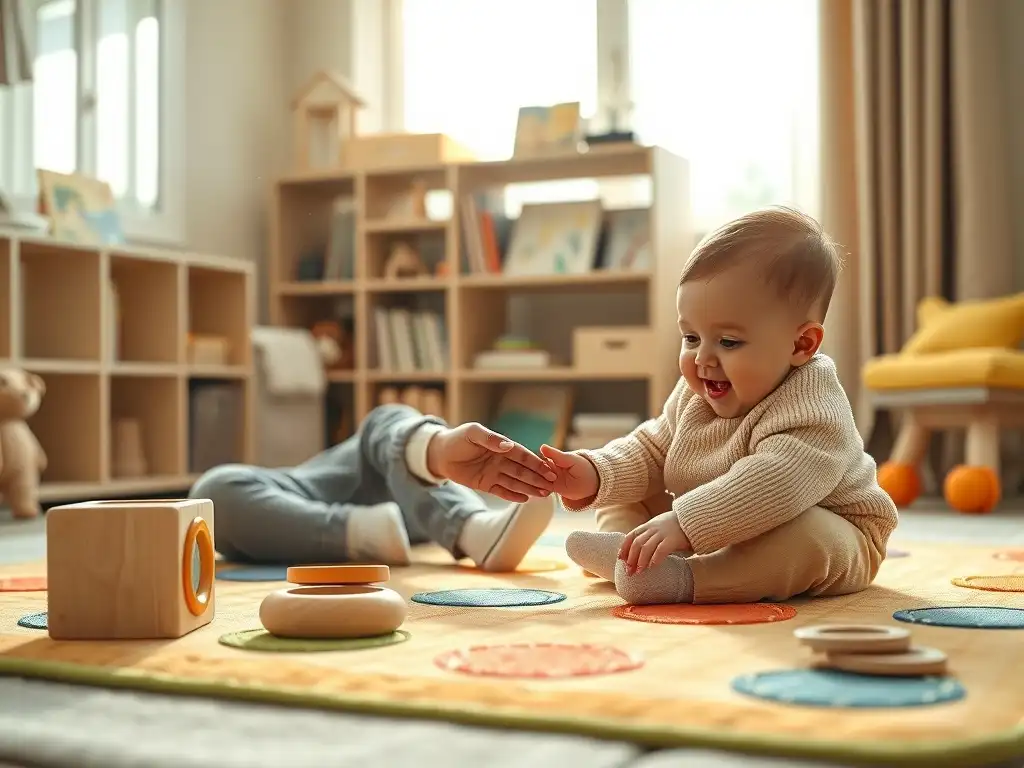
This section delves into the responsible use of technology beyond mobile applications, focusing on devices and toys that can contribute to a baby's development while prioritizing safety. We'll examine how to integrate these technologies thoughtfully into your baby's life, ensuring they complement, rather than replace, essential human interaction. Remember, responsible integration of baby tech use safety guidelines is paramount.
Baby Monitors and Smart Devices: Responsible Integration
Baby monitors have evolved significantly, incorporating video streaming, sound detection, and even temperature and humidity sensors. While offering peace of mind, these smart devices require careful consideration. Over-reliance on technology can hinder the development of parental intuition and the crucial bond formed through direct observation.
The benefits of using a baby monitor include increased awareness of your baby's condition, especially helpful for parents of multiples or those with sleep disturbances. They can also provide a sense of security, allowing for short periods of separation while maintaining vigilance. However, the potential drawbacks are significant. Excessive monitoring can lead to increased anxiety and a failure to trust your instincts. Furthermore, privacy concerns regarding data collection and potential security breaches need to be addressed.
Choosing a monitor with robust security features, such as encryption and password protection, is crucial. Consider the features you truly need; a simple audio monitor might suffice for many families. Avoid over-spending on unnecessary features, and prioritize ease of use and reliable functionality. Remember, baby tech use safety guidelines explicitly highlight the importance of responsible data handling.
Here's a table summarizing the pros and cons:
| Feature | Pros | Cons |
|---|---|---|
| Video Monitoring | Constant visual observation of your baby | Potential for over-reliance and anxiety; privacy concerns |
| Sound Monitoring | Alerts to crying or unusual sounds | False alarms possible; battery life considerations |
| Temperature Sensor | Monitors room temperature for optimal comfort | Requires regular calibration and potential for malfunction |
| Two-way Audio | Allows you to soothe your baby remotely | Can disrupt sleep if used excessively |
Remember to regularly review the manufacturer's baby tech use safety guidelines and update the device's firmware to address potential security vulnerabilities.
Educational Toys with Tech Integration: A Balanced Approach
The market offers a vast array of toys incorporating technology, from interactive plush animals to smart building blocks. While these toys can offer engaging learning experiences, it's crucial to approach them with a balanced perspective. Prioritize toys that encourage creativity, problem-solving, and physical interaction alongside the technological aspects.
Over-reliance on tech-integrated toys can stifle a child's imagination and limit opportunities for hands-on exploration. The screen time associated with these toys should be carefully managed, adhering to recommendations from pediatric organizations. Look for toys that offer a blend of digital and physical engagement, allowing for a more holistic developmental experience.
Consider the following when choosing tech-integrated toys:
- Age appropriateness: Ensure the toy's complexity and features align with your baby's developmental stage.
- Educational value: Look for toys that promote cognitive skills, creativity, and problem-solving.
- Durability and safety: Choose toys made from high-quality, non-toxic materials that can withstand rough handling.
- Screen time limits: Set clear guidelines on the duration and frequency of use, following recommended baby tech use safety guidelines.
A balanced approach involves integrating these toys strategically into playtime, ensuring they complement, not dominate, other activities such as free play, outdoor exploration, and social interaction. Remember, real-world experiences remain crucial for a child's development, and technology should enhance, not replace, these fundamental interactions. Following established baby tech use safety guidelines will help you navigate this evolving landscape safely and effectively.
Addressing Concerns: Common Questions about Baby Tech
Parents often have many questions about introducing technology to their babies. Concerns about screen time, developmental impacts, and potential addiction are completely understandable. This section aims to address some of the most frequently asked questions regarding baby tech use safety guidelines. We'll explore the myths and realities surrounding early tech exposure and discuss strategies for responsible technology integration.
Myths and Realities about Early Tech Exposure
Many misconceptions exist about the effects of early technology exposure on babies. Let's debunk some common myths:
Myth 1: All screen time is bad for babies.
Reality: While excessive screen time is detrimental, moderate and purposeful use of educational apps or videos can be beneficial, especially when used interactively with a caregiver. The key is moderation and mindful selection of content. Research suggests that carefully chosen interactive apps can even stimulate cognitive development in young children. 1
Myth 2: Babies become addicted to screens.
Reality: Addiction, in the clinical sense, is not something babies experience. However, excessive screen time can lead to behavioral issues such as irritability, sleep disturbances, and difficulty focusing. It's crucial to establish healthy screen time habits from the beginning. This means setting limits, choosing appropriate content, and making sure screen time doesn’t replace crucial interaction and playtime.
Myth 3: Using technology hinders a baby's social and emotional development.
Reality: Technology shouldn't replace real-world interactions. When used appropriately, technology can complement social development. For example, video calls with grandparents can foster connections and emotional bonds. However, prolonged screen time can indeed limit opportunities for face-to-face interaction, which is vital for social and emotional growth. Balancing screen time with ample opportunities for real-world play and interaction is key.
Myth 4: Educational apps automatically guarantee cognitive benefits.
Reality: The quality of the app matters significantly. Not all apps are created equal. Look for apps with interactive elements, clear learning objectives, and age-appropriate content. Passive viewing of videos on a tablet is far less beneficial than active engagement with a well-designed educational app.
Addressing Concerns Regarding Tech Addiction in Infants
The term "tech addiction" in infants is a misnomer. Infants lack the cognitive capacity for true addiction. However, excessive screen time can lead to problematic behaviors mimicking addiction symptoms. These behaviors include:
- Increased irritability and fussiness: When screen time is abruptly stopped, infants might become distressed. This is not addiction, but rather a learned association of screens with comfort or stimulation.
- Difficulty settling down for sleep: The stimulating nature of screens can interfere with sleep patterns.
- Decreased attention span: Excessive screen time can lead to shorter attention spans and difficulty focusing on non-screen activities.
- Delayed language development: While some apps can be helpful, prolonged screen time can replace crucial opportunities for verbal interaction, potentially hindering language development.
Instead of focusing on "addiction," parents should concentrate on establishing healthy habits. This involves:
- Setting clear limits on screen time: Creating a schedule that balances screen time with other activities.
- Choosing age-appropriate and educational content: Selecting apps and videos that are stimulating and enriching, not just passively entertaining.
- Interactive engagement: Actively participate with your baby during screen time, narrating what's happening and engaging in conversation.
- Prioritizing real-world interactions: Ensuring ample opportunities for play, exploration, and social interaction.
- Modeling healthy technology use: Children learn by observing their parents. Demonstrate responsible technology use yourself.
1 [Specific research citation pending]
This section provides a foundation for understanding the nuances of responsible technology integration in early childhood. Remember, moderation, mindful selection, and interactive engagement are key to maximizing potential benefits and minimizing risks. Always prioritize real-world interactions and age-appropriate activities for your baby's healthy development.
Frequently Asked Questions
What are the key safety guidelines for using baby tech?
Always prioritize physical interaction over screen time. Ensure devices are used in a safe and supervised environment, avoiding potential hazards like cords or small parts. Choose age-appropriate apps and content.
How much screen time is appropriate for babies?
The American Academy of Pediatrics recommends no screen time for children under 18 months, except for video chatting. For 18-24 month olds, limit screen time to high-quality programming and watch with them. Moderation is crucial at all ages.
What types of baby tech are considered safe?
Interactive toys that encourage learning and development are generally safe. Baby monitors with secure connections and encryption are vital for safety. Choose apps with privacy policies you understand and trust.
How can I protect my baby's privacy when using baby tech?
Read privacy policies carefully before downloading apps. Be mindful of what information you share online. Use strong passwords and enable two-factor authentication where possible. Only download apps from reputable sources.
What are the potential dangers of excessive baby tech use?
Excessive screen time can negatively impact language development, social skills, and sleep patterns. It can also lead to eye strain and behavioral problems. Balance technology use with real-world interaction and playtime.
Final Reflection: Shaping a Digital Future for Our Children
The responsible integration of technology into a child's life is no longer a luxury; it's a necessity. We live in a world increasingly shaped by digital interfaces, and shielding children from this reality is neither feasible nor beneficial. The key, as explored throughout this article, lies in establishing healthy boundaries and fostering a balanced relationship with technology from the earliest stages of development.
The impact of early technology exposure is profound and far-reaching, shaping not only cognitive development but also social interaction and emotional well-being. We've seen how seemingly innocuous screen time can quickly escalate, potentially hindering crucial developmental milestones. The challenge lies in navigating this complex landscape responsibly, ensuring technology enhances, rather than detracts from, a child's holistic growth. The purpose of technology is to create a better world, not just a more technologically advanced one.
– Bill Gates. This quote underscores the importance of mindful technology integration, prioritizing the child's overall development above mere technological proficiency.
Now, consider your own approach to technology. How can you apply the safety guidelines and mindful strategies discussed here to your own family's digital landscape? Take a moment to reflect on your child's screen time, the types of apps they use, and the overall balance in their lives.
By actively shaping their digital experience, you are not only protecting them from potential harms but also empowering them to become responsible and discerning digital citizens in the future. Let's work together to create a digital world where technology serves as a tool for growth, connection, and positive development for our children.
Unlock Your Baby's Tech Potential: A Journey to Responsible Digital Parenting
Thank you for joining us on this exploration of responsible technology use with your little one! We hope you gained valuable insights into fostering a healthy relationship with technology from the very beginning. Now, let's put those insights into action.
- Create a Family Tech Plan: Establish clear rules and boundaries regarding screen time, app usage, and online safety that suit your family's unique needs. This is your first step toward a mindful digital childhood for your child.
- Share Your Experiences: Connect with other parents in our community forum and share your strategies, challenges, and successes in introducing technology to your baby. Let's build a supportive network together!
- Explore Our App Suggestions: Discover curated lists of age-appropriate apps and activities designed to nurture development without overstimulation. Dive into playful learning!
What strategies are you most excited to implement to guide your baby's early experiences with technology?