
Projectiles in Toys: Avoiding Eye Injuries

Welcome to BabyCareHub, your ultimate guide to navigating the incredible journey of parenthood. Are you ready to confidently tackle the challenges and joys of raising your little one? We're here to support you every step of the way. But first, consider this: did you know that even seemingly harmless baby toys can pose a risk? Our latest article on baby toy eye safety explores potential hazards and offers practical advice to protect your precious child's sight. Dive in and discover how to create a safer, more nurturing environment for your baby.
- Understanding the Risk of Projectile Toys for Babies
- Choosing Safe Toys: Avoiding Projectile Hazards
-
Baby Toy Eye Safety: Practical Tips for Parents
- Creating a Safe Play Environment: Minimizing Risks at Home
- Teaching Safe Play Habits: Educating Young Children
- Responding to Eye Injuries: First Aid and Seeking Medical Help
- Regular Toy Inspections: Maintaining Safety Standards
- Choosing Toys with Appropriate Age Ratings: A Crucial Step in Baby Toy Eye Safety
- Supervising Playtime: Constant Vigilance is Key
- Resources and Further Information on Baby Toy Eye Safety
- Frequently Asked Questions
- Final Reflection: The Silent Danger of Projectile Toys
- Unlock Safer Playtime: Protecting Little Eyes
Understanding the Risk of Projectile Toys for Babies
Choosing safe toys for your baby is paramount, and a crucial aspect of this is understanding the potential dangers of projectiles. Many seemingly harmless toys can pose significant risks, especially to a baby's delicate eyes. This article focuses on baby toy eye safety, providing a comprehensive guide to identifying, assessing, and avoiding potential hazards associated with projectile toys.
We will explore the various types of toys that can launch projectiles, the potential severity of eye injuries, and how to choose age-appropriate and safe toys to protect your little one's precious sight. Understanding these risks is a vital step in ensuring your baby's overall well-being and preventing avoidable accidents. This guide aims to empower first-time parents with the knowledge necessary to make informed decisions regarding toy selection and create a safe and stimulating play environment for their child.
Identifying Projectile Toys: Recognizing Potential Hazards
Many toys, seemingly innocuous, can launch projectiles at surprising speeds. Identifying these potential hazards is the first step towards preventing eye injuries. Here's a breakdown of common toy types to watch out for:
- Spring-loaded toys: Toys with springs that launch small objects, like balls or darts, are a significant risk. Even seemingly slow-moving projectiles can cause damage to a baby's eye.
- Toys with launchers: This includes toy guns, cannons, and similar items that propel objects. These should be strictly avoided for babies and young toddlers.
- Toys with small detachable parts: While not always projectiles in the traditional sense, small parts that can be easily dislodged and thrown pose a similar risk. Babies often put these in their mouths, but they can also be flung into the eyes.
- Water squirting toys: While not directly "projectiles", the force of water squirted from a toy can still cause discomfort and potential eye irritation, especially if it gets into the eye.
- Certain types of rattles: Some rattles contain small beads or components that could potentially become dislodged and pose a projectile risk. Always carefully inspect rattles before giving them to your baby.
It's crucial to remember that even seemingly soft projectiles can cause harm. A small, lightweight object propelled at sufficient speed can still cause significant damage to the eye. Always carefully examine toys before giving them to your baby, paying close attention to any potentially loose or detachable parts.
The Dangers of High-Velocity Projectiles to Baby's Eyes
The consequences of a projectile striking a baby's eye can be severe. Babies' eyes are particularly vulnerable due to their smaller size and underdeveloped eye muscles. Potential injuries range from minor abrasions to serious, vision-threatening conditions:
- Corneal abrasions: These are scratches on the surface of the eye, often causing pain, redness, and blurry vision.
- Retinal damage: More serious injuries can involve damage to the retina, the light-sensitive tissue at the back of the eye. This can lead to permanent vision loss.
- Conjunctivitis: Also known as pinkeye, this is an inflammation of the conjunctiva, the membrane covering the white part of the eye. It can be caused by irritation from projectiles.
- Hyphema: Bleeding into the front chamber of the eye, which can cause significant vision impairment.
- Globe rupture: In extreme cases, the eyeball itself can rupture, leading to severe and potentially irreversible vision loss. This is a rare but devastating possibility.
The severity of the injury depends on factors like the size, speed, and type of projectile, as well as the location of the impact. Even seemingly minor injuries should be evaluated by a medical professional to prevent long-term complications. Early intervention is critical in mitigating the potential for lasting damage.
Assessing the Risk: Age Appropriateness and Toy Design
Choosing age-appropriate toys is essential for preventing projectile-related eye injuries. Manufacturers often provide age recommendations on toy packaging; adhering to these guidelines is crucial. However, even age-appropriate toys should be carefully examined for potential hazards.
Look for toys with:
- Durable construction: Toys should be made of sturdy materials that are resistant to breaking or falling apart.
- Smooth edges and surfaces: Avoid toys with sharp edges or points that could cause injury.
- Large, securely attached parts: Ensure that all components are firmly attached and unlikely to become dislodged.
- Appropriate size for the baby's age: Avoid toys with small parts that could be easily swallowed or thrown.
Remember, prevention is key. By carefully selecting toys and supervising your baby's playtime, you can significantly reduce the risk of projectile-related eye injuries. Always prioritize safety when choosing toys for your baby, and don't hesitate to discard any toys that pose a potential hazard. Regularly inspect toys for damage or loose parts. A proactive approach to toy safety will protect your baby's precious eyesight and ensure a safe and happy playtime experience.
Choosing Safe Toys: Avoiding Projectile Hazards
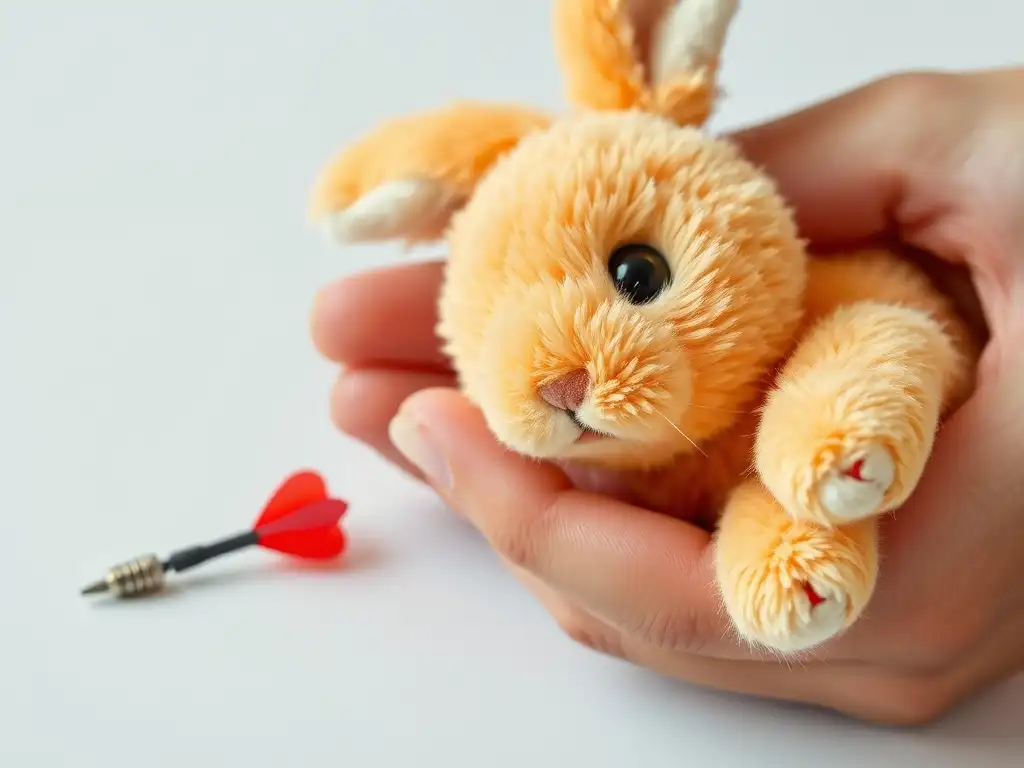
This section focuses on proactive strategies for selecting toys that minimize the risk of eye injuries from projectiles. Many seemingly innocuous toys can pose a danger if not carefully considered. Understanding the potential hazards and implementing preventative measures is crucial for baby toy eye safety.
Selecting Age-Appropriate Toys: Guidelines for Safe Play
Choosing toys appropriate for your baby's developmental stage is paramount for preventing eye injuries. Babies explore their world through their mouths and hands, often putting objects directly into their eyes. Therefore, toys with small, detachable parts or those that launch projectiles are particularly dangerous for infants and toddlers.
The following table outlines age recommendations and associated risks:
| Age Range | Appropriate Toys | Inappropriate Toys | Risk |
|---|---|---|---|
| 0-3 Months | Soft, textured toys; rattles with large, secure parts | Toys with small parts; toys that launch projectiles | Choking, eye injury from projectiles |
| 3-6 Months | Teethers; soft blocks; stacking cups with large openings | Toys with small, detachable parts; spring-loaded toys | Choking, eye injury from projectiles, impact injury |
| 6-12 Months | Board books; simple puzzles; push-and-pull toys | Toys with sharp edges or points; toys with small magnets | Eye injury from sharp objects; choking, ingestion |
| 12-18 Months | Building blocks (large size); shape sorters | Toys with easily removable small parts; dart guns | Choking, eye injury from projectiles |
Remember, always supervise your baby during playtime. Even age-appropriate toys can pose risks if misused or if a child is unattended. Prioritizing baby toy eye safety requires vigilance and careful selection.
Examining Toy Construction: Sturdy Materials and Secure Mechanisms
Beyond age appropriateness, the construction of a toy is critical for baby toy eye safety. Look for toys made from durable, non-toxic materials. Avoid toys with sharp edges, points, or small, easily detachable parts that could become projectiles.
- Sturdy materials: Opt for toys made of robust plastics, wood, or soft, washable fabrics. Avoid brittle materials that could easily break and create sharp fragments.
- Secure mechanisms: Examine the toy's construction carefully. Are parts securely fastened? Are there any loose screws or small pieces that could easily detach and become projectiles? A well-made toy will exhibit robust construction and will withstand considerable force.
- Testing for durability: Before giving a toy to your baby, gently test its strength. Try to pull, twist, and bend parts to ensure they are securely attached and unlikely to break or detach easily.
Prioritizing toys with robust construction significantly reduces the risk of projectile hazards and contributes to a safer play environment. This diligent approach to toy selection is a cornerstone of baby toy eye safety.
Checking for Small Parts: Preventing Choking and Eye Injuries
Small parts are a significant choking hazard for babies, but they can also be projectiles. A small part that detaches from a toy can easily become airborne, potentially striking your baby's eye. The American Academy of Pediatrics recommends that toys intended for children under 3 years old should not have parts smaller than 1.25 inches in diameter.
- Detailed inspection: Thoroughly inspect all toys before giving them to your baby. Check for any loose or detachable parts, no matter how small. Even seemingly secure parts might become dislodged during play.
- Testing for detachment: Gently try to pull or remove any potentially detachable parts. If a part comes off easily, the toy is unsafe.
- Regularly check toys for damage: As toys are used, they can become worn or damaged, potentially leading to parts coming loose. Regularly inspect your baby's toys and discard any that show signs of damage or have loose parts.
By diligently checking for small parts, you significantly reduce the risk of choking and eye injuries, greatly enhancing baby toy eye safety. Remember, prevention is key.
Supervised Play: The Importance of Adult Supervision
Adult supervision is paramount when it comes to baby toy eye safety. Even toys deemed safe can pose a risk if not monitored properly. A seemingly innocuous toy might unexpectedly launch a small piece, creating a projectile hazard. Infants and toddlers, especially, lack the coordination and awareness to react quickly enough to protect their eyes. Constant vigilance is crucial; never leave a young child unattended with toys, particularly those with potentially projectile parts.
This isn't just about preventing immediate injury. Consistent supervision helps establish safe play habits from a young age. Children learn by observing and imitating, and consistently seeing adults prioritize safety teaches them to value their own well-being and the potential dangers of unsupervised play. This proactive approach to safety education is far more effective than simply reacting to accidents.
Consider the scenario of a rattle with loosely attached components. While the rattle itself might seem harmless, a forceful shake could dislodge a small piece, creating a projectile that could potentially strike the child's eye. Constant supervision allows for immediate intervention, preventing injury. Similarly, toys with spring-loaded mechanisms or those that launch small objects require particularly close attention. Remember, even seemingly sturdy toys can break or malfunction, necessitating ongoing supervision.
The peace of mind offered by constant monitoring is invaluable for baby toy eye safety. Active participation in playtime, rather than passive observation, is highly recommended. Engage with your child while they play, redirecting their attention if they begin to use a toy in a potentially unsafe manner. This active involvement not only ensures safety but also strengthens the parent-child bond. Prioritizing supervised playtime is a key component of a comprehensive baby toy eye safety strategy.
Baby Toy Eye Safety: Practical Tips for Parents
This section focuses on practical strategies parents can implement to minimize the risk of eye injuries from toys. We'll explore proactive measures, focusing on toy selection, storage, and supervision. Remember, proactive measures are key to ensuring your baby's baby toy eye safety.
Creating a Safe Play Environment: Minimizing Risks at Home
Creating a safe play environment is paramount for preventing eye injuries. This involves more than just selecting safe toys; it encompasses the entire play area. Consider these points:
- Regular Inspections: Thoroughly inspect all toys regularly for small, detachable parts. Anything that could potentially detach and become a projectile should be discarded or repaired immediately. This includes checking for loose buttons, eyes, or other small components that could easily be dislodged and flung. Aim for weekly checks, increasing frequency if your baby is teething or particularly vigorous during play.
- Age-Appropriate Toys: Always select toys appropriate for your baby's developmental stage. Toys designed for older children often contain smaller parts or pose a greater risk of projectile hazards. The packaging usually specifies the recommended age range; adhere to these guidelines strictly. For example, avoid toys with small balls or projectiles until your child is much older and has developed better hand-eye coordination.
- Storage Solutions: Store toys safely and out of reach when not in use. This prevents accidental access to potentially hazardous items. Consider using storage containers with lids or placing toys on high shelves. A dedicated toy box with a secure lid can be a great solution.
- Supervision is Key: Never leave your baby unattended while playing, especially with toys that could potentially cause eye injuries. Constant supervision is crucial, particularly during playtime with toys that have small parts or are prone to breaking. Active monitoring significantly reduces the risk of accidents.
- Soft Furnishings: Consider the environment where your baby plays. Rooms with plush carpets and soft furnishings can help cushion falls and reduce the impact of accidental projectile hits. This doesn't replace supervision, but it can mitigate the severity of an injury should one occur.
Teaching Safe Play Habits: Educating Young Children
While young babies won't understand explicit instructions, you can still begin to instill safe play habits. This is more about creating a safe environment and modeling appropriate behavior than direct teaching.
- Modeling Safe Behavior: Demonstrate safe toy handling. Show your baby how to gently play with toys and avoid throwing or hitting objects forcefully. This positive modeling can subtly influence their behavior as they develop.
- Positive Reinforcement: Reward gentle play with praise and encouragement. This helps associate positive feelings with careful handling of toys, reinforcing the desired behavior. Positive reinforcement is a powerful tool for shaping behavior.
- Gradual Introduction of Toys: Introduce new toys one at a time to allow your baby to explore them safely. This allows for close observation and immediate intervention if necessary. It's safer to monitor a single toy than a chaotic pile.
- Age-Appropriate Play: Always ensure that the toys are appropriate for your child's age and abilities. This is crucial for preventing accidents, regardless of the type of toy.
- Toy Rotation: Rotating toys regularly can help maintain your baby's interest and prevent them from becoming overly focused on a single item, thus reducing the risk of repetitive actions that could lead to an accident.
Responding to Eye Injuries: First Aid and Seeking Medical Help
Even with the best precautions, accidents can happen. Knowing how to respond quickly and effectively is crucial.
- Immediate Action: If your baby sustains an eye injury, remain calm and immediately assess the situation. Remove any foreign objects from the eye with extreme caution. Avoid rubbing or applying pressure. If an object is embedded, do not attempt to remove it; seek immediate medical attention.
- First Aid Measures: For minor injuries, such as a scratch or irritation, gently rinse the eye with clean water. If bleeding occurs, apply gentle pressure with a clean cloth.
- Seeking Medical Attention: Always seek professional medical help for any eye injury, especially if there is bleeding, pain, blurred vision, or persistent discomfort. Even seemingly minor injuries can have long-term consequences if not treated promptly. Timely intervention is critical for optimal outcomes.
- Documentation: Keep a record of the incident, including the type of toy involved, the nature of the injury, and the treatment received. This information can be helpful for future reference and potential claims.
Remember, proactive measures and swift responses are key to ensuring baby toy eye safety. By implementing these strategies, you can significantly reduce the risk of eye injuries and create a safe and enjoyable play environment for your little one. 🧸
Regular Toy Inspections: Maintaining Safety Standards
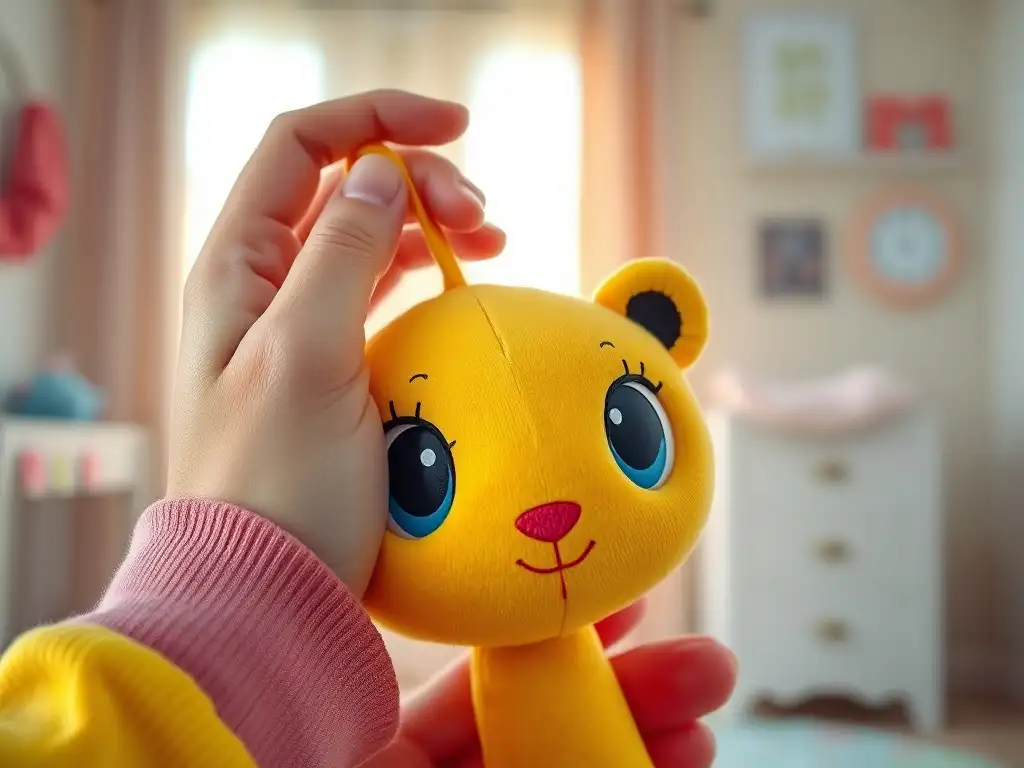
Regular inspections of your baby's toys are crucial for maintaining safety standards and preventing eye injuries. This isn't just about checking for obvious damage; it's about proactively identifying potential hazards before they become a problem. Think of it as a preventative maintenance schedule for your baby's playthings. A thorough inspection should be conducted at least once a week, or more frequently if the toy shows signs of wear and tear.
What should you look for during these inspections? First, examine the toy for any small parts that could detach. Loose buttons, eyes, or other small components pose a significant choking hazard, but they can also become projectiles if forcefully pulled or thrown. Pay close attention to any seams or stitching; fraying or tears could indicate a weakening structure, leading to parts breaking off. Next, check for sharp edges or points.
Even seemingly minor imperfections can cause scratches or injuries to your baby's delicate eyes. Finally, carefully assess the overall condition of the toy. Is it significantly worn? Are there any cracks or breaks? If so, it's time to retire the toy to prevent any accidents.
Remember, a damaged toy is a potential danger, and it's always better to err on the side of caution when it comes to your baby's safety. Regular inspections are a simple yet effective way to significantly reduce the risk of eye injuries from projectile toys. Consider keeping a small notebook or creating a digital record to track the inspection dates and any notes about the condition of each toy. This will help you stay organized and ensure you're consistently prioritizing your baby's safety. Proactive toy safety checks are an investment in your child's well-being.
Choosing Toys with Appropriate Age Ratings: A Crucial Step in Baby Toy Eye Safety
Selecting age-appropriate toys is paramount for ensuring your baby's safety, especially when it comes to preventing eye injuries. Manufacturers provide age recommendations for a reason – these guidelines are based on a child's developmental stage and their ability to safely interact with a specific toy. Ignoring these recommendations can lead to accidents.
For example, a toy designed for toddlers might contain small parts that pose a choking hazard for infants, or have components that could easily detach and become projectiles. Similarly, a toy intended for older children might be too complex or sturdy for a baby, potentially leading to the child throwing the toy forcefully.
Always check the toy's packaging for the recommended age range. Look for clear labeling that indicates the toy's suitability for your baby's age. If the packaging is unclear or missing, err on the side of caution and avoid purchasing the toy. There are several resources available that can help you determine if a toy is safe for your baby's age. Consumer safety organizations often publish guidelines and reviews of toys.
Reading reviews and checking safety ratings can help you make informed decisions when purchasing toys. Remember, prioritizing age-appropriate toys is not only about preventing immediate accidents but also about fostering your baby's healthy development. Toys designed for their age range are more likely to be engaging and stimulating, promoting healthy play and cognitive growth while minimizing safety risks. Choosing age-appropriate toys is a crucial component of a comprehensive approach to baby toy eye safety.
Supervising Playtime: Constant Vigilance is Key
Constant supervision during playtime is arguably the most crucial aspect of preventing eye injuries from projectile toys. Even with the safest toys and the most meticulous inspections, accidents can still occur if a baby is left unsupervised. This doesn't mean you have to hover constantly, but it does mean paying close attention to your baby's activities and intervening when necessary. Young children are unpredictable, and they may interact with toys in ways you don't anticipate.
Consider the environment where your baby plays. Is the space free of hazards? Are there any objects that could be accidentally thrown or launched? A safe play area reduces the risk of projectiles hitting the eye. Engage actively with your baby during playtime. Interact with the toys alongside them, demonstrating safe play and showing them how to handle the toys appropriately.
This active participation can help prevent accidents and teach your baby about safe play habits. If you need to step away from your baby, even for a moment, place the toys out of their reach. This simple precaution can prevent accidents. Remember, constant vigilance is key; your attention and supervision are your baby's best defense against toy-related eye injuries. The peace of mind that comes from knowing you're actively protecting your baby is invaluable.
Resources and Further Information on Baby Toy Eye Safety
This section provides valuable resources to help you navigate the world of baby toy safety and minimize the risk of eye injuries. Understanding the regulations, accessing reliable information, and continuously learning are crucial steps in ensuring your baby's well-being. Remember, proactive measures are key to preventing accidents. This information focuses on readily available resources and aims to empower you with knowledge to make informed choices regarding your baby's toys.
Organizations Dedicated to Child Safety: Reliable Sources of Information
Several reputable organizations dedicate themselves to promoting child safety, offering invaluable resources and information on various aspects of child well-being, including toy safety. These organizations often conduct research, publish guidelines, and provide educational materials to parents and caregivers. They can be a crucial source of up-to-date information on baby toy eye safety. Accessing their websites and publications can significantly enhance your understanding of potential hazards and preventative measures.
For example, many countries have dedicated child safety organizations that offer comprehensive guides and fact sheets on a wide range of safety topics. These organizations are often involved in advocating for stricter safety standards and regulations for children's products, including toys. Their expertise and commitment to child safety make them invaluable allies in your journey as a parent. Their websites often feature detailed information on selecting safe toys, identifying potential hazards, and responding to accidents. Looking for such organizations in your specific region is a vital first step in proactive child safety planning.
Governmental Guidelines on Toy Safety: Compliance and Regulations
Governmental agencies play a significant role in setting and enforcing safety standards for toys. These regulations are designed to protect children from potential hazards, including those that could lead to eye injuries. Familiarizing yourself with these guidelines is crucial for making informed decisions when purchasing toys for your baby. Understanding the regulations helps ensure that the toys you choose comply with the minimum safety standards set by your government.
These regulations often cover various aspects of toy safety, including material composition, small parts that could pose a choking hazard (which can indirectly lead to eye injuries if the child falls while choking), and the presence of sharp edges or points. They may also specify testing procedures and performance requirements that manufacturers must meet before their products are allowed on the market. Checking for compliance with these regulations is an essential part of responsible toy selection. It's important to note that while regulations provide a baseline level of safety, additional vigilance and careful selection are always recommended.
Additional Reading: Expanding Your Knowledge on Child Safety
Beyond governmental guidelines and organizational resources, various books, articles, and online resources provide detailed information on child safety and baby toy eye safety. Engaging with these materials can significantly deepen your understanding of potential risks and effective preventative strategies. Continuing education on this topic is an ongoing process that empowers you to make informed decisions and protect your child.
Consider exploring publications focused on child development and safety. These resources often provide in-depth analyses of common accidents, offer practical tips for risk mitigation, and highlight the importance of creating a safe environment for your baby. Staying updated on the latest research and safety recommendations can help you adapt your practices and ensure your baby's safety. Remember that a proactive approach to safety is the best way to prevent accidents and ensure your little one thrives in a safe and nurturing environment. 📚 Always prioritize your child’s safety and seek out reliable information to guide your decisions.
Frequently Asked Questions
What are the biggest dangers to a baby's eyes from toys?
The biggest dangers are small projectiles that can easily detach from toys and impact the eyes, causing serious injury. Also, sharp edges or points on toys pose a risk of eye scratches or punctures.
How can I check my baby's toys for potential eye hazards?
Carefully examine each toy for loose parts, sharp edges, or small pieces that could detach. Test the strength of attachments and look for any signs of wear and tear. Avoid toys with easily detachable small parts.
What age group is most at risk of eye injuries from toys?
Babies and toddlers, particularly those in the 0-3 age range, are most vulnerable due to their exploratory behavior and limited hand-eye coordination. Supervise them closely while they play.
My baby swallowed a small part from a toy. What should I do?
Immediately contact your pediatrician or emergency services. Do not attempt to induce vomiting. Seek immediate medical attention.
Are all toys safe for babies' eyes?
No, not all toys are inherently safe. Always check the age recommendations on the packaging and carefully inspect the toy for potential hazards before giving it to your baby. Prioritize toys made from safe and durable materials.
Final Reflection: The Silent Danger of Projectile Toys
The seemingly innocent world of children's toys harbors a significant, often overlooked, danger: projectile hazards. Thousands of eye injuries occur annually due to toys launching small parts at high speed, a stark reminder that even the most playful items can pose serious risks. This necessitates a constant vigilance and proactive approach to toy safety.
The impact of projectile toy injuries extends far beyond the immediate physical trauma. These incidents can lead to lifelong vision impairment, impacting a child's development and quality of life. The emotional toll on families is immense, a burden that could have been avoided with greater awareness and responsible toy selection. The eyes are the windows to the soul,
a proverb that underscores the irreplaceable value of sight and the importance of protecting it. This simple truth should guide our choices as parents, caregivers, and toy manufacturers alike.
Consider the information presented in this article. Reflect on the toys in your home, and critically evaluate their potential for causing eye injuries. Take action today: Discard or modify any toys that pose a risk, and educate yourself and others about the importance of choosing safe toys for children. Let's work together to create a safer playtime environment for every child, ensuring that their eyes remain bright and their futures remain full of possibilities.
Unlock Safer Playtime: Protecting Little Eyes
Thank you for learning about projectile toy safety! You've gained crucial knowledge to protect your child's eyesight. Let's put this into practice:
- Choose safe toys carefully: Before buying a toy, check its age appropriateness and ensure it doesn't have small, projectile parts that could pose a risk. Don't hesitate to ask questions at the store or research online.
- Supervise playtime actively, especially when children are using toys that launch projectiles. Designate a safe play area away from breakable items and delicate surfaces.
- Share this important information with other parents and caregivers. Spread awareness about toy safety by discussing it with friends, family, or on social media.
Will you commit to making playtime safer for your child today?