
Cosleeping, Room Sharing, Separate Room: The Science Behind Baby Sleep Arrangements

Welcome to BabyCareHub, your ultimate guide to navigating the incredible journey of parenthood. Are you a first-time parent grappling with the complexities of newborn care? Then you've come to the right place! We're dedicated to providing evidence-based information and practical advice to help you confidently care for your little one. Discover the science behind safe baby sleep arrangements and learn how to create a nurturing sleep environment for your baby – exploring cosleeping, room sharing, and separate rooms – in our insightful article on Sleep Training & Routines. Let's embark on this exciting adventure together!
- Understanding Safe Baby Sleep Arrangements: A Comprehensive Guide
- Cosleeping: Benefits, Risks, and Safe Practices
- Room Sharing: Balancing Proximity and Independence
- Separate Room Sleeping: When and How to Transition
- Comparing Sleep Arrangements: A Detailed Analysis of Safe Baby Sleep
- Creating a Consistent and Safe Sleep Routine for Your Baby
- Addressing Common Sleep Problems and Finding Solutions
- Frequently Asked Questions
- Final Reflection: Choosing Wisely: A Parent's Guide to Safe Sleep
- Unlock Your Baby's Best Sleep: A Personalized Approach
Understanding Safe Baby Sleep Arrangements: A Comprehensive Guide
Choosing the right sleep arrangement for your baby is a crucial decision for first-time parents. Navigating the options – cosleeping, room sharing, and a separate room – can feel overwhelming, especially when considering the paramount importance of ensuring your baby's safety. This comprehensive guide delves into the science behind each arrangement, helping you make an informed choice that prioritizes your baby's well-being and promotes healthy sleep habits.
We'll explore the latest research on Sudden Infant Death Syndrome (SIDS) and other sleep-related risks, offering practical advice and evidence-based recommendations to help you create a safe and nurturing sleep environment for your little one. Understanding the nuances of each sleep arrangement is key to achieving a peaceful night's sleep for both you and your baby, contributing to a happier and healthier family life. This guide will help you navigate the complexities of safe baby sleep arrangements and make the best decision for your family.
Remember, the ultimate goal is to create a sleep environment that minimizes risks and maximizes your baby's safety and well-being. Choosing the right sleep arrangement is a key component of establishing healthy sleep habits from the very beginning.
Defining Safe Sleep Practices for Infants
Safe sleep practices are fundamental to reducing the risk of Sudden Infant Death Syndrome (SIDS) and other sleep-related infant deaths. The American Academy of Pediatrics (AAP) provides clear guidelines that should be followed diligently. These guidelines emphasize creating a sleep environment that is:
- Firm and flat: Avoid soft surfaces like waterbeds, sofas, or armchairs. A firm crib mattress is essential.
- Bare: Keep the crib bare – no blankets, pillows, bumpers, or toys. A lightweight sleep sack is acceptable for warmth.
- Supine: Always place your baby on their back to sleep.
- Room sharing (but not bed sharing): Room sharing is recommended for at least the first six months, but ideally for the first year, to reduce the risk of SIDS. However, bed sharing is strongly discouraged.
- Temperature regulated: Ensure the room is not too hot or too cold. A comfortable room temperature is ideal.
- Smoke-free environment: Exposure to secondhand smoke significantly increases the risk of SIDS.
Creating a safe sleep environment isn't just about following a checklist; it's about understanding why each recommendation is crucial. For instance, placing your baby on their back minimizes the risk of suffocation, while a bare crib eliminates potential hazards like loose bedding. Regularly reviewing and reinforcing these practices is key to maintaining a safe sleep environment for your growing baby. Remember, consistent vigilance is paramount.
Reducing the Risk of SIDS: Key Considerations for Sleep Environments
Sudden Infant Death Syndrome (SIDS) remains a leading cause of infant mortality, highlighting the critical importance of understanding and mitigating associated risks. While the exact cause of SIDS is unknown, research suggests several factors that significantly increase the risk. These factors should be carefully considered when designing your baby's sleep environment:
| Factor | Description | Mitigation Strategy |
|---|---|---|
| Prone or Side Sleeping | Placing your baby on their stomach or side significantly increases SIDS risk. | Always place your baby on their back to sleep. |
| Soft Bedding | Soft surfaces, like pillows, blankets, or bumpers, can increase suffocation risk. | Keep the crib bare, using only a firm mattress and a lightweight sleep sack if needed. |
| Overheating | Overheating can interfere with your baby's breathing and increase SIDS risk. | Dress your baby in light clothing and maintain a comfortable room temperature. |
| Exposure to Smoke | Secondhand smoke is a significant risk factor for SIDS. | Ensure a completely smoke-free environment. |
| Unsafe Sleep Surfaces | Sleeping on a couch, armchair, or other unsafe surface increases SIDS risk. | Always place your baby in a crib or bassinet. |
Beyond these key considerations, factors like breastfeeding, pacifier use, and prenatal care also play a role in reducing SIDS risk. Remember, creating a safe sleep environment is a multifaceted approach requiring careful attention to detail and consistent adherence to safe sleep practices. Regularly reviewing and updating your knowledge on safe sleep recommendations is crucial for ensuring your baby's safety. The information provided here should be supplemented with guidance from your pediatrician and other trusted healthcare professionals. 😴
Cosleeping: Benefits, Risks, and Safe Practices
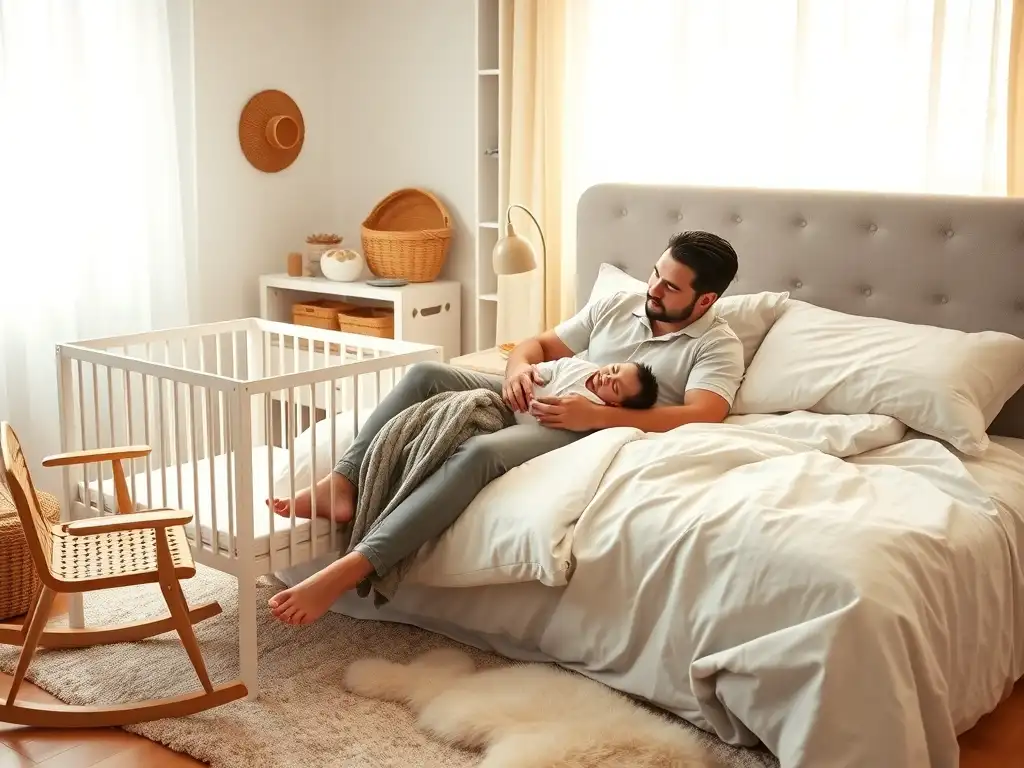
Cosleeping, or bed-sharing, refers to a parent and infant sleeping in the same bed. While cultural norms vary significantly regarding this practice, understanding the potential benefits and risks is crucial for establishing safe baby sleep arrangements. This section delves into the advantages, potential dangers, and crucial safety measures to ensure a secure sleeping environment for both parent and child. Choosing the right sleep arrangement is paramount for promoting healthy sleep patterns and minimizing the risk of Sudden Infant Death Syndrome (SIDS).
Advantages of Cosleeping for Mother and Baby
Cosleeping offers several potential advantages, particularly for breastfeeding mothers and newborns. Studies suggest that it can facilitate breastfeeding, leading to increased milk production and improved infant weight gain. The close proximity allows for easier and more frequent feeding, reducing stress for both mother and baby. Furthermore, the constant physical contact provides a sense of security and comfort for the infant, potentially leading to improved sleep quality and reduced crying.
This enhanced bonding experience can contribute to a stronger mother-infant attachment. For mothers, cosleeping can also promote better postpartum recovery by simplifying nighttime feedings and reducing sleep disruption. The immediate response to infant cues can lead to a more restful sleep for the mother as well. However, it's crucial to remember that these benefits are contingent upon implementing safe cosleeping practices.
Potential Risks Associated with Cosleeping: Minimizing Dangers
Despite the potential benefits, cosleeping carries inherent risks, primarily concerning SIDS. The risk increases significantly when parents share a bed with their baby while under the influence of alcohol, drugs, or medication, or if the sleeping surface is unsafe (e.g., a soft surface, loose bedding). Overheating, accidental suffocation from soft bedding or pillows, and entrapment between the bed and the wall are also potential dangers. Additionally, there's a risk of accidental injury to the infant if a parent rolls over onto the baby during sleep.
However, many of these risks can be mitigated through careful planning and adherence to established safety guidelines. It's vital to remember that the safest sleep environment is one that minimizes these risks. A thorough understanding of safe cosleeping techniques is essential for reducing the likelihood of accidents.
Safe Cosleeping Techniques: Creating a Secure Sleeping Environment
To minimize risks associated with cosleeping, parents should adhere to strict safety guidelines. The sleeping surface should be firm and flat, free from loose bedding, pillows, bumpers, or toys that could obstruct the baby's breathing. The ideal sleeping position for the baby is on their back, and the bed should be free of gaps or spaces where the baby could get trapped. Parents should avoid sleeping with the baby if they are excessively tired, under the influence of substances, or have any health conditions that could impair their awareness. Furthermore, the room temperature should be comfortable, avoiding overheating.
The following checklist summarizes key safe cosleeping practices:
- [ ] Firm sleeping surface: Avoid soft mattresses or waterbeds.
- [ ] Back sleeping: Always place the baby on their back.
- [ ] No loose bedding: Remove blankets, pillows, and bumpers.
- [ ] Breastfeeding only: Avoid feeding bottles in bed.
- [ ] Room temperature: Ensure a comfortable room temperature.
- [ ] No smoking: Avoid smoking in the bedroom.
- [ ] No co-sleeping with pets: Keep pets out of the sleeping area.
- [ ] Parent's awareness: Avoid cosleeping if tired or under the influence of substances.
Adherence to these guidelines significantly reduces the risks associated with cosleeping, allowing parents to enjoy the benefits while prioritizing their baby's safety. Remember, a safe sleep environment is the foundation of healthy sleep for both parent and child. Prioritizing safety should always be the top priority when making decisions about baby sleep arrangements. 😴
Room Sharing: Balancing Proximity and Independence
Room sharing, where the baby sleeps in the same room as the parents but in a separate sleep space (like a crib or bassinet), offers a middle ground between co-sleeping and separate rooms. It allows for close proximity, providing easy access for nighttime feedings and soothing, while still promoting independent sleep habits. This arrangement is often recommended by pediatricians as a safer alternative to co-sleeping, particularly during the first six months of a baby's life, contributing to safe baby sleep arrangements. The key lies in establishing a safe and conducive environment for both the baby and parents.
Benefits of Room Sharing for Baby and Parents
Room sharing provides numerous advantages for both baby and parents. For babies, the close proximity to their caregivers offers several benefits:
- Increased Security and Reduced Anxiety: The comforting presence of parents nearby can significantly reduce a baby's anxiety and promote feelings of security, leading to improved sleep quality. Studies have shown that babies in the same room as their parents cry less and have shorter crying episodes.
- Easier Nighttime Feedings and Soothing: Room sharing makes nighttime feedings and soothing much more convenient. This reduces disruption to the parents' sleep and allows for quicker responses to the baby's needs.
- Enhanced Bonding: The close proximity facilitates bonding between parent and child, strengthening the parent-child relationship through increased physical and emotional contact.
- Improved Breastfeeding: For breastfeeding mothers, room sharing simplifies nighttime feedings and can increase the success of breastfeeding.
For parents, the benefits are equally significant:
- Reduced Parental Sleep Deprivation: Although the proximity might seem to lead to more nighttime awakenings, the ease of responding to the baby's needs can actually improve overall parental sleep quality.
- Enhanced Parental Responsiveness: Room sharing allows parents to respond promptly to the baby's cues, leading to better detection of potential health issues.
- Increased Peace of Mind: Knowing the baby is nearby provides parents with a greater sense of security and peace of mind.
This contributes to a more relaxed and rested family environment, ultimately leading to safer baby sleep arrangements.
Establishing a Safe Room Sharing Setup
Creating a safe room-sharing environment is crucial. Prioritizing safe baby sleep arrangements requires careful consideration of several factors:
- Safe Sleep Surface: The baby should sleep on a firm, flat surface, such as a crib or bassinet, free from loose bedding, pillows, bumpers, or toys. A fitted sheet should be the only bedding used.
- Proper Room Temperature: Maintain a comfortable room temperature, ideally between 68-72°F (20-22°C).
- Proper Ventilation: Ensure adequate ventilation in the room to maintain fresh air circulation.
- No Co-Sleeping: While room sharing is advocated, it is important to distinguish it from co-sleeping. The baby should sleep in their own separate sleep space within the same room.
- Smoke-Free Environment: Maintain a completely smoke-free environment, both in the room and the house. Exposure to secondhand smoke is a significant risk factor for Sudden Infant Death Syndrome (SIDS).
- Avoid Overheating: Overheating is a risk factor for SIDS. Dress the baby appropriately for the room temperature and avoid excessive blankets or swaddles.
Gradual Transition to Separate Room: A Step-by-Step Approach
Once your baby shows signs of readiness—typically around 6 months old but always following your pediatrician's advice—you can gradually transition them to their own room. This process should be approached gently and progressively to minimize disruption and stress:
- Start with extended periods of daytime naps in their own room: This allows your baby to adjust to the new environment gradually.
- Begin putting your baby to sleep in their own room for one or two nights a week: Gradually increase the number of nights spent in their own room.
- Maintain a consistent bedtime routine: A consistent bedtime routine can help your baby adjust to the change more easily and promotes safe baby sleep arrangements.
- Respond promptly to your baby's cries: Respond promptly, but avoid picking up your baby until they've calmed down a bit.
- Use a baby monitor: A baby monitor will give you peace of mind and allow you to monitor your baby's breathing and sounds.
- Be patient and understanding: The transition can take time. Be patient and consistent with your approach. Some babies adapt more quickly than others.
Remember, the transition to a separate room should be guided by your baby's developmental cues and your family's comfort levels. Prioritizing safe sleep practices remains paramount throughout this process. Always consult with your pediatrician for personalized advice on safe baby sleep arrangements tailored to your unique family situation.
Separate Room Sleeping: When and How to Transition
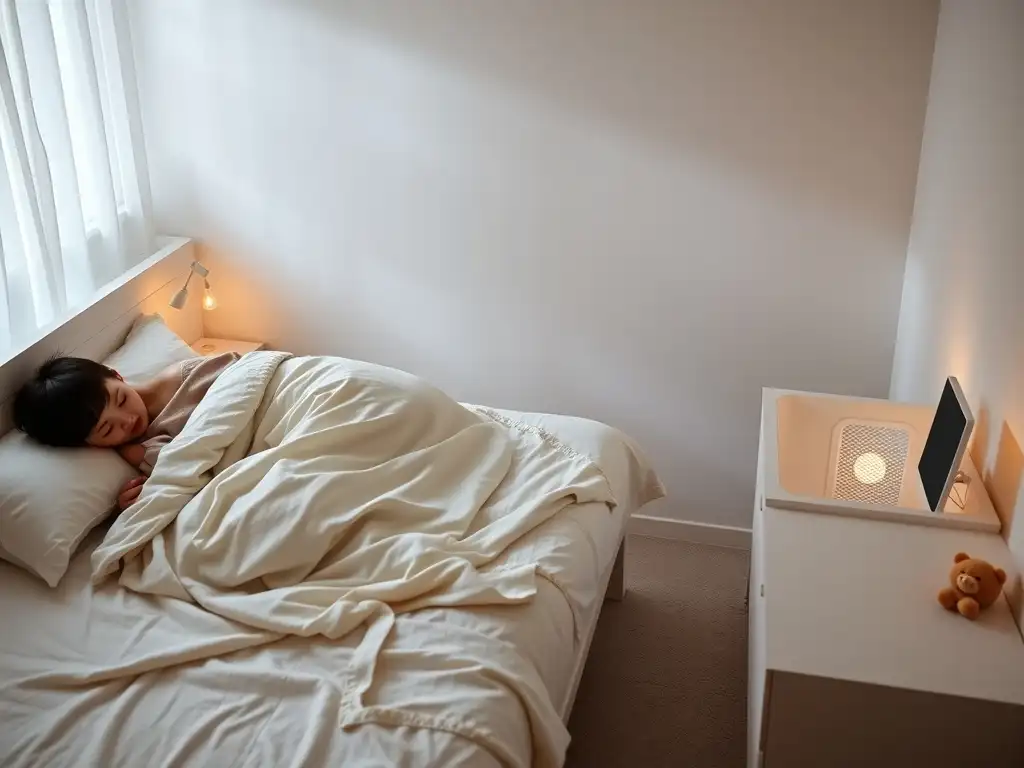
Separate room sleeping is a significant milestone in a baby's development and a crucial aspect of safe baby sleep arrangements. The transition should be approached thoughtfully, prioritizing the baby's developmental readiness and the parents' comfort levels. While many sources suggest around 6 months as a potential starting point, it's essential to understand that this is merely a guideline. Some babies may be ready earlier, while others may require a more extended period of room sharing or co-sleeping.
Developmental Readiness for Separate Room Sleep
Determining a baby's readiness for separate room sleeping involves assessing several key developmental milestones. These milestones are not strictly age-related, but rather indicators of the baby's physical and emotional maturity. Crucially, the baby should demonstrate a consistent sleep pattern, showing the ability to settle themselves back to sleep after brief awakenings without needing immediate parental intervention. This self-soothing ability is a strong indicator of readiness.
Additionally, the baby should show signs of being able to regulate their temperature independently and display a decreased startle reflex. Observe the baby's overall temperament; a consistently fussy or anxious baby may not be emotionally ready for the separation. This transition is not solely about the child's sleep; it also impacts parental sleep quality and overall household dynamics. Remember that a gradual, sensitive approach is paramount.
Prioritizing the baby's cues and emotional well-being will make the transition smoother. Consult your pediatrician for personalized advice. They can provide valuable insights into your baby's individual development and offer tailored recommendations for safe baby sleep arrangements.
Creating a Safe and Soothing Sleep Space in a Separate Room
Once you've determined your baby is developmentally ready, creating a safe and comfortable sleep environment in their separate room is crucial. This involves minimizing risks and maximizing comfort to ensure a positive transition. The room should be dark, quiet, and consistently cool. A consistent temperature is vital for regulating the baby's body temperature.
A white noise machine can help mask disruptive sounds and promote restful sleep. The baby's sleep surface must adhere to strict safety guidelines: a firm mattress, fitted sheet, and no loose blankets or pillows. The crib should be placed away from windows, cords, and any potential hazards. Consider using a baby monitor to alleviate parental anxiety and allow for monitoring.
The monitor should allow for both visual and audio monitoring, providing peace of mind. Remember, a safe sleep environment contributes significantly to safe baby sleep arrangements. The aim is to create a space that mimics the womb's comforting and secure environment as much as possible, gradually weaning the baby from parental presence.
Addressing Potential Challenges During Transition to Separate Room
The transition to separate room sleeping might present challenges. Increased nighttime awakenings are common initially, as the baby adjusts to the new environment and the absence of immediate parental comfort. Parents may experience anxiety and guilt, questioning their decision. Consistent routines and a calm, reassuring approach are essential during this period.
A consistent bedtime routine, including a warm bath, a story, and a lullaby, can help signal the baby that it's time for sleep. Responding consistently but calmly to nighttime awakenings, without picking the baby up immediately, helps them learn to self-soothe. Remember, the baby is learning to sleep independently, and this process takes time and patience. If challenges persist, seeking professional guidance from a pediatric sleep consultant or your pediatrician could prove beneficial.
They can provide personalized strategies and address any underlying sleep issues. Patience and consistency are key to a successful transition to safe and independent sleep. Remember, the ultimate goal is to establish safe baby sleep arrangements that promote both the baby's and the parents' well-being.
Comparing Sleep Arrangements: A Detailed Analysis of Safe Baby Sleep
This section delves into the specifics of different baby sleep arrangements, focusing on the safety and well-being of your infant. We'll analyze co-sleeping, room-sharing, and separate rooms, providing a nuanced understanding to help you make informed decisions about your baby's sleep environment. Remember, the ultimate goal is to establish safe baby sleep arrangements that promote both your baby's and your own restful sleep.
Cosleeping vs. Room Sharing: A Side-by-Side Comparison of Safe Sleep
Cosleeping and room-sharing are often conflated, but they represent distinct approaches to infant sleep. Cosleeping refers to sleeping in the same bed as your baby, while room-sharing means your baby sleeps in their own crib or bassinet within the same room as you. Both offer benefits, but also carry potential risks, particularly regarding safe sleep practices.
Let's compare them side-by-side:
| Feature | Cosleeping | Room Sharing |
|---|---|---|
| Proximity | Direct physical contact with the baby | Baby sleeps in the same room, separate sleeping surface |
| Feeding Ease | Easier nighttime breastfeeding/bottle feeding | Requires getting up to feed, but less disruptive |
| SIDS Risk | Increased risk if not practiced safely (see below) | Lower risk when following safe sleep guidelines |
| Parental Sleep | Potentially less restful sleep due to movement and baby's needs | Generally more restful sleep for parents |
| Bonding | Promotes skin-to-skin contact and bonding | Still allows for close interaction and bonding |
Safe Cosleeping Practices: It's crucial to emphasize that cosleeping can be safe if specific guidelines are followed meticulously. These include:
- Sleeping on a firm surface with no loose bedding.
- Avoiding alcohol or drugs before bed.
- Ensuring the baby is placed on their back.
- Using a bedside bassinet or co-sleeper that meets safety standards.
- Being aware of your own sleep patterns and avoiding deep sleep, ensuring the baby is not at risk of suffocation.
Failing to adhere to these guidelines significantly elevates the risk of Sudden Infant Death Syndrome (SIDS). Always prioritize safe sleep practices above all else when considering cosleeping.
Room Sharing vs. Separate Room: Weighing the Pros and Cons for Safe Sleep
Once your baby reaches a certain age (typically 6 months, but always consult your pediatrician), the question of transitioning to a separate room arises. Room-sharing offers many benefits during the early months, but moving to a separate room can also be beneficial for both parent and child's sleep.
Room Sharing Advantages:
- Easier nighttime feeding and soothing.
- Increased parental responsiveness to baby's cues.
- Reduced risk of SIDS (when following safe sleep guidelines).
- Improved parental bonding.
Separate Room Advantages:
- Improved parental sleep quality.
- More privacy for parents.
- Increased independence for baby (as they get older).
Separate Room Considerations: The transition to a separate room should be gradual and guided by your baby's developmental milestones and readiness. Forcing a premature transition can negatively impact both parent and child. It's advisable to ensure the baby is sleeping through most nights before considering a separate room. Always prioritize safe sleep practices, even in a separate room. This includes a firm mattress, no loose bedding, and placing the baby on their back.
Choosing the Best Sleep Arrangement Based on Individual Needs and Circumstances
The optimal sleep arrangement is highly individualized and depends on various factors, including parental preferences, baby's temperament, and the family's living situation. There is no one-size-fits-all answer. Consider the following:
- Your baby's age and developmental stage: Newborns benefit greatly from proximity, while older infants may be ready for more independence.
- Your personal sleep needs and preferences: Honest self-assessment is crucial. If cosleeping disrupts your sleep significantly, room sharing might be a better option.
- Your living situation: Space limitations may influence your choices.
- Your pediatrician's recommendations: Always consult your pediatrician for personalized guidance based on your baby's health and development.
The most important aspect is to prioritize safe baby sleep arrangements. Thorough research, open communication with your partner, and careful consideration of your specific situation will help you find the best solution for your family. Remember, the goal is to create a sleep environment that promotes healthy sleep for both you and your baby, fostering a secure and loving family dynamic. 😴
Creating a Consistent and Safe Sleep Routine for Your Baby
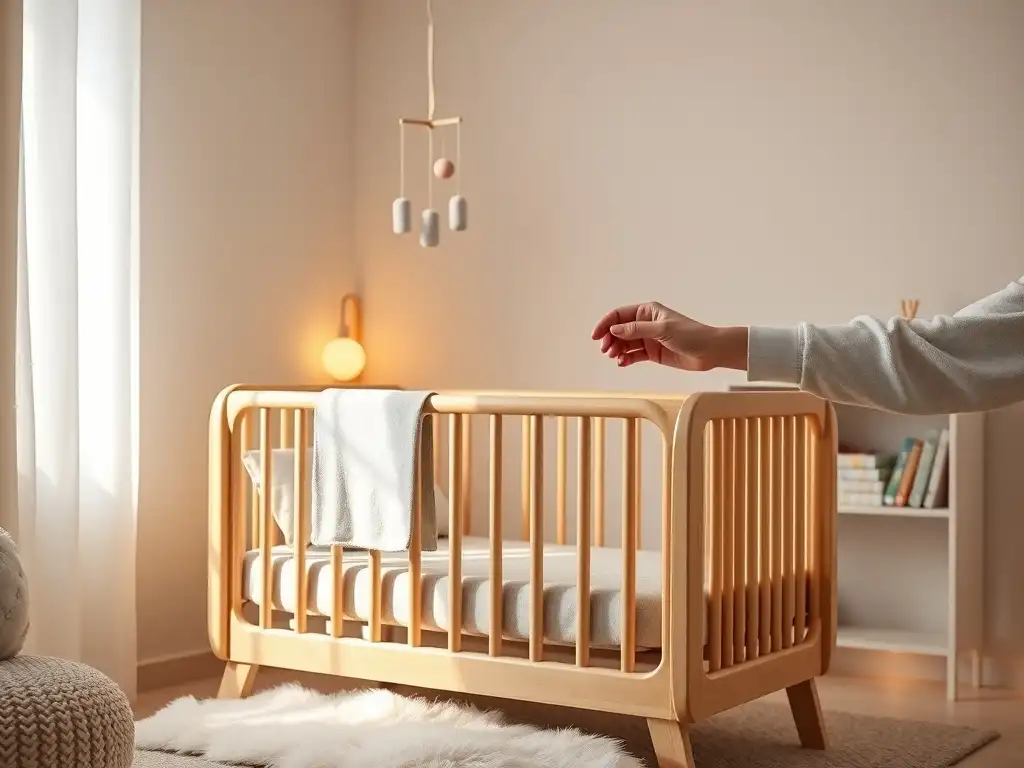
Establishing a consistent and safe sleep routine is crucial for your baby's healthy development and your own well-being. A predictable routine signals to your baby that it's time to wind down, promoting better sleep quality and reducing nighttime wakings. This is especially important for establishing safe baby sleep arrangements, regardless of whether you choose co-sleeping, room-sharing, or a separate room.
Establishing Healthy Sleep Habits from the Start
From the very beginning, aim for consistency. This doesn't mean your baby will sleep through the night immediately – that's a developmental milestone that varies greatly between infants – but a regular routine can significantly improve sleep patterns. Consider these elements for a successful sleep routine:
- Consistent Bedtime and Wake-Up Times: Even on weekends, try to maintain a relatively consistent schedule. This helps regulate your baby's circadian rhythm, the internal clock that governs sleep-wake cycles. A variation of 30 minutes is generally acceptable.
- Quiet and Relaxing Bedtime Ritual: Create a calming pre-sleep routine, perhaps involving a warm bath, a gentle massage, reading a book, or singing a lullaby. Keep the environment dim and quiet to signal the body it's time to rest. Avoid stimulating activities right before bedtime.
- Safe Sleep Environment: This is paramount for safe baby sleep arrangements. The crib or bassinet should be firm and flat, with no loose bedding, bumpers, or toys. The room should be dark, quiet, and at a comfortable temperature (around 68-72°F). Always place your baby on their back to sleep.
- Responding to Cues: Learn to recognize your baby's sleep cues, such as rubbing their eyes, yawning, or becoming fussy. Responding promptly can prevent overtiredness, which can actually make it harder for them to fall asleep.
The importance of a consistent routine cannot be overstated. Many parents find that even subtle changes, like a variation in the bedtime story or the order of the routine, can disrupt their baby's sleep. Maintaining consistency contributes significantly to achieving safe baby sleep arrangements, minimizing the risk of accidental suffocation or other sleep-related incidents. Remember, consistency is key to healthy sleep patterns.
Addressing Common Sleep Problems and Finding Solutions
Even with a well-established routine, sleep problems can arise. Understanding the common challenges and potential solutions is crucial for maintaining safe baby sleep arrangements and promoting healthy sleep habits.
Addressing Common Sleep Problems and Finding Solutions
Several common sleep issues can affect infants, regardless of their sleep arrangement. These include:
- Frequent Night Wakings: Many babies wake frequently during the night, especially in the early months. This is often due to hunger, discomfort, or a need for reassurance. Addressing these underlying needs can help reduce night wakings. Feeding on demand, ensuring a comfortable temperature, and offering gentle reassurance can be effective strategies.
- Difficulty Falling Asleep: Some babies struggle to fall asleep independently, requiring constant rocking or feeding to drift off. Gradually introducing independent sleep skills can improve this. Techniques such as controlled crying (with careful monitoring) or the gradual fading method might be considered, but it's crucial to consult with a pediatrician or sleep consultant before implementing such techniques.
- Short Sleep Cycles: Babies' sleep cycles are shorter than adults', leading to more frequent awakenings. This is a normal part of development. Creating a consistent and calming sleep environment helps minimize disruptions.
- Early Morning Wakings: Babies often wake early in the morning, sometimes long before their usual wake-up time. This can be due to various factors, including light exposure, hunger, or simply the natural progression of their sleep cycles. Blackout curtains and a consistent wake-up time may help.
Remember, seeking professional advice is always recommended when dealing with persistent sleep problems. A pediatrician or certified sleep consultant can provide personalized guidance based on your baby's unique needs and developmental stage. They can help you determine if there are underlying medical issues or if behavioral adjustments are needed to achieve safe and effective baby sleep arrangements. Prioritizing a safe and consistent sleep environment remains paramount for both baby and parents.
Frequently Asked Questions
What is the safest sleep arrangement for my baby?
The American Academy of Pediatrics (AAP) recommends room sharing without bed sharing for at least the first six months, and ideally for the first year, to reduce the risk of Sudden Infant Death Syndrome (SIDS). This means your baby sleeps in their own crib or bassinet in your room.
What is the difference between cosleeping and room sharing?
Cosleeping refers to the baby sleeping in the same bed as the parents. Room sharing means the baby sleeps in their own safe sleep space within the parents' bedroom. Room sharing is generally safer than cosleeping.
Are there any risks associated with cosleeping?
Yes, cosleeping increases the risk of SIDS, suffocation, and accidental injury to the baby. These risks are significantly higher than with room sharing.
When can my baby sleep in their own room?
After the first six months, you can transition your baby to their own room, but always prioritize safe sleep practices such as a firm mattress, fitted sheet, and no loose bedding. Continue room sharing if you feel more comfortable.
What are some safe sleep practices to follow regardless of sleep arrangement?
Always place your baby on their back to sleep on a firm surface, with no loose blankets, pillows, bumpers, or toys. Ensure the room is well-ventilated and at a comfortable temperature. Room sharing significantly reduces SIDS risk even if using safe sleep practices.
Final Reflection: Choosing Wisely: A Parent's Guide to Safe Sleep
The science of safe sleep is not static; it evolves with new research, yet the core principles remain crucial for every parent. Understanding these principles—from minimizing risks of SIDS to fostering healthy sleep habits—is not just about following guidelines; it's about actively participating in your child's healthy development and ensuring their safety.
The journey of choosing the right sleep arrangement for your baby is deeply personal, shaped by cultural norms, individual family dynamics, and the unique needs of your child. It's a decision that carries immense weight, a constant balancing act between safety and practicality. Sleep is the golden chain that ties health and our bodies together.
This quote, though not directly about infant sleep, speaks to the fundamental importance of rest and its impact on overall well-being, a truth that resonates deeply when considering the delicate balance of a newborn's life.
Ultimately, the information presented in this article serves as a guide, not a prescription. There is no one-size-fits-all answer; the "best" arrangement is the one that prioritizes safety while aligning with your family's values and your baby's individual cues. Take the time to carefully consider the information presented, reflect on your own circumstances, and make an informed decision that you feel confident and comfortable with. Your baby's safe and restful sleep is a journey you embark on together, and choosing wisely is the first step towards a healthy and happy future for both of you.
Unlock Your Baby's Best Sleep: A Personalized Approach
Thank you for exploring the science of baby sleep with us! We hope you gained valuable insights to help your little one (and you!) rest easier. Now it's time to put that knowledge into practice.
Here's how you can continue your sleep journey:
- Create a personalized sleep plan: Consider your baby's temperament, your family's lifestyle, and the information we've shared to develop a sleep routine that works best for everyone. Remember, experimentation and adaptation are key!
- Share your experiences: Join our BabyCareHub community and connect with other parents. Share your successes and challenges—we can all learn from each other! Have you discovered a unique solution? We'd love to hear about it!
- Explore additional resources: Learn more about sleep regressions, safe sleep practices, and developmental milestones on our website.
What's one small change you'll make tonight to improve your baby's sleep?