
The Impact of Diet on Baby's Hydration Needs


Welcome to BabyCareHub, your ultimate guide to navigating the incredible journey of parenthood! Are you curious about the subtle yet crucial connection between your baby's diet and their hydration levels? We delve into the fascinating world of Baby hydration diet impact in our latest article, exploring how nutrition directly influences your little one's fluid intake and overall well-being. Discover essential insights and practical tips to ensure your baby thrives – read on to unlock the secrets to healthy hydration!
- Understanding Baby Hydration: The Role of Diet
- Dietary Factors Affecting Baby's Fluid Balance
- Hydration Strategies Based on Baby's Diet
- When to Consult a Pediatrician about Baby Hydration
- Maintaining Optimal Hydration for Healthy Baby Development
-
Frequently Asked Questions
- What is the most important factor in ensuring my baby stays hydrated?
- How does my baby's diet impact their hydration levels?
- My baby seems dehydrated. What should I do?
- At what age should I start giving my baby water besides breast milk or formula?
- What are some foods that help keep my baby hydrated?
- Final Reflection: Nourishing Little Bodies: The Enduring Impact of Diet on Hydration
- Unlock Your Baby's Hydration Potential
Understanding Baby Hydration: The Role of Diet
The journey into parenthood is filled with countless questions, and ensuring your baby's hydration is paramount. This article delves into the crucial relationship between a baby's diet and their hydration needs, offering a comprehensive guide for first-time parents navigating this essential aspect of infant care. Understanding how different dietary components contribute to hydration – from breast milk and formula to the introduction of solid foods – is key to preventing dehydration and ensuring your little one thrives.
We will explore the natural hydration provided by breast milk and formula, the timing of introducing water alongside solid foods, and crucially, the warning signs of dehydration in infants. This information will empower you to make informed decisions about your baby's nutritional intake and overall well-being, contributing to their healthy development and growth.
Successfully navigating baby hydration contributes significantly to your baby's overall health and development, making this topic a vital element of responsible parenting. Remember, always consult your pediatrician for personalized advice tailored to your baby's individual needs.
Breast Milk and Formula: Natural Hydration Sources
Breast milk and formula are expertly designed to provide hydration alongside vital nutrients for newborns and infants. Breast milk, in particular, is a dynamic fluid with a composition that adapts to the baby's changing needs. It's not just about the water content; the electrolytes and other components in breast milk contribute to optimal hydration and electrolyte balance.
Formula, while not a perfect replica of breast milk, is also formulated to provide sufficient hydration, though the specific composition varies between brands. The key takeaway here is that for the first few months, exclusively breastfed or formula-fed babies typically receive adequate hydration from their primary food source. The amount needed will vary depending on factors like the baby's weight, activity level, and the environment (hotter climates might require slightly more frequent feedings).
Monitoring your baby's wet diapers (6-8 per day for breastfed babies, slightly less for formula-fed babies) provides a valuable indicator of sufficient hydration. Remember, always follow your pediatrician's guidance on feeding frequency and amount.
Solid Foods and Hydration: Introducing Water
As your baby progresses to solid foods (typically around 6 months), the need for additional hydration may arise. While breast milk or formula will continue to be a primary source of hydration and nutrition, introducing water becomes increasingly important. The timing of water introduction is crucial.
It's generally recommended to start offering small amounts of water alongside solid foods, especially during warmer months or if your baby seems particularly thirsty. However, it's vital to remember that too much water can be detrimental, potentially leading to electrolyte imbalances. Therefore, it's essential to introduce water gradually and monitor your baby's intake and output carefully.
The amount of water will depend on factors such as the type of solids introduced, the baby's overall intake, and environmental conditions. Always consult your pediatrician for personalized guidance on the appropriate amount of water to offer based on your baby's age, weight, and dietary habits. Introducing water should be a gradual process, and parental observation is key.
Recognizing Dehydration Signs in Infants
Recognizing the signs of dehydration in infants is crucial for timely intervention. While babies cannot verbally express thirst, their bodies provide several telltale signs. These include:
- Sunken eyes: A classic sign of dehydration.
- Dry mouth and tongue: A dry or sticky mouth and tongue indicate fluid deficiency.
- Few or no wet diapers: Significantly fewer wet diapers than usual is a major red flag.
- Lethargy or unusual sleepiness: Dehydrated babies may appear unusually sleepy or lethargic.
- No tears when crying: The absence of tears during crying is a strong indicator of dehydration.
- Sunken fontanelle (soft spot): In infants, a sunken soft spot on the head can signal dehydration.
If you observe any of these symptoms, immediately consult your pediatrician. Dehydration can be dangerous for infants and requires prompt medical attention. Early intervention is crucial for preventing serious complications. Remember, prevention is always better than cure, so maintaining a balanced diet and monitoring your baby's hydration status is key to ensuring their health and well-being. 👶💧
Dietary Factors Affecting Baby's Fluid Balance

This section delves into the intricate relationship between a baby's diet and their hydration needs. Understanding how different dietary components influence fluid balance is crucial for ensuring optimal hydration in infants. We'll examine how breastfeeding frequency, formula composition, and the introduction of solid foods impact a baby's hydration status. Remember, always consult your pediatrician for personalized advice regarding your baby's hydration. Ignoring dehydration signs can be detrimental to your baby's health. The keyword "Baby hydration diet impact" is central to this analysis.
Breastfeeding Frequency and Hydration
Breast milk is the ideal source of hydration for newborns and infants. Its composition, rich in water and electrolytes, naturally supports optimal hydration. However, the frequency of breastfeeding significantly impacts hydration levels. Infants who feed frequently tend to be better hydrated than those with less frequent feedings.
The amount of breast milk consumed directly correlates to fluid intake. A baby who feeds every 2-3 hours will generally receive sufficient fluids. Conversely, less frequent feedings, especially during hot weather or periods of illness, can lead to dehydration. Signs of dehydration in breastfed babies might include fewer wet diapers, sunken eyes, and lethargy. Monitoring diaper output is a key indicator of adequate hydration; a generally healthy baby should have 6-8 wet diapers per day.
It's important to note that even with frequent breastfeeding, some babies might still require supplemental fluids, especially in hot climates or during illness. This should always be done under the guidance of a pediatrician. The baby's overall health and activity level also influence their hydration requirements. An active baby may need more fluids than a less active one, even if breastfeeding frequently.
Formula Feeding and Hydration Levels
Formula-fed babies require a different approach to hydration management. While properly prepared formula provides essential nutrients and hydration, the concentration and type of formula can impact fluid balance. Over-concentrated formula can lead to dehydration, while under-concentrated formula might not provide sufficient calories or hydration. Always adhere strictly to the instructions on the formula packaging regarding water-to-powder ratio.
Furthermore, the type of formula – whether it's milk-based, soy-based, or specialized – can also influence hydration. Some specialized formulas might have different electrolyte compositions that could affect fluid balance. It's crucial to discuss any concerns regarding formula and hydration with your pediatrician, especially if you notice signs of dehydration like dry mouth, decreased urine output, or unusual fussiness. Accurate record keeping of formula intake can aid in monitoring hydration status.
Data on formula-fed babies' hydration needs often varies based on factors such as ambient temperature and the baby's overall health. [Specific data on formula type and hydration needs pending]. Regular monitoring and attention to detail are crucial for preventing dehydration.
The Impact of Solid Food Introduction on Hydration
The introduction of solid foods around 6 months of age adds another layer of complexity to a baby's hydration needs. While solid foods contribute some fluid, they don't replace the primary hydration sources – breast milk or formula. The type of solid food introduced can also play a role. For example, watery foods like pureed fruits and vegetables contribute more to hydration than drier foods like cereals.
However, introducing solid foods can increase the risk of dehydration, especially if the baby isn't consuming adequate breast milk or formula. This is because solid foods can increase the baby's metabolic rate and fluid loss through perspiration and bowel movements. Therefore, it's essential to maintain consistent breastfeeding or formula feeding alongside the introduction of solids to ensure sufficient hydration. Monitoring diaper output remains crucial during this transitional phase.
Moreover, some solid foods can have a mild diuretic effect, further impacting hydration. [Specific examples of foods with diuretic effects and their impact on hydration pending]. Parents should observe their baby closely for any signs of dehydration after introducing new foods and consult their pediatrician if concerned. A balanced approach, combining adequate fluid intake with a diverse range of nutritious solid foods, is key to maintaining optimal hydration during this developmental stage. This holistic approach ensures the baby's overall well-being and proper growth.
Hydration Strategies Based on Baby's Diet
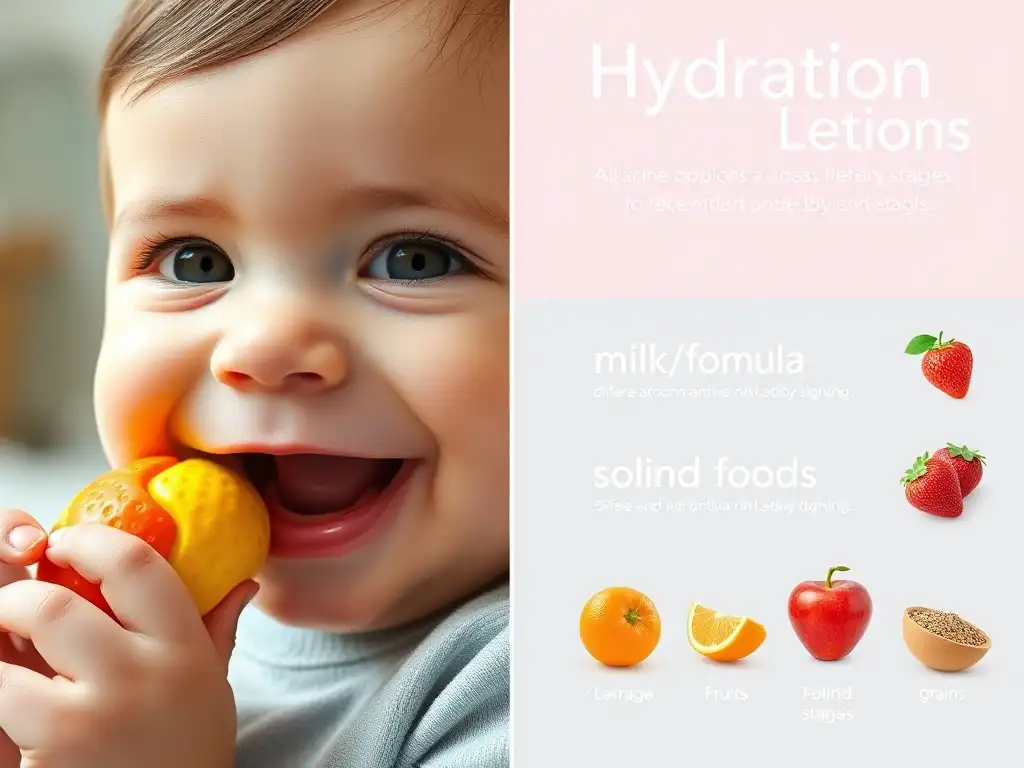
This section delves into the intricate relationship between a baby's diet and their hydration needs. Understanding this connection is crucial for ensuring your little one receives adequate fluids and thrives. The impact of diet on baby hydration is significant, influencing how much additional water (if any) your baby requires beyond their primary source of nutrition.
We'll explore strategies based on whether your baby is breastfed, formula-fed, or consuming solid foods. Remember, always consult your pediatrician for personalized advice tailored to your baby's individual needs and health status. This information is for educational purposes and should not replace professional medical guidance.
Hydration for Breastfed Babies: Monitoring Intake
Breast milk is remarkably efficient at hydrating newborns and infants. It's approximately 87% water and contains essential electrolytes that contribute to optimal hydration. However, monitoring your baby's hydration remains crucial, particularly in warmer climates or during periods of illness. Signs of adequate hydration in breastfed babies include:
- Sufficient wet diapers: A healthy baby will typically produce 6-8 wet diapers per day. Fewer wet diapers can indicate dehydration.
- Moist mucous membranes: Check the inside of your baby's mouth; it should be moist, not dry or sticky.
- Good skin turgor: Gently pinch the skin on your baby's abdomen; it should snap back quickly. Slow return indicates potential dehydration.
- Alertness and activity: A well-hydrated baby is typically alert and active. Lethargy or unusual fussiness could be a sign of dehydration.
While breast milk provides most of the hydration needed, you may observe your baby exhibiting increased thirst during hot weather or illness. In such instances, offering small amounts of water after breastfeeding may be considered, always under the guidance of your pediatrician. The key is to observe your baby closely and respond to their individual cues. Don't force fluids; instead, offer them gently and monitor their response. Remember, overhydration can be just as harmful as dehydration.
Hydration for Formula-Fed Babies: Adjusting Formula Concentration
Formula-fed babies require a slightly different approach to hydration management. While formula provides some hydration, it's not as hydrating as breast milk. The concentration of the formula can directly impact hydration. Using a formula that is too concentrated can lead to dehydration; a formula that is too diluted may not provide sufficient nutrients. Always follow the manufacturer's instructions precisely regarding water-to-powder ratio.
It's crucial to use clean, fresh water when preparing formula to prevent bacterial contamination. Never use tap water without boiling it first, especially if your area has questionable water quality. Signs of dehydration in formula-fed babies mirror those seen in breastfed babies: fewer wet diapers, dry mouth, poor skin turgor, and lethargy. If you suspect dehydration, contact your pediatrician immediately. They may recommend adjusting the formula concentration or offering additional fluids, but this should always be done under their guidance.
| Sign of Dehydration | Severity | Action |
|---|---|---|
| Fewer than 6 wet diapers/day | Mild | Increase fluid intake (water after feedings, under doctor's guidance) |
| Dry mouth and mucous membranes | Moderate | Contact pediatrician immediately |
| Sunken eyes, poor skin turgor | Severe; requires immediate attention | Seek immediate medical attention |
Hydration for Babies on Solid Foods: Offering Water
Once your baby starts solid foods (typically around 6 months), offering water becomes increasingly important. Solid foods alone cannot fully meet a baby's hydration needs. The introduction of solids expands their dietary intake, increasing their need for fluids.
Start by offering small amounts of water between feedings, using a sippy cup or spoon. Don't force your baby to drink; instead, present water as an additional option. The amount of water needed will vary depending on your baby's age, climate, and activity level. Observe your baby's cues for thirst, such as increased fussiness or dry mouth. Again, the signs of dehydration remain the same regardless of the dietary intake: fewer wet diapers, dry mouth, lack of energy, and decreased wetness of mucous membranes.
Remember, water should supplement, not replace, breast milk or formula. As your baby grows and eats more solids, their water intake may increase, but continue monitoring their hydration status carefully. Always consult your pediatrician for personalized recommendations on water intake for your baby. This is especially important during warmer months or if your baby experiences any illness. 👶
When to Consult a Pediatrician about Baby Hydration

This section focuses on identifying situations where seeking professional medical advice regarding your baby's hydration is crucial. Ignoring subtle signs can lead to more serious complications, so understanding when to consult a pediatrician is paramount for maintaining your baby's health and well-being. The impact of diet on a baby's hydration status is complex, and a pediatrician can offer personalized guidance based on your baby's individual needs and developmental stage.
Signs of Dehydration Requiring Medical Attention
Recognizing the signs of dehydration in babies is vital. While some mild dehydration might resolve with increased fluid intake, severe dehydration necessitates immediate medical attention. These are some key indicators that warrant a call to your pediatrician or a visit to the emergency room:
- Sunken Fontanelle: The soft spot on your baby's head appears sunken or depressed. This is a significant sign of dehydration.
- Dry Mouth and Tongue: A persistently dry mouth and sticky tongue indicate insufficient fluid intake.
- Few or No Wet Diapers: A significant decrease in the number of wet diapers, especially for younger babies, is a strong indicator of dehydration. The frequency varies based on age and diet, but a noticeable drop should be concerning.
- Lethargy and Irritability: Unusual fussiness, lethargy, or excessive sleepiness can be signs of dehydration. Babies usually become less responsive and harder to soothe.
- Sunken Eyes: Eyes that appear unusually sunken into the sockets are a serious warning sign.
- No Tears When Crying: A baby who doesn't produce tears while crying is severely dehydrated.
- Rapid Breathing or Heart Rate: An increased respiratory rate or heart rate can accompany dehydration as the body struggles to compensate.
- Cool, Clammy Skin: This indicates the body is trying to regulate its temperature, often a sign of dehydration.
Remember, early intervention is key. Don't hesitate to contact your pediatrician if you observe any of these symptoms, even if they seem mild. The severity of dehydration can escalate rapidly in infants. Early intervention can prevent serious health complications. Prompt action can make a significant difference in your baby's health.
Dietary Changes and Hydration Concerns
Changes in your baby's diet can significantly influence their hydration needs. Introducing solids, switching from breast milk or formula, or experiencing dietary upsets can all affect fluid balance. Understanding these connections is crucial for preventing dehydration.
- Introducing Solids: When you begin introducing solid foods, you might notice changes in your baby's bowel movements and urine output. While this is normal to a degree, monitor your baby closely for signs of dehydration. The introduction of solids doesn't replace the need for breast milk or formula, especially in the early stages.
- Switching Formulas: Changing formulas can sometimes lead to temporary digestive upset, potentially affecting hydration. Observe your baby closely during the transition period and consult your pediatrician if you notice any concerns.
- Dietary Upsets (Diarrhea, Vomiting): Diarrhea and vomiting can lead to rapid fluid loss. These conditions necessitate increased fluid intake and potentially medical intervention to prevent severe dehydration. Monitor fluid intake very carefully and contact your pediatrician if vomiting or diarrhea persists. The impact of these dietary upsets on hydration can be severe, necessitating prompt attention.
- Seasonal Variations: During hot weather, babies may require additional fluids to compensate for increased perspiration. Similarly, illness can increase fluid needs. Adjust your baby's fluid intake accordingly, always ensuring they get enough.
Careful monitoring of your baby's hydration status, combined with a keen awareness of the potential impact of dietary changes, is vital for maintaining their health. Remember, consulting your pediatrician is not an overreaction; it's a proactive step towards ensuring your baby thrives. Always prioritize your baby's well-being and seek professional advice when needed. 👶
Maintaining Optimal Hydration for Healthy Baby Development
Maintaining adequate hydration is crucial for a baby's overall health and development. A baby's body, being mostly water, is particularly susceptible to dehydration. Even mild dehydration can lead to significant discomfort and potentially impact various bodily functions. Understanding the interplay between a baby's diet and hydration needs is paramount for parents.
This section delves into the specific nutritional aspects that contribute to – or detract from – proper hydration. We'll explore how different dietary components affect fluid balance and discuss strategies to ensure your little one stays optimally hydrated. The keyword, "baby hydration diet impact," is central to this discussion, highlighting the direct relationship between nutrition and hydration status.
The Importance of Balanced Hydration for Growth
A baby's rapid growth necessitates a consistent supply of fluids. Water is essential for transporting nutrients to cells, flushing out waste products, and regulating body temperature. Dehydration, even in its early stages, can hinder growth by slowing down metabolic processes. This can manifest in decreased energy levels, irritability, and potentially even slower weight gain.
Breast milk and formula, while providing essential nutrients, are not solely water; they contain various components that contribute to hydration but also influence water retention and excretion. For example, the solute concentration in formula can affect how efficiently the body absorbs water. Insufficient fluid intake alongside a diet lacking sufficient water content can exacerbate this issue.
Monitoring your baby's urine output (frequency and color) serves as an excellent indicator of hydration levels. Pale yellow urine generally indicates good hydration, while dark yellow or strong-smelling urine suggests dehydration. Remember, a balanced diet rich in hydrating foods plays a supporting role in maintaining optimal hydration.
Long-Term Impacts of Proper Hydration on Health
The effects of adequate hydration extend far beyond infancy. Proper hydration during the early stages of life lays the foundation for long-term health. Studies suggest a correlation between proper hydration in infancy and a reduced risk of certain health problems later in life.
While definitive conclusions require further research, the positive impact of hydration on kidney function, digestive health, and overall immune system development is well-documented. Chronic dehydration in infants can negatively impact kidney function, increasing the risk of urinary tract infections (UTIs) and other kidney-related issues. Moreover, adequate hydration aids in efficient digestion and nutrient absorption, promoting healthy growth and development.
A well-hydrated infant is better equipped to fight off infections, as the immune system relies on sufficient fluid to function effectively. Therefore, ensuring sufficient fluid intake throughout infancy contributes significantly to the long-term health and well-being of your child, underscoring the significance of the "baby hydration diet impact" on their future. The impact of diet on a baby's hydration needs is therefore not just a short-term concern but a crucial aspect of their lifelong health.
Frequently Asked Questions
What is the most important factor in ensuring my baby stays hydrated?
The most important factor is a balanced diet. Breast milk or formula provides sufficient hydration for most babies under six months. After that, introducing water alongside a varied diet is key.
How does my baby's diet impact their hydration levels?
A diet rich in water-rich foods like fruits and vegetables contributes significantly to hydration. Conversely, a diet lacking these foods, or one high in sugary drinks, can lead to dehydration.
My baby seems dehydrated. What should I do?
If you suspect dehydration, consult your pediatrician immediately. Signs include dry mouth, decreased urination, and lethargy. Do not attempt home remedies without professional advice.
At what age should I start giving my baby water besides breast milk or formula?
Most pediatricians recommend introducing water around six months of age, alongside other foods. Always consult your doctor to determine the best time for your baby.
What are some foods that help keep my baby hydrated?
Excellent choices include watermelon, cucumbers, and bananas. These fruits and vegetables are naturally high in water content and contribute to overall hydration.
Final Reflection: Nourishing Little Bodies: The Enduring Impact of Diet on Hydration
The delicate balance between a baby's diet and hydration needs is not merely a scientific fact; it's a cornerstone of healthy development, impacting their growth, immunity, and overall well-being from the very first days of life. Understanding this intricate relationship is crucial for parents and caregivers, ensuring that every feeding contributes to optimal hydration and a thriving infant. This knowledge empowers us to make informed choices that directly affect a child's future health.
The influence of diet on a baby's hydration extends far beyond simply preventing dehydration; it shapes their long-term health trajectory. It's a continuous conversation between what we feed our little ones and how their bodies respond, a delicate dance of nutrients and fluids. This understanding has profoundly impacted my own approach to parenting, reminding me of the crucial role I play in nurturing my child's health. The foundation of good health is laid in the first years of life.
This quote resonates deeply, highlighting the lasting impact of our choices during this critical period.
You, as a parent or caregiver, now hold the power to actively shape a baby's hydration journey. Consider the composition of your baby's diet, the balance of fluids, and the subtle signs of dehydration. By actively engaging with this knowledge, you are not just providing sustenance; you are investing in a future filled with vitality and well-being for your little one. Let this understanding guide your choices, empowering you to nurture a healthy and thriving child.
Unlock Your Baby's Hydration Potential
Thanks for learning about the vital connection between diet and your baby's hydration! You've gained valuable insights to help your little one thrive. Ready to put this knowledge into action?
- Adjust fluid intake based on your baby's feeding: The amount of fluid your baby needs depends on whether they are breastfeeding, formula-fed, or eating solid foods. Careful monitoring is key to managing their hydration effectively.
- Monitor your baby's hydration levels: Pay close attention to the number of wet diapers and your baby's overall energy levels. Early detection of any potential problems is crucial.
- Share your experiences: Connect with other parents in our community forum to share your experiences and learn from one another!
What simple steps will you take today to ensure your baby stays well-hydrated?