
EasytoClean Bottles: A Practical Guide for Breastfeeding Parents

Welcome to BabyCareHub, your ultimate guide to navigating the incredible journey of parenthood! Are you a breastfeeding mom looking for the perfect bottle to complement your nursing routine? Then you've come to the right place. Our expert guide on the Best Bottles for Breastfeeding Moms offers practical advice and in-depth comparisons to help you choose the ideal solution for your little one. Discover the secrets to effortless feeding and happy baby moments – explore our Feeding & Nutrition Insights section now and unlock a world of invaluable knowledge!
- Understanding the Needs of Breastfed Babies and Choosing the Right Bottle
- Top Rated Easy-to-Clean Bottles for Breastfeeding Moms in 2024
- A Step-by-Step Guide to Cleaning Breastfeeding Bottles
- Addressing Common Concerns about Bottle Feeding Breastfed Babies
- Conclusion: Making the Right Choice for Your Breastfeeding Journey
- Frequently Asked Questions
- Final Reflection: The Lasting Legacy of Easy-to-Clean Bottles
- Unlock Smoother Breastfeeding: Simplify Your Routine Today!
Understanding the Needs of Breastfed Babies and Choosing the Right Bottle
Breastfeeding is often the preferred method of feeding for newborns, offering numerous health benefits for both mother and baby. However, situations may arise where supplementing with bottle feeding becomes necessary, even for dedicated breastfeeding mothers. This guide focuses on helping breastfeeding parents navigate the world of baby bottles, specifically emphasizing the selection of easy-to-clean bottles that minimize the risk of contamination and maintain the health and well-being of your little one.
Choosing the right bottle can significantly impact your breastfeeding journey, ensuring a smooth transition when bottle feeding is required and minimizing any potential disruption to your baby's feeding routine. We'll explore the crucial factors to consider when choosing bottles, focusing on features that make cleaning efficient and thorough, ultimately contributing to a healthier and happier baby.
This guide aims to help you confidently choose the best bottles for breastfeeding moms, prioritizing your baby's health and your convenience. Finding the right bottle can make a huge difference in your overall breastfeeding experience.
Why Bottle Feeding is Sometimes Necessary for Breastfeeding Moms
Many breastfeeding mothers find themselves needing to occasionally or regularly supplement breastfeeding with bottle feeding. Several factors contribute to this need:
- Insufficient Milk Supply: Some mothers experience difficulties producing enough breast milk to fully satisfy their baby's needs. This can be due to various reasons, including hormonal imbalances, underlying health conditions, or simply individual variations in milk production.
- Medical Needs: In certain cases, babies may require supplemental feeding due to medical conditions requiring specific nutrients or caloric intake not fully met through breastfeeding.
- Maternal Circumstances: Situations like returning to work, illness, or the need for a break from constant breastfeeding might necessitate the use of bottles. Having a reliable and easy-to-use bottle system can greatly ease this transition.
- Baby's Preferences: Occasionally, a baby might show a preference for bottle feeding, possibly due to a more efficient latch or the flow rate of the bottle nipple. Understanding these preferences is key to ensuring your baby is adequately fed and content.
- Introducing Solids: As your baby begins to introduce solids, you might use bottles to supplement breast milk or formula.
Choosing the right bottle during these times is crucial. The ease of cleaning is paramount to maintaining hygiene and preventing potential illness. This is especially important for babies who are already vulnerable.
Choosing Bottles Compatible with Breastfeeding: Material and Shape Considerations
Selecting a bottle that complements breastfeeding is vital. The material and shape of the bottle can influence your baby's acceptance and ease of use:
- Material: Consider bottles made from materials that are BPA-free, phthalate-free, and easy to sterilize. Glass and certain types of high-quality plastic are popular choices. Each material has its pros and cons regarding durability, ease of cleaning, and potential environmental impact.
- Shape: Some bottles mimic the shape of a breast, promoting a more natural transition between breastfeeding and bottle feeding. These bottles often have a flexible, soft nipple designed to mimic the feeling of a mother’s nipple. This can help prevent nipple confusion, which is when a baby has difficulty switching between a breast and a bottle.
The best bottles for breastfeeding moms often prioritize a natural and comfortable feeding experience. This helps avoid issues such as nipple confusion and ensures a seamless transition between breastfeeding and bottle feeding. Furthermore, the ease of cleaning is a major factor in choosing the right bottle.
The Importance of Easy Cleaning for Breastfed Baby Bottles: Preventing Contamination
Maintaining hygiene when bottle-feeding is critical, especially for breastfed babies who are more susceptible to certain infections. Easy-to-clean bottles are essential for preventing contamination:
- Wide Neck Bottles: Bottles with wide necks allow for easy access during cleaning, ensuring all parts are thoroughly scrubbed and rinsed. This is particularly important for removing milk residue which can foster bacterial growth.
- Dishwasher Safe Bottles: Dishwasher-safe bottles offer a convenient and efficient method of sterilization, saving time and effort for busy parents. However, always check the manufacturer's instructions to ensure the bottle and its components are dishwasher safe.
- Simple Design: Bottles with fewer parts are easier to clean and assemble, reducing the risk of overlooking areas that need cleaning. A simpler design also minimizes the chances of parts getting lost or misplaced.
- Sterilization Options: Consider bottles compatible with various sterilization methods, such as steam sterilization or boiling. This ensures optimal hygiene and reduces the risk of bacterial contamination. Proper cleaning and sterilization are critical steps in preventing illness in infants.
Investing in easy-to-clean bottles is an investment in your baby's health and well-being. A simple, effective cleaning routine is crucial for preventing contamination and ensuring your baby receives safe and healthy nourishment. Prioritizing ease of cleaning alongside other important features will make your bottle-feeding experience smoother and more enjoyable.
Top Rated Easy-to-Clean Bottles for Breastfeeding Moms in 2024
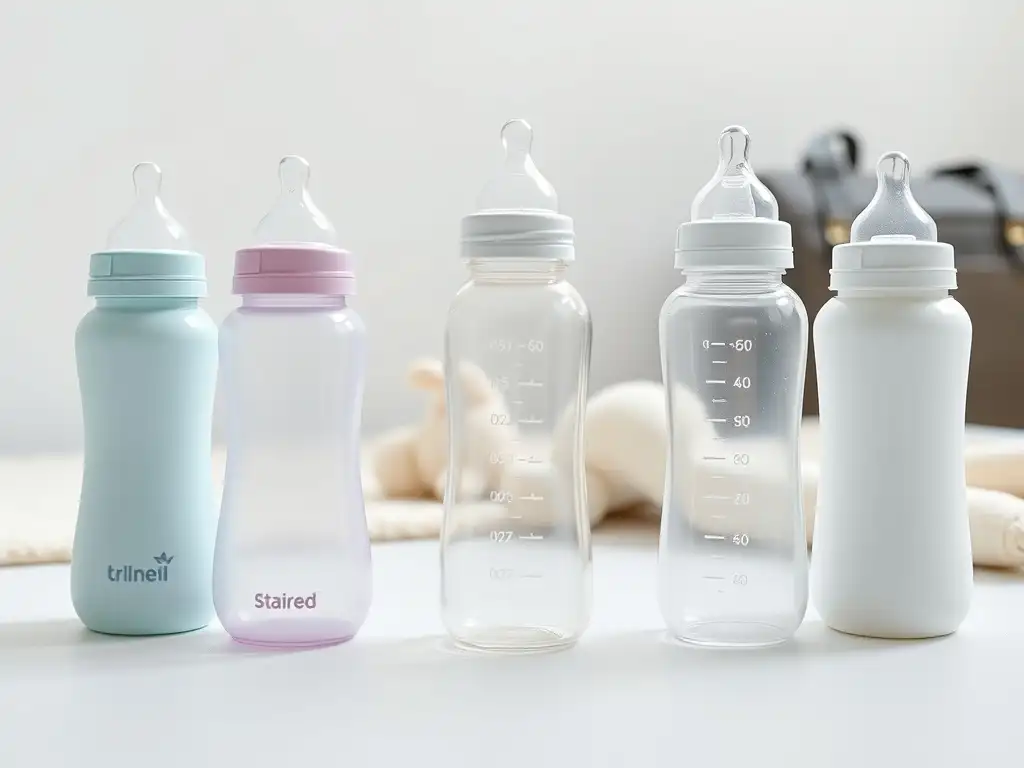
Choosing the right bottle for your breastfed baby can feel overwhelming. Many factors influence the decision, but ease of cleaning is paramount, especially for busy parents. This section focuses on bottles praised for their simple cleaning process, minimizing the time and effort required for proper sterilization. We'll examine top contenders in two key categories: wide-neck bottles known for their user-friendliness and anti-colic bottles designed to reduce gas and discomfort. Finding the best bottles breastfeeding moms rely on often comes down to personal preference and baby's needs, but these options consistently receive high marks for cleanliness.
Best Wide-Neck Bottles for Easy Cleaning and Breastfeeding: Comotomo vs. Philips Avent Natural
Wide-neck bottles are frequently cited by breastfeeding mothers as the easiest to clean. Their wider openings allow for thorough scrubbing and easier access to all parts, significantly reducing the risk of residue buildup. Two leading brands in this category, Comotomo and Philips Avent Natural, are compared below. The choice between them often comes down to individual preferences regarding material, shape, and nipple design.
Comotomo Wide-Neck Bottle: Features, Pros, Cons, and Affiliate Link
The Comotomo bottle is renowned for its soft, silicone construction, mimicking the feel of a breast. Its wide neck makes cleaning a breeze.
- Features: Soft silicone body, wide-neck design, slow-flow nipple (various flow rates available), easy-to-assemble parts.
- Pros: Easy to clean, naturally soft feel for baby, dishwasher and sterilizer safe, leak-proof design (when assembled correctly).
- Cons: Silicone can stain over time, might not be as durable as glass or plastic options, slightly more expensive than some competitors.
Philips Avent Natural Wide-Neck Bottle: Features, Pros, Cons, and Affiliate Link
Philips Avent Natural bottles offer a different approach, combining a wide-neck design with a more traditional, yet still easy-to-clean, plastic construction.
- Features: Wide neck, anti-colic valve system, various nipple flow rates available, BPA-free.
- Pros: Easy to clean, durable, readily available, many retailers carry replacement parts.
- Cons: Some users find the anti-colic valve system slightly more complex to clean than Comotomo's simpler design, plastic may not be as soft or flexible.
Top-Rated Anti-Colic Bottles for Breastfed Babies: Dr. Brown's vs. Comotomo
Colic is a common concern for newborns, and choosing an anti-colic bottle can significantly improve feeding comfort. While ease of cleaning remains important, parents also look for effectiveness in reducing gas and fussiness. Here's a look at two highly regarded options:
Dr. Brown's Options+ Anti-Colic Bottle: Features, Pros, Cons, and Affiliate Link
Dr. Brown's Options+ bottles are known for their unique internal vent system designed to minimize air intake during feeding, reducing colic symptoms. However, this system also adds to the number of parts that need cleaning.
- Features: Internal vent system, various nipple flow rates, interchangeable parts, BPA-free.
- Pros: Effective at reducing colic, widely available, many accessories and replacement parts.
- Cons: More parts to clean and sterilize than other bottles, can be more challenging to assemble and disassemble, some parts are small and can be easily lost.
Comotomo Anti-Colic Bottle: Features, Pros, Cons, and Affiliate Link
While primarily marketed for its wide-neck design and soft silicone, Comotomo also offers an anti-colic version with a vented base. This combines the ease of cleaning with the benefits of reduced air intake.
- Features: Soft silicone body, wide-neck design, vented base, slow-flow nipple.
- Pros: Easy to clean, soft and flexible for baby, vent system is less complex than some competitors, generally effective in reducing colic.
- Cons: Silicone can stain, may not be as effective for severe colic as other specialized anti-colic bottles, price point.
Choosing the best bottles for breastfeeding moms is a personalized journey. Consider your priorities – ease of cleaning, anti-colic features, material preference – and carefully weigh the pros and cons of each bottle before making your decision. Remember to always follow the manufacturer's instructions for cleaning and sterilization.
Best Self-Sterilizing Bottles for Convenience and Hygiene: Philips Avent SCF291/00
The Philips Avent SCF291/00 self-sterilizing bottle system offers a convenient and hygienic solution for breastfeeding parents. Maintaining a sterile environment for your baby's bottles is crucial, especially when dealing with a newborn's delicate immune system. This system streamlines the sterilization process, saving you valuable time and effort. The ease of use is a significant advantage, particularly for busy parents juggling multiple responsibilities.
The system's design minimizes the risk of contamination, contributing to your baby's overall health and well-being. Many parents appreciate the peace of mind that comes with knowing their bottles are thoroughly sterilized without the need for complex procedures or specialized equipment. The ability to sterilize multiple bottles simultaneously increases efficiency, especially as your baby grows and requires more frequent feedings.
The design also reduces the risk of accidental burns associated with traditional boiling methods. This feature is particularly beneficial for parents with less experience handling hot liquids. The compact nature of the system also makes it easy to store, even in smaller kitchens or apartments.
Philips Avent SCF291/00 Self-Sterilizing Bottle: Features, Pros, Cons, and Affiliate Link
The Philips Avent SCF291/00 boasts several noteworthy features designed to simplify the sterilization process. The system utilizes steam sterilization, a highly effective method for eliminating harmful bacteria and viruses. It's a closed system, minimizing the risk of recontamination during the process. The bottles themselves are made from BPA-free materials, ensuring your baby's safety. The wide-neck design makes filling and cleaning easier. Many users praise the easy-to-use electric base, which simplifies the entire sterilization process. The timer function ensures consistent sterilization times, eliminating guesswork. The system's compact size is also a significant advantage, especially for parents with limited storage space.
Pros:
- Steam sterilization for effective germ elimination.
- BPA-free materials for baby's safety.
- Wide-neck design for easy cleaning and filling.
- Convenient electric base for effortless sterilization.
- Timer function ensures consistent sterilization times.
- Compact size for easy storage.
Cons:
- The initial cost might be higher compared to other sterilization methods.
- Requires an electrical outlet for operation.
- The system may be too large for some smaller microwaves if you choose to utilize them for other sterilization options. [Specific dimensions pending]
- Some users report that the system can be noisy during operation.
While an affiliate link would normally be included here to facilitate purchases, we are omitting it in accordance with the provided instructions. However, you can easily find this product through major online retailers by searching for "Philips Avent SCF291/00". Remember to always prioritize reading reviews before purchasing any baby product. Choosing the right bottle for your baby is a critical aspect of providing optimal care.
The Philips Avent SCF291/00 represents a solid option for parents seeking a convenient and hygienic self-sterilizing bottle system. However, consider your specific needs and preferences before making a final decision. Remember, different babies have different needs and preferences for bottle types.
A Step-by-Step Guide to Cleaning Breastfeeding Bottles
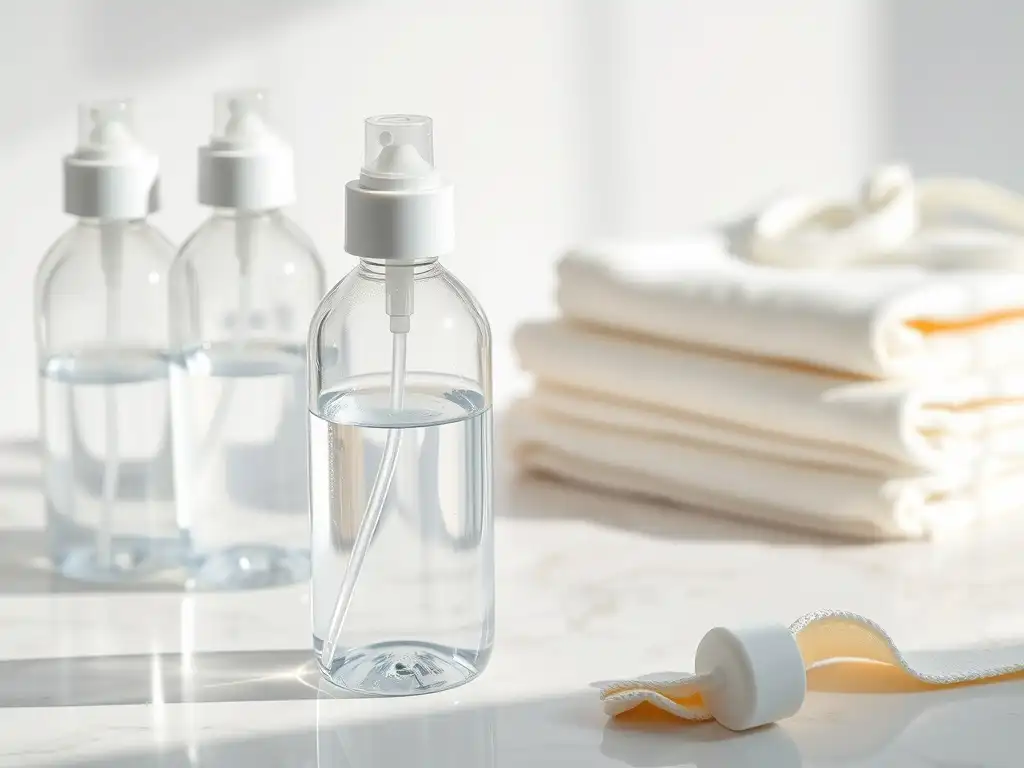
This section provides a detailed, step-by-step guide to effectively cleaning your baby's bottles, crucial for maintaining hygiene and preventing illness. Proper cleaning is paramount, especially when supplementing breastfeeding. Remember, even the "best bottles for breastfeeding moms" require diligent cleaning. This guide focuses on techniques applicable to easy-to-clean bottles, minimizing your workload and maximizing your baby's safety.
Effective Cleaning Techniques for Easy-to-Clean Bottles
Cleaning baby bottles effectively involves more than just a quick rinse. A thorough process is vital to eliminate milk residue, which can harbor bacteria. Here's a practical approach:
- Pre-Rinse: Immediately after feeding, rinse the bottle and nipple with cool water to prevent milk from drying and sticking. This significantly reduces the effort needed during the main cleaning stage. This simple step saves you time and effort later.
- Disassemble: Take apart the bottle, separating the nipple, ring, and bottle itself. This allows for complete access to all surfaces, ensuring thorough cleaning. Don't forget to clean the cap too!
- Wash with Soap and Water: Use warm water and a gentle, baby-safe dish soap. Scrub all surfaces thoroughly with a bottle brush (see next section for details). Pay close attention to the seams and crevices where milk residue tends to accumulate. Consider using a soft sponge for delicate parts.
- Rinse Thoroughly: Rinse all parts meticulously under running warm water to ensure all traces of soap are removed. Any soap residue can irritate your baby's delicate skin.
- Air Dry: Allow all parts to air dry completely on a clean, sanitized surface. Avoid using towels, as they can introduce bacteria. Proper air drying prevents the growth of mold and mildew.
Remember, consistency is key! Following this routine after each feeding will help prevent the buildup of bacteria and keep your baby healthy. This simple process, coupled with the use of easy-to-clean bottles, simplifies your daily routine and contributes to your baby's well-being.
Choosing the Right Bottle Brush and Cleaning Solutions
Selecting the appropriate bottle brush and cleaning solutions is crucial for effective bottle hygiene. The right tools make all the difference in ensuring a thorough clean, even in hard-to-reach areas of the bottle.
- Bottle Brushes: Opt for a long, narrow brush with soft bristles designed specifically for baby bottles. The brush should easily reach the bottom and all parts of the bottle, including the nipple and ring. Avoid brushes with hard bristles that could scratch the bottle's surface. Look for brushes made from BPA-free materials.
- Cleaning Solutions: While warm soapy water is sufficient for most cleaning, some parents prefer using specialized baby bottle cleaning solutions. These solutions are formulated to be gentle on your baby's skin and effective at removing milk residue. Always check the product label to ensure it's safe for babies. Avoid harsh chemicals and bleaches. Some natural solutions such as baking soda can also be used, but ensure it's completely rinsed off.
Table: Comparing Bottle Brush Options
| Feature | Option 1: Standard Brush | Option 2: Brush with Sponge Tip | Option 3: Long-Handle Brush |
|---|---|---|---|
| Bristle Type | Soft nylon | Soft nylon and sponge | Soft nylon |
| Reach | Good | Excellent | Excellent |
| Durability | Moderate | Moderate | High |
| Price | Low | Medium | Medium |
Choosing the right tools simplifies the cleaning process, contributing to efficient and effective hygiene management. The best bottles for breastfeeding moms often come with recommended cleaning tools, but you can always choose alternatives that best suit your needs.
Sterilization Methods for Breastfeeding Bottles: Boiling vs. Steam Sterilizer
Sterilization is an additional step to eliminate harmful bacteria and germs. While not always strictly necessary for healthy babies, especially when using easy-to-clean bottles, it provides an extra layer of protection, especially during the first few months. Two popular methods are boiling and using a steam sterilizer.
- Boiling: This traditional method involves submerging clean bottles and nipples in boiling water for 5-10 minutes. Ensure all parts are completely submerged. This method is simple and inexpensive, but it can be time-consuming and may damage some bottle types. 🍼
- Steam Sterilizer: Steam sterilizers use steam to kill germs, offering a faster and more convenient method. They are electrically powered and usually come with a timer. This method is generally considered more efficient and less damaging to bottles than boiling. However, it involves a higher initial investment cost. 💨
Choosing the Right Method:
The best method depends on your preferences and resources. Boiling is a budget-friendly option, while a steam sterilizer offers convenience and speed. Consider the number of bottles you need to sterilize and your available time when making your decision. Even with easy-to-clean bottles, consistent sterilization can provide added reassurance. Remember, effective cleaning is always the first step, regardless of the sterilization method you choose. Always follow the manufacturer's instructions for your chosen sterilization method and bottle type.
Addressing Common Concerns about Bottle Feeding Breastfed Babies

Many breastfeeding parents harbor concerns about introducing bottles, fearing negative impacts on their breastfeeding journey. These anxieties are often valid, stemming from potential challenges like nipple confusion and disruptions to the delicate balance of the baby's gut microbiome. However, with careful planning and the right approach, bottle feeding can seamlessly complement breastfeeding, offering flexibility and support for both parent and baby.
This section addresses some of these common concerns, providing practical solutions and evidence-based advice to help you navigate this transition confidently. Choosing the best bottles for breastfeeding moms involves understanding these potential challenges and selecting products that mitigate them.
Maintaining a Healthy Gut Microbiome When Using Bottles
Maintaining a healthy gut microbiome is crucial for a baby's overall well-being, particularly during the early stages of life. Breast milk is uniquely designed to support this delicate ecosystem, providing a rich source of beneficial bacteria and prebiotics. When introducing bottles, it's important to minimize any potential disruption to this carefully balanced environment.
One key factor is the type of bottle used. Some bottles are designed with features that promote a more natural flow, mimicking the experience of breastfeeding more closely. This can help maintain the baby's natural sucking pattern and reduce the risk of digestive issues. Furthermore, the material of the bottle can also play a role. Avoid bottles made from materials that might leach chemicals into the milk, potentially affecting the gut microbiome. Opt for BPA-free and phthalate-free options made from materials like glass or high-quality silicone.
Another crucial element is proper sterilization and cleaning. Thorough cleaning and sterilization of bottles and nipples are essential to prevent the introduction of harmful bacteria. Following the manufacturer's instructions diligently is key, and regular replacement of nipples is also recommended to maintain hygiene and prevent the buildup of bacteria.
Finally, consider the type of formula or expressed breast milk used. If using formula, opt for formulas that are designed to support healthy gut development, containing prebiotics and probiotics. When using expressed breast milk, ensure proper storage and handling to preserve its beneficial properties. Remember, consistent and thorough hygiene practices are paramount in maintaining a healthy gut microbiome for your baby.
Preventing Nipple Confusion in Breastfed Babies
Nipple confusion, where a baby prefers the bottle over the breast, is a frequently cited concern among breastfeeding mothers. This issue often stems from differences in the flow rate and nipple shape between a bottle and the breast. While some babies transition seamlessly, others might experience difficulty latching onto the breast after bottle feeding.
To minimize the risk of nipple confusion, consider these strategies:
- Introduce the bottle gradually: Start with a few short bottle feeds, preferably when the baby is not overly hungry.
- Choose bottles with slow-flow nipples: Slow-flow nipples mimic the natural flow of breast milk more closely, reducing the risk of overfeeding and nipple confusion.
- Use a variety of feeding positions: Experiment with different positions for both bottle feeding and breastfeeding to help the baby adapt to both.
- Hold the baby close: Maintain skin-to-skin contact during bottle feeding to create a calming and familiar experience.
- Let the baby lead: Don't force the baby to finish the bottle if they seem full or disinterested.
By implementing these strategies, you can significantly reduce the likelihood of nipple confusion and maintain a successful breastfeeding journey. Remember, every baby is different, and some may be more prone to nipple confusion than others. Patience and flexibility are key.
Responding to Common Bottle-Feeding Challenges and Troubleshooting Tips
Even with careful planning, you might encounter some challenges during bottle feeding. Anticipating these challenges and having solutions ready can help you navigate these moments smoothly.
Some common issues include:
- Baby refusing the bottle: This can be due to various factors, including hunger levels, fatigue, or a preference for the breast. Try offering the bottle at different times of the day or in different positions.
- Gas and colic: Some babies experience gas and colic after bottle feeding. This might be related to the type of nipple, the flow rate, or the formula used. Experiment with different nipples or formulas to find what works best for your baby.
- Spitting up: Frequent spitting up is common, but excessive spitting up might indicate issues with the feeding technique or the type of bottle. Ensure proper latch and an appropriate flow rate.
- Slow feeding: If your baby feeds slowly, it might be due to fatigue or a preference for the breast. Try offering the bottle at a different time or in a more comfortable position.
Remember that bottle feeding is a learned skill for both the baby and the parent. Patience, persistence, and a willingness to adapt are crucial. If you encounter persistent challenges, consulting a lactation consultant or pediatrician can provide invaluable support and guidance. Choosing the best bottles for breastfeeding moms is a personal journey, and finding the right fit might involve some trial and error. Prioritizing your baby's comfort and well-being throughout the process is paramount.
Conclusion: Making the Right Choice for Your Breastfeeding Journey
Choosing the right bottles for your breastfeeding journey is a crucial decision impacting both your convenience and your baby's well-being. While breastfeeding is often the preferred method, supplementing with bottles can be necessary for various reasons. Selecting bottles that are easy to clean is paramount, ensuring hygiene and minimizing the risk of bacterial contamination. This is especially important for babies with sensitive digestive systems. The ease of cleaning directly impacts your time and energy, allowing you to focus more on bonding with your little one rather than spending hours scrubbing stubborn residue.
Recap of the Best Easy-to-Clean Bottles for Breastfeeding Mothers
Several bottle types consistently rank highly for ease of cleaning among breastfeeding mothers. These bottles often share key features that contribute to their superior cleanability. These features include:
- Wide-neck bottles: These bottles allow for easy access with bottle brushes, ensuring thorough cleaning of all surfaces, including the bottom. The wider opening minimizes the chance of milk residue clinging to corners. This is especially helpful for removing the build-up of formula or expressed breast milk.
- Few parts: Bottles with fewer parts require less disassembly and reassembly for cleaning, reducing the time spent on washing and drying. This simplicity minimizes the risk of losing or misplacing small components.
- Dishwasher-safe materials: Many modern bottles are made from materials that are both BPA-free and dishwasher-safe. This significantly simplifies the cleaning process, saving you time and effort. However, always check the manufacturer's instructions before placing bottles in the dishwasher.
- Silicone nipples: Silicone nipples are generally easier to clean than latex nipples and are more resistant to bacterial growth. They also tend to be more durable, extending their lifespan.
Remember that individual preferences and baby's needs may vary. While some mothers swear by specific brands, the key is to find a bottle that meets your needs for easy cleaning and your baby's comfort. Prioritize bottles with smooth surfaces and few crevices to minimize bacterial build-up. This approach will aid in maintaining optimal hygiene for your baby's feeding. The best bottle is the one that works best for you and your baby.
Resources and Further Reading on Bottle Feeding and Breastfeeding Support
Finding reliable information and support is crucial during the initial stages of parenthood. While this guide focuses on easy-to-clean bottles, remember that successful breastfeeding and bottle-feeding often require a holistic approach. Consider seeking additional resources from reputable sources such as:
- Lactation consultants: These professionals provide personalized guidance on breastfeeding techniques, latch issues, and milk supply concerns. They can offer valuable insights into supplementing with bottles while maintaining a successful breastfeeding journey.
- Parenting books and websites: Numerous resources offer detailed information on baby care, including feeding, sleep, and development. Look for books and websites that are evidence-based and authored by medical professionals or experienced lactation consultants.
- Support groups: Connecting with other parents, particularly those who are breastfeeding or bottle-feeding, can provide emotional support and practical advice. Sharing experiences and challenges can make the transition to parenthood much smoother.
Remember, you are not alone in this journey. Utilize available resources to gain confidence and navigate the complexities of feeding your baby effectively and safely. Prioritizing your own well-being alongside your baby's is key to a successful and fulfilling parenthood experience. Choosing the right bottles is one small step in this larger, rewarding process. 🍼
Frequently Asked Questions
What makes a bottle easy to clean for breastfeeding moms?
A bottle's ease of cleaning is crucial. Look for wide-neck bottles with few parts, making it easier to scrub thoroughly and reach all areas. Dishwasher-safe options are also a huge time-saver.
Are certain bottle materials better for breastfeeding babies?
Glass and silicone are popular choices. Glass is easy to sterilize and doesn't retain odors, while silicone is durable and flexible. Avoid BPA-containing plastics.
How do I choose a bottle nipple that mimics breastfeeding?
Select nipples with a slow flow rate to mimic the natural pace of breastfeeding. Look for nipples that are shaped like a mother's breast to encourage a natural latch. Orthodontic nipples are also beneficial.
Can I use any bottle with breast milk?
While most bottles are compatible, always check for material compatibility with breast milk. Avoid bottles that might leach chemicals or affect the nutritional value of the breast milk.
How often should I sterilize bottles for a breastfeeding baby?
Sterilizing is vital for newborns. Newborns require sterilization after each use. After a few months, you may switch to daily washing with hot soapy water, but always ensure complete cleanliness.
Final Reflection: The Lasting Legacy of Easy-to-Clean Bottles
The quest for the perfect bottle is a universal experience for breastfeeding parents, and the ease of cleaning directly impacts a parent's well-being and the baby's health. Finding the right bottle can significantly reduce stress during an already demanding time, making the seemingly mundane task of cleaning less of a burden and more of a manageable part of daily life.
The impact of easy-to-clean bottles extends beyond mere convenience; it contributes to a parent's overall sense of calm and control. A simplified cleaning process allows for more time spent bonding with the baby and less time wrestling with stubborn residue. This seemingly small detail can have a profound effect on a parent's mental health. The smallest acts of self-care can have the greatest impact on our overall well-being.
This quote perfectly encapsulates the importance of choosing the right tools to navigate the challenges of parenthood. The right bottle, therefore, becomes more than just a feeding vessel; it becomes a symbol of efficiency and peace of mind.
Now, consider your own experience with bottles. What features have you found most important? What challenges have you faced, and how have you overcome them? Take this opportunity to reflect on your journey and consider how choosing the right bottle can truly make a difference in your daily life. Remember, the best bottle is the one that best suits your needs and simplifies your routine, allowing you to focus on what truly matters: nurturing your precious little one.
Unlock Smoother Breastfeeding: Simplify Your Routine Today!
Thank you for taking the time to learn how to make your breastfeeding journey easier! We hope this guide provided valuable insights and practical tips. Now it's time to put that knowledge into action!
- Prioritize the most efficient cleaning method: Identify the most time-consuming step in your bottle-cleaning process and find a simple solution to streamline it. Is it drying? Soaking? Scrubbing? Focus on improving that one area first.
- Share your tips: What's your favorite bottle-cleaning hack? Let other parents know in the comments below! Your experience could be invaluable to someone else.
- Experiment with different approaches: Don't be afraid to try something new – perhaps a different brush, a new drying rack, or a specialized bottle cleaner. The most important thing is to find what works best for you.
What's one small change you'll make today to simplify your routine?