
Baby Travel Essentials for a Successful Trip

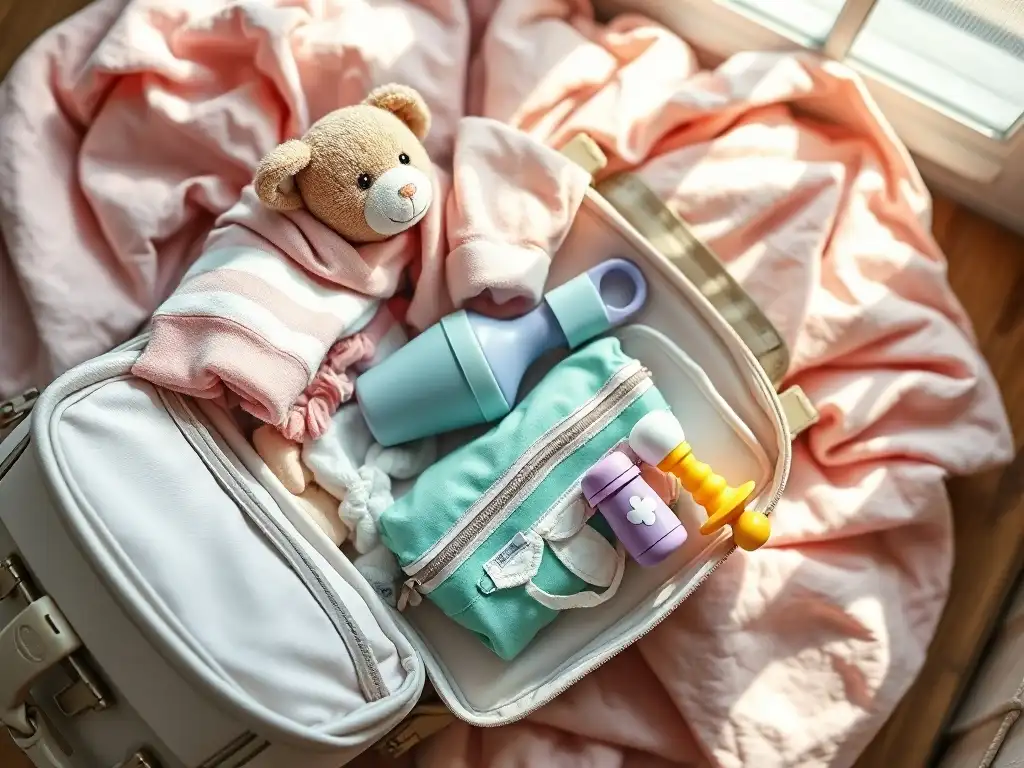
Welcome to BabyCareHub, your ultimate guide to navigating the incredible journey of parenthood! Are you preparing for your first family adventure? Then you've come to the right place. Discover the essential baby travel items that will transform your next trip from stressful to seamless, ensuring a happy and healthy experience for both you and your little one. Let's dive into the details and equip you for a stress-free journey—read on to uncover the secrets to smooth sailing!
-
Packing Your Baby's Travel Bag: Must-Have Items for Smooth Journeys
- Essential Baby Clothing for Travel: Size, Quantity, and Material Considerations
- Diapering Essentials: Diapers, Wipes, Changing Mat, and Disposal Bags
- Feeding Supplies Checklist: Bottles, Formula, Breast Pump (if applicable), and Snacks
- Must-Have Baby Comfort Items: Pacifiers, Blankets, and Favorite Toys
- Travel Gear for Baby's Safety and Comfort
- Health and Hygiene Kit for Baby's Well-being on the Go
- Planning for Baby's Needs During Travel: A Step-by-Step Guide
- Smart Packing Tips for Efficient Baby Travel
- Essential Baby Travel Items: A Quick Reference Checklist
- Frequently Asked Questions
- Final Reflection: The Unfolding Journey of Baby Travel
- Ready to Conquer the World (With Your Little One)?
Packing Your Baby's Travel Bag: Must-Have Items for Smooth Journeys
Planning a trip with your little one can feel overwhelming, but with careful preparation, traveling with a baby can be a smooth and enjoyable experience. This comprehensive guide focuses on the essential baby travel items you'll need for a successful journey, whether you're embarking on a short road trip or a longer flight. We'll break down the must-have items into key categories, providing practical advice and tips to ensure your baby's comfort and safety throughout your travels. Remember, the key to a stress-free trip is thorough planning and packing—so let's get started!
This guide will cover everything from clothing and diapers to feeding supplies and entertainment, ensuring you're well-prepared for any eventuality. We'll also touch upon the importance of adapting your packing list to your specific destination and mode of transportation. Let's make this trip memorable for all the right reasons! 🎉
Essential Baby Clothing for Travel: Size, Quantity, and Material Considerations
Packing the right clothes is crucial for your baby's comfort during travel. Overpacking is a common mistake, so let's strategize! Consider the climate of your destination and pack accordingly. Remember to bring a variety of outfits to account for potential spills and accidents. A good rule of thumb is to pack at least one outfit per day, plus a few extras.
Here's a suggested packing list:
- Onesies/Bodysuits: 5-7, prioritize soft, breathable materials like cotton.
- Pajamas: 2-3 pairs, loose-fitting for comfortable sleep.
- Outfits: 3-5 complete outfits (tops, bottoms, socks), choose easy-to-change options.
- Sweater/Light Jacket: 1-2, depending on the weather.
- Socks and Booties: Several pairs, to keep tiny toes warm.
- Hat: A sun hat for sunny climates or a warmer hat for colder destinations.
Material Considerations: Opt for lightweight, breathable fabrics like cotton or organic cotton. Avoid materials that irritate sensitive skin. Consider the ease of washing and drying the clothes, especially if you'll be traveling for an extended period.
Diapering Essentials: Diapers, Wipes, Changing Mat, and Disposal Bags
Diapering on the go requires careful planning. Always pack more than you think you'll need, accounting for potential delays. Remember that diaper changes don't always happen in ideal locations!
Here's what to include:
- Diapers: Pack enough diapers for the entire trip, plus extra. Calculate roughly 8-10 diapers per day, plus additional spares.
- Wipes: Baby wipes are essential for cleaning. Consider travel-sized packs for convenience.
- Changing Mat: A waterproof changing mat is crucial for hygienic diaper changes in various locations.
- Diaper Rash Cream: Pack a small tube to prevent and treat diaper rash.
- Disposal Bags: Use these to dispose of dirty diapers hygienically, especially on the go. Consider reusable, washable bags for eco-friendliness.
Feeding Supplies Checklist: Bottles, Formula, Breast Pump (if applicable), and Snacks
Feeding your baby while traveling requires preparation. Remember to pack everything you need, whether you're breastfeeding or bottle-feeding.
Here's a suggested checklist:
- Bottles: Pack enough bottles for the entire trip, plus a few extra. Sterilize them beforehand if possible.
- Formula: If formula-feeding, bring enough formula for the duration of your trip. Consider purchasing formula at your destination to reduce luggage weight.
- Breast Pump (if applicable): If breastfeeding, a portable breast pump can be useful. Remember to pack extra bottles or storage bags for pumped milk.
- Bibs: Pack several bibs to protect clothing during feeding.
- Snacks (for older babies): Pack age-appropriate snacks for older babies. Choose non-messy options.
Remember to always consult your pediatrician before embarking on any trip with your baby, especially if your baby has any specific health concerns. Safe travels! ✈️
Must-Have Baby Comfort Items: Pacifiers, Blankets, and Favorite Toys
Familiar comforts can significantly reduce stress for both baby and parent during travel. Packing familiar items helps maintain a sense of normalcy and security, especially in unfamiliar environments. This is crucial for minimizing disruptions to your baby's routine and easing any anxieties they might experience. A fussy baby can quickly turn a pleasant trip into a stressful ordeal, so prioritizing comfort items is a smart preventative measure.
Consider the age and preferences of your little one when selecting comfort items. For example, a newborn might benefit most from a soft, swaddling blanket that mimics the feeling of being held. Older babies might prefer a favorite stuffed animal or a special pacifier. Remember, redundancy is key! Pack at least two of each essential comfort item. Accidents happen, and having backups will save you a lot of heartache (and potential tears) if one gets lost or soiled.
Think about the practicality of the items as well. Choose blankets that are lightweight and easy to pack, avoiding bulky materials that will take up valuable space in your already-full luggage. Opt for pacifiers that are durable and easy to clean, as they're likely to encounter various surfaces during your journey. Choose toys that are easy to sanitize and won't present a choking hazard.
This is particularly important if you're flying, as cabin pressure can affect a baby's ears and a familiar toy can provide much-needed distraction and comfort. The goal is to minimize the disruption of the baby's normal routine and to maximize their comfort during the travel experience. Remember to pack familiar scents, like a small piece of clothing that smells like home, to provide an extra layer of comfort for your little one.
Travel Gear for Baby's Safety and Comfort
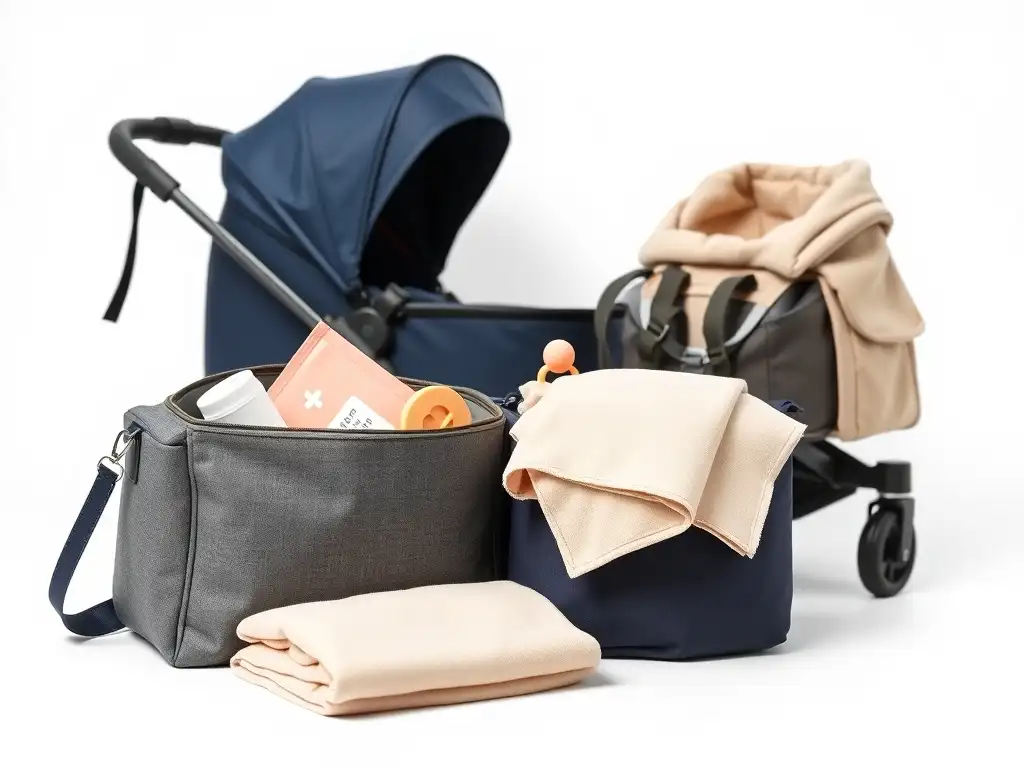
This section focuses on the crucial travel gear that ensures your baby's safety and comfort during your trip. Choosing the right equipment can significantly reduce stress and make your journey more enjoyable. We'll delve into specific considerations for car seats, strollers, and baby carriers, highlighting key features to look for when selecting essential baby travel items.
Choosing the Right Car Seat for Your Trip: Safety Standards and Installation
Selecting the appropriate car seat is paramount for your baby's safety. Before embarking on any trip, verify that your car seat meets the latest safety standards. Look for features like side-impact protection, a five-point harness, and an easy-to-understand installation system. Consider the type of vehicle you'll be using; some car seats are better suited for specific car models.
Remember, proper installation is just as crucial as choosing a safe car seat. Incorrect installation can significantly compromise your baby's safety in the event of an accident. If you're unsure about the installation process, seek assistance from a certified child passenger safety technician. They can help you ensure your car seat is correctly fitted and your baby is securely fastened.
Don't forget to pack any necessary adaptors or accessories for your specific car seat model, especially if you are traveling internationally. Consider bringing along a car seat mirror to keep an eye on your baby during the journey, particularly beneficial for longer road trips. Prioritize safety and peace of mind by investing time and effort in this critical aspect of your baby's travel preparations. This diligent approach will contribute to a smoother and safer journey for your little one.
Stroller Selection: Lightweight vs. Full-Featured Options for Various Terrains
The type of stroller you choose will depend greatly on your travel destination and the terrain you anticipate navigating. For frequent travelers, a lightweight, compact stroller is often preferred for its ease of maneuverability and storage. These strollers are typically easy to fold and carry, making them ideal for navigating airports and public transport. However, they may lack some of the features found in full-featured models.
Full-featured strollers, on the other hand, offer more amenities such as larger canopies for sun protection, suspension for smoother rides on uneven surfaces, and larger storage baskets. These are better suited for longer trips or destinations with varied terrain. Consider the size and weight of the stroller carefully, especially if you'll be navigating stairs or tight spaces.
When considering essential baby travel items, weigh the pros and cons of each type. Think about your specific needs and the type of environment you'll be traveling in. A well-chosen stroller can make a huge difference in your overall travel experience. Remember to check the stroller's dimensions to ensure it complies with airline baggage restrictions if you're flying.
Baby Carrier: Hands-Free Convenience for Exploring New Places
A baby carrier offers hands-free convenience, allowing you to explore new places while keeping your baby close and secure. Different carriers offer various levels of support and adjustability, catering to different baby sizes and parental preferences. Consider factors like breathability, weight distribution, and ease of use when selecting a carrier.
For longer periods of use, such as extended sightseeing days, look for ergonomic designs that promote proper posture and weight distribution to prevent back strain for the parent. Ensure the carrier provides adequate support for your baby's head and neck, especially for newborns. A carrier can be a versatile and invaluable essential baby travel item, allowing you to navigate crowded areas and challenging terrains while keeping your baby comfortable and close.
Choosing the right carrier involves considering your baby's age and weight, as well as your own physical comfort. Some carriers are designed for newborns, while others are better suited for older infants and toddlers. Prioritize comfort and safety when making your selection, ensuring a secure and comfortable fit for both you and your baby. This will significantly enhance your travel experience, allowing you to enjoy your adventures with your little one.
Portable Baby Crib or Travel Bassinet: Ensuring Safe Sleep Away From Home
Traveling with a baby means ensuring their sleep environment is as safe and comfortable as possible, even when away from home. A portable crib or travel bassinet is a crucial item for maintaining your baby's sleep routine and minimizing disruptions. These lightweight and foldable options offer a safe and familiar sleeping space, reducing the risk of accidents and promoting better sleep for both baby and parents. Consider the weight and portability of the crib, especially if you're navigating airports or public transportation.
Some models are designed to be easily folded and stored, making them ideal for travel. Ensure the crib meets all safety standards, including a firm mattress and proper ventilation. Check for features like adjustable height, which can be beneficial for parents with back problems.
Remember to always follow safe sleep guidelines, ensuring the baby sleeps on their back and the crib is placed away from any potential hazards. A travel bassinet offers a compact alternative, perfect for smaller spaces in hotels or vacation rentals. However, bassinet suitability depends on your baby's age and size; always check the manufacturer's weight and height recommendations.
Choosing between a portable crib and a travel bassinet often comes down to your baby's age and the type of trip you're planning. For newborns and younger infants, a bassinet might be sufficient for shorter trips. However, as babies grow, they may outgrow a bassinet quicker than a portable crib, making a crib a more long-term investment if you anticipate more travel in the future. Read reviews before purchasing to understand the ease of assembly and disassembly, a critical factor when time is of the essence while traveling.
Consider the materials used; look for breathable fabrics to prevent overheating and easy-to-clean materials for accidental spills. Remember, a safe and comfortable sleep environment is paramount to a successful and enjoyable trip for both you and your baby. Investing in a quality portable crib or bassinet is an investment in peace of mind.
Health and Hygiene Kit for Baby's Well-being on the Go
Traveling with a baby requires meticulous planning, especially when it comes to their health and hygiene. Packing a comprehensive kit ensures your little one stays comfortable and healthy throughout your journey. This isn't just about convenience; it's about preparedness for unexpected situations and maintaining your baby's well-being away from home. Remember, the goal is to minimize disruption to your baby's routine and keep them happy and healthy during your trip. Consider this your essential baby travel items checklist for health and hygiene.
First-Aid Kit for Babies: Essential Medications and Supplies
A well-stocked first-aid kit is paramount for any trip, but even more so when traveling with a baby. Predictable events like minor scrapes and bumps are common, but you need to be ready for anything. Your kit should include:
- Thermometer: A digital thermometer is quick and easy to use for monitoring your baby's temperature.
- Pain reliever: Consult your pediatrician about appropriate dosages of infant acetaminophen or ibuprofen for fever and pain relief. Always follow the recommended dosage instructions precisely.
- Antiseptic wipes or cream: For cleaning minor cuts and scrapes.
- Band-aids: Choose brightly colored, character-themed ones to make the experience less traumatic for your little one.
- Anti-diarrheal medication (for babies over 6 months): Consult your pediatrician before including this, and only use it if explicitly recommended for your child.
- Motion sickness medication (if needed and age-appropriate): If your baby is prone to car sickness, discuss appropriate medication with your doctor.
- Tweezers: For removing splinters or small objects.
- Small scissors: For cutting bandages or clothing if necessary.
Remember to check expiration dates before your trip and replace anything nearing its end. Keep the kit in an easily accessible place within your luggage. A small, clear plastic bag can help keep everything organized and visible. Consider adding a copy of your baby's medical information, including allergies and any ongoing medical conditions.
Baby-Friendly Sun Protection: Sunscreen, Hats, and Protective Clothing
Protecting your baby's delicate skin from the sun is crucial, especially during outdoor activities. Babies have more sensitive skin than adults and are more vulnerable to sunburn. Here's what you need:
- Sunscreen: Choose a broad-spectrum sunscreen with an SPF of 30 or higher, specifically formulated for babies. Look for mineral-based sunscreens (zinc oxide or titanium dioxide) as they are generally considered gentler on sensitive skin. Apply liberally 15-30 minutes before sun exposure and reapply every two hours, or more frequently if swimming or sweating.
- Sun hat: A wide-brimmed hat will shade your baby's face, neck, and ears from the sun's harmful rays.
- Protective clothing: Lightweight, loose-fitting clothing made of breathable fabrics offers additional protection. Opt for light colors that reflect sunlight. Consider clothing with UPF (Ultraviolet Protection Factor) ratings for enhanced sun protection.
Always prioritize shade whenever possible, especially during peak sun hours. Remember, even on cloudy days, the sun's rays can still cause damage.
Hygiene Products: Soap, Shampoo, Lotion, and Diaper Rash Cream
Maintaining good hygiene is essential for your baby's comfort and health. Pack travel-sized versions of your baby's regular hygiene products to avoid irritation. Include:
- Gentle soap and shampoo: Choose tear-free formulas specifically designed for babies.
- Moisturizing lotion: Baby's skin can dry out easily, especially in different climates. A gentle lotion will help maintain hydration.
- Diaper rash cream: Pack a generous amount to prevent and treat diaper rash, especially if you're traveling to a warm climate.
- Baby wipes: These are essential for quick cleanups on the go. Consider biodegradable wipes for environmental responsibility.
- Cotton balls or soft cloths: Useful for cleaning delicate areas.
This careful preparation will help ensure a smooth and healthy trip for your baby. Remember to check with your pediatrician about any specific health concerns before traveling, and always prioritize your baby's well-being throughout your journey. 👶
Keeping Baby Hydrated: Bottles, Sippy Cups, and Water Supply
Maintaining adequate hydration is crucial for your baby's health, especially during travel. Dehydration can quickly lead to discomfort and illness, making your trip significantly less enjoyable. Therefore, packing the right hydration tools is paramount when considering essential baby travel items.
For infants still exclusively or primarily breastfeeding or formula-fed, you'll need a sufficient supply of bottles and formula or breast milk. If using formula, pre-mixing some portions in advance and storing them in insulated bags can save time and effort. Remember to check the temperature of the formula or breast milk before feeding your baby. For older babies who are transitioning to sippy cups, pack a few of these as well, ensuring they are leak-proof to avoid spills.
The quantity of bottles and sippy cups you pack will depend on the length of your trip and your baby's feeding schedule. A good rule of thumb is to have at least one extra for every feeding session, accounting for potential spills or unexpected delays. Don't forget to pack a bottle brush and soap for cleaning. If you are traveling by plane, you can bring enough formula or breast milk for the flight in your carry-on bag.
However, be aware that the TSA has specific regulations for carrying liquids, and you should check their website for the latest guidelines. Consider bringing reusable, insulated bottles to keep liquids at the right temperature for longer periods, especially in warmer climates. For older babies, a small, spill-proof water bottle is a great addition to the travel kit.
Remember that access to clean water may be limited depending on your destination. Therefore, carrying a supply of bottled water specifically for your baby's use is strongly recommended. This is especially important if you are traveling to areas with questionable water quality. Always prioritize your baby's hydration, as it directly impacts their overall well-being and comfort during your trip. Pack extra bottles and cups, anticipate your baby's needs, and you'll be well-prepared to keep your little one happily hydrated throughout your journey.
Planning for Baby's Needs During Travel: A Step-by-Step Guide
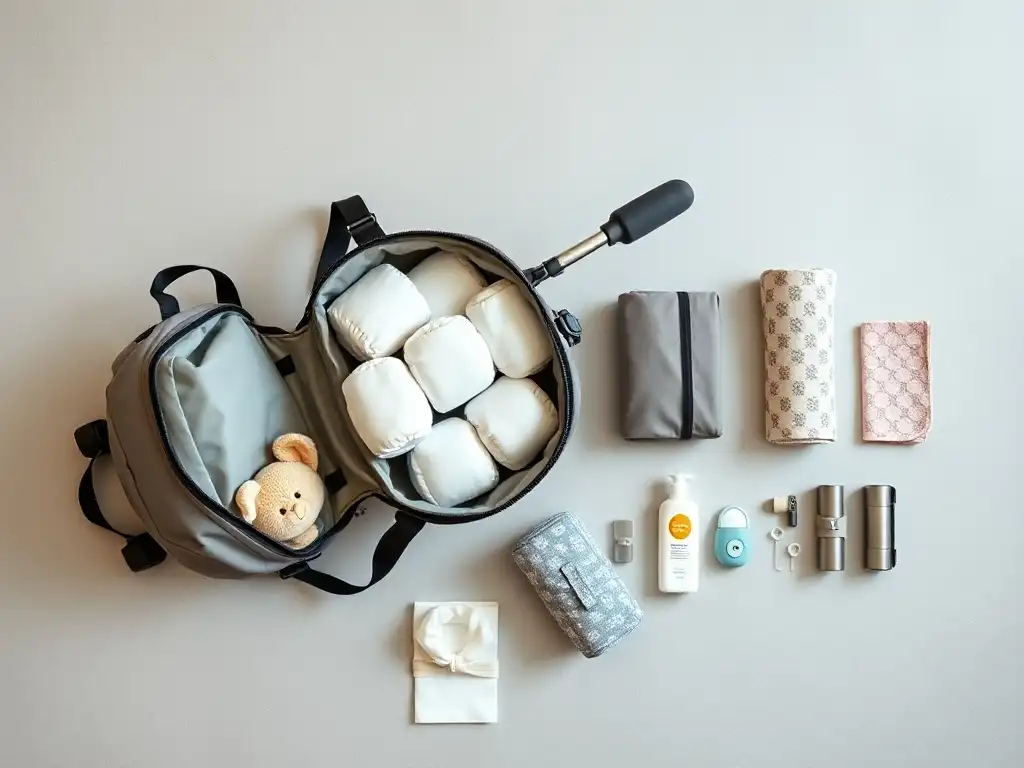
This section details crucial steps to ensure a smooth and stress-free journey for both you and your little one. Successfully navigating travel with a baby requires meticulous planning and preparation. We'll cover essential pre-trip preparations, in-transit strategies, and adapting to new environments to minimize disruptions to your baby's routine. Remember, even the most seasoned travelers can benefit from a checklist to ensure nothing is overlooked when packing those essential baby travel items.
Pre-Trip Preparations: Doctor's Visit, Medications, and Travel Documents
Before embarking on any trip, a visit to your pediatrician is paramount. This isn't just about getting a clean bill of health; it's about proactive planning. Discuss your travel plans, including the destination and mode of transportation. This allows your doctor to address potential health concerns specific to your destination, such as necessary vaccinations or precautions against common illnesses in that region. They can also provide guidance on altitude sickness if applicable.
Furthermore, this is the ideal time to obtain any necessary prescriptions and ensure you have an adequate supply of your baby's regular medications. Pack these securely in your carry-on luggage, along with a copy of the prescription. Don't forget to account for any potential delays; it's better to have extra medication than to run short.
Finally, gather all essential travel documents. This includes your baby's passport (if traveling internationally), birth certificate, and any necessary health records. Make copies of everything and store them separately from the originals—ideally, in a different bag or even emailed to a trusted contact. Having readily accessible copies can be a lifesaver in case of loss or theft. Consider creating a digital file containing all important documents for easy access on your phone or tablet.
In-Flight or On-the-Road Strategies: Entertainment and Comfort Measures
Traveling with a baby requires a proactive approach to managing their comfort and keeping them entertained. For flights, consider bringing familiar comfort items like a favorite blanket or stuffed animal. These can provide a sense of security and reduce anxiety during the flight. Pacifiers are also invaluable for soothing a crying baby during takeoff and landing, due to pressure changes.
Entertainment is key, especially for longer journeys. Pack a variety of age-appropriate toys, books, and interactive games. New and engaging items can help keep your baby occupied and prevent boredom. Consider downloading some baby-friendly apps or shows onto a tablet for quieter moments. Remember to bring headphones for yourself to mitigate noise pollution!
For road trips, plan for frequent stops. Babies need regular diaper changes, feeding breaks, and opportunities to stretch their legs. Pack snacks and drinks that are easy to access and suitable for your baby’s age. A well-stocked diaper bag is your best friend on the road! Consider bringing a portable changing mat for those unexpected moments.
| Item Category | Essential Items | Recommended Items |
|---|---|---|
| Comfort & Security | Favorite blanket, pacifier, stuffed animal | Sleep sack, familiar toys |
| Entertainment | Books, rattles, age-appropriate toys | Tablet loaded with baby-friendly apps/shows |
| Feeding & Diapering | Bottles, formula/breast milk, diapers, wipes, changing mat | Bibs, burp cloths, disposable bags for soiled items |
| Health & Safety | First-aid kit, thermometer, hand sanitizer | Baby sunscreen, insect repellent (age-appropriate) |
Adapting to New Environments: Maintaining Baby's Routine
Maintaining your baby’s routine as much as possible is crucial for minimizing stress during travel. While complete adherence might be challenging, striving for consistency in feeding, sleeping, and diaper changing times can make a significant difference. Pack items that help maintain this routine, such as a familiar sleep sack or a portable white noise machine.
Adjusting to new time zones can be particularly difficult. To ease the transition, try gradually shifting your baby’s schedule in the days leading up to your departure. For example, if you’re traveling east, start waking your baby 15-30 minutes earlier each day before the trip. This gradual adjustment can help minimize jet lag.
Remember to bring along any familiar bedding or sleep aids to create a comforting and consistent sleep environment. This can be particularly helpful in unfamiliar hotels or accommodations. A dimmable nightlight can also be useful in creating a calm and peaceful sleep space for your little one. Prioritizing sleep is essential for both you and your baby during and after travel, ensuring a more enjoyable experience for everyone involved.
Traveling with a baby is rarely without its hiccups. Infants are notoriously unpredictable, and even the most meticulously planned trip can encounter unforeseen delays or disruptions. Being prepared for these challenges is key to minimizing stress and ensuring a smoother journey for both you and your little one.
One of the biggest challenges is dealing with a fussy baby. A change in routine, unfamiliar environments, and the pressure changes during air travel can all contribute to discomfort and crankiness. Packing familiar comfort items like a favorite blanket, stuffed animal, or pacifier can make a significant difference. Bringing along some soothing toys or books can also provide distraction and a sense of normalcy.
Remember, a well-rested baby is a happier baby, so plan for regular breaks and opportunities for naps, even if it means altering your travel schedule slightly. Consider bringing a white noise machine or app to help block out distracting noises and promote sleep. Furthermore, ensuring your baby is fed and changed regularly can prevent much of the fussiness.
Delays are another common travel frustration. Whether it's a flight delay, a traffic jam, or a missed connection, these unexpected setbacks can quickly escalate stress levels. Packing extra supplies is crucial in these situations. This includes extra diapers, wipes, formula or breast milk (if applicable), and snacks for both you and your baby.
Having a backup plan, such as alternative transportation or accommodation options, can also help alleviate anxiety if a major delay occurs. Remember to bring along entertainment for your child to keep them occupied during extended waiting periods. A small portable toy or even a simple game of peek-a-boo can make a world of difference.
Finally, always be prepared for unexpected events. Babies can be prone to unexpected illnesses or accidents. Packing a well-stocked first-aid kit specifically designed for infants is essential. This should include items like antiseptic wipes, bandages, pain relievers (suitable for babies), and any necessary medication your child may require. Familiarize yourself with local emergency services and medical facilities at your destination.
Having this information readily available can provide peace of mind and ensure swift action in the event of an emergency. Consider purchasing travel insurance that covers medical expenses for your child. This can provide financial protection in case of unforeseen medical needs. Remember, preparation is key to navigating the unexpected challenges of baby travel. By anticipating potential problems and packing accordingly, you can significantly reduce stress and enhance your overall travel experience.
Smart Packing Tips for Efficient Baby Travel
Traveling with a baby can feel overwhelming, especially when it comes to packing. Efficient packing is key to a stress-free trip. This section focuses on strategies to maximize space and minimize the chaos of carrying numerous baby essentials. Proper planning and organization around essential baby travel items can transform your travel experience from frantic to fantastic.
Utilizing Packing Cubes and Compression Bags for Space Optimization
One of the most effective ways to streamline your packing process and ensure you have all the essential baby travel items is by utilizing packing cubes and compression bags. These ingenious tools not only help organize your belongings but also significantly reduce the overall volume of your luggage. Think of it like this: instead of loose clothing and items tumbling around, everything is neatly compartmentalized.
Packing cubes are fabric containers that compress clothing and other soft items, keeping them neatly organized and preventing wrinkles. They're particularly useful for baby clothes, swaddles, and blankets. You can color-code them – perhaps one for pajamas, one for daytime outfits, and one for extra layers. This makes finding specific items a breeze, even in a crowded hotel room or on a long car journey.
Compression bags take space-saving to the next level. These reusable bags allow you to squeeze out excess air, dramatically reducing the size of bulky items like blankets, stuffed animals, or even extra layers of clothing. Imagine fitting three bulky sweaters into the space of one! This is especially valuable when flying, where luggage weight restrictions can be a significant concern. Remember to leave some space in the bags, though, to avoid damaging delicate items.
For example, instead of randomly throwing all your baby's clothes into a suitcase, dedicate one packing cube for daytime outfits, another for nighttime pajamas, and a third for extra layers. Use a compression bag for bulky items like blankets and a hooded towel. You'll be surprised at how much space you save!
Creating a Separate "Diaper Bag" for Easy Access
While you might be tempted to simply throw diapers, wipes, and other baby necessities into your main luggage, creating a separate, easily accessible diaper bag is crucial for smooth sailing. This dedicated bag acts as your essential baby travel items command center, providing quick access to frequently needed items. Think of it as your "baby survival kit" – readily available, no matter where you are.
Consider a backpack-style diaper bag for hands-free convenience, especially when navigating airports or crowded tourist attractions. A well-organized diaper bag should include:
- Several changes of diapers (more than you think you’ll need!)
- Wipes (travel-sized containers are ideal)
- Diaper rash cream
- A change of clothes for the baby (accidents happen!)
- A plastic bag for soiled clothes
- Hand sanitizer
- Baby wipes
- Small toys or books to keep your baby entertained
This dedicated bag ensures you won't have to rummage through your main luggage every time your baby needs a diaper change or a quick comfort item. This will save you valuable time and reduce stress, especially during unexpected situations. The efficiency will pay off in spades.
Utilizing Travel-Sized Containers for Liquids and Creams
Traveling with baby often involves carrying liquids and creams, from baby lotion and shampoo to formula and baby food. Airlines have strict regulations regarding liquids in carry-on luggage, so it's essential to use travel-sized containers to comply with these rules and avoid any complications at security checkpoints. This is where proper planning of your essential baby travel items becomes critical.
Transferring liquids into TSA-approved, leak-proof travel containers is a must. Many stores sell these small, reusable containers specifically designed for travel. Make sure to label each container clearly with the contents and carefully seal them to prevent spills. This is not only crucial for air travel, but also helpful for keeping your diaper bag organized and preventing messy accidents.
For example, instead of bringing the full-sized bottle of baby lotion, decant a smaller amount into a travel-sized container. Do the same for shampoo, conditioner, and any other liquid or cream your baby requires. Remember to check the TSA guidelines on the maximum amount of liquid allowed per container before you pack. Properly prepared travel-sized containers ensure a smoother journey and prevent any unexpected delays or inconveniences. Careful planning around these essential baby travel items will reduce your stress levels significantly.
Making a Detailed Packing Checklist and Itinerary
Creating a comprehensive packing checklist and itinerary is paramount for stress-free baby travel. This isn't just about throwing essentials into a bag; it's about strategic organization to ensure you have everything you need, precisely when you need it. Begin by categorizing items: clothing, feeding supplies, diapers and wipes, medications, entertainment, and hygiene products. Within each category, list specific items.
For clothing, consider the climate of your destination and pack versatile items that can be mixed and matched. Don't forget extra socks and underwear – accidents happen! For feeding, if your baby is formula-fed, calculate the amount needed for each day, plus extra. If breastfeeding, pack nursing pads and a comfortable nursing cover if desired.
Diapers and wipes should be calculated based on your trip length, with a few extra for unexpected messes. Include any prescribed medications, along with a copy of your baby's medical records. Packing familiar toys and books can be crucial for keeping your little one entertained during travel. Finally, a well-stocked hygiene kit with diaper rash cream, baby lotion, and other essentials is a must.
Beyond the packing list, a detailed itinerary is equally important. This should include flight or driving times, accommodation details, and planned activities. Knowing your schedule allows you to anticipate your baby's needs at different stages of the journey. For instance, scheduling feeding times around travel periods can minimize fussiness.
Factor in potential delays and build in extra time for unexpected events. A well-planned itinerary minimizes stress and maximizes enjoyment for both you and your baby. Consider using a digital checklist app or a printable checklist to keep track of everything you've packed and to check off items as you go. This system can be especially helpful when traveling with multiple children or when juggling other travel arrangements.
Remember, a well-organized approach to packing and planning translates directly into a smoother and more enjoyable travel experience for the entire family. Consider color-coding your checklist to easily identify different categories of items. This visual aid can save precious time and reduce stress during the packing process.
Essential Baby Travel Items: A Quick Reference Checklist
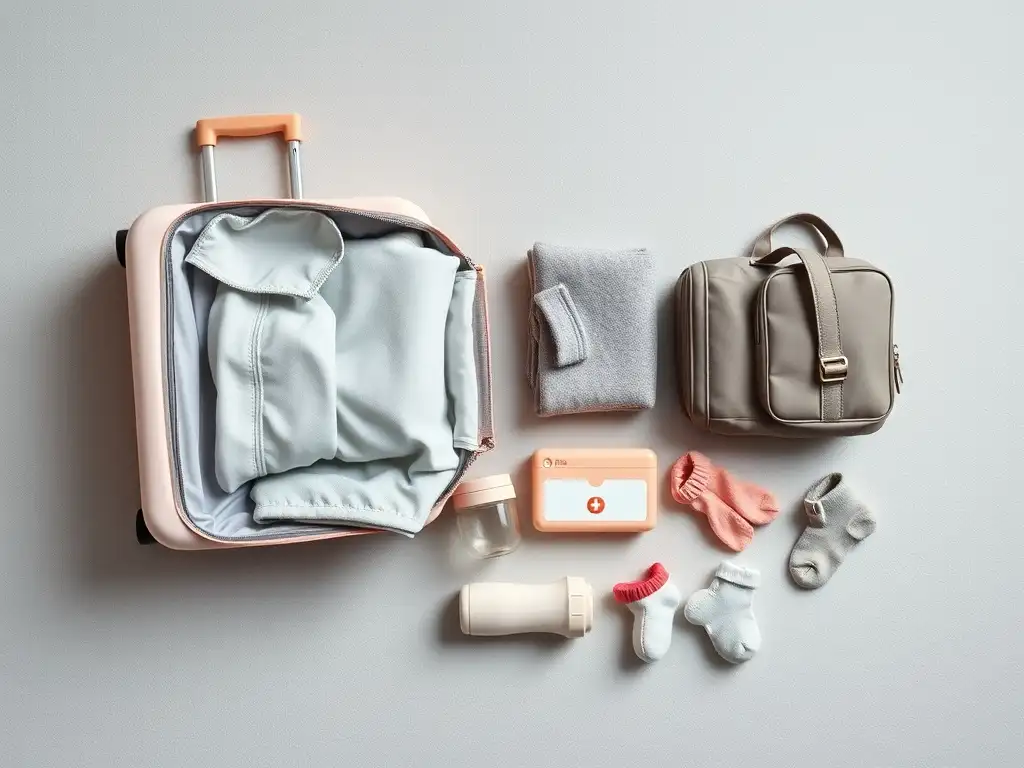
This section provides a detailed checklist of essential baby travel items, categorized for easy packing and reference. Remember to adjust quantities based on the length of your trip and your baby's needs. Packing light is key, but compromising on essential items is not advisable. Prioritize items that ensure your baby's comfort, health, and safety throughout your journey. Proper planning can transform a potentially stressful experience into a memorable family adventure.
Downloadable Checklist for Easy Packing and Reference
While a digital checklist is helpful, a printed version is even more convenient for packing. Consider creating a personalized checklist based on this template, adding or removing items as needed. This way, you can tick off items as you pack, ensuring you haven't forgotten anything crucial. You can also use different colored highlighters to categorize items by bag (diaper bag, carry-on, checked luggage).
Pro Tip: Consider using packing cubes to organize your baby's belongings within your luggage. This will save you time and frustration when searching for a specific item.
We recommend creating a checklist encompassing the following categories:
- Diapering Essentials:
- Diapers (plenty, accounting for unexpected delays)
- Wipes (travel-sized packs are ideal)
- Diaper rash cream
- Changing mat (a portable, waterproof one is best)
- Disposable diaper bags (for easy disposal)
- Baby wipes warmer (optional, but convenient)
- Feeding Supplies:
- Bottles (sterilized and ready to use)
- Formula (powder or ready-to-feed, in appropriate amounts)
- Breast milk (if breastfeeding, consider storing appropriately)
- Bibs (multiple, for messy eaters)
- Burp cloths (several, for inevitable spills)
- Sippy cup (if applicable)
- Bottle brush and cleaning solution (for on-the-go cleaning)
- Clothing and Accessories:
- Outfits (consider weather conditions and pack extra sets)
- Sleepers or pajamas (comfortable and easy to change)
- Socks and booties (to keep little feet warm)
- Hat (to protect from sun or cold)
- Mittens (to prevent scratching)
- Swaddles or blankets (for warmth and comfort)
- Sun hat and sunscreen (SPF 50 or higher, for sun protection)
- Health and Safety:
- First-aid kit (including baby-specific items like thermometer, saline solution, and pain reliever)
- Medications (prescribed and over-the-counter, with doctor's approval)
- Baby carrier or sling (for hands-free travel)
- Car seat (if traveling by car)
- Stroller (choose a lightweight and easy-to-maneuver model)
- Baby monitor (for added peace of mind)
- Pacifiers (if used)
- Toys and books (to keep baby entertained)
Optimizing Your Packing Strategy for Essential Baby Travel Items
Efficient packing is paramount for stress-free travel. Consider these strategies:
- Roll, don't fold: Rolling clothes saves space and minimizes wrinkles.
- Utilize compression bags: These bags remove excess air, making your luggage more compact.
- Pack heavier items at the bottom: This improves weight distribution and stability.
- Keep essentials in your carry-on: This prevents delays if your checked luggage is lost or delayed.
- Create a separate bag for dirty clothes: This keeps clean clothes separate and prevents cross-contamination.
This detailed checklist and packing strategy will assist you in preparing for your journey. Remember, flexibility is key; always be prepared for unexpected situations and adjust your packing list accordingly. Happy travels!
Frequently Asked Questions
What are the absolute must-have items for traveling with a baby?
The absolute must-haves include diaper bag with ample supplies (diapers, wipes, changing mat), baby carrier or stroller, sufficient formula or breast milk, and a familiar comfort item like a favorite blanket or toy. Don't forget pacifiers if your baby uses them.
How can I make traveling with a baby more comfortable?
Pack familiar items to help your baby feel secure, plan for frequent breaks, and bring entertainment such as books or toys. Consider a travel crib or portable bassinet for sleeping. Pre-planning is key!
What about car seat safety during travel?
Always use a car seat that's appropriately sized and installed correctly. Check the car seat's manufacturer's instructions and consult a professional if needed. Never compromise on safety.
What are some space-saving tips for packing baby's travel essentials?
Use packing cubes to organize items and maximize space. Opt for travel-sized containers for toiletries and reusable wipes. Consider layering clothing to reduce bulk.
How do I manage feeding while traveling with a baby?
If breastfeeding, you'll need nursing covers if you prefer privacy. For formula-fed babies, bring enough formula for the trip plus extra, and use a travel-sized bottle warmer. Plan feeding times around your travel schedule.
Final Reflection: The Unfolding Journey of Baby Travel
The art of traveling with a baby is not just about packing the right gear; it's about embracing the unexpected and celebrating the journey itself. Successfully navigating the world with your little one requires meticulous planning, but more importantly, a flexible spirit and a deep appreciation for the precious moments created along the way. The seemingly small details, from the right pacifier to a well-stocked diaper bag, can transform a potentially stressful experience into a memorable adventure.
The impact of travel on a young family is profound, shaping not only the child's worldview but also strengthening the bonds between parents and caregivers. It's a testament to the resilience and adaptability of the human spirit, a shared experience that forges lasting memories. Not all those who wander are lost.
This quote, often attributed to J.R.R. Tolkien, perfectly encapsulates the spirit of baby travel – the willingness to venture into the unknown, to embrace the detours and delays, and to find beauty in the unexpected. The challenges are real, but the rewards are immeasurable.
So, as you prepare for your next adventure, remember the lessons learned: meticulous planning is key, but flexibility is paramount. Don't be afraid to embrace the chaos, to laugh at the spills, and to cherish the quiet moments of connection amidst the whirlwind of travel. You are not just transporting a baby; you are creating memories, forging bonds, and expanding horizons together. Embrace the journey, and let the unfolding adventure enrich your family's story.
Ready to Conquer the World (With Your Little One)?
Thank you for taking the time to learn about essential baby travel gear! We hope you feel more confident and prepared for your upcoming adventures. Now, let's put that knowledge into practice.
- Craft your ultimate packing list: Download our free printable checklist, designed to ensure you haven't forgotten anything important. The peace of mind alone is worth it!
- Share your best baby travel tip: Help other parents by sharing your travel hacks in the comments below!
- Start planning your next trip: Browse our blog for travel inspiration – from family-friendly destinations to expert packing tips.
Ready to embrace the journey? What's the first item you'll pack for your next family vacation?