
High Chair Troubleshooting: Common Problems and Solutions

Welcome to BabyCareHub, your ultimate guide to navigating the incredible journey of parenthood! Are you ready to conquer the challenges of babyhood with confidence? We understand that the first year can be overwhelming, but it doesn't have to be. From mastering feeding schedules to ensuring a safe sleep environment, we're here to support you every step of the way. This very question, how to fix high chair problems easily, is just one example of the practical advice you'll find here. Discover simple solutions and expert tips to help your little one thrive. Let's dive in!
- Fix High Chair Problems Easily: A Troubleshooting Guide for Parents
- Maintaining Your High Chair: Preventative Care and Regular Maintenance
- Solving Specific High Chair Problems: Detailed Solutions
- When to Seek Professional Help: Knowing Your Limits
- High Chair Safety Tips to Prevent Future Problems
- Frequently Asked Questions
- Final Reflection: Nurturing Moments, Solving Tiny Troubles
- Ready to Conquer High Chair Chaos?
Fix High Chair Problems Easily: A Troubleshooting Guide for Parents
Navigating the world of parenthood is a rewarding yet challenging journey, filled with countless questions and unexpected hurdles. One such challenge often faced by new parents is the seemingly simple, yet sometimes frustrating, task of maintaining a safe and functional high chair.
This comprehensive guide will equip you with the knowledge and practical steps to address common high chair problems, ensuring your little one enjoys mealtimes in a stable and secure environment. We'll cover everything from wobbly legs and loose parts to cleaning tips and safety checks, empowering you to effectively troubleshoot and fix high chair issues easily.
This guide is designed to help you confidently tackle these common problems and maintain a safe eating space for your baby, ultimately contributing to a smoother and more enjoyable feeding experience for both parent and child. Remember, a well-maintained high chair is not just a convenience; it's a crucial element of your baby's safety and well-being.
Identifying Common High Chair Issues: Wobbly Legs, Loose Parts, and More
High chairs, while designed for durability, can experience various problems over time. Regular wear and tear, accidental impacts, and even simple assembly errors can lead to instability and safety concerns. Some of the most common issues include:
- Wobbly legs: This is perhaps the most prevalent problem, often caused by uneven flooring, loose screws, or damage to the chair's legs. A wobbly high chair is a significant safety hazard and needs immediate attention.
- Loose parts: Tray latches, seat restraints, and even screws can become loose with use, potentially leading to the tray detaching during mealtimes or the child slipping out of the seat.
- Cracks or damage: Inspect the high chair regularly for any cracks, chips, or other signs of damage. These can compromise the chair's structural integrity and pose a serious risk to your baby's safety.
- Sticky or difficult-to-clean surfaces: Food spills and sticky residues can make cleaning a nightmare, potentially leading to bacterial growth if not addressed promptly. Understanding how to properly clean your high chair is crucial for maintaining hygiene.
- Difficult tray adjustment: If the tray is difficult to adjust or doesn't lock securely, it can be both inconvenient and unsafe. This often stems from loose screws or damaged mechanisms.
This section will provide a step-by-step approach to identifying and resolving these problems, ensuring your baby's safety and your peace of mind. We'll focus on practical solutions you can implement at home, minimizing the need for costly repairs or replacements.
Addressing Stability Problems: Fixing Wobbly Legs and Uneven Seating
Stability is paramount when it comes to high chair safety. A wobbly chair puts your baby at risk of falling, which can result in serious injuries. Addressing stability issues promptly is crucial.
Troubleshooting Wobbly High Chair Legs: Identifying the Source of Instability
Before attempting any repairs, carefully inspect the legs of the high chair. Look for:
- Loose screws or bolts: This is often the culprit behind wobbly legs. Tighten any loose screws using a screwdriver appropriate for the screw type.
- Damaged or broken parts: Examine the legs for any cracks, breaks, or damage. If any damage is found, it's best to consult the manufacturer's instructions or contact customer support. In severe cases, replacement may be necessary.
- Uneven leg length: Sometimes, one leg might be slightly shorter than the others, causing instability. You may need to add small shims (thin pieces of wood or plastic) under the shorter leg to level it. Use caution and ensure the shim is secure to avoid creating a new hazard.
Remember to always check the manufacturer's instructions for specific guidance on tightening screws or addressing damage.
Leveling Uneven Surfaces for Secure High Chair Placement
Even with a perfectly stable high chair, an uneven floor can cause instability. Before placing the high chair, ensure the floor is level. Use a level tool to check. If the floor is uneven, consider using a leveling mat or placing the high chair on a stable, level surface like a rug or mat. This will significantly improve stability and reduce the risk of tipping.
Tightening Loose Screws and Bolts for Enhanced Stability
Regularly checking and tightening screws and bolts is crucial for maintaining high chair stability. Use the appropriate screwdriver to tighten all screws and bolts, paying particular attention to those attaching the legs to the chair's base and the tray to the chair. It's a good practice to perform this check every few months, or more often if you notice any signs of looseness. This simple preventative measure can significantly enhance your high chair's stability and safety. Remember to always supervise your child while they are in the high chair.
Dealing with Tray Issues: Loose Trays, Stuck Trays, and Cleaning Challenges
High chair trays are frequently used and, as a result, prone to various issues. Loose trays pose a safety hazard, while stuck trays can be frustrating to deal with. Effective cleaning is also crucial for maintaining hygiene. This section will explore common tray problems and provide practical solutions to help you fix high chair problems easily. We'll cover securing loose trays, releasing stuck trays, and implementing effective cleaning techniques. Regular maintenance is key to preventing many of these issues from arising in the first place. Proactive care will save you time and frustration in the long run.
Securing a Loose High Chair Tray: Simple Repair Solutions
A loose high chair tray is a significant safety concern. A wobbly or easily detachable tray could lead to your baby dropping food or even the tray itself. Before resorting to more complex solutions, check for any obvious loose screws or fasteners. Tighten these using a screwdriver, ensuring they're firmly secured. If tightening the screws doesn't resolve the problem, examine the tray's connection points to the high chair frame.
You might find a small plastic clip or a locking mechanism that has become dislodged or broken. Depending on the design of your high chair, gently re-seat the clip or repair the locking mechanism. If the damage is beyond simple repair, consider contacting the manufacturer for replacement parts or seeking professional repair. Remember to always prioritize your baby's safety. A secure tray is essential for a safe and enjoyable mealtime experience.
Releasing a Stuck High Chair Tray: Gentle and Effective Methods
A tray that's stuck fast can be incredibly frustrating. Avoid using excessive force, as this could damage the tray or the high chair itself. Start by carefully inspecting the tray's mechanism. Many high chairs have small release buttons or levers hidden beneath or beside the tray.
Locate these and gently press or pull them to release the tray. If you can't find a release mechanism, try applying a small amount of lubricant such as silicone spray (on the contact points, not directly on the tray surface) to the hinges or sliding mechanisms. This can help loosen any stuck components. Work the tray gently back and forth while applying slight pressure.
If the tray remains stuck, consider using a thin, non-metallic tool, like a plastic spatula, to carefully pry the tray loose. Always prioritize gentle movements to avoid damage. Persistent issues may indicate a more serious mechanical problem requiring professional assistance or parts replacement.
Effective High Chair Tray Cleaning Techniques for Stain Removal and Sanitization
Regular and thorough cleaning of your high chair tray is paramount for maintaining hygiene and preventing the build-up of bacteria and germs. Start by removing any loose food debris with a soft cloth or sponge. For stubborn stains, soak the tray in warm, soapy water for a few minutes. You can use a mild dish soap, and for tougher stains, a baking soda paste can be effective.
Scrub gently with a non-abrasive sponge or brush. Avoid using harsh chemicals or abrasive cleaners, as these can damage the tray's surface. After cleaning, rinse the tray thoroughly with clean water and dry it completely to prevent the growth of mold or mildew. For sanitization, you can wipe the tray down with a solution of diluted bleach (always follow the bleach manufacturer's instructions), or use a commercial sanitizer specifically designed for baby products.
Remember to rinse thoroughly after sanitizing. A clean high chair tray contributes significantly to a healthier and safer mealtime for your baby. Consider using a dishwasher-safe tray for easy cleaning if your high chair allows for it.
Maintaining Your High Chair: Preventative Care and Regular Maintenance
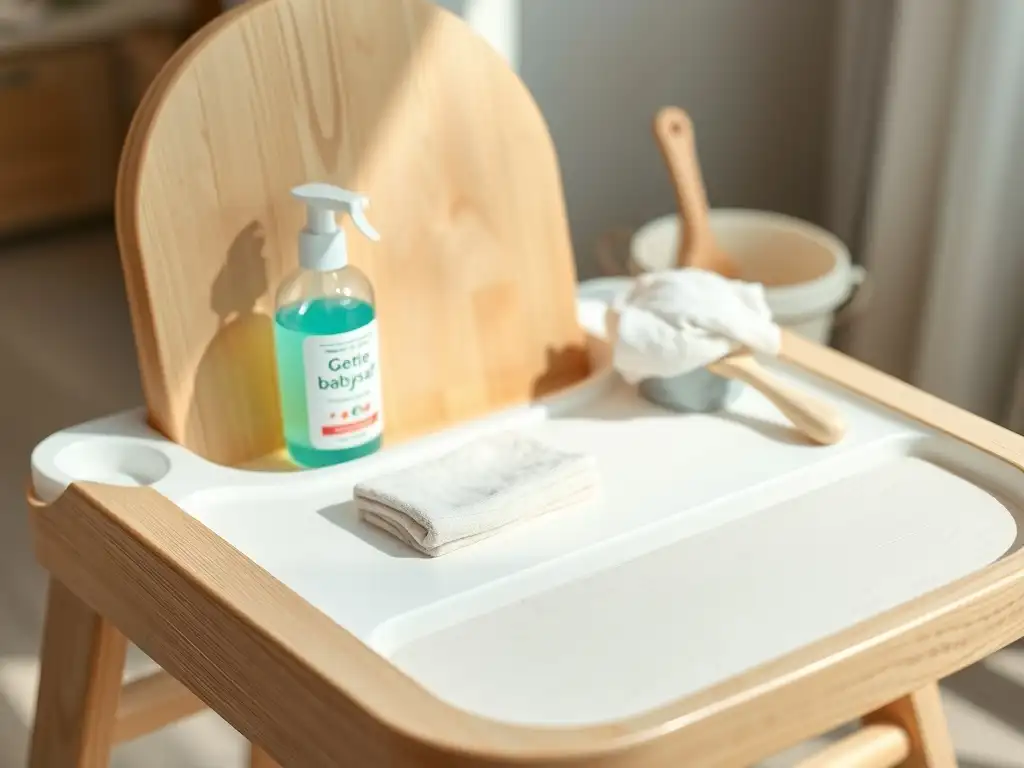
Regular maintenance is key to ensuring your high chair remains safe and functional for your little one. Proactive care can prevent many common problems and extend the lifespan of your investment. By following a simple routine, you can significantly reduce the need for more extensive repairs later on. This translates to peace of mind and a healthier environment for your baby. Fixing high chair problems easily often starts with preventing them altogether.
Regular Inspection for Loose Parts and Potential Hazards: A Proactive Approach
Regularly inspect your high chair for any loose screws, bolts, or other components. Pay close attention to the tray, the legs, and the restraint system. A loose tray can be a tripping hazard, while a faulty restraint system compromises your baby's safety. Use a screwdriver to tighten any loose fasteners. If you notice any cracks or damage to the high chair's structure, it’s crucial to address this immediately.
Consider contacting the manufacturer or a qualified repair professional for guidance. Remember, even minor damage can escalate quickly, potentially leading to accidents. A visual inspection should be part of your daily routine before each feeding. This proactive approach will help you identify and fix high chair problems easily before they become major issues. This simple check-up can save you significant stress and potential danger.
Pro Tip: Keep a small toolkit containing a screwdriver and wrench near your high chair for quick adjustments.
Cleaning and Sanitizing Your High Chair: Hygiene Best Practices for Baby Safety
Maintaining optimal hygiene is paramount in preventing the spread of germs and ensuring your baby's well-being. Regular cleaning and sanitizing of your high chair are essential aspects of baby safety. Food spills and sticky messes are inevitable, but prompt cleaning prevents the buildup of bacteria and mold. Wipe down the tray and seat after each use with a damp cloth and mild soap. For tougher stains, consider using a non-toxic, baby-safe cleaning solution.
Once a week, perform a more thorough cleaning, paying attention to crevices and hard-to-reach areas. Sanitize the high chair regularly, especially after any illness. You can use a baby-safe disinfectant wipe or a solution of diluted bleach (always follow the manufacturer's instructions carefully). Remember, consistent cleaning helps prevent the spread of infections and keeps your baby safe and healthy.
| Cleaning Task | Frequency | Recommended Products |
|---|---|---|
| Wipe down tray & seat | After each use | Damp cloth, mild soap |
| Thorough cleaning | Once a week | Baby-safe cleaning solution, disinfectant wipes |
| Sanitizing | As needed, after illness | Baby-safe disinfectant, diluted bleach (carefully!) |
Storing Your High Chair Properly: Preserving its Condition and Longevity
Proper storage is essential for preserving the condition and extending the lifespan of your high chair. When not in use, store the high chair in a clean, dry place away from direct sunlight and moisture. This prevents warping and damage to the materials. If your high chair is foldable, fold it correctly according to the manufacturer's instructions. This ensures that it’s stored compactly and safely.
Avoid stacking heavy objects on top of the high chair, as this can damage its structure. Regular cleaning and proper storage will keep your high chair looking its best and functioning optimally for years to come. By following these simple steps, you'll be able to fix high chair problems easily, or better yet, prevent them entirely. This contributes to a longer-lasting and safer high chair for your child. 🧼 Proper storage is often overlooked, but it's a crucial element of high chair maintenance.
Solving Specific High Chair Problems: Detailed Solutions
This section provides detailed solutions to common high chair issues, empowering you to quickly and effectively fix high chair problems easily. We'll cover everything from annoying squeaks to more serious structural problems, ensuring your high chair remains safe and functional for your little one. Remember to always prioritize your baby's safety and consult a professional if you encounter a problem you can't resolve yourself.
Addressing Squeaking Noises in Your High Chair: Lubrication and Repair Techniques
Annoying squeaks in your high chair can be distracting and even irritating to your baby. Often, these noises are caused by friction between moving parts. Before resorting to more drastic measures, try these simple lubrication techniques:
- Identify the source: Carefully examine the high chair to pinpoint the exact location of the squeak. Common culprits include the tray hinges, the height adjustment mechanism, or the chair's leg joints.
- Apply lubricant: Use a food-safe lubricant like silicone spray or mineral oil. Apply a small amount directly to the moving parts, ensuring it doesn't drip onto the eating surface. Work the parts gently to distribute the lubricant.
- Tighten loose screws: Sometimes, squeaks are caused by loose screws. Check all screws and tighten them securely using a screwdriver. This simple step can often eliminate the noise completely.
- Replace worn parts: If lubrication doesn't resolve the squeak, the problem might be more significant. Worn-out hinges or other parts may need replacement. Check your high chair's manufacturer's website for replacement parts or contact customer service.
If the squeak persists after trying these steps, consider consulting a professional repair service or contacting the manufacturer for assistance. Remember, a well-maintained high chair contributes significantly to a positive feeding experience for both you and your baby. A squeaky high chair can be a real nuisance, so addressing this issue promptly will improve mealtimes for everyone.
Repairing Minor Scratches and Dents: Restoring Your High Chair's Appearance
Minor scratches and dents are common occurrences with high chairs, especially with frequent use. While they don't necessarily compromise safety, they can affect the high chair's aesthetic appeal. Here's how to tackle these cosmetic issues:
- For minor scratches: A touch-up pen designed for your high chair's material (wood, plastic, etc.) can effectively camouflage minor scratches. Follow the manufacturer's instructions for best results. Alternatively, a furniture marker in a close matching color can work well.
- For deeper scratches: For deeper scratches, you might need to use wood filler (for wooden high chairs) or a specialized repair kit designed for the material. Sand the area smooth after the filler dries and apply a touch-up pen to match the surrounding finish.
- For dents: Depending on the material and the severity of the dent, you might be able to carefully push the dent out from the back using a suction cup or a specialized dent puller. Be gentle to avoid causing further damage.
Remember to always test any repair product on an inconspicuous area before applying it to the visible surface of the high chair. Maintaining the appearance of your high chair can contribute to a more pleasant feeding environment. A well-maintained high chair is a reflection of your care and attention to detail, which is crucial for a positive parenting experience.
Fixing Broken Straps or Buckles: Ensuring Your Baby's Safety
Broken straps or buckles pose a serious safety risk and require immediate attention. Never use a high chair with damaged restraints. Here's what to do:
- Assess the damage: Carefully examine the broken strap or buckle to determine the extent of the damage. If only the buckle is broken, replacement might be an easy fix. If the strap itself is torn or frayed, the entire harness may need replacing.
- Contact the manufacturer: The safest approach is to contact the high chair's manufacturer directly. They can provide replacement parts or instructions on how to safely repair or replace the damaged components.
- Temporary solutions (use with extreme caution): As a temporary measure only, if you absolutely must, you could use strong, non-toxic adhesive to temporarily mend a minor tear in the strap. However, this is a temporary solution and should not be considered a long-term fix. It's crucial to replace the entire harness as soon as possible. Do not use any type of makeshift repair that could compromise your baby's safety.
Prioritizing your baby's safety is paramount. Never compromise on safety, even for minor repairs. A broken strap or buckle is a serious safety hazard, and you should always prioritize professional repair or replacement from the manufacturer. Regular inspections of your high chair are essential to prevent accidents and ensure your baby’s well-being. Addressing safety concerns promptly is a key aspect of responsible parenting.
When to Seek Professional Help: Knowing Your Limits
Knowing when to tackle a high chair problem yourself versus when to call in a professional is crucial. While many minor issues can be fixed with simple troubleshooting, some situations demand the expertise of a qualified repair person. Ignoring serious problems can compromise your baby's safety, leading to potential injuries or accidents. This section will help you determine when professional intervention is the best course of action. Remember, your baby's safety is paramount. Prioritizing their well-being should always be your primary concern when dealing with any baby product malfunction.
Understanding When Professional Repair is Necessary
Several situations necessitate seeking professional help for your high chair repair. These include:
- Significant structural damage: If the high chair's frame is cracked, severely warped, or shows signs of significant wear and tear beyond simple fixes, professional repair is essential. Attempting repairs yourself could lead to further damage or instability, posing a serious risk to your child. A wobbly high chair, for instance, is a significant safety hazard that should never be ignored.
- Broken or malfunctioning safety mechanisms: High chairs incorporate various safety features, such as straps, trays, and locking mechanisms. If these components are broken or malfunctioning, don't attempt DIY repairs. Improperly repaired safety features can compromise your baby's security, potentially leading to falls or injuries. This is especially true for the five-point harness; replacing or repairing it incorrectly can be very dangerous.
- Complex mechanical issues: High chairs with intricate mechanical components, like adjustable height mechanisms or reclining features, require specialized knowledge and tools for repair. Attempting to fix these issues without the appropriate expertise could worsen the problem or damage other parts of the high chair. Avoid tampering with these systems unless you have the necessary skills and experience.
- Warranty considerations: If your high chair is still under warranty, attempting repairs yourself could void the warranty. Contacting the manufacturer or retailer is the first step; they might offer repair or replacement services under the warranty conditions. This is often a more cost-effective solution than undertaking repairs independently.
- Uncertainty and lack of confidence: If you're unsure about the extent of the damage or lack confidence in your ability to repair the high chair safely and effectively, it's best to seek professional help. Attempting complex repairs without the necessary skills can lead to further damage, increased costs, and, most importantly, endanger your baby. Prioritizing safety should always be your top priority.
Finding Qualified Professionals for High Chair Repair
Locating a qualified professional for high chair repair might involve several steps. Begin by checking with the manufacturer; they often have authorized repair centers or recommend qualified technicians. Alternatively, searching online for "high chair repair [your location]" can yield local businesses specializing in furniture or baby product repair. You can also check local classifieds or community forums for recommendations.
When selecting a professional, ensure they have experience repairing high chairs specifically. Ask about their qualifications, experience, and insurance coverage. Request references or check online reviews to assess their reputation and customer satisfaction levels. A reputable repair service will prioritize safety and provide a thorough assessment of the damage before commencing any repair work. Remember to obtain a detailed quote before authorizing any repairs to avoid unexpected costs. A clear understanding of the repair process and associated fees will ensure a smooth and safe experience. Prioritize those who emphasize child safety in their services.
High Chair Safety Tips to Prevent Future Problems
Proactive measures significantly reduce the likelihood of encountering high chair malfunctions. Investing time in preventative maintenance not only saves you the hassle of fixing problems later but, more importantly, ensures your baby's safety. By focusing on these key areas, you can significantly increase the lifespan and reliability of your high chair, making mealtimes safer and more enjoyable for both you and your little one. Remember, a well-maintained high chair is a safe high chair! This approach to high chair maintenance directly addresses the need to fix high chair problems easily by preventing them in the first place.
Choosing a High Chair with Sturdy Construction and Reliable Mechanisms
Before even bringing a high chair home, careful selection is crucial. Look for a high chair made from robust materials like high-quality wood or durable plastic. Avoid flimsy constructions that might wobble or break under pressure. Pay close attention to the chair's mechanisms: Are the straps sturdy and easy to adjust?
Does the tray feel secure and firmly attached? A well-designed high chair will have smooth, easy-to-clean surfaces without sharp edges or small parts that could pose a choking hazard. Consider reading independent reviews focusing on durability and reliability before making a purchase.
Check for features like wide, stable legs and a low center of gravity, which contribute to better stability and reduce the risk of tipping. Investing in a high-quality, well-constructed high chair is the first step in preventing future problems and ensuring your baby's safety. Choosing wisely minimizes the need to fix high chair problems easily in the long run.
Regularly Inspecting Your High Chair for Wear and Tear
Regular inspections are paramount. Make it a habit to check your high chair at least once a week. Look for any signs of wear and tear, such as loose screws, cracks in the plastic or wood, frayed straps, or damage to the tray. Pay particular attention to the areas that experience the most stress: the legs, the tray attachments, and the harness.
A simple visual inspection can often identify potential problems before they escalate into major issues. Keep a small toolkit handy with screwdrivers and wrenches appropriate for your high chair's assembly. Addressing minor issues promptly prevents them from becoming significant safety hazards. This proactive approach makes fixing high chair problems easily a simple matter of tightening a screw or replacing a part rather than a major repair.
Following Manufacturer's Instructions for Assembly and Maintenance
Always, always refer to the manufacturer's instructions. These instructions provide detailed guidance on the correct assembly, usage, and maintenance of your specific high chair model. Ignoring these instructions can void warranties and, more importantly, compromise your baby's safety. The instructions often contain crucial information about weight limits, cleaning procedures, and safety checks.
Following these guidelines ensures that your high chair is used correctly and that any potential problems are addressed promptly and effectively. Keeping the instruction manual in a readily accessible place will make fixing high chair problems easily by providing answers to your questions and ensuring safe usage. This attention to detail is a crucial part of responsible baby care and contributes to a smooth and safe high chair experience.
Frequently Asked Questions
Why is my baby's high chair wobbly?
A wobbly high chair is a safety hazard! Check the legs for even contact with the floor, ensuring they're not damaged. Tighten all screws and bolts to secure the chair's structure. If the problem persists, contact the manufacturer.
How do I remove stubborn food stains from my high chair tray?
Soak the tray in warm, soapy water for at least 30 minutes before scrubbing with a non-abrasive sponge or brush. For persistent stains, try a paste of baking soda and water. Avoid harsh chemicals.
My high chair's straps are difficult to adjust. What should I do?
First, consult your high chair's instruction manual for specific adjustment instructions. If the straps are still jammed, try lubricating the buckles with a silicone-based lubricant. If the problem continues, consider contacting the manufacturer or a repair professional.
What can I do if my high chair is squeaking?
Annoying squeaks often result from friction between moving parts. Apply a small amount of silicone-based lubricant to the hinges and joints. If the squeaking persists, check for loose screws or parts that may need tightening or replacing.
How do I clean my high chair's fabric seat properly?
Always refer to the manufacturer's instructions for cleaning the fabric. Generally, spot cleaning with a mild detergent and water is recommended. For more thorough cleaning, you may be able to remove the cover and machine wash it (check the care label!).
Final Reflection: Nurturing Moments, Solving Tiny Troubles
The seemingly simple act of feeding a baby is fraught with unexpected challenges, and a malfunctioning high chair can quickly turn a joyful mealtime into a frustrating ordeal. This is more than just fixing a wobbly leg; it's about preserving those precious moments of connection between parent and child, ensuring a smooth and safe feeding experience for everyone involved.
The impact of a well-functioning high chair extends far beyond the immediate practicality. It's a symbol of preparedness and peace of mind, allowing parents to focus on the beautiful chaos of early childhood. The most precious moments are often the simplest ones.
This quote rings true when considering the significance of a smoothly operating high chair; it allows for the focus to remain on the child, fostering a deeper connection during a fundamental daily ritual. The ease of solving common high chair problems directly translates to less stress and more joy in the parenting journey.
Now, consider your own experiences with your high chair, or those of friends and family. What small adjustments or fixes could you implement to make mealtimes even more enjoyable? Take a moment to reflect on the power of small solutions in creating a more harmonious and fulfilling family life. Remember, the seemingly insignificant act of tightening a bolt or replacing a worn part can contribute significantly to a more positive and enriching experience for both parent and child. Let's make mealtimes a celebration, not a struggle.
Ready to Conquer High Chair Chaos?
Thanks for learning about common high chair problems and their solutions! We hope you feel more confident handling messy mealtimes. Ready to put your new knowledge into practice?
- Tackle those sticky situations! Use one of the solutions from the article to address your high chair's biggest problem—you'll be amazed at the difference!
- Share your high chair success stories! Tell us (and other parents!) about your biggest high chair challenge and how you overcame it in the comments below.
- Explore more helpful guides on our website for stress-free baby feeding!
What's your biggest high chair victory or current challenge? Let's chat!